La Calenda
La Calenda occupies a central position on Washington Street in Yountville, where it functions as a gathering point for both valley residents and visitors moving between the town's tasting rooms and dining rooms. The Mexican kitchen operates within a wine-country context that shapes both its ingredient sourcing and its crowd, drawing regulars who treat it as a counterpoint to the area's Eurocentric fine-dining axis.
 Discover on Pearl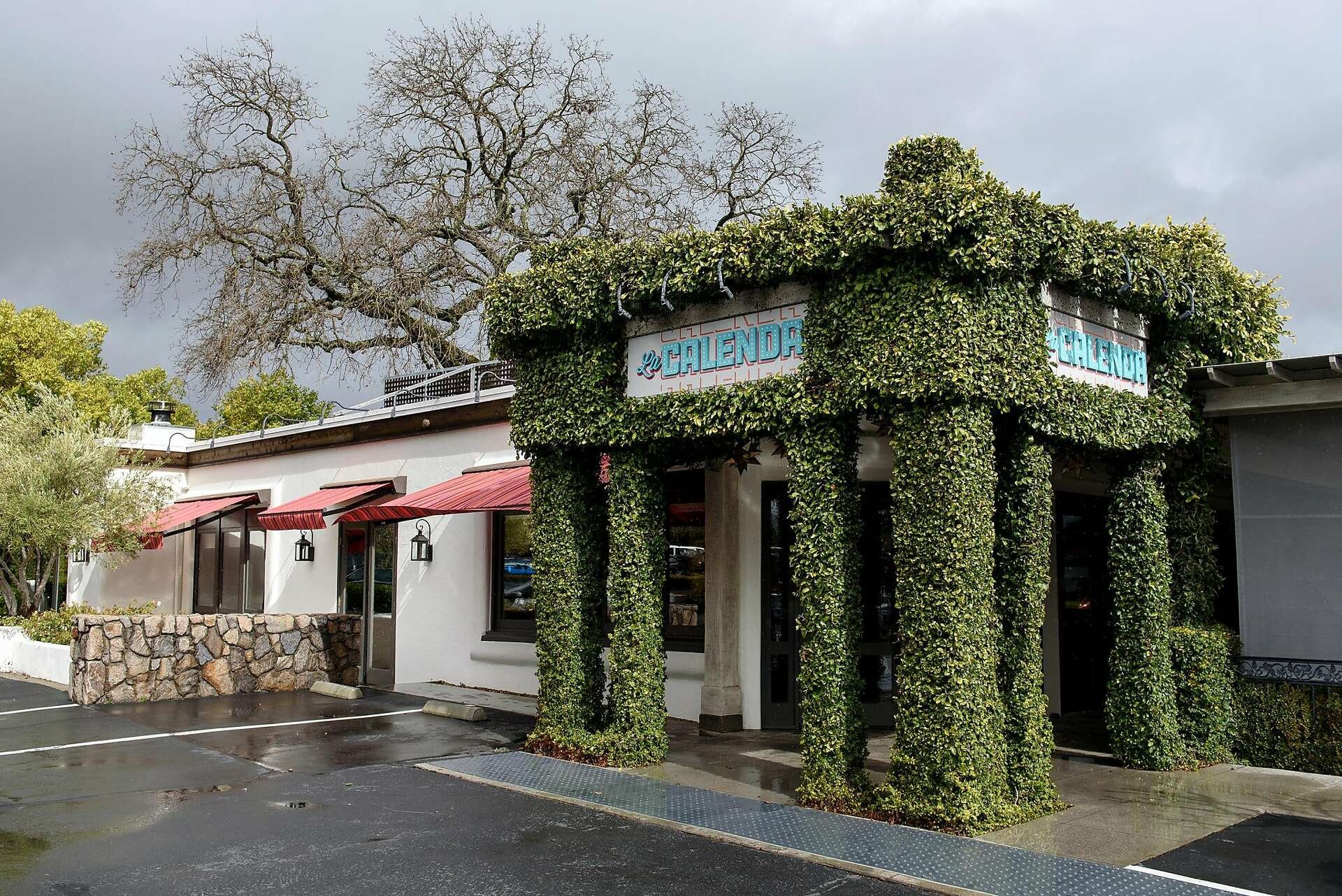
Washington Street in Yountville is one of the most concentrated stretches of serious eating in California, a two-block corridor where reservations are measured in months and the pace is set by the French Laundry's gravitational pull. Against that backdrop, La Calenda at 6518 Washington St reads as something the neighborhood actually needed: a Mexican restaurant operating at a register that is neither casual nor ceremonial, the kind of room where locals drop in after tastings and visitors extend a lunch into the early evening without feeling they've commandeered a table someone else needed more urgently.
A Room Shaped by the Valley It Serves
The physical character of Yountville rewards places that feel rooted rather than imported. La Calenda fits that pattern, drawing on the visual grammar of traditional Mexican cantinas while sitting comfortably within a wine-country town whose architectural mood tends toward the warm and unhurried. The street-level presence on Washington signals availability in a neighborhood where many of the celebrated rooms feel sequestered behind garden walls or inside hotel properties. That accessibility matters for what the restaurant does functionally: it acts as a social hinge, connecting the wine-tasting crowd arriving from the Napa Valley floor with the dinner-reservation circuit further down the block.
The shortlist, unlocked.
Hard-to-book tables, cellar releases, and concierge-planned trips.
Get Exclusive Access →Yountville's dining identity has long been defined by French-trained technique and high-end tasting formats. The presence of a Mexican kitchen operating at a comparable level of seriousness represents a meaningful expansion of that identity, one that reflects broader shifts across California's premium dining tier toward cuisines that had historically been categorized below their actual complexity. Venues like Superbueno in New York City and Jewel of the South in New Orleans have navigated similar repositioning in their respective cities, treating vernacular traditions as primary rather than derivative. La Calenda operates within that same critical current.
What Draws the Regulars
In a town this small, regulars are not incidental to a restaurant's identity; they constitute it. Yountville has a resident population in the low thousands, which means that any venue drawing repeat local visits is doing something the community has actively chosen to incorporate into its weekly pattern. The pull here is legible: Mexican cooking, with its layered chile work and slow-braised proteins, pairs with Napa Cabernet and Zinfandel in ways that European-leaning menus sometimes resist. A wine valley crowd knows this intuitively, and the crossover between serious Mexican food and serious California wine is not a novelty but a logical alignment.
The neighborhood competition for this regulars' market is genuine. Ad Hoc pulls a loyalist crowd with its family-style American format. Bottega Napa Valley holds the Italian-leaning middle ground. Lucy Restaurant and Bar and the North Block Hotel serve hotel-adjacent audiences who may or may not be repeat visitors. La Calenda addresses a gap that none of those venues fills: a Mexican kitchen with wine-country sourcing sensibilities in a room that sustains both drop-in momentum and longer stays.
The Broader Context: Mexican Fine Dining's Westward Progression
The tier of Mexican cooking that La Calenda represents has developed on both coasts and in several interior cities over the past decade. In San Francisco, ABV reflects the city's appetite for technically disciplined bar programs running alongside serious food programs, a pairing that increasingly appears alongside refined Mexican kitchens in premium neighborhoods. In Chicago, Kumiko demonstrates how a deliberately chosen culinary tradition, handled with precision, can anchor a restaurant at a tier above its apparent category. The through-line across these venues is specificity: not Mexican food as a broad category, but regional cooking with sourcing traceability and technique that can hold a conversation with any other serious kitchen in the same city.
Napa Valley as a region has the ingredient infrastructure to support this approach. The proximity to Central Valley produce, Pacific seafood, and artisan producers across Northern California means that a kitchen committed to sourcing quality has the supply chain to act on it. That context distinguishes La Calenda from a similar concept placed in a less agriculturally connected market.
The bar program in any restaurant of this type carries particular weight in a wine destination. Mezcal and tequila-forward cocktail lists have developed considerable sophistication over the same period that agave spirits gained critical recognition in venues like Bar Leather Apron in Honolulu, Julep in Houston, and The Parlour in Frankfurt on the Main, which each represent regional interpretations of the shift toward spirits programs with genuine depth. A Yountville venue making this argument has to hold its bar program to the same standard as its kitchen, since the audience already drinks at a high level of engagement.
Planning a Visit
La Calenda is located at 6518 Washington Street in Yountville, within walking distance of the town's main cluster of tasting rooms and the majority of its hotel properties. Yountville rewards visitors who plan around midday arrival: the town moves quickly on weekend afternoons when Napa Valley tasting traffic peaks, and securing lunch or an early dinner slot at La Calenda avoids the pressure of coordinating with multiple same-evening reservation demands elsewhere on the block. For visitors building a broader itinerary, our full Yountville restaurants guide maps the town's dining tier by format and occasion.
Walk-in availability follows the rhythm of the valley: weekday lunches offer the most flexibility, while Friday and Saturday evenings operate closer to fully committed seatings. For visitors arriving without a reservation, arriving at opening or during the shoulder between lunch and dinner service typically produces the leading result.
Frequently Asked Questions
- What should I try at La Calenda?
- La Calenda operates as a Mexican kitchen in a wine-country context, which shapes its menu toward dishes built for the table-sharing format and wine pairing that Yountville visitors expect. Slow-braised and chile-based preparations represent the core of Mexican regional cooking at this tier; those are the categories to anchor a meal around, supplemented by whatever the kitchen is running from local sourcing. The food is designed to hold a conversation with Napa's Cabernet and Zinfandel programs as much as with the agave spirits side of the list.
- What is the main draw of La Calenda?
- In a town whose dining identity is built primarily around European-trained fine dining at significant price points, La Calenda offers a Mexican kitchen operating at a comparable level of seriousness but at a different register of occasion. It fills a gap that the rest of Yountville's Washington Street corridor does not address, which makes it both a practical option for a broader range of dining moments and a conceptually distinct counterpoint to the town's dominant culinary axis.
- Do they take walk-ins at La Calenda?
- Walk-in availability depends on the day and time. Yountville operates at high visitor volume on weekends, and La Calenda's Washington Street location places it in the most trafficked zone of the town. Weekday lunches and early-evening slots on slower days offer the most realistic walk-in window. If a reservation is possible before arrival, the Yountville dining circuit generally rewards planning: multiple venues along the same corridor compete for the same peak-hour seatings, and arriving without a reservation on a Saturday evening carries real risk of a long wait.
- How does La Calenda fit into Yountville's broader dining scene compared to its French and Italian neighbors?
- Yountville's restaurant tier has historically clustered around French-trained technique and Italian-inflected wine-country cooking, with the French Laundry setting the critical reference point for the entire corridor. La Calenda represents a substantively different culinary tradition, one whose chile-based cooking and regional Mexican sourcing logic operate on their own terms rather than as a variation on the European fine-dining template. For visitors working through the town's options, that distinction makes it a complement to the area's dominant registers rather than a competitor within them.
Reputation First
A quick look at comparable venues, using the data we have on file.
| Venue | Awards | Cuisine | Notes |
|---|---|---|---|
| La Calenda | This venue | ||
| Ad Hoc | |||
| Bottega Napa Valley | |||
| Lucy Restaurant & Bar | |||
| North Block Hotel | |||
| Stewart Cellars |
Need a Table?
Our members enjoy priority alerts and concierge-led booking support for the world's most difficult bars and lounges.
Get Exclusive AccessThe shortlist, unlocked.
Hard-to-book tables, cellar releases, and concierge-planned trips.
Get Exclusive Access →