Google: 4.5 · 820 reviews
Kisaku Sushi
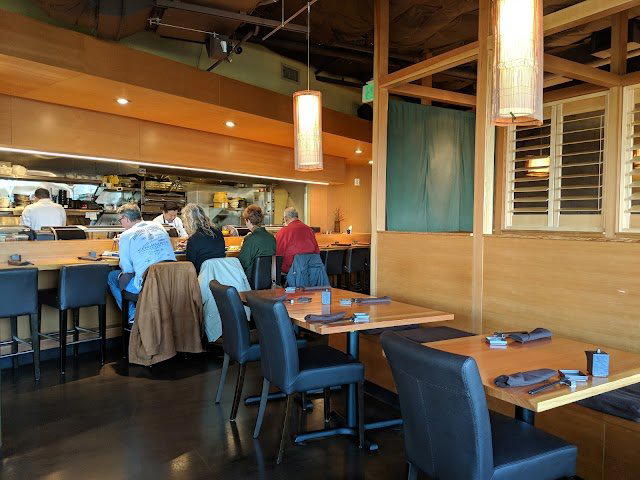
Kisaku Sushi sits in Seattle's Tangletown neighbourhood at 2101 N 55th St, operating within a local sushi tradition that prizes technique over spectacle. The restaurant occupies a niche in Seattle's broader Japanese dining scene, where neighbourhood counters often outperform their low-profile addresses. Visit for focused omakase-style eating in a setting that rewards repeat visits.
 Discover on Pearl
Pearl is the En Primeur Club membership app — saves, bookings, and concierge access live there. Same editors, same standards.
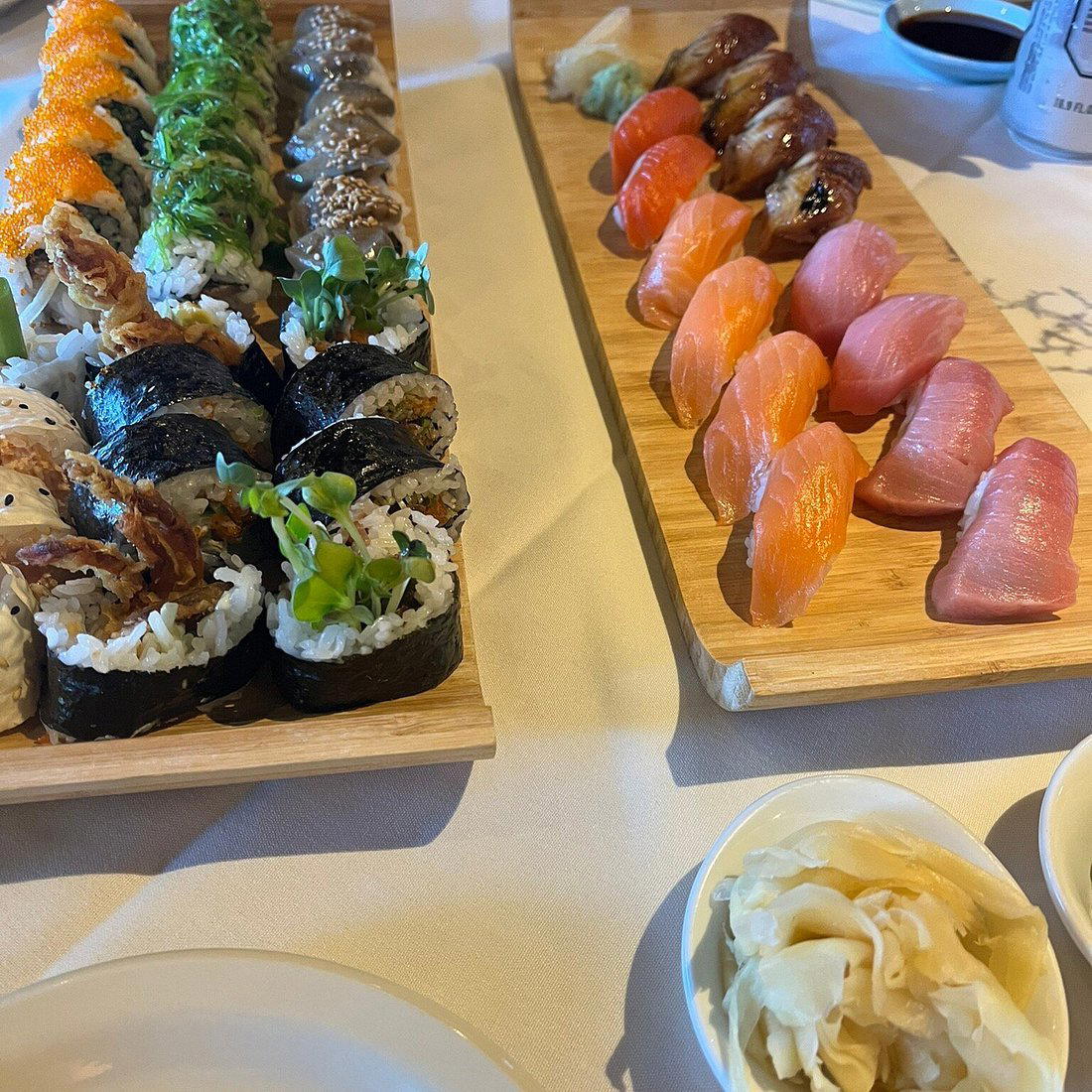
Tangletown's Quiet Commitment to the Counter
Seattle's sushi scene has never organised itself around a single district the way Tokyo's Ginza or New York's Midtown does. Instead, the city's most serious Japanese counters are distributed across residential neighbourhoods, tucked into strip-mall suites and low-key storefronts where the surrounding foot traffic gives little indication of what's happening inside. Kisaku Sushi, at 2101 N 55th St in Tangletown, fits squarely into that pattern. The address — a suite in a neighbourhood commercial block north of Green Lake — signals nothing about culinary ambition, which in Seattle is often precisely the point.
That geographic modesty is a feature of how serious sushi has developed in this city. Unlike the coastal theatrics of some West Coast Japanese restaurants, Seattle's neighbourhood counters tend to operate on earned loyalty rather than spectacle. Regulars return because the fish quality is consistent and the kitchen respects the material, not because the room has been designed to photograph well. Kisaku has built its reputation within that tradition over a sustained period, which in a neighbourhood restaurant context carries more weight than a single accolade.
Seattle's Neighbourhood Sushi Tier
To understand where Kisaku sits in Seattle's dining picture, it helps to understand how the city's Japanese restaurant tier has stratified over time. At one end are the high-volume rolls-and-miso operations that fill the midrange. At the other are the omakase counters in Capitol Hill and Belltown that price against destination-dining peers nationally. Kisaku occupies a middle register that Seattle does particularly well: the serious neighbourhood sushi house, where technique is present without the performance pricing of a full omakase format.
This tier matters because it's where most of Seattle's daily Japanese dining actually happens. Restaurants in this bracket compete on fish sourcing, knife work, and the kind of quiet consistency that doesn't generate press releases but does generate six-month waiting lists from locals who know. The Tangletown location places Kisaku in a residential catchment with Green Lake to the south and Fremont to the west, an area that supports a dining culture of regulars rather than tourists, which shapes both what the kitchen produces and how reliably it produces it.
The Drinking Side: Where Seattle's Bar Culture Intersects
A meal at a serious sushi counter increasingly involves decisions about what to drink alongside the food, and Seattle has built one of the more considered bar cultures on the West Coast to support that. For sake and Japanese whisky specifically, the city's specialist bars have developed depth that competes with larger markets. Canon has long been the reference point for rare spirits depth in Seattle, with a back bar that runs to thousands of bottles and a serious Japanese whisky section that functions almost as a standalone collection. For visitors planning an evening that moves from sushi counter to cocktail bar, Canon represents the obvious first call.
Roquette and The Doctor's Office offer different registers within the same city's bar culture, with the former leaning into a European wine-bar sensibility and the latter operating in the craft cocktail space. For something more deliberately off-grid, 2963 4th Ave S represents the kind of low-profile operation that mirrors Kisaku's own approach to neighbourhood dining: serious product, minimal signage, earned reputation. Any of these work as a second stop after a counter meal, depending on whether the evening calls for whisky depth, natural wine, or a technically constructed cocktail.
Across other American cities, the pairing of a serious Japanese counter with an equally serious bar programme has become a recognisable evening format. Kumiko in Chicago has made Japanese spirits central to its identity in a way that directly complements the city's omakase culture. Bar Leather Apron in Honolulu operates in a market where Japanese culinary tradition is woven into the local food culture at a structural level, and its approach to rare Japanese whisky reflects that. ABV in San Francisco and Jewel of the South in New Orleans show how cities with strong local culinary identities have built bar programmes that hold their own beside the food, rather than existing as afterthoughts. Julep in Houston, Superbueno in New York City, and The Parlour in Frankfurt on the Main each demonstrate that the instinct to treat the back bar as seriously as the kitchen is not confined to any single city or cuisine tradition.
What the Neighbourhood Counter Format Demands
The neighbourhood sushi house is a format that punishes inconsistency more harshly than the destination restaurant. At a high-profile omakase counter, a single off night can be absorbed into the mythology of the experience. At a place like Kisaku, where regulars return weekly and measure performance across dozens of visits, consistency is the product. The fish has to arrive correctly; the rice temperature and seasoning have to hold across service; the kitchen has to work at the same standard on a wet Tuesday in February as it does on a Friday in October.
That discipline is harder to maintain than any individual moment of brilliance, and it's what separates the neighbourhood counters that last from those that peak and fade. Kisaku's address in Tangletown has remained a consistent reference point in Seattle's Japanese dining conversation long enough to suggest the kitchen understands this. For a city that now has genuine competition at the top of the sushi market, that sustained local credibility carries its own signal.
Planning a Visit
Kisaku Sushi is at 2101 N 55th St Suite 100, in the Tangletown neighbourhood, accessible from Green Lake and Fremont by a short drive or a walkable distance for those staying in the northern residential districts. The format and booking method are best confirmed directly with the restaurant, as neighbourhood counters in this tier typically manage reservations through their own channels rather than third-party platforms. Visiting as part of a broader Seattle evening, with one of the city's specialist bars as a follow-on, is the format that makes leading use of what the neighbourhood and the wider city offer. For a fuller picture of where Kisaku sits within Seattle's dining options, see our full Seattle restaurants guide.
Cost Snapshot
A quick comparison pulled from similar venues we track in the same category.
| Venue | Awards |
|---|---|
| Kisaku SushiThis venue — the venue you are viewing | |
| Canon | World's 50 Best |
| Bar Miriam | |
| Rob Roy | |
| Roquette | World's 50 Best |
| The Doctor's Office | World's 50 Best |
Continue exploring
More in Seattle
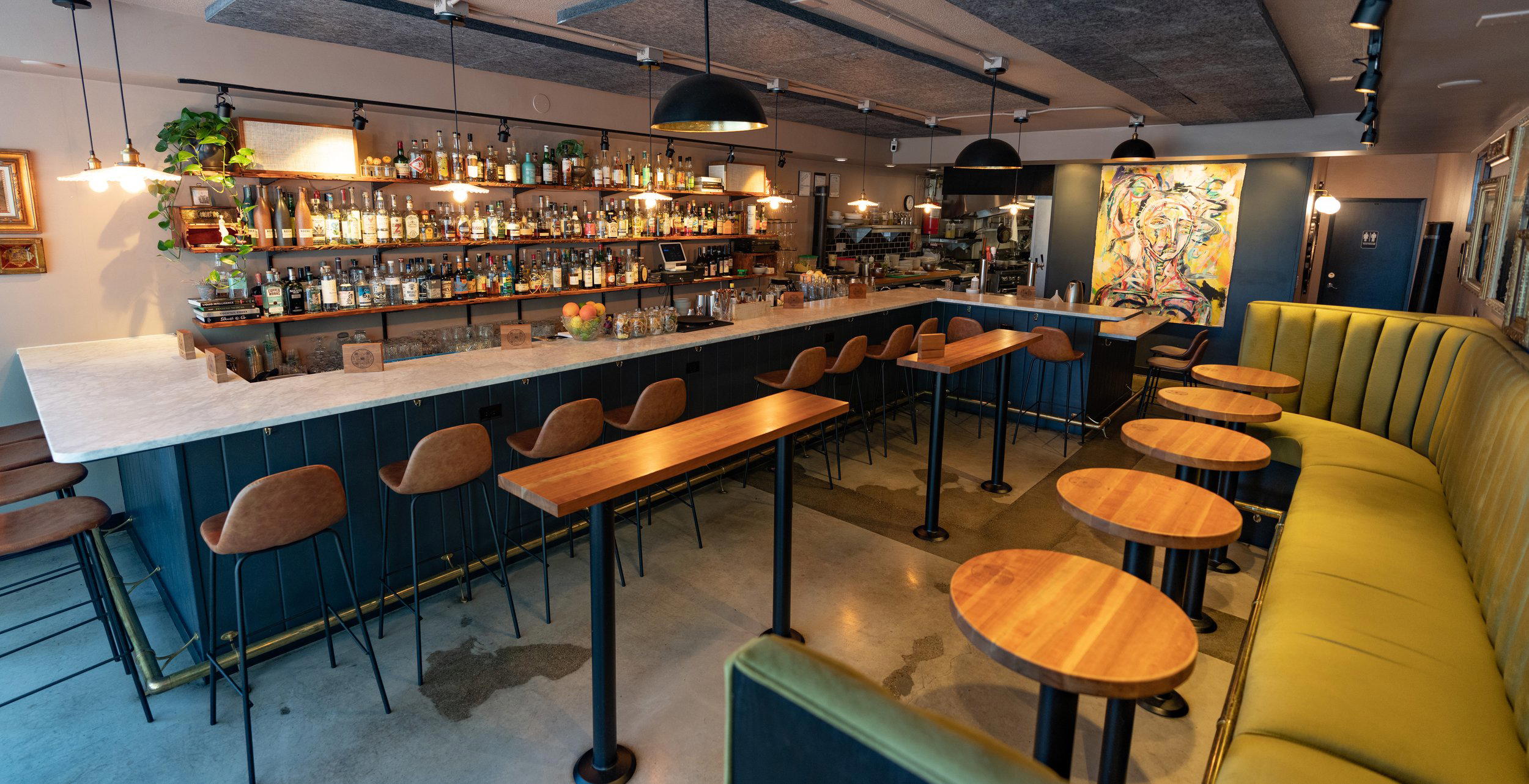
Bars in Seattle
Browse all →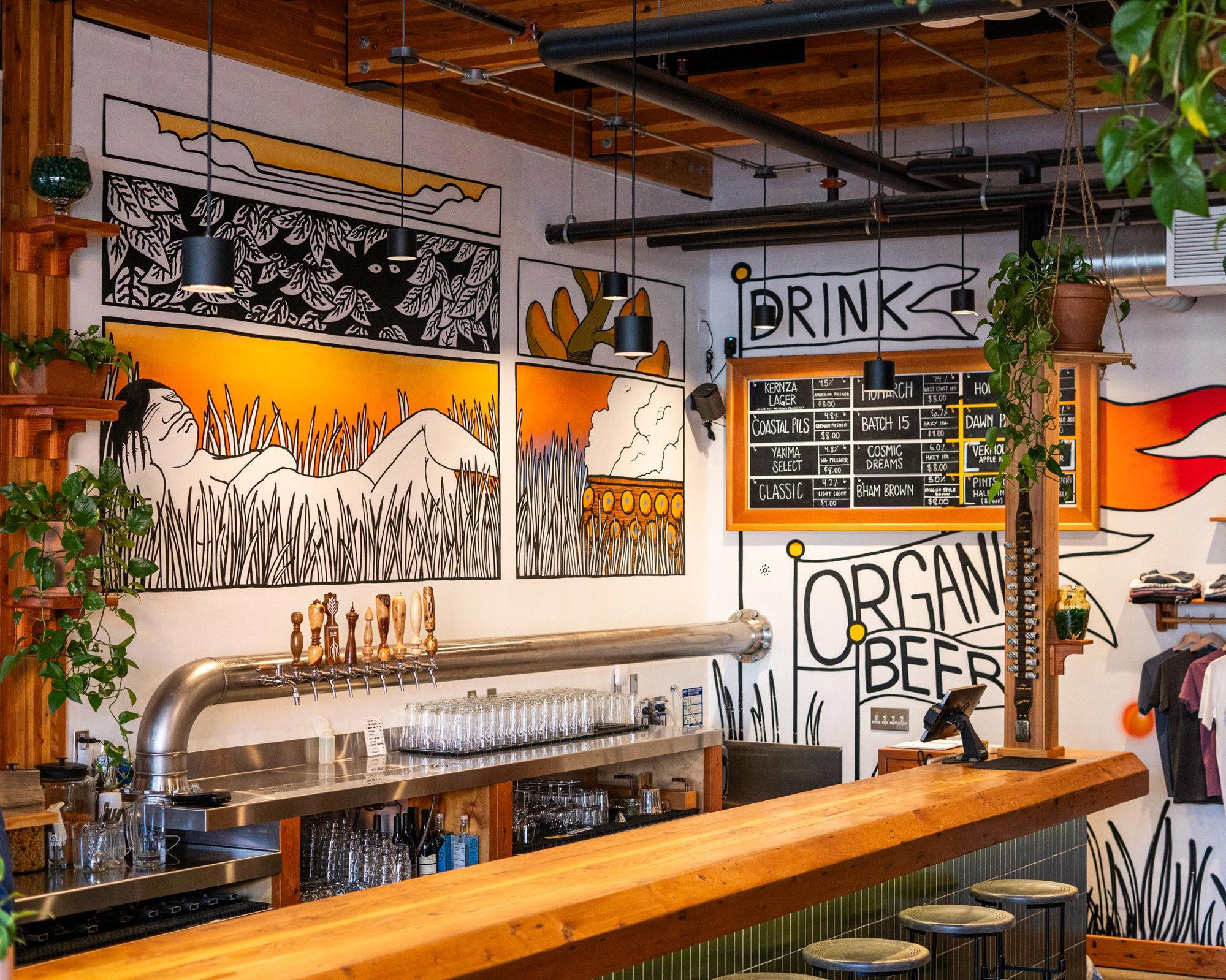
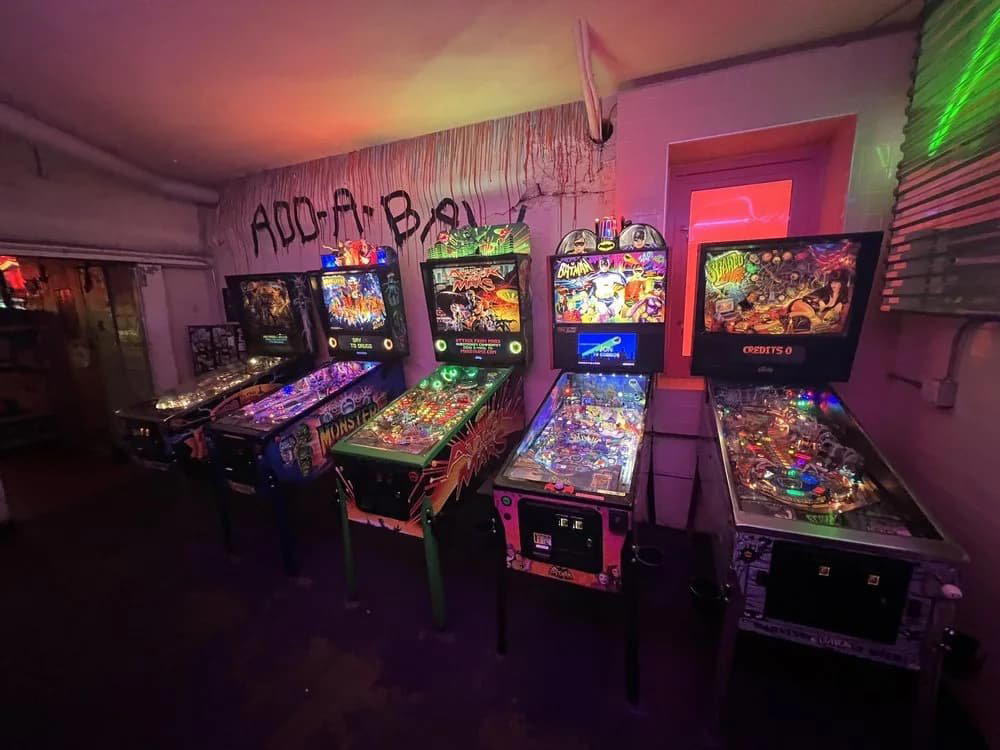
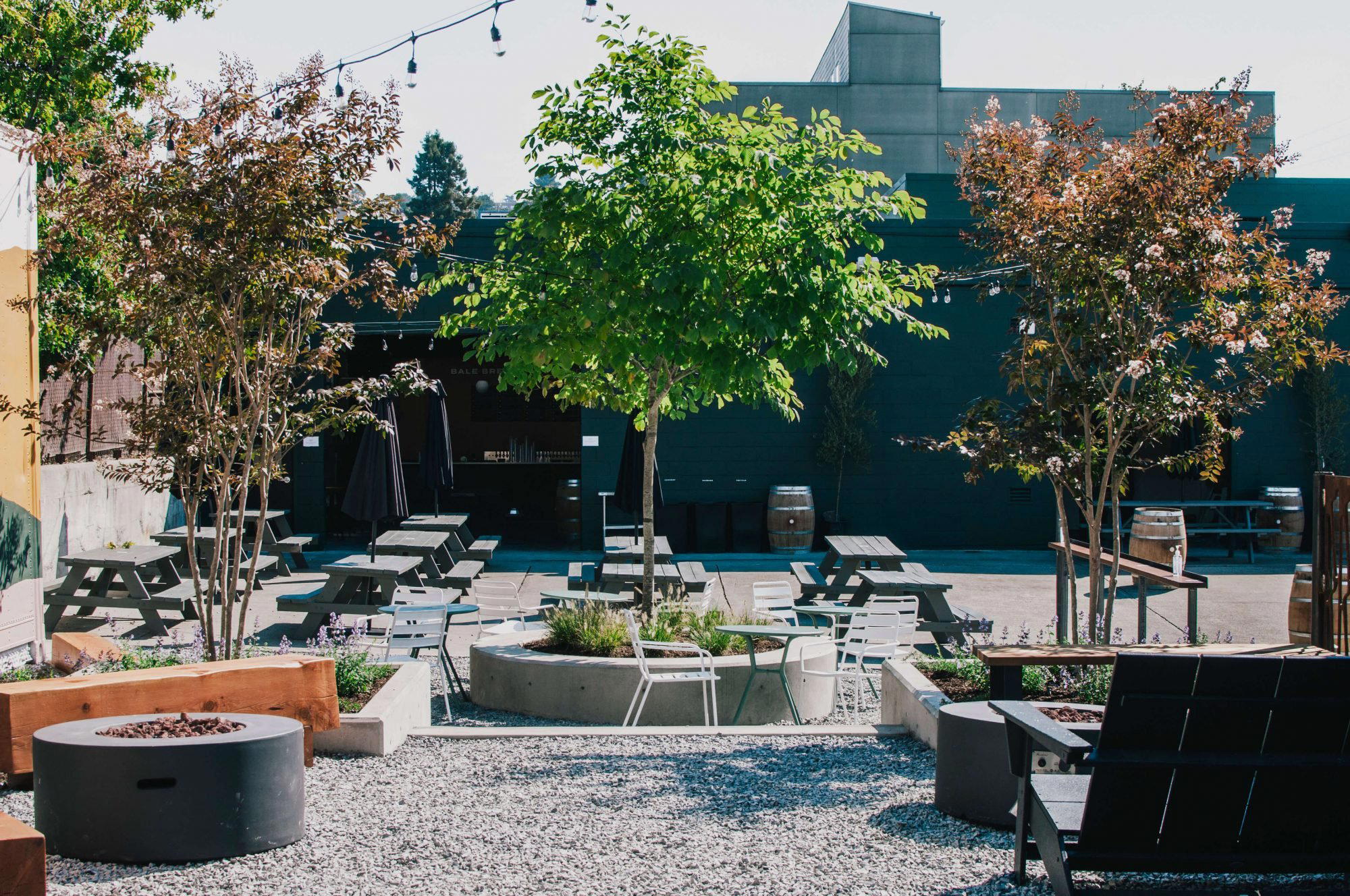
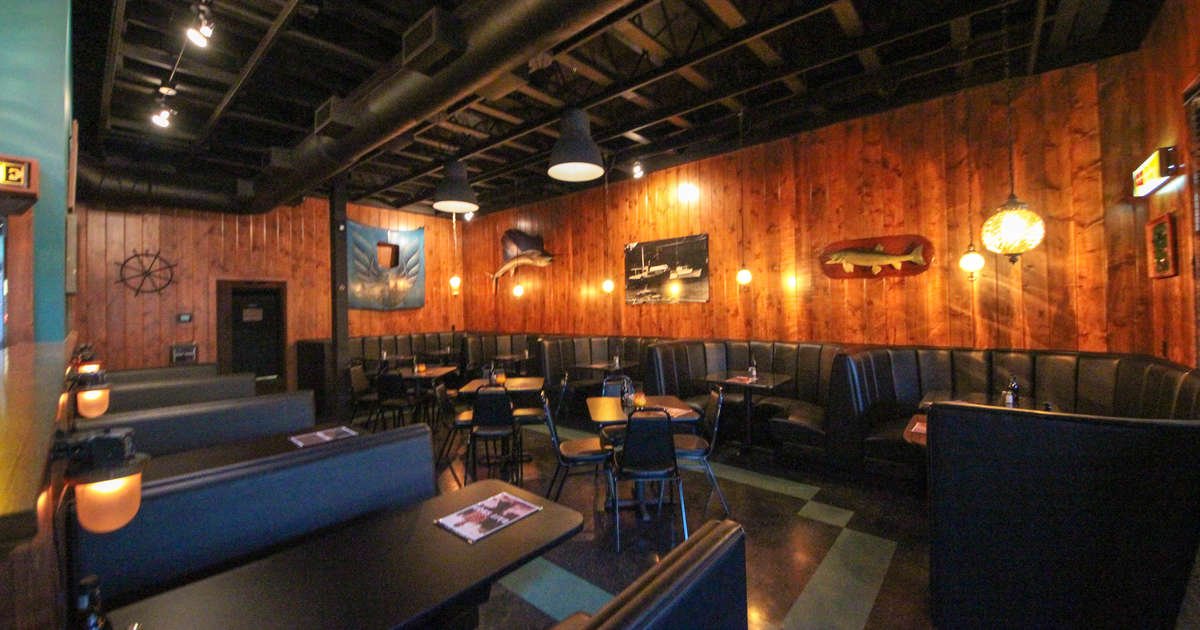
Restaurants in Seattle
Browse all →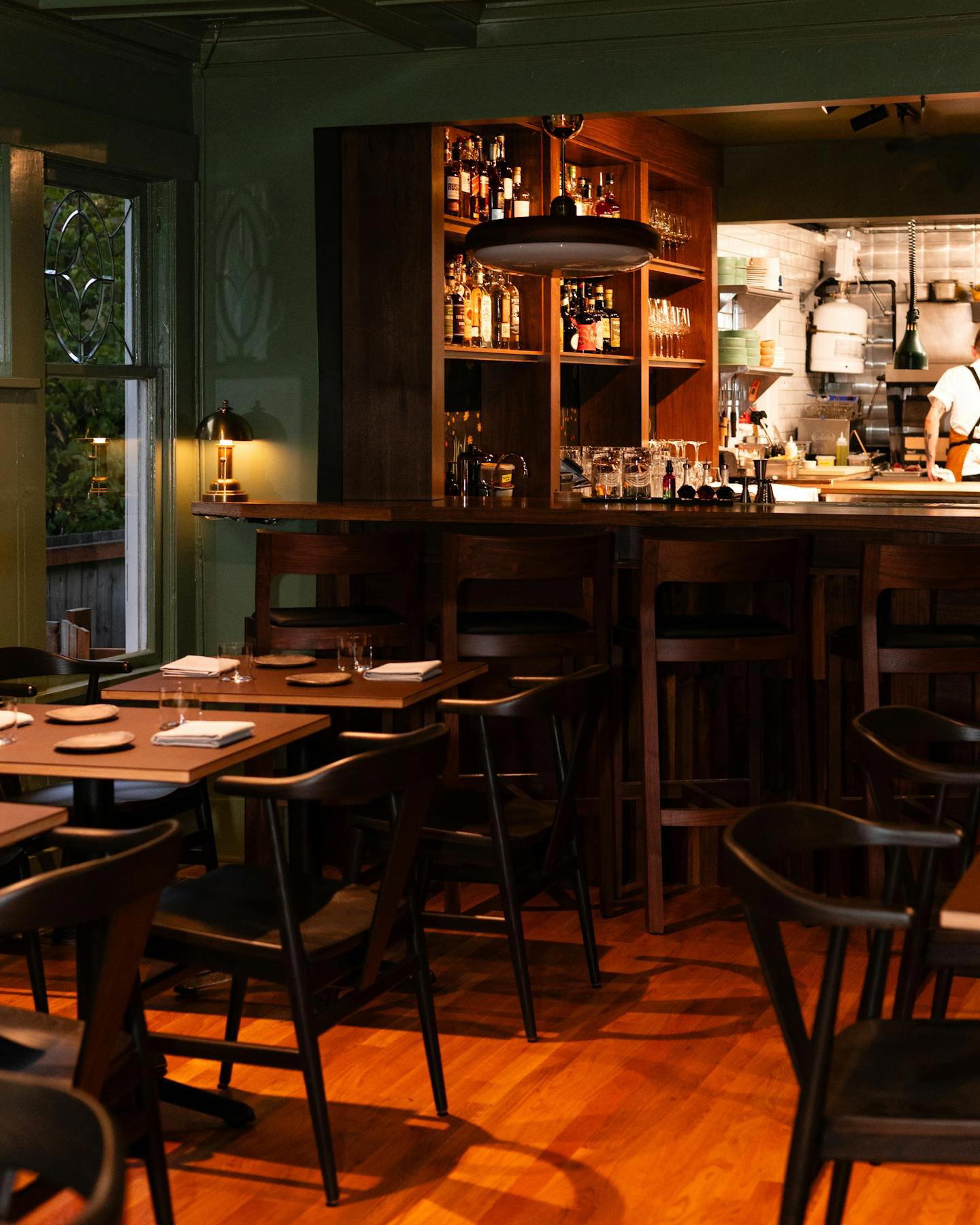
Hotels in Seattle
Browse all →
At a Glance
- Cozy
- Intimate
- Casual Hangout
- Standalone
- Seated Bar
- Booth Seating
- Sake
Cozy and casual neighborhood atmosphere with an easy-going vibe.