Kinme Omakase
Kinme Omakase brings a counter-format sushi experience to Bankers Hill, one of San Diego's quieter dining corridors, at 2505 Fifth Ave. The omakase format places it in a small comparable set of San Diego restaurants where the kitchen controls the pace and the counter becomes the room's focal point. For those already tracking the city's Japanese dining scene, this address warrants attention.
Pearl is the En Primeur Club membership app — saves, bookings, and concierge access live there. Same editors, same standards.
- Address
- 2505 Fifth Ave, San Diego, CA 92103
- Phone
- +1 858 947 1518
- Website
- kinmeomakase.com
- Directions
- Get directions
 Saves & bookings on Pearl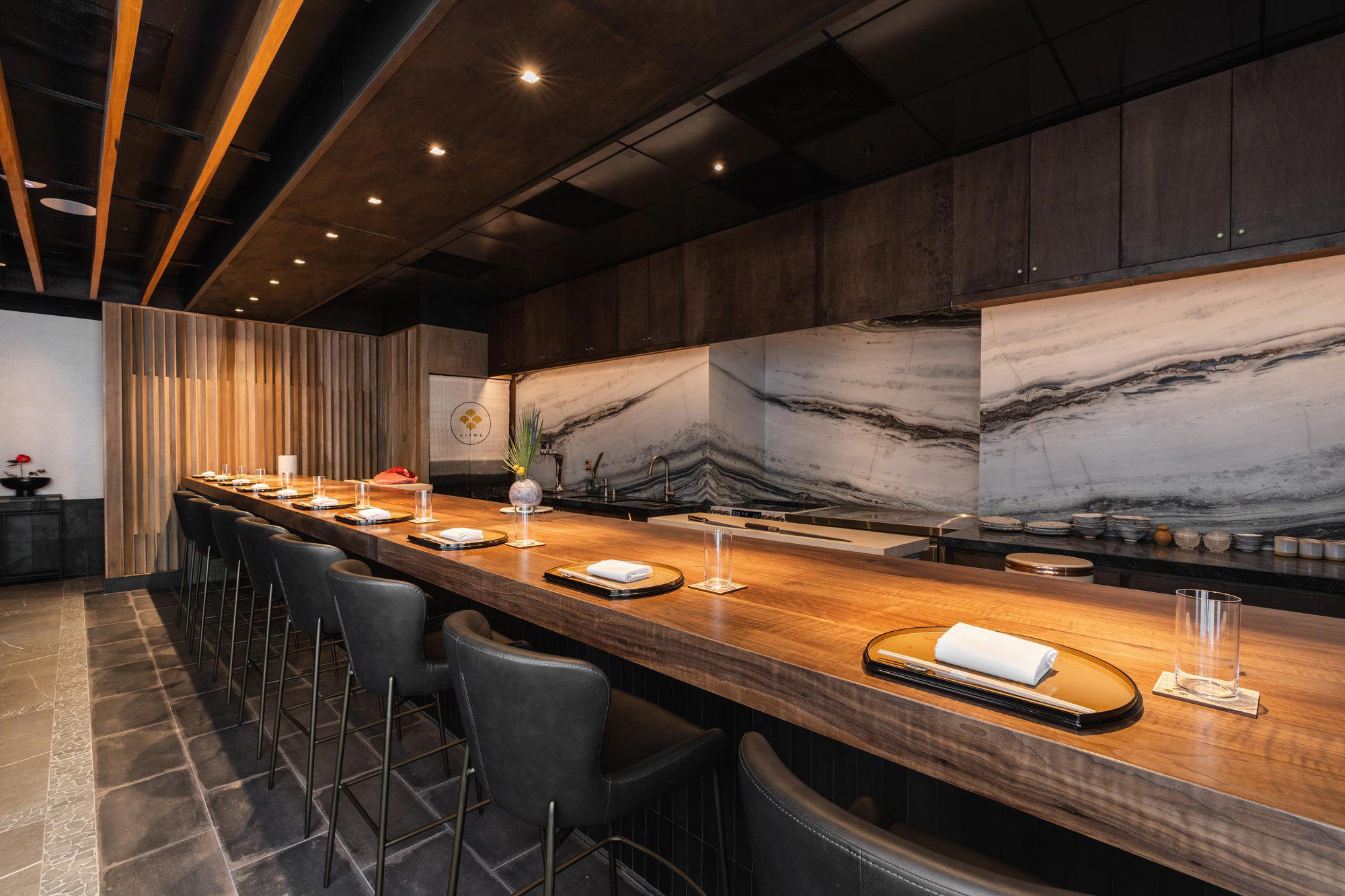
Fifth Avenue's Counter Moment
Bankers Hill occupies an odd position in San Diego's dining map. It runs parallel to Balboa Park, close enough to draw foot traffic from museum visits and weekend walks, yet historically it has attracted far less dining attention than the Gaslamp Quarter to the south or Little Italy a few blocks west. That relative quiet has made it hospitable to a particular kind of restaurant: the small-format, counter-led room that depends on return visits and word of mouth rather than tourist flow. Kinme Omakase, at 2505 Fifth Ave, sits inside that pattern.
The omakase format itself carries specific expectations in the American market in 2024. A decade ago, the model was largely concentrated in New York and Los Angeles, with a handful of serious practitioners in San Francisco. San Diego's version of that story arrived later, and the city's counter-sushi scene remains relatively compact, which means each entry into it carries more weight per seat than it would in a denser market. When a city has four or five serious omakase addresses rather than forty, the audience for each one tends to be drawn from a more deliberate cohort of diners who have already benchmarked against the format elsewhere.
The Room and What It Does to Time
Counter dining, at its core, is a restructuring of the restaurant's relationship with time. In a conventional table-service room, the kitchen and the guest operate on parallel but separate tracks. At an omakase counter, those tracks converge: the guest watches preparation unfold, the pace of the meal is determined by the kitchen, and the physical proximity to the chef collapses the usual social distance between production and consumption. This is why the format demands a particular kind of attention from both sides of the counter. It is not well suited to business dinners with distracted participants or to guests who prefer to control the meal's rhythm themselves.
What the format rewards instead is the kind of focus that Bankers Hill's quieter streets encourage. The neighbourhood lacks the ambient noise and table-turn pressure of a high-volume district, which tends to filter out casual or transient diners. The local audience for a counter-format room in this part of San Diego skews toward residents and regulars rather than conventioneers or first-time visitors working through a list. That community dynamic shapes the room's character as much as the food does.
Where Kinme Sits in the San Diego Omakase Tier
San Diego's Japanese dining scene has developed along two distinct lines. The first is the accessible, high-volume roll-and-combo format that dominates the coastal suburbs. The second is the smaller, counter-led tier that has grown steadily since the mid-2010s and now includes a handful of addresses where the kitchen sets the menu and the price point reflects a full multi-course commitment. Kinme Omakase belongs to the second category, which places it in direct comparison with other fixed-format Japanese rooms in the city rather than with the broader sushi market.
Within that comparable set, San Diego's counter-sushi addresses tend to position against each other on variables like seat count, course length, and the degree of interaction between chef and guest. The city's version of this tier is less formally stratified than Tokyo's or New York's, where Michelin stars and clear price brackets create explicit rankings. In San Diego, the distinctions are more granular and require some local knowledge to parse, which is one reason that venues in this format tend to develop loyal regular audiences who return across multiple seasons and track the kitchen's evolution over time.
For broader context on where this format sits inside San Diego's overall dining and bar scene, the EP Club San Diego guide maps the city's key addresses across categories. Comparison bars worth benchmarking against in terms of considered format and local audience include Raised by Wolves and Youngblood, both of which operate on a similar principle of controlled experience over volume. Elsewhere in the city, 1450 El Prado and 356 Korean BBQ & Bar represent the kind of venue-led format specificity that distinguishes San Diego's more deliberate dining addresses from the general market.
Omakase as a Gathering Format
One underappreciated function of the counter room is its role as a gathering mechanism for a particular kind of regular. In cities where the omakase tier is established and competitive, the counter functions as a meeting point for guests who share a set of dining priorities: patience, curiosity about the kitchen's seasonal direction, and a preference for the chef's judgment over their own preferences for the evening. These regulars tend to know each other across venues, compare notes on course structure, and return to favoured counters at intervals that track with the kitchen's procurement cycles.
This dynamic is visible across counter-format rooms in other American cities. At venues like Kumiko in Chicago or Bar Leather Apron in Honolulu, the regulars are as much a part of the room's identity as the format itself. Comparable dynamics play out at Jewel of the South in New Orleans, Julep in Houston, and Superbueno in New York City, each of which has developed a devoted local audience around a specific format rather than a broad-market offer. The pattern extends to venues like ABV in San Francisco and The Parlour in Frankfurt on the Main, where format discipline creates the kind of community that high-volume rooms rarely achieve.
Kinme Omakase operates in that same register. The Bankers Hill address, the counter format, and the fixed-menu structure together select for a guest who comes prepared to follow the kitchen's lead, which in turn generates the kind of repeat audience that sustains a room over time.
Planning a Visit
Bankers Hill is accessible from downtown San Diego without difficulty, and Fifth Avenue in this stretch is walkable from several parking structures near Balboa Park. Because counter-format omakase rooms in this tier typically operate with limited sittings per evening, booking ahead is advisable regardless of day of week. The format's fixed structure means arrival time matters more than it does in table-service rooms: late arrival compresses the experience for everyone at the counter. Guests arriving for the first time should plan the evening around the meal rather than treating it as one stop among several, as the format is designed to occupy a full evening at its own pace.
Recognition Snapshot
Comparable venues nearby, for context on price, style, and recognition.
| Venue | Cuisine | Price | Notes |
|---|---|---|---|
| Kinme OmakaseThis venue — the venue you are viewing | Bar | $$$$ | Not listed |
| The Marine Room | lounge | $$$$ | La Jolla |
| A.R. Valentien | hotel_bar | $$$$ | University |
| The Rose Wine Bar | wine_bar | $$$ | Greater Golden Hill |
| Catania | rooftop_bar | $$$ | La Jolla |
| Bistro du Marché by Tapenade | lounge | $$$ | La Jolla |
Continue exploring
More in San Diego
Bars in San Diego
Browse all →
Restaurants in San Diego
Browse all →
At a Glance
- Intimate
- Elegant
- Minimalist
- Sophisticated
- Special Occasion
- Design Destination
- Counter Only
- Sake
- Whiskey
Current opening hours
- Monday
- Closed
- Tuesday
- Closed
- Wednesday
- 5–10:30 PM
- Thursday
- 5–10:30 PM
- Friday
- 5–10:30 PM
- Saturday
- 5–10:30 PM
- Sunday
- 5–10:30 PM
Hours can change for holidays and private events. Last verified .
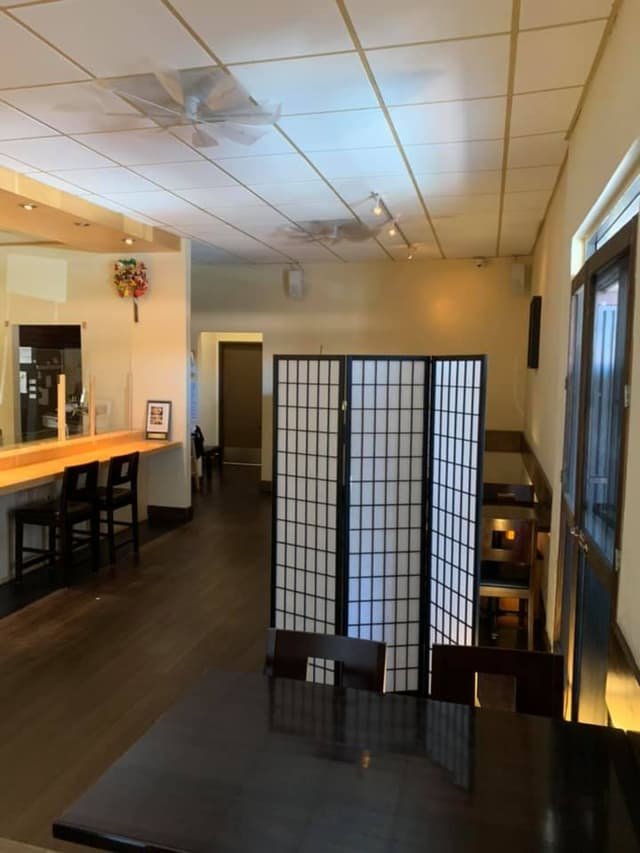
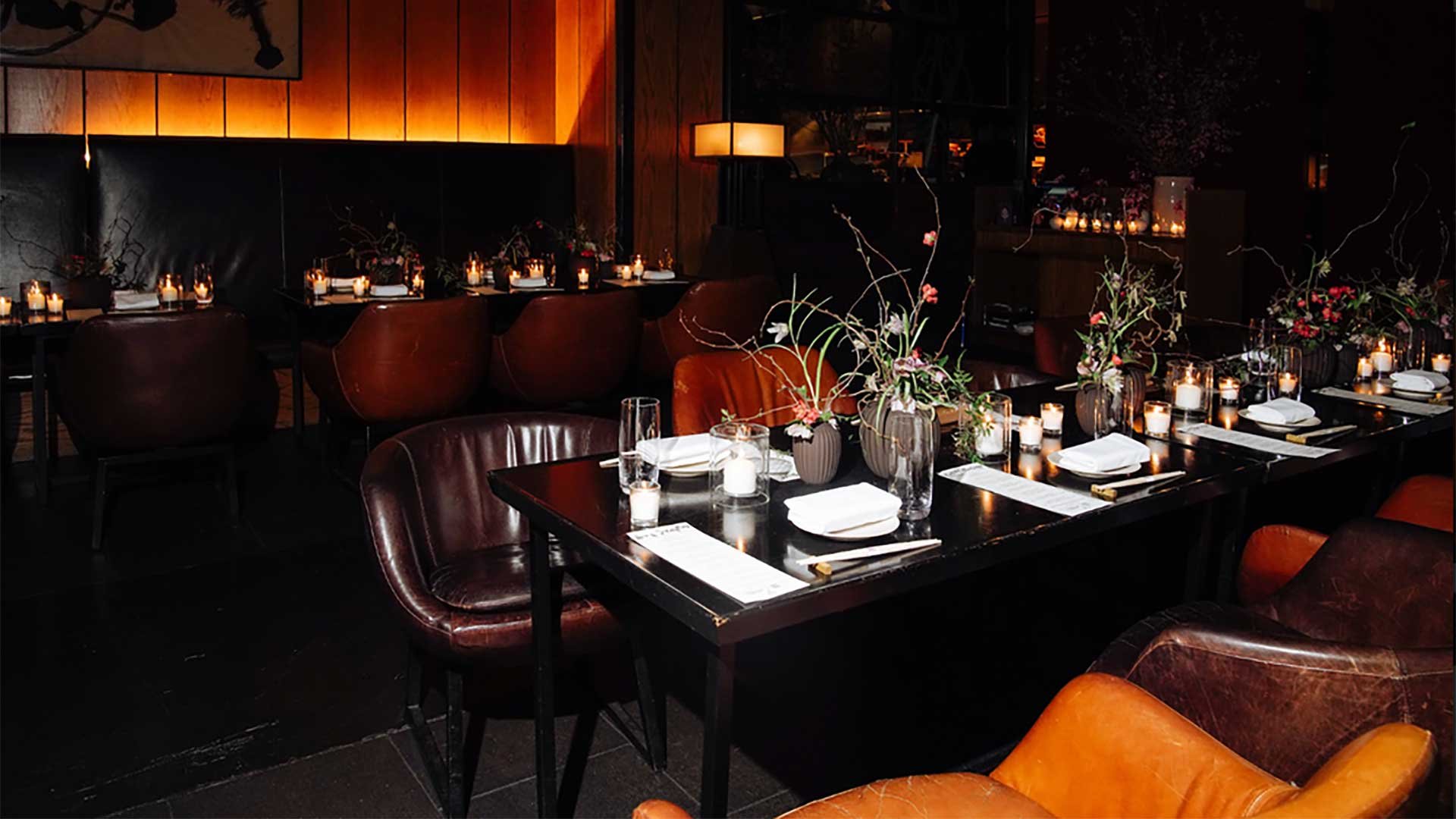
Meditative wabi-sabi environment that is minimalistic, earthy, quiet, and focused on the cuisine with a deep wooden bar and marble panels.