Google: 4.8 · 294 reviews
Kiepersol - The Grand Room, Winery, Distillery Tasting Room & Vineyard
Set on a working estate along Merlot Lane outside Tyler, Kiepersol brings together a winery, distillery, and formal dining room under one roof — a combination rare in East Texas. The Grand Room anchors the experience, while the tasting room offers access to estate-produced wines and spirits made from the same land. It occupies a niche in the Texas wine and craft spirits scene that few properties in the region can match.
 Discover on Pearl
Pearl is the En Primeur Club membership app — saves, bookings, and concierge access live there. Same editors, same standards.
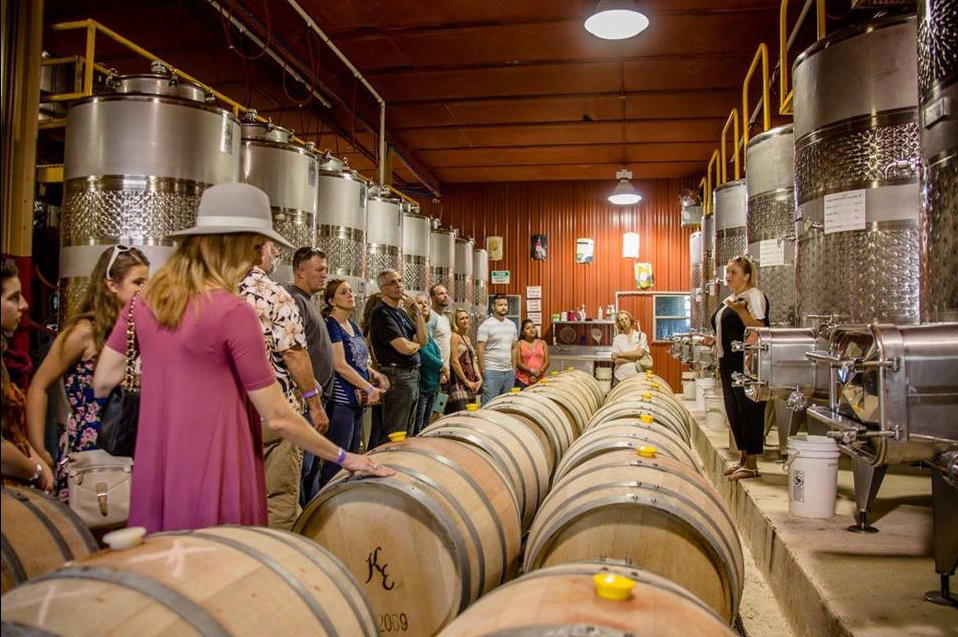
East Texas Wine Country, Distilled
The drive along Merlot Lane into Kiepersol's property sets a tone that East Texas rarely attempts and even more rarely delivers. Rolling vineyard rows, a working winery, and a distillery operation share the same acreage as a formal dining room, creating a vertically integrated hospitality compound that sits well outside the typical Tyler, Texas itinerary. For a state whose wine and spirits identity is still consolidating around a handful of serious producers, a property that grows, ferments, distills, and pours under one roof represents a specific and relatively uncommon model in this part of the South.
Smith County is not a destination most cocktail or wine travelers build itineraries around, at least not yet. That makes Kiepersol's position instructive: it operates as both a regional anchor and a proof of concept, demonstrating that the production-to-glass model pioneered in Napa, the Willamette Valley, and parts of the Hill Country can take root further east. Visitors who arrive expecting a simple tasting counter leave with a more complicated picture of what Texas terroir and Texas spirits can look like when a single property commits to the full chain.
The Spirits Program in Context
In American craft distilling, the most coherent operations tend to be those where the source grain or fruit is controlled from the start. Kiepersol's distillery sits within that logic: the property's agricultural base informs what goes into the still, positioning its spirits program closer to the estate-production model than to the contract-distilled or sourced-spirit category that characterizes much of the American craft market. This matters for anyone evaluating the cocktail program alongside the tasting room experience.
Across the broader American cocktail scene, the last decade has seen bartenders at venues like Bar Leather Apron in Honolulu, Kumiko in Chicago, and Canon in Seattle build reputations on the provenance and specificity of their spirits selections. The conversation has shifted from broad category competence to knowing exactly where a base spirit comes from and what production choices shaped it. A property like Kiepersol, where the distillate is made on-site, enters that conversation from a different angle than a cocktail bar sourcing internationally: the editorial interest here is not curation but production, and the tasting room becomes a place to encounter spirits at the source rather than after they have traveled through a supply chain.
Southern cocktail culture has its own reference points. Jewel of the South in New Orleans works within a historically grounded framework, while Julep in Houston has built its program around American whiskey with clear regional identity. Kiepersol's approach to poured spirits operates in a related spirit of place, though the context is a winery-distillery compound rather than a dedicated bar program, which changes the rhythm of the experience considerably.
The Grand Room: Dining Alongside Production
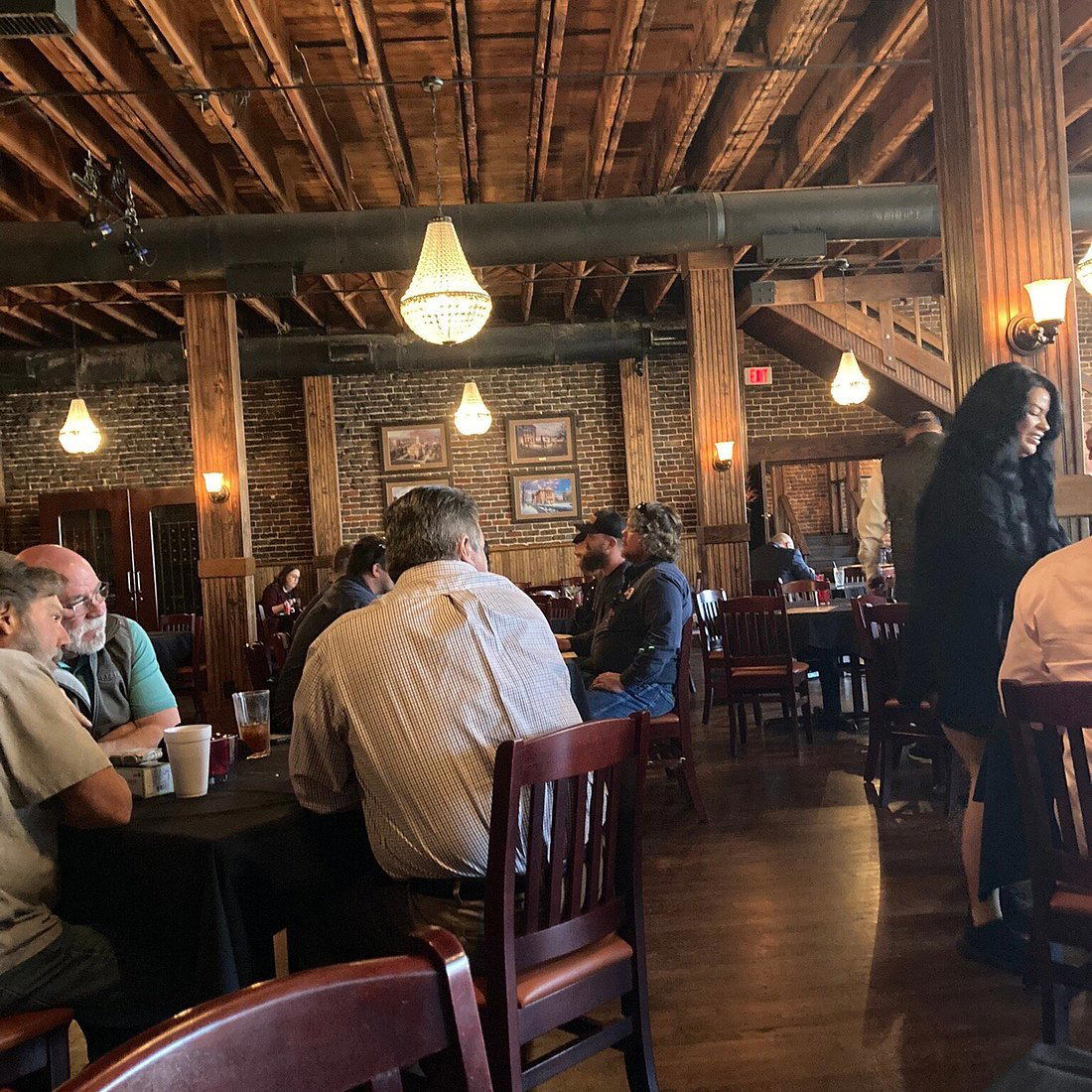
Formal dining rooms attached to working wineries occupy a specific register. The food is not incidental, but it also does not exist in isolation from what is being poured. The Grand Room at Kiepersol follows this logic, functioning as the hospitality anchor for a property that is primarily defined by what it produces. In wine regions like Paso Robles or the Texas Hill Country, this format has become familiar enough that visitors arrive with calibrated expectations. In Smith County, the format carries more novelty, which shapes the atmosphere in the room: guests are more likely to be oriented toward discovery than to be checking a property against known benchmarks.
That orientation tends to produce a more relaxed, less performative dining environment than you find at destination tasting rooms in higher-profile wine corridors. The property's position in East Texas rather than a nationally recognized appellation means the crowd skews regional, which gives the room a different social texture from venues that draw heavily on wine tourism circuits. For some visitors, that is a feature rather than a limitation.
What the Winery Adds
Texas wine has been building serious infrastructure for two decades, with the High Plains and Hill Country appellations receiving most of the national attention. East Texas producers work in a warmer, more humid climate that presents different challenges and favors different varieties than the state's western growing regions. Kiepersol's vineyard operation represents a commitment to production in this context, which is worth understanding before a visit. The wines poured in the tasting room are a direct expression of site and season in Smith County, not a showcase of sourced fruit from elsewhere in the state.
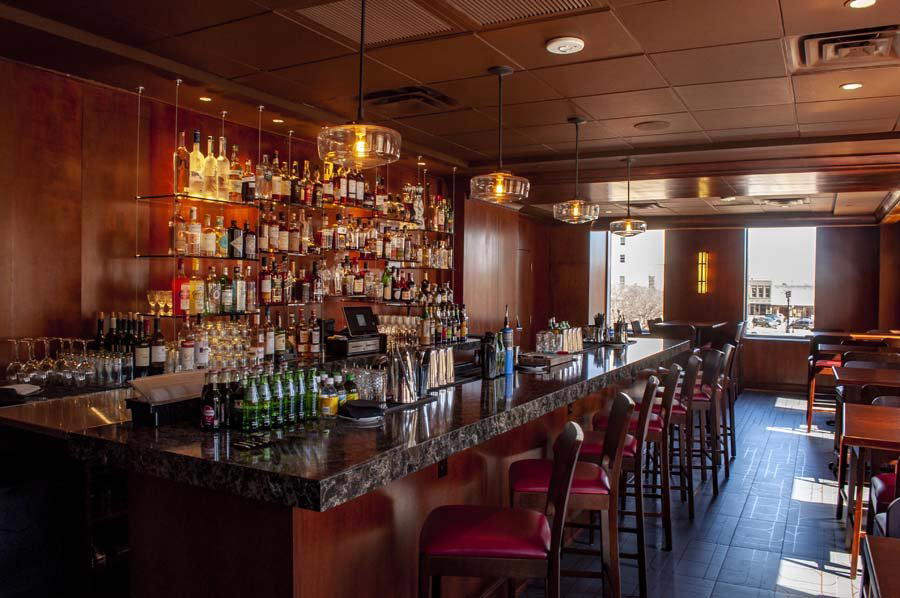
For comparison, tasting room programs at technically focused cocktail venues like ABV in San Francisco or Allegory in Washington, D.C. build their credibility on editorial depth and ingredient specificity. A winery-distillery tasting room builds credibility differently, through the visible presence of production: tanks, barrels, and vineyard rows that connect what is in the glass to where it began. Bitter & Twisted in Phoenix and Superbueno in New York City represent the urban cocktail bar model where technique and sourcing are the story. Kiepersol represents the opposite pole: the story is place and production, and the technique applied in the tasting room is secondary to what was done in the vineyard and distillery beforehand.
Planning Your Visit
Kiepersol sits at 21556-B Merlot Lane in Tyler, placing it within Smith County but with enough distance from the city center that a car is the practical way to arrive. The compound's scale, covering a winery, distillery, tasting room, and dining room, means a single visit can occupy a full afternoon without repeating the same experience twice. For travelers building a broader Texas drinks itinerary, the property pairs logically with the cocktail and bar scene in Houston, where venues like Julep anchor a more urban program, before or after a swing through East Texas. Our full Smith County restaurants guide covers the broader dining context in the area. For those exploring the American bar scene more widely, Bar Kaiju in Miami and The Parlour in Frankfurt represent the international range of what serious drinks programming looks like beyond the Texas context. Because specific hours, pricing, and reservation policies are best confirmed directly with the property, contacting Kiepersol before arrival is advisable, particularly for visits centered on the Grand Room dining experience, which is likely to operate differently from walk-in tasting room access.
Side-by-Side Snapshot
These are the closest comparables we have in our database for quick context.
Continue exploring
More in Tyler
Bars in Tyler
Browse all →
Restaurants in Tyler
Browse all →
Wineries in Tyler
Browse all →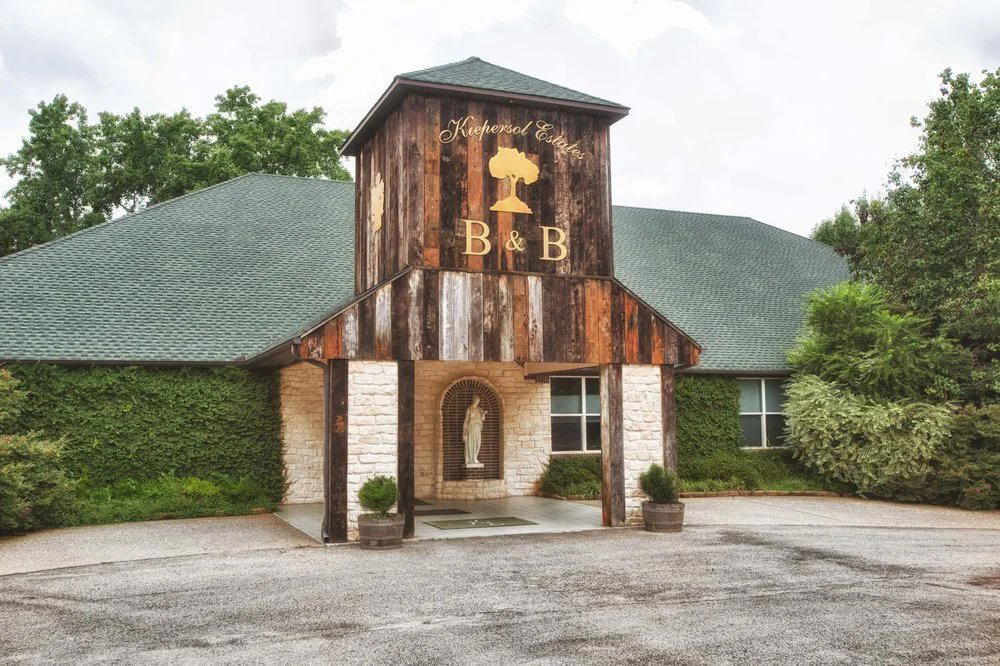
At a Glance
- Scenic
- Elegant
- Rustic
- Sophisticated
- Date Night
- Celebration
- Special Occasion
- Garden
- Terrace
- Seated Bar
- Lounge Seating
- Outdoor Terrace
- Conventional Wine
- Craft Cocktails
- Whiskey
- Vineyard
Sophisticated yet comfortable with large windows and patio overlooking lush vineyards, evoking tranquility and hospitality amid rolling hills.