Kaiseki Yuzu
Kaiseki Yuzu brings the measured pace and seasonal logic of Japanese kaiseki to the Spring Mountain Road corridor, the stretch of Las Vegas that functions as the city's de facto Japanese dining district. Located at 3900 Spring Mountain Rd, it occupies a quieter register than the Strip's high-volume Japanese concepts, with a format built around coursed, ritual dining rather than a la carte convenience.
Pearl is the En Primeur Club membership app — saves, bookings, and concierge access live there. Same editors, same standards.
- Address
- 3900 Spring Mountain Rd #A5, Las Vegas, NV 89102
- Phone
- +1 702 778 8889
- Website
- kaisekiyuzu.com
- Directions
- Get directions
 Saves & bookings on Pearl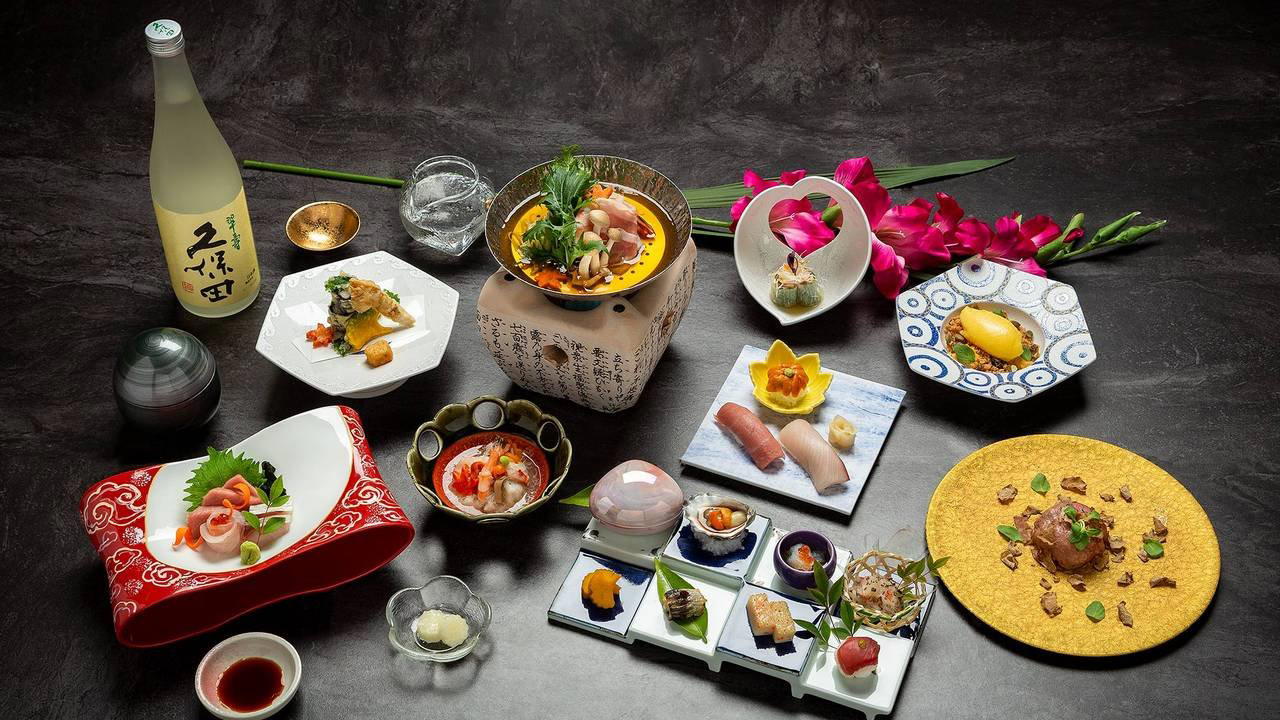
Spring Mountain Road and the Ritual of Kaiseki
The Spring Mountain Road corridor, running west from the Strip through a dense concentration of Japanese restaurants, izakayas, and specialty grocers, is where Las Vegas sheds its resort-dining skin. This is the part of the city where the audience shifts from tourist to regular, where a Tuesday night can fill a room with Japanese expats and local chefs eating on their nights off. Kaiseki Yuzu sits at 3900 Spring Mountain Rd #A5, Las Vegas, NV 89102.
Kaiseki as a tradition carries specific obligations. Rooted in Kyoto's tea ceremony culture and refined over centuries into a structured multi-course meal, it is among the more protocol-laden formats in Japanese cooking. Course order, seasonal alignment, the temperature of a dish, the choice of vessel, the pacing between courses, none of these are incidental. They are the meal. Understanding that frame matters before you sit down, because kaiseki rewards guests who arrive knowing what the ritual expects rather than treating it as an elaborate tasting menu that happens to be Japanese.
The Logic of the Meal: What the Format Demands
In a kaiseki format, the meal typically unfolds across eight or more distinct courses, each assigned a role, a temperature range, and a relationship to the seasonal calendar. The sakizuke (amuse-bouche equivalent) establishes the chef's seasonal argument. The hassun course, traditionally a cedar tray bearing land and sea ingredients together, functions as a visual and flavour thesis statement for the time of year. From there, the meal moves through soups, sashimi, simmered dishes, grilled preparations, and rice courses in a sequence that is governed by tradition as much as personal creativity.
That structure places demands on both the kitchen and the guest. Pacing matters more here than in most Western tasting formats: a kaiseki meal is not something you rush through in ninety minutes. Two and a half to three hours is the expected range at serious tables. Conversation quiets naturally between courses in a way that feels less like a pause and more like part of the design. The Spring Mountain Road corridor has a handful of counters and small rooms that operate in this register, and Kaiseki Yuzu is positioned among them as a practitioner of the full, coursed format rather than an abbreviated or hybrid version.
The Dining Room as Context
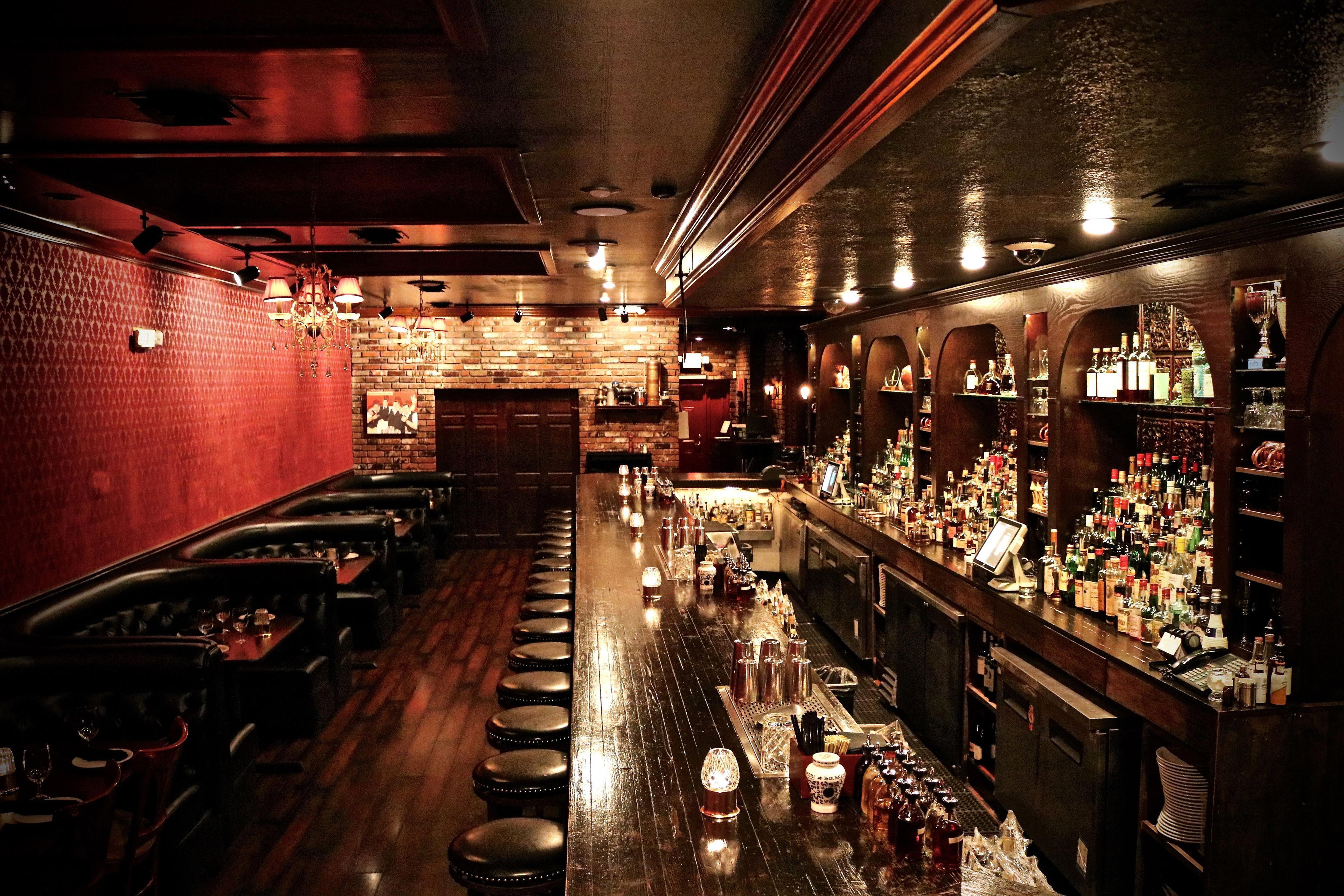
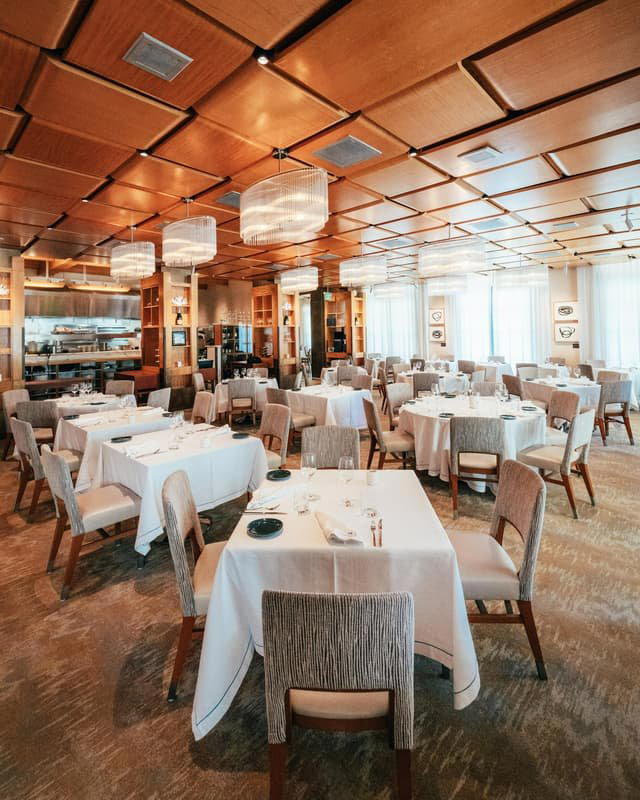
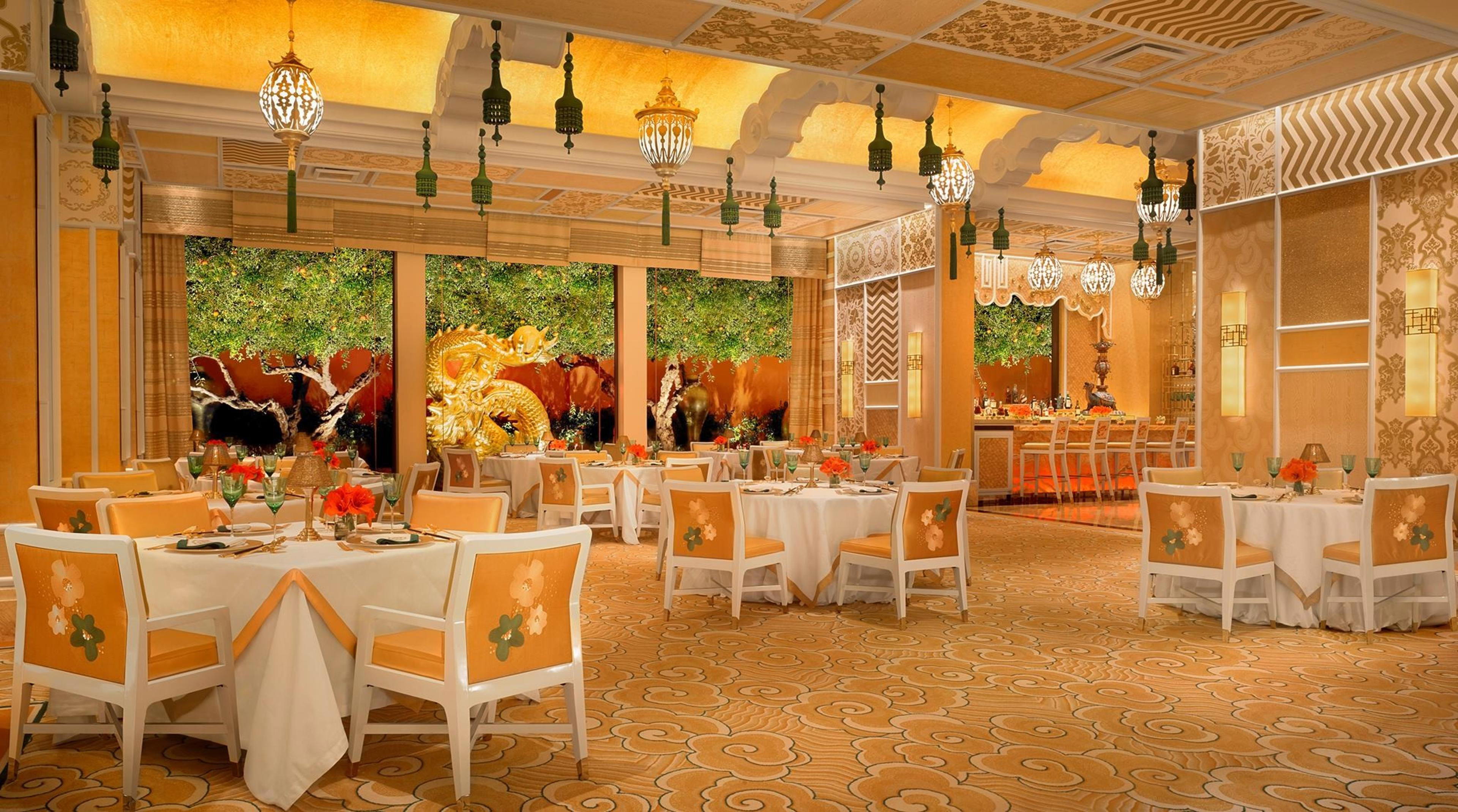
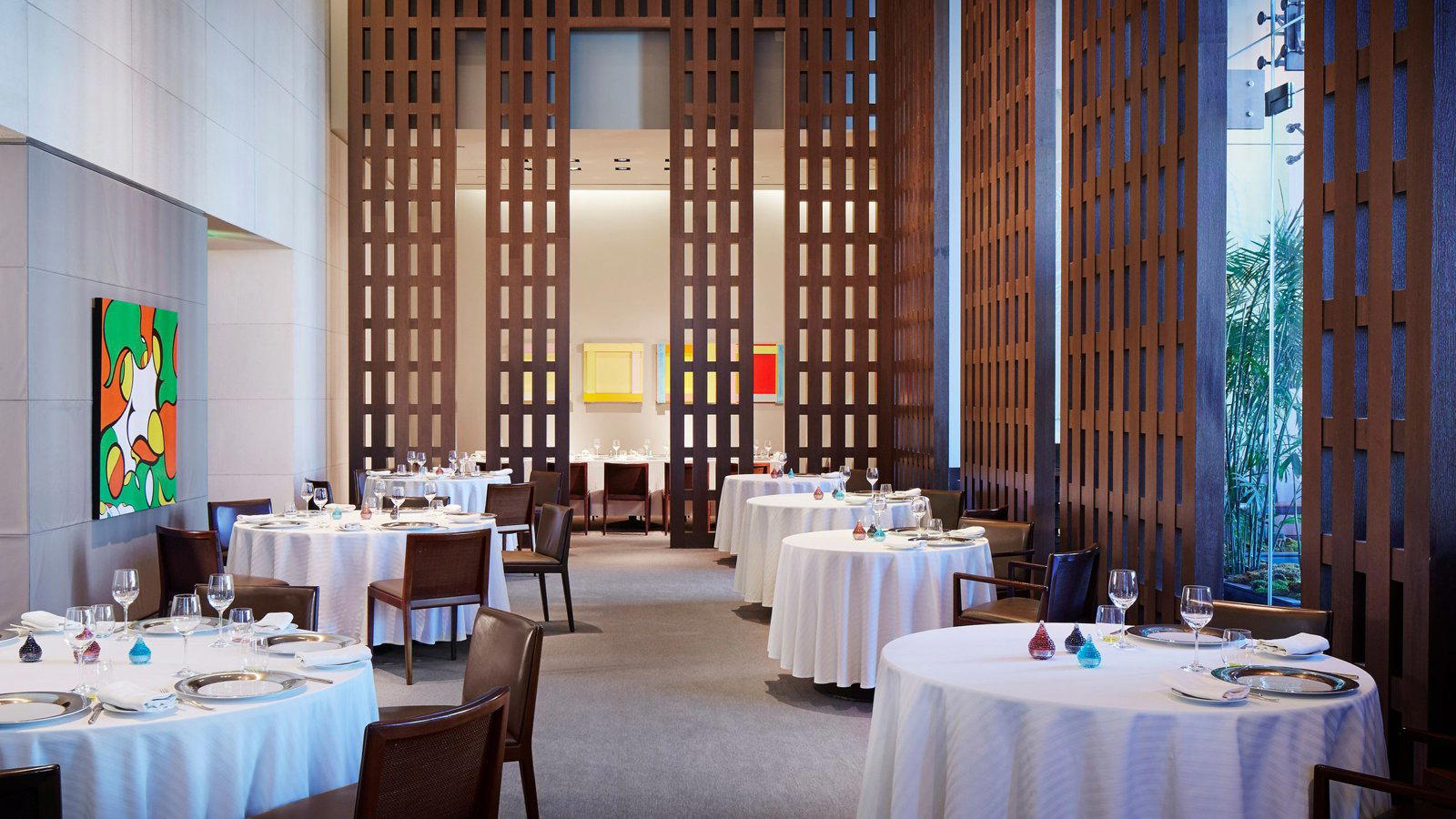
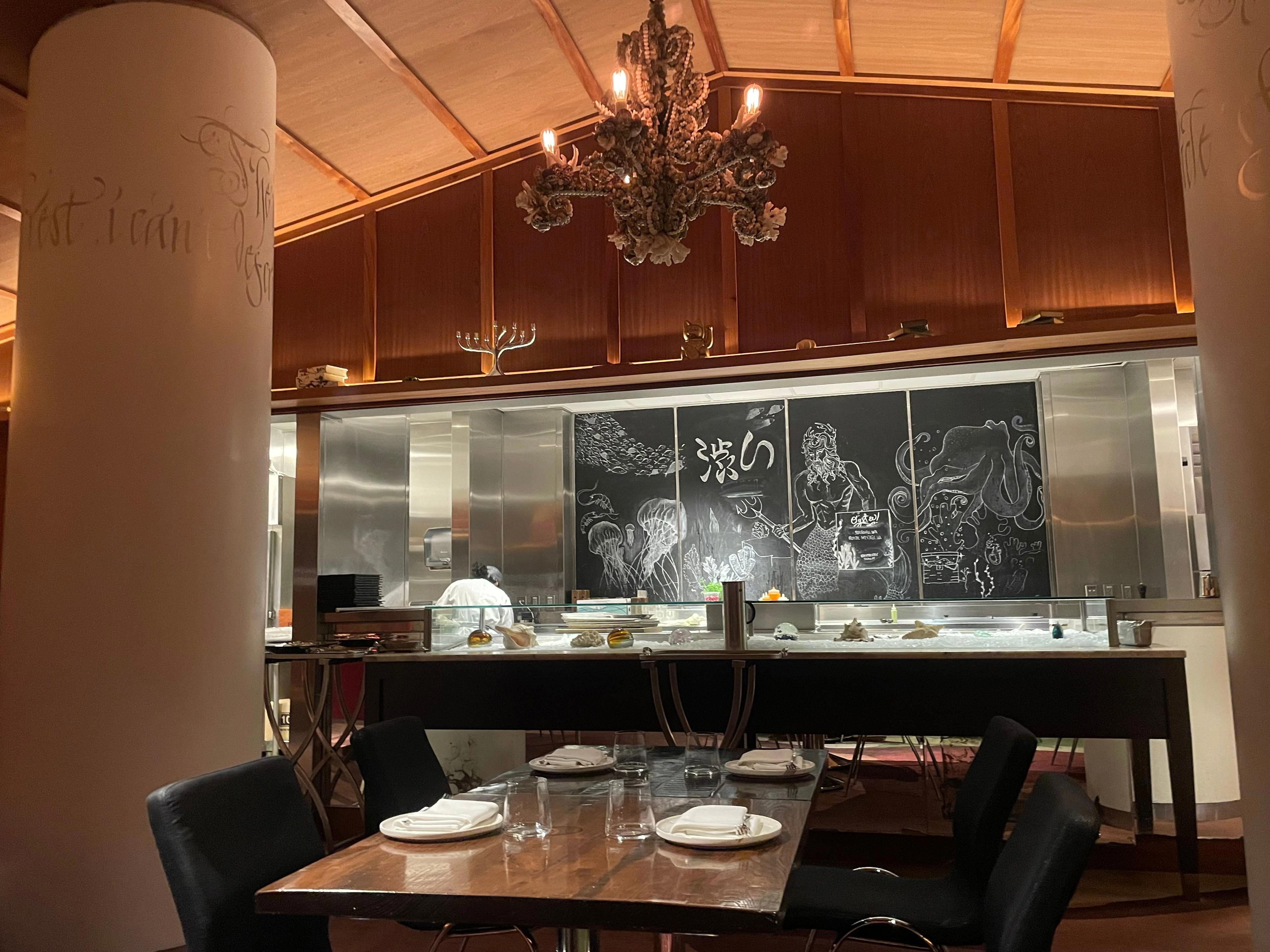
Smaller Japanese restaurant spaces along Spring Mountain Road tend to prioritise restraint in decor, letting the food carry the visual and sensory weight of the meal. The format itself, kaiseki, historically evolved in rooms of deliberate sparseness: the point was never the room but the sequence of objects placed before the guest. Counter seating, where it exists, compresses the relationship between kitchen and diner into something more direct than a conventional table service allows, and it changes how the meal reads. You are not receiving courses from an invisible kitchen; you are watching a sequence of decisions unfold in real time.
Regulars here book through return visits, and walk-in availability at formal kaiseki rooms is rare by design rather than accident.
Kaiseki in the American Context
American kaiseki occupies a particular tension. The format is deeply site-specific in Japan, calibrated to local seasonal produce, to regional ceramics, to water quality that affects dashi. Outside Japan, that calibration has to be rebuilt from different materials. The strongest American practitioners, from the counter at Kumiko in Chicago (which applies Japanese structural logic to drinks as much as food) to serious kaiseki rooms in Los Angeles and New York, tend to answer the transplant question by grounding their seasonal argument in local American produce rather than importing Japanese ingredients wholesale. Whether a Las Vegas kaiseki room draws on Nevada and California seasonal produce or orients more toward imported Japanese ingredients is one of the more meaningful questions a diner can ask before booking.
That sensibility maps onto why kaiseki travels at all: it is, at its core, an argument that the order and pacing of what you consume matters as much as any individual element.
Planning Your Visit
Kaiseki Yuzu is located at 3900 Spring Mountain Rd, Suite A5, in the commercial stretch of Spring Mountain that concentrates much of Las Vegas's serious Japanese dining. The address places it outside the resort corridor entirely, which means parking is direct and direct, but the setting carries none of the ambient theatre of a Strip property. That is the point.
Guests approaching a kaiseki meal for the first time should note that the format does not accommodate dietary substitutions as fluidly as a la carte dining. The coursed sequence is constructed as a whole, and significant modifications can compromise the structural logic of the meal. Communicating restrictions in advance, at the time of booking, is standard practice at kaiseki rooms and is expected rather than unusual. Dress tends toward smart casual at the minimum; the formality of the food format is generally reflected in how guests present themselves.
For context on how serious cocktail and hospitality programs across the country approach similar levels of format discipline, the work at ABV in San Francisco, Superbueno in New York City, and The Parlour in Frankfurt on the Main offers useful parallels in precision-led hospitality. The 3131 Las Vegas Blvd S and 3355 S Las Vegas Blvd listings round out the Strip-adjacent options for those pairing a kaiseki dinner with an evening in the resort district.
Style and Standing
Comparable venues nearby, for context on price, style, and recognition.
| Venue | Cuisine | Price | Notes |
|---|---|---|---|
| Kaiseki YuzuThis venue — the venue you are viewing | Bar | $$$$ | Not listed |
| Restaurant Guy Savoy | wine_bar | $$$$ | The Strip |
| Sinatra | hotel_bar | $$$$ | The Strip |
| Bazaar Meat | hotel_bar | $$$$ | The Strip |
| Delilah | lounge | $$$$ | The Strip |
| Ghostbar | rooftop_bar | $$$$ | The Strip |
At a Glance
- Elegant
- Sophisticated
- Intimate
- Modern
- Special Occasion
- Date Night
- Design Destination
- Standalone
- Counter Only
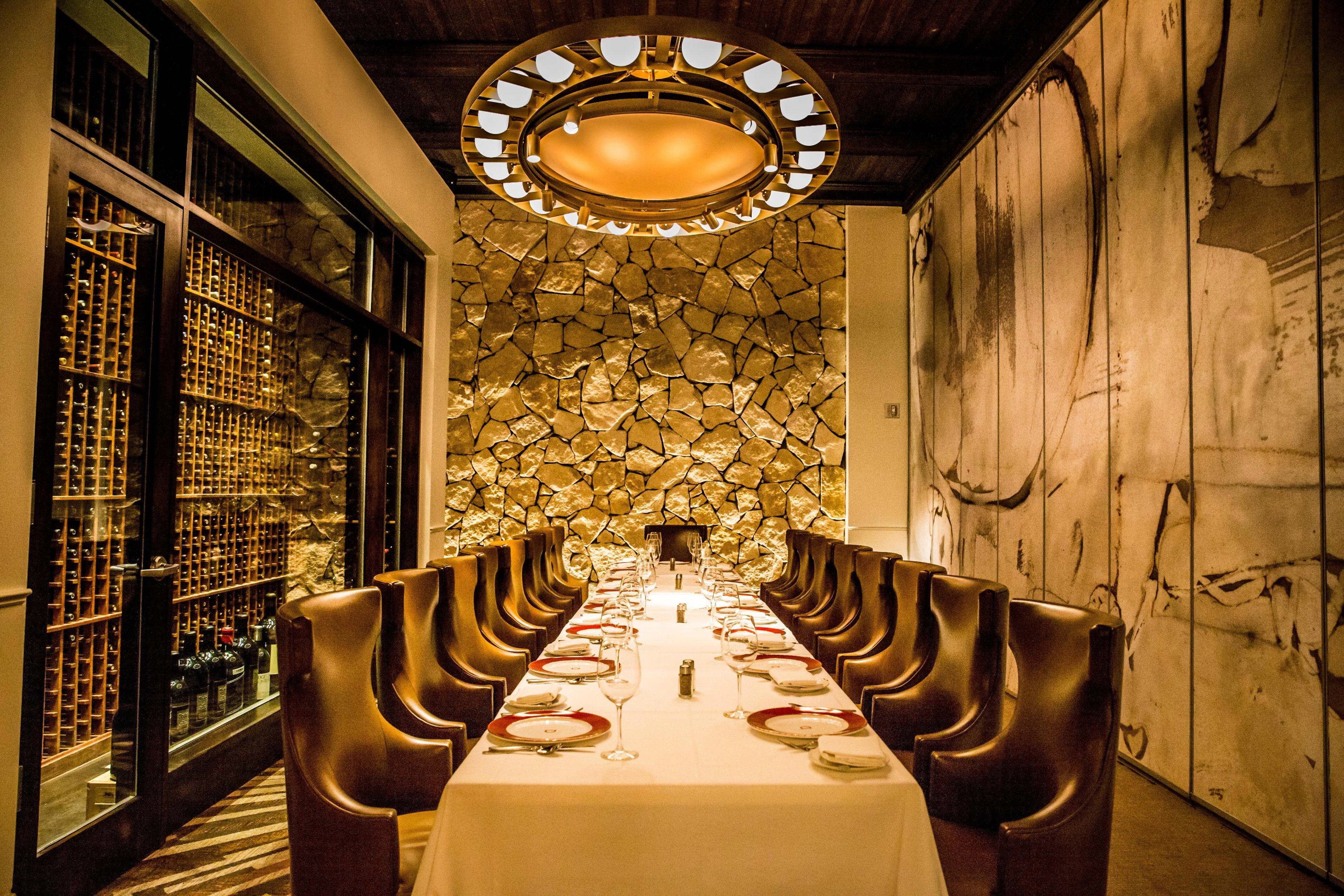
- Private Rooms
- Sake
Current opening hours
- Monday
- 5:30–10:30 PM
- Tuesday
- Closed
- Wednesday
- Closed
- Thursday
- 5:30–10:30 PM
- Friday
- 5:30–10:30 PM
- Saturday
- 5:30–10:30 PM
- Sunday
- 5:30–10:30 PM
Hours can change for holidays and private events. Last verified .
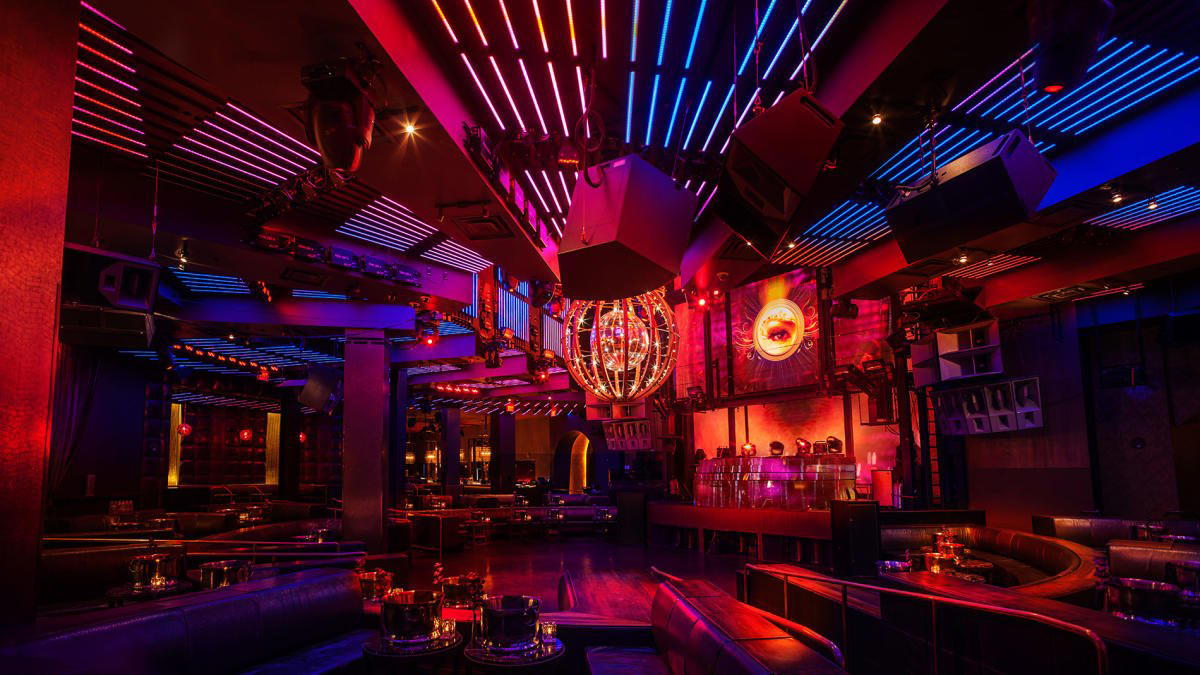
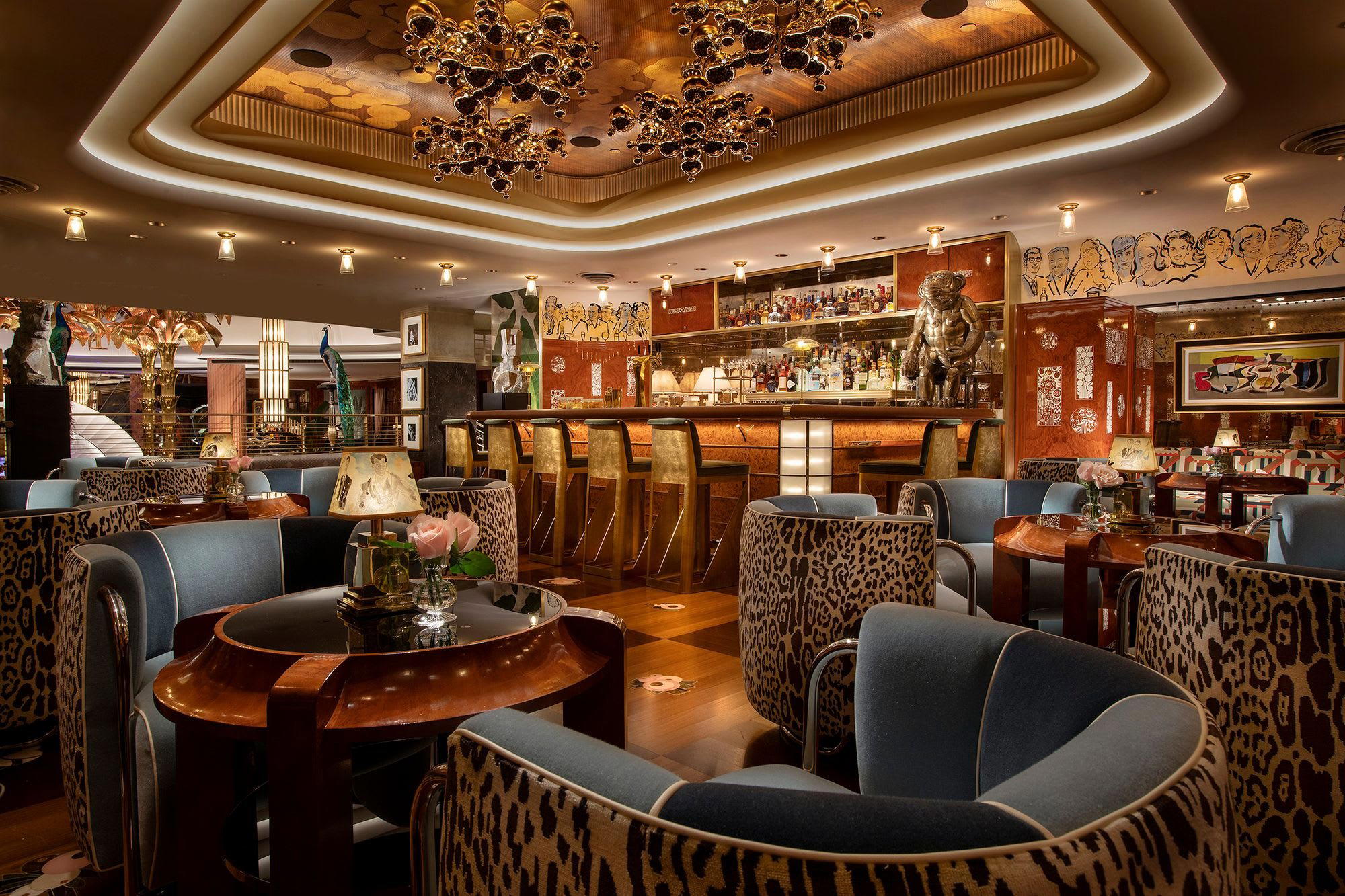
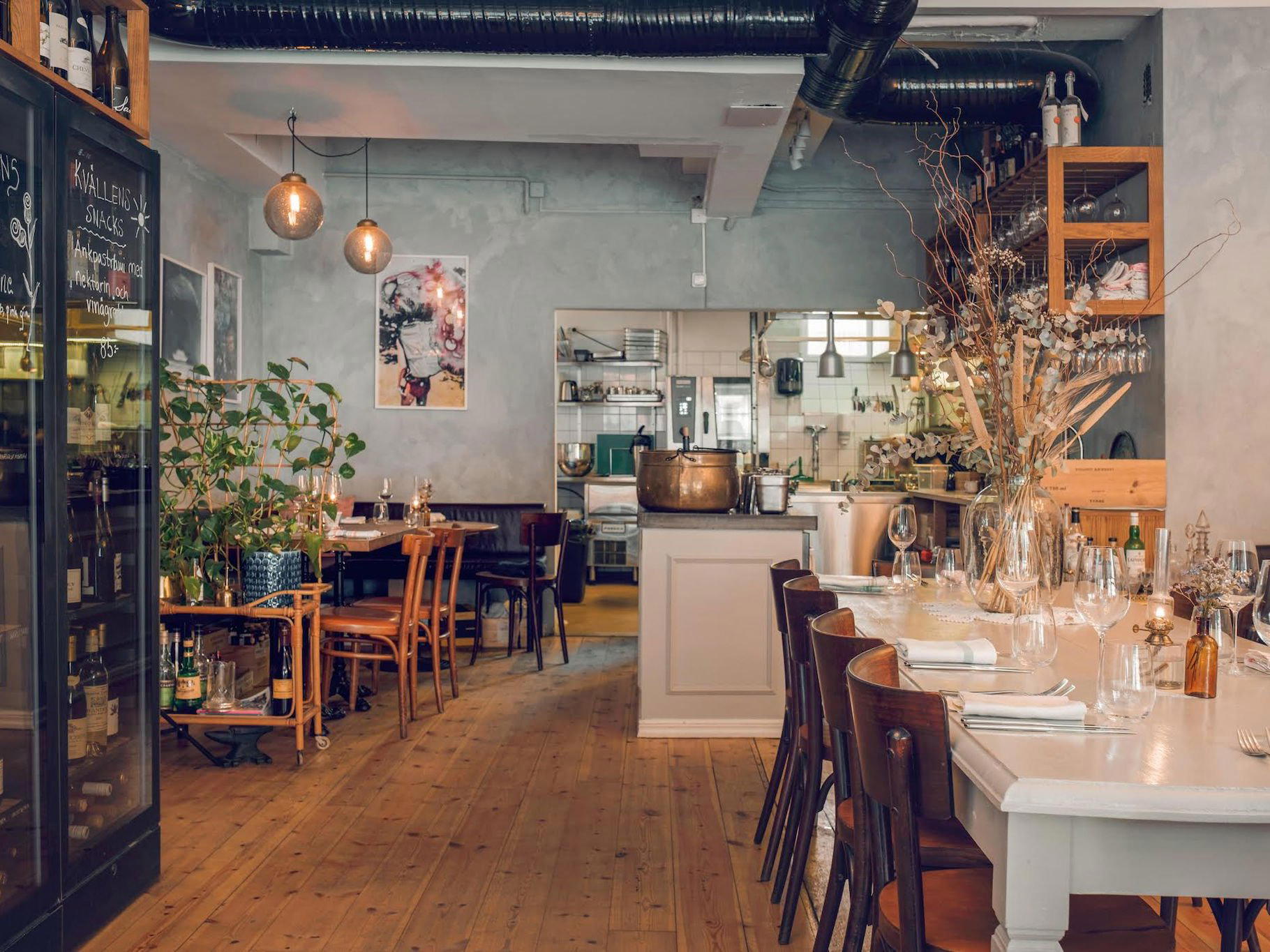
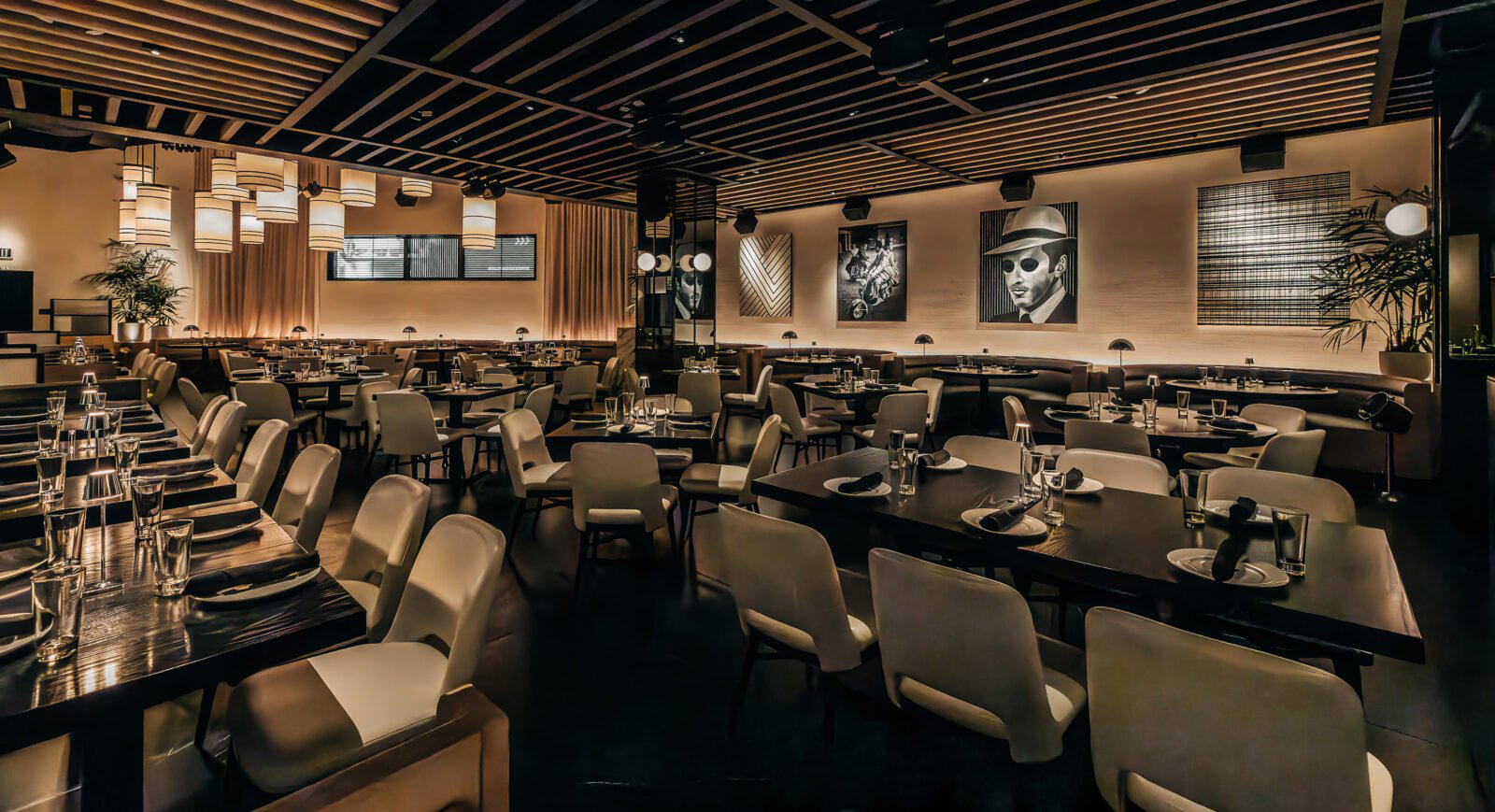
Spacious yet small intimate atmosphere with good background music and moderate noise, emphasizing quiet luxury and elegant presentation.