Jade Garden
A North Omaha neighborhood staple at 2068 N 117th Ave, Jade Garden draws a loyal local following that returns not for novelty but for consistency. The kind of place where regulars rarely consult the menu, it occupies the quieter end of Omaha's Chinese dining scene — familiar, unpretentious, and well-worn in the best sense.
Pearl is the En Primeur Club membership app — saves, bookings, and concierge access live there. Same editors, same standards.
- Address
- 2068 N 117th Ave, Omaha, NE 68164
- Phone
- +1 402 498 8833
- Website
- jadegardenomaha.com
- Directions
- Get directions
 Saves & bookings on Pearl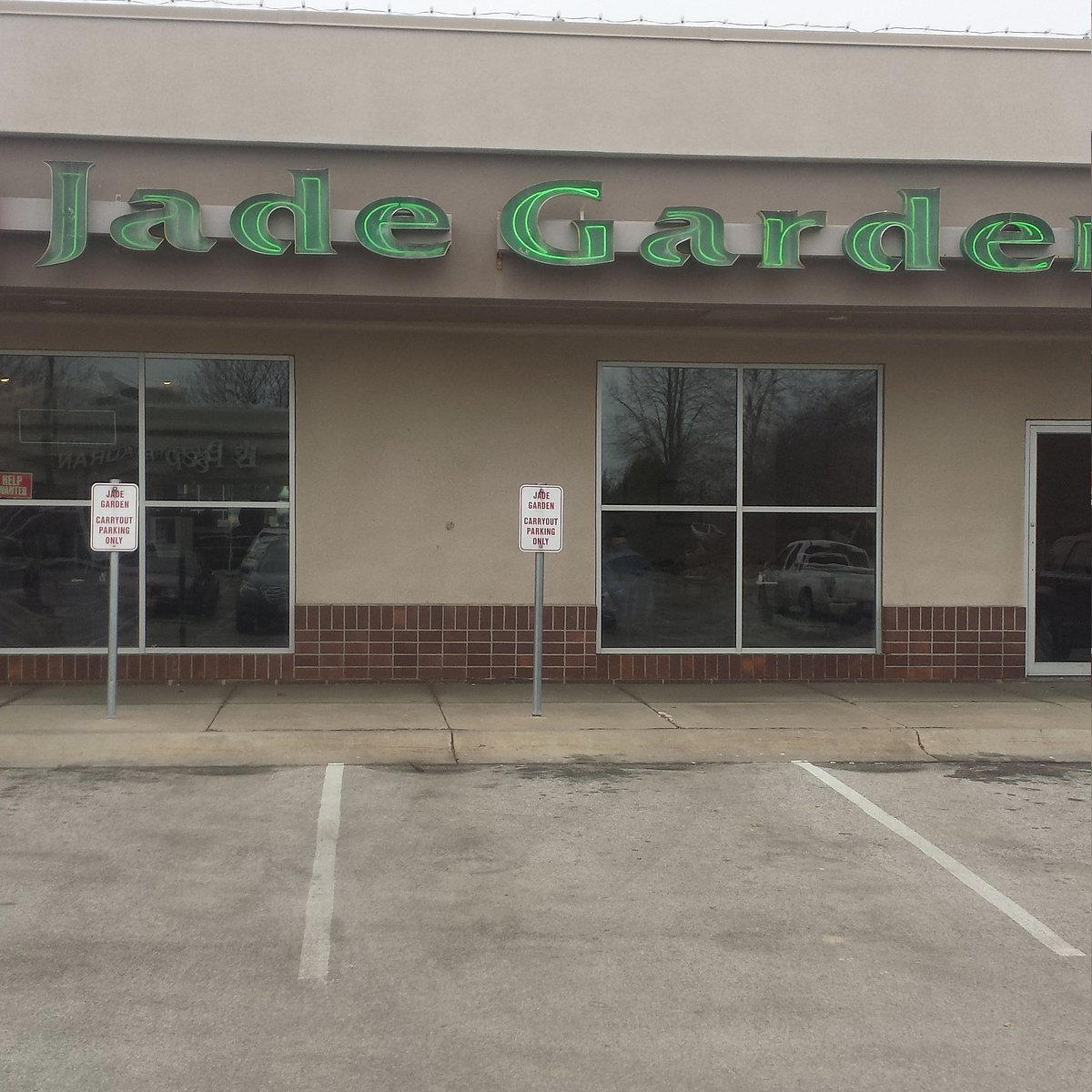
What Keeps Them Coming Back
In most American cities, the neighborhood Chinese restaurant occupies a specific and underappreciated role. It is rarely the place that wins press attention or generates social media traffic. It is, instead, the place where people eat on a Tuesday, where they order the same three dishes they have ordered for years, and where the staff recognizes them before they speak. Jade Garden, on North 117th Avenue in Omaha, fits that category with precision. The address — 2068 N 117th Ave, in the northwest stretch of the city — puts it well outside the downtown dining corridors that attract most critical attention, and that geographic remove is part of what defines its character.
Regulars at this kind of establishment are not making a destination decision. They are making a neighborhood decision. The draw is reliability: the knowledge that the dish you ordered last month will arrive the same way this month, that the portions will be consistent, that the bill will be predictable. In a dining culture increasingly oriented around novelty and tasting menus, that kind of dependability is its own form of value.
The Northwest Omaha Dining Pattern
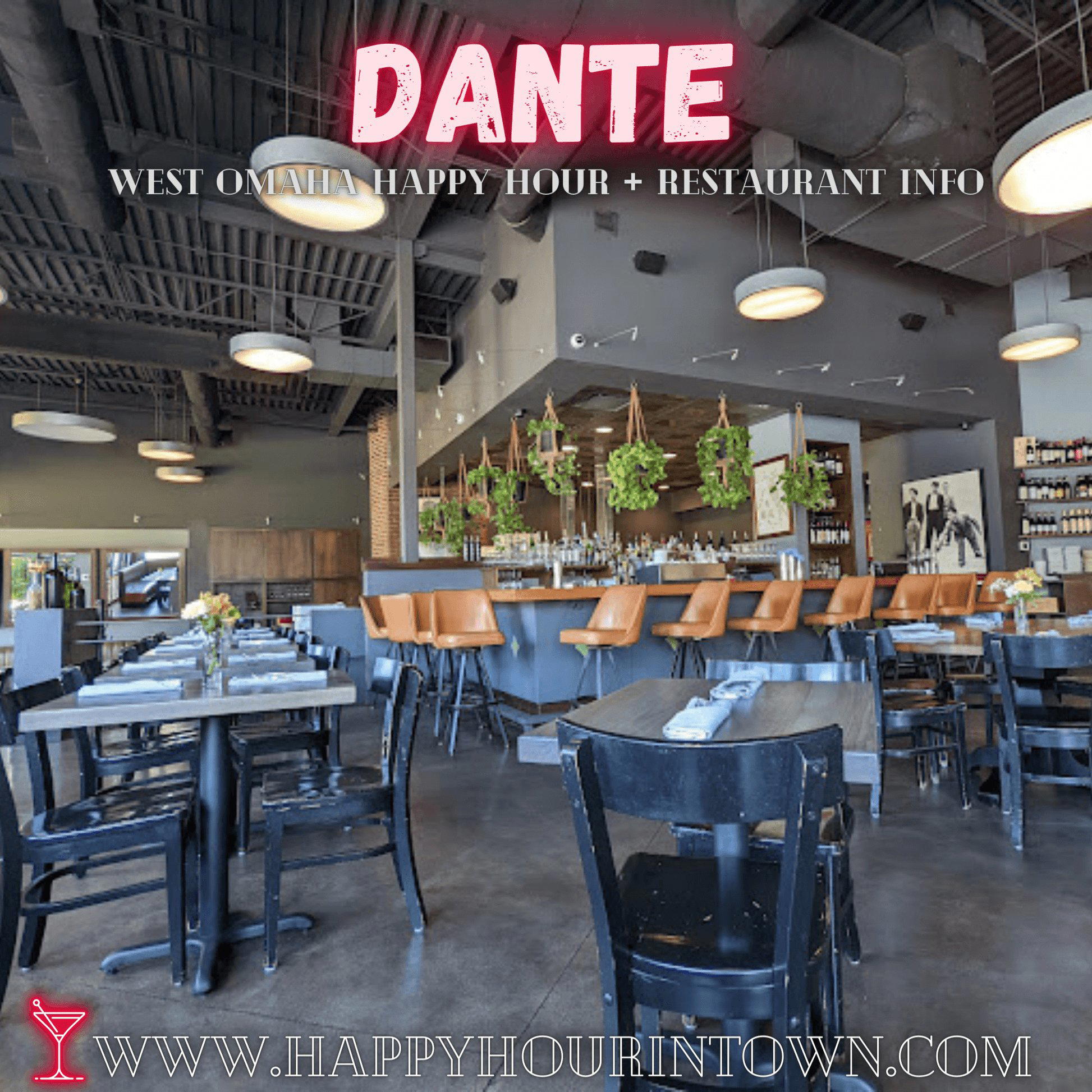
Omaha's restaurant geography has never been strictly centralized. While the Old Market and Midtown corridors attract most of the editorial coverage, places like DANTE and Block 16 draw diners from across the city, the northwest quadrant operates on a different logic. The strip-mall corridors along 114th to 120th Avenues support a dense cluster of family-run and independent restaurants that serve residential populations rather than visitors. These venues compete less on concept and more on consistency, price, and proximity.
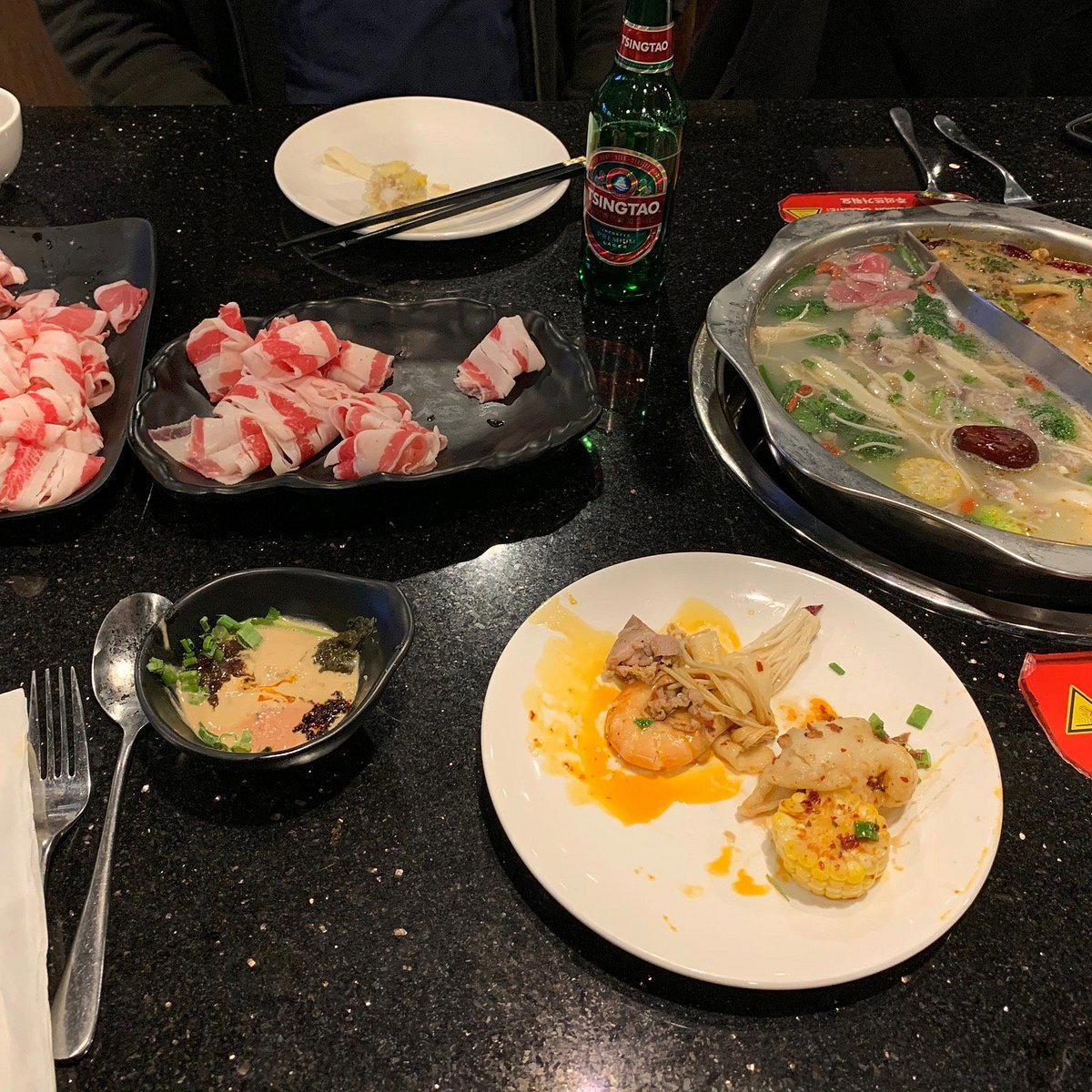
Chinese restaurants in this tier across American cities typically anchor their menus in Cantonese-American standards: egg rolls, fried rice, lo mein, General Tso's preparations, and wonton soup. These are not lesser dishes; they represent a distinct and legitimate culinary tradition that evolved through decades of Chinese-American restaurant culture, adapting regional Chinese techniques to local ingredients and preferences. The regulars at places like Jade Garden often know this menu with an intimacy that a first-time visitor cannot match, they know which dishes run heavy on sauce, which proteins arrive more carefully cooked, which combinations the kitchen handles with the most confidence.
For context on how Omaha's Chinese dining scene sits relative to other neighborhood options across the city, the China Garden listing offers a useful comparative reference point within the same broader category. And for anyone mapping a broader evening in the northwest or central corridors, Big Fred's Pizza Garden and Lounge represents the kind of long-standing neighborhood institution that shares a similar loyal-local dynamic.
The Unwritten Menu
Every restaurant that survives long enough in a single neighborhood develops what might be called an unwritten menu: the items that regulars request without seeing them listed, the off-peak dishes the kitchen prepares differently when the dining room is quiet, the particular combination plates that have never appeared on a printed card but get ordered by name. This phenomenon is not unique to Chinese-American restaurants, it exists at every venue with sufficient tenure and a consistent returning clientele, but it is especially pronounced in this category, where menus tend to be large and the staff often develops shorthand with repeat visitors over time.
At venues operating in this mode, the first-time visitor is at a structural disadvantage. The practical answer is to ask what people order most, or to watch what arrives at adjacent tables. The longer answer is that there is no substitute for returning.
Placing Jade Garden in Omaha's Broader Scene
Omaha's dining scene has developed genuine range over the past decade. The city now supports serious cocktail programs at venues with national peer recognition, worth noting for anyone building a full evening itinerary, since the skills at places like Kumiko in Chicago or Bar Leather Apron in Honolulu represent a category of program that has influenced how ambitious bar operations think about their menus across the Midwest. Omaha's own bar scene, while smaller, has absorbed some of those influences. Venues like Jewel of the South in New Orleans, Julep in Houston, Superbueno in New York City, ABV in San Francisco, and The Parlour in Frankfurt each illustrate how regional bar culture has developed distinct identities anchored in local ingredient sourcing and specific technical approaches.
Jade Garden operates in a different register entirely, the neighborhood-reliability tier rather than the destination-dining tier, and that comparison is not a criticism. The two tiers serve different needs and are not in direct competition. A diner who spent the afternoon at a cocktail bar with a technically demanding program and a diner who drove two minutes from their house for reliable fried rice are making entirely different decisions, both of which can be correct.
For a fuller map of where Jade Garden sits within Omaha's restaurant ecosystem, our full Omaha restaurants guide covers the city's dining range across neighborhoods and categories.
Planning Your Visit
Jade Garden is located at 2068 N 117th Ave, Omaha, NE 68164, a northwest Omaha address most accessible by car, with street-level parking typical of the commercial strip. For first-time visitors, arriving outside peak weekend dinner hours tends to allow for a more relaxed experience in this category of neighborhood restaurant, where a smaller staff may be managing a full dining room. Regulars already know this; newcomers benefit from the same consideration.
Cuisine Lens
| Venue | Cuisine |
|---|---|
| Jade GardenThis venue — the venue you are viewing | This venue |




At a Glance
- Cozy
- Casual Hangout
- Seated Bar
- Conventional Wine
Current opening hours
- Monday
- 11 AM–9:30 PM
- Tuesday
- 11 AM–9:30 PM
- Wednesday
- 11 AM–9:30 PM
- Thursday
- 11 AM–9:30 PM
- Friday
- 11 AM–10 PM
- Saturday
- 11 AM–10 PM
- Sunday
- 12–9:30 PM
Hours can change for holidays and private events. Last verified .
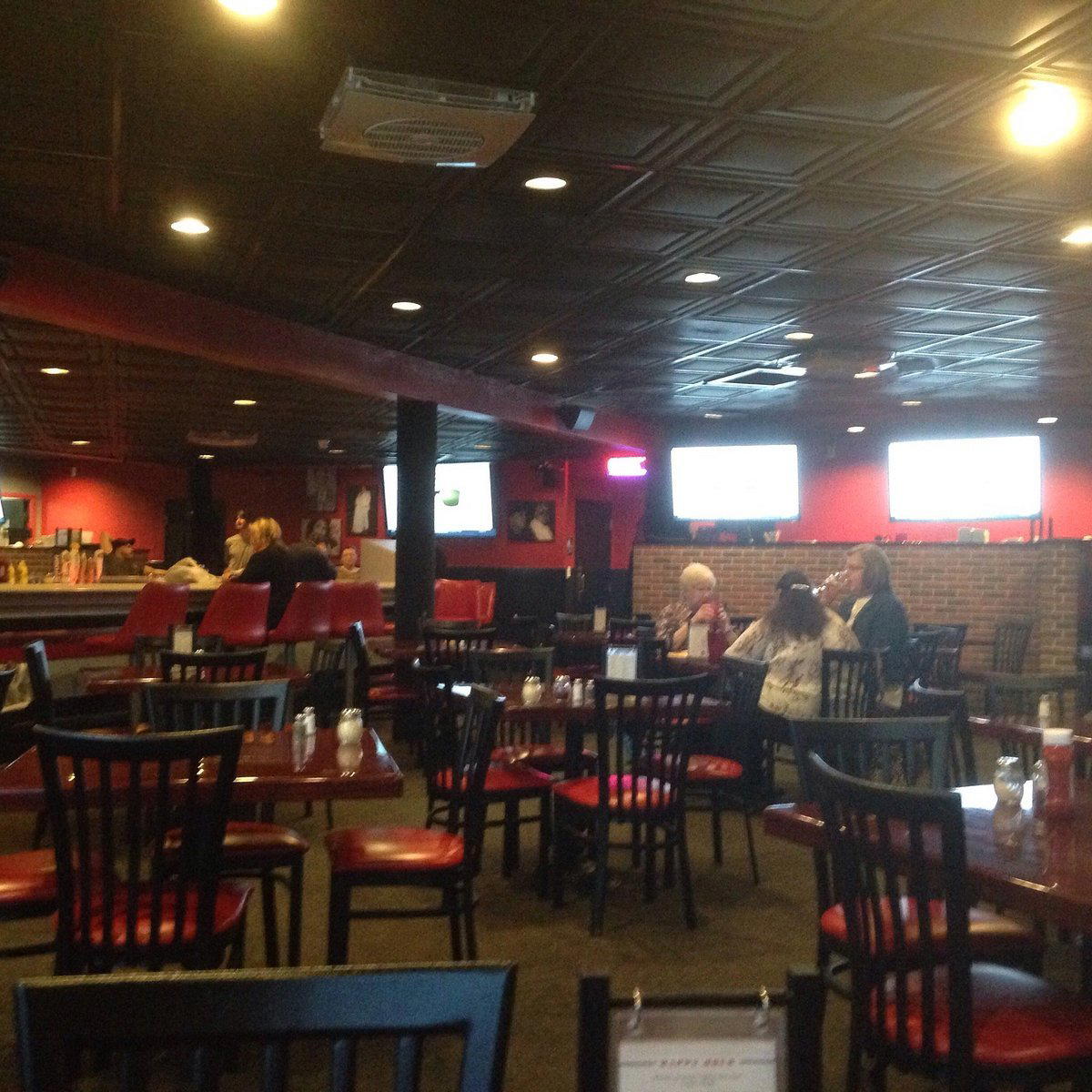
Quiet and casual dining atmosphere with friendly staff.
Know Before You Go
- Getting there
- 2068 N 117th Ave, Omaha, NE 68164