Gyu-Kaku is part of the global Japanese yakiniku chain that brought tabletop charcoal grilling to a mainstream North American audience. Located at 638 6th Ave SW in downtown Calgary, the format centres on self-managed grilling of portioned cuts at the table. For Calgary diners exploring Japanese BBQ as a format, Gyu-Kaku offers an accessible introduction to the yakiniku tradition.
Pearl is the En Primeur Club membership app — saves, bookings, and concierge access live there. Same editors, same standards.
- Address
- 638-6 Ave SW, #100, Calgary, AB T2P 0S4, Canada
- Phone
- +1 587 538 6601
- Website
- gyu-kaku.com
 Saves & bookings on Pearl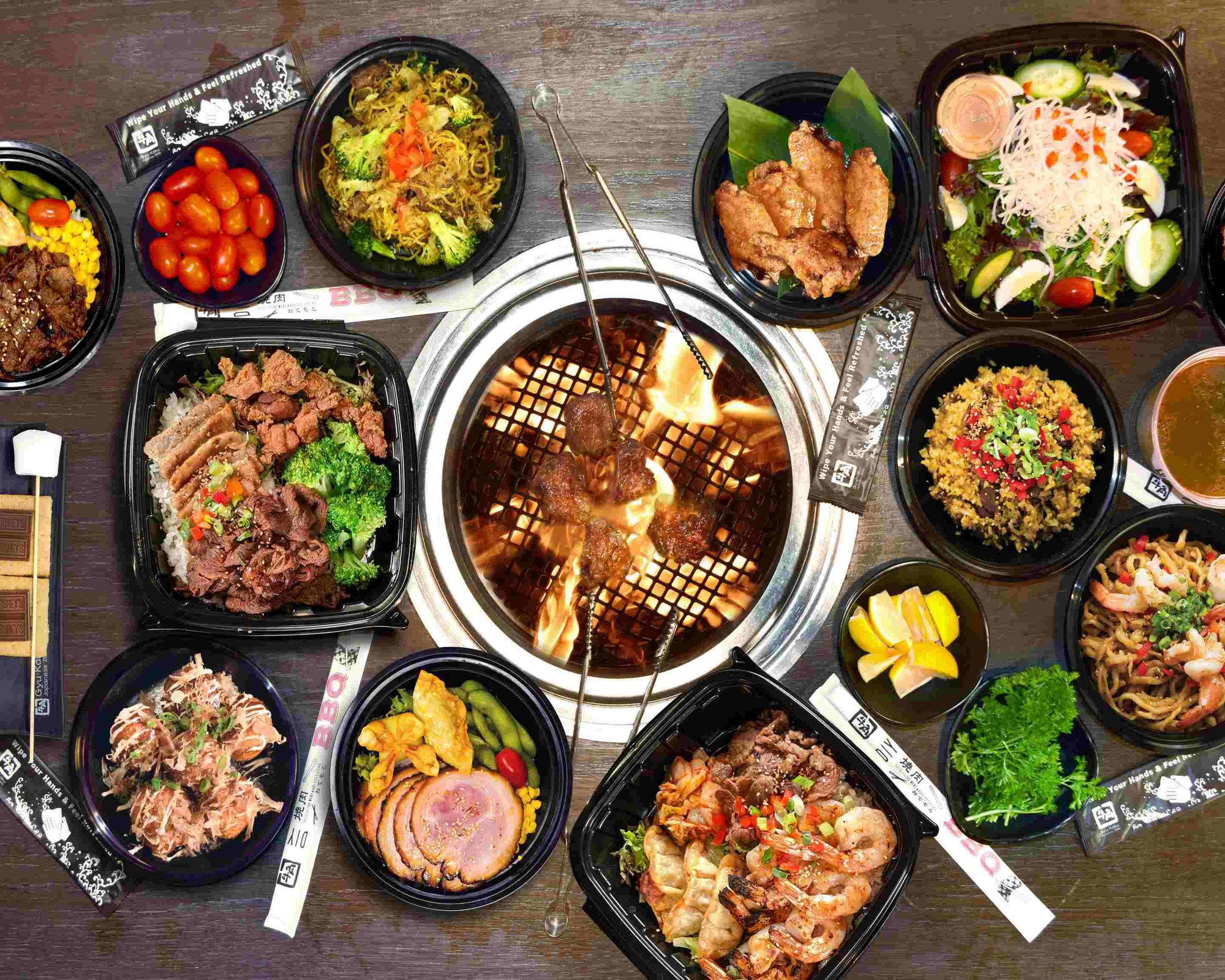
Yakiniku in Calgary: How Tabletop Grilling Found a Downtown Address
Japanese yakiniku, the practice of grilling small, precisely cut portions of meat over charcoal or gas at the table, arrived in North America through a handful of vectors. Gyu-Kaku, the Tokyo-founded chain with locations across Japan and North America, was among the most deliberate of those vectors, standardising the format for markets that had little prior exposure to it. In Calgary, the brand occupies a ground-floor space at 638 6th Ave SW, placing it squarely in the downtown core where weekday office crowds and weekend diners share the same dining room. That address matters: it positions yakiniku not as a destination-neighbourhood experience but as something reachable within the city's central grid, comparable in accessibility to the izakaya-style venues and casual Japanese restaurants that have established themselves across Calgary's inner suburbs and the Beltline over the past decade.
The format itself carries its own logic. Diners select cuts from a menu of proteins, typically beef in several grades and preparations, pork belly, chicken, and seafood, and cook them over a ventilated tabletop grill built into each table. The pacing is self-directed, which changes the social rhythm of a meal in ways that a conventional plated-service restaurant cannot replicate. Courses don't arrive; ingredients do. Conversation fills the gaps between batches, and the table itself becomes a shared project. This collaborative quality is what separates yakiniku from most other Japanese dining formats exported to North America, and it's what tends to generate repeat visits among diners who discover they prefer that rhythm to a conventional service arc.
The Format's Internal Logic: Team Grilling as Structure
Where a kaiseki counter or ramen shop places the production entirely in the kitchen, yakiniku redistributes it. The kitchen prepares the proteins, slicing, marinating, portioning, and the front-of-house delivers them, but the final cooking stage belongs to the table. In that sense, the service team at any serious yakiniku restaurant functions as a translator: they explain cut thickness and optimal grill time, they manage the charcoal or gas temperature, and they pace the ordering so that proteins arrive when the grill is ready rather than when a ticket prints. At Gyu-Kaku's Calgary location, that translation function is built into the chain's training model, which standardises grill management guidance across its international footprint. The result is a format accessible to first-time yakiniku diners without requiring them to already know how to handle wagyu over high heat.
That accessibility has consequences for the kind of evening the restaurant produces. Groups, birthday parties, work outings, larger families, tend to gravitate toward the format because the collective grilling activity creates a shared focal point that conventional table service doesn't offer. The downtown Calgary location on 6th Ave SW draws from both the office district directly to the north and the Beltline's denser residential population to the south, giving it a mixed clientele that shifts notably between weekday lunch-adjacent visits and weekend evening groups.
Calgary's Broader Japanese Dining Context
Calgary's Japanese restaurant scene has grown considerably over the past fifteen years, moving from a small cluster of sushi-focused spots to a broader range of formats: izakaya, ramen, donburi, and now yakiniku. The city's exposure to Japanese dining traditions has been shaped in part by its significant Japanese-Canadian community and in part by the broader national trend toward diversified Asian dining that has accelerated in cities across Western Canada. In that context, Gyu-Kaku occupies an interesting position: it's a chain with international scale, but the format it represents, yakiniku, remains less saturated in Calgary than sushi or ramen. Diners looking to compare Calgary's Japanese options against the range available in Vancouver or Toronto will find the yakiniku category notably thinner in Calgary, which gives a venue operating in that category more presence than its chain status might otherwise imply.
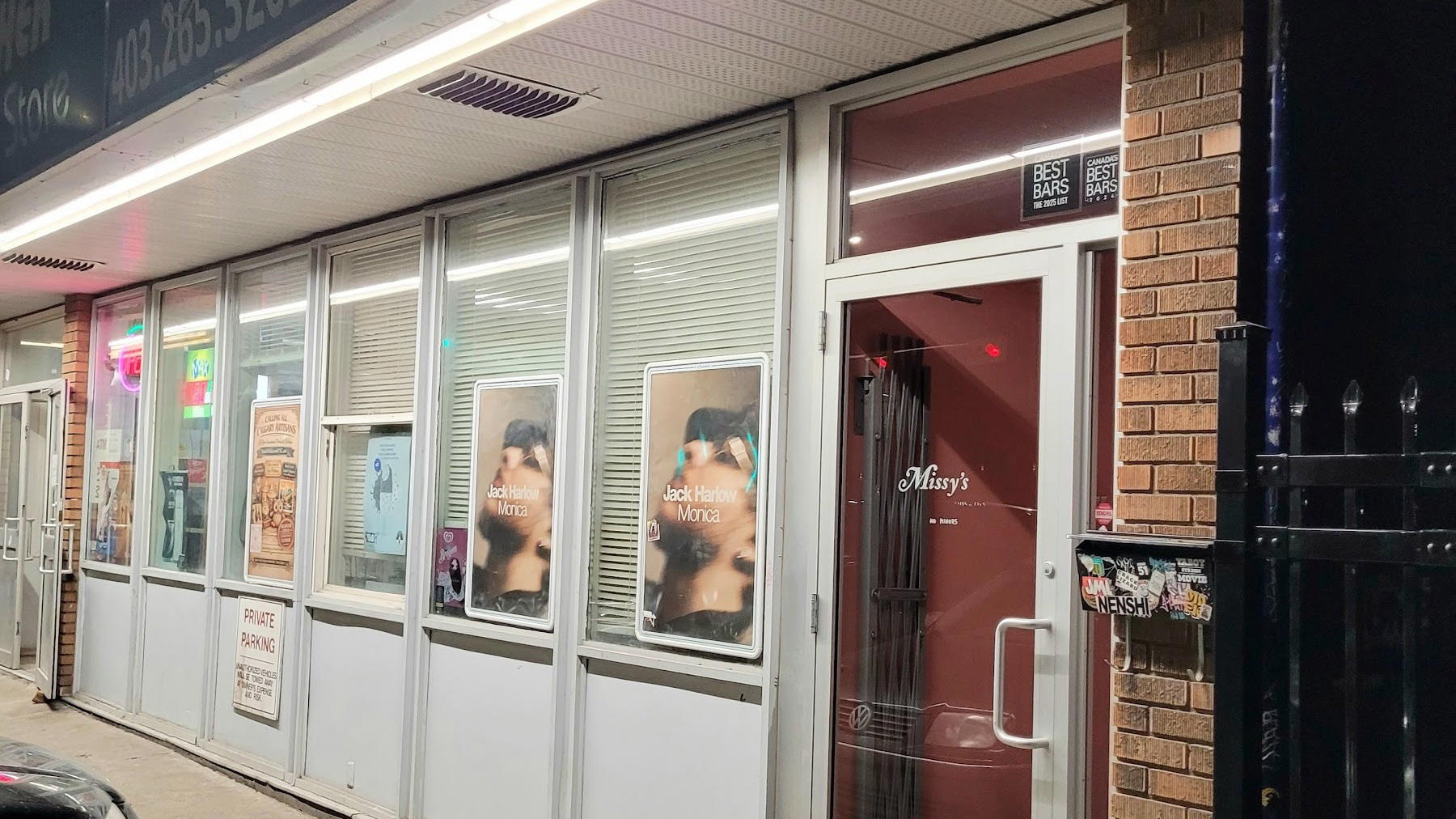
Calgary's bar scene has also developed its own character: Proof operates as one of the city's more serious whisky programs, while Missy's and Shelter represent different registers of the downtown drinking scene.
Drink and the Yakiniku Table
Yakiniku restaurants in Japan developed their own drink culture in parallel with the food format. Cold beer, highballs, and shochu are the canonical pairings, the smokiness of the grill and the richness of marinated proteins both benefit from something cold, carbonated, or clean. In the North American adaptation, that drink logic has translated unevenly: some yakiniku venues have retained the highball focus, others have drifted toward a generic cocktail list that doesn't particularly engage with the food. The drink program at a yakiniku restaurant is, in that sense, an editorial choice about how seriously the venue wants to position the food pairing question. Canadian bar programs at the level of Atwater Cocktail Club in Montreal, Bar Mordecai in Toronto, or Botanist Bar in Vancouver have demonstrated how seriously Canadian hospitality can take beverage craft. At the yakiniku table, the threshold is lower: cold, well-chosen, and quickly refilled usually does the work that sommelier precision does elsewhere.
Planning a Visit
Gyu-Kaku's Calgary location sits at 638 6th Ave SW, Suite 100, in the downtown core. The address is walkable from the +15 network and within a short distance of most downtown hotels. For groups of four or more, booking ahead, particularly on Friday and Saturday evenings, is advisable; yakiniku formats tend to draw group diners who plan further in advance than pairs, which compresses weekend availability faster than the capacity might suggest. The format works for most dietary ranges, though guests with significant protein restrictions should confirm options when booking. Pricing at Gyu-Kaku is in a mid-range tier for Japanese dining, around $30 per person.
Cost Snapshot
Comparable venues nearby, for context on price, style, and recognition.
| Venue | Cuisine | Price | Awards | Notes |
|---|---|---|---|---|
| Gyu-Kaku Japanese BBQThis venue — the venue you are viewing | Downtown Commercial Core, pub | $$ | , | |
| Small Bar Bridgeland | $$ | , | Bridgeland-Riverside, cocktail_bar | |
| The Establishment Brewing Company | $$ | , | Manchester Industrial, beer_bar | |
| 33 Acres Brewing Company Calgary | $ | , | Beltline, beer_bar | |
| Greenbottle Kitchen & Soju | $$ | , | Downtown West End, sake_bar | |
| Point Sushi - Bullet Train Sushi Bar | $$ | , | Chinatown, sake_bar |
Continue exploring
More in Calgary
Bars in Calgary
Browse all →
Restaurants in Calgary
Browse all →
Hotels in Calgary
Browse all →
Wineries in Calgary
Browse all →
At a Glance
- Lively
- Trendy
- Energetic
- Group Outing
- Casual Hangout
- Standalone
- Communal Tables
- Sake
Casual and energetic atmosphere centered around tabletop grilling, fostering lively social interaction among groups and families.