Gyp Sea Hotel - St Barth
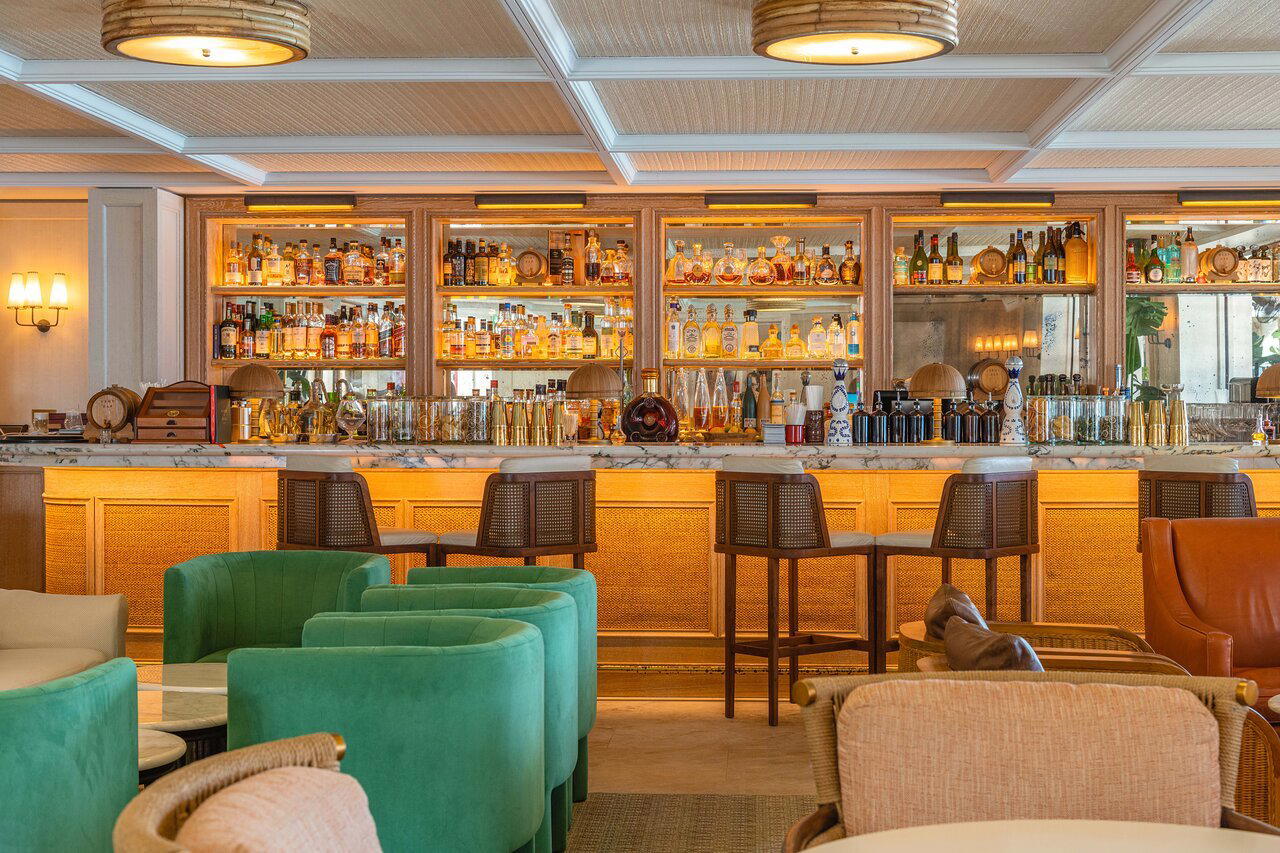
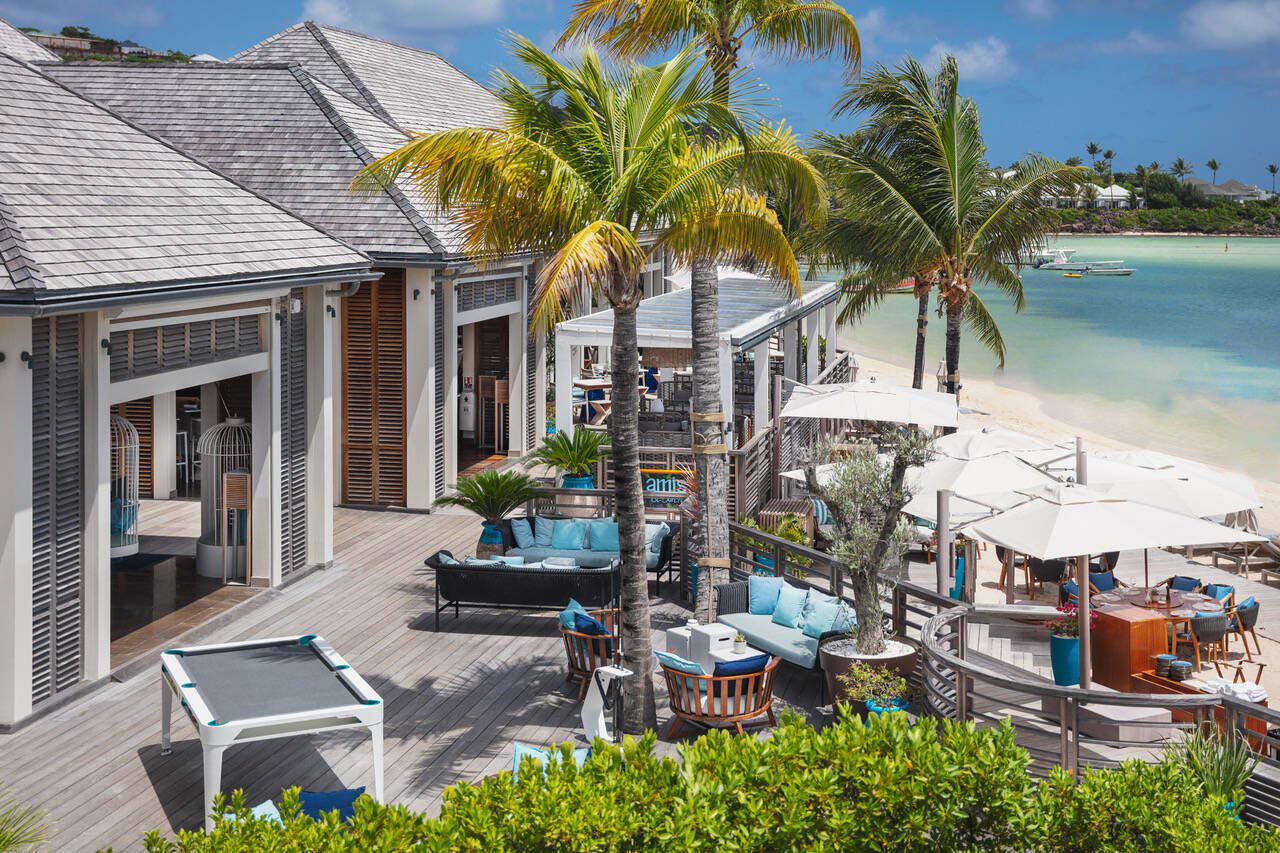
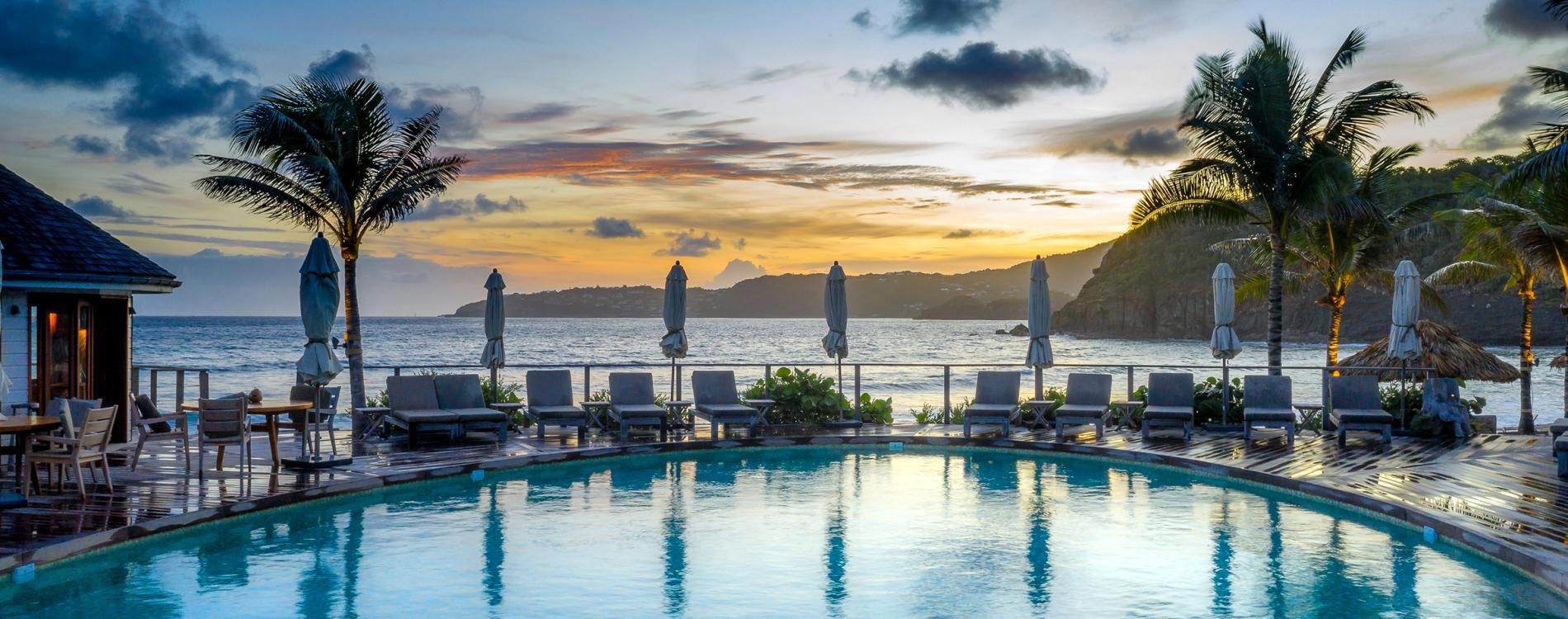
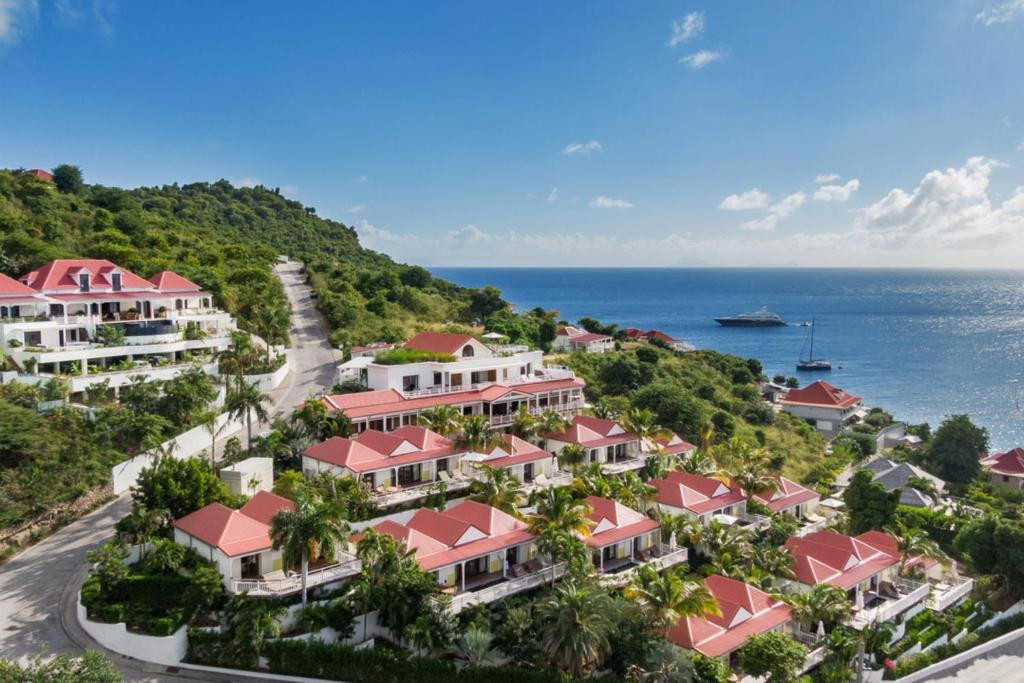
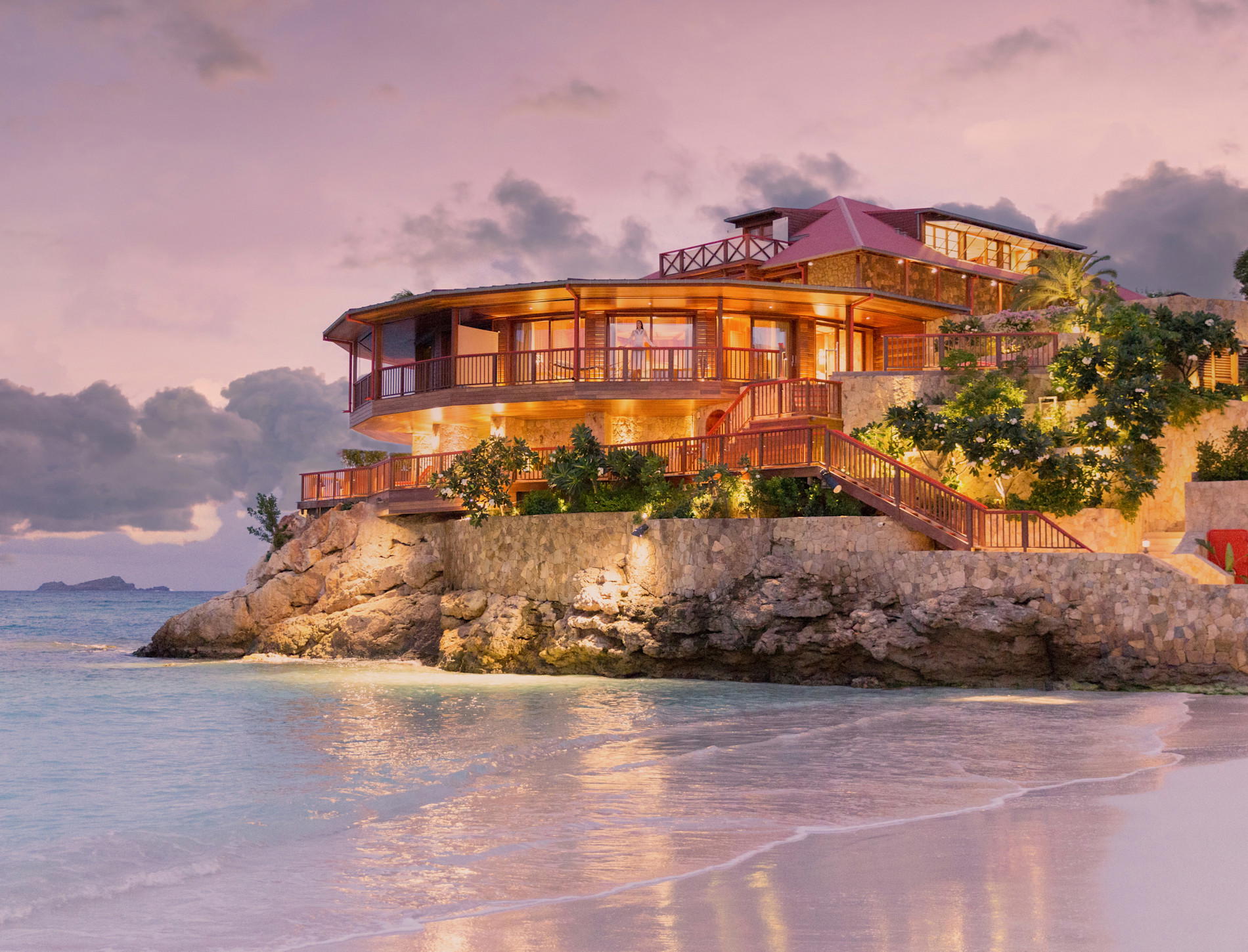
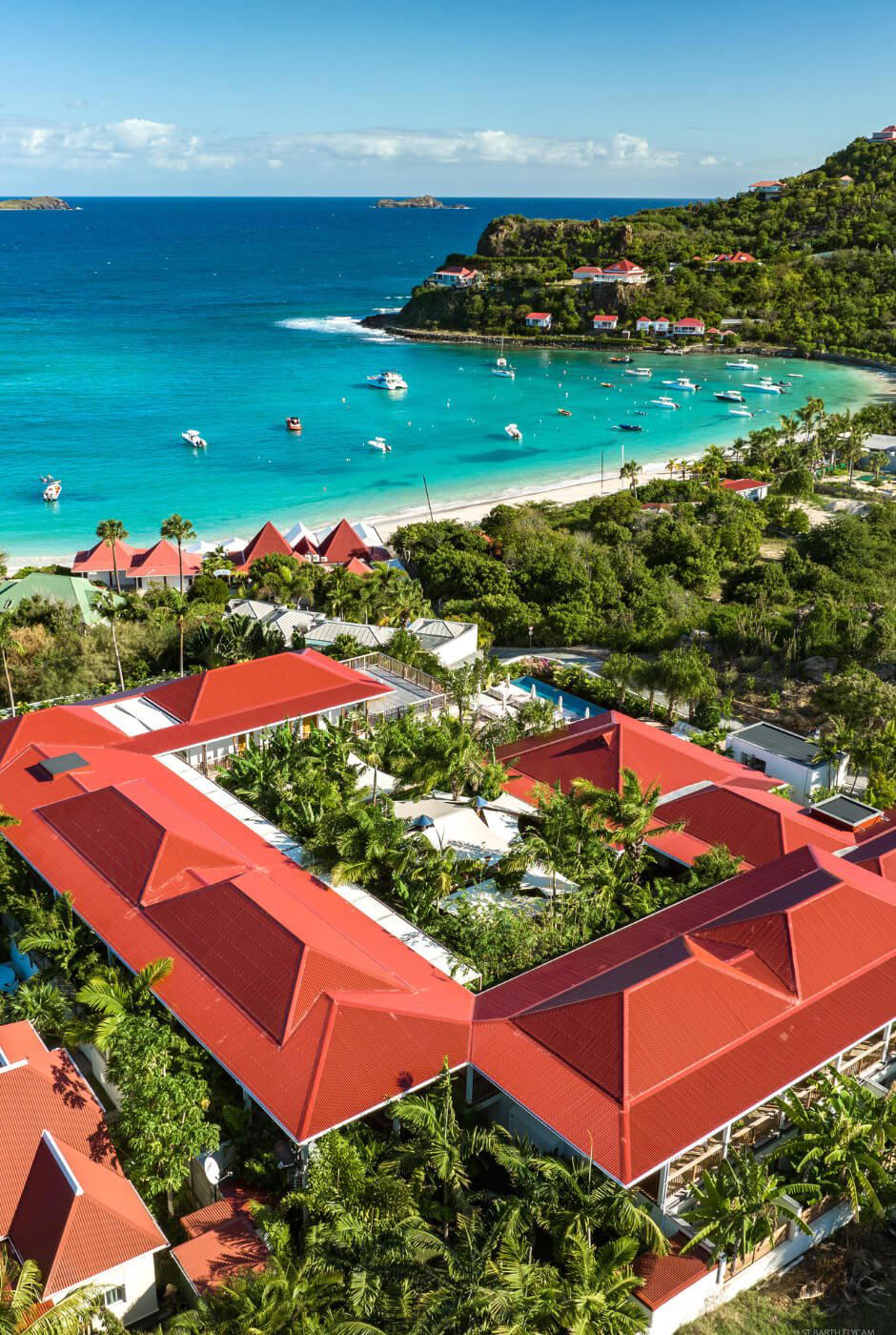
Set in the Colombier quarter of St. Barts, Gyp Sea Hotel occupies the quieter, residential edge of an island that runs on exclusivity and limited availability. The property sits in the tier of small-scale, design-conscious hotels that define the island's upper market, where low key counts and a sense of remove are the actual product on offer.
Pearl is the En Primeur Club membership app — saves, bookings, and concierge access live there. Same editors, same standards.
- Address
- Colombier Saint-Barthélémy BL, 97133, St. Barthélemy
- Phone
- +590 590 77 52 52
- Website
- gypsea-stbarth.com
- Directions
- Get directions
 Saves & bookings on Pearl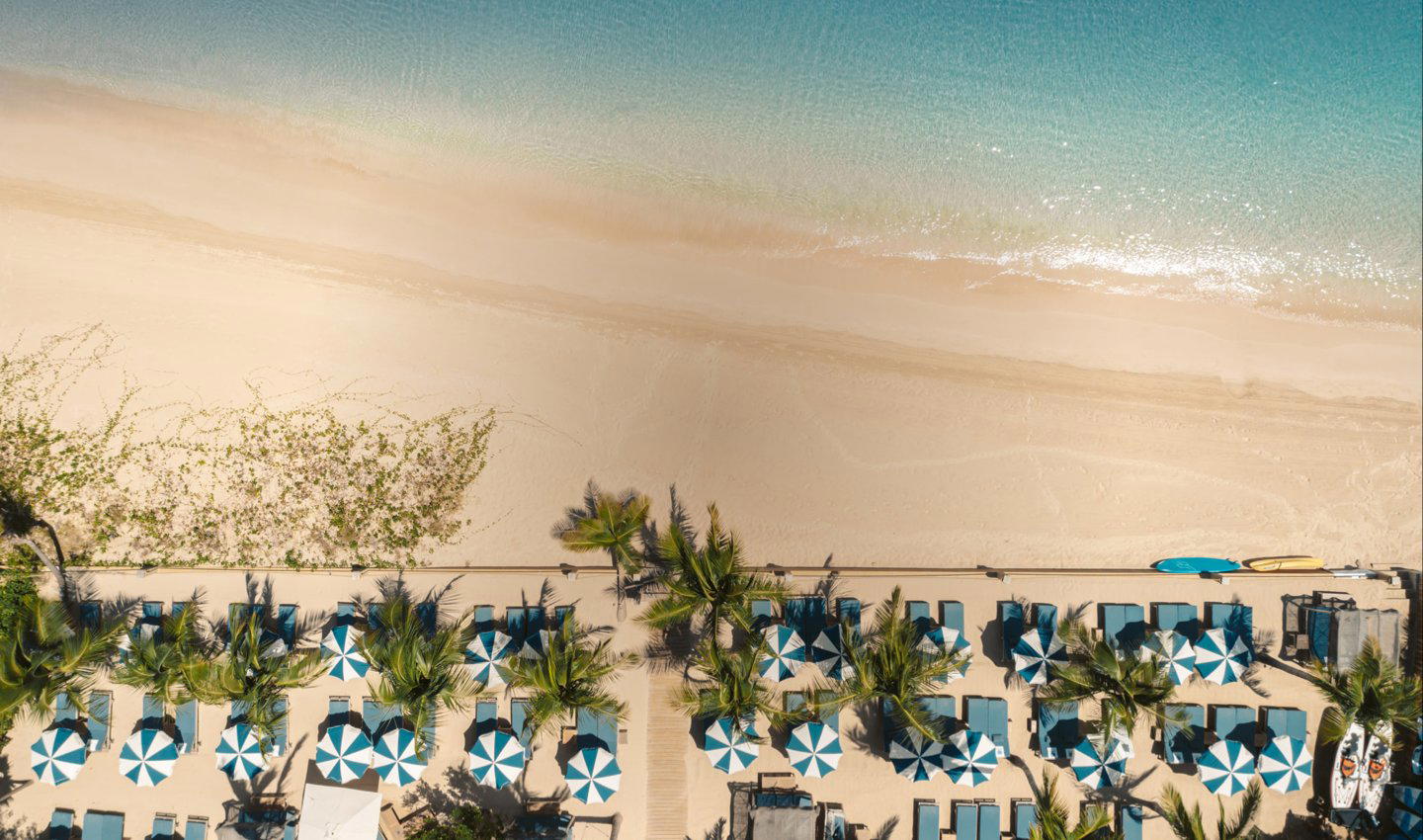
The Colombier Side of St. Barts
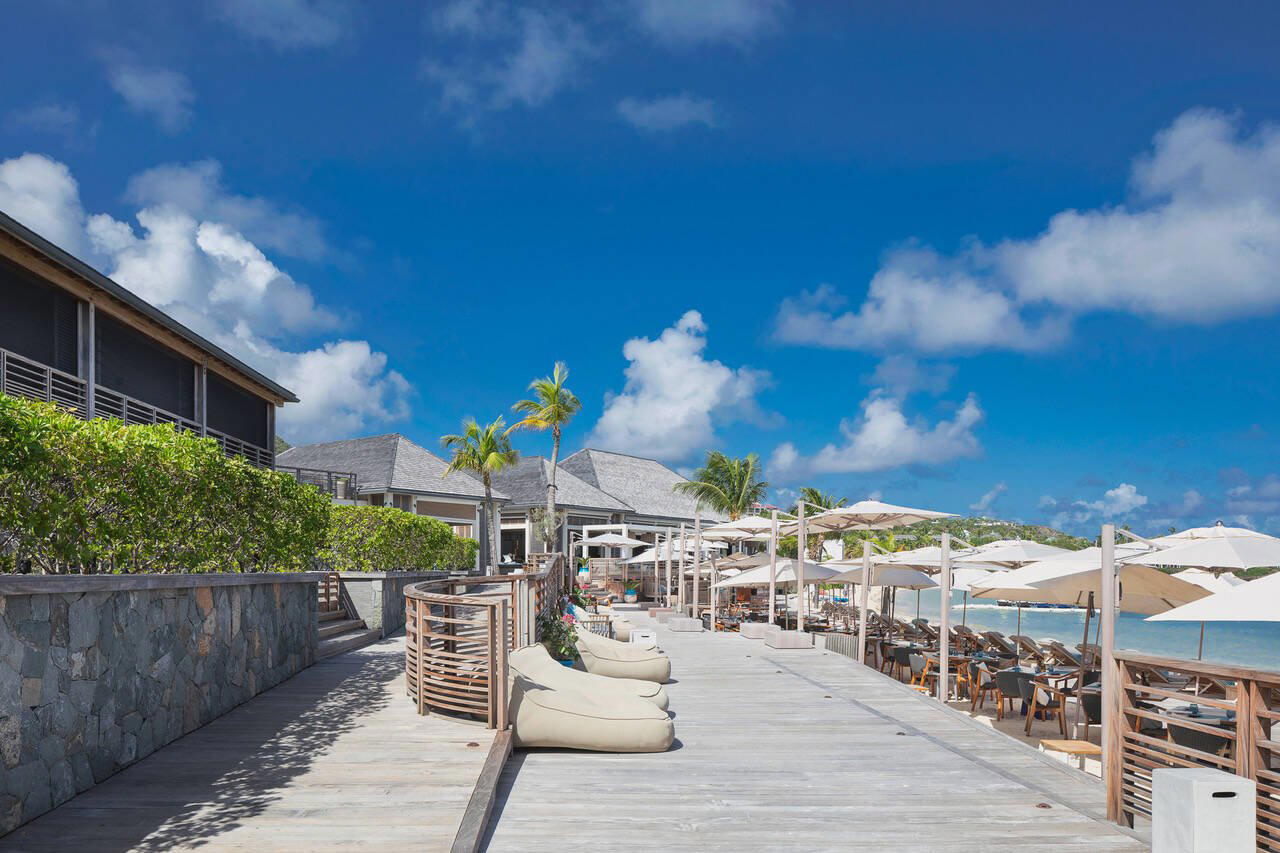
St. Barts has spent decades refining a particular formula: keep it small, keep it expensive, and let the geography do the heavy lifting. The island's northwest corner, where Colombier sits, represents that logic in its most literal form. There are no main-strip restaurants here, no visible marina traffic, no parade of charter boats visible from the terrace. What Colombier offers is the kind of quiet that costs considerably more than noise does almost anywhere else in the Caribbean. Gyp Sea Hotel occupies this address, a bar at Colombier Saint-Barthélémy BL, 97133, St. Barthélemy.
The Caribbean luxury market has fractured over the past decade into two distinct groups: large resort complexes with full amenity stacks and branded F&B; and small, low-key properties that offer limited keys, considered design, and proximity to the island's actual character rather than a simulation of it. Gyp Sea Hotel belongs to the second group. On an island where the dominant cultural register is French, restrained, and pointedly un-showy, properties that match that register tend to find their footing more easily than those importing a different aesthetic.
Drinks Culture on an Island That Takes It Seriously
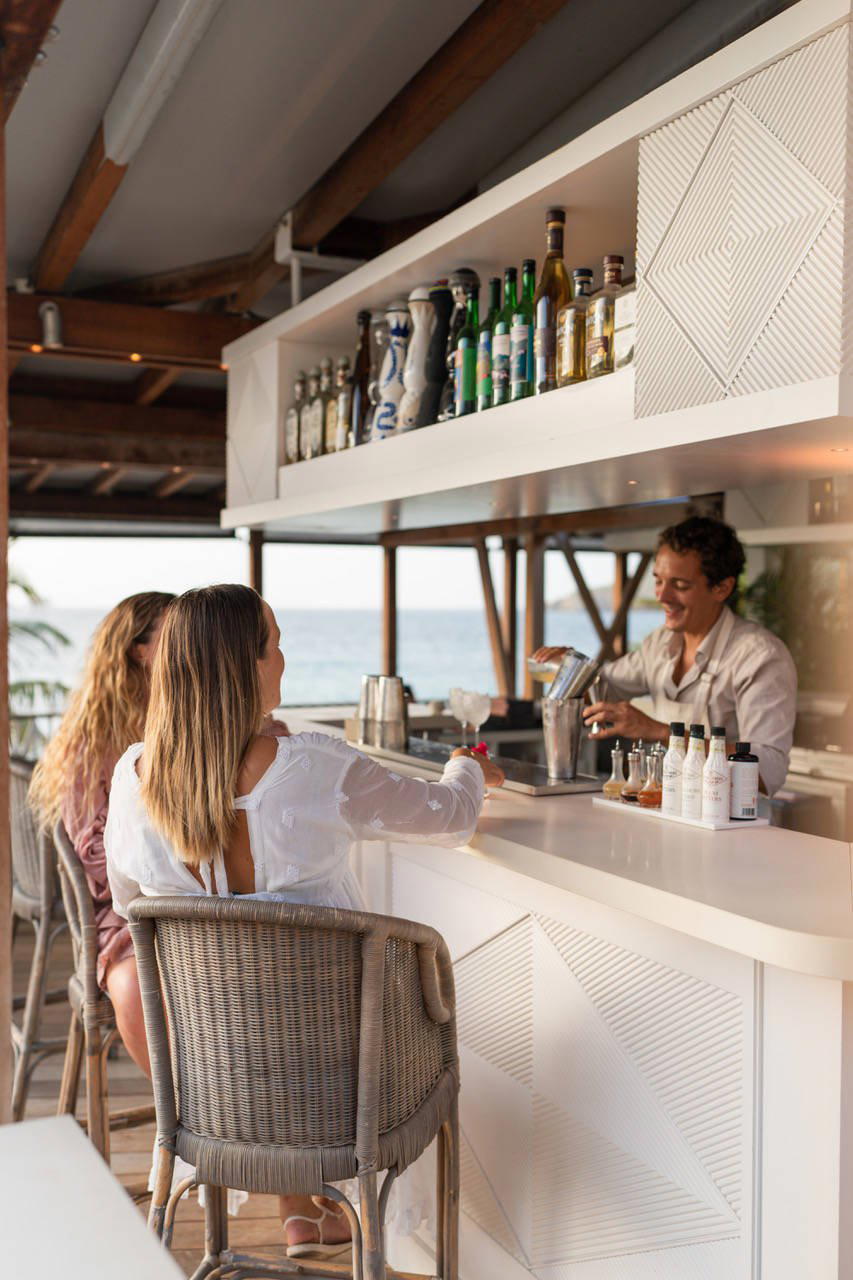
The cocktail programme at any hotel in St. Barts is worth examining as its own metric. The island's clientele has passed through enough of the world's serious bar scenes to carry expectations that go beyond the frozen-drink defaults of beach tourism. That pressure has produced, over time, a bar culture on the island that trends toward French spirits, rum from the surrounding French Antilles, and a preference for drinks that are balanced and purposeful rather than sweet and large.
Agricole rum, produced from fresh sugarcane juice rather than molasses, is the dominant regional spirit across Martinique and Guadeloupe, and its grassy, vegetal character shows up throughout St. Barts bar menus in a way that distinguishes the island from English-speaking Caribbean destinations running primarily on aged column-still rums. A well-constructed Ti' Punch, the classic two-ingredient French Antilles format of agricole, cane syrup, and lime, is a useful test of whether a bar is taking its regional context seriously or defaulting to imported templates. The format rewards simplicity and punishes cutting corners on spirit quality.
For a reference point on what serious cocktail programming looks like at the technical level, programmes such as Kumiko in Chicago and 69 Colebrooke Row in London represent the kind of approach where clarification, technique, and ingredient sourcing matter. The context is different on a small Caribbean island, but the underlying seriousness about what goes in the glass is the same variable being measured. Similarly, Bar Leather Apron in Honolulu demonstrates how island-adjacent markets can sustain cocktail programmes operating at a level far beyond what beach tourism typically demands.
Elsewhere in the global bar conversation, Jewel of the South in New Orleans, Julep in Houston, and Superbueno in New York City each illustrate how regional identity and spirit tradition can anchor a drinks programme without becoming a gimmick. The comparison holds when thinking about what a St. Barts property can do with French Antilles rum and local citrus as its starting point. Programmes at The Parlour in Frankfurt, 1806 in Melbourne, 1930 in Milan, 28 HongKong Street in Singapore, and 878 Bar in Buenos Aires each reflect the same broad shift in premium bar culture: away from spectacle and toward craft, specificity, and a coherent point of view about what should be in the glass and why.
What the Location Implies About the Experience
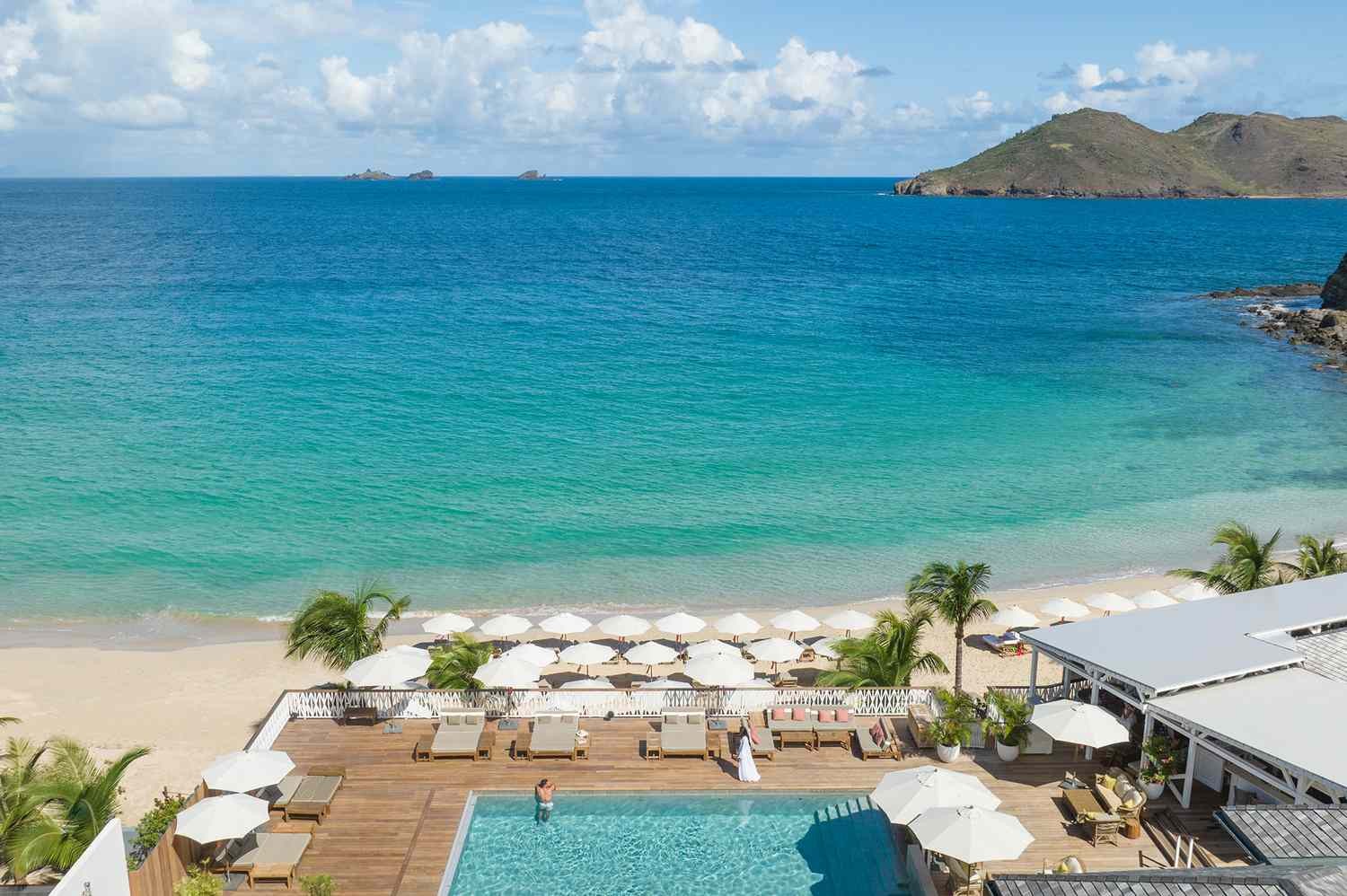
Colombier is the part of St. Barts that visitors who have been to the island more than twice tend to gravitate toward. The main commercial strip around Gustavia carries its own appeal, but the northwest side moves at a different pace. Access to Colombier beach, one of the few on the island reachable only on foot or by water, sets the rhythm of the day differently than hotel pools facing a public road. The beach's inaccessibility by car is not a flaw in the local infrastructure; it is the infrastructure, protecting a stretch of coastline from the kind of casual traffic that would otherwise arrive.
St. Barts operates on a booking logic that rewards early planning. The island's accommodation supply is deliberately constrained, and peak season, running from mid-December through early January and again around February, fills months in advance. Properties in the Colombier area tend to operate with small room counts, which means availability windows are narrow and the gap between enquiring and finding nothing is shorter than on larger-supply islands. Anyone targeting a specific date range in high season should be operating on a timeline of three to six months minimum.
Placing Gyp Sea in Its comparable set
The comparison for a Colombier property on St. Barts is not other Caribbean islands or larger resort formats. It is the cluster of small-scale French-managed properties across the island that compete on restraint, location specificity, and a clientele that is repeat-visit rather than first-timer. That repeat-visitor dynamic shapes everything from how rooms are furnished to how the bar programme is approached: there is no incentive to over-explain or over-perform when the guest already knows what they want and is returning because they found it here before.
This is the position Gyp Sea Hotel occupies, and it is a coherent one within the St. Barts market. The island's total accommodation supply is small enough that individual properties carry weight in ways they would not on a larger destination, and location within the island matters considerably. Colombier's northwest positioning is not merely scenic differentiation; it signals a particular register of experience that self-selects for guests who have already graduated past the novelty phase of Caribbean travel.
Planning Your Visit
St. Barts is accessible primarily via connecting flight from Sint Maarten (SXM) or by ferry, and the Gustaf III Airport on the island requires small-aircraft operations given the short runway. Both logistics are well-documented and are part of the island's managed-access character rather than an inconvenience to be solved. Visitors should confirm room availability and current access arrangements directly with the property, as the hotel's booking process and seasonal calendar are best confirmed at source. Direct contact via the property's current website is the appropriate starting point for planning.
Comparable Venues
Comparable venues nearby, for context on price, style, and recognition.
| Venue | Cuisine | Price |
|---|---|---|
| Gyp Sea Hotel - St BarthThis venue — the venue you are viewing | Bar | $$$$ |
Continue exploring
More in St Barthelemy
Bars in St Barthelemy
Browse all →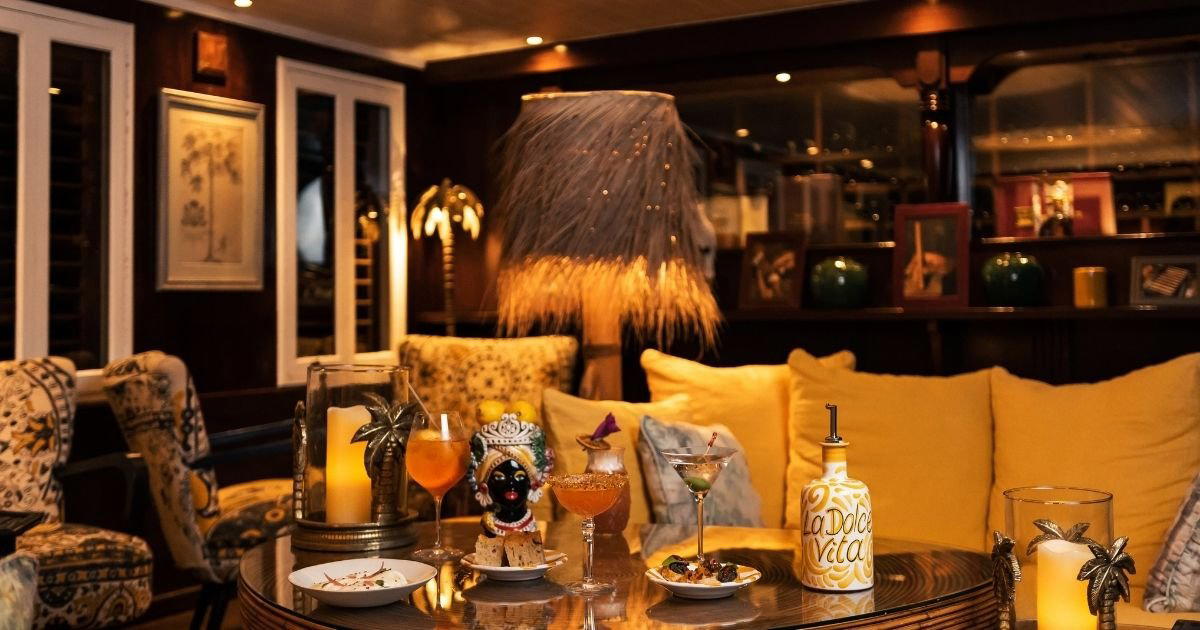
Restaurants in St Barthelemy
Browse all →
At a Glance
- Bohemian
- Trendy
- Lively
- Elegant
- Casual Hangout
- Celebration
- Late Night
- Beachfront
- Terrace
- Outdoor Terrace
- Lounge Seating
- Craft Cocktails
- Rum
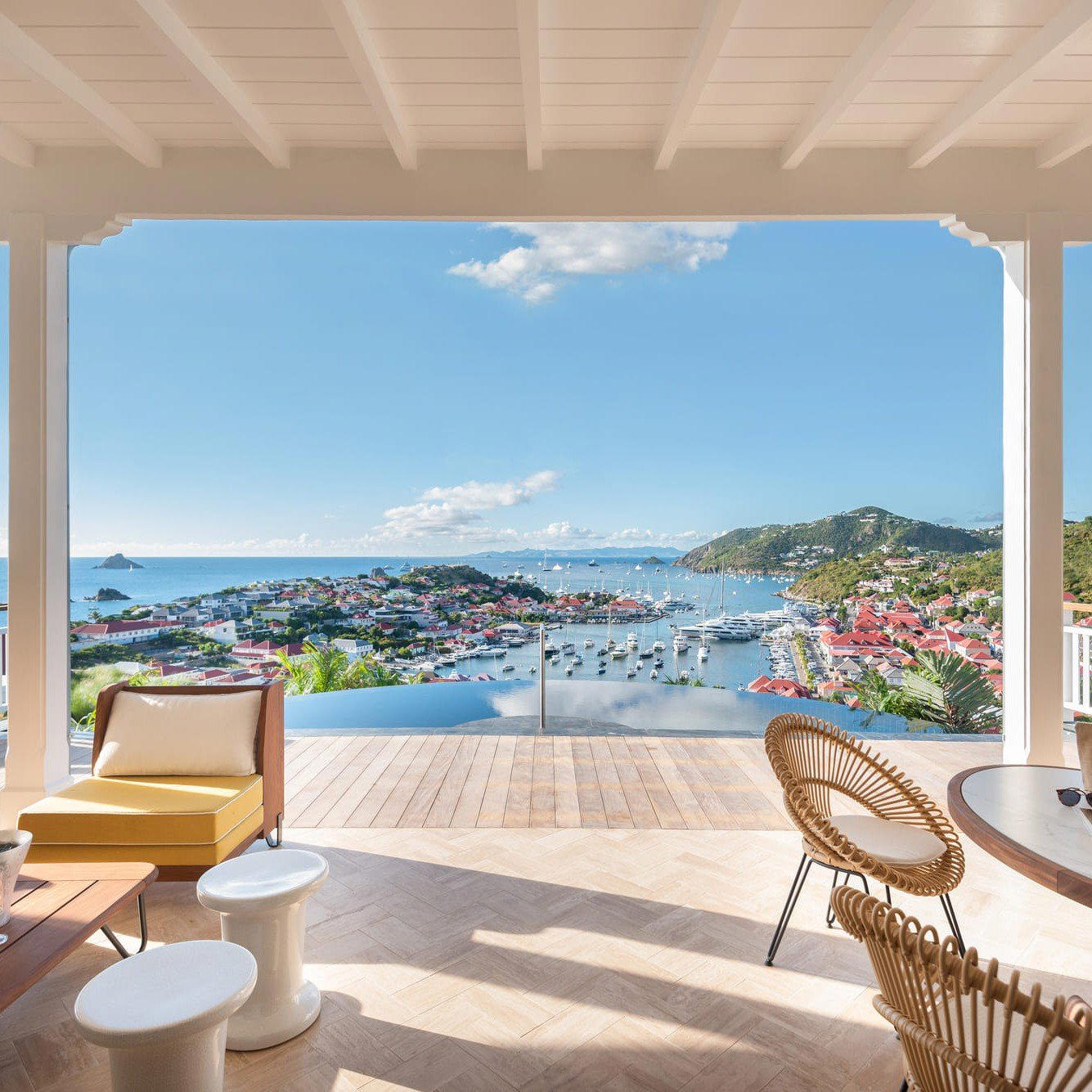
- Waterfront
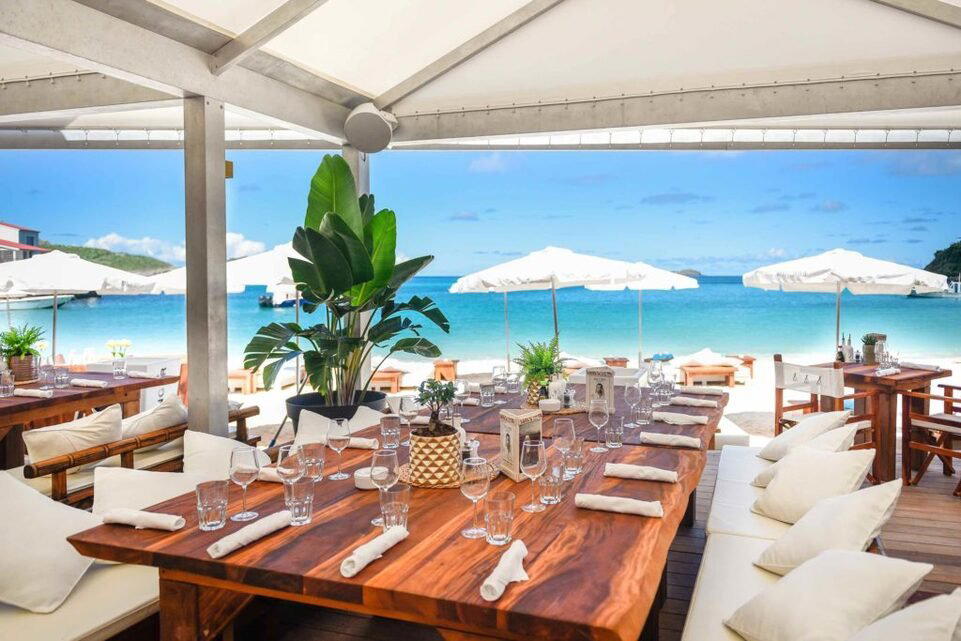
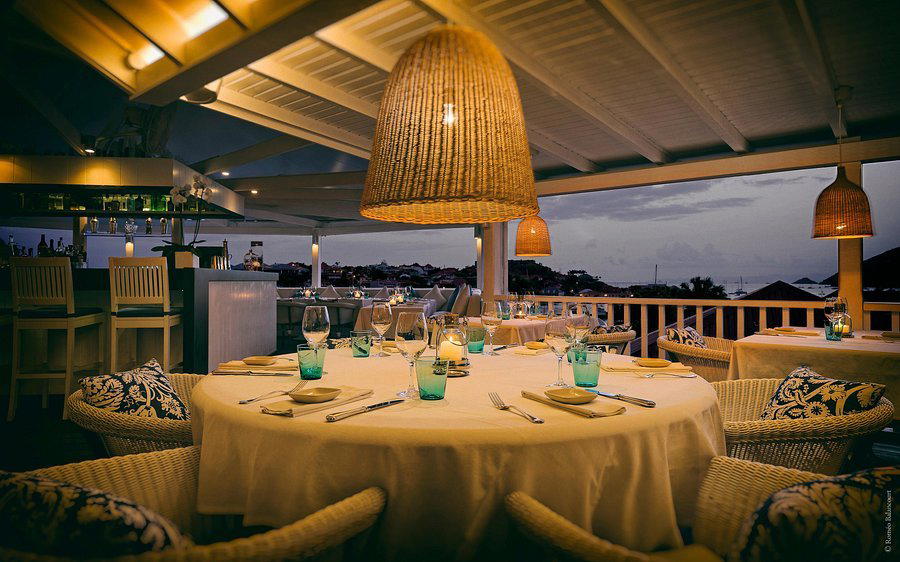
Sunlit beachfront with carefree, relaxed boho-chic atmosphere, featuring DJ mixes from calypso to Caribbean hits.