Gin Mill South End
A neighborhood bar on South Tryon Street, Gin Mill South End occupies a stretch of Charlotte that has shifted from light-industrial to one of the city's more active after-work corridors. The address at 1423 S Tryon puts it inside the South End grid, where the bar operates as a lower-key counterpoint to the area's louder, higher-volume venues.
Pearl is the En Primeur Club membership app — saves, bookings, and concierge access live there. Same editors, same standards.
- Address
- 1423 S Tryon St, Charlotte, NC 28203
- Phone
- +1 704 373 0782
- Website
- ginmillsouthend.com
- Directions
- Get directions
 Saves & bookings on Pearl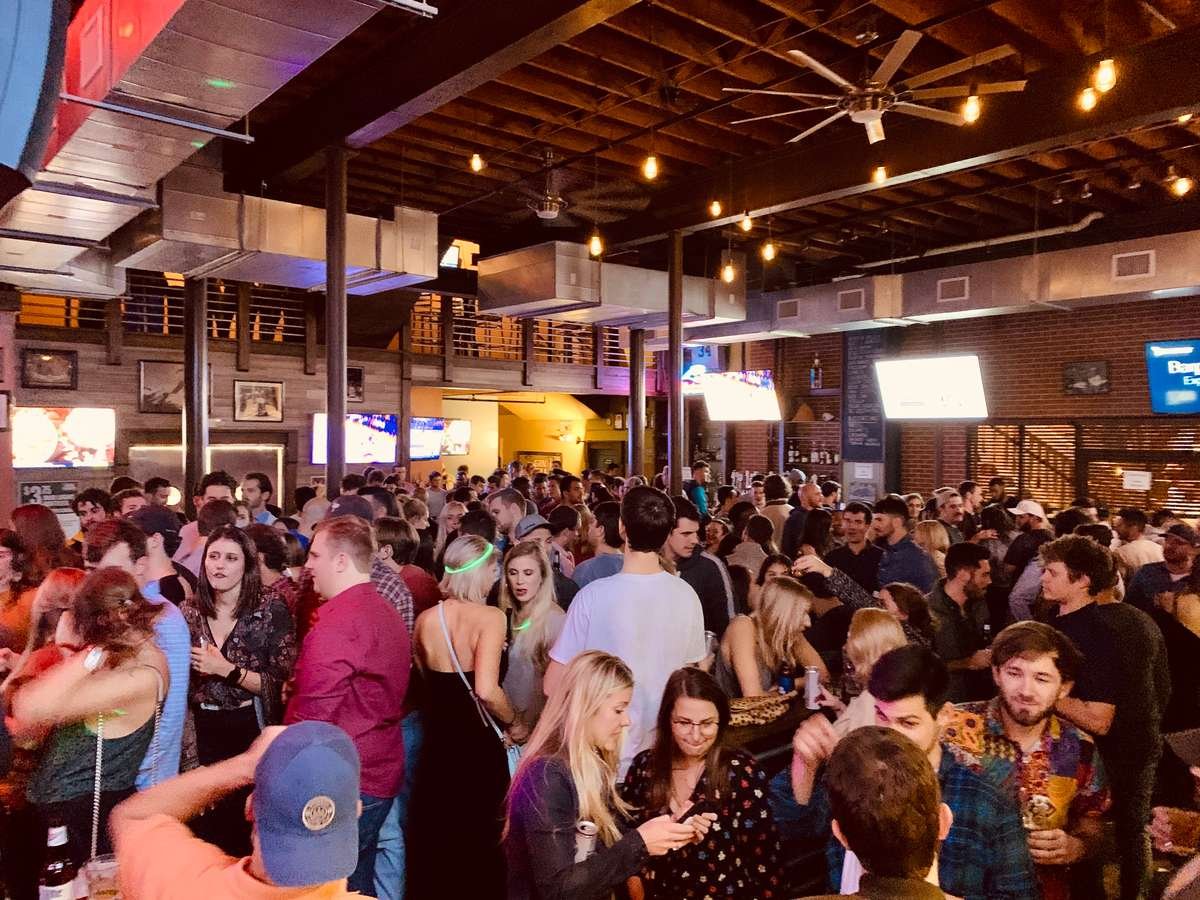
South End's Bar Scene and Where Gin Mill Sits Within It
Charlotte's South End has transformed over the past decade, moving from warehouse district to a corridor dense with breweries, cocktail bars, and casual dining. The light-rail stop at East/West Boulevard deposits foot traffic directly into the neighborhood, and the result is a bar scene that now spans several distinct tiers: high-concept cocktail programs with national recognition, large-format sports bars, brewery taprooms, and neighborhood standbys that predate or quietly coexist with the flashier arrivals. Gin Mill South End, at 1423 S Tryon St, operates in that last category. Its address places it along a stretch that functions as a connective tissue between the denser retail blocks to the north and the residential pockets further south.
Understanding where a bar fits within its neighborhood matters for how you plan around it. South End's busier cocktail venues, such as BAKU and Artisan's Palate, carry more elaborate programs with higher price points. Gin Mill positions itself differently: the name signals a gin-forward identity, but the format reads as a neighborhood bar that doesn't require a reservation or a structured visit. That positioning is neither a weakness nor a strength in isolation; it depends entirely on what you're looking for when you arrive in South End.
The Physical Experience of Arriving on South Tryon
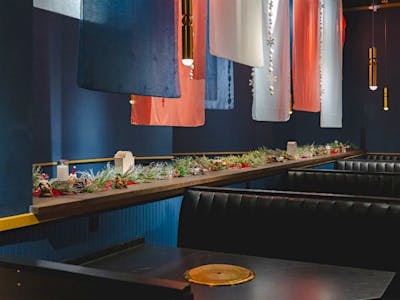
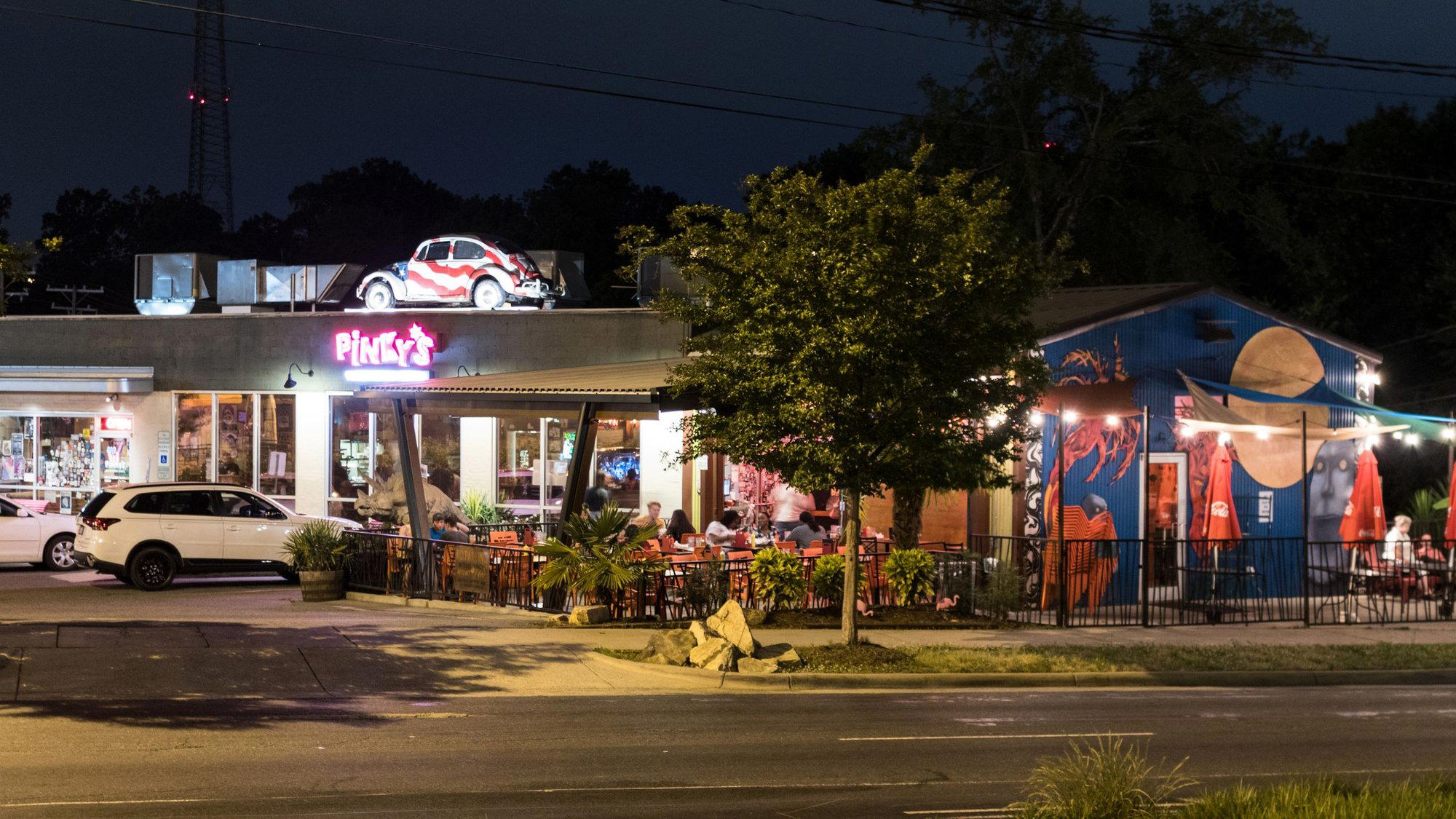
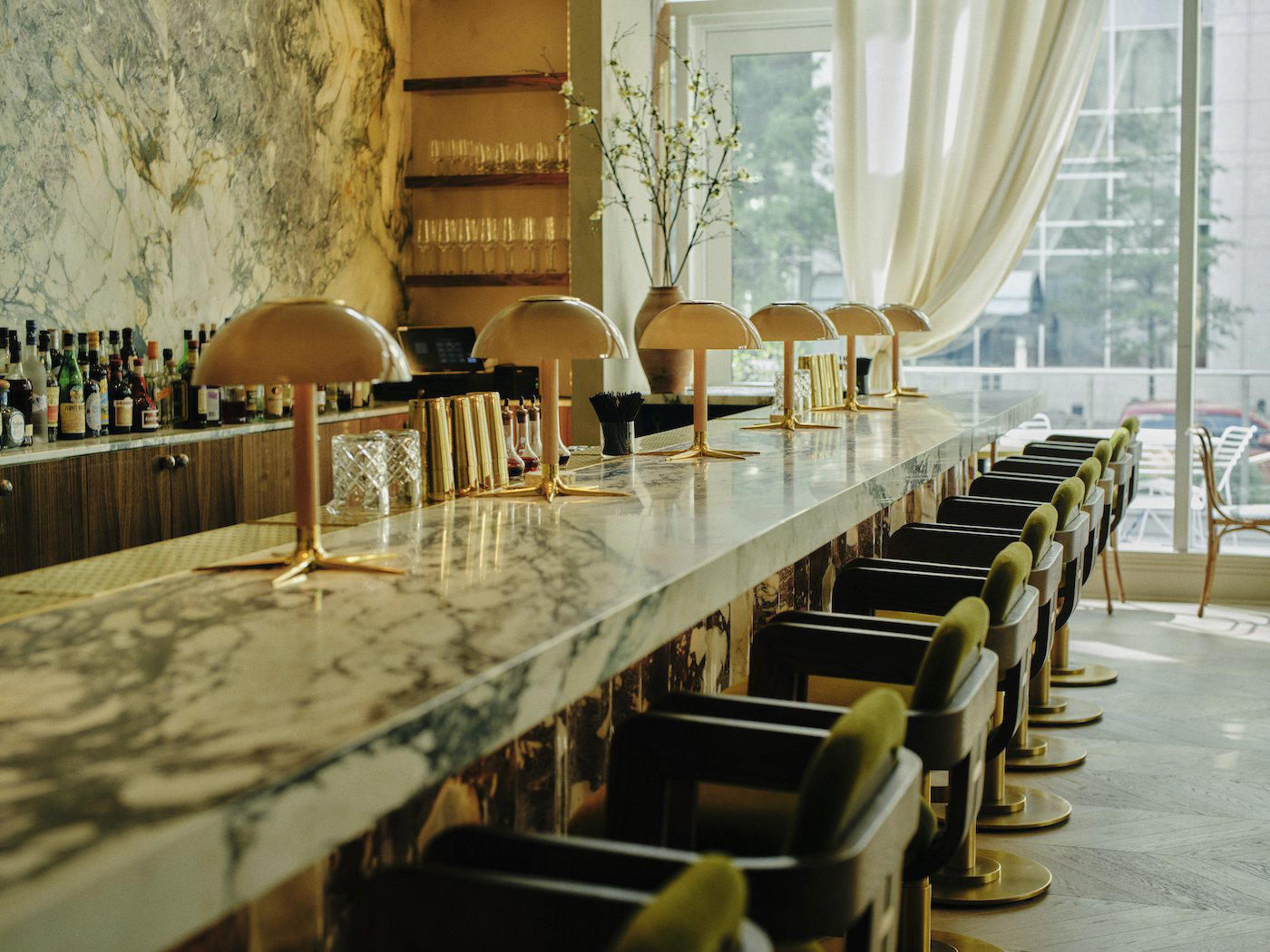
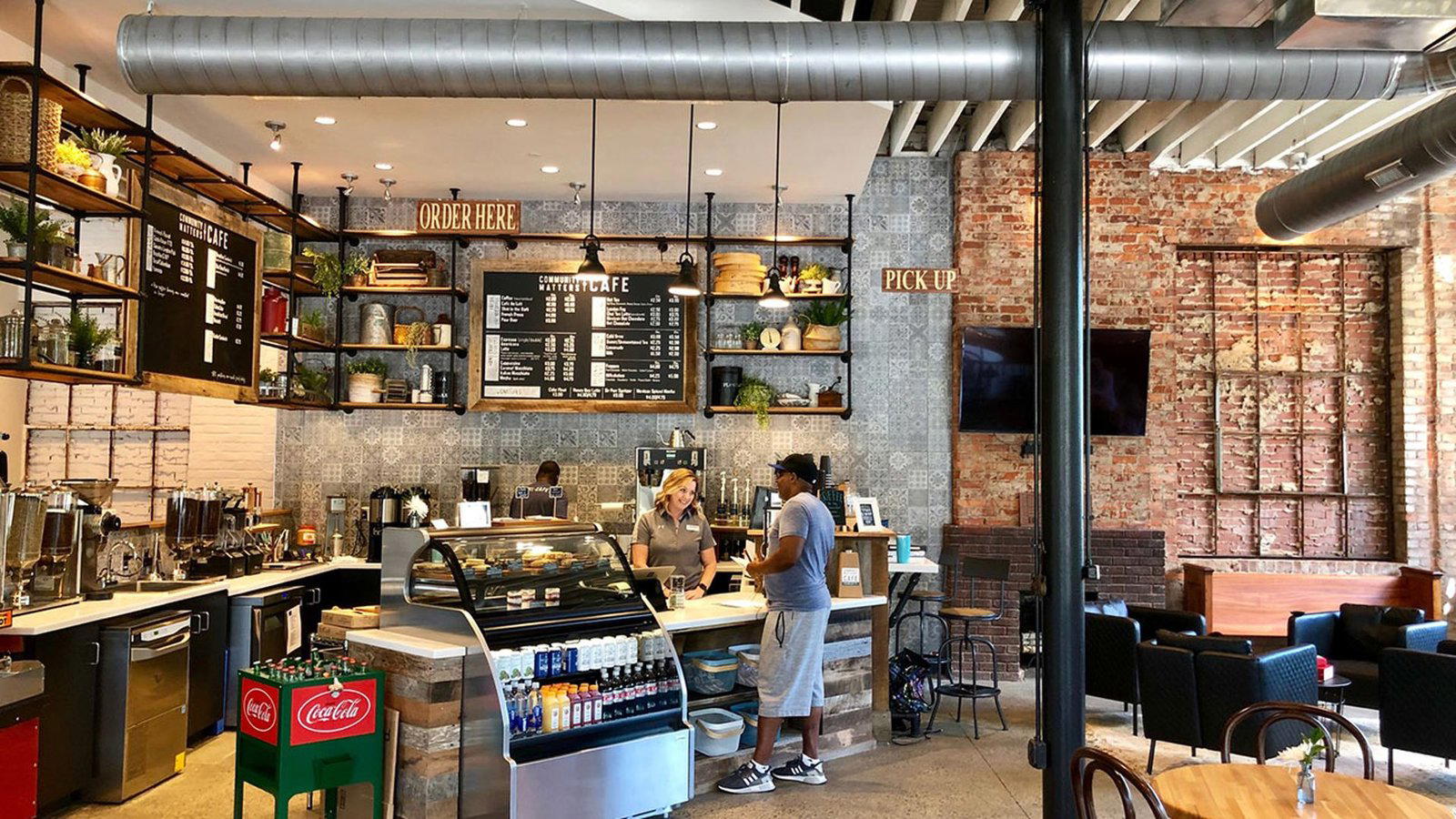
South Tryon Street in this section of Charlotte retains more of its pre-development character than the blocks immediately surrounding the light-rail stations. The sidewalk presence is less curated, the signage lower-key. Gin Mill fits that register. The exterior doesn't announce itself with the kind of design investment that signals a beverage-program-led concept; it reads instead as a place built for regulars and for people who know what they're looking for before they walk in. Inside, the atmosphere leans toward the functional and social rather than the theatrical. There are no elaborate backlit bottle displays or tasting menus to study. The environment is built for conversation and for extended stays rather than for Instagram documentation.
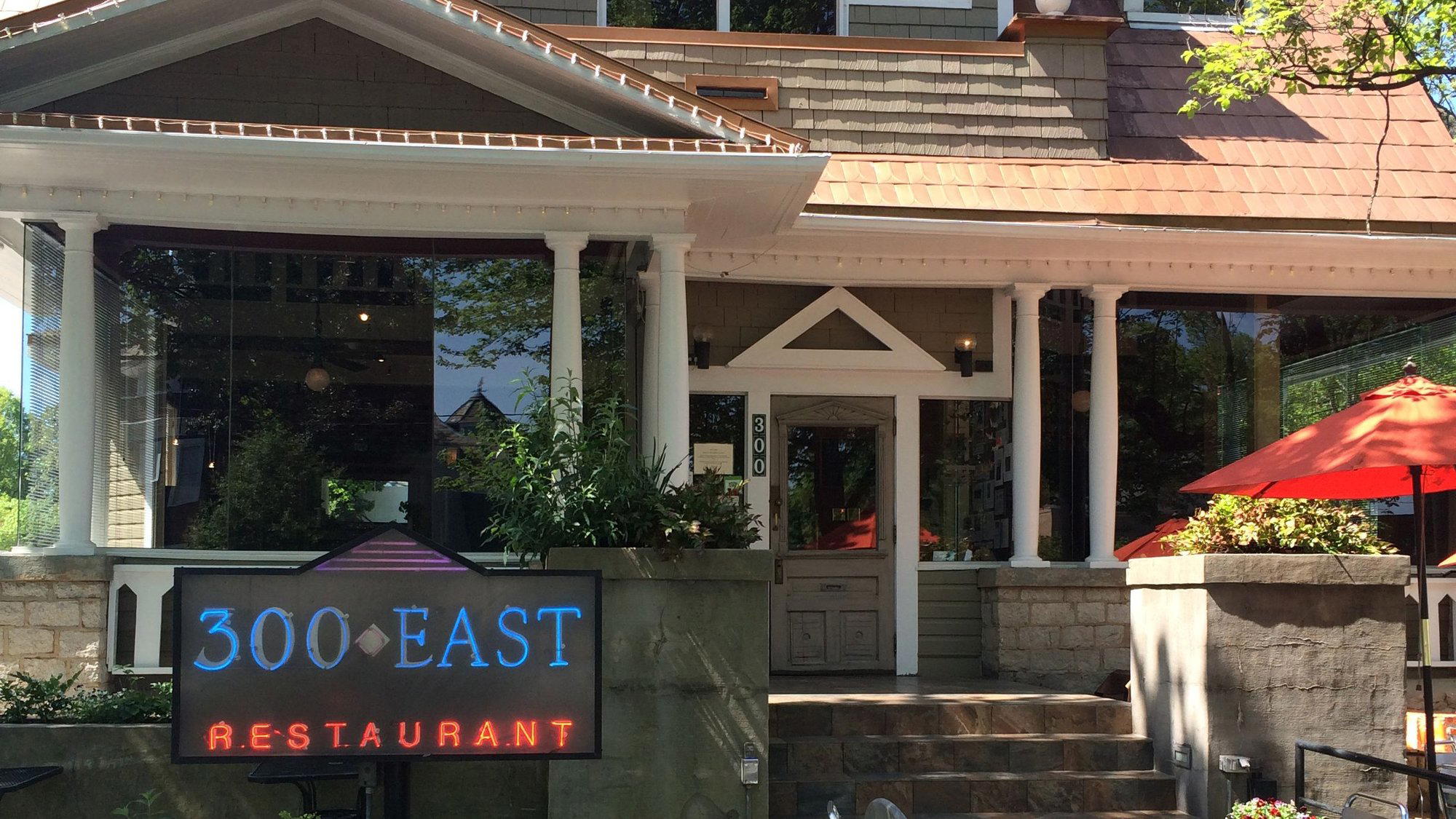
This is a meaningful distinction in a city where bars increasingly use interior design as a primary differentiator. The quieter, more worn-in quality of venues like Gin Mill serves a real demand in neighborhoods where not every evening calls for a produced experience. Nationally, bars that occupy this niche, from ABV in San Francisco to 300 East in Charlotte, often sustain loyal followings precisely because they don't require the visitor to perform enthusiasm for the concept.
Gin as a Category and What a Mill-Style Bar Implies
The gin category has evolved considerably over the past fifteen years. What was once a spirit defined by London Dry standards and gin-and-tonic defaults now spans a wide range of botanical profiles, regional production traditions, and cocktail applications. Bars that front-load gin in their identity, as the name here does, are implicitly making a claim about category depth: the expectation, at minimum, is a wider-than-average gin selection and staff who can speak to the differences between expressions.
In more program-intensive bar environments, a gin focus might translate into house-made tinctures, clarified citrus preparations, and rotating seasonal builds. The question for any gin-forward bar is how deeply it commits. At the nationally recognized end, venues like Kumiko in Chicago or Jewel of the South in New Orleans treat spirit selection and technique as editorial statements. Gin Mill South End operates well below that tier of ambition, which is not a criticism. It means the bar is accessible, unpretentious, and practical for the kind of visit where the spirit category provides flavor rather than structure.
Charlotte's cocktail culture has been developing steadily, with a handful of venues drawing visitors as well as residents. Venues like Azul Tacos And Beer represent the more food-integrated side of that equation. Gin Mill occupies a different register entirely, one built more around approachability and neighborhood function than around craft credentialing.
Sourcing, Sustainability, and the Quiet Bar Footprint
Bars that operate at the neighborhood level often carry a smaller environmental footprint almost by default. The absence of elaborate food programs reduces organic waste streams. Lower volume spirits purchasing, compared to destination cocktail bars doing triple-digit covers nightly, means smaller distribution cycles. This is not a sustainability program in the intentional sense that venues like Julep in Houston or Superbueno in New York City pursue, where waste reduction, local sourcing, and ethical procurement are built into the operational identity. At Gin Mill, the low footprint is structural rather than philosophical.
That distinction matters for a visitor choosing between venues. Bars with explicit sustainability commitments, verifiable sourcing relationships, and documented waste-reduction practices are a growing category in U.S. cities. Charlotte's bar scene has not yet produced a widely recognized leader in this space, which is itself an editorial point about where the city's bar culture currently sits relative to markets like San Francisco, Chicago, or Honolulu, where venues like Bar Leather Apron have built more fully articulated programs. Gin Mill is a neighborhood bar, not a sustainability-forward concept, but its low-key operational scale is a reasonable counterpoint to the higher-waste, higher-volume venues that dominate the South End corridor.
Planning a Visit: Practical Considerations
Gin Mill South End is at 1423 S Tryon St, Charlotte, NC 28203, in the South End neighborhood. The light-rail's New Bern station is within walking range, making it accessible without a car from Uptown Charlotte. The bar works well as a pre-dinner stop, a post-event wind-down, or a low-key weeknight destination. For a fuller picture of where it sits within Charlotte's broader drinking options, the EP Club Charlotte guide maps the city's bar and restaurant scene across neighborhoods and price tiers. Those planning a European bar comparison may find The Parlour in Frankfurt a useful reference point for what a gin-specific program looks like when it's built around a fully articulated selection.
A Lean Comparison
Comparable venues nearby, for context on price, style, and recognition.
| Venue | Cuisine | Price | Notes |
|---|---|---|---|
| Gin Mill South EndThis venue — the venue you are viewing | Not listed | $$ | Not listed |
| Oshen | South Charlotte, Bar | $$ | Not listed |
| 300 East | Not listed | $$ | South End, cocktail_bar |
| DTR Dilworth | Not listed | $$ | Brookhills, cocktail_bar |
| The Olde Mecklenburg Brewery & Biergarten | Not listed | $$ | Lower South End, beer_bar |
| Legion at the Trolley Barn | Not listed | $$ | Brookhills, beer_bar |
Continue exploring
More in Charlotte
Bars in Charlotte
Browse all →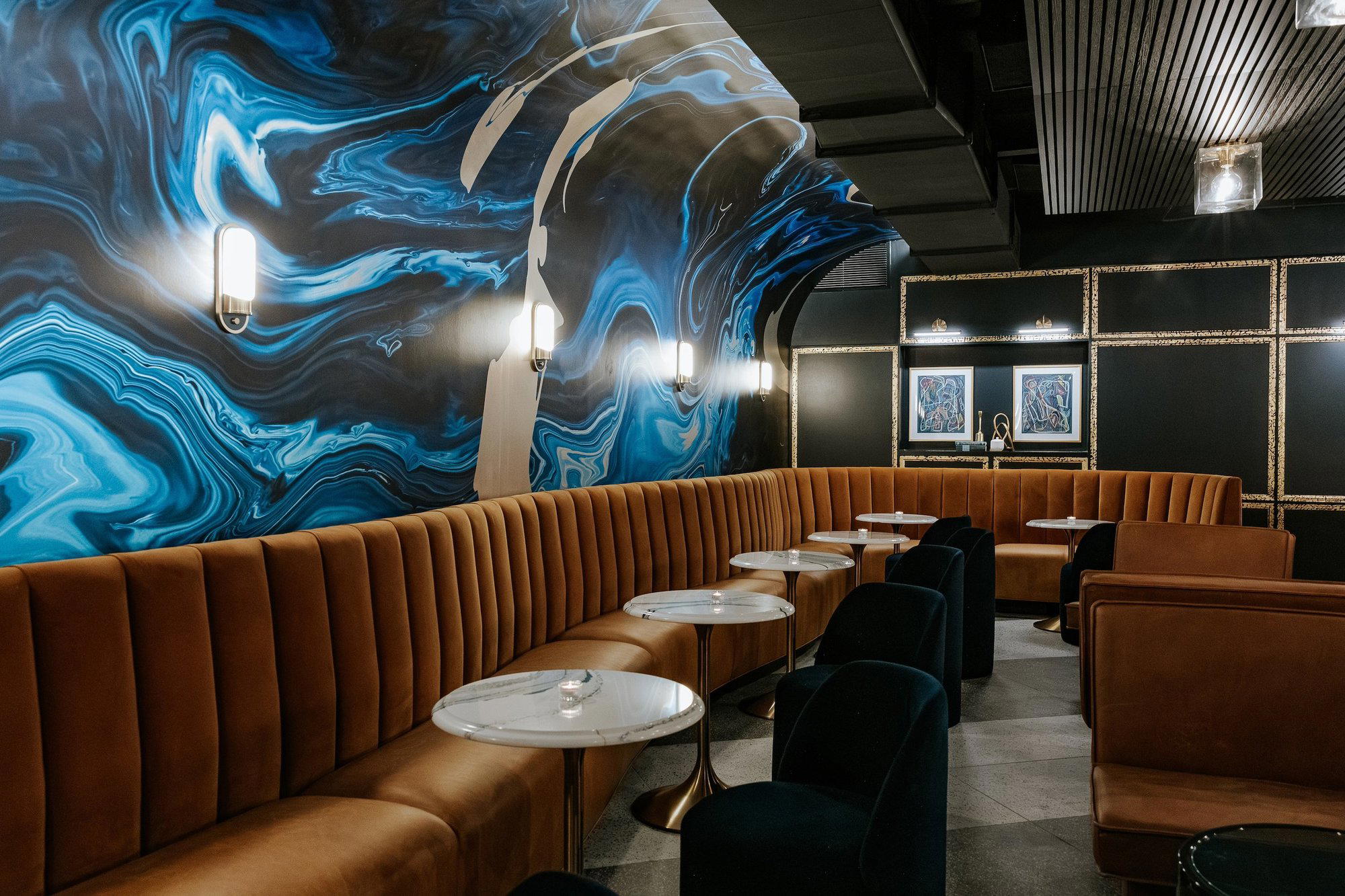
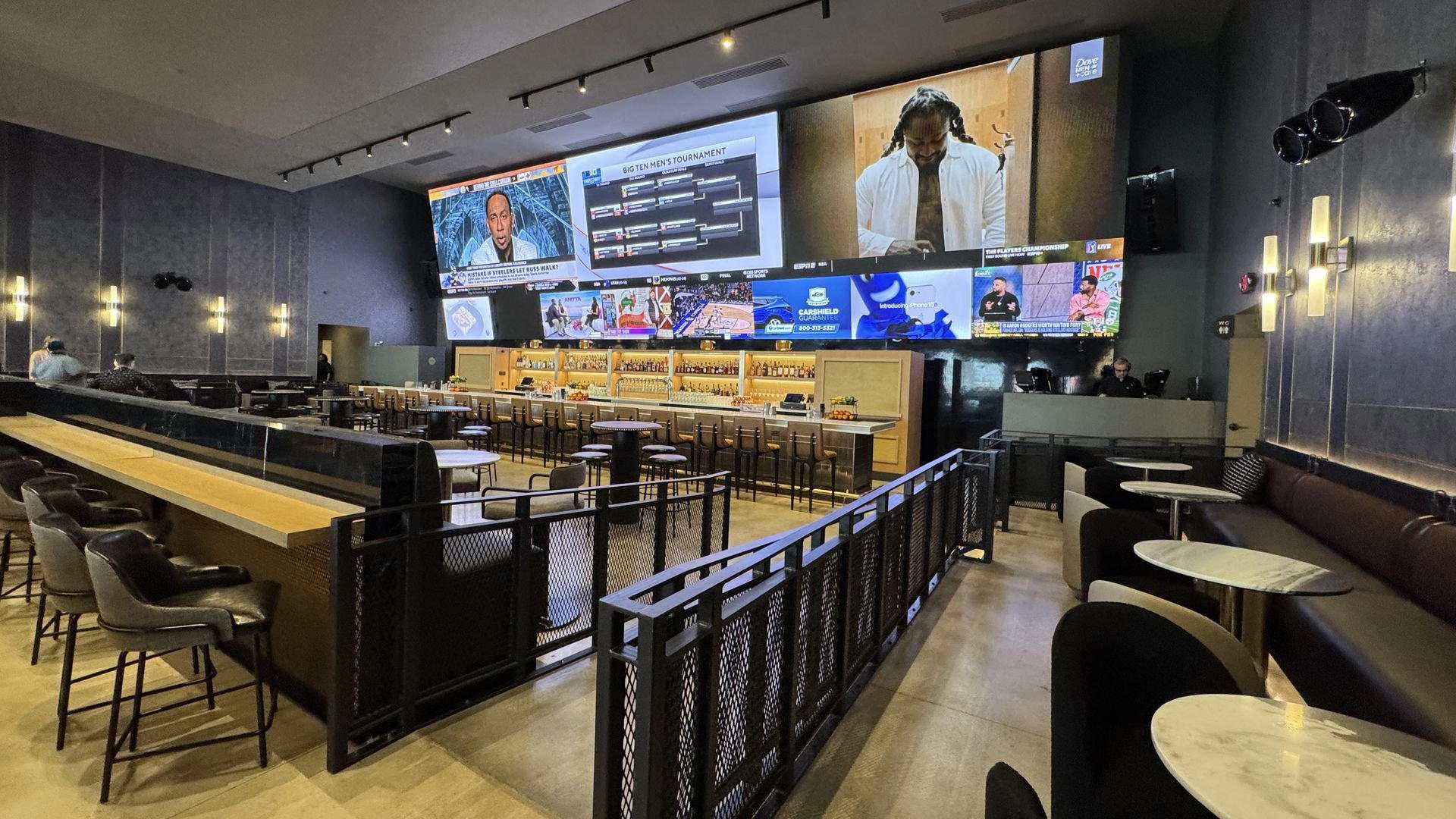
Restaurants in Charlotte
Browse all →
At a Glance
- Lively
- Energetic
- After Work
- Late Night
- Group Outing
- Rooftop
- Live Music
- Outdoor Terrace
- Lounge Seating
- Classic Cocktails
- Craft Cocktails
- Skyline
Current opening hours
- Monday
- Closed
- Tuesday
- 4 PM–12 AM
- Wednesday
- 4 PM–12 AM
- Thursday
- 4 PM–1 AM
- Friday
- 4 PM–2 AM
- Saturday
- 11 AM–2 AM
- Sunday
- 11 AM–12 AM
Hours can change for holidays and private events. Last verified .
Casual, upbeat atmosphere with rooftop patio, well-suited for sports enthusiasts and lively gatherings.