Ghost Ranch: Modern Southwest Cuisine
Ghost Ranch: Modern Southwest Cuisine brings a contemporary lens to the flavors and traditions of the American Southwest, operating out of a Warner Road address in Tempe, Arizona. The restaurant positions itself within a growing wave of Southwestern fine-casual dining that treats regional ingredients and indigenous flavor profiles with the same seriousness once reserved for European traditions. For Tempe diners looking beyond chain-heavy corridors, it represents a distinct local option worth tracking.
 Discover on Pearl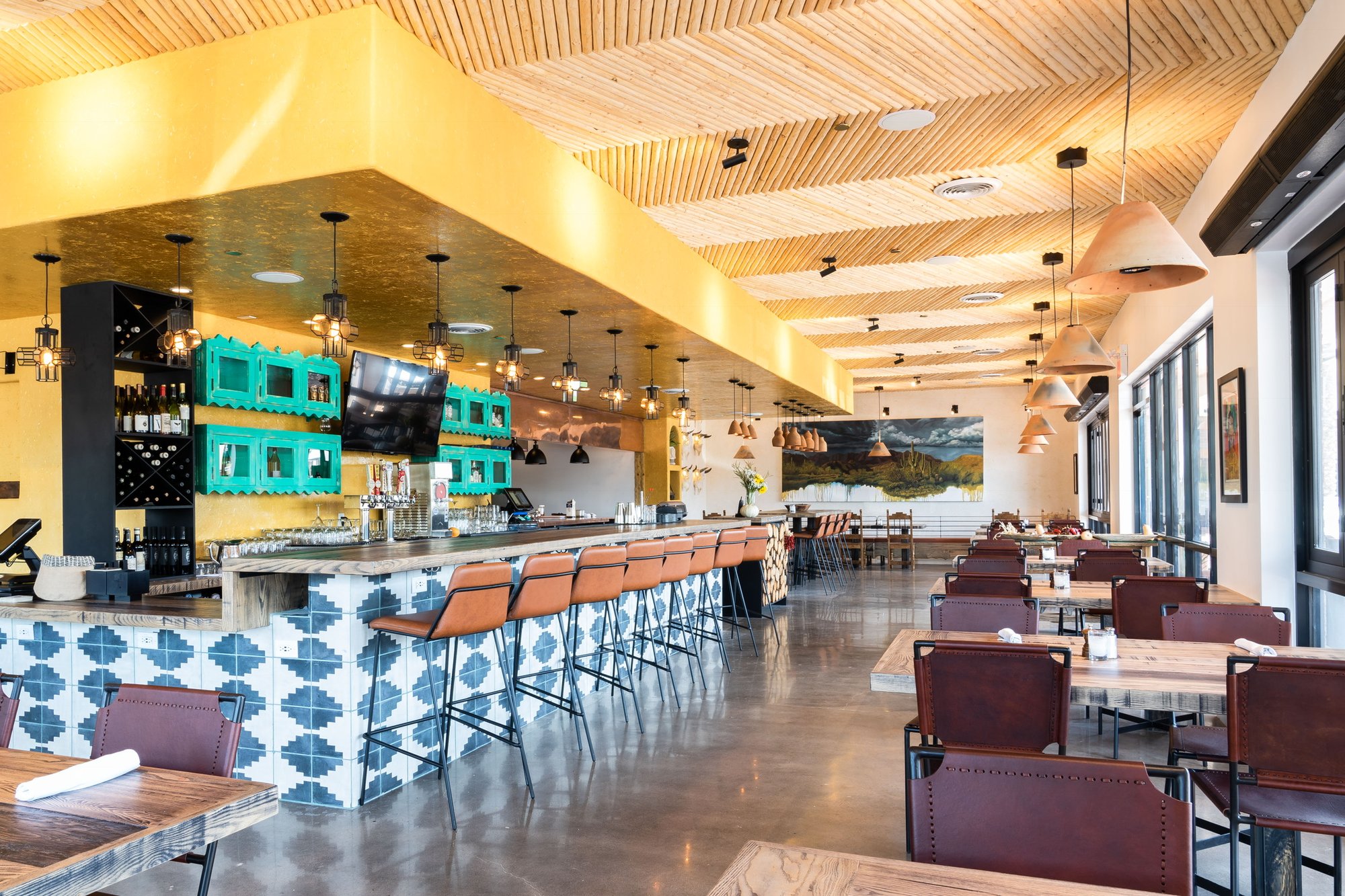
Where the Desert Comes Indoors
There is a particular design challenge that defines the better Southwestern restaurants of the American interior: how do you evoke landscape without turning your dining room into a theme park? The answer, when it works, usually involves restraint. Warm terracotta tones rather than kitschy coyote murals. Exposed materials that reference adobe and sandstone without mimicking them too literally. At Ghost Ranch: Modern Southwest Cuisine, the address on East Warner Road in Tempe places it in the quieter, more residential southern tier of the city, away from the Mill Avenue energy and the Arizona State University pulse that defines Tempe's better-known dining corridors. That geography is not incidental. Restaurants in this part of Tempe tend to serve a local repeat clientele rather than foot-traffic tourists, which shapes the atmosphere toward something more settled and neighbourhood-oriented.
The "Modern Southwest" descriptor in the name does real editorial work. It signals a specific positioning within regional American dining: this is not Tex-Mex, not New Mexican red-and-green chile orthodoxy, and not a steakhouse with a cactus logo. Modern Southwestern cuisine, as a category, traces its serious phase to the 1980s and early 1990s, when chefs across Arizona, New Mexico, and Colorado began treating chiles, corn, squash, and native aromatics as a foundation for technique-driven cooking rather than as novelty ingredients. Ghost Ranch places itself in that tradition while appending the word "modern," suggesting an ongoing engagement with that legacy rather than a nostalgic reproduction of it.
The shortlist, unlocked.
Hard-to-book tables, cellar releases, and concierge-planned trips.
Get Exclusive Access →The Atmosphere Argument for Southern Tempe
Tempe's dining identity is often read through its northern precincts: the ASU-adjacent bars, the Mill Avenue restaurants feeding a student and young-professional crowd, the sports-bar ecosystem around State Farm Stadium traffic. The southern Warner Road corridor runs a different script. Dinner here tends to be slower, more intentional, and aimed at residents who live within a few miles rather than visitors orienting around a landmark. Ghost Ranch fits that rhythm. A restaurant with "Modern Southwest" ambitions in this location is making a quiet bet on a clientele that knows what it wants and returns regularly, rather than one that needs to be sold on the concept at first glance.
For context on Tempe's wider bar and dining scene, the city's options range from the British pub format at Cornish Pasty Co to the Japanese format at Sushi Time, the craft beer focus at The Shop Beer Co., and the Italian tradition at Vincitorio's Restaurant. Ghost Ranch operates in a different register from all of them, making a case for regional American cuisine as a distinct category rather than a fallback option. Our full Tempe restaurants guide maps out how these options distribute across the city's neighbourhoods.
Southwest Cuisine as a Serious Category
The broader context here matters for understanding what Ghost Ranch is attempting. Modern Southwestern cooking sits within a national pattern of regional American restaurants reasserting their own culinary traditions. The movement has parallels in other cities: the way New Orleans restaurants have deepened their engagement with Creole technique, or the way certain Houston spots have moved Gulf Coast ingredients toward more ambitious formats. Cocktail programs at regionally-minded American restaurants have followed a similar trajectory, with bars in cities like New Orleans at Jewel of the South, Houston at Julep, and Chicago at Kumiko developing programs that draw on local ingredient traditions rather than defaulting to European cocktail canon.
In the Southwest specifically, the raw material argument is strong. Arizona has access to a particular ingredient set: Sonoran desert botanicals, native corn varieties, tepary beans, prickly pear, mesquite, and a chile tradition that runs from New Mexico-style dried reds to fresh Anaheims and Hatch varieties. A restaurant taking the "modern" designation seriously will engage that pantry with some deliberateness, using it to define a menu rather than to ornament one. How Ghost Ranch executes on that premise is the central question for any visit.
Cocktails and the Regional Beverage Question
Modern Southwestern restaurants have become increasingly serious about their beverage programs, particularly their approach to spirits. Agave spirits, which now include not just tequila and mezcal but a growing range of sotol, bacanora, and raicilla expressions, map naturally onto the desert Southwest's flavor profile. A restaurant with Ghost Ranch's positioning would be expected to have an opinion about agave, whether that means a curated selection of small-production mezcals or cocktails built around desert botanicals like desert lavender, juniper, or prickly pear syrup. The regional cocktail ambition seen at programs like Bar Leather Apron in Honolulu, which draws on Pacific ingredient traditions, or at Superbueno in New York City, which centers Latin American flavors, suggests the direction that regionally-committed programs are moving nationally. Ghost Ranch's Warner Road location places it in a position to make that case for the Sonoran Desert corridor.
For reference on what technically disciplined cocktail programs look like in non-obvious American cities, ABV in San Francisco and The Parlour in Frankfurt both demonstrate how a committed program can anchor a dining experience beyond the food itself.
Planning a Visit
Ghost Ranch sits at 1006 East Warner Road in Tempe, Arizona 85284, in the southern part of the city. The Warner Road corridor is car-dependent by Tempe standards, and visitors arriving from central Tempe or Phoenix should plan to drive or arrange transport, as walkability from major transit nodes is limited in this part of the grid. Given the neighbourhood-local character of the area, booking ahead is advisable for dinner, particularly on weekends, when southern Tempe's residential population tends to fill seats at sit-down restaurants earlier than the late-night ASU corridor further north.
The shortlist, unlocked.
Hard-to-book tables, cellar releases, and concierge-planned trips.
Get Exclusive Access →Frequently Asked Questions
Category Peers
A quick look at comparable venues, using the data we have on file.
| Venue | Cuisine | Awards | Notes |
|---|---|---|---|
| Ghost Ranch: Modern Southwest Cuisine | This venue | ||
| Vincitorio's Restaurant | |||
| Cornish Pasty Co | |||
| Sushi Time | |||
| The Shop Beer Co. | |||
| Yucca Tap Room |
Need a Table?
Our members enjoy priority alerts and concierge-led booking support for the world's most difficult bars and lounges.
Get Exclusive AccessThe shortlist, unlocked.
Hard-to-book tables, cellar releases, and concierge-planned trips.
Get Exclusive Access →