Collective Arts Brewing occupies a converted industrial space on Burlington Street East, where the beer program runs parallel to Hamilton's broader shift toward creative, production-focused brewing. The taproom draws on the brewery's deep integration with visual art and music culture, making it a reference point for understanding how Hamilton's north end has repositioned itself around independent craft production.

Pearl is the En Primeur Club membership app — saves, bookings, and concierge access live there. Same editors, same standards.
- Address
- 207 Burlington St E, Hamilton, ON L8L 4H2, Canada
- Phone
- (289) 426-2374
- Hours
- Mon–Thu 11 AM–9 PMFri–Sun 10 AM–9 PM
- Website
- collectiveartscreativity.com
- Directions
- Get directions
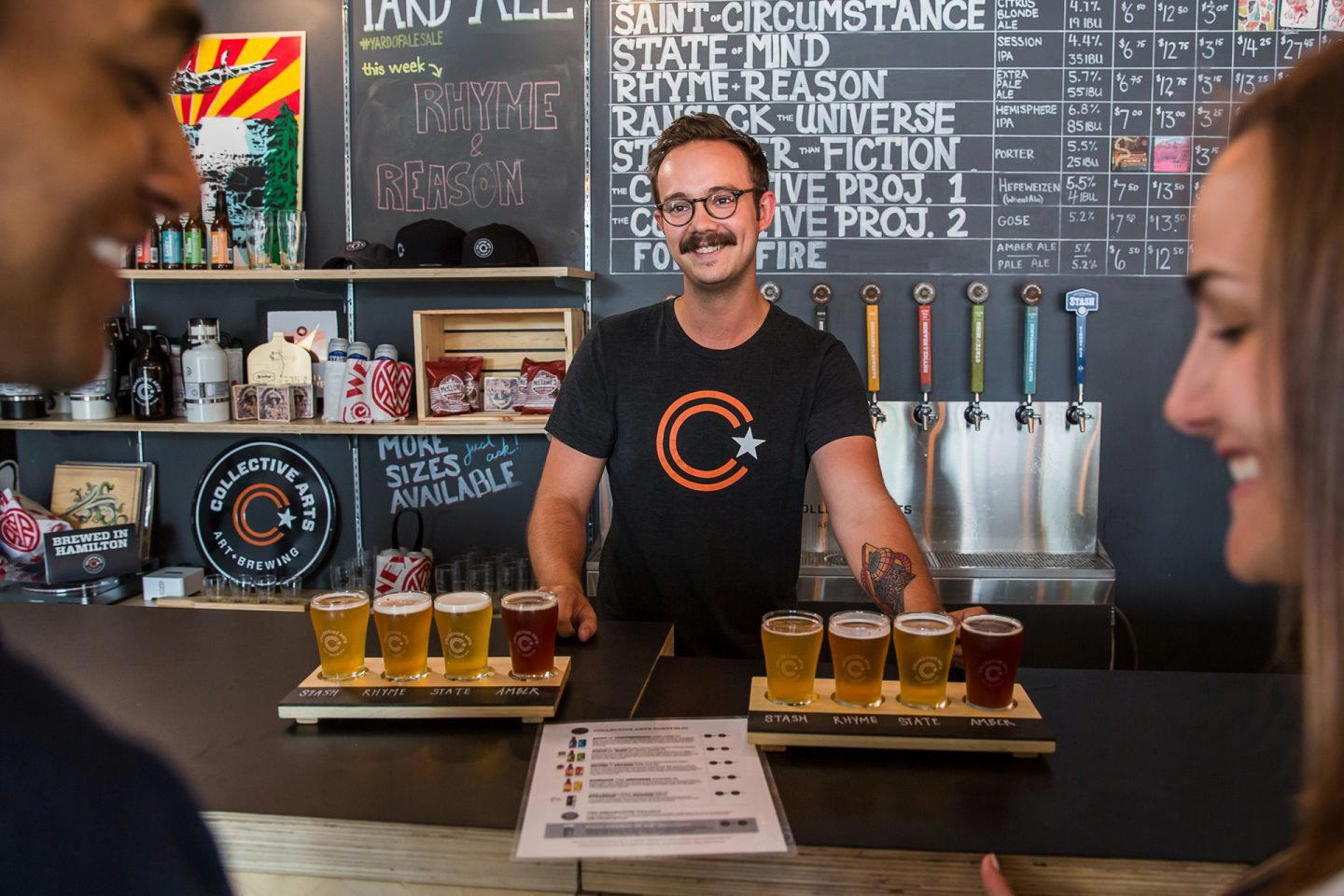
Burlington Street and the Industrial Brewing Belt
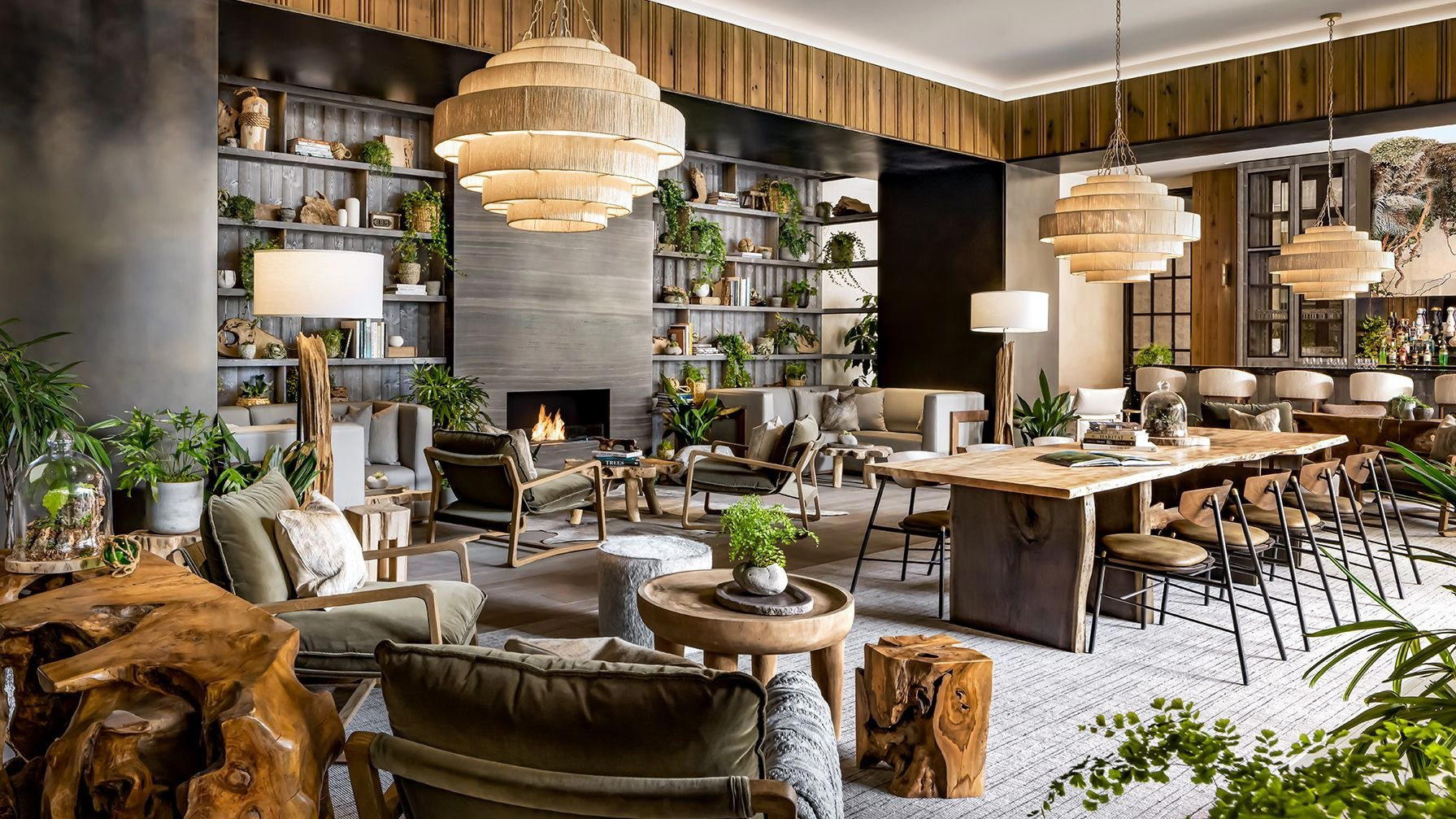
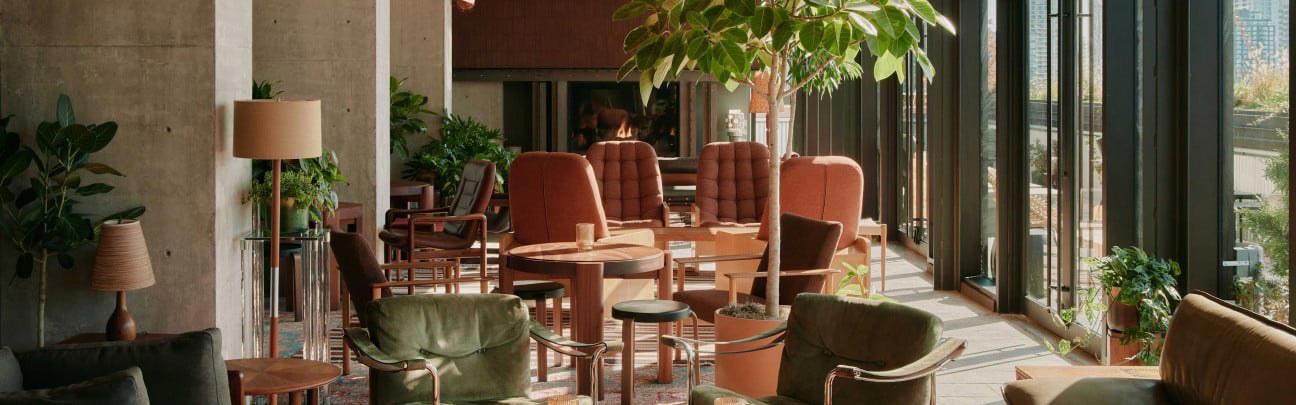
Hamilton's north end, running along the waterfront corridor of Burlington Street East, has spent the better part of a decade converting its manufacturing heritage into something more intentional. The pattern is consistent across the strip: large-footprint industrial buildings, ceiling heights that no residential conversion could replicate, and a proximity to the port that gives the whole area a working, unfinished quality that most cities spend considerable effort faking. Collective Arts Brewing, at 207 Burlington St E, occupies exactly that kind of space — a former industrial site that hasn't been softened into something boutique. The bones of the building do the atmospheric work that interior designers in other cities charge significant premiums to approximate.
Walking in, what registers first is scale. Taprooms attached to production breweries operate under a different logic than bar programs in hospitality districts. The fermentation infrastructure is present, not hidden. The physical proximity to the brewing process is part of the proposition, and it establishes a credibility that poured-concrete bar builds in downtown cores rarely achieve. For context on how Canadian craft breweries have developed this taproom model — where the production facility and the drinking experience share the same address, see our full Hamilton restaurants guide, which maps the north end's broader evolution.
The Beer Program as Creative Medium
Collective Arts has built its identity around a pairing that sounds contrived but has proven durable: craft beer as a vehicle for commissioning and distributing visual art and music. Each label release functions as a curatorial act, with artist submissions sourced globally and selected for each seasonal or limited run. The result is a brand architecture more associated with independent record labels or art publishers than with regional brewing, and it has given the operation a reach well beyond what Hamilton's geographic footprint would otherwise support.
The beer range itself covers the categories that define contemporary North American craft brewing, IPAs, pale ales, sours, stouts, and seasonal releases, with enough volume and rotation to reward return visits. The IPA category has been the commercial engine for most Canadian craft brewers of this scale, and Collective Arts is no exception, but the program extends into mixed-fermentation and experimental formats that position it closer to the creative end of the production spectrum. Where many taprooms at this size consolidate around four or five reliable house pours, the Collective Arts lineup reflects a program that treats variety as part of the editorial identity.
This approach places Collective Arts in a specific tier of Canadian craft brewing: larger than the nano and microbreweries that define urban neighbourhood tasting rooms, but operating with enough creative range to avoid the standardization that tends to arrive with serious scale. For comparison, Canadian bar programs that have built similarly distinctive drink identities through conceptual frameworks include Atwater Cocktail Club in Montreal and Botanist Bar in Vancouver, though both operate in cocktail rather than beer formats.
Where Collective Arts Sits in the Hamilton Bar Scene
Hamilton's drinking culture has diversified considerably from its historic concentration in the downtown core. The craft brewery and taproom segment has grown to the point where the city now functions as a meaningful destination for beer-focused visitors from Toronto, roughly an hour east on the highway. That proximity matters: Hamilton draws weekend visitors who are specifically seeking the kind of production-scale taproom experience that Toronto's premium real estate makes structurally difficult to sustain.
Within Hamilton itself, the competitive set for Collective Arts is not other taprooms so much as the broader range of bar and pub formats that the city supports. The Hog Penny operates in a different register entirely, a traditional pub format serving a different moment and visitor. The two venues represent the range of Hamilton's drinking offer rather than competing for the same customer at the same time.
Nationally, the craft taproom model Collective Arts represents has parallels in markets across the country. Bar Mordecai in Toronto, Humboldt Bar in Victoria, and Missy's in Calgary all reflect different approaches to building a distinct drink identity in Canadian markets, though each operates in cocktail or hospitality contexts rather than production brewing. Further afield, Bearfoot Bistro in Whistler demonstrates how beverage-forward venues can anchor a destination identity beyond their immediate geography, a dynamic that Collective Arts has pursued through distribution and cultural programming rather than hospitality format.
Art, Music, and the Case for Integration
The most analytically interesting thing about Collective Arts as an operation is what the art and music integration has done to its distribution logic. Labels that function as gallery submissions, rotating artist rosters, and documented musician partnerships have turned each can and bottle into a piece of collectable print culture. This has supported shelf presence in retail environments where most craft breweries compete purely on style and price, and it has built a collector dynamic among consumers who might otherwise move between brands based on seasonal novelty alone.
The taproom is where this brand architecture is most fully expressed. The physical space carries the art programming in ways that digital channels approximate but don't replicate. Visiting the Burlington Street location gives access to the full breadth of that integration, the current label art, the active musical partnerships, and the seasonal releases that don't reach retail distribution. That combination of production transparency and cultural programming is the operational thesis, and it reads more clearly in person than in any other format.
For visitors arriving from outside Hamilton, the Burlington Street address sits in an area that rewards a longer loop. The north end concentration of production facilities, converted industrial spaces, and independent operators gives the neighbourhood a coherent character that single-venue visits don't fully capture. International comparisons are instructive: Bar Leather Apron in Honolulu and Auberge Saint-Antoine in Quebec illustrate how beverage programs anchored in a specific place and material culture build loyalty that purely style-driven programs don't sustain. The Burlington Street taproom operates on the same principle at a different scale and in a different format.
Planning a Visit
Collective Arts Brewing is located at 207 Burlington Street East in Hamilton's north end industrial corridor. The area is most accessible by car, and the scale of the taproom means capacity is generally not a constraint for walk-in visits during standard hours, though specific hours and any private event programming should be confirmed directly with the venue before making a dedicated trip from outside the city. For visitors pairing the taproom with broader Hamilton exploration, the EP Club Hamilton guide covers the full range of eating and drinking options across the city's distinct neighbourhoods. Regional bar comparisons for context on Ontario's broader drinking offer include Grecos in Kingston and Kenzington Burger Bar in Barrie, both of which reflect the range of bar programming operating outside Toronto in the province's mid-sized cities.
How It Stacks Up
Comparable venues nearby, for context on price, style, and recognition.
| Venue | Cuisine |
|---|---|
| Collective Arts Brewing & TaproomThis venue — the venue you are viewing | beer_bar |
Continue exploring
More in Hamilton
Bars in Hamilton
Browse all →

Restaurants in Hamilton
Browse all →
Hotels in Hamilton
Browse all →

Details
- Trendy
- Industrial
- Lively
- Group Outing
- Casual Hangout
- Beer Garden
- Outdoor Terrace
- Communal Tables
- Craft Beer
Current opening hours
- Monday
- 11 AM–9 PM
- Tuesday
- 11 AM–9 PM
- Wednesday
- 11 AM–9 PM
- Thursday
- 11 AM–9 PM
- Friday
- 10 AM–9 PM
- Saturday
- 10 AM–9 PM
- Sunday
- 10 AM–9 PM
Hours can change for holidays and private events. Last verified .
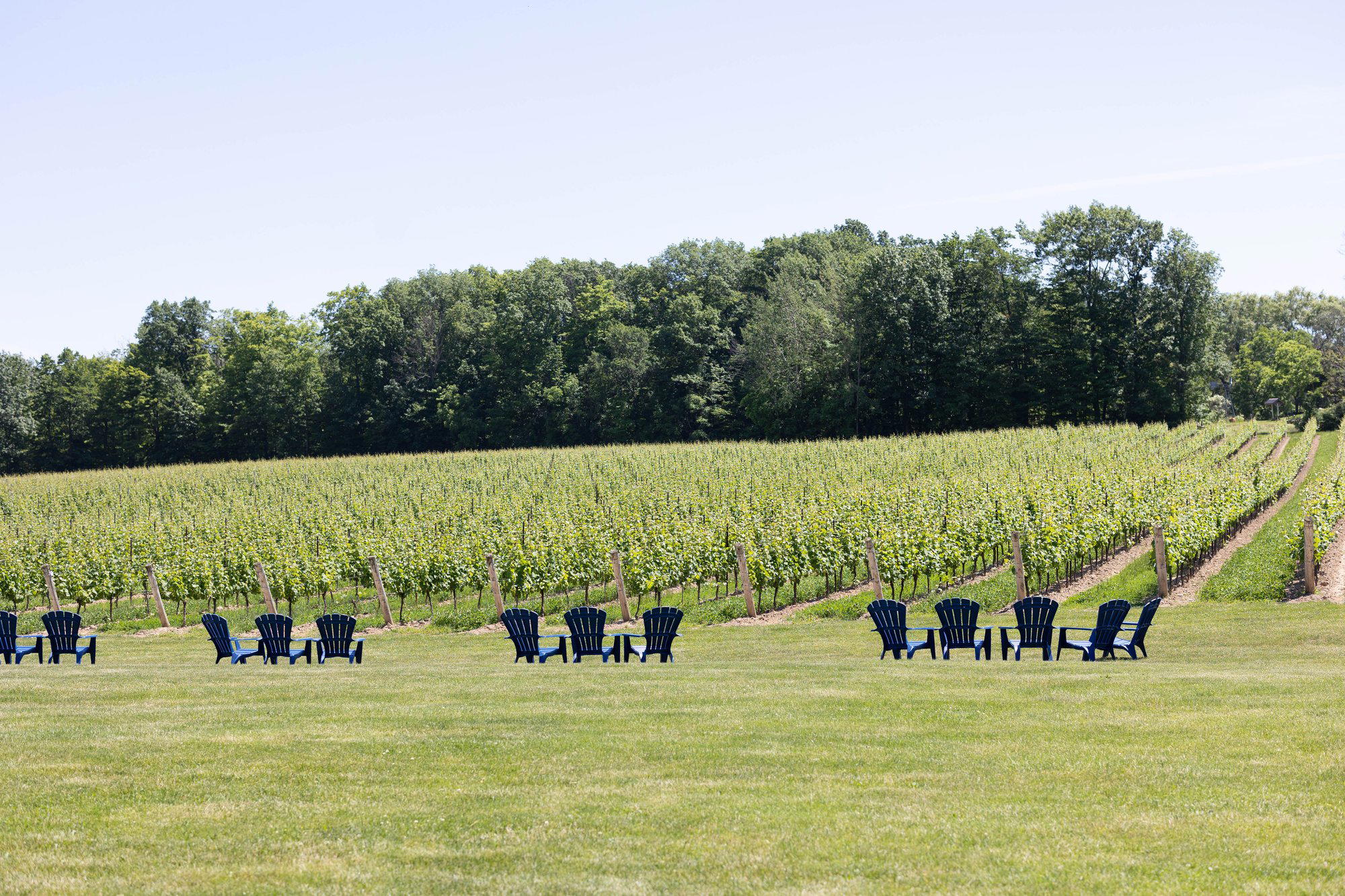
Spacious indoor beerhall and outdoor beergarden with an artistic, creative atmosphere celebrating local talent.