Cape Bottle Room
Cape Bottle Room occupies a suite-level space at 500 San Marcos St in Austin's 78702 zip code, a stretch of East Austin where the bottle shop and bar format has found a natural home among the neighbourhood's regulars. The format puts serious wine and spirits selection at the centre, with the kind of low-key accessibility that keeps a local crowd returning rather than a one-time tourist circuit.
Pearl is the En Primeur Club membership app — saves, bookings, and concierge access live there. Same editors, same standards.
- Address
- 500 San Marcos St Ste 102, Austin, TX 78702
- Phone
- +1 512 222 7840
- Website
- capebottleroom.com
- Directions
- Get directions
 Saves & bookings on Pearl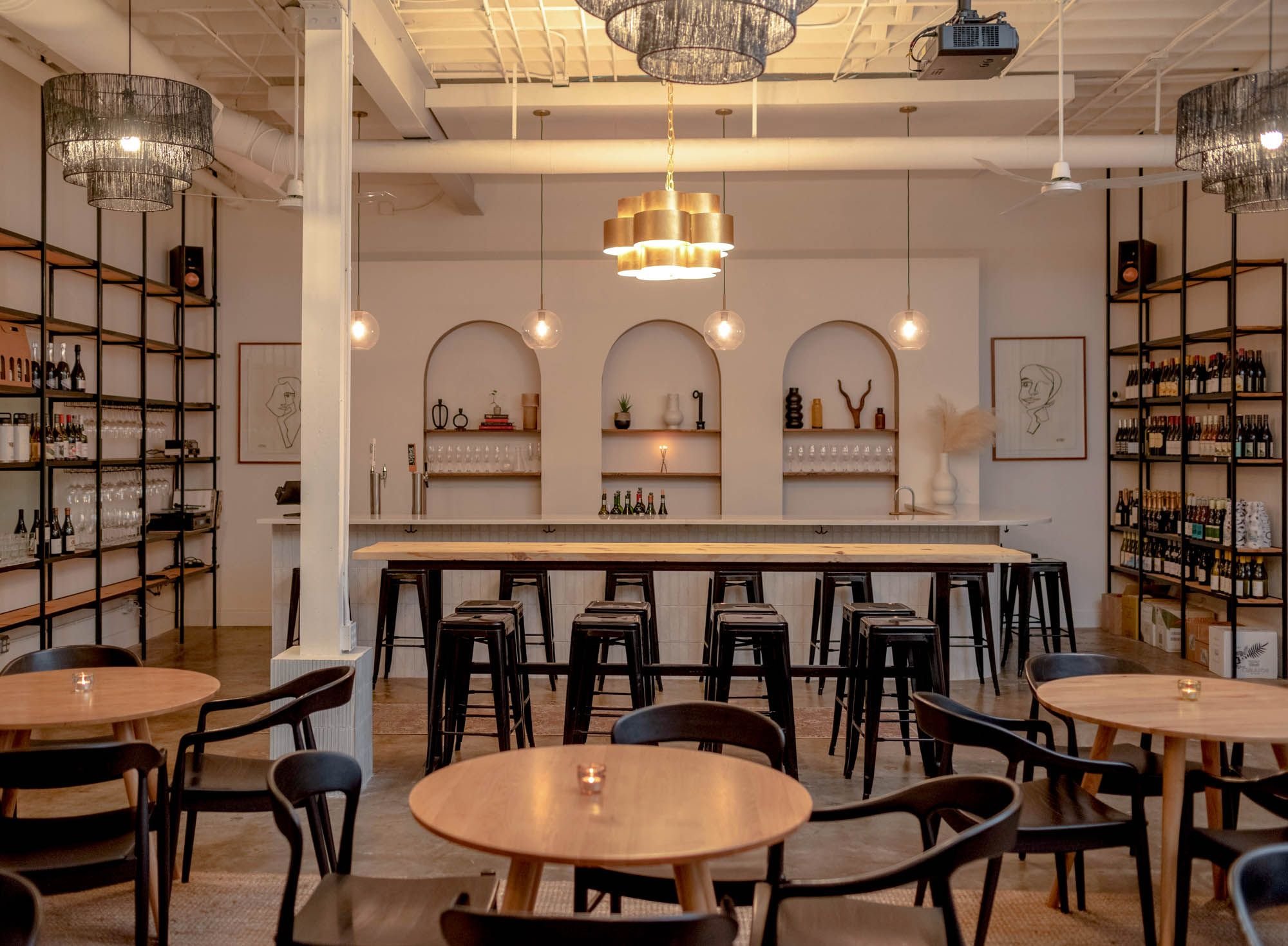
East Austin's Bottle Shop Bar and the Neighbourhood It Belongs To
The 78702 zip code on Austin's east side has spent the past decade sorting itself into something more legible: part long-time resident, part creative-class transplant, part drinking-destination for people who know where to look. The bottle shop bar format fits that mix well. It requires no dress code, no reservation infrastructure, no theatrical preamble. What it does require is a serious selection and enough character in the room to make staying feel preferable to leaving. Cape Bottle Room, at 500 San Marcos St, occupies that position in the neighbourhood.
East Austin's bar scene has fragmented into distinct registers. There are the high-volume venues along the main corridors, the cocktail-forward rooms competing for attention with peers like Nickel City and 2500 E 6th St, and then the quieter, more retail-adjacent spaces where the point is the bottle in your hand or the glass poured from it. The bottle shop bar sits in that third tier, and it is the tier that most reliably serves the people who actually live nearby.
The Format and What It Asks of You
The bottle shop bar is one of the more democratic formats in serious drinking. The underlying logic is retail plus hospitality: you can buy to take home, or you can drink in. That dual function changes the atmosphere in specific ways. The room tends toward the unhurried. The staff conversation is typically more granular than in a conventional bar, because the sale of a bottle requires knowing what you're selling. The clientele skews toward people who are there to learn something, or to confirm something they already suspected, rather than to perform.
That format has found strong expression in cities where the independent retail and hospitality sectors have grown up together. ABV in San Francisco is a useful reference point for how the bottle shop and bar hybrid can anchor a neighbourhood drinking culture without sacrificing programme depth. What both share with the format Cape Bottle Room operates in is the sense that the selection is the editorial voice of the room.
Where Cape Bottle Room Sits in Austin's Drinking Scene
Austin's cocktail and drinks culture has matured considerably since the city's bar scene was primarily organised around live music venues and late-night volume. The Roosevelt Room established a template for programme-serious cocktail bars. Antone's Nightclub anchors the live-music end of the spectrum. Aba Austin represents the full-service restaurant bar. Cape Bottle Room operates in a different register from all three: it is a retail-led drinking space in a neighbourhood context, which means its competition is as much the bottle shops and wine bars of East Austin as it is the cocktail rooms downtown.
The bottle shop bar format has been adopted with varying levels of seriousness across American cities. At its weakest, it amounts to a liquor store with a few bar stools. At its strongest, it functions as a curatorial statement: the selection tells you what the people behind the counter actually believe about wine, spirits, or both. The question a venue in this format has to answer is whether the curation is doing real work, or whether the shelves are simply stocked to appeal to the broadest possible range of tastes. Serious equivalents in other American cities, including Julep in Houston and Jewel of the South in New Orleans, demonstrate that a clear curatorial identity does more for a room's reputation than scale alone.
The Neighbourhood Watering Hole as an Institution
There is a particular value that a well-run local bar provides that no amount of awards recognition can replicate: it becomes part of how people organise their week. The neighbourhood watering hole is not defined by its programme alone, but by its consistency, its familiarity, and its willingness to be genuinely useful to the people around it. That usefulness might mean a good glass of wine on a Tuesday when you don't want to make a reservation, or a bottle to take home when you're cooking for people whose tastes you're trying to match.
East Austin has enough density now that this function is genuinely competitive. There are wine bars, bottle shops, natural wine rooms, and spirits-focused spaces within a few blocks of each other in some sections of the neighbourhood. What distinguishes the places that develop a loyal regular base from those that cycle through novelty-seeking visitors is usually the quality of the conversation at the counter. The international equivalents that have built this kind of local loyalty, from Bar Leather Apron in Honolulu to The Parlour in Frankfurt on the Main, share a common trait: the room has a clear point of view, and the people working it can articulate it.
The same principle applies in a neighbourhood format. A bottle shop bar that knows its position, stocks accordingly, and communicates that position clearly to the people who walk in will build the kind of repeat custom that sustains an independent operation in a competitive market. Cape Bottle Room's address on San Marcos St places it in a corridor of East Austin that has that kind of drinking culture around it. Whether the room fully delivers on that potential is a judgement that depends on the visit, not the description. Superbueno in New York City is a useful counterpoint in how a format-specific bar can carve a clear identity within a saturated neighbourhood market.
Planning a Visit
Cape Bottle Room is located at 500 San Marcos St, Suite 102, in Austin's 78702 zip code. The suite-level address suggests a smaller footprint within a shared commercial building, which is consistent with the format: bottle shop bars in this tier typically run tight on square footage and concentrate investment in the selection rather than the real estate. For a broader view of where this kind of space fits within Austin's drinks scene, our full Austin restaurants guide maps the range of options across neighbourhood and format.
Continue exploring
More in Austin
Bars in Austin
Browse all →
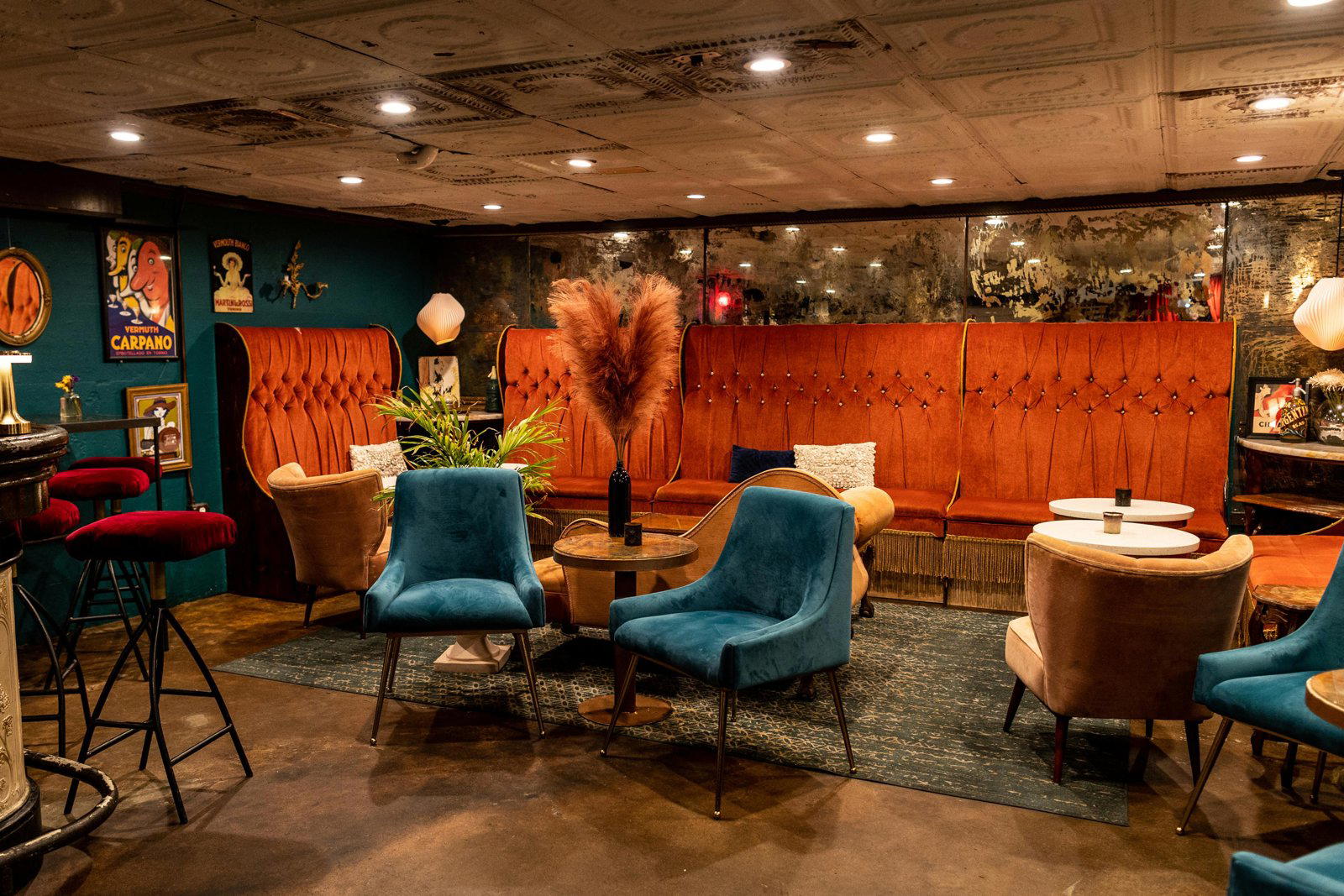
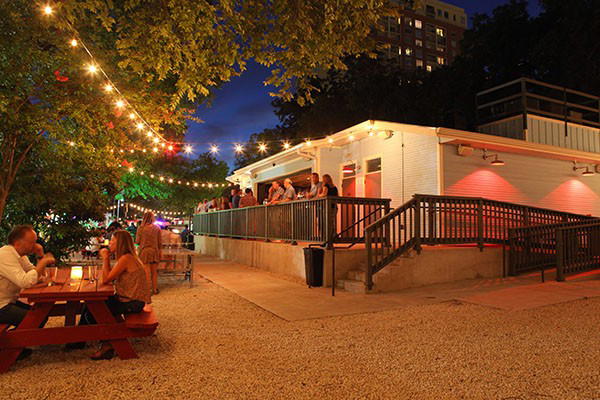
Restaurants in Austin
Browse all →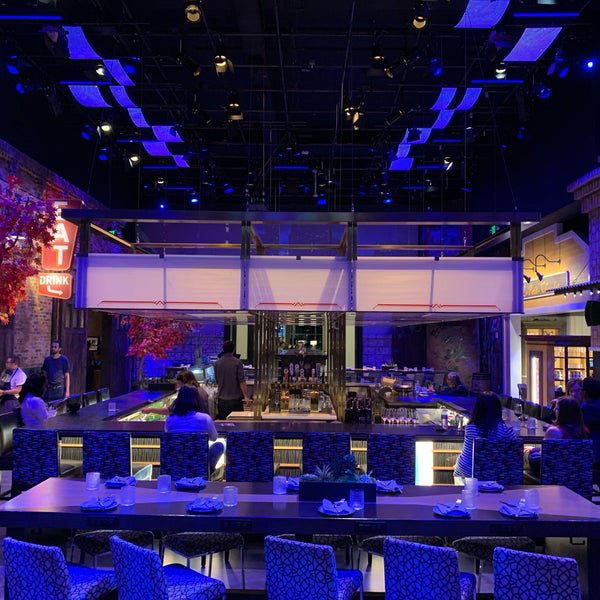
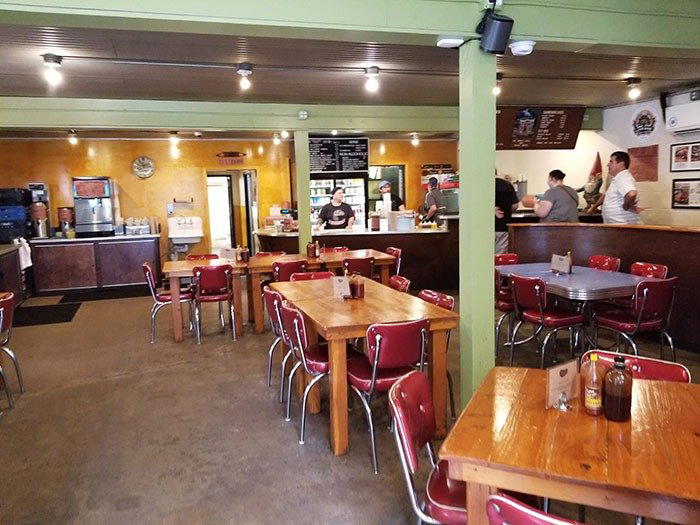

Hotels in Austin
Browse all →
At a Glance
- Modern
- Cozy
- Trendy
- Intimate
- Date Night
- Casual Hangout
- Special Occasion
- Standalone
- Seated Bar
- Lounge Seating
- Conventional Wine
Current opening hours
- Monday
- 4–10 PM
- Tuesday
- 4–10 PM
- Wednesday
- 4–10 PM
- Thursday
- 4–10 PM
- Friday
- 4–10 PM
- Saturday
- 2–10 PM
- Sunday
- 2–8 PM
Hours can change for holidays and private events. Last verified .
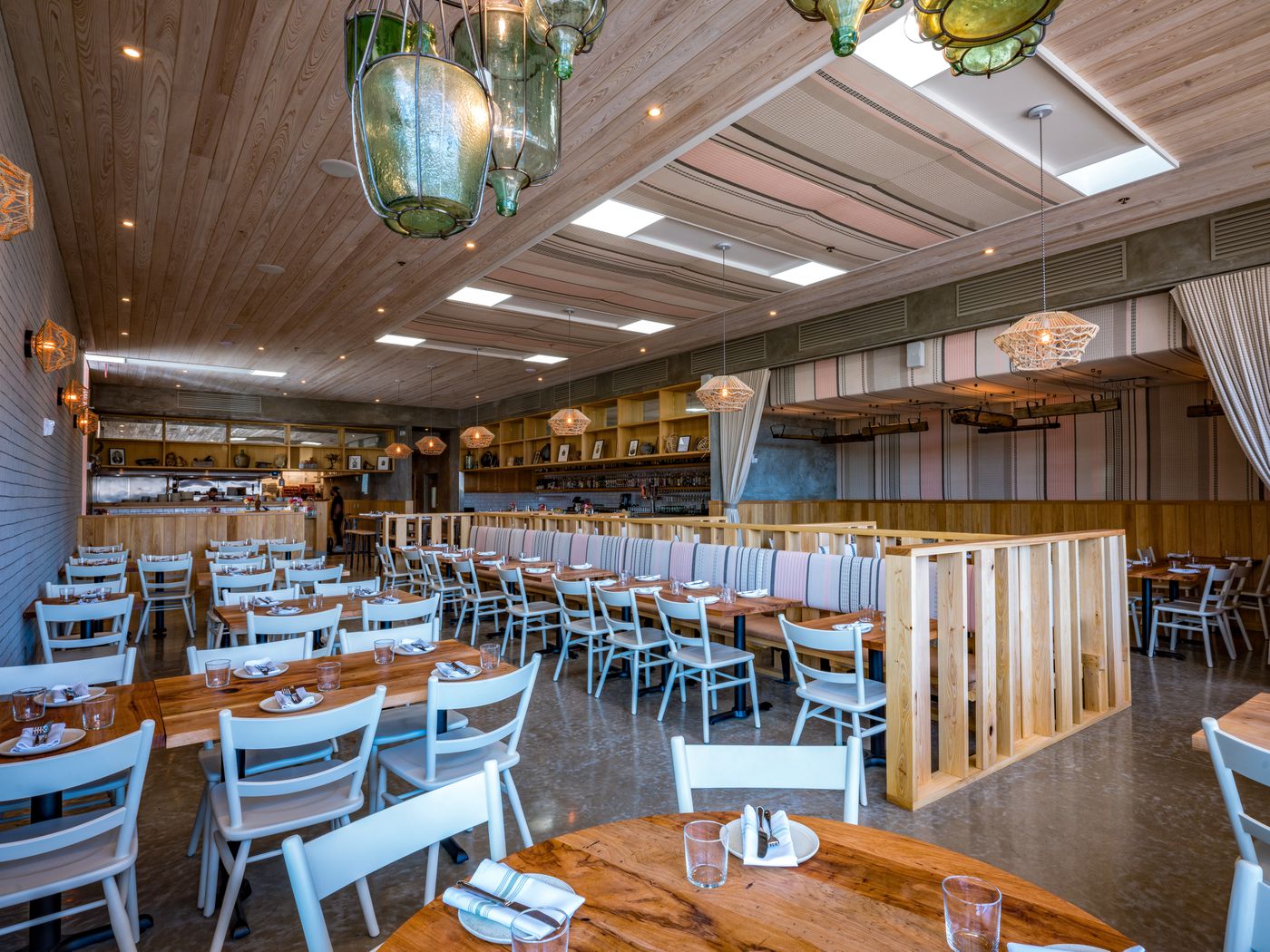
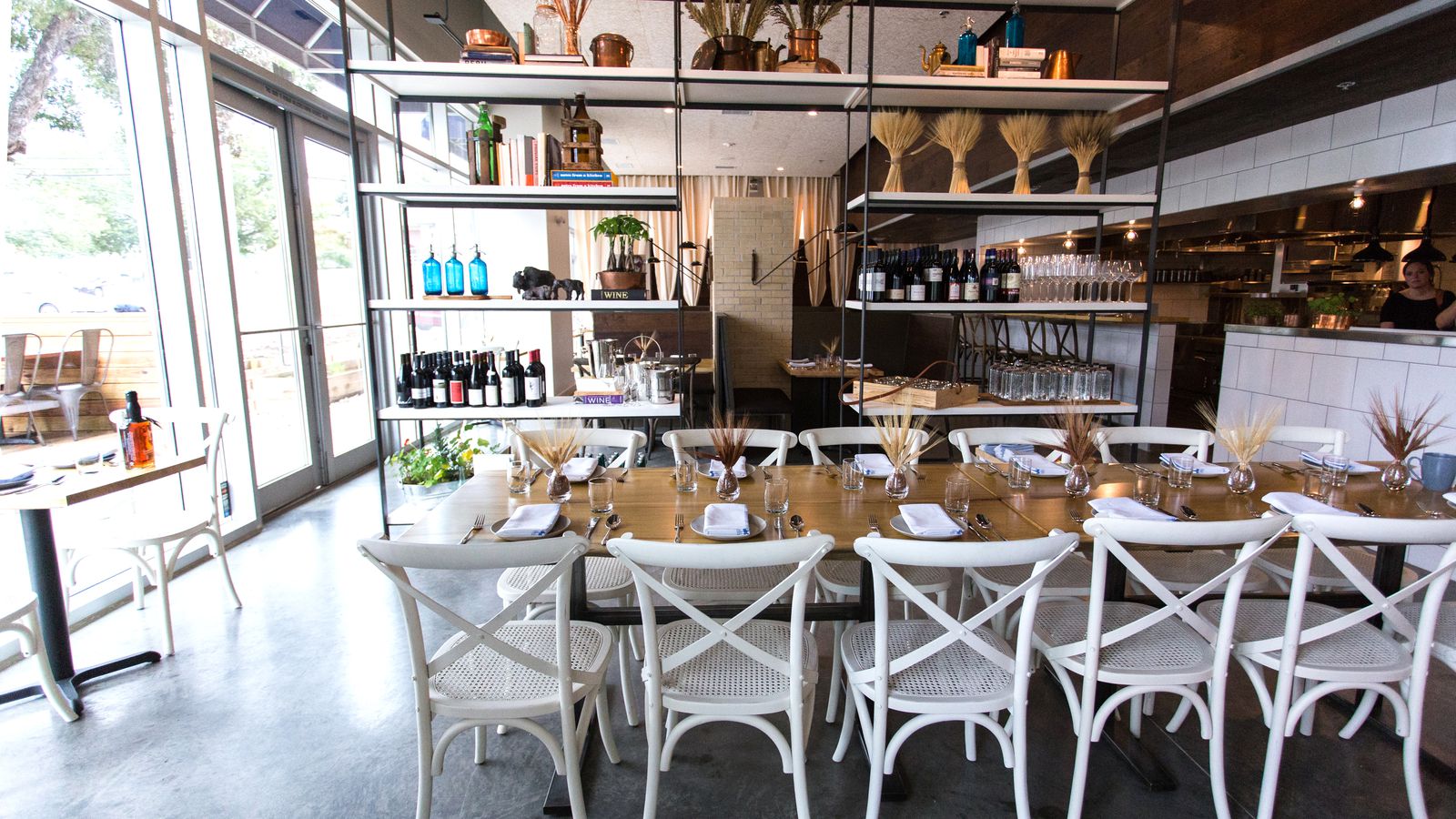
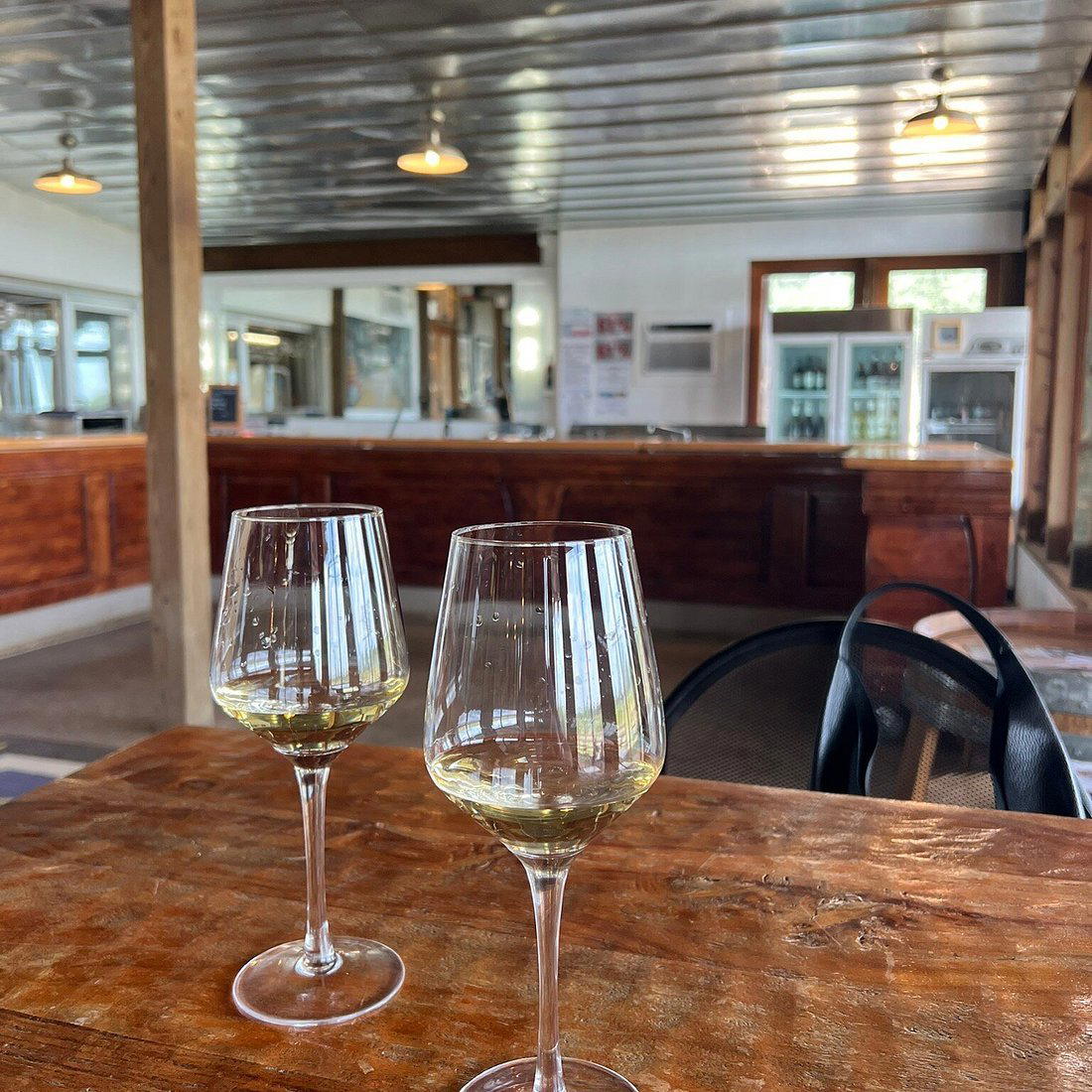
Bright and modern space with high ceilings, white walls, light wood accents, exposed pipes, whitewashed bricks, and sleek marble bar creating a factory-loft-meets-new-Nordic aesthetic.
Know Before You Go
- Getting there
- 500 San Marcos St Ste 102, Austin, TX 78702