Bobcat Bonnie's Corktown
Bobcat Bonnie's in Corktown occupies a grounded position in Detroit's bar scene, operating as a genuine neighbourhood gathering place on Michigan Avenue rather than a concept-driven destination. The kitchen and bar program both orient toward accessibility over ambition, making it a reliable stop in one of Detroit's most historically layered districts. Walk-ins are the norm, and the atmosphere reads more local corner bar than curated hospitality product.
- Address
- 1800 Michigan Ave, Detroit, MI 48216
- Phone
- +1 313 962 1383
- Website
- bobcatbonnies.com
- Directions
- Get directions
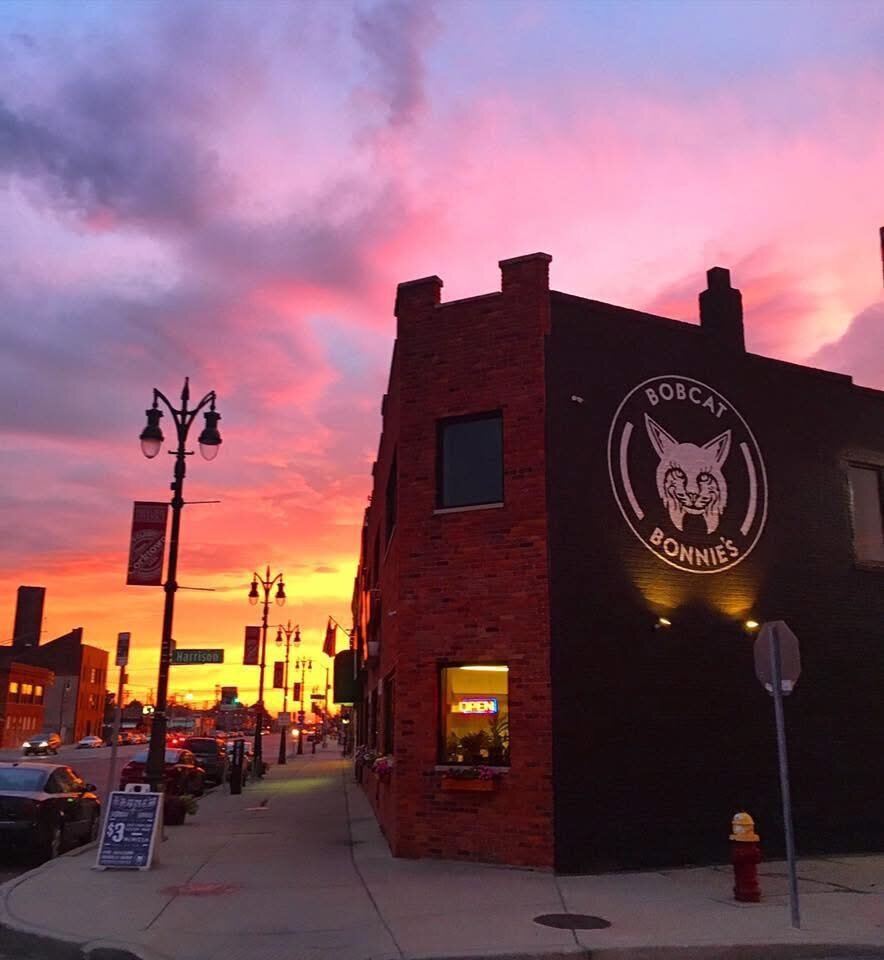
Michigan Avenue's Neighbourhood Standard
Corktown is one of Detroit's oldest surviving neighbourhoods, and Michigan Avenue has long served as its commercial spine. The stretch running past 1800 is flanked by a mix of long-standing businesses and newer arrivals that arrived in the wake of the district's post-2010 resurgence. In that context, Bobcat Bonnie's Corktown is a bar at 1800 Michigan Ave in Detroit, priced around $25 per person, and it has closed permanently. It anchors a block rather than defines a trend. Where some Corktown openings have leaned into concept-heavy formats, this address functions more as a neighbourhood staple, the sort of place regulars treat as an extension of their living room rather than a destination to schedule around.
That positioning matters in a city where the line between revival project and community institution is frequently contested. Detroit's bar scene, particularly in Corktown and Midtown, has expanded significantly over the past decade, with venues ranging from technically rigorous cocktail programs at places like 1459 Bagley St to brewery-anchored taprooms like Atwater Brewery & Tap House. Bobcat Bonnie's sits in a different register from both: not a craft brewery, not a precision cocktail bar, but a bar with a kitchen that reads the room correctly for its location.
What the Address Says About the Room
1800 Michigan Ave is well within walking distance of Corktown's core, including the old Tiger Stadium site and the residential blocks that have drawn a younger professional population back to the neighbourhood over the last several years. The physical draw is the accessibility of the format itself. Bobcat Bonnie's is the kind of space where groups can show up without a plan and settle in, where the atmosphere does not demand a particular dress code or occasion to justify a visit.
That accessibility is a deliberate calibration, not an absence of thought. In a city still recalibrating which hospitality formats serve which populations, bars that function as genuine community space rather than aspiration theatre carry their own weight. The comparison venues in Corktown's immediate orbit, from natural wine bars to cocktail-focused rooms, collectively suggest a neighbourhood diversifying across price points and concepts. Bobcat Bonnie's holds a position toward the approachable end of that spectrum, where the friction of entry is low and the format rewards repeat visits over single-occasion pilgrimages.
The Bar as Gathering Point
The neighbourhood watering hole format has clear precedents in American bar culture, and its survival in gentrifying districts is never guaranteed. What tends to persist is the bar that manages to serve both legacy residents and newer arrivals without performing for either. Bobcat Bonnie's Corktown has now closed permanently. That balance is harder to achieve than it sounds. Some bars in revitalising Detroit neighbourhoods have been absorbed entirely into the hospitality-for-visitors economy; others have remained too insular to attract the foot traffic that sustains them commercially.
Bobcat Bonnie's, in the Corktown location, reads as a place that has found workable middle ground. The format, a bar with food that operates without the high-tension atmosphere of a destination cocktail room, suits a neighbourhood that is residential as much as it is a dining and drinking destination. Regulars and drop-ins coexist more easily in spaces like this than in tasting-menu restaurants or high-concept bar programs where the format itself structures behaviour.
Comparable neighbourhood-anchor bars in other American cities, places like Julep in Houston or ABV in San Francisco, demonstrate how bars with a clear sense of local identity can sustain themselves across changing demographics. The specifics differ, but the underlying logic is similar: know your street, know your regulars, and let the format reflect both.
Where It Sits in the Detroit Bar Conversation
Detroit's bar scene has matured enough that different neighbourhoods now carry distinct identities. Corktown skews toward a younger crowd with disposable income but an allergy to overt pretension. That demographic pressure shapes what survives on Michigan Avenue. Places that read as too corporate or too concept-heavy tend to cycle out; places that feel embedded in the neighbourhood tend to hold.
Within Corktown's immediate bar options, there is now a reasonable spread. Andrews on the Corner occupies its own position in the local conversation, as does the rooftop format at 3Fifty Terrace. Nationally, bars with similar community-anchor positioning, like Superbueno in New York City or Kumiko in Chicago, show how the neighbourhood bar format operates across different city contexts, though the price tier and format ambition at those addresses differs from what Bobcat Bonnie's represents.
For travellers building an itinerary across multiple cities, comparative reference points like Bar Leather Apron in Honolulu, Jewel of the South in New Orleans, and The Parlour in Frankfurt illustrate how the bar-as-community-space idea translates across cultures. Bobcat Bonnie's is operating within that same tradition, at a more local register.
Planning a Visit
Corktown is accessible by car from downtown Detroit in under ten minutes, and the neighbourhood has sufficient parking for the Michigan Avenue corridor. Bobcat Bonnie's recommends reservations, though casual visits fit its format. The address suits an early evening stop before or after other Corktown plans, or a longer session for those who settle into the neighbourhood rhythm rather than optimise for a single destination. Given the approximately $25 per person price tier, it is a practical option for groups that want food and drinks without the coordination overhead of a formal restaurant reservation.
Reputation First
Comparable venues nearby, for context on price, style, and recognition.
| Venue | Cuisine | Price | Notes |
|---|---|---|---|
| Bobcat Bonnie's CorktownThis venue — the venue you are viewing | Bar | $$ | Not listed |
| THE KEEP | lounge | $$ | Greektown |
| Andrews on the Corner | pub | $$ | Rivertown |
| Bastille Bar | dive_bar | $$ | Downtown |
| Atwater Brewery & Tap House | beer_bar | $$ | Rivertown |
| The Sugar House | cocktail_bar | $$ | North Corktown |
At a Glance
- Lively
- Modern
- Casual
- Date Night
- Group Outing
- Casual Hangout
- Standalone
- Historic Building
- Seated Bar
- Booth Seating
- Craft Cocktails
- Craft Beer
- Frozen
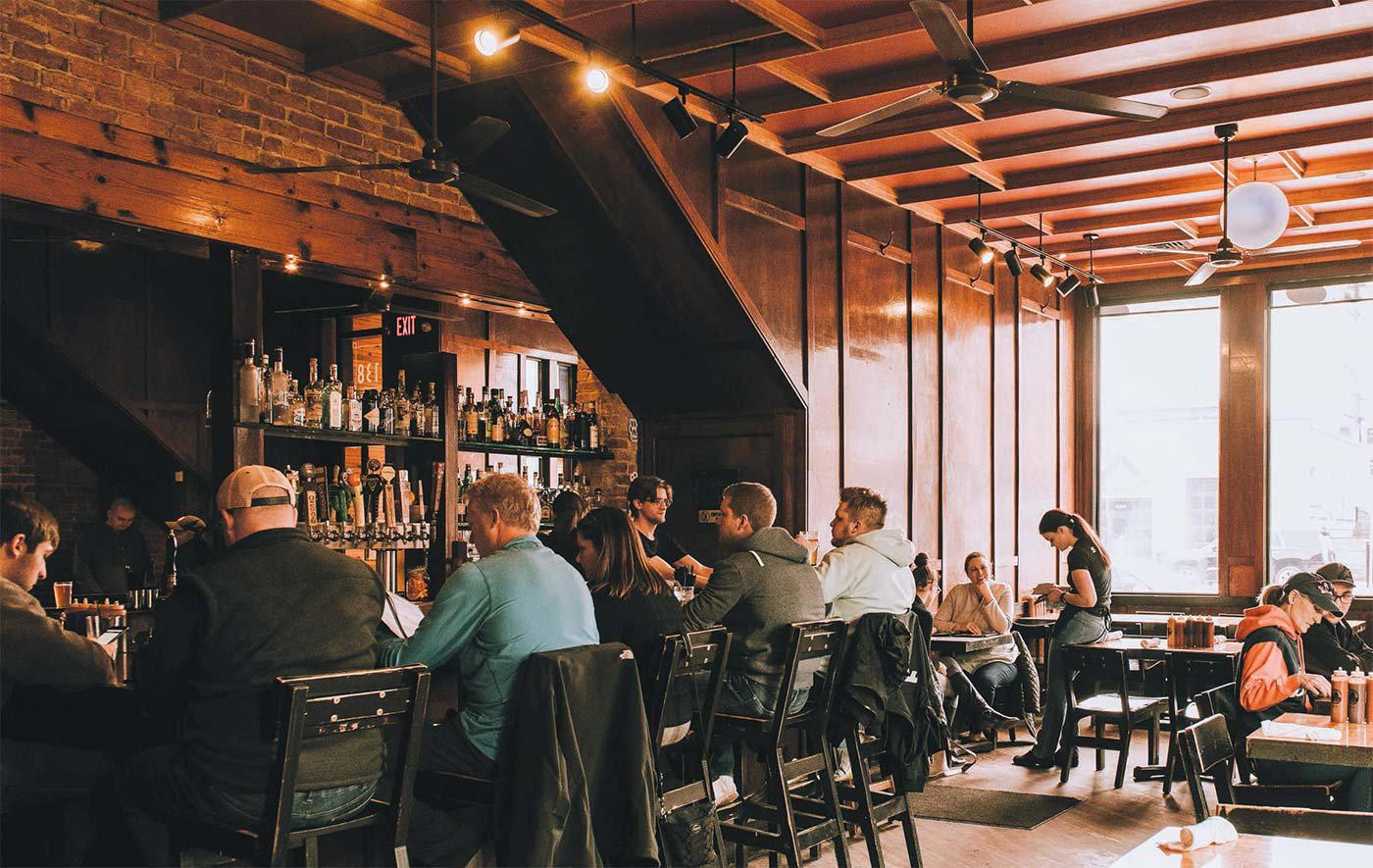
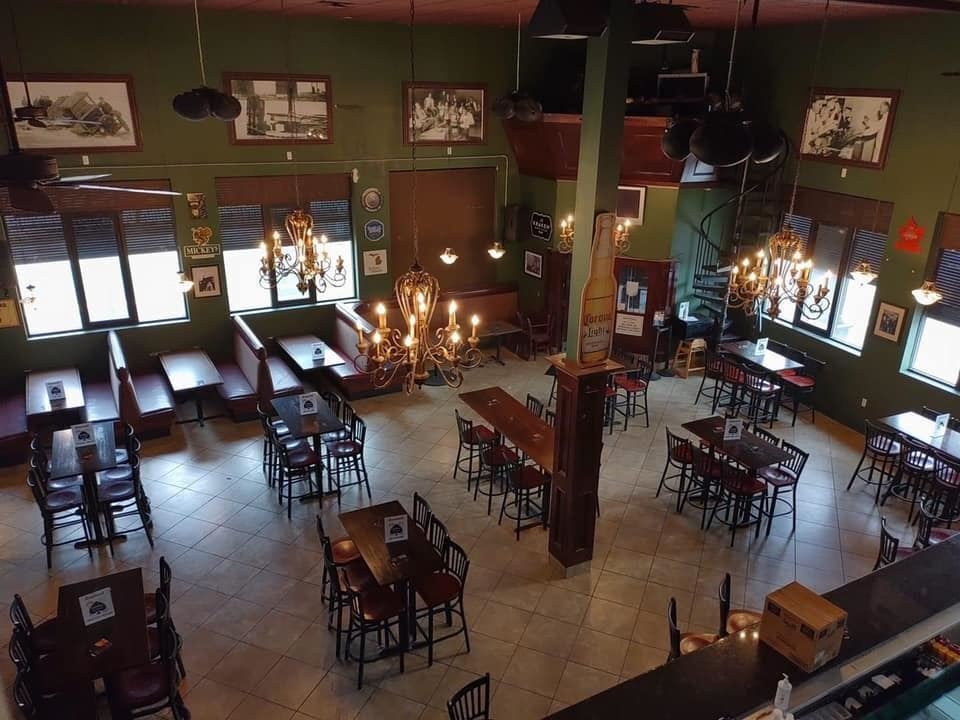
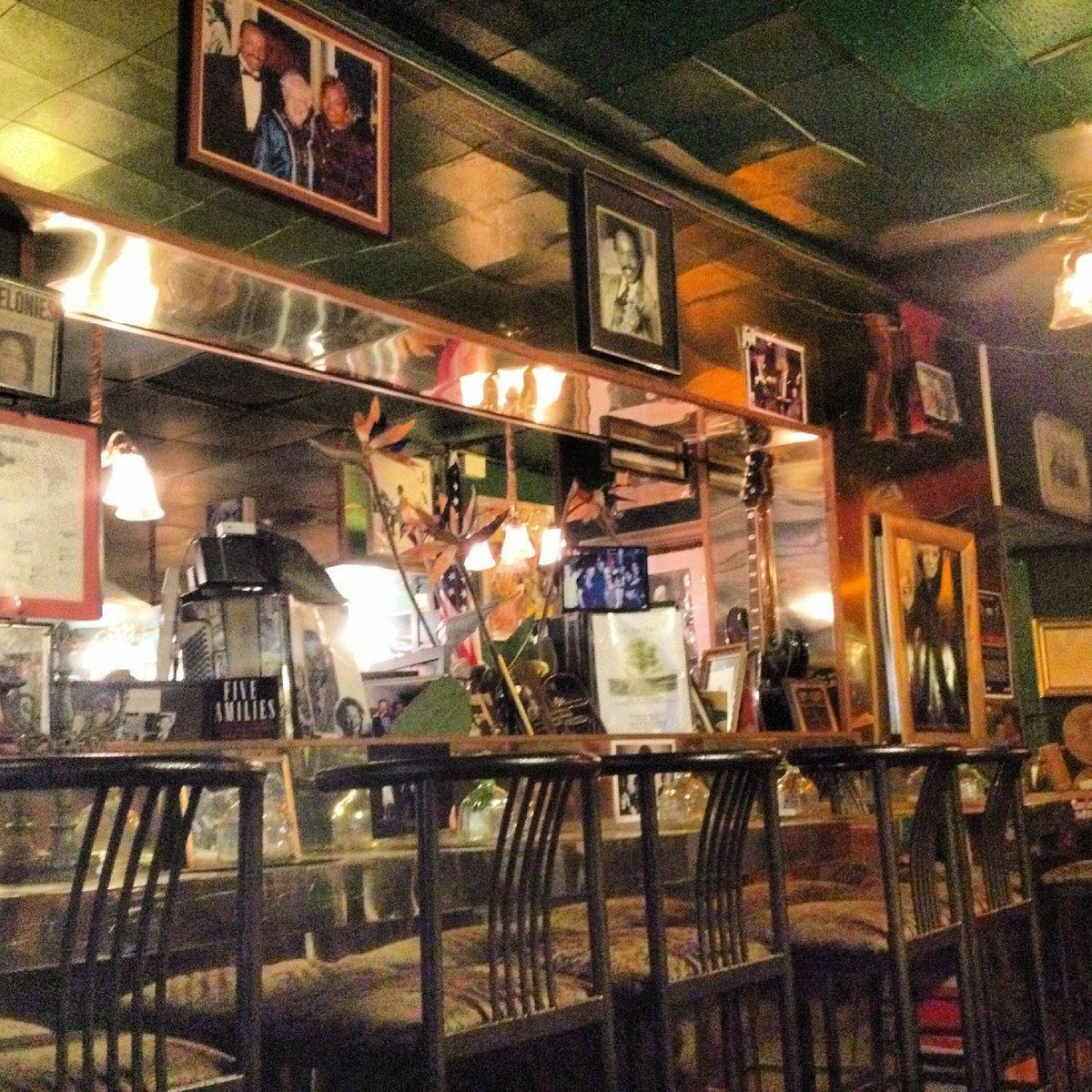
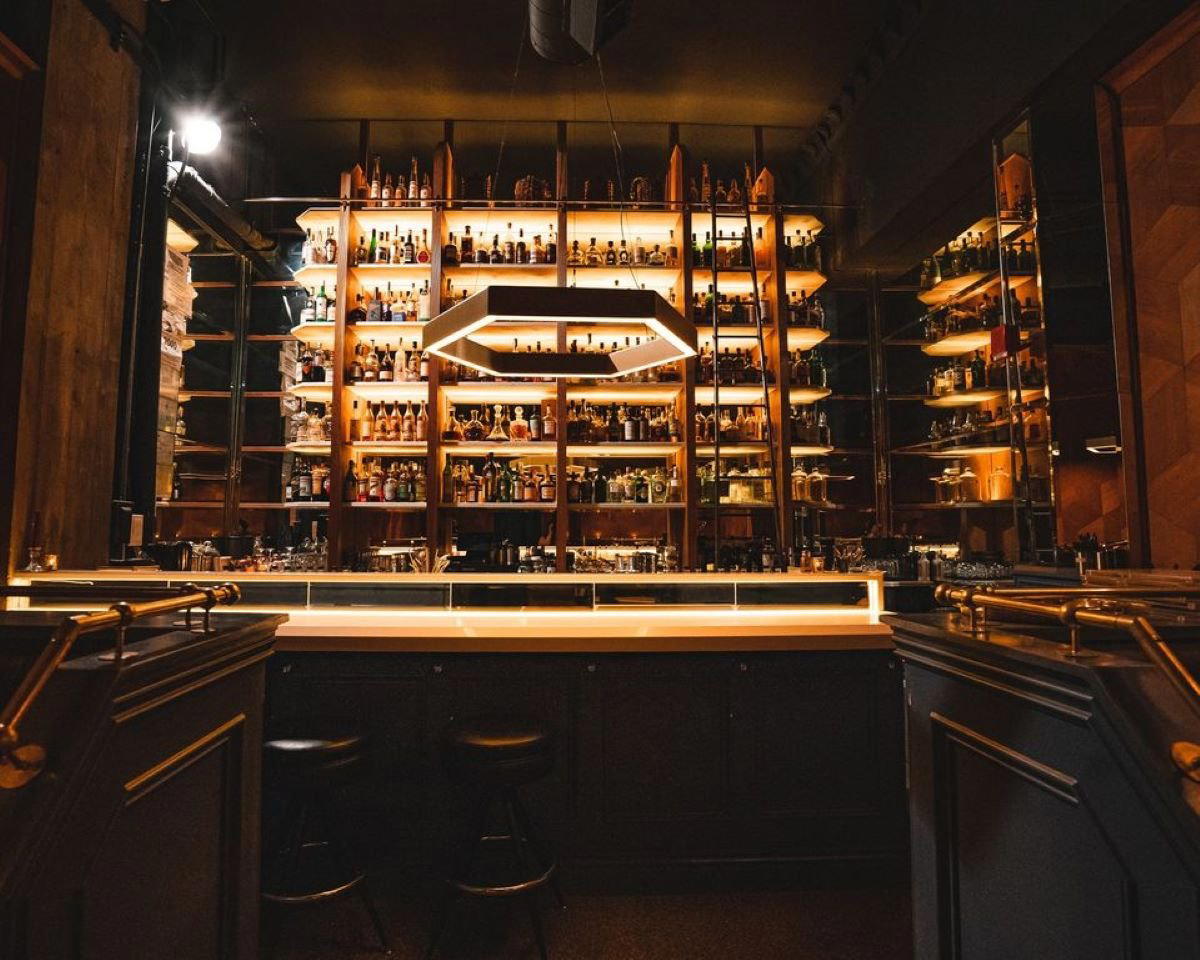
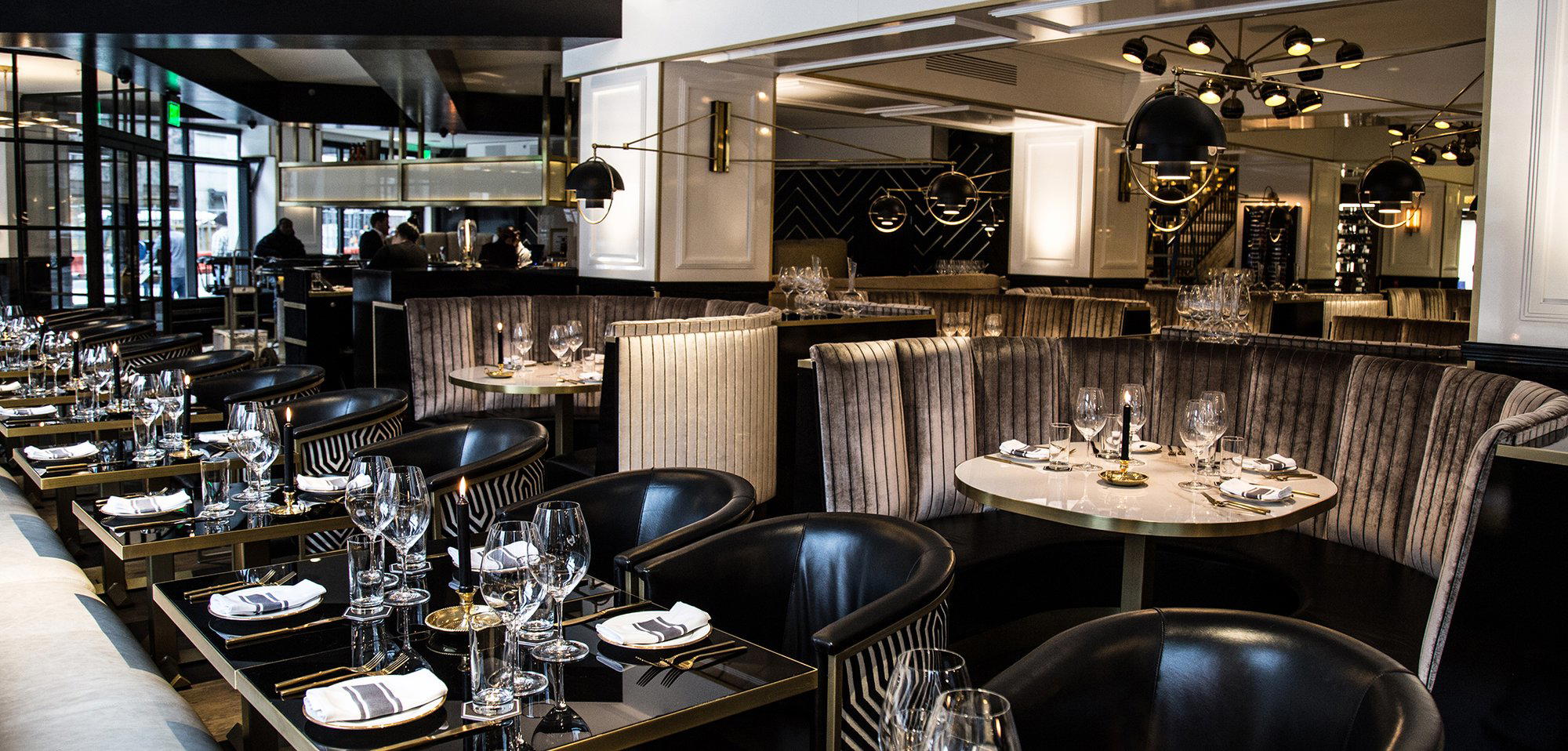
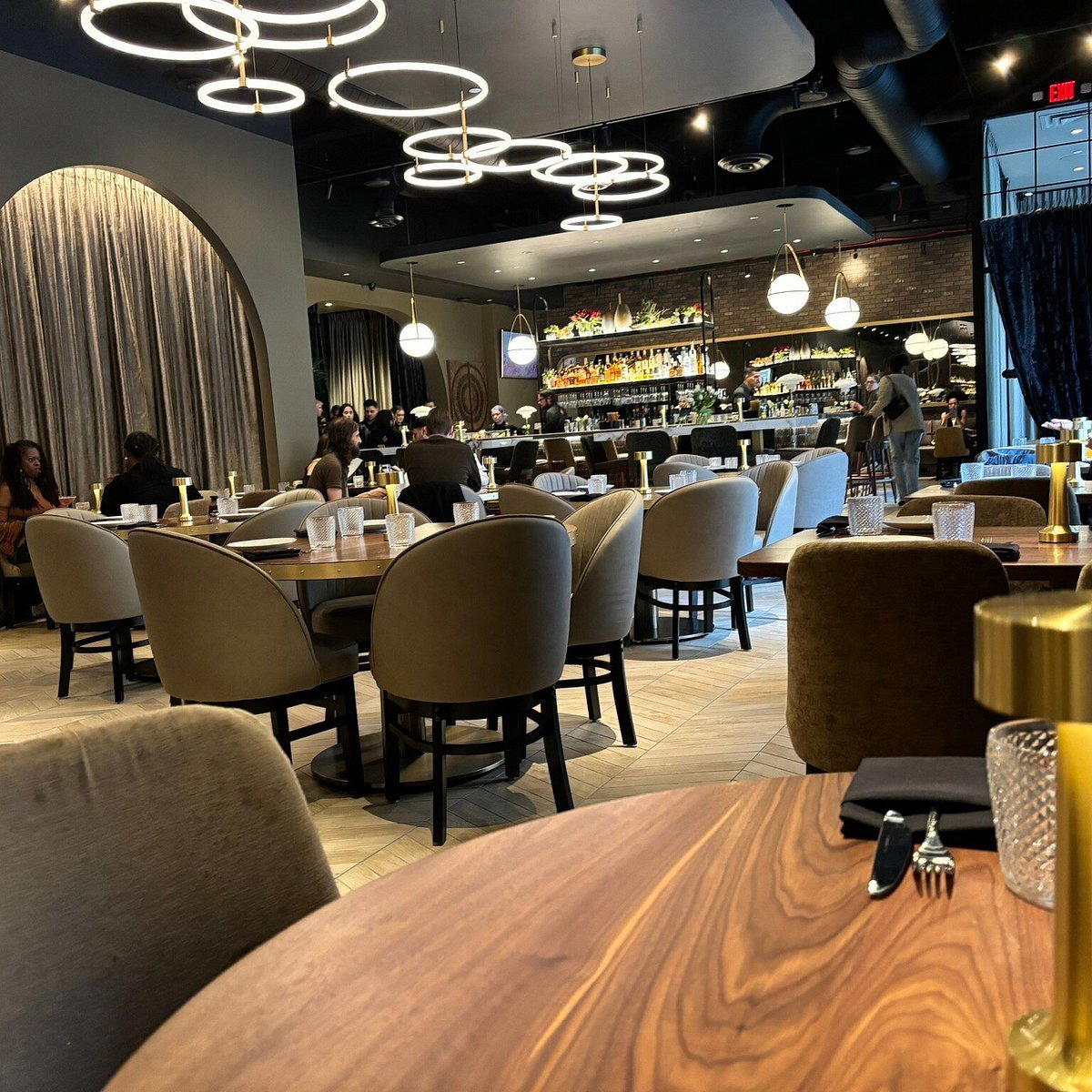
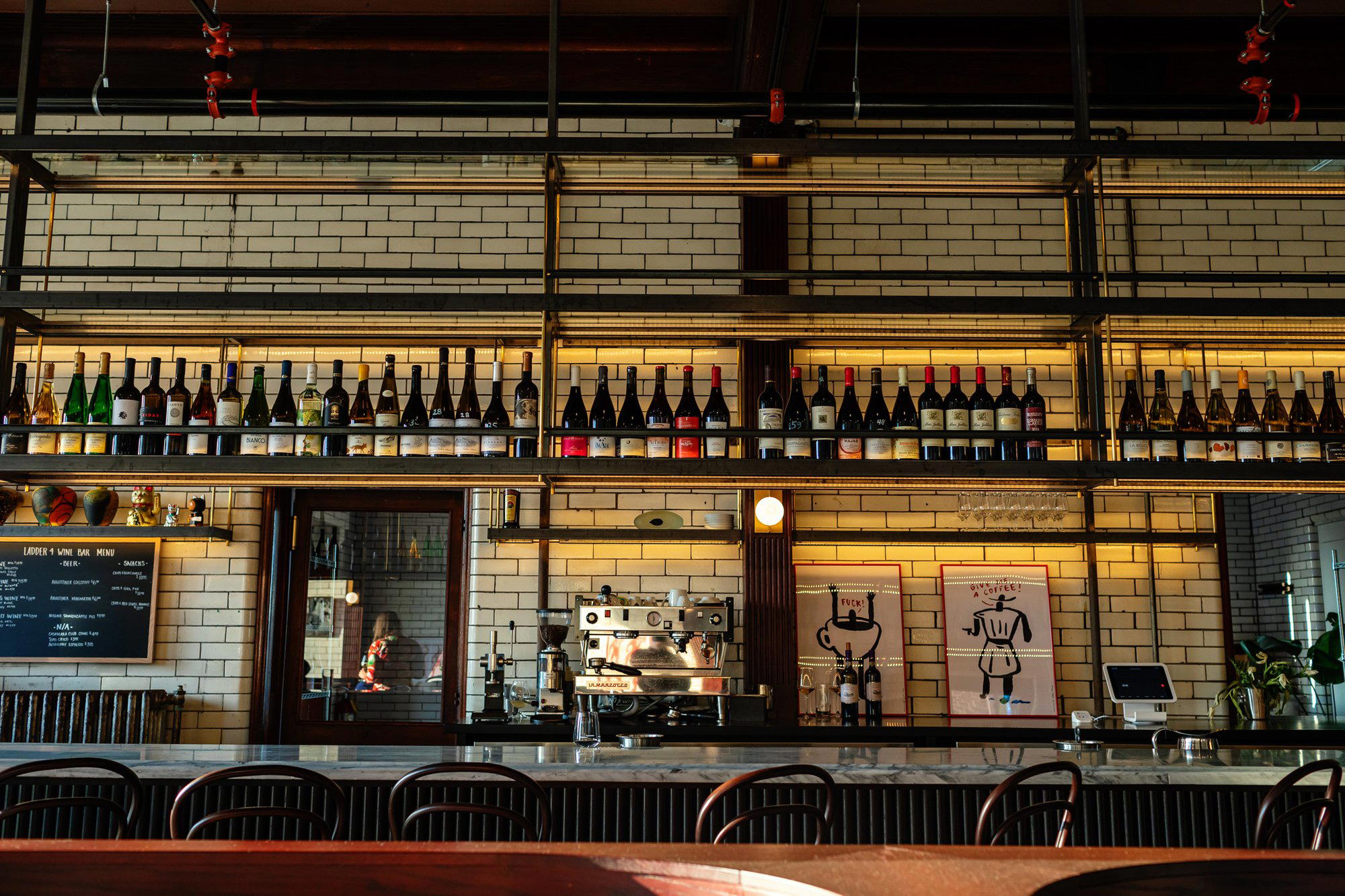
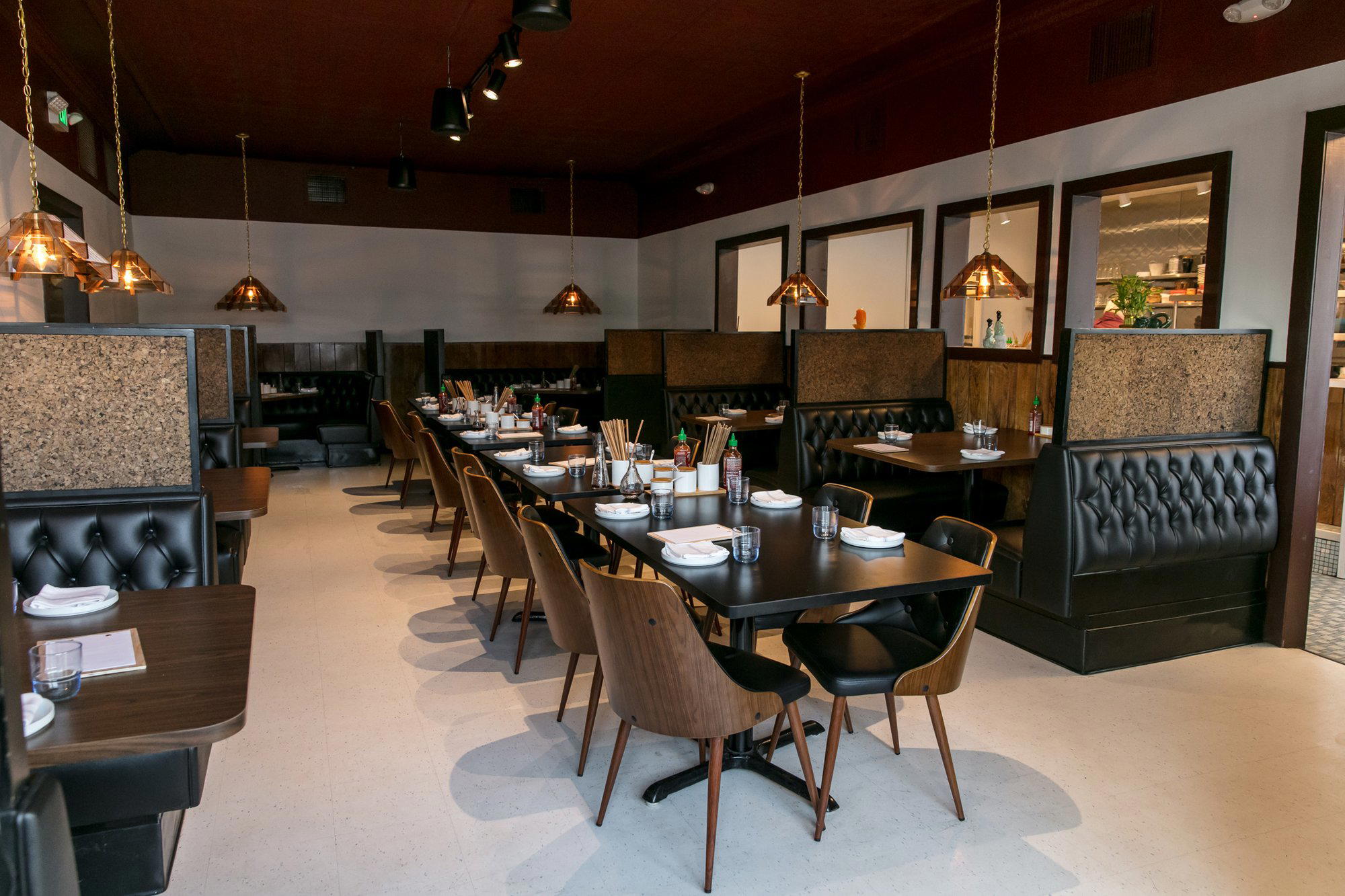
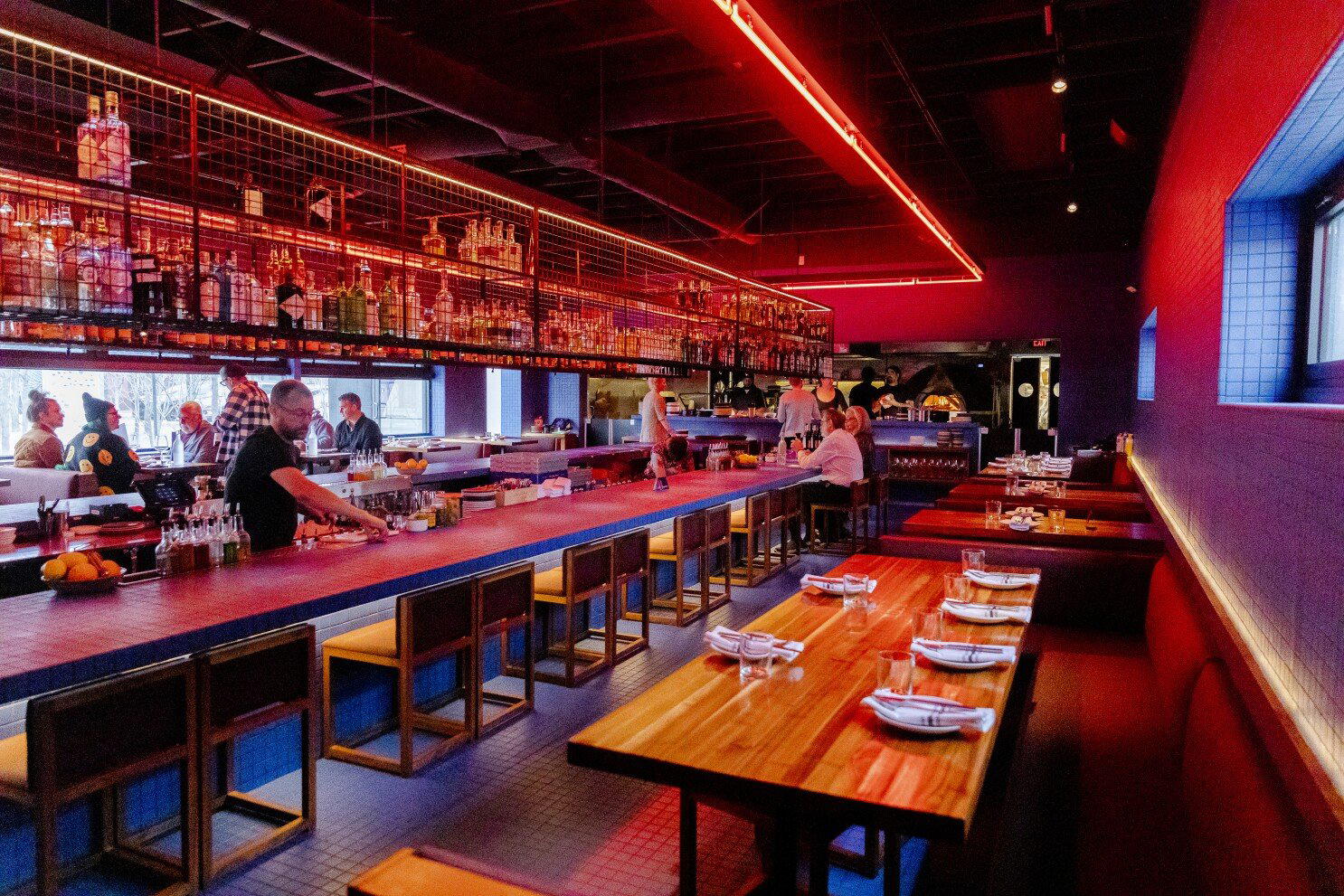
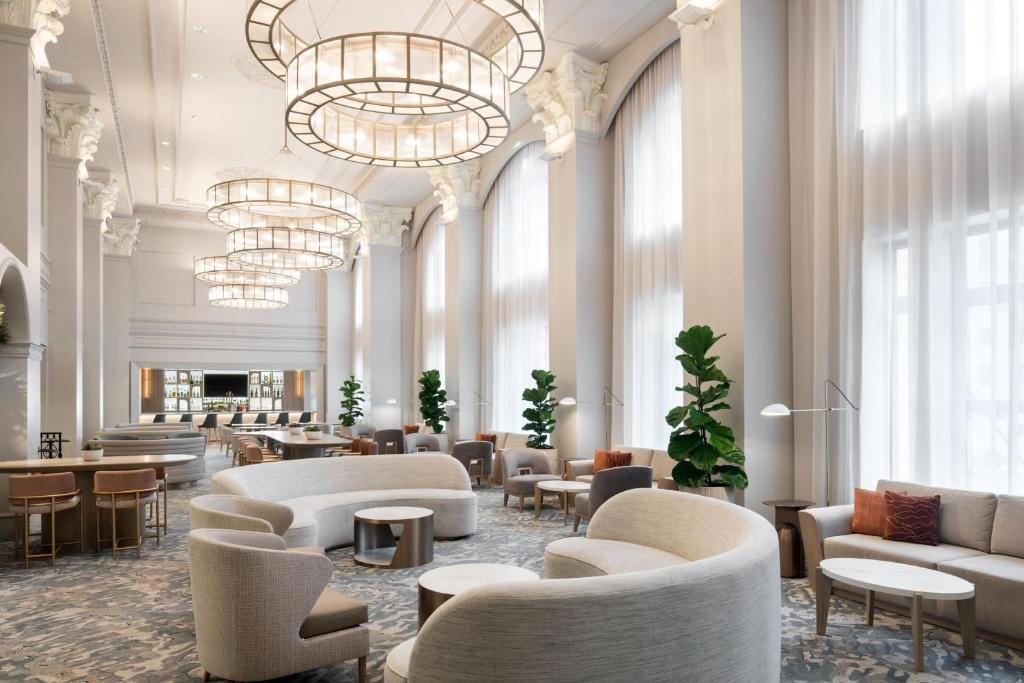
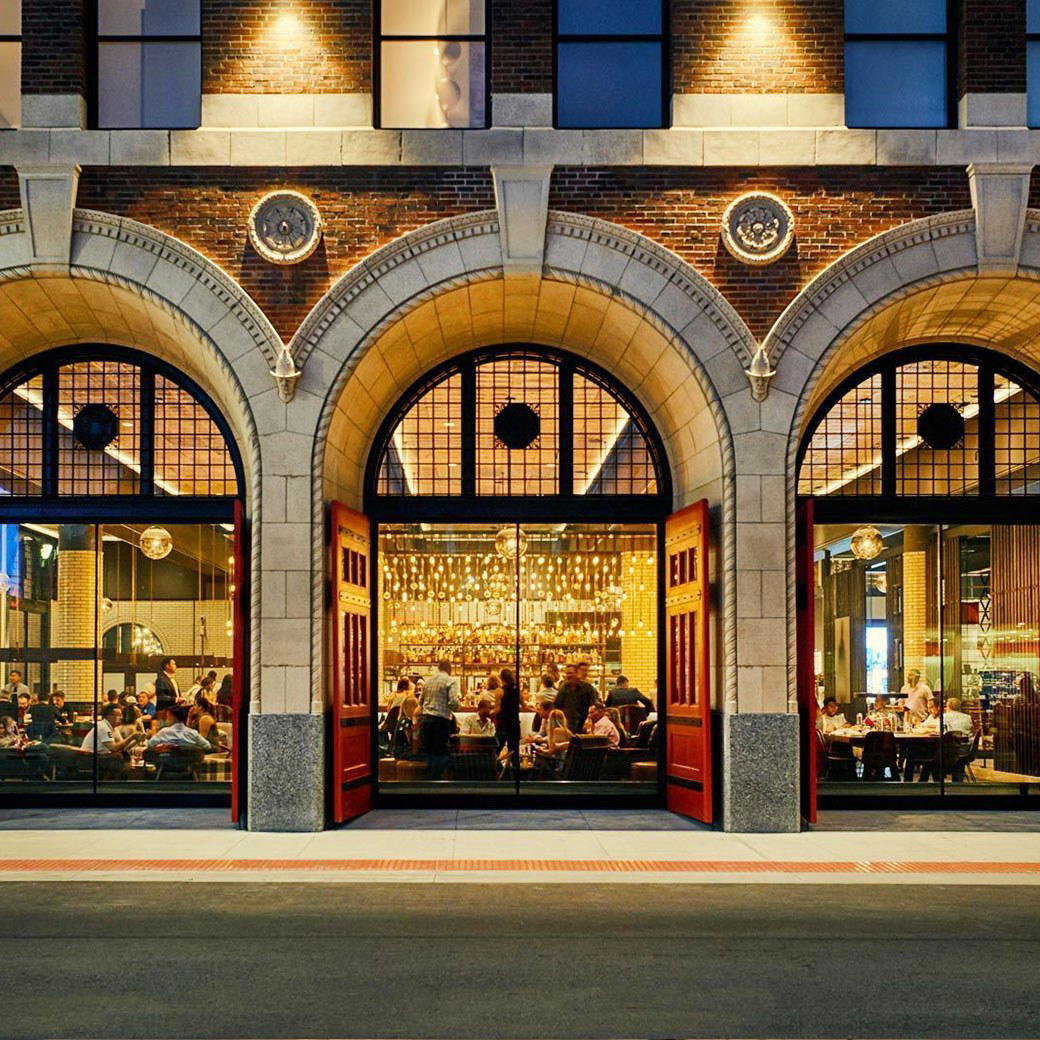
Modern, low-key gastropub with a neighborhood joint atmosphere; casual and welcoming with inclusive signage and LGBTQ+ flags throughout.