Blue Sushi Sake Grill
Blue Sushi Sake Grill at 808 R St sits within Lincoln's compact but increasingly serious Japanese-influenced dining scene, occupying a position closer to accessible Japanese-American fusion than traditional omakase. The bar program and sake selection pull their weight alongside the food, making it a reasonable case study in how the genre performs outside major coastal markets.

Pearl is the En Primeur Club membership app — saves, bookings, and concierge access live there. Same editors, same standards.
- Address
- 808 R St, Lincoln, NE 68508
- Phone
- (402) 805-4232
- Hours
- Mon–Thu 11 AM–9 PMFri–Sat 11 AM–10 PMSun 12–9 PM
- Website
- bluesushisakegrill.com
- Directions
- Get directions
- Booking
- Book on OpenTable
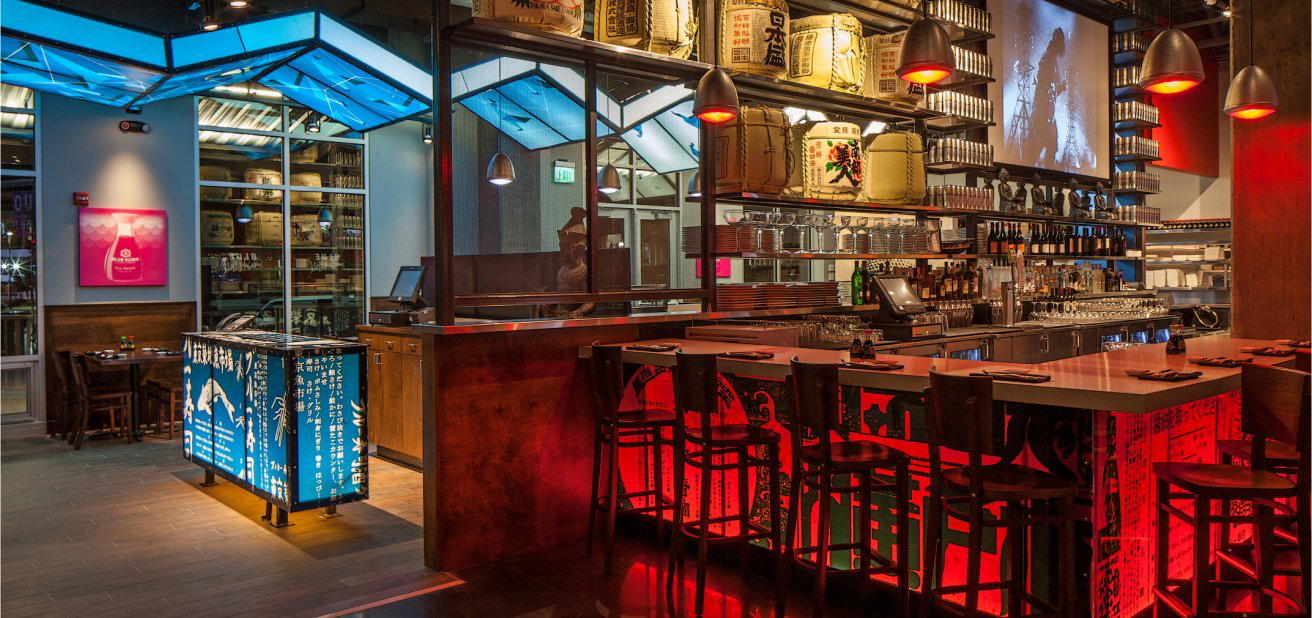
Where Lincoln's Japanese-American Dining Scene Meets the Bar
Converted warehouse architecture, foot traffic from the university, and a concentration of independent operators have created the kind of street-level density where food concepts with some ambition can survive. Blue Sushi Sake Grill at 808 R St occupies that terrain, sitting at the intersection of Japanese-American fusion and a bar program that takes its sake and cocktail list more seriously than most of what surrounds it in the same price tier.
Walking into a restaurant like this in a mid-size Midwestern city, the reference point matters. This is not the category of restrained ten-seat omakase counter found in cities like Chicago or San Francisco, where venues such as Kumiko in Chicago have built reputations around precision and depth. Nor is it the hyper-local craft cocktail room that defines premium bar culture in places like ABV in San Francisco or Bar Leather Apron in Honolulu. Blue Sushi operates in a different register: the accessible, well-executed fusion format that has proven durable in American cities where sushi culture arrived via the broader casual-dining wave rather than through chef-driven Japanese immigration patterns.
The Bar as the Organizing Principle
In the Japanese-American fusion format, the bar is often an afterthought, positioned to move high-margin cocktails alongside maki rolls without much editorial coherence. What distinguishes the better operators in this segment is whether the sake list shows real structure and whether the cocktail program reflects any awareness of what is happening in the wider craft bar conversation. In Lincoln specifically, the bar scene has been shaped by a handful of operators who pushed program quality above what the market strictly required. Cultiva Downtown and DISH Restaurant have both contributed to raising the expectation for what a Lincoln bar or restaurant bar can deliver.
Against that backdrop, the person behind the bar at a place like Blue Sushi Sake Grill carries real weight. The craft cocktail movement nationally has long argued that the bartender's training, sourcing instincts, and hospitality philosophy determine program quality more than any other single variable. Venues like Jewel of the South in New Orleans, Julep in Houston, and Superbueno in New York City have all built their reputations on exactly that premise, and the argument holds in smaller markets too. The question for any ambitious bar in a city like Lincoln is whether the program reflects genuine craft thinking or whether it defaults to the approachable-but-generic cocktail list that chains in this segment tend to produce.
A sake program that distinguishes between junmai, ginjo, and daiginjo categories, and that trains its staff to communicate those differences at the table, is a more reliable quality signal than the cocktail list alone. In the Japanese-American dining format, sake is either treated as a prop or as a genuine pairing tool. The former produces lists with two or three generic selections served warm; the latter produces a range that reflects real procurement choices and staff capable of steering a guest toward something appropriate for the food they are eating.
Lincoln's Japanese-Influenced Dining in Context
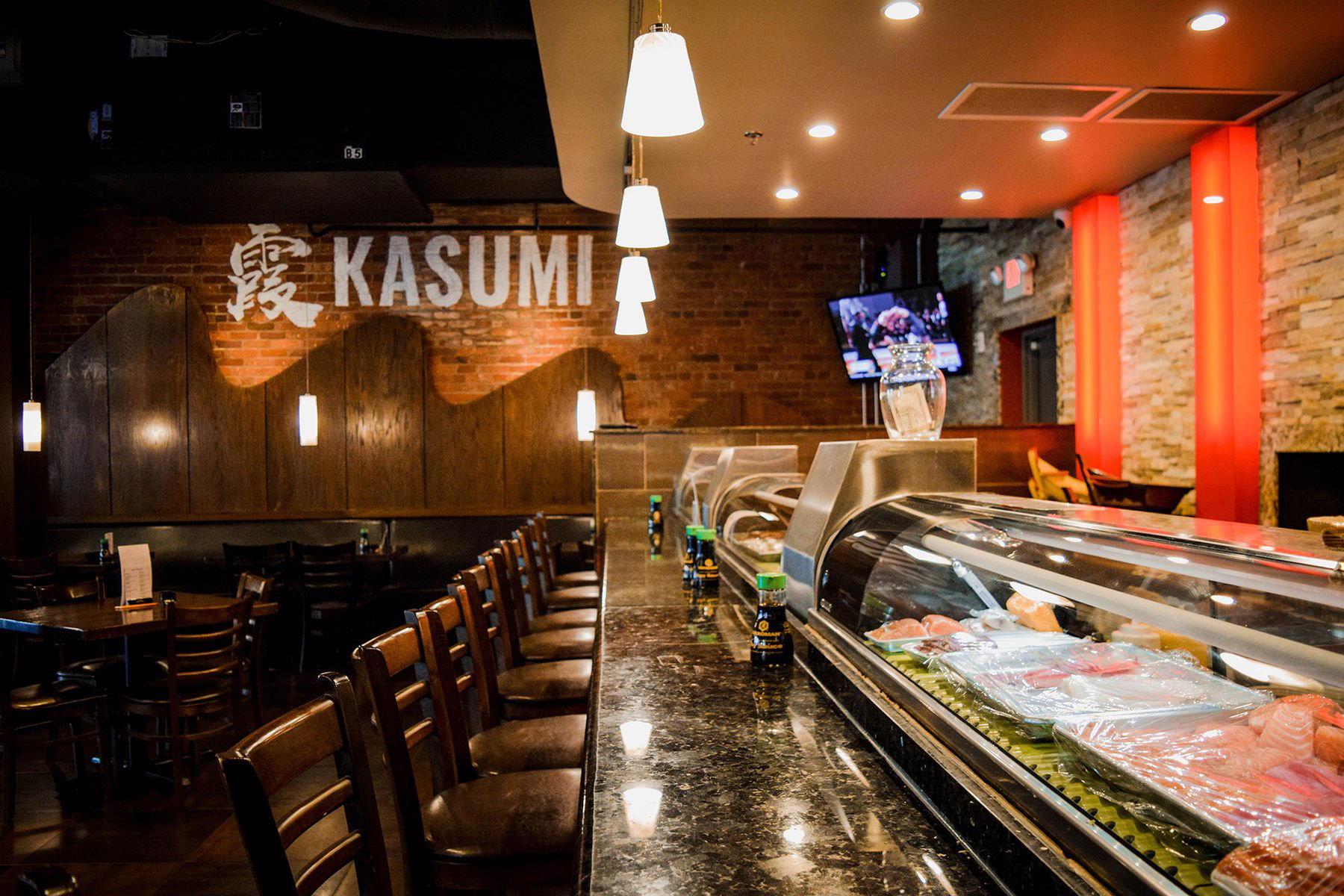
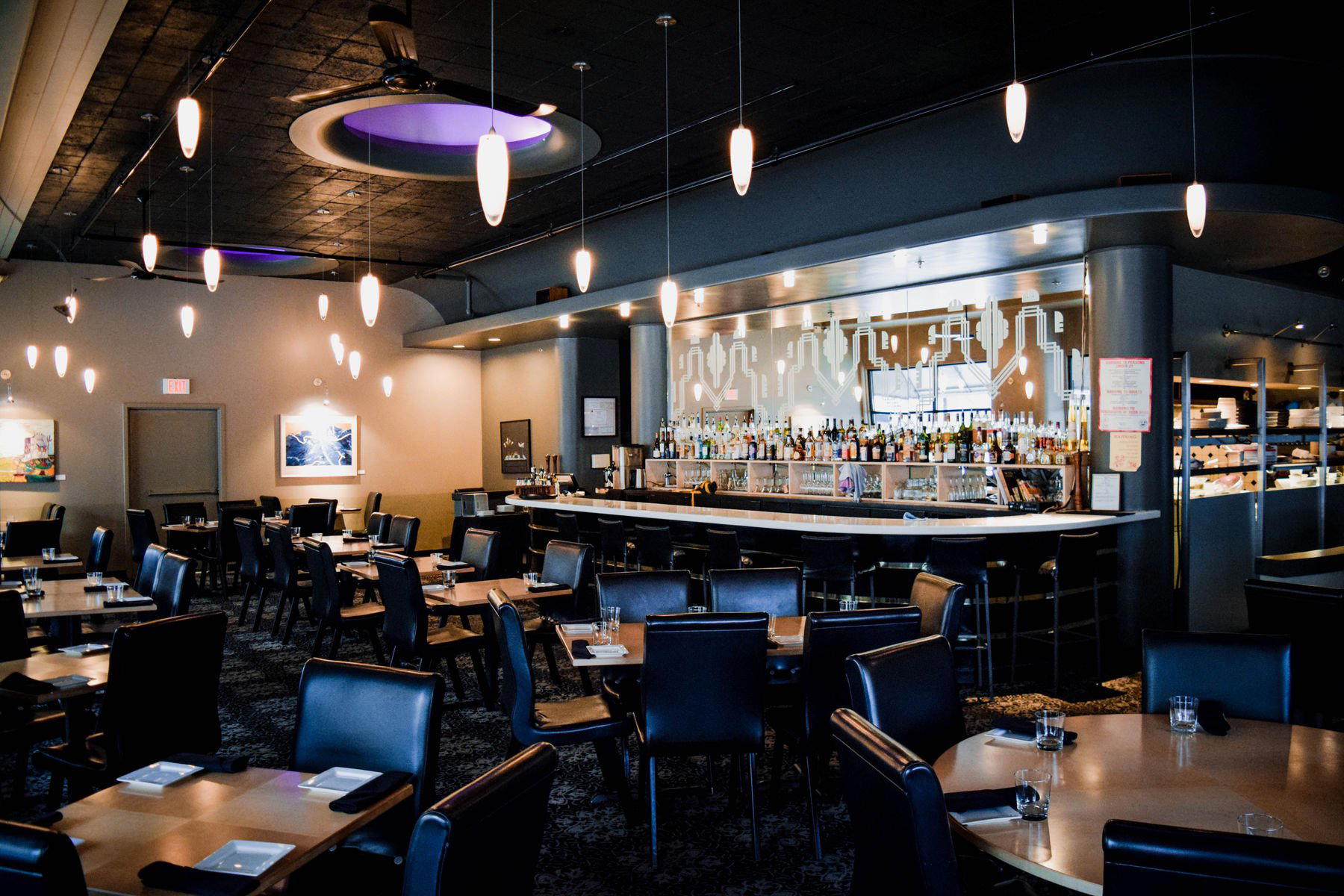
Lincoln's Japanese dining scene is smaller and more dispersed than the concentration found in a city like Chicago or even Omaha, but it has more range than a casual survey might suggest. Japon Bistro and Kasumi Sushi operate in overlapping territory, and the competitive set in Lincoln is tight enough that differentiation through bar quality, service consistency, or design makes a tangible difference. Blue Sushi, as a concept, has addressed that differentiation partly through atmosphere: the low-light aesthetic common to this format signals something more considered than strip-mall casual, even if the format itself is familiar across American markets.
That familiarity is not a criticism. The Japanese-American fusion model has been one of the more commercially durable restaurant formats of the past two decades precisely because it solved a specific problem: how to make Japanese flavour profiles accessible and repeatable at a price point and in a physical format that mid-size American cities could support. The trade-off is that the format tends toward standardisation, and standing out within it requires holding the line on ingredient quality and program discipline rather than menu novelty.
For practical planning: Blue Sushi Sake Grill is located at 808 R St in the Haymarket area, which is walkable from the main hotel corridor near downtown Lincoln and accessible enough that it functions as a reliable dinner option before or after events at Pinnacle Bank Arena. Those looking for reference points in how Japanese-influenced cocktail and bar programs operate at the craft level internationally can compare with The Parlour in Frankfurt on the Main, which takes a different approach to the same question of Japanese influence on Western bar culture.
Just the Basics
| Venue | Price | Awards |
|---|---|---|
| Blue Sushi Sake GrillThis venue — the venue you are viewing | $30–50 | Not listed |
| White Horse | $20–30 | The Good Food Guide GFG Good |
| Kinja | $20–30 | Not listed |
| Koen Japanese BBQ & Sushi | $30–50 | Not listed |
Details
- Lively
- Energetic
- Trendy
- Group Outing
- Casual Hangout
- Standalone
- Lounge Seating
- Sake
- Craft Cocktails
Current opening hours
- Monday
- 11 AM–9 PM
- Tuesday
- 11 AM–9 PM
- Wednesday
- 11 AM–9 PM
- Thursday
- 11 AM–9 PM
- Friday
- 11 AM–10 PM
- Saturday
- 11 AM–10 PM
- Sunday
- 12–9 PM
Hours can change for holidays and private events. Last verified .
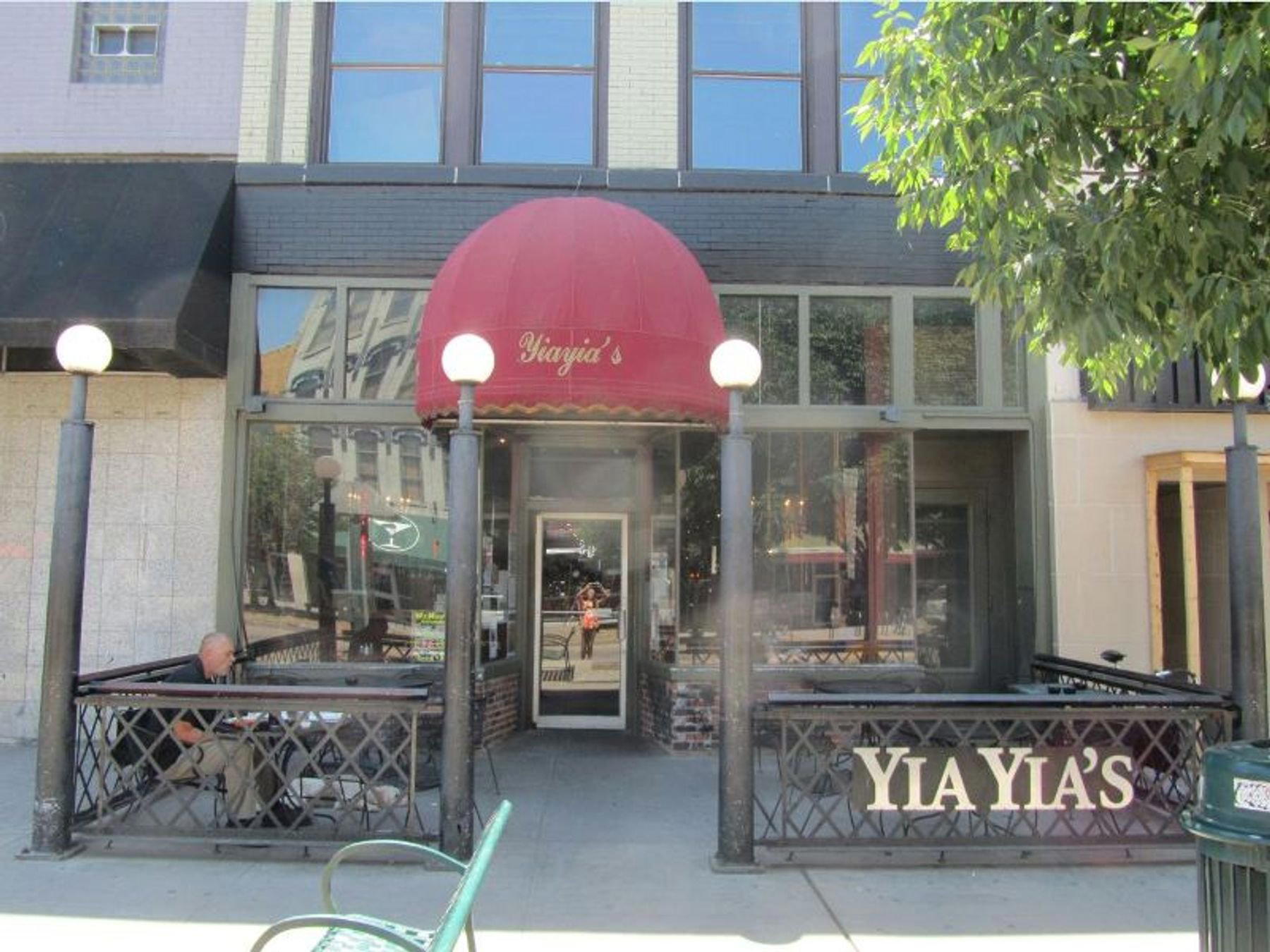
Energetic vibes with great music and decor, creating a fun and lively dining experience.