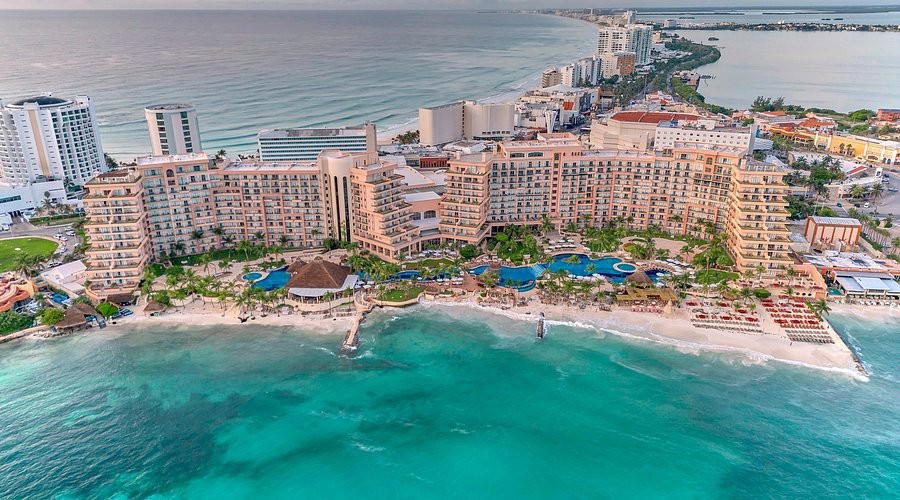
Bikini Beach & Pool belongs to Cancún’s beach-and-pool drinking circuit rather than its late-night club strip, with a Punta Cancún address on the Hotel Zone’s Caribbean-facing side. The draw is the setting: open-air, water-adjacent, and built for daytime drinking where cocktails, pacing, music, and sun management matter as much as the glass itself.

Pearl is the En Primeur Club membership app — saves, bookings, and concierge access live there. Same editors, same standards.
- Address
- Blvd. Kukulcan km 09, Punta Cancun, Zona Hotelera, 77500 Cancún, Q.R. (Beach & Pool side)
- Directions
- Get directions
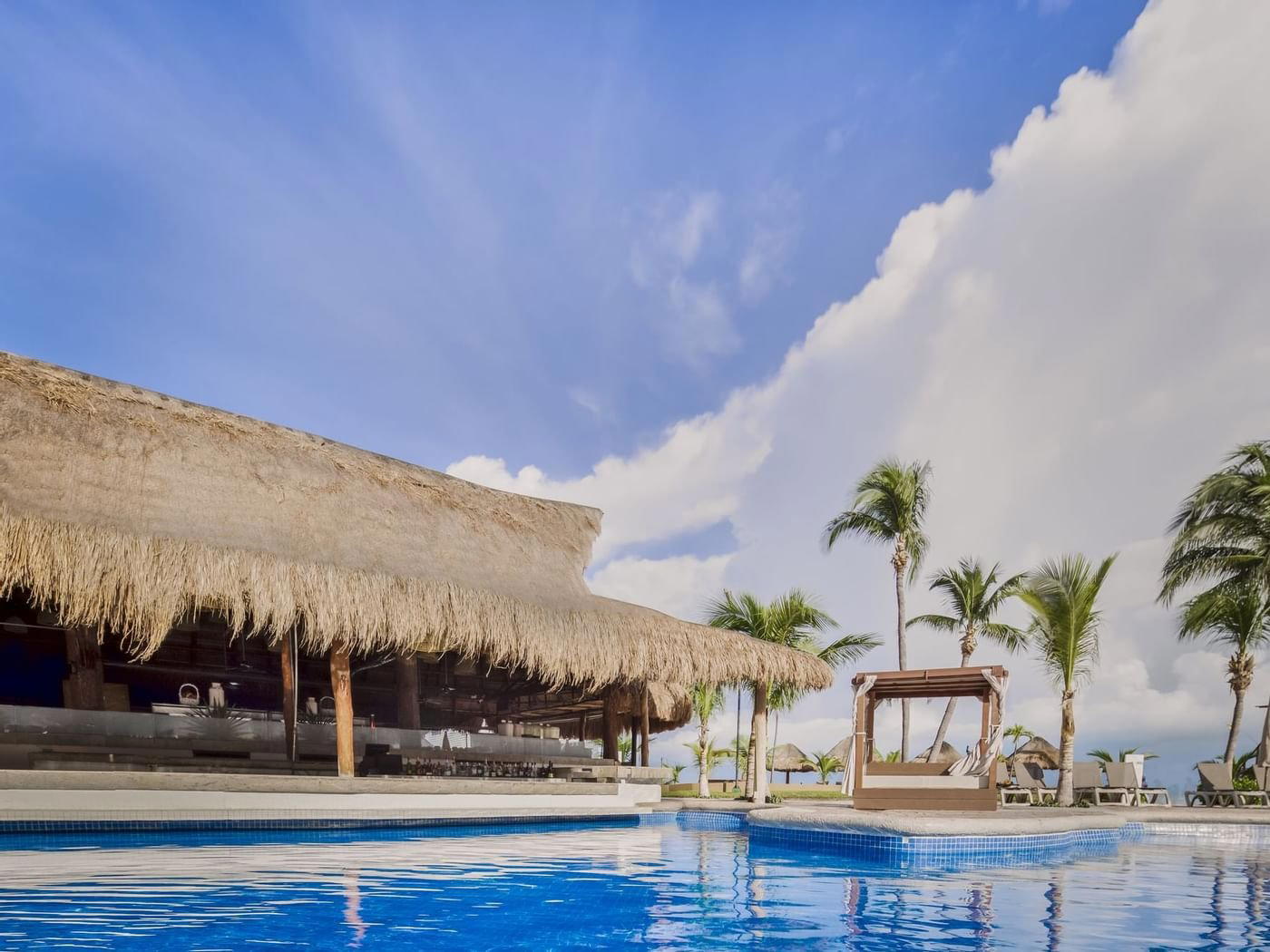
Beachfront drinking in Cancún has its own rules
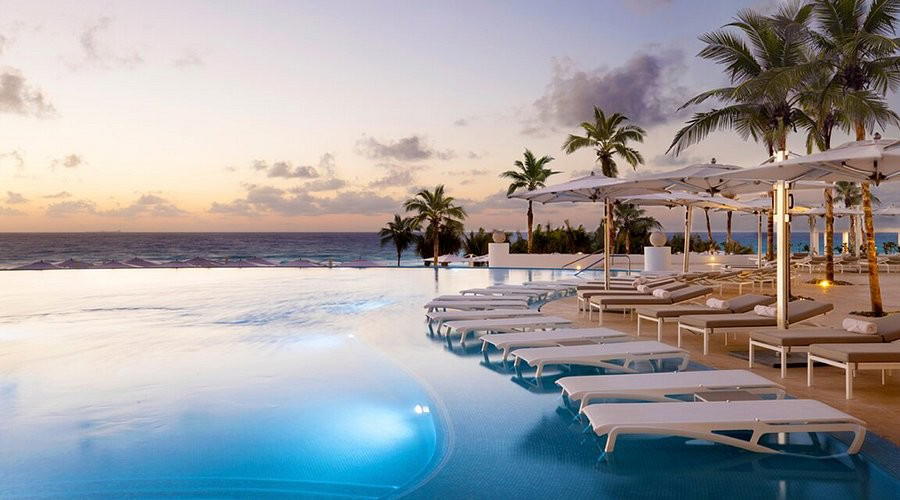
Approaching the beach-and-pool side of Punta Cancún, the city changes register. The road rhythm of Boulevard Kukulcan gives way to salt air, hotel façades, palms, towels over shoulders, and the constant low percussion of water against sand. This is not the Cancún of velvet ropes and indoor bottle-service choreography. It is the daytime and early-evening version: skin still warm from the sun, sunglasses on the table, drinks built to survive heat, dilution, ice melt, and a crowd that moves between pool edge and beach chair without ceremony.
Bikini Beach & Pool sits at Blvd. Kukulcan km 09, Punta Cancún, Zona Hotelera, 77500 Cancún, Q.R. on the beach-and-pool side of the Hotel Zone. That address matters more than a generic Cancún label. Punta Cancún is where the resort strip tightens into a high-energy pocket, close to the city’s nightlife gravity but physically oriented toward water, breeze, and open-air leisure. In this part of the Hotel Zone, a bar is judged less by hushed mixology language than by whether its drinks make sense in the climate, whether service can handle sun-to-sunset pacing, and whether the setting gives the glass a reason to exist.
The cocktail programme here should be read through that lens. The meaningful editorial point is format: beach-and-pool bars in Cancún operate under a different logic from speakeasies, hotel lobby bars, wine counters, and agave institutions. Cold, clarity of flavour, efficient build, glassware practicality, and pace are the core concerns. A drink that works at 2 p.m. beside the Caribbean is not built for the same conditions as a stirred drink at midnight in a dim room.
The cocktail question: technique versus climate
Cancún’s drinking culture is often flattened into party shorthand, but the city is more layered than that. The Hotel Zone has high-volume entertainment rooms, pool clubs, hotel bars, beachfront venues, and quieter resort lounges, each with a different demand placed on the bartender. At a beach-and-pool address, the technical problem is environmental. Citrus, ice, dilution, sweetness, carbonation, and garnish all behave differently in heat. The bartender’s creative vision, in this format, is measured by restraint as much as invention: drinks need enough structure to stay balanced while the ice gives way, but not so much density that they feel wrong in the sun.
That places Bikini Beach & Pool inside a wider coastal drinking tradition rather than a single-venue story. Caribbean and Mexican resort bars have long used high-acid, high-refreshment templates because they suit humidity and salt air. The serious version of that tradition is not about novelty for its own sake; it is about calibration. Sugar cannot carry the drink. Acid cannot dominate the palate after two rounds. Spirits need to read cleanly without turning the table into an exercise in alcohol weight. In a pool-and-beach setting, bartending becomes a discipline of timing, temperature, and repetition.
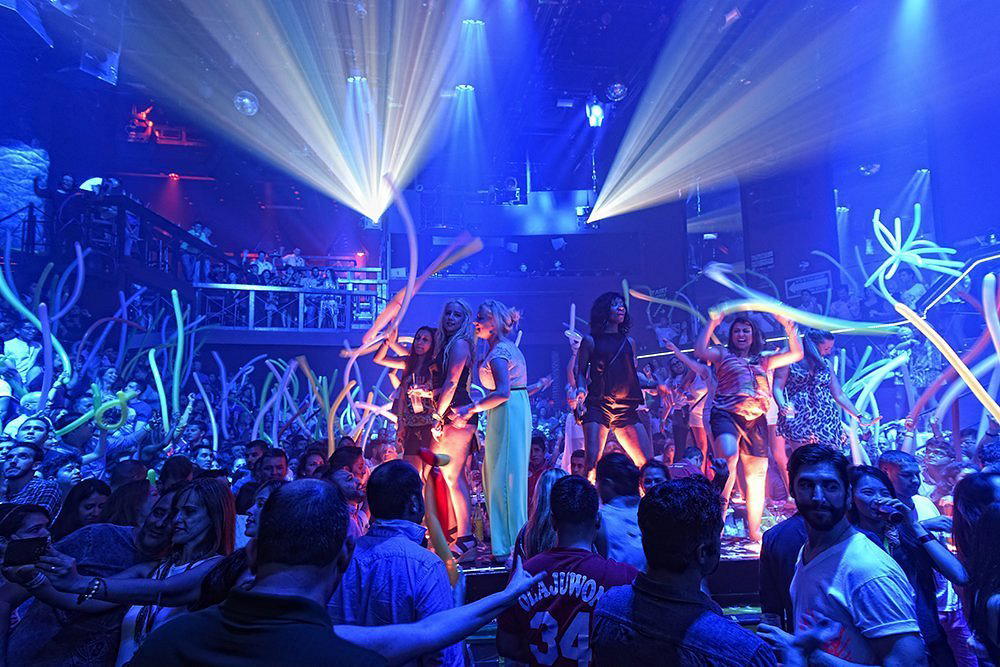
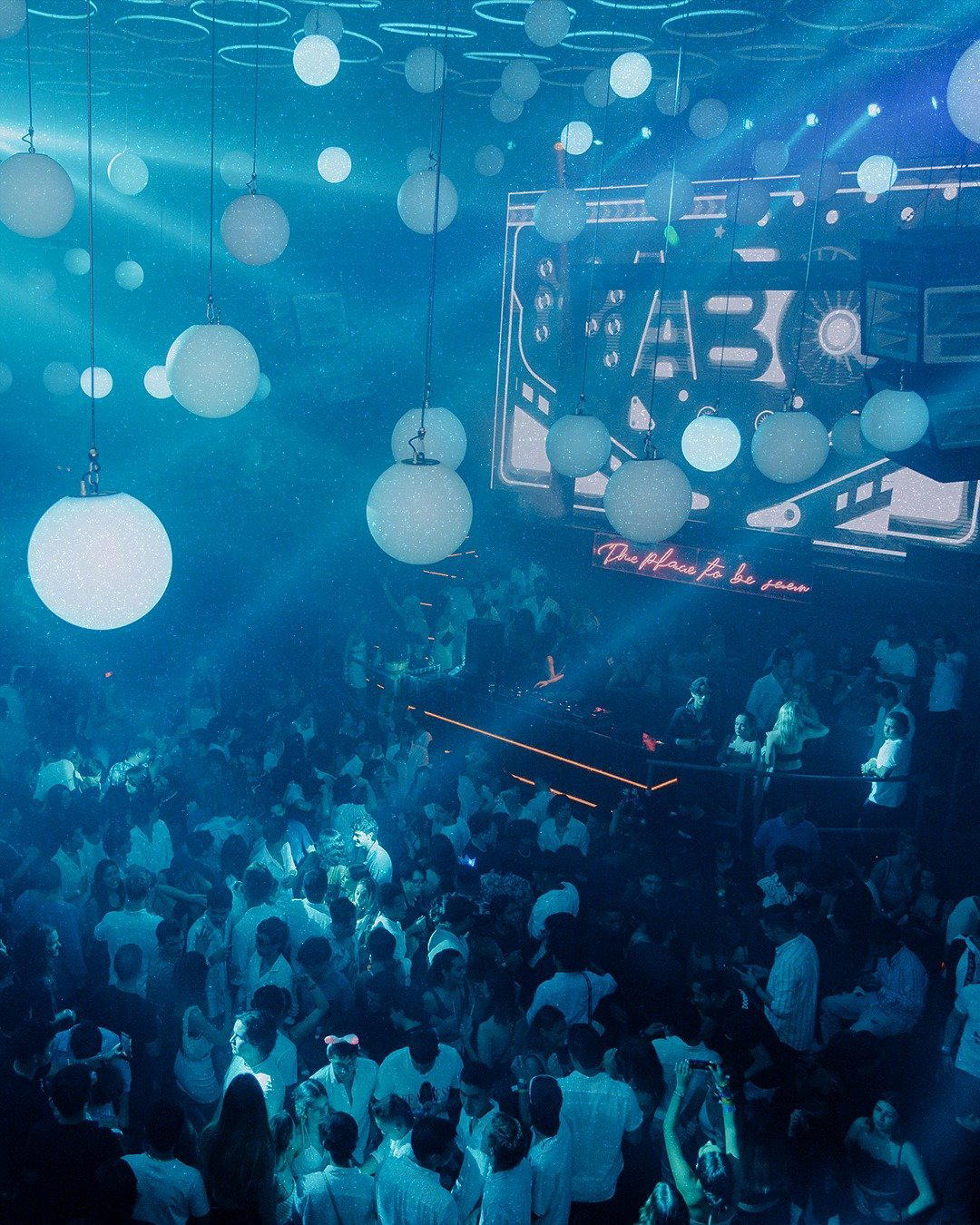
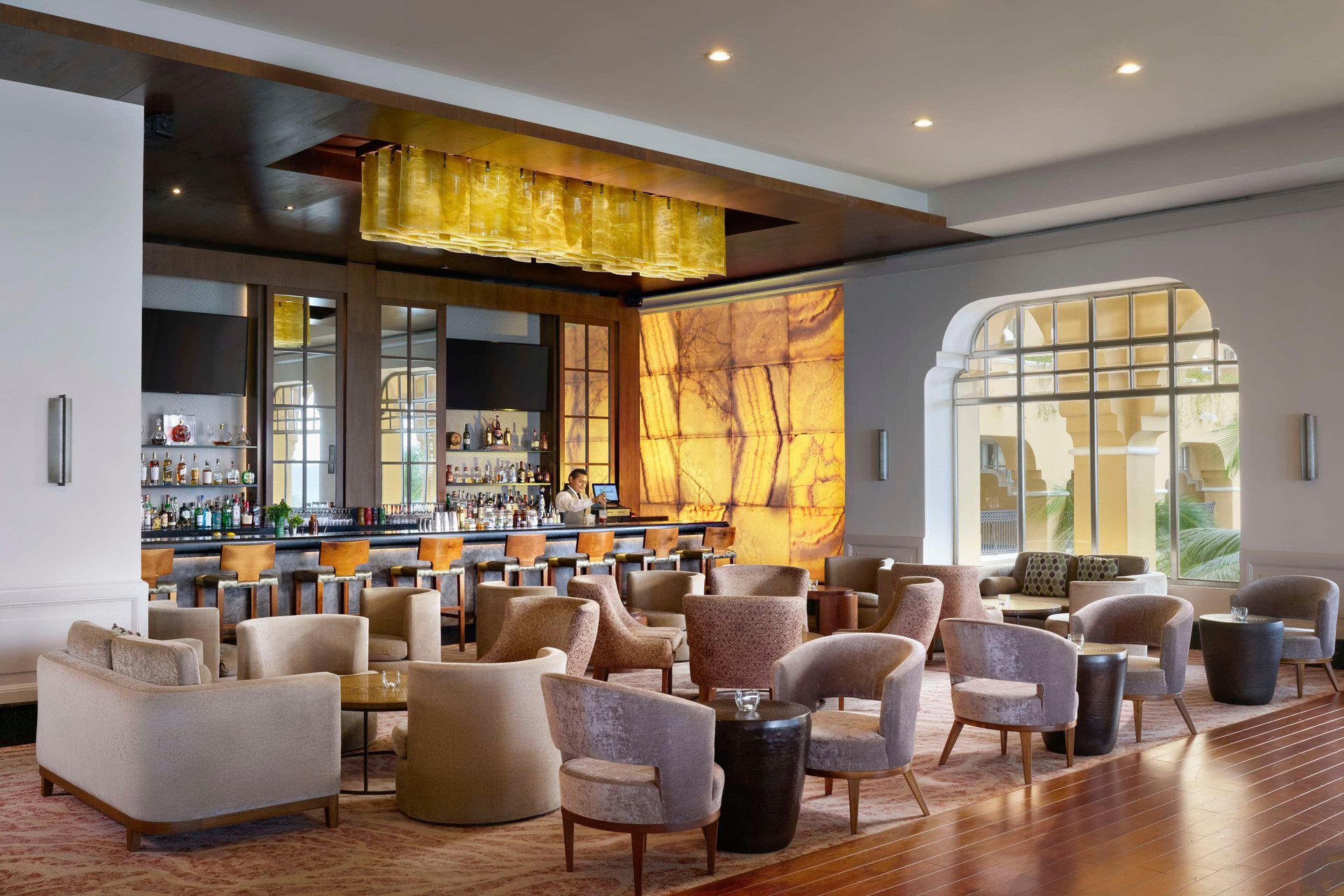
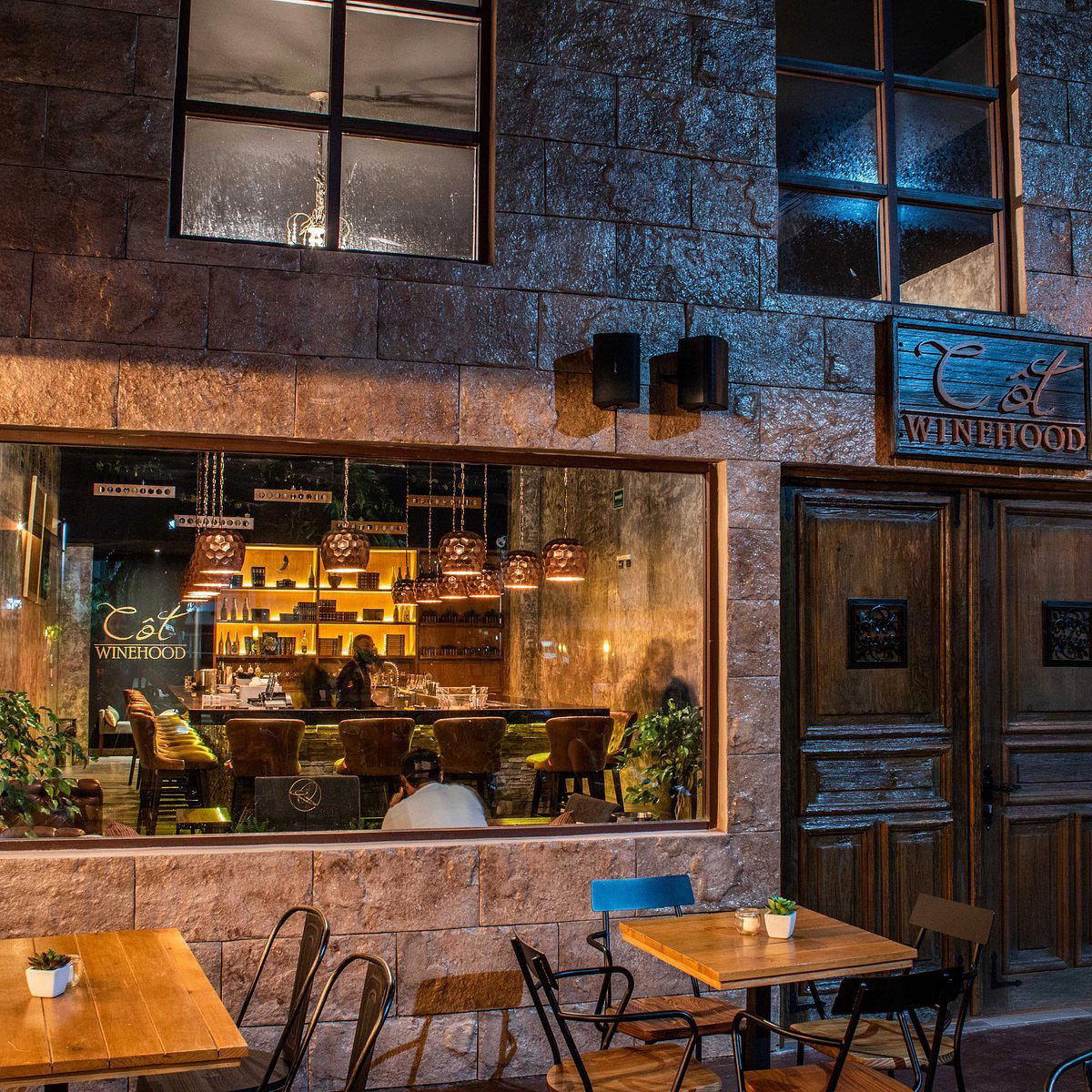
Comparisons help. Coco Bongo represents Cancún’s spectacle-driven night out, where production value and crowd energy shape the experience. Azulinda Lobby Bar belongs to the hotel-lounge side of the city, where the guest expects enclosure, polish, and controlled lighting. Av. Bonampak points toward Cancún’s urban bar geography away from the beach strip, while Côt Winehood shifts the conversation toward wine-led drinking. Bikini Beach & Pool occupies another category: a daylight-facing, resort-zone format where the cocktail must be refreshing enough for heat and sturdy enough for a long session.
Punta Cancún and the beach-club rhythm
Punta Cancún has a particular kind of intensity. It is not merely that hotels cluster here; it is that multiple versions of Cancún overlap in a compact area. Visitors heading to clubs, resort guests crossing between pools and restaurants, beachgoers moving through the sand, and groups meeting before dinner all pass through the same pocket of the Hotel Zone. That produces a drinking culture built around transitions. A beach-and-pool venue can serve as the first stop of the day, the pause between swimming and dinner, or the soft landing before the louder night begins.
This transitional role explains why the atmosphere matters. Open-air drinking near the water changes guest behaviour. Orders stretch longer, tables turn according to sun exposure rather than formal courses, and the strongest hospitality move is often pacing rather than performance. The better coastal formats understand that the drink list is only part of the experience. Shade, wind, volume, access to the water, and the feel of moving between wet and dry spaces all shape what guests order and how long they remain.
The known location, Boulevard Kukulcan km 09 in Punta Cancún, places the venue in a part of the Hotel Zone where taxis and hotel transfers are the usual visitor default, and where timing is often tied to beach plans rather than a conventional dinner reservation. Anyone comparing Cancún drinking options should treat this as a setting-led choice, not as a formal cocktail den with published tasting formats or a wine cellar narrative.
How to read a poolside cocktail programme
There is a persistent mistake in judging beach bars by the same criteria used for city cocktail rooms. Precision matters in both, but the form changes. A dark bar can build drama through glassware, lighting, and lengthy explanation. A beachfront pool venue has to deliver satisfaction in public, in bright weather, under conditions that punish overcomplication. The craft is partly invisible: drinks that arrive cold, stay balanced for several minutes, and do not collapse into syrup after the first wave of melt.
In Cancún, that distinction is central. The city’s premium hospitality economy is tied to climate and movement. Bars attached to resort and beach infrastructure function as social anchors as much as beverage destinations. The bartender’s creative field is constrained by speed, volume, and environment, but constraints can produce sharper decisions. Agave spirits, rum, citrus, tropical fruit, mineral elements, and long drinks all have a natural relationship to the region, yet naming a specific preparation would require verified menu data. The fair reading is broader: this is a venue type where the drink should meet the day rather than fight it.
Mexico’s broader cocktail culture gives that context more weight. In Tequila, La Capilla in Tequila shows how a simple highball can define a town’s drinking identity through repetition and place. In San Miguel de Allende, Bekeb in San Miguel de Allende reflects another Mexican register, more craft-led and terrace-oriented. Outside Mexico, Café La Trova in Miami offers a useful comparison for warm-weather drinking shaped by music, Cuban technique, and hospitality theatre. Bikini Beach & Pool should not be forced into any of those identities. Its logic is Cancún-specific: resort-zone, waterfront, casual in posture, and dependent on how well the bar translates heat into drinking rhythm.
Where it fits in Cancún's drinking map
Cancún’s bar scene divides less by cuisine than by time of day, setting, and visitor intention. Nightlife venues concentrate energy after dark. Hotel bars manage the pre-dinner and post-dinner register. Wine rooms attract guests looking for slower conversation and bottle selection. Beach-and-pool venues own the hours when the city is defined by light, water, and the long middle of the day. That segmentation is useful for travellers because it prevents false comparisons. The right question is not whether a beachfront pool bar competes with a polished lobby bar; the question is which format suits the evening, the group, and the pace.
Bikini Beach & Pool’s advantage is its category clarity. The name and address tell the reader what to expect: beach, pool, Punta Cancún, Hotel Zone access. Punta Cancún is one of the city’s established visitor districts, and a beach-and-pool position there places the venue in the high-traffic resort drinking circuit rather than a residential neighbourhood bar scene.
For broader planning, EP Club’s city coverage helps separate formats. Our full Cancún bars guide maps the city’s drinking options by mood and setting. Our full Cancún restaurants guide is the better tool for pairing a beach session with dinner. Travellers building a resort-led stay can compare area context through Our full Cancún hotels guide, while Our full Cancún experiences guide helps frame the daylight side of the trip beyond bars. Our full Cancún wineries guide is useful for readers tracking wine-focused alternatives, though Cancún itself is not a wine-region destination in the way Baja California or central Mexico can be.
Who should choose this format
The strongest case for a beach-and-pool bar is not rarity; it is fit. This setting works for travellers who want drinks without leaving the water-led rhythm of the Hotel Zone. It suits groups that prefer open air over a dark room, and anyone who wants a transition point between daytime beach plans and the denser nightlife around Punta Cancún. It is less suited to visitors seeking a chef-led dining room, a documented tasting menu, a wine cellar with published depth, or a bar whose reputation rests on awards and named cocktail techniques.
In resort-zone beach formats, conditions can shift with weather, private events, hotel flow, and seasonal visitor volume. The practical move is to treat the venue as part of a Hotel Zone route rather than the single fixed anchor of an evening. Punta Cancún’s density makes that approach sensible: if the mood changes, nearby bar and nightlife options are part of the same broader district.
That does not make the experience vague. It clarifies the decision. Bikini Beach & Pool is for the moment when the setting is the point and the cocktail programme has to support sun, salt air, and social ease. The value lies in matching drink format to place. In Cancún, that can be a sharper choice than chasing a formal bar credential that belongs to another city and another hour.
Planning notes
The recorded address is Blvd. Kukulcan km 09, Punta Cancun, Zona Hotelera, 77500 Cancún, Q.R. specifically the beach-and-pool side. That should shape planning: use the location as the dependable data point, avoid assuming formal reservations, and build the stop around the Hotel Zone’s beach schedule rather than a fixed tasting-room model. Daylight and early-evening timing are the natural fit for this category, while later plans can branch into Punta Cancún’s club, hotel-bar, or restaurant circuit.
Details
- Scenic
- Lively
- Casual
- Casual Hangout
- Group Outing
- After Work
- Solo
- Waterfront
- Terrace
- Hotel Bar
- Seated Bar
- Lounge Seating
- Outdoor Terrace
- Classic Cocktails
- Frozen
- Tequila
- Zero Proof
- Waterfront
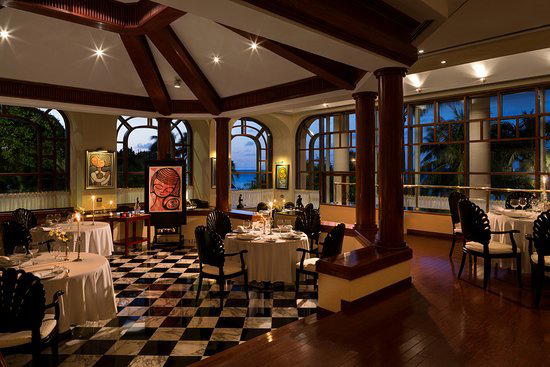
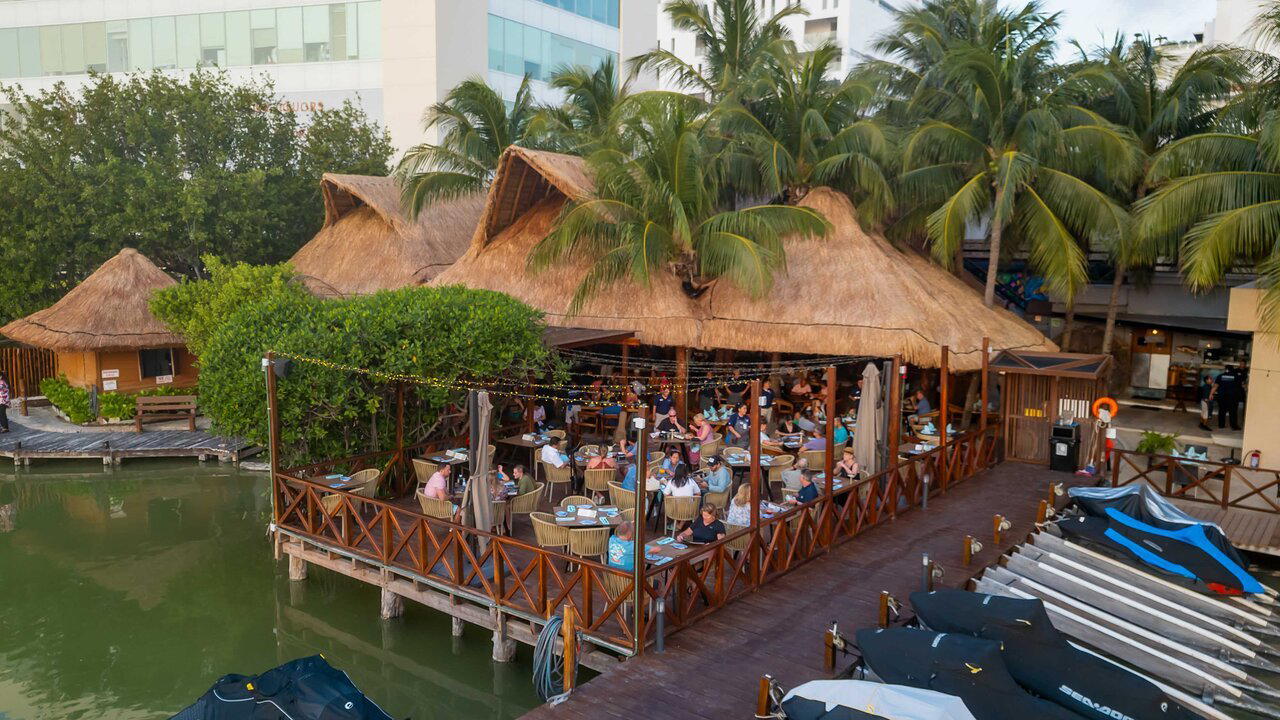
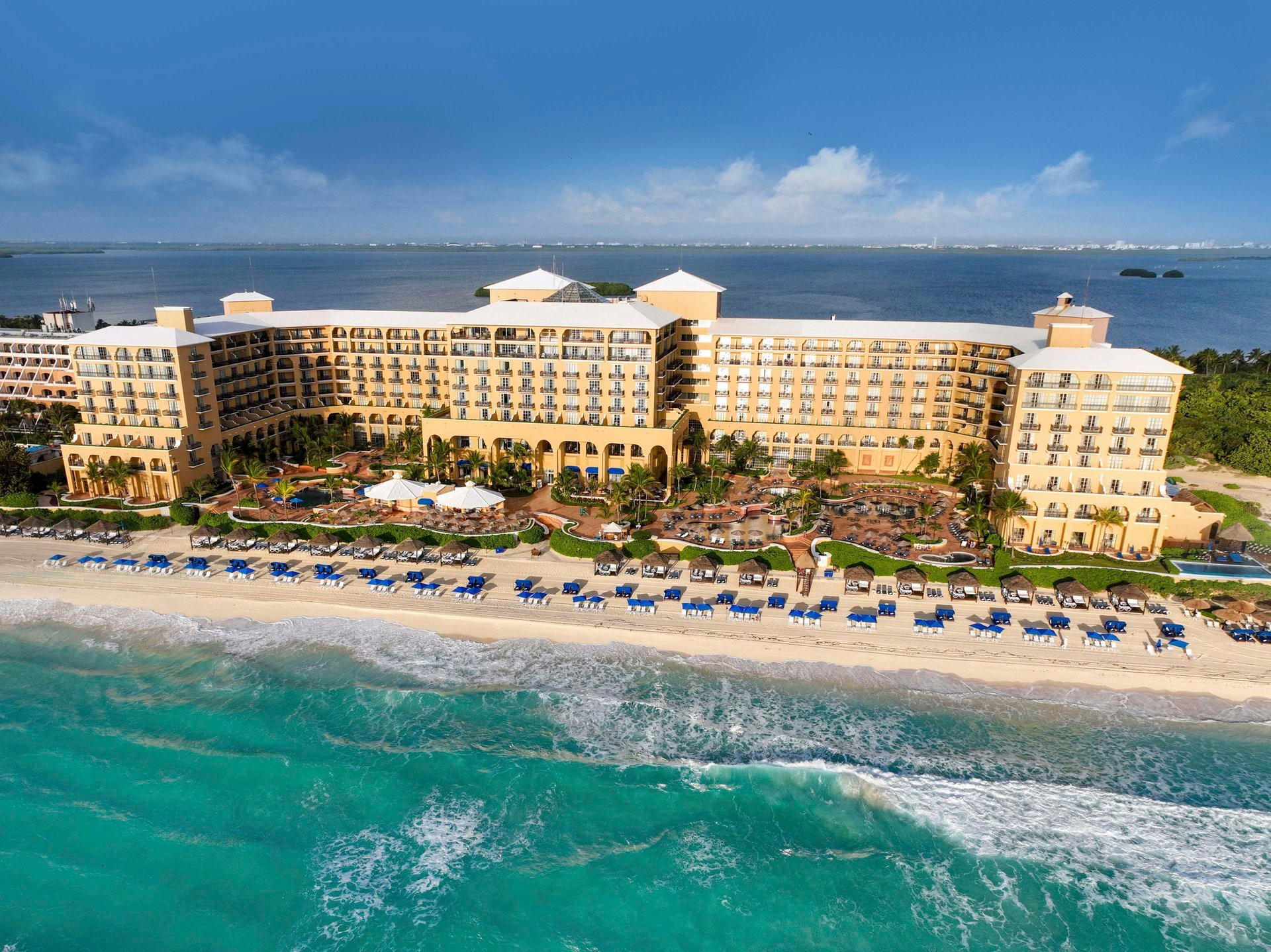
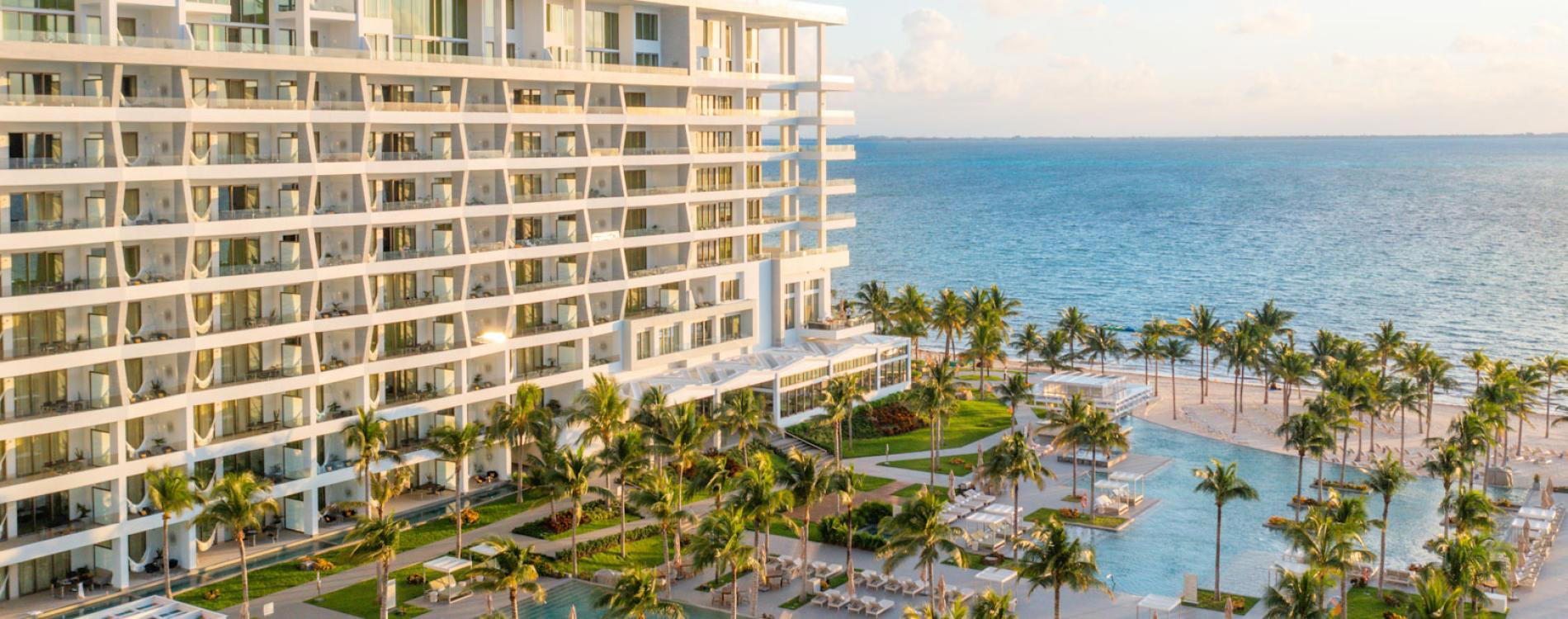
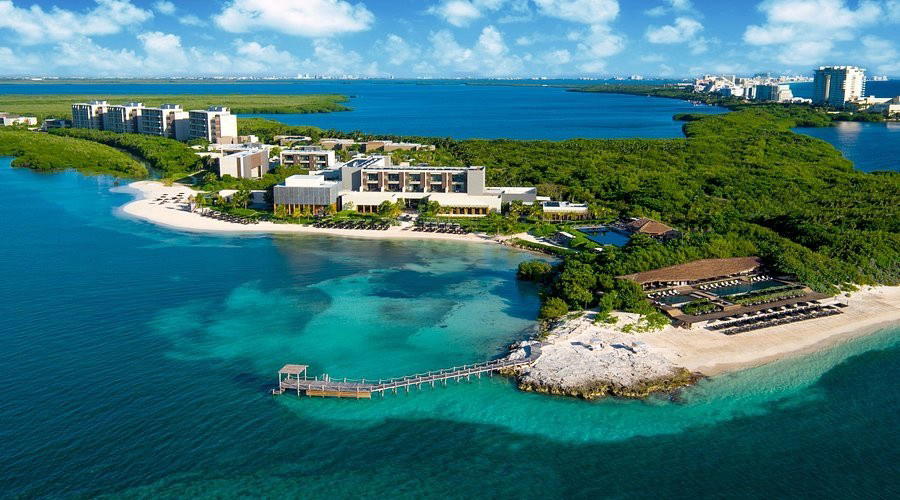
Relaxed, open-air poolside atmosphere with resort guests in swimwear, natural daylight and sea breeze, casual service, and views of the pools and Caribbean Sea.