Biergarten
Biergarten brings Pittsburgh’s rooftop bar culture into focus from a ninth-floor address on William Penn Place. With, the useful reading is contextual: this is a downtown drinking address to judge by setting, beer-hall cues, cocktail discipline, and how it fits into a city increasingly comfortable with polished, high-energy bars.

Pearl is the En Primeur Club membership app — saves, bookings, and concierge access live there. Same editors, same standards.
- Address
- 620 William Penn Pl 9th Floor, Pittsburgh, PA 15219
- Phone
- (412) 230-4800
- Hours
- Mon ClosedTue–Thu 5–9 PMFri–Sat 5–11 PMSun 3–9 PM
- Website
- thecommonerpgh.com
- Directions
- Get directions
- Booking
- Book on OpenTable
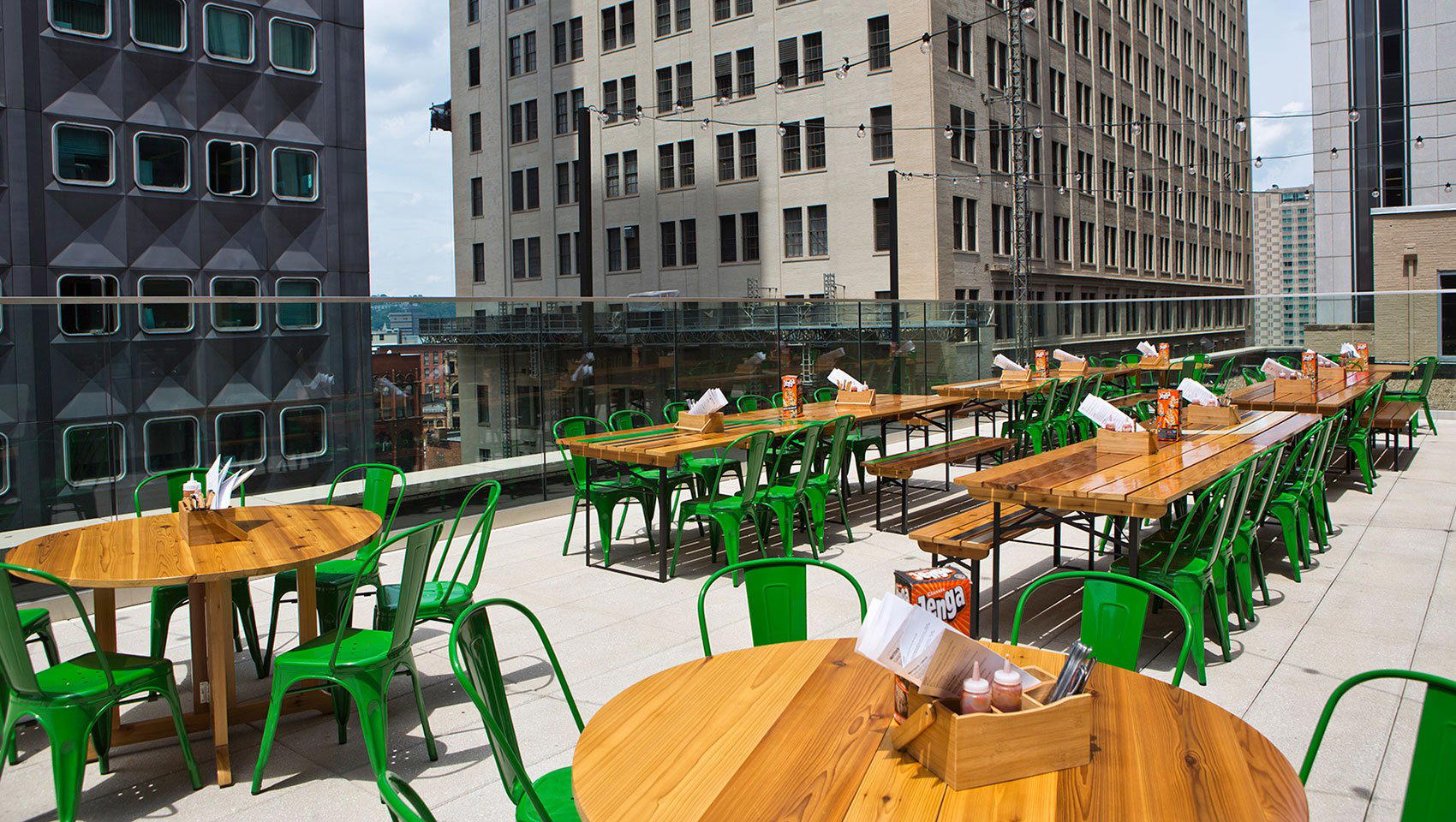
Above William Penn Place, Pittsburgh's Rooftop Bar Habits Come Into View
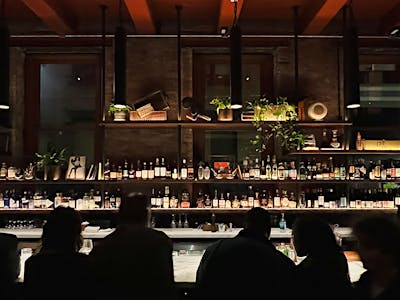
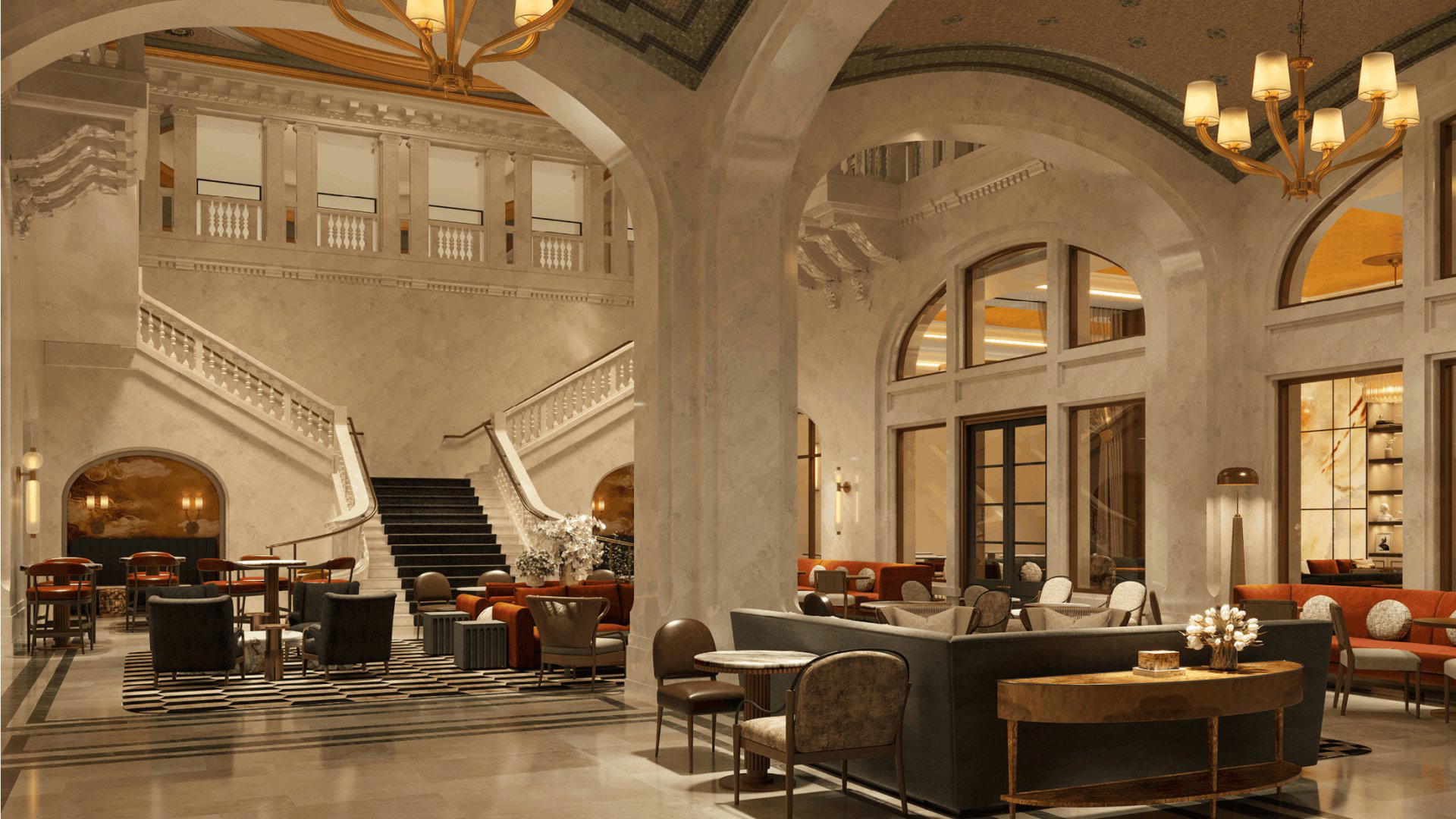
The approach to a ninth-floor bar changes the psychology of a drink before the first glass arrives. Street-level Pittsburgh can feel dense and workmanlike around William Penn Place, with office towers, hotel lobbies, and the compressed rhythm of Downtown. Going upward reframes that setting. Biergarten, at 620 William Penn Pl on the 9th Floor, belongs to the urban-rooftop category where altitude is part of the format: the city becomes a visual backdrop, conversation loosens, and the bar has to decide whether it is selling spectacle, serious drinks, or an after-work release valve with better air.
Pittsburgh has a particular relationship with this kind of venue. Unlike cities where rooftop drinking is built around coastal weather or hotel-pool theatrics, the city’s rooflines carry an industrial grammar: bridges, office blocks, hillsides, and changing river light. That makes the drinking brief different. A rooftop bar here does not need tropical escapism to make sense. It needs a drinks program and service rhythm that can handle groups, weather swings, and guests moving between dinner, hotel stays, sports weekends, and late-evening drinks.
That absence matters editorially because it places more weight on what can be assessed from category and location. This is a Downtown Pittsburgh rooftop address rather than a chef-led restaurant listing or an awards-driven cocktail room. The useful question is not whether it competes with nationally ranked bars on technique, but how it functions within Pittsburgh’s mix of beer culture, hotel-adjacent drinking, and polished casual nightlife.
The Cocktail Question at a Place Named for Beer
A name like Biergarten points toward Central European beer-hall association: communal energy, draft service, weather-dependent appeal, and a less formal posture than a hushed cocktail den. In the United States, however, the modern rooftop beer garden often broadens beyond beer. Guests expect easy-drinking cocktails, spritz-style builds, seasonal highballs, and batch-friendly formats that can survive volume without collapsing into bar-program anonymity. That is where the creative work sits: not necessarily in rare spirits or theatrical garnish, but in pacing, temperature, dilution, and how a drink behaves outdoors.
For a Downtown rooftop, the cocktail program has to solve practical problems. Drinks need to read quickly in a social setting. They need to suit mixed groups where one person wants a lager, another wants a whiskey drink, and another wants something bright and lower in alcohol. They also need to travel well from bar to table, especially when the venue’s appeal is tied to movement and standing conversation. In that sense, a rooftop bar’s technique is often hidden in plain sight. The better programs simplify without flattening: clear categories, fast execution, and enough structure to keep a second round from feeling like compromise.
No specific drink should be inferred from the name alone. The smart reading is to treat the bar as part of a broader Pittsburgh pattern: venues that balance beer-friendly informality with the contemporary expectation that cocktails cannot be an afterthought. That pattern also explains why travelers should compare it against different peer sets rather than one narrow category. For wine-bar intimacy, Allegheny Wine Mixer sits in a different lane. For old-lodge social culture, Allegheny Elks Lodge #339 offers another model of Pittsburgh drinking altogether.
Downtown Context: Why the Address Matters
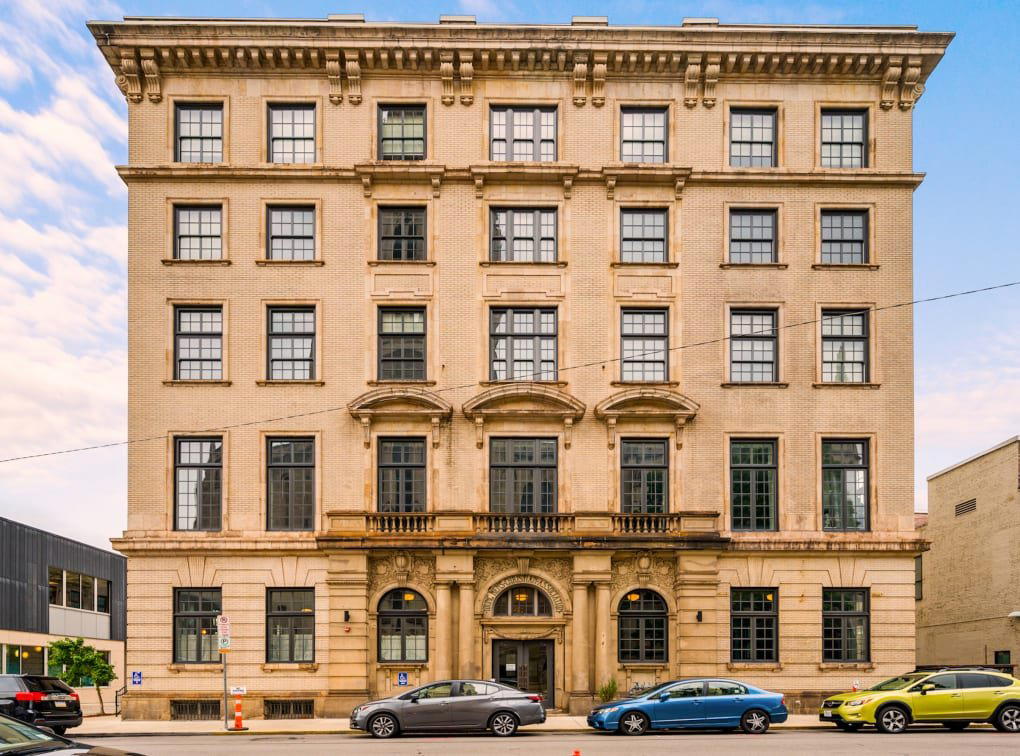
Downtown Pittsburgh drinking is shaped by timing. Weekdays bring office exits, hotel guests, convention traffic, and theater-adjacent movement. Weekends shift the room toward visitors, date-night groups, and people using the Golden Triangle as a staging point before or after other plans. A ninth-floor address on William Penn Place is therefore not a neutral detail. It positions Biergarten close to the city’s core hospitality grid, where bars often act as connectors between restaurants, hotels, and cultural venues rather than as final destinations for every guest.
That context is useful for planning a night. A rooftop bar can be the early-evening aperture before dinner, particularly when the weather supports lingering outside, or it can function as a later stop when a seated meal has done its work and the group wants air, views, and a less structured setting. Pittsburgh’s stronger dining nights often involve moving between neighborhoods rather than staying in one block. A Downtown drink can sit before a more formal Italian meal at Alla Famiglia, a casual pizza stop such as Aiello's Pizza Squirrel Hill, or a broader crawl planned through Our full Pittsburgh bars guide.
The lack of published hours in the record means timing should be checked through current venue channels before building a night around it. That does not make the bar difficult by definition; it simply means readers should avoid assuming walk-in ease at peak periods. Rooftop formats are sensitive to weather, private events, and crowd surges, especially in central business districts where hotel and event calendars can alter demand with little notice.
Beer-Garden Tradition, American Rooftop Translation
The beer garden tradition began as a social technology as much as a drinking format: open-air space, communal tables, direct service, and a drink that encourages time rather than ceremony. In Pittsburgh, that tradition intersects with a city long associated with neighborhood taverns, brewery culture, and unpretentious group drinking. A rooftop version shifts the grammar. Instead of trees and gravel, the setting becomes terrace, skyline, elevator arrival, and a built-in sense of occasion.
That translation can work when the bar resists becoming only a view with taps. The issue for any rooftop beer garden is balance. Too much beer-hall looseness and the room can feel under-designed for its address; too much cocktail-lounge polish and the social ease disappears. The strongest version of the category uses drinks as social infrastructure. Beer gives the room its casual spine, while cocktails offer range for guests who want acidity, bitterness, aromatics, or spirit-led structure without leaving the group’s pace.
The editorial value lies in knowing what to look for: whether the drinks menu is concise or sprawling, whether cocktails are built for speed or detail, whether beer dominates the identity, and whether non-beer drinkers are treated as central guests rather than tolerated exceptions. Those cues reveal far more than adjectives about atmosphere.
How It Compares With Pittsburgh's Drinking Map
Pittsburgh’s bar culture is not a single hierarchy. It is a set of overlapping habits: neighborhood taverns, wine bars, restaurant bars, hotel bars, craft-cocktail rooms, brewery taprooms, and event-driven rooftops. Biergarten sits in the rooftop and group-night portion of that map. That makes it less comparable to a quiet two-person counter and more relevant to nights where setting and social energy carry equal weight with the glass.
The city’s more serious drinkers often build evenings by contrast. A wine-focused start at Allegheny Wine Mixer makes sense when conversation and bottle selection lead the plan. A lodge-bar stop such as Allegheny Elks Lodge #339 reads through local social history. A rooftop drink Downtown plays a different role: it gives height, group capacity, and weather-dependent momentum. None of these categories replaces the others. Their differences are the point.
For travelers comparing outside Pittsburgh, a rooftop beer-garden format should not be judged by the same standards as a Cuban-cocktail institution such as Café La Trova in Miami, where live-music culture and classic drinks define the room, or a high-concept cocktail bar like Happy Accidents in Albuquerque, where creativity is usually the headline. It also differs from a spirits-led room such as Roquette in Seattle. Biergarten’s likely value is urban placement and group utility, judged with attention to whether the drinks meet the setting rather than distract from it.
What to Watch in the Glass
At a rooftop bar with a beer-garden identity, the clearest test is not the rarest bottle. It is the middle of the menu. Highballs should be cold and direct. Citrus-driven drinks should avoid syrupy weight. Bitter aperitif drinks need enough tension to hold up outdoors. Draft beer should move with volume rather than sit tired in the glass. If the menu includes batched cocktails, the question is whether batching has been used for consistency or only speed. Good batching can sharpen service; careless batching makes every drink feel pre-decided.
Instead, drink strategically by category. If the night is warm and the group is standing, choose lighter, longer drinks before spirit-heavy builds. If the visit sits before dinner, avoid drinks that dull appetite. If the bar is crowded, a simple two- or three-component drink is often the smarter test of execution than a complicated build that requires time the bar may not have. The bartender’s creative vision, in a high-volume rooftop format, often shows in restraint: knowing what not to complicate.
For beer drinkers, the same logic applies. A beer-garden label creates an expectation of refreshment and sessionability, not merely strength. The better fit is usually a drink that can sit with conversation and weather. For cocktail drinkers, the useful move is to read the menu for structure rather than novelty: sour, spritz, highball, bitter, stirred, frozen if offered. A balanced list gives each category a job.
Planning a Visit Without Overbuilding the Night
Biergarten’s address, 620 William Penn Pl 9th Floor, puts it firmly in Downtown Pittsburgh’s hotel-and-office orbit. Check current operating information through live sources before committing a larger group, and treat peak warm-weather evenings as higher-risk for waits or private-event disruption. A rooftop bar is often at its strongest when used with a light hand: one or two rounds, then dinner elsewhere, or a post-meal drink when the group wants air and a more social room.
Price should also be approached without assumptions. No price range is available in the record, and rooftop formats can vary sharply depending on hotel affiliation, service model, and drink complexity. That is not a criticism; many useful city bars operate outside awards circuits. It does mean the decision should be based on occasion fit rather than trophy value. If the night calls for a view, centrality, and an easy group format, the address makes sense. If the night calls for a deeply technical cocktail tasting, compare against cocktail-led rooms in Our full Pittsburgh bars guide.
Travelers building a fuller Pittsburgh itinerary can place the bar alongside broader city planning rather than treating it as an isolated stop. Dining research belongs in Our full Pittsburgh restaurants guide, lodging context in Our full Pittsburgh hotels guide, wine-country or bottle-focused planning in Our full Pittsburgh wineries guide, and cultural scheduling in Our full Pittsburgh experiences guide. Biergarten fits into that matrix as a Downtown rooftop drink, not as the entire evening’s argument.
Continue exploring
More in Pittsburgh
Bars in Pittsburgh
Browse all →
Restaurants in Pittsburgh
Browse all →
Details
- Lively
- Scenic
- Trendy
- Energetic
- After Work
- Late Night
- Group Outing
- Casual Hangout
- Celebration
- Private Event
- Rooftop
- Panoramic View
- Hotel Bar
- Beer Garden
- Standing Room
- Seated Bar
- Outdoor Terrace
- Communal Tables
- Craft Cocktails
- Craft Beer
- Low Abv
- Skyline
Current opening hours
- Monday
- Closed
- Tuesday
- 5–9 PM
- Wednesday
- 5–9 PM
- Thursday
- 5–9 PM
- Friday
- 5–11 PM
- Saturday
- 5–11 PM
- Sunday
- 3–9 PM
Hours can change for holidays and private events. Last verified .