Barred Owl
Barred Owl sits inside Lincoln’s bar conversation as a useful case study in how smaller American cities read cocktail culture: less spectacle, more reliance on format, pacing, and trust. With for chef, awards, price, or booking channels, the sensible lens is comparative rather than declarative, placing it against Lincoln’s wider dining and drinking circuit.

Pearl is the En Primeur Club membership app — saves, bookings, and concierge access live there. Same editors, same standards.
- Address
- 2101 Transformation Dr 6th Floor, Lincoln, NE 68508
- Phone
- (531) 300-6300
- Hours
- Mon–Thu 4–11 PMFri–Sat 4 PM–12 AMSun Closed
- Website
- barredowlnebraska.com
- Directions
- Get directions
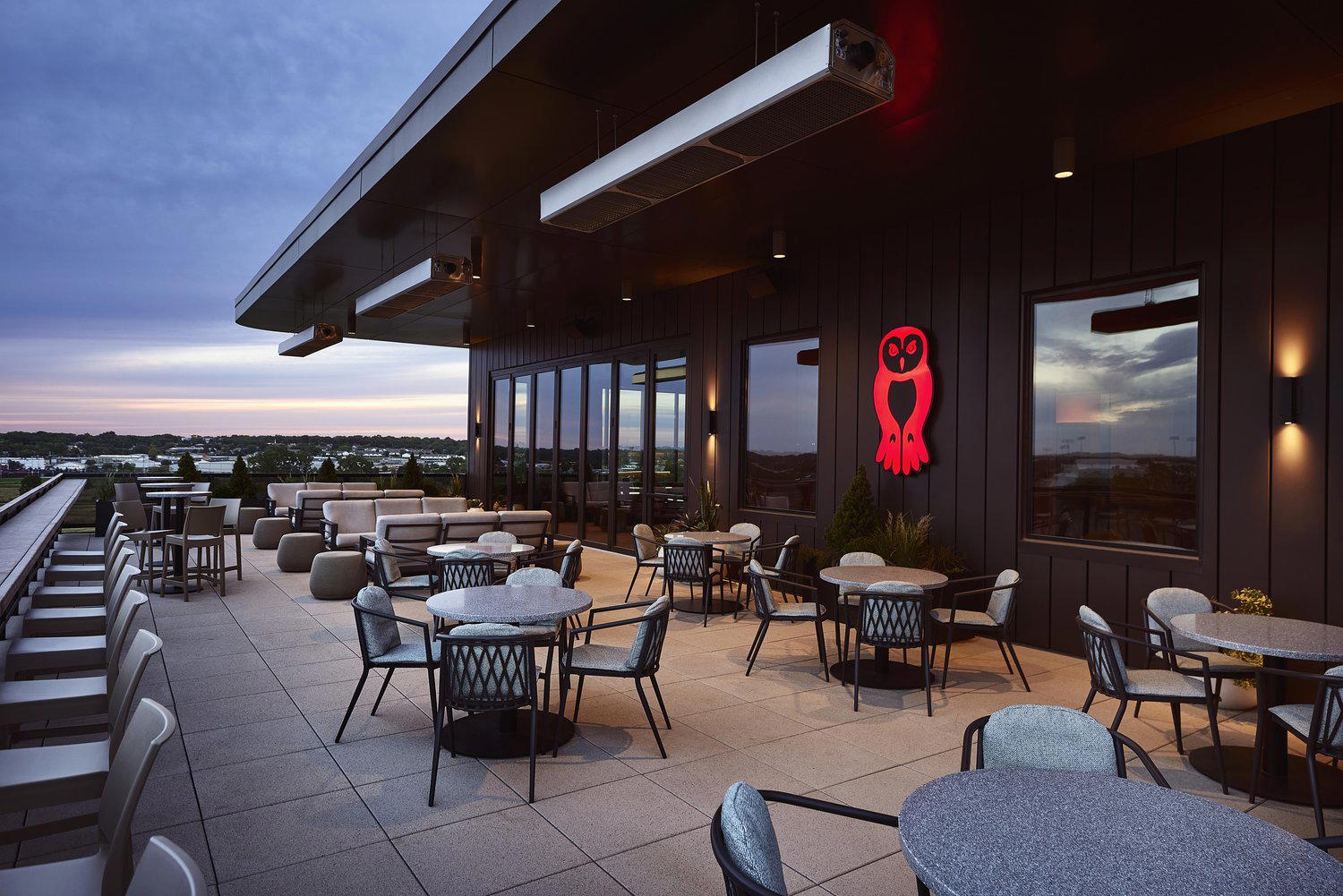
First read: Lincoln's quieter cocktail grammar
Approaching a bar in Lincoln is different from approaching one in Manhattan, Miami, or Seattle. The city does not ask every serious drinking room to announce itself with velvet ropes, theatrical entrances, or hotel-lobby scale. Its hospitality rhythm tends to be more compact: university traffic, downtown workweek patterns, pre-dinner drinks, late dinners, and the steady pull of local regulars. Barred Owl belongs in that kind of reading. The better question is what a Lincoln bar has to do to feel credible in a city where dining, beer, wine, and cocktails overlap more closely than they do in larger markets.
That overlap matters. In major cocktail cities, a bar can build its identity around technique alone: clarified milk punches, acid-adjusted citrus, house carbonation, rare amari, vintage glassware, or a tightly controlled tasting format. In Lincoln, the social contract is broader. A serious cocktail programme has to work for guests who may arrive before dinner, after a game, between meetings, or as part of a casual downtown circuit rather than a destination-only night. That does not lower the bar; it changes the test. The room has to translate cocktail culture without making it feel imported whole from another city.
For readers mapping the city, Barred Owl should be considered alongside Lincoln’s wider food-and-drink network rather than in isolation. The city’s Japanese-leaning and sushi-adjacent venues, including Blue Sushi Sake Grill, Japon Bistro, and Kasumi Sushi, show how much of Lincoln’s evening culture is built around flexible formats: drinks, dinner, shared plates, and social pacing in the same outing. DISH Restaurant adds a more restaurant-led reference point. Barred Owl’s relevance sits in that same ecosystem, where a drink programme is judged not only by what is in the glass but by how it fits the city’s night.
The cocktail programme as a city signal
What can be said with confidence is that a cocktail bar in a market like Lincoln has to manage two audiences at once. The first wants recognisable ordering language: a Manhattan, a margarita, a martini, a sour, a spritz, a whiskey drink after dinner. The second wants evidence that the bar understands the contemporary cocktail canon: balance, dilution, ice, glassware, batching discipline, and a list that does not read like a decade-old novelty menu. The stronger rooms in this tier usually make technical literacy feel natural rather than didactic.
That is the broader context for Barred Owl. Its name appears in a city where the premium drinks conversation is not separated from restaurants, hotels, and neighborhood circuits. That absence should not be spun into mystery. It simply means the assessment has to be more disciplined: compare format, role, and reliability rather than leaning on trophies.
The national cocktail conversation offers useful parallels. Café La Trova in Miami operates in a city where live music, Cuban drinking culture, and bar-theatre fluency are part of the room’s identity. Happy Accidents in Albuquerque speaks to a newer American model, where a smaller market can produce a confident cocktail voice without copying coastal formulas. Roquette in Seattle belongs to a technical, ingredient-aware drinking city where restraint is often valued over performance. Lincoln is not Miami, Albuquerque, or Seattle, but those comparisons sharpen the point: a good cocktail programme is never just a list of drinks. It is a decision about how much technique a room can carry without breaking the local mood.
Luxury travel writing often rewards data abundance: star counts, ranked lists, tasting-menu prices, cellar depth, room count, and reservation lead times. Barred Owl arrives with the opposite brief. Treat it as a contextual note within Lincoln’s bar scene rather than a final logistics dossier.
There is still useful information in the absence. No listed awards means Barred Owl should not be placed in the same evidentiary category as a James Beard-recognised bar, a Michelin-listed restaurant bar, or a venue appearing on an international drinks ranking. No listed price range means travellers should avoid assuming either casual pricing or luxury pricing. The cautious practical stance is to check current public channels before planning a night around it.
This is not a negative reading. Smaller-city bars often operate with less formalised public information than destination restaurants, and that can make them feel more local than performative. A page can say that Lincoln’s cocktail culture is likely to reward flexible, convivial rooms over rigid, tasting-counter formality. It cannot invent a signature drink, a bartender biography, a door policy, or a sensory account of the room.
Lincoln context: restaurants, bars, hotels, and the traveller's route
Lincoln’s travel rhythm is shaped by practical geography and civic scale. Visitors tend to move through downtown, university-adjacent areas, cultural stops, and dinner corridors without the transport complexity of a larger city. That makes bar choice more dependent on itinerary sequence than on destination mythology. A good night may start with a cocktail, move to dinner, and return to a different bar afterward; the category boundaries are softer than in cities where tasting-menu restaurants and cocktail dens occupy separate social worlds.
For a fuller read on how Barred Owl fits that route, the broader EP Club city guides are more useful than a single-venue lens. Our full Lincoln bars guide gives the drinking context. Our full Lincoln restaurants guide helps place the bar before or after dinner rather than as a stand-alone decision. Our full Lincoln hotels guide matters for travellers deciding whether a night out should stay close to lodging. Our full Lincoln wineries guide and Our full Lincoln experiences guide widen the frame for visitors who want a trip built around more than one category.
The city’s scale also affects timing. In markets with heavy tourism, a bar can rely on a constant churn of out-of-town drinkers. Lincoln’s better rooms usually need local repeat use as well as visitor interest. That tends to reward consistency over flash. Drinks have to arrive correctly made on ordinary nights, not only during press cycles or festival weekends. Service has to work for regulars and first-timers. The menu, if cocktail-led, has to be understandable enough to keep a mixed group moving. These are not lesser demands; they are different demands from those faced by a hotel bar in a global capital.
How to judge Barred Owl before going
The most useful way to assess Barred Owl is to treat it as a candidate for a Lincoln drinking itinerary, then verify the current details independently. That means the reader’s decision should start with context: Is the night built around cocktails, dinner, a casual second stop, or a compact route through the city? A bar with limited published data is usually easier to use as part of a flexible evening than as the anchor of a tightly scheduled trip.
For cocktail-focused travellers, the key questions are practical and diagnostic. Does the current menu show a balance between classics and house drinks? Does the list explain ingredients without turning into a glossary? Is there evidence of fresh citrus, controlled dilution, and spirit range rather than sweetness-driven novelty? Are non-alcoholic drinks treated seriously or added as an afterthought?
There is also a useful price-tier caution. In the absence of a listed price range, it would be misleading to place Barred Owl in a luxury, mid-market, or casual bracket. Lincoln generally allows more range within a night out than coastal gateway cities, but venue-specific pricing should be checked before arrival. The same applies to capacity. If the plan depends on a specific time window, current public information should be checked first.
Where it sits against Lincoln peers
Barred Owl’s strongest editorial function is as a bar reference point inside a restaurant-heavy city conversation. Lincoln’s dining scene is not built around a single dominant cuisine or one hospitality district alone. It draws from college-town informality, Midwestern dining habits, independent restaurants, sushi and pan-Asian formats, brewery culture, and the gradual normalisation of serious cocktails outside major markets. That mix creates room for bars that do not need national awards to be relevant.
Compared with restaurant bars, a dedicated cocktail room carries a different burden. A restaurant can let the kitchen define the evening while the bar supports it. A cocktail-forward venue has to make the drink itself the reason to stay. That usually means the programme needs structure: house signatures, a few reliable classics, enough spirit breadth to serve different palates, and staff who can translate preferences without reciting a script. Those are the measures by which Barred Owl should be read, rather than by imported assumptions from New York speakeasies or hotel bars in larger markets.
The absence of listed awards also keeps the comparison honest. Awards are useful trust signals when they exist; they can tell readers whether a venue has been tested by external critics or industry bodies. That places more weight on current local reputation, observable menu quality, and fit within an evening route. For travellers accustomed to ranking-driven planning, that may feel less tidy. For smaller-city drinking, it is often the more accurate method.
Planning notes for a careful visit
Use Barred Owl as a flexible cocktail stop unless current public information says otherwise. That makes same-day verification sensible, especially if the visit falls near weekends, university events, holidays, or major local gatherings. In a city where dining and drinking traffic can shift around civic and campus calendars, timing is part of the experience, not a footnote.
The safer assumption for Lincoln is smart casual rather than formal, but that is city context rather than venue policy. Payment expectations, corkage, food availability, non-alcoholic options, and group seating should also be checked through current public sources.
In Context
Comparable venues nearby, for context on price, style, and recognition.
| Venue | Cuisine | Price | Notes |
|---|---|---|---|
| Barred OwlThis venue — the venue you are viewing | Not listed | $30–50 | Not listed |
| Kinja | Not listed | $20–30 | Pioneer Woods, sake_bar |
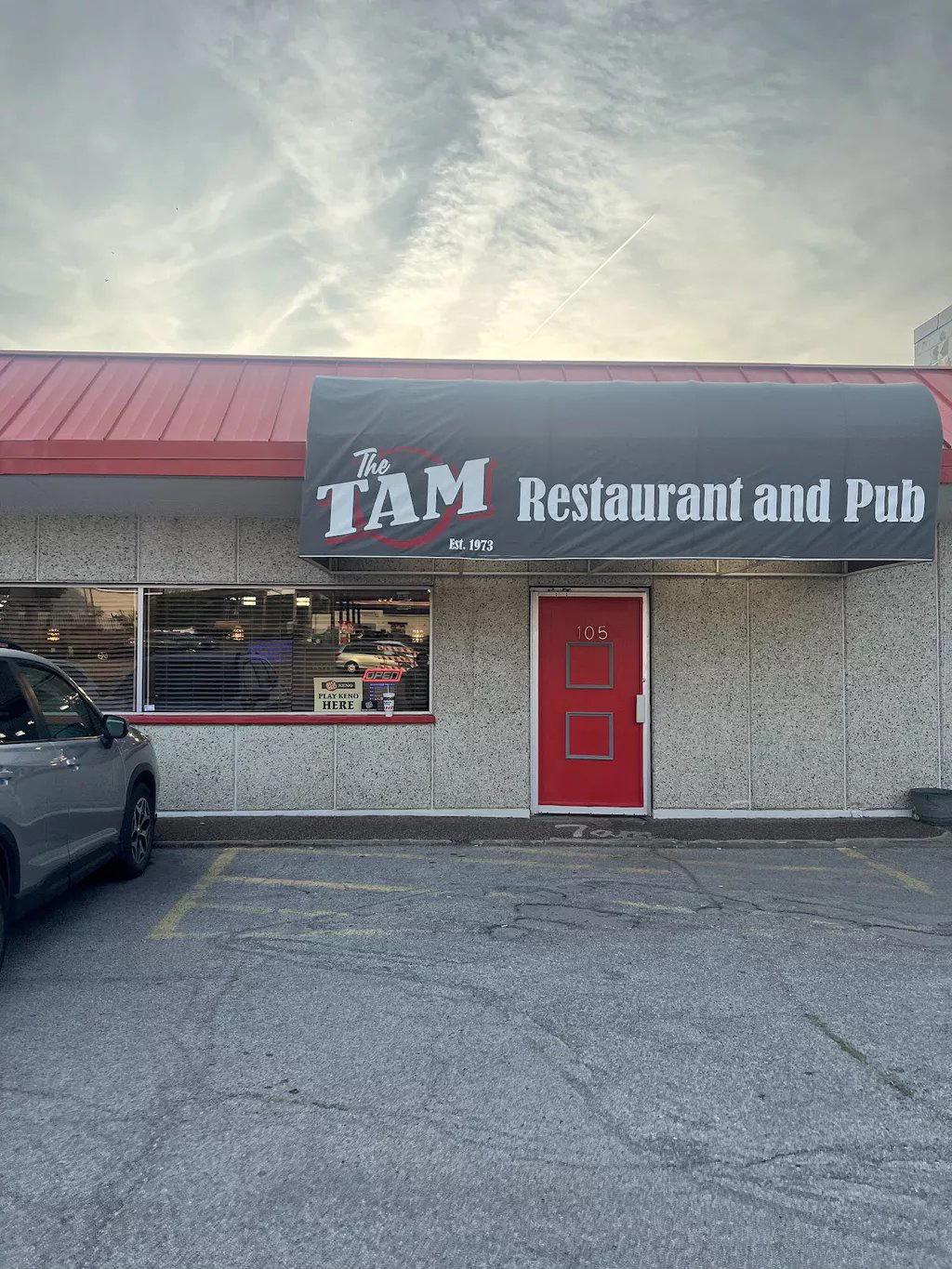
| The Tam Restaurant & Pub | Not listed | Not listed | near S 25th St, pub |
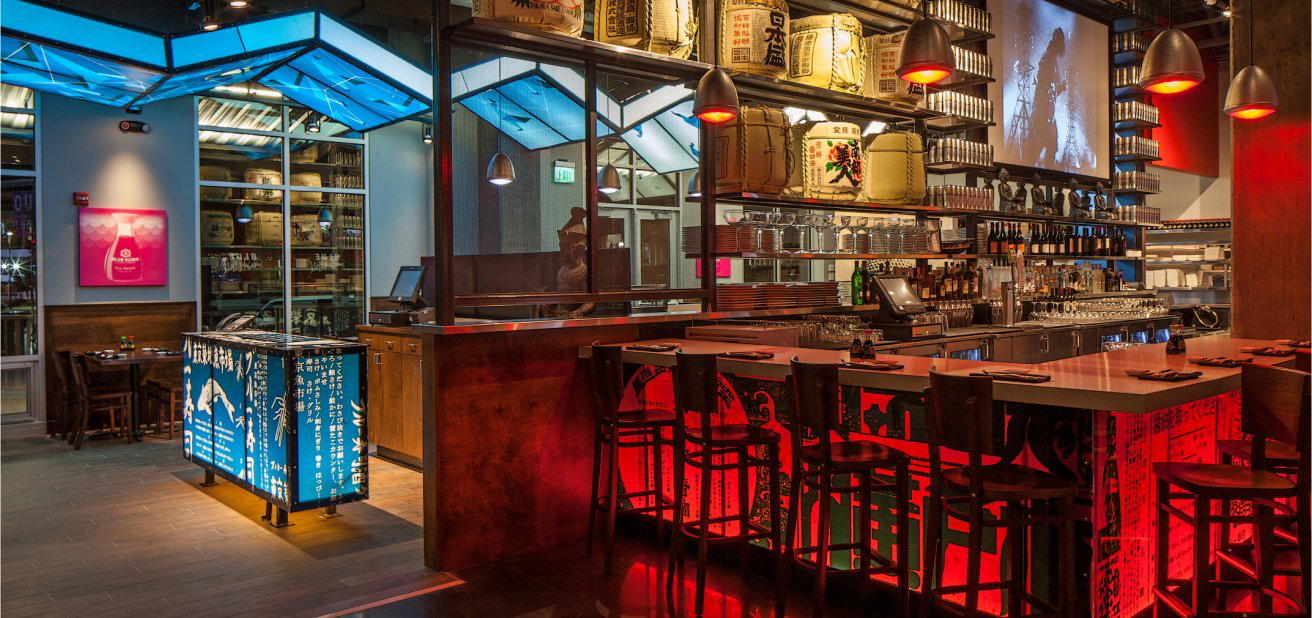
| Blue Sushi Sake Grill | Not listed | $30–50 | Haymarket, sake_bar |
| Koen Japanese BBQ & Sushi | South Lincoln, lounge | $30–50 | Not listed |
Details
- Scenic
- Modern
- Cozy
- Sophisticated
- Lively
- Date Night
- After Work
- Late Night
- Group Outing
- Celebration
- Casual Hangout
- Special Occasion
- Private Event
- Rooftop
- Panoramic View
- Hotel Bar
- Standalone
- Lounge Seating
- Outdoor Terrace
- Seated Bar
- Craft Cocktails
- Classic Cocktails
- Craft Beer
- Conventional Wine
- Zero Proof
- Skyline
Current opening hours
- Monday
- 4–11 PM
- Tuesday
- 4–11 PM
- Wednesday
- 4–11 PM
- Thursday
- 4–11 PM
- Friday
- 4 PM–12 AM
- Saturday
- 4 PM–12 AM
- Sunday
- Closed
Hours can change for holidays and private events. Last verified .
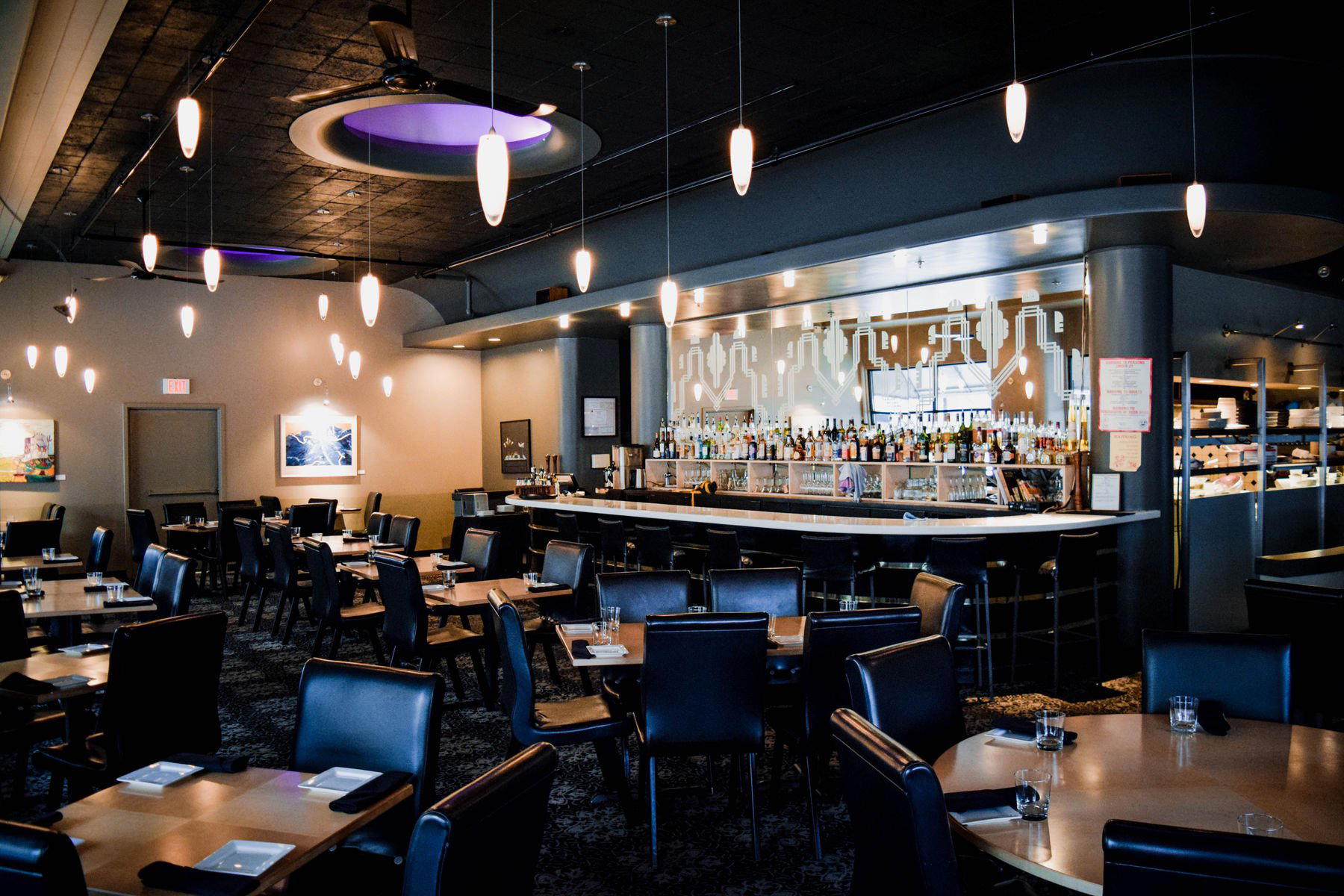
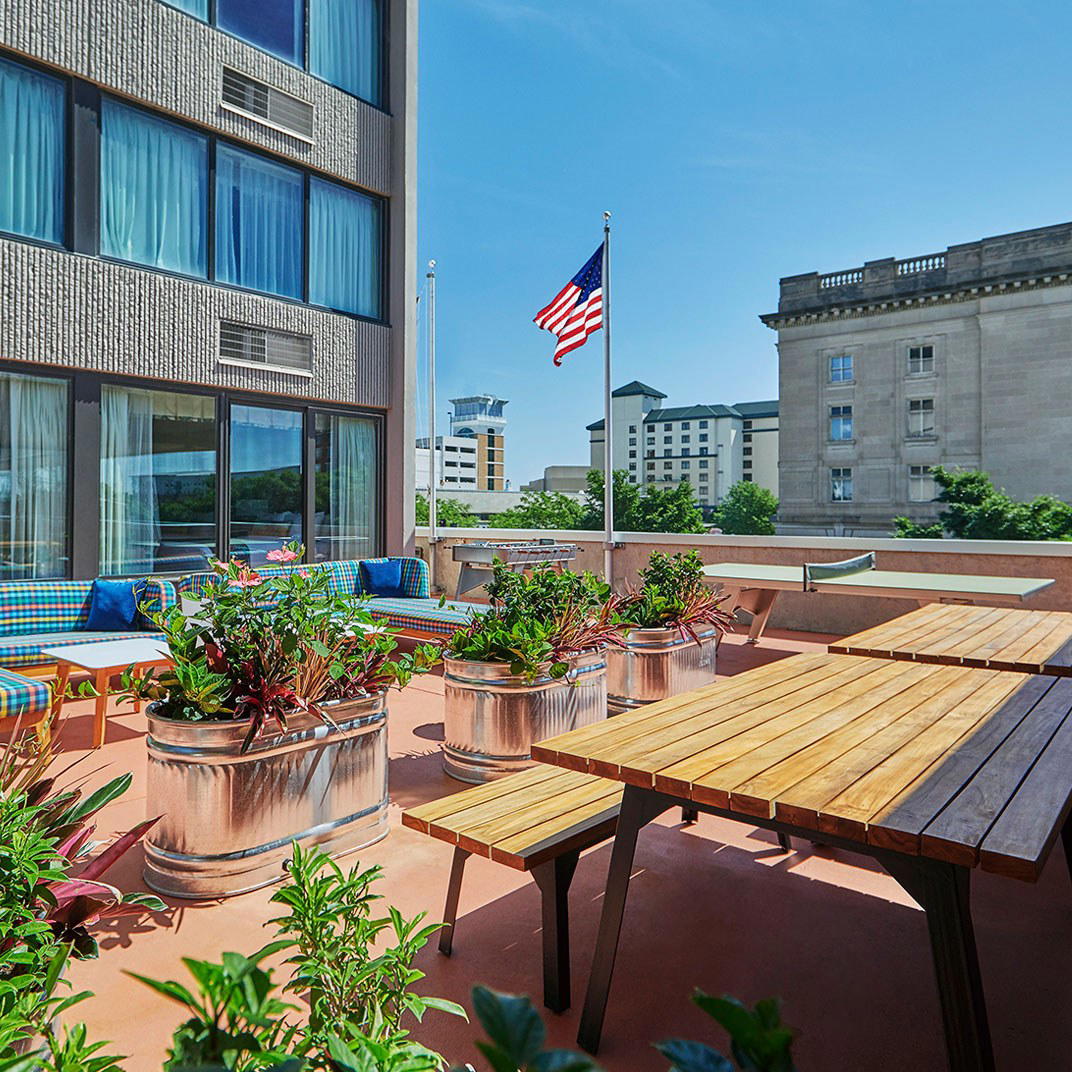
A stylish all-season rooftop atmosphere with indoor lounge seating and an open-air patio, set above Lincoln with panoramic stadium and skyline views.