Bar Pasticceria Da Giovanni S.N.C.
A bar-pasticceria on Via Bellini in the town centre of Pantelleria, Da Giovanni occupies the kind of dual role that southern Italian islands still sustain naturally: morning pastry counter, afternoon coffee stop, and early-evening aperitivo anchor. On an island where the nearest comparable drinking scene is a ferry ride away, it functions as a reliable, locally-rooted gathering point rather than a destination import.
Pearl is the En Primeur Club membership app — saves, bookings, and concierge access live there. Same editors, same standards.
- Address
- Via Bellini, 27, 91017 Pantelleria TP, Italy
- Phone
- +39 0923 911360
- Directions
- Get directions
 Saves & bookings on Pearl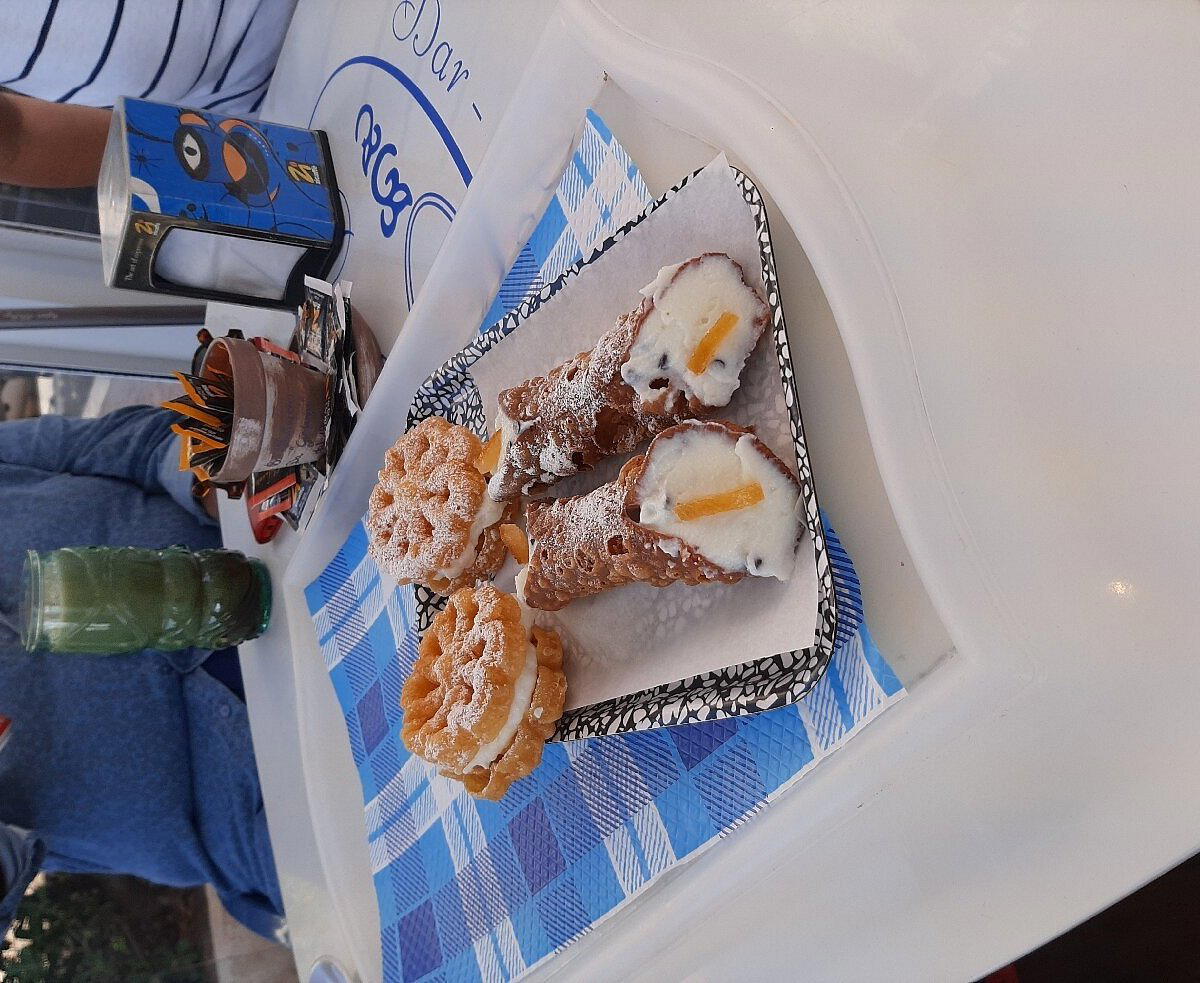
Drinking on the Edge of the Sicilian Channel
Pantelleria sits closer to Tunisia than to Sicily, and that geographic isolation shapes everything about how the island eats and drinks. There are no hotel bar programmes engineered for international visitors, no imported cocktail-bar concepts transplanted from Milan or Rome. What exists instead is a compact network of bars, pasticcerie, and cafe-hybrids that have served the same community for generations, adapting slowly to seasonal tourism without abandoning the rhythms that make them functional in winter as much as in August. Bar Pasticceria Da Giovanni S.N.C. on Via Bellini in Pantelleria, belongs to that category entirely.
The bar-pasticceria format is one of southern Italy's more durable institutions. Unlike the cocktail-forward bars that have reshaped drinking in cities like Rome or Naples, or the technically precise programmes at places such as Drink Kong in Rome or L'Antiquario in Naples, the pasticceria-bar operates on a different logic: it is built around daily necessity rather than destination drinking. Breakfast pastry, espresso, midday granita, afternoon digestivo, early aperitivo. The rhythm is domestic and unhurried, and in a town of Pantelleria's size, that rhythm is the point.
The Aperitivo Tradition on a Small Island
On the Italian mainland, the aperitivo hour has been extensively theorised, branded, and in some cities thoroughly commodified. In places like Gucci Giardino in Florence or 1930 in Milan, pre-dinner drinking has become a performance format with its own aesthetic vocabulary. On Pantelleria, none of that translation has occurred, which is both its limitation and its advantage. The aperitivo here is genuinely local: a glass of Zibibbo or a locally made digestivo, consumed at a pavement table or at the bar counter, among people who are not there to photograph it.
Pantelleria's most significant contribution to the drinks world is Passito di Pantelleria, the sweet wine made from partially dried Zibibbo grapes (Muscat of Alexandria) that has held DOC status since 1971. That wine, and the broader Zibibbo tradition of the island, provides the relevant context for understanding what distinguishes drinking here from anywhere else in Italy. A bar embedded in this community has access to that tradition in a way that no imported cocktail programme can replicate. The island's wine and spirit identity is specific enough that any bar operating here drinks from the same cultural well, regardless of its formal offering.
Format and Function: What a Bar-Pasticceria Does
The dual format matters for how you use this kind of venue. A bar-pasticceria is not structured for long drinking sessions in the way that a dedicated cocktail bar is. It is structured for frequency and brevity: the same person returning two or three times in a day for different things. Across southern Italy and the islands, this format has proven more resilient than the single-purpose bar, partly because it builds loyalty through daily routine rather than occasion-driven visits.
For visitors arriving in Pantelleria, particularly those coming from cities where the drinking scene is more segmented, this compression of functions into one space can feel disorienting at first. The impulse to arrive expecting a cocktail menu with the depth you might find at Lost and Found in Nicosia or the technical ambition of Bar Leather Apron in Honolulu would be misplaced. The value is different. It is in the continuity of the space, the specificity of the local product, and the absence of any effort to perform for an outside audience.
That absence of performance is not a deficiency. It is what defines the category. Bars like Enoteca Storica Faccioli in Bologna or Al Covino in Venice operate on a similar principle: the authority of place and continuity of offer, rather than novelty of programme.
Approaching the Island and the Bar
Pantelleria is reached by ferry from Trapani (roughly five hours) or by regional flights from Palermo, Catania, or Rome, with seasonal frequency that peaks between June and September. The island's compact size means that Via Bellini, where Da Giovanni sits, is within walking distance of much of the town centre. Parking around the main piazza can be limited during summer, and the town itself is leading explored on foot or by scooter, the island's standard transport mode.
The bar-pasticceria format suggests visiting at conventional Italian hours: morning for pastry and coffee, late afternoon for aperitivo. The pace of the island, which slows considerably outside summer, rewards that rhythm rather than fighting it. For visitors arriving from the mainland and expecting late-night drinking options, the island's scale and character mean that expectations should be calibrated accordingly. This is not Fauno Bar in Sorrento serving a tourist promenade at midnight. The bar operates within the island's own clock.
For anyone building a broader picture of where Pantelleria's food and drink sits in the Italian context, our full Pantelleria restaurants guide maps the island's offer across categories. And for contrast, venues like Bistrot Torrefazione Samambaia in Turin and Cascate del Mulino in Manciano illustrate how the cafe-bar hybrid operates in different Italian contexts.
What to Expect from the Drinks
Expect the standard range of a well-established southern Italian bar: espresso, granita, local wine, classic Italian spirits, and whatever seasonal or local product the island produces. On Pantelleria, that means proximity to Zibibbo-based wines, capers (the island's other celebrated product), and the kind of locally rooted ingredient base that a city bar would have to source deliberately. Here it is simply the environment.
The pasticceria side of the operation points toward the grain and citrus pastries common in western Sicily and the islands. What the format guarantees is the morning counter function: something to eat with your first coffee, made on-site or sourced locally, in the tradition that has organised breakfast in this part of Italy for longer than any cocktail trend.
At-a-Glance Comparison
Comparable venues nearby, for context on price, style, and recognition.
| Venue | Cuisine | Price | Notes |
|---|---|---|---|
| Bar Pasticceria Da Giovanni S.N.C.This venue — the venue you are viewing | pub | $ | Not listed |
| Forte Vita Bar | hotel_bar | $$$ | Fashion District |
| Ally’s Bar | cocktail_bar | $$$ | Montenapoleone |
| Casa Stagnitta | Bar | $$ | Quattro Canti |
Continue exploring
More in Pantelleria
Restaurants in Pantelleria
Browse all →
Wineries in Pantelleria
Browse all →
At a Glance
Current opening hours
- Monday
- 6:30 AM–1 PM, 4:30–8 PM
- Tuesday
- 6:30 AM–1 PM, 4:30–8 PM
- Wednesday
- 6:30 AM–1 PM, 4:30–8 PM
- Thursday
- 6:30 AM–1 PM, 4:30–8 PM
- Friday
- 6:30 AM–1 PM, 4:30–8 PM
- Saturday
- 6:30 AM–1 PM, 4:30–8 PM
- Sunday
- 6:30 AM–1 PM
Hours can change for holidays and private events. Last verified .
Classic cozy pasticceria atmosphere.