Bar at East Hampton train station
A bar occupying one of the Hamptons' more atmospheric transit settings, the Bar at East Hampton train station trades on its location at a working LIRR stop where summer weekenders and year-round locals converge. It sits in the category of destination drinks spots defined more by context than cocktail ambition, though the two are not mutually exclusive on the East End.

Pearl is the En Primeur Club membership app, where members save venues, book tables and use the concierge.
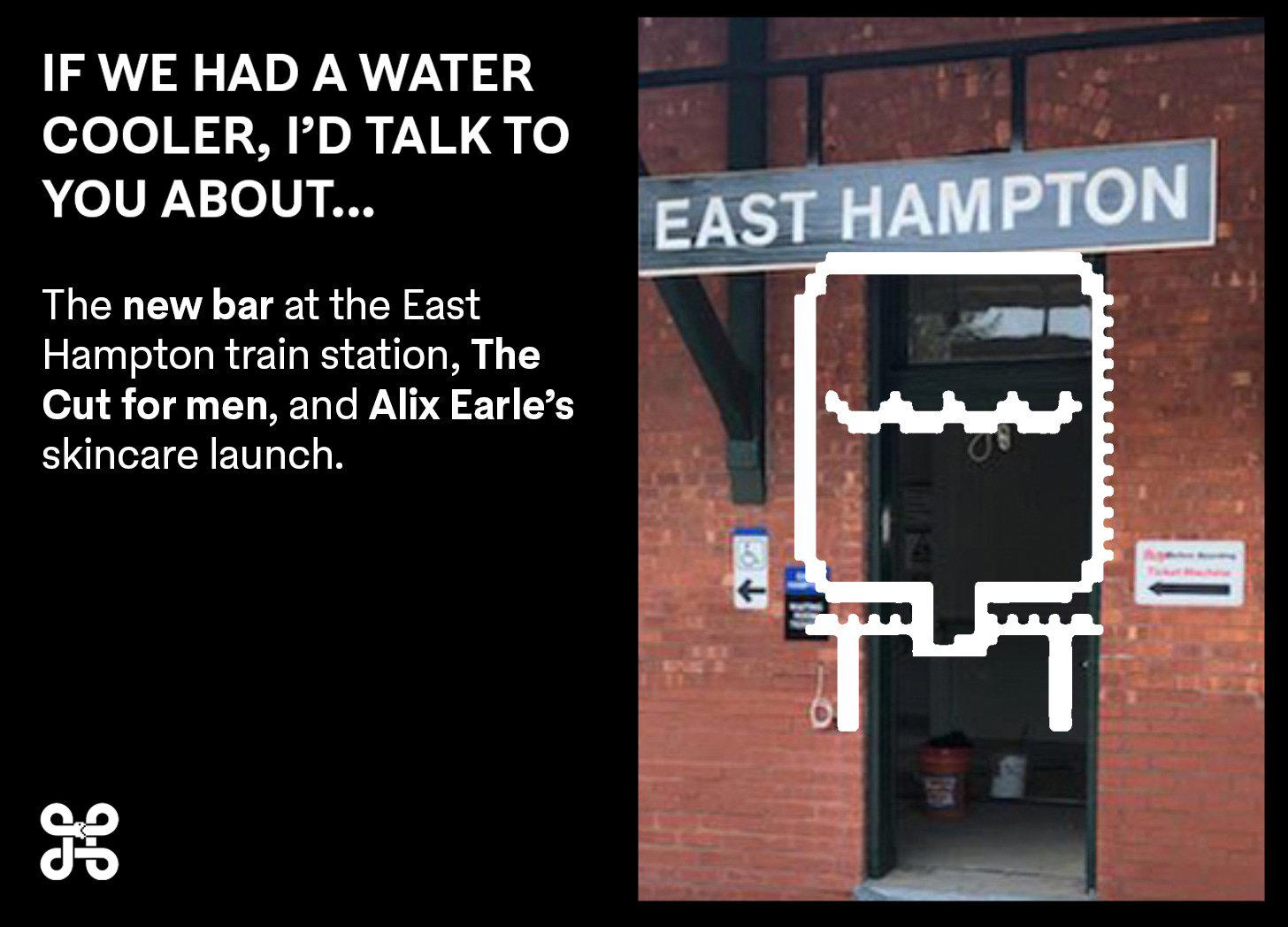
Where the Train Stops and the Drinks Start
The Long Island Rail Road deposits visitors at East Hampton in under two hours from Penn Station, and the station building itself has long carried the kind of weathered Hamptons character that newer venues pay architects to simulate. A bar operating within that structure inherits something that no fit-out budget can manufacture: genuine place. The Bar at East Hampton train station sits at this junction, literally and figuratively, between the working transit rhythms of the East End and the seasonal social energy that the Hamptons attract from Memorial Day through Labor Day and increasingly into fall. It is a bar in East Hampton, New York, in a historic LIRR station.
Transit-adjacent bars occupy a specific niche in American drinking culture. They rarely chase cocktail accolades. They are paced by arrivals and departures, by the particular thirst of someone who has just stepped off a train or is about to board one. The finest of them develop a local regulars base that coexists with the passing crowd, and that layering of audiences gives them a social texture that purpose-built cocktail bars sometimes lack. For context on how seriously programmed cocktail venues operate elsewhere in the country, bars like Kumiko in Chicago or Canon in Seattle represent the opposite pole: deeply curated, technically demanding programs where every spirit on the back bar has been chosen for a reason. The bar at East Hampton station is not that, and it does not need to be.
The East End Drinking Context
East Hampton sits at the far end of the South Fork, past Bridgehampton and Sagaponack, in a stretch of Long Island where the density of high-net-worth seasonal residents has produced a hospitality market that is simultaneously well-funded and oddly thin on serious drinking destinations. The village concentrates most of its food and drink energy in restaurant dining rooms rather than dedicated bar programs. That means a drinks stop with genuine atmosphere and a convenient location fills a gap that the broader restaurant scene does not.
The Hamptons drinking scene, taken as a whole, skews toward wine lists in beach-adjacent restaurants and the kind of rosé-heavy summer programming that follows seasonal demographics. Bars that operate year-round tend to develop a different character by November, when the summer population has retreated and the clientele narrows to residents who actually live and work on the East End. A station bar in that context becomes something closer to a community fixture than a tourist amenity, and that dual identity is worth understanding before you visit. For our full East Hampton restaurants guide, including the broader dining picture across the village, the context above applies equally to food as to drink.
What the Cocktail Program Signals
What the category and location do suggest is a pragmatic approach oriented toward accessibility rather than technical complexity. Transit bars that succeed over multiple seasons tend to anchor their lists around reliable classics executed consistently, with a small number of seasonal house specials that can be produced at volume during peak periods. The gap in the American bar scene between venues like Bar Leather Apron in Honolulu or Jewel of the South in New Orleans, where the cocktail program is the primary reason to visit, and the category of location-driven bars where atmosphere and convenience share equal billing with what's in the glass, is a meaningful one. The Bar at East Hampton station likely sits in the second camp, which is not a demotion but a different set of expectations.
That said, the East End market applies its own pressure. Seasonal visitors arriving from Manhattan are accustomed to a certain baseline of drink quality, and venues that serve that audience tend to calibrate upward over time. A station bar in the Hamptons is not operating in the same environment as a transit bar in a commuter suburb. The pricing tolerance, the expectation of quality spirits, and the social signals attached to where you drink are all different here. For comparison on how other technically ambitious American bars have positioned their programs, Allegory in Washington, D.C., Superbueno in New York City, and ABV in San Francisco each demonstrate distinct approaches to marrying creative ambition with a specific local audience.
Atmosphere and Timing
The physical setting does the heavy lifting here. Historic train station buildings on Long Island carry a vernacular architecture that the region has not always preserved well, and when one survives in usable form it tends to attract appreciation from locals and visitors alike. The sensory experience of arriving at East Hampton by rail, then stepping into an adjacent bar still within earshot of the platform, has a specific quality that a standalone venue on Main Street cannot replicate.
Timing matters considerably. Summer weekends bring the largest influx via the LIRR, with Friday evening trains in particular delivering a full cross-section of Hamptons visitors in one wave. A station bar in that window operates under genuine pressure. The weeks between Labor Day and Columbus Day, when the crowds thin but the weather often holds, tend to produce the most relaxed version of any East Hampton venue. Bars like Julep in Houston or Bitter and Twisted in Phoenix operate in year-round urban markets where seasonality is less acute. A station bar on the East End has to manage a much wider swing between peak and off-season, and the character of the place shifts accordingly.
For visitors who prefer quieter conditions, mid-week visits in the shoulder season offer the most direct access to whatever the bar's local identity looks like when it is not performing for summer arrivals. The difference can be significant.
Placing It in a Wider Bar Context
American bar culture has moved through several distinct phases in the past two decades, from the speakeasy revival of the mid-2000s through the hyper-technical clarified-drink programs that followed, toward a more recent recalibration where atmosphere, hospitality warmth, and a sense of place are again being weighted alongside technique. The Bar at East Hampton station, by virtue of its location inside a functioning historic station, has a locational identity that many purpose-built cocktail bars spend years trying to construct. Internationally, bars like The Parlour in Frankfurt or Bar Kaiju in Miami illustrate how a strong physical concept can anchor a bar's identity as firmly as its drinks list. Place-led bars and program-led bars are not competing categories so much as different entry points into the same conversation about what makes a room worth returning to.
On the East End, where the competition for evening attention includes some of the most expensive restaurant dining rooms in the northeastern United States, a bar that delivers a genuinely atmospheric setting and drinks calibrated to its audience fills a specific role in the local hospitality ecosystem. That role is worth taking seriously, even when detailed program data is not available to assess it with precision.
Planning Your Visit
The most practical approach is to treat this bar as a natural extension of an LIRR journey rather than a standalone destination requiring advance planning. The East Hampton station is the final stop on the Montauk Branch, making it easy to identify on any LIRR schedule. From Manhattan, the ride runs roughly one hour and fifty minutes on direct services. Walk-in friendly. Arrival timing should account for peak summer congestion on weekend evenings.
At-a-Glance Comparison
| Venue | Cuisine | Price | Awards |
|---|---|---|---|
| Bar at East Hampton train stationThis venue (the venue you are viewing) | Not listed | Not listed | Not listed |
| Julep | Not listed | Not listed | World's 50 Best |
| Kumiko | Not listed | Not listed | World's 50 Best |
| ABV | Cocktail Bar | $20–30 | World's 50 Best #39 · Eater Cocktail Bar Guide |
| Bisous | Not listed | $20–30 | World's 50 Best #30 · James Beard Award Semi Finalist |
| Canon | Not listed | Not listed | World's 50 Best |
Continue exploring
More in East Hampton
Restaurants in East Hampton
All restaurants in East Hampton →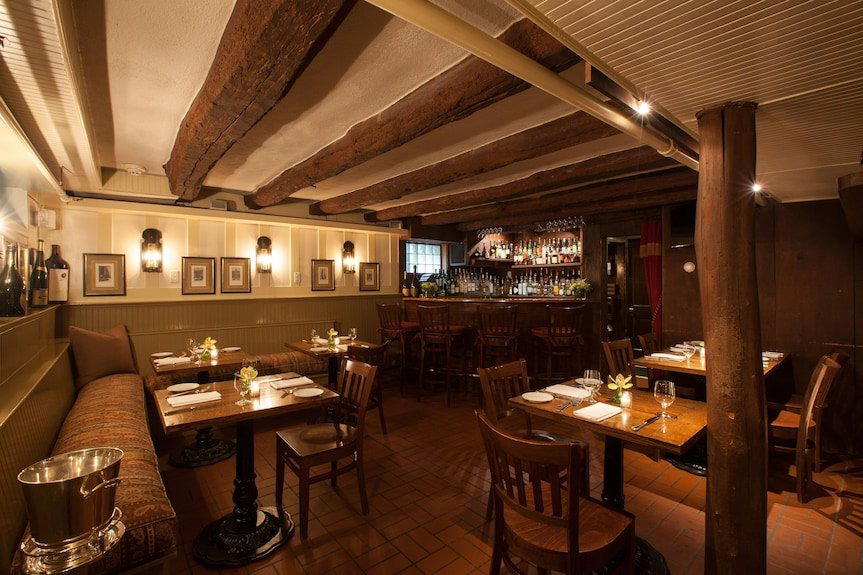
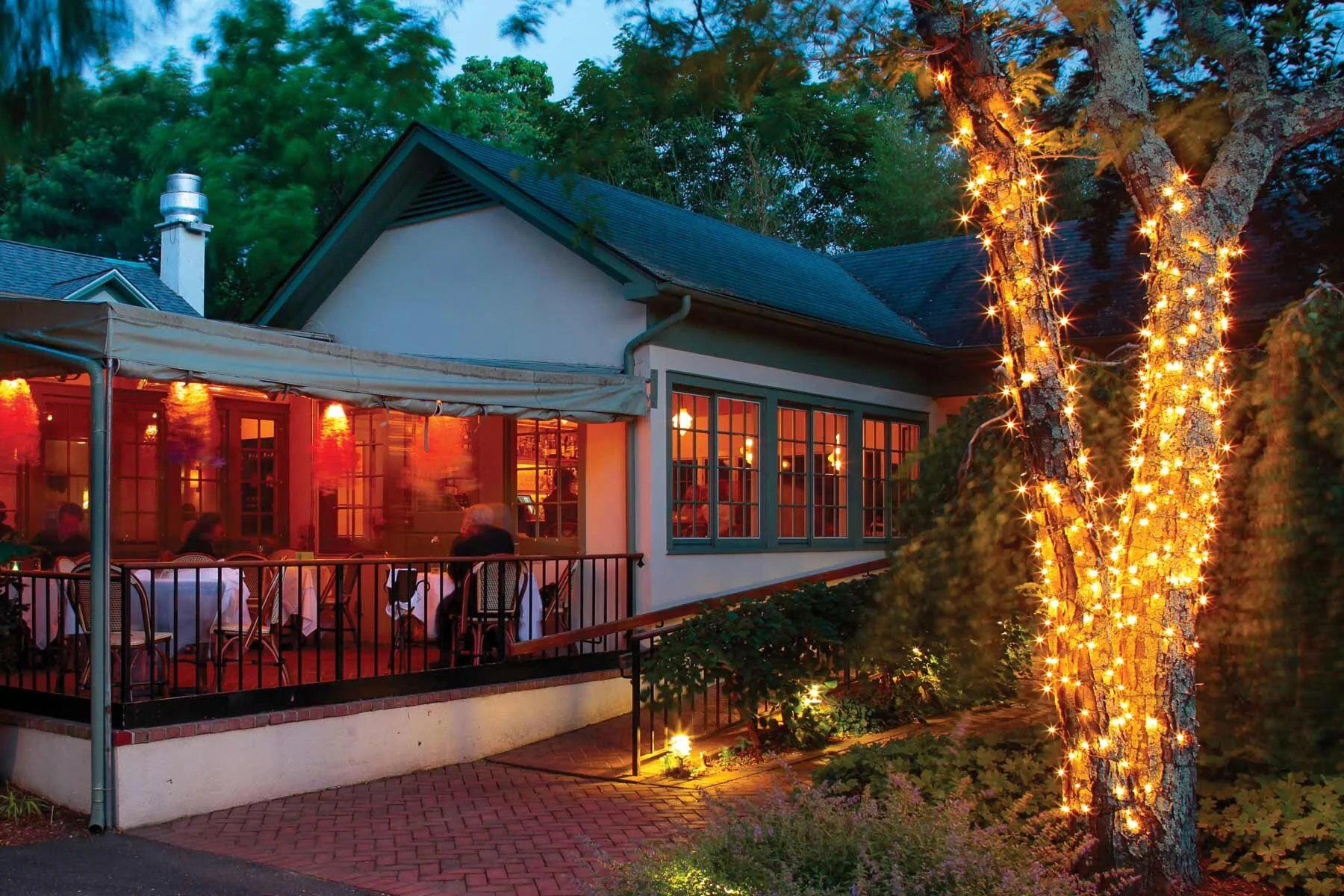

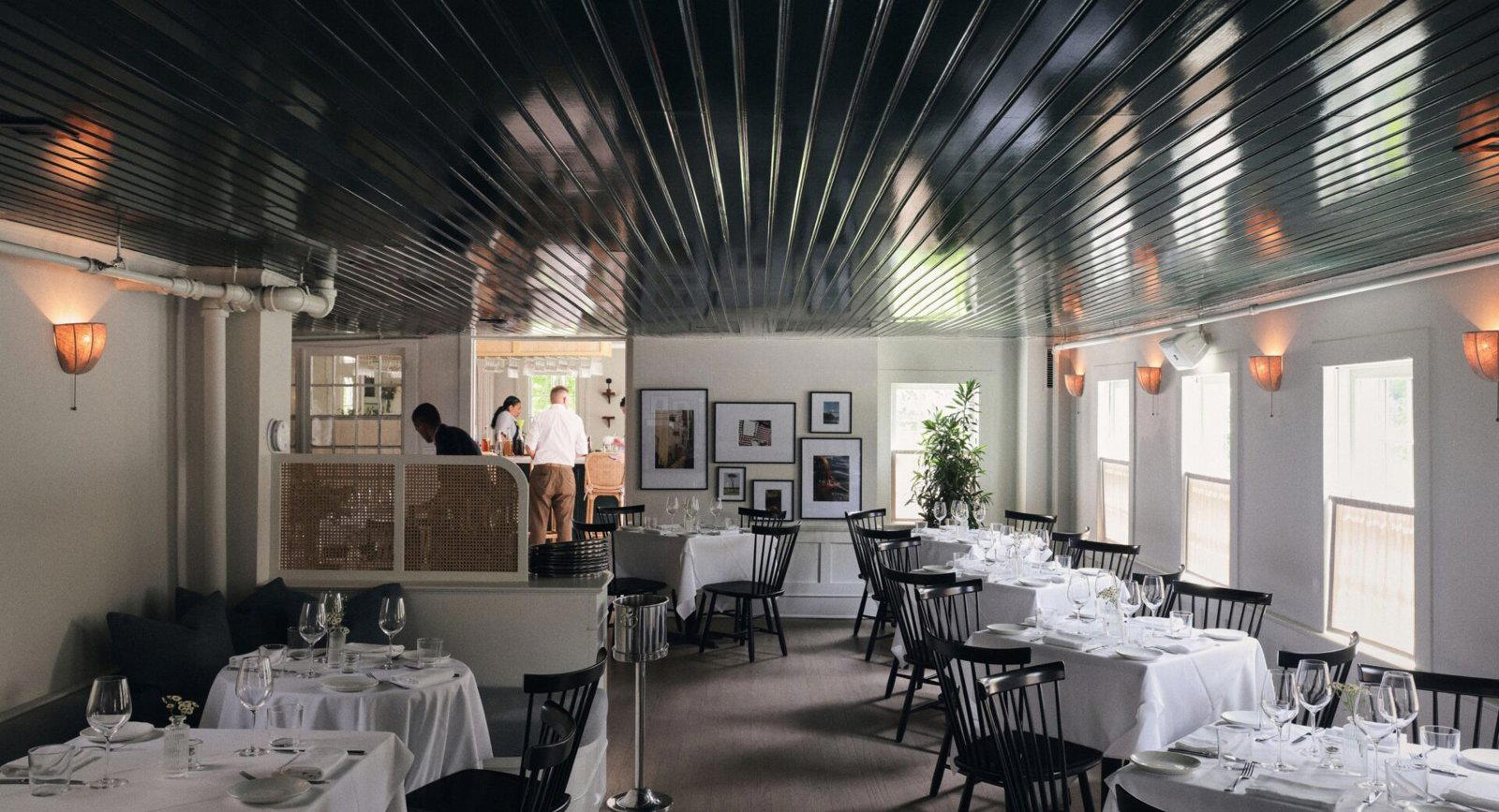
Hotels in East Hampton
All hotels in East Hampton →
Details
- After Work