Arigatai Sushi
Arigatai Sushi sits on NE 123rd Street in North Miami, a stretch that has quietly absorbed a wave of independent Japanese concepts as Miami's sushi scene spreads north of the Design District. The address places it in a neighbourhood that rewards those willing to look past the headline dining corridors of Brickell and Wynwood for something more locally embedded.
Pearl is the En Primeur Club membership app — saves, bookings, and concierge access live there. Same editors, same standards.
- Address
- 1817 NE 123rd St, North Miami, FL 33181
- Phone
- +1 786 483 7537
- Website
- arigataisushi.com
- Directions
- Get directions
 Saves & bookings on Pearl
North Miami's Expanding Japanese Footprint
Miami's sushi conversation has long centred on the Design District, Brickell, and South Beach, where omakase counters price against Manhattan peers and Coral Gables, where mid-century Japanese-American restaurants have held loyal followings for decades. The past few years have seen that geography shift. Independent Japanese concepts have been opening north of the city's traditional dining corridors, along stretches of NE 125th Street and the surrounding blocks, where rents allow smaller operators to build something considered rather than something scaled. Arigatai Sushi, at 1817 NE 123rd Street, sits inside that pattern. The address is North Miami rather than Miami proper, a distinction that matters less for cultural cachet than for what it signals about the operator's relationship to neighbourhood over visibility. For a city as brand-conscious as Miami, choosing North Miami is itself a statement about where the kitchen's priorities sit. For a broader sense of the area's dining character, see our full North Miami restaurants guide.
What the Address Tells You Before You Arrive
NE 123rd Street is a commercial strip with the texture of an outer borough rather than a resort corridor. The approach is functional rather than atmospheric: strip-mall frontage, surface parking, the occasional auto-repair shop among the restaurants and convenience stores. This matters because it filters the room before anyone sits down. Guests who arrive expecting the produced theatrics of a Wynwood izakaya or the polished minimalism of a Brickell omakase counter will need to recalibrate. What this kind of address tends to produce, in Miami as in comparable outer-neighbourhood strips in Houston or Chicago, is a dining room where the food carries more weight than the environment, and where regulars often know more about the menu than first-time visitors. The operative question in a room like this is always whether the kitchen can sustain that implied contract.
The Sushi Format in Context
Sushi in South Florida occupies a wider spectrum than most cities of comparable size. At one end sit the luxury omakase counters in the Design District, where prix-fixe menus run well above the national omakase average and reservation windows extend two to three months. At the other end sit the fast-casual rolls-and-bowls operations that proliferate in every suburban strip from Hialeah to Aventura. Between those poles, there is a middle register of independent sushi restaurants, owner-operated or with thin management layers, that serve composed menus at accessible price points without the theatrical apparatus of the high-end counter format. This is the tier where neighbourhood loyalty is built and where the craft often runs deeper than the presentation suggests. Arigatai Sushi's position on a North Miami commercial strip places it in that middle register, a positioning that carries both the advantage of lower customer-acquisition pressure and the challenge of communicating quality across a neighbourhood where diners may not be cross-referencing food publications.
Drinks and the Programme Question
For sushi restaurants operating outside the premium omakase tier, the drinks programme is frequently the clearest indicator of overall kitchen ambition. Counter-format omakase houses in the Design District and Wynwood have invested in curated sake lists and tightly edited cocktail menus that price alongside the food. For independent Japanese restaurants in outer neighbourhoods, the approach varies considerably: some maintain serious sake inventories that outpace what the room suggests, while others treat the bar as an afterthought. The distinction matters for the overall visit. A sushi meal paired with a considered junmai daiginjo is a structurally different experience from the same fish paired with a generic house cocktail list. Diners who prioritise a curated sake selection or a technical cocktail programme alongside their food should verify this directly before visiting. For reference on what a serious bar programme looks like alongside Japanese-influenced food, Kumiko in Chicago represents one of the more rigorous examples in the country, with a Japanese whisky and sake framework that actively shapes the menu. Bar Leather Apron in Honolulu takes a different approach in a Pacific setting, pairing precise cocktail technique with a menu built around local sourcing.
Peer Context: Where North Miami Sushi Sits
Comparing Arigatai Sushi to Miami's headline Japanese addresses is less useful than comparing it to the category of independent, neighbourhood-anchored sushi restaurants that operate in secondary urban zones across American cities. These are harder to assess from the outside than Michelin stars or 50 Best placements, but they are the metrics by which regulars judge. North Miami has a residential density and a demographic mix that supports exactly this kind of restaurant, if the execution is there. The area draws from Little Haiti to the west, Aventura to the north, and the Biscayne corridor to the south, a catchment that includes enough food-literate diners to sustain a serious independent operation. Whether Arigatai Sushi has built that regulars base is the kind of intelligence that accrues over months of neighbourhood observation rather than a single visit.
Planning a Visit
Arigatai Sushi is located at 1817 NE 123rd Street, North Miami, FL 33181, accessible by car from both I-95 and the Biscayne Boulevard corridor. Given the neighbourhood format, reservations may not be taken at all, or may operate on an informal call-ahead basis. Timing matters: arriving early in service typically advantages diners at independent sushi restaurants of this type, before the kitchen's mise en place thins and before the room fills with larger groups whose pace differs from counter-style eating. For those building a broader evening in the area, the North Miami stretch connects easily to Biscayne Boulevard's growing bar and restaurant corridor, where options have expanded considerably over the past three years. Comparable bar programmes worth knowing in the wider region include Bar Kaiju in Miami, which operates with a more defined public profile and a documented cocktail programme.
What Draws the Regulars
Independent Japanese restaurants in outer-neighbourhood positions tend to build followings through word-of-mouth rather than press cycles. The dynamic is familiar across American cities: a restaurant that does not advertise, does not maintain an active social presence, and does not appear in the standard editorial round-up often operates at a level that its visibility does not suggest. This is not a claim about Arigatai Sushi specifically, given the limited public record, but it is the structural logic that applies to restaurants in this position. The name itself, Arigatai, carries a Japanese connotation of gratitude and appreciation, a framing that in a restaurant context often signals an intention toward hospitality over spectacle. Whether that intention is realised in the room is the question that only a visit can answer. For readers building a wider cocktail and dining itinerary across the American bar scene, Jewel of the South in New Orleans, Julep in Houston, Superbueno in New York City, ABV in San Francisco, Allegory in Washington, D.C., Bitter and Twisted in Phoenix, Canon in Seattle, and The Parlour in Frankfurt each represent different regional interpretations of what a serious drinks programme looks like at the independent level.
Continue exploring
More in North Miami
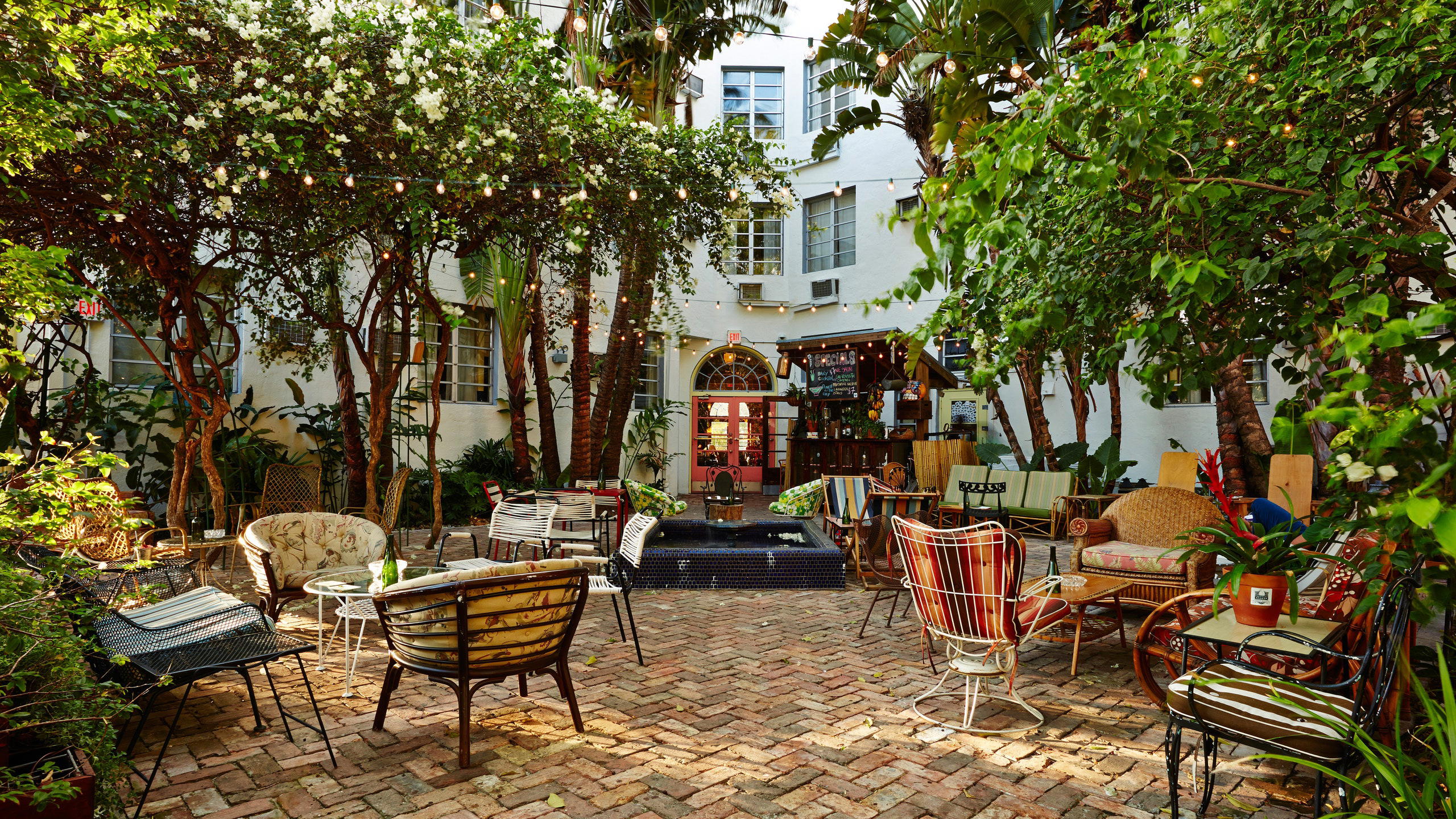
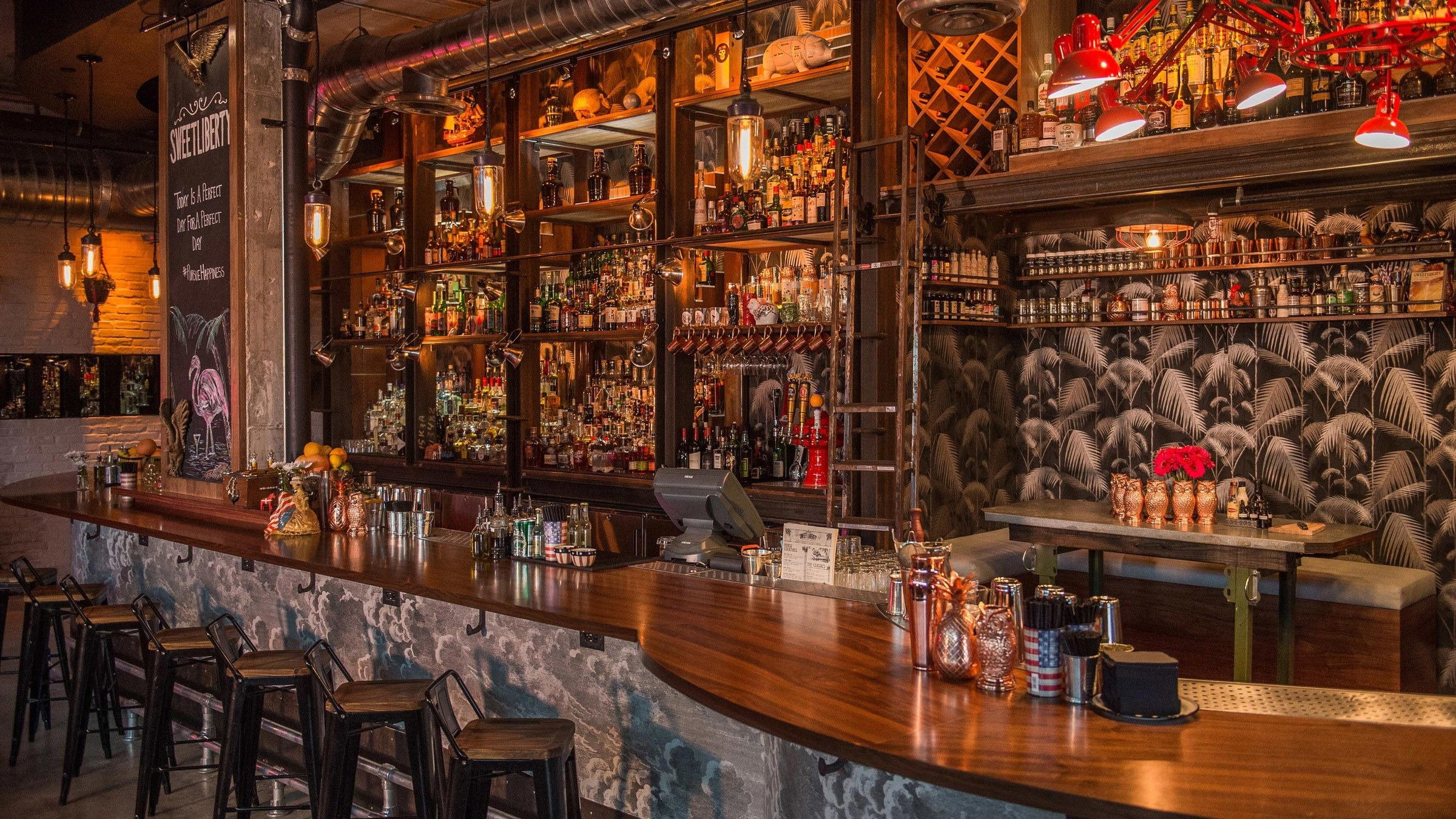
Bars in North Miami
Browse all →
Restaurants in North Miami
Browse all →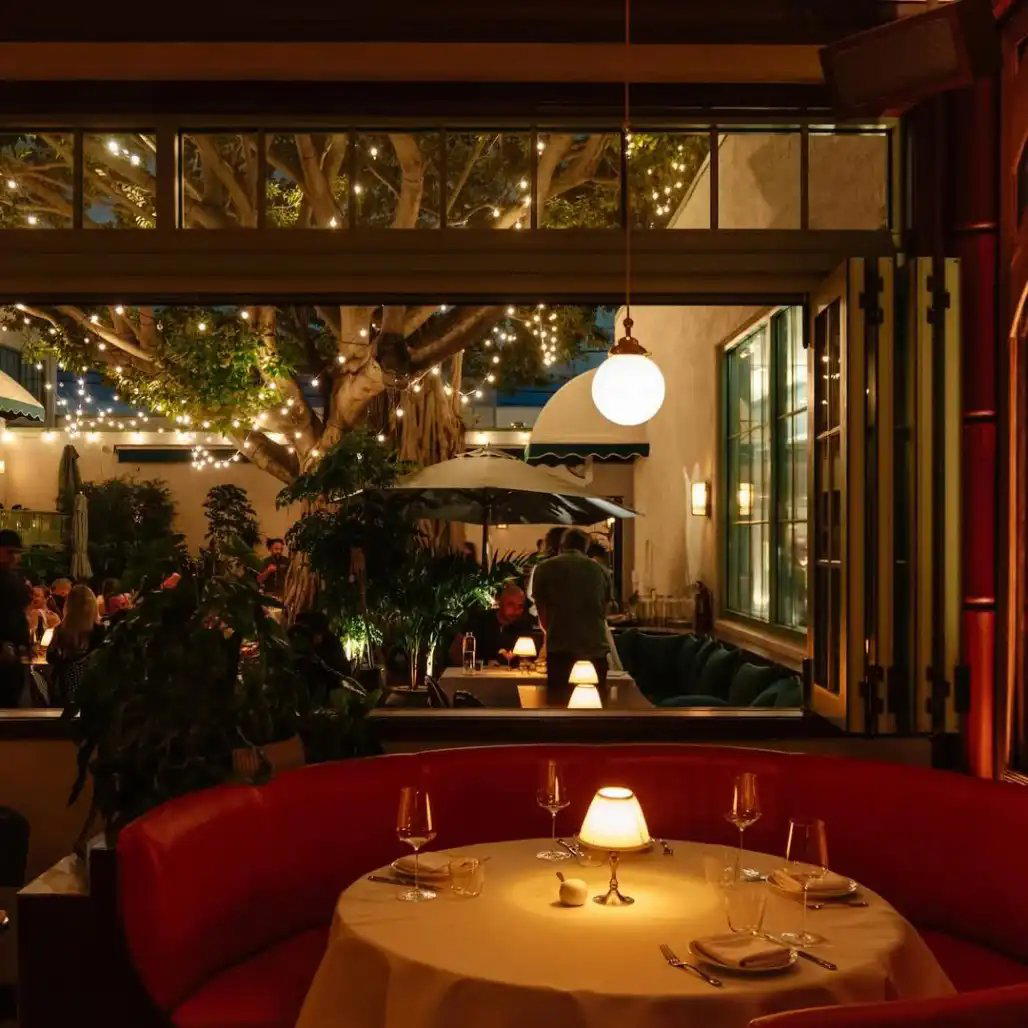
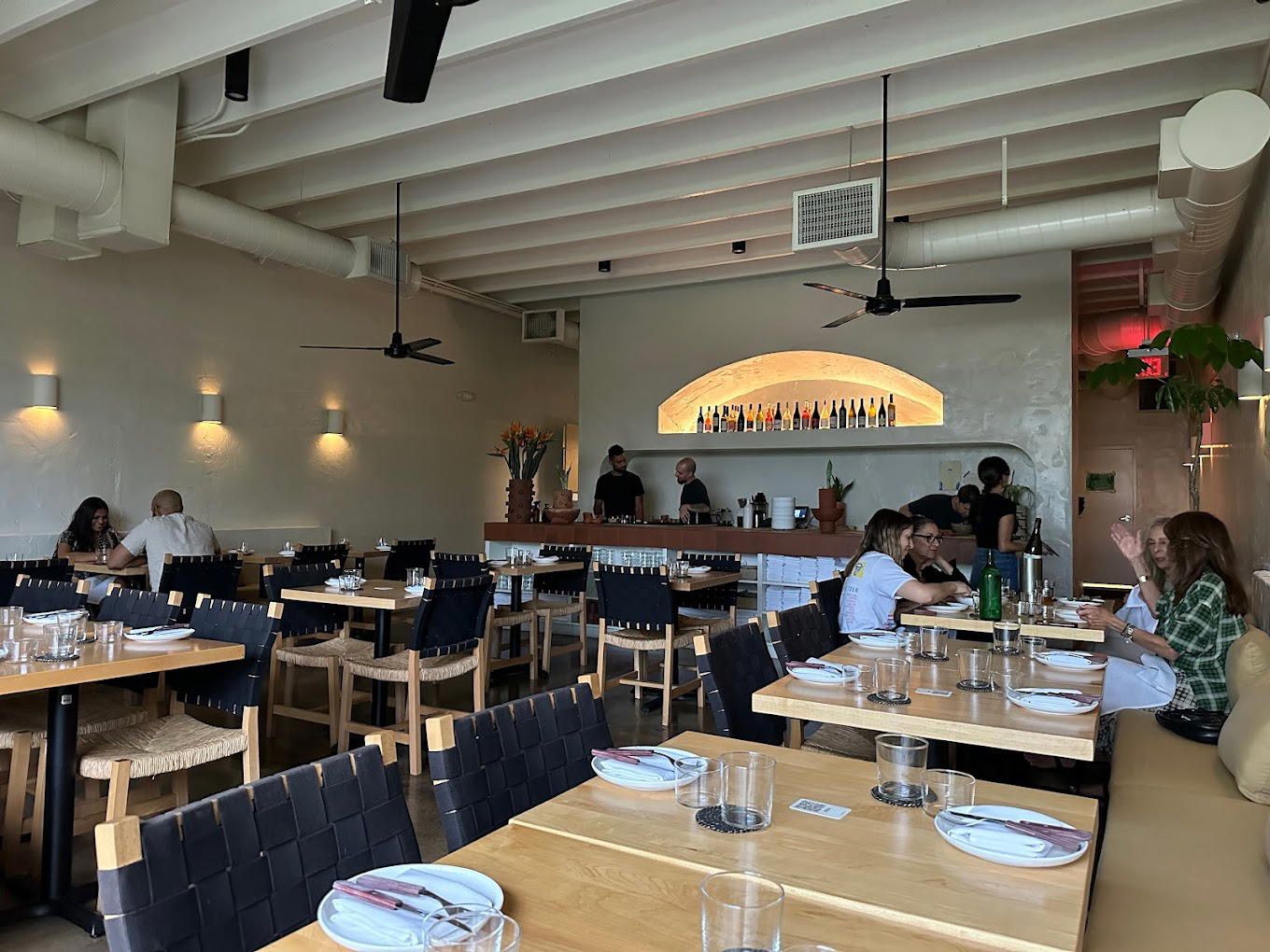
At a Glance
- Serene
- Cozy
- Modern
- Intimate
- Date Night
- Casual Hangout
- Seated Bar
- Sake
Current opening hours
- Monday
- 12–10:30 PM
- Tuesday
- 12–10:30 PM
- Wednesday
- 12–10:30 PM
- Thursday
- 12–10:30 PM
- Friday
- 12–11 PM
- Saturday
- 1–11 PM
- Sunday
- 1–10 PM
Hours can change for holidays and private events. Last verified .
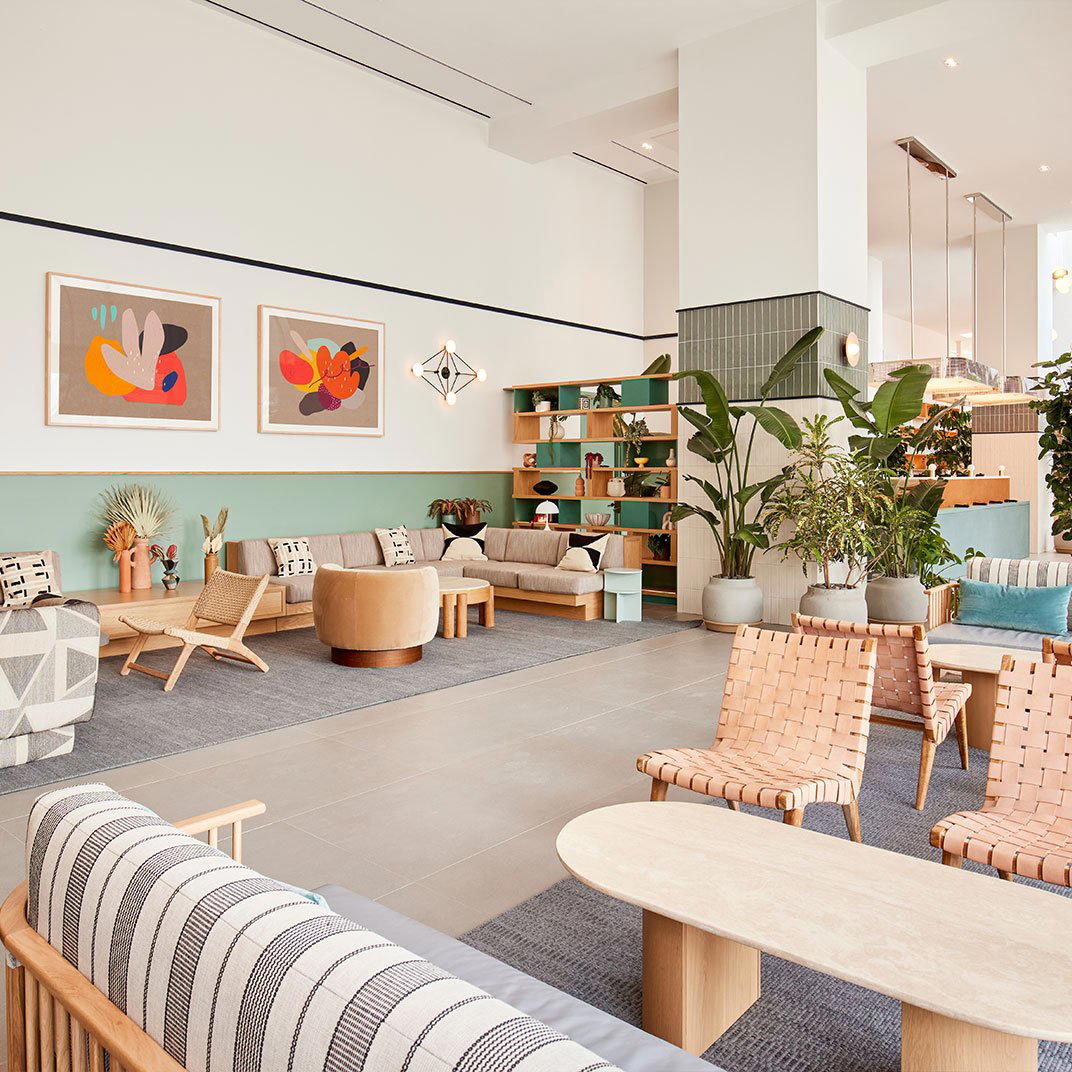
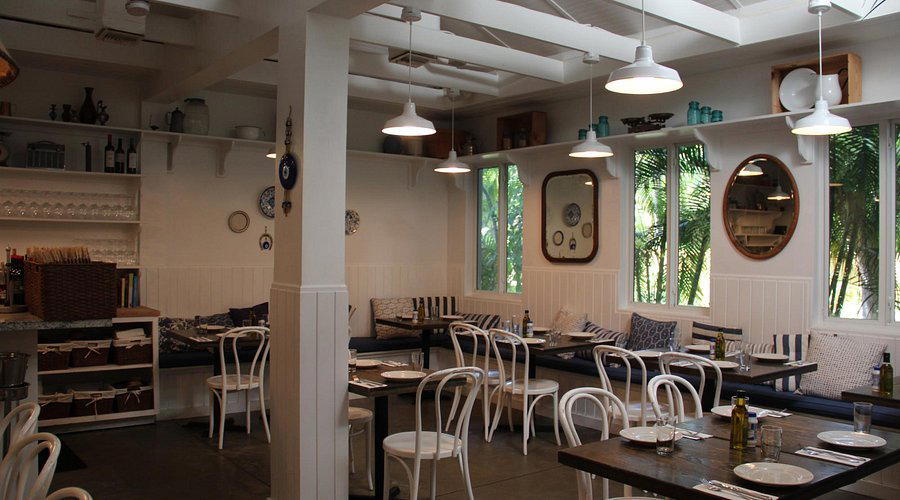
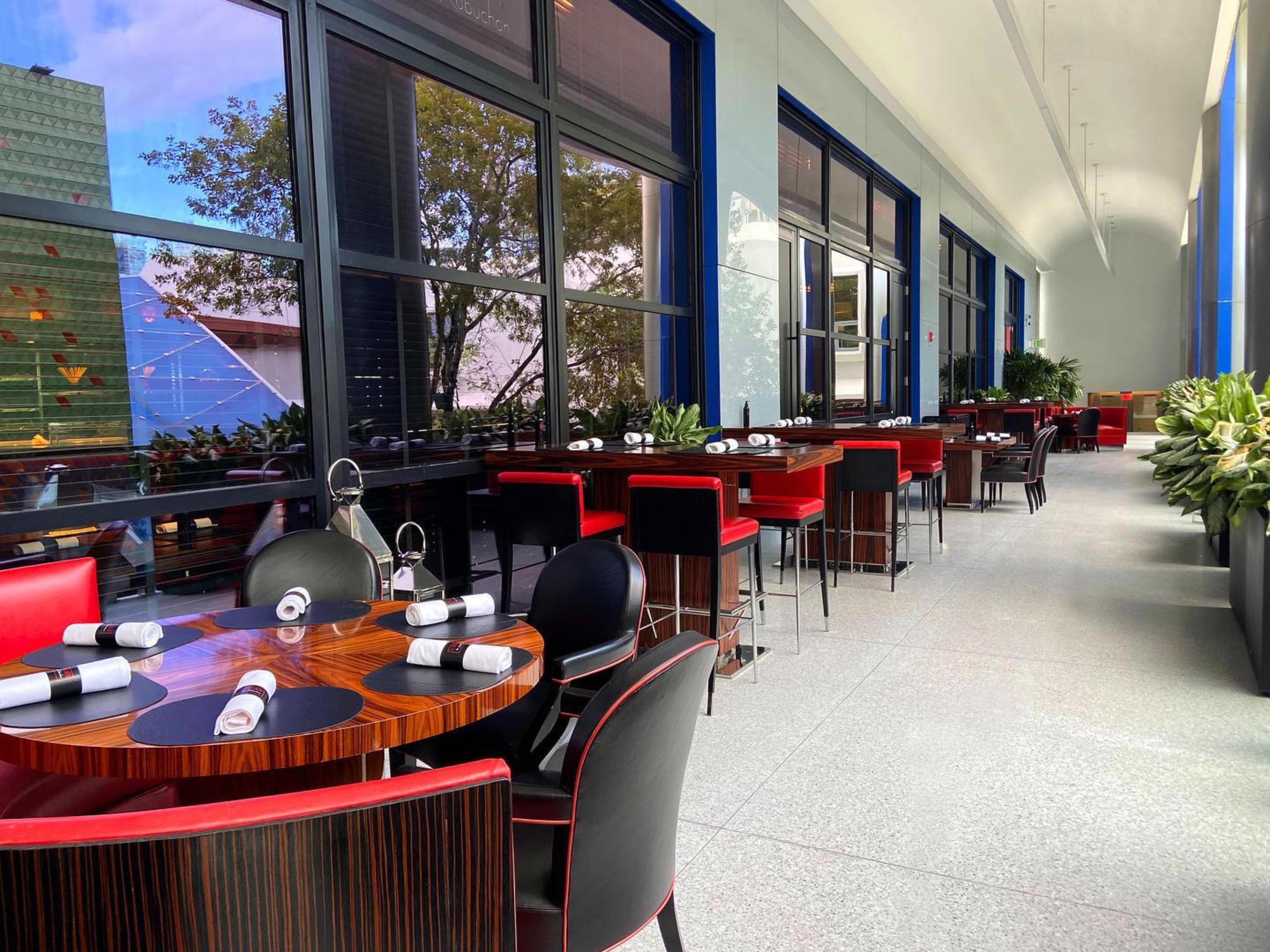
Serene and inviting with relaxing atmosphere and music at conversational volume.
Know Before You Go
- Getting there
- 1817 NE 123rd St, North Miami, FL 33181