Alegría Patio Bar
Old San Juan's Patio Drinking Culture Open-air drinking in San Juan is not a concession to the heat — it is the point. The island's bar scene has always organised itself around courtyards, balconies, and street-side terraces, and Old San Juan's colonial grid gives that tradition its most concentrated expression. Calle del Cristo, which runs from the Cathedral of San Juan Bautista down toward the southern sea wall, is among the most photographed streets in the Caribbean: narrow, blue-cobbled, flanked by Spanish colonial façades painted in ochres and terracottas. Alegría Patio Bar sits at number 100, a position that places it at one of the street's most recognisable intersections and draws from the steady foot traffic moving between the Paseo de la Princesa and the Plaza de Armas. The patio format here is not incidental. Across Old San Juan, a meaningful split has emerged between enclosed, air-conditioned bar programs — some of them technically serious, nationally recognised operations, and outdoor venues that lean into the Caribbean setting as a design principle in itself. Alegría belongs to the latter category, where the physical environment is part of the offer in a way that no interior can replicate. Where Alegría Sits in San Juan's Cocktail Scene San Juan's bar scene has matured considerably over the past decade. La Factoría, operating across multiple rooms on San Sebastián Street, has become the reference point for serious cocktail programming in the city, multi-room, spirits-forward, operating at a scale and technical level that draws comparisons to major U.S. bar programs. Further along the quality spectrum, 1919 Restaurant anchors a more formal, hotel-adjacent drinking experience, while El Batey Bar represents the city's durable, no-frills dive tradition. Chillums Gallery occupies a different niche again, folding art-space energy into its drinking format. Alegría's position on Calle del Cristo places it inside a different conversation: the atmospheric patio bar, where geography, architecture, and climate do work that a technically elaborate back bar cannot. That does not make it lesser, it makes it different in kind. Visitors who arrive in Old San Juan for a single evening and want one drink that captures the physical reality of being in a 500-year-old Spanish colonial city on a Caribbean island will find that Alegría's setting delivers what no interior bar on the island can offer in quite the same register. Rum's Role in the Drinks Programme Any serious account of cocktail culture in Puerto Rico must begin with rum. The island produces more rum than anywhere else in the world by volume, and the category's relationship to the local bar scene is unlike anywhere else in the Americas. Puerto Rico is home to Casa BACARDÍ in Catano, one of the largest rum distilleries in the world, and the island's local rum heritage runs deeper than the export brands suggest: small-batch and artisanal producers have grown in visibility, giving bartenders access to a more diverse raw material palette than a decade ago. In that context, a patio bar on Calle del Cristo is operating within a category-rich environment. The piña colada, officially recognised as Puerto Rico's national drink, was invented on the island in the 1950s and remains a legitimate benchmark for how rum, coconut, and tropical fruit interact when handled with care rather than dismissed as tourist-facing kitsch. Beyond that signature, the broader canon of rum-forward cocktails, daiquiris, mojitos built with Caribbean-grown cane, rum punches tied to regional sugar traditions, gives any serious San Juan bar programme a deep inventory to draw from. How any given venue interprets that inheritance is the meaningful editorial question. The wider Puerto Rican drinking scene extends well beyond the capital. Campamento Piñones in Loiza, La Parguera in La Parguera, and Guavate in Cayey each represent a different register of the island's outdoor and roadside food-and-drink culture, while PR-116 in Lajas offers a coastal counterpoint to the urban density of San Juan. The capital's patio bars function as a gateway into that broader geography for first-time visitors. Comparable Programmes in the Caribbean-Influenced Diaspora The style of drinking that Old San Juan's better patio bars represent has analogues in the Cuban-influenced bar culture of Miami and the Creole-spirit traditions of New Orleans. Café La Trova in Miami handles the question of how to build a serious cocktail programme around Latin spirit traditions without reducing it to nostalgia, and its approach, where technical rigour and cultural specificity reinforce rather than undermine each other, offers a useful comparative frame. Jewel of the South in New Orleans operates in a different spirit category but applies a similar logic: historical accuracy as a form of creative ambition rather than a limitation. San Juan's leading outdoor bars operate in that same register when they are working well. The patio format is not an excuse for a lesser drinks programme, it is a different set of constraints, and the venues that succeed within it use the setting as amplification rather than compensation. Planning a Visit to Calle del Cristo The address at 100 Calle del Cristo is walkable from most Old San Juan accommodation. The street itself is pedestrian-friendly and most accessible on foot from the Plaza de Armas side. Old San Juan's bar district concentrates around San Sebastián Street to the north, making it direct to combine Alegría with a wider evening that moves through several of the neighbourhood's distinct drinking formats. For those mapping a full evening, the EP Club's full San Juan restaurants guide covers the city's dining and drinking scene at neighbourhood level, with coverage that extends beyond the colonial district into Santurce, Condado, and the island's broader geography. Given the patio format and the walk-in culture that characterises much of Old San Juan's outdoor bar scene, arriving without a reservation is likely consistent with how this type of venue operates, though that should be verified before planning around a specific time. Frequently Asked Questions How would you describe the overall feel of Alegría Patio Bar? If you are looking for a technically elaborate multi-room cocktail operation, this is not the reference point, La Factoría operates in that tier. Alegría's setting on Calle del Cristo in Old San Juan puts it in a different category: an outdoor patio bar where the colonial street architecture, blue cobblestones, and open Caribbean air are integral to the experience. The feel is relaxed and rooted in place rather than performance-driven. What's the signature drink at Alegría Patio Bar? EP Club does not have confirmed menu data for Alegría at this time, so naming a specific house cocktail would be speculation. What is verifiable is that any serious Old San Juan bar operates within Puerto Rico's deep rum tradition, the island is the world's leading rum producer by volume, and that the piña colada, invented on the island in the 1950s, is a legitimate benchmark for how tropical ingredients interact when handled with precision. A patio bar at this address is working within that inheritance whether it acknowledges it explicitly or not. What's the defining thing about Alegría Patio Bar? The address is the defining fact. 100 Calle del Cristo places Alegría on one of the most architecturally distinctive streets in the Caribbean, in a neighbourhood where Spanish colonial infrastructure provides a physical context that no interior venue can replicate. In a city where bar programmes range from dive-bar tradition (El Batey) to hotel-formal (1919 Restaurant), the patio-and-setting proposition occupies its own distinct position. Is Alegría Patio Bar reservation-only? EP Club does not have confirmed booking policy data for Alegría. Given the patio format and Old San Juan's generally walk-in-friendly bar culture, the venue likely operates without a strict reservation requirement, but this should be confirmed directly before building a timed evening around it. What makes Alegría Patio Bar different from other outdoor bars in Old San Juan? The specific combination of address, street character, and patio format sets it apart within the neighbourhood's outdoor drinking options. Calle del Cristo is one of the most photographed and historically dense streets in Old San Juan, and a bar at number 100 is operating within a specific architectural and cultural frame that bars on busier or less defined streets do not share. For visitors whose interest in Puerto Rico's drinking culture extends to understanding how place and spirit tradition intersect, this is a more specific proposition than a generic terrace bar, though EP Club notes that detailed programme data for the venue is limited at this time, and direct verification is recommended before visiting.

Pearl is the En Primeur Club membership app — saves, bookings, and concierge access live there. Same editors, same standards.
- Address
- 100 Calle del Cristo, San Juan, 00901 (patio)
- Directions
- Get directions
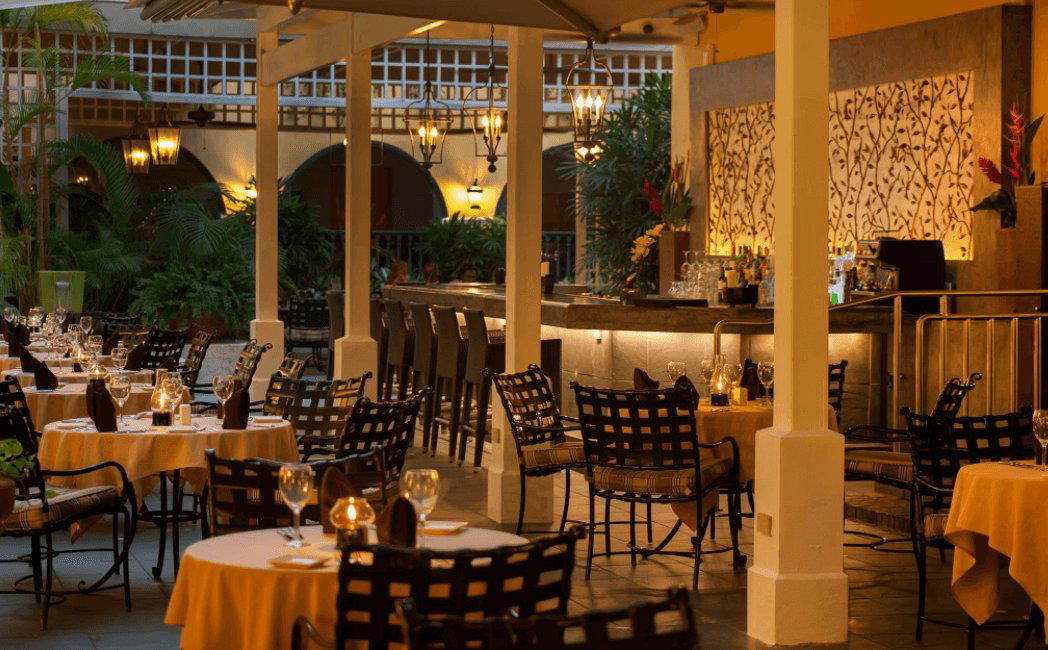
Old San Juan's Patio Drinking Culture
Open-air drinking in San Juan is not a concession to the heat — it is the point. The island's bar scene has always organised itself around courtyards, balconies, and street-side terraces, and Old San Juan's colonial grid gives that tradition its most concentrated expression. Calle del Cristo, which runs from the Cathedral of San Juan Bautista down toward the southern sea wall, is among the most photographed streets in the Caribbean: narrow, blue-cobbled, flanked by Spanish colonial façades painted in ochres and terracottas. Alegría Patio Bar sits at number 100, a position that places it at one of the street's most recognisable intersections and draws from the steady foot traffic moving between the Paseo de la Princesa and the Plaza de Armas.
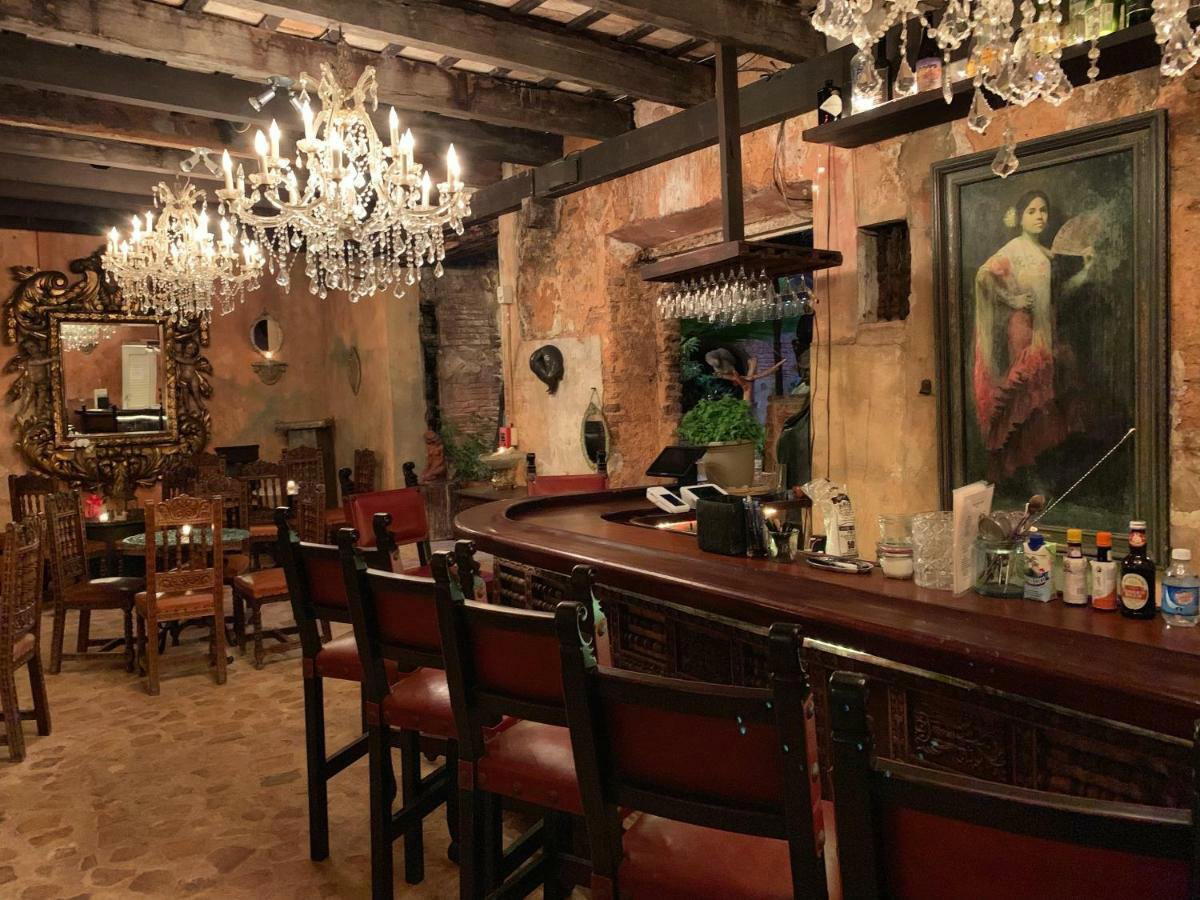
The patio format here is not incidental. Across Old San Juan, a meaningful split has emerged between enclosed, air-conditioned bar programs — some of them technically serious, nationally recognised operations, and outdoor venues that lean into the Caribbean setting as a design principle in itself. Alegría belongs to the latter category, where the physical environment is part of the offer in a way that no interior can replicate.
Where Alegría Sits in San Juan's Cocktail Scene
San Juan's bar scene has matured considerably over the past decade. La Factoría, operating across multiple rooms on San Sebastián Street, has become the reference point for serious cocktail programming in the city, multi-room, spirits-forward, operating at a scale and technical level that draws comparisons to major U.S. bar programs. Further along the quality spectrum, 1919 Restaurant anchors a more formal, hotel-adjacent drinking experience, while El Batey Bar represents the city's durable, no-frills dive tradition. Chillums Gallery occupies a different niche again, folding art-space energy into its drinking format.
Alegría's position on Calle del Cristo places it inside a different conversation: the atmospheric patio bar, where geography, architecture, and climate do work that a technically elaborate back bar cannot. That does not make it lesser, it makes it different in kind. Visitors who arrive in Old San Juan for a single evening and want one drink that captures the physical reality of being in a 500-year-old Spanish colonial city on a Caribbean island will find that Alegría's setting delivers what no interior bar on the island can offer in quite the same register.
Rum's Role in the Drinks Programme
Any serious account of cocktail culture in Puerto Rico must begin with rum. The island produces more rum than anywhere else in the world by volume, and the category's relationship to the local bar scene is unlike anywhere else in the Americas. Puerto Rico is home to Casa BACARDÍ in Catano, one of the largest rum distilleries in the world, and the island's local rum heritage runs deeper than the export brands suggest: small-batch and artisanal producers have grown in visibility, giving bartenders access to a more diverse raw material palette than a decade ago.
In that context, a patio bar on Calle del Cristo is operating within a category-rich environment. The piña colada, officially recognised as Puerto Rico's national drink, was invented on the island in the 1950s and remains a legitimate benchmark for how rum, coconut, and tropical fruit interact when handled with care rather than dismissed as tourist-facing kitsch. Beyond that signature, the broader canon of rum-forward cocktails, daiquiris, mojitos built with Caribbean-grown cane, rum punches tied to regional sugar traditions, gives any serious San Juan bar programme a deep inventory to draw from. How any given venue interprets that inheritance is the meaningful editorial question.
The wider Puerto Rican drinking scene extends well beyond the capital. Campamento Piñones in Loiza, La Parguera in La Parguera, and Guavate in Cayey each represent a different register of the island's outdoor and roadside food-and-drink culture, while PR-116 in Lajas offers a coastal counterpoint to the urban density of San Juan. The capital's patio bars function as a gateway into that broader geography for first-time visitors.
Comparable Programmes in the Caribbean-Influenced Diaspora
The style of drinking that Old San Juan's better patio bars represent has analogues in the Cuban-influenced bar culture of Miami and the Creole-spirit traditions of New Orleans. Café La Trova in Miami handles the question of how to build a serious cocktail programme around Latin spirit traditions without reducing it to nostalgia, and its approach, where technical rigour and cultural specificity reinforce rather than undermine each other, offers a useful comparative frame. Jewel of the South in New Orleans operates in a different spirit category but applies a similar logic: historical accuracy as a form of creative ambition rather than a limitation.
San Juan's leading outdoor bars operate in that same register when they are working well. The patio format is not an excuse for a lesser drinks programme, it is a different set of constraints, and the venues that succeed within it use the setting as amplification rather than compensation.
Planning a Visit to Calle del Cristo
The address at 100 Calle del Cristo is walkable from most Old San Juan accommodation. The street itself is pedestrian-friendly and most accessible on foot from the Plaza de Armas side. Old San Juan's bar district concentrates around San Sebastián Street to the north, making it direct to combine Alegría with a wider evening that moves through several of the neighbourhood's distinct drinking formats. For those mapping a full evening, the EP Club's full San Juan restaurants guide covers the city's dining and drinking scene at neighbourhood level, with coverage that extends beyond the colonial district into Santurce, Condado, and the island's broader geography.
Given the patio format and the walk-in culture that characterises much of Old San Juan's outdoor bar scene, arriving without a reservation is likely consistent with how this type of venue operates, though that should be verified before planning around a specific time.
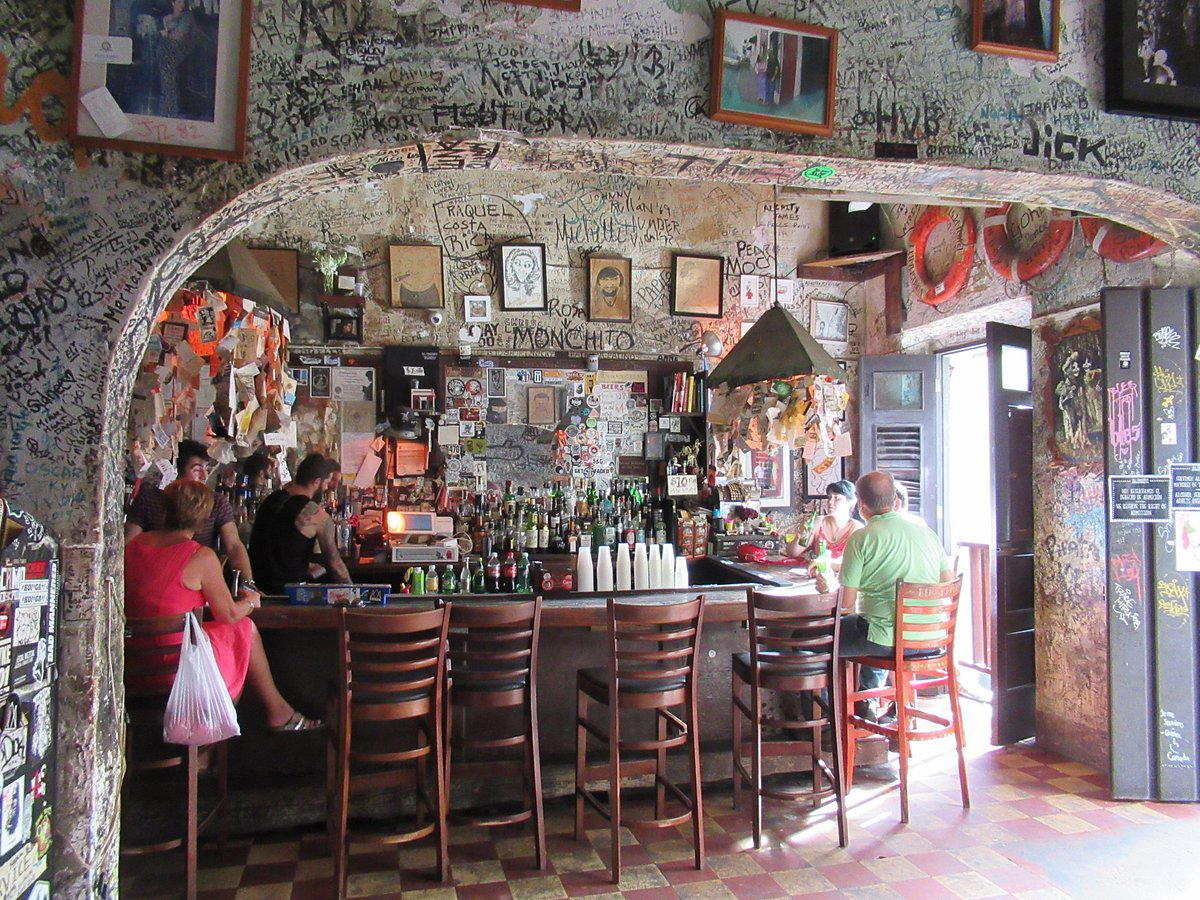
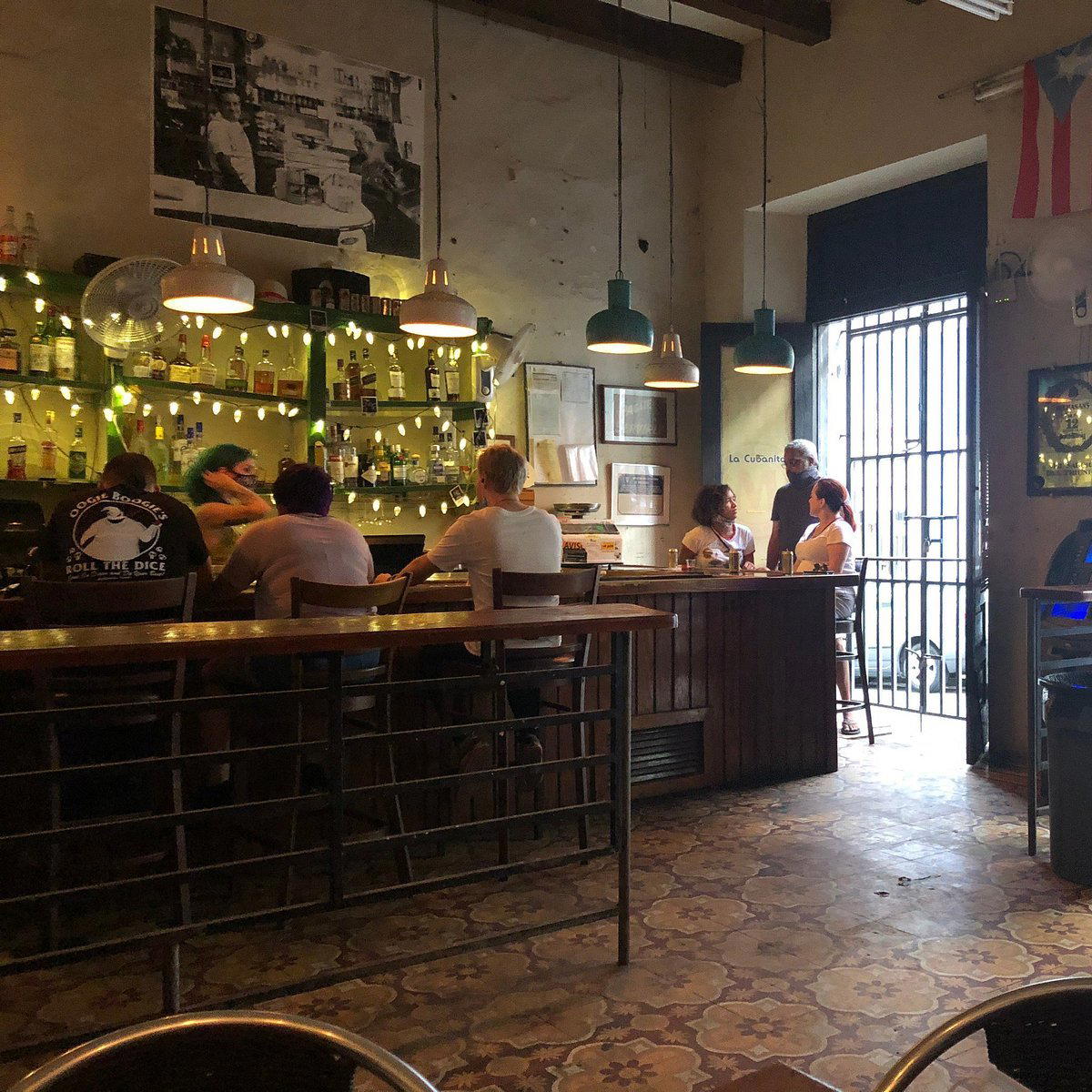
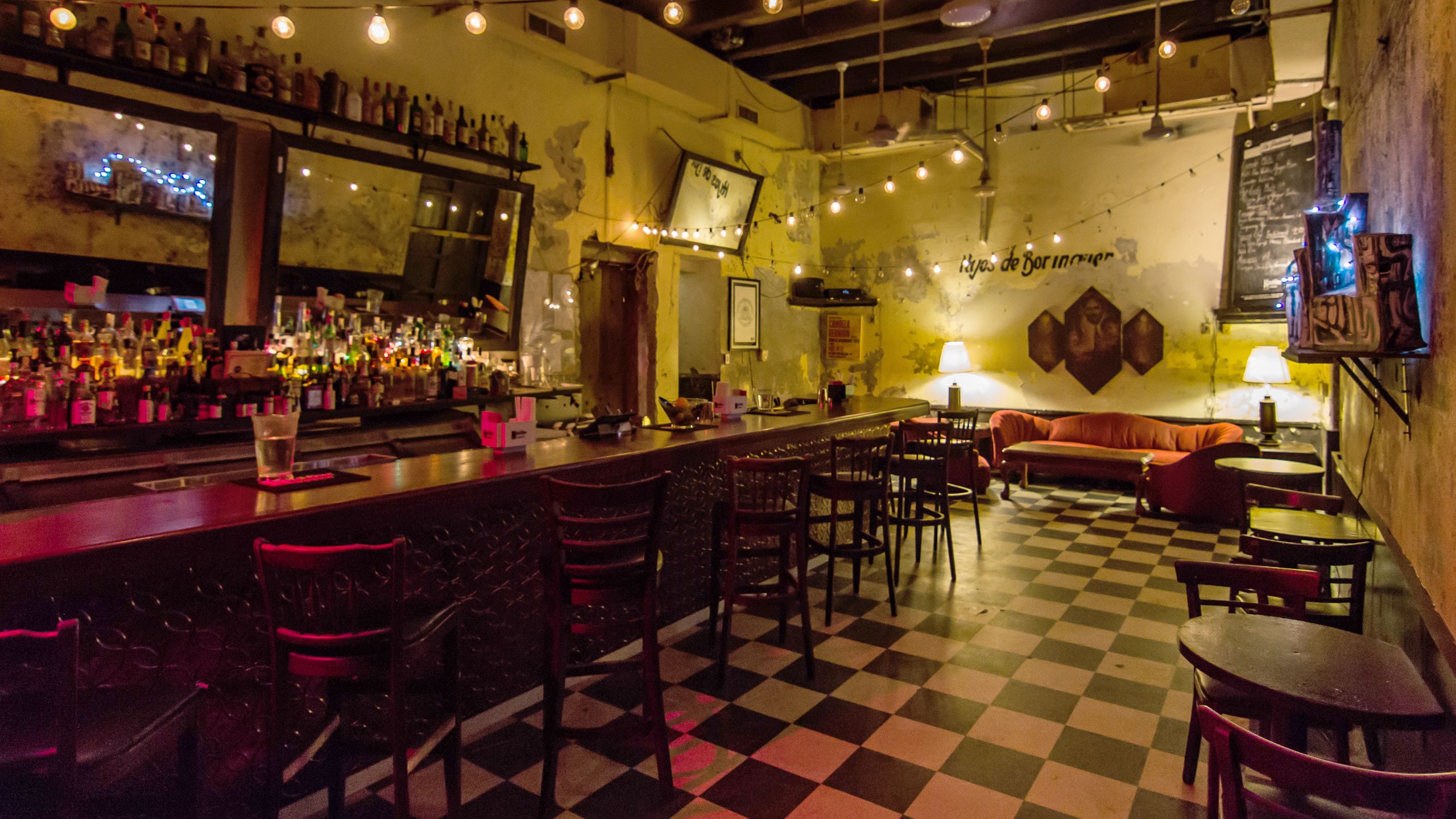
Details
- Scenic
- Intimate
- After Work
- Date Night
- Casual Hangout
- Hotel Bar
- Courtyard
- Historic Building
- Terrace
- Seated Bar
- Outdoor Terrace
- Craft Cocktails
- Garden
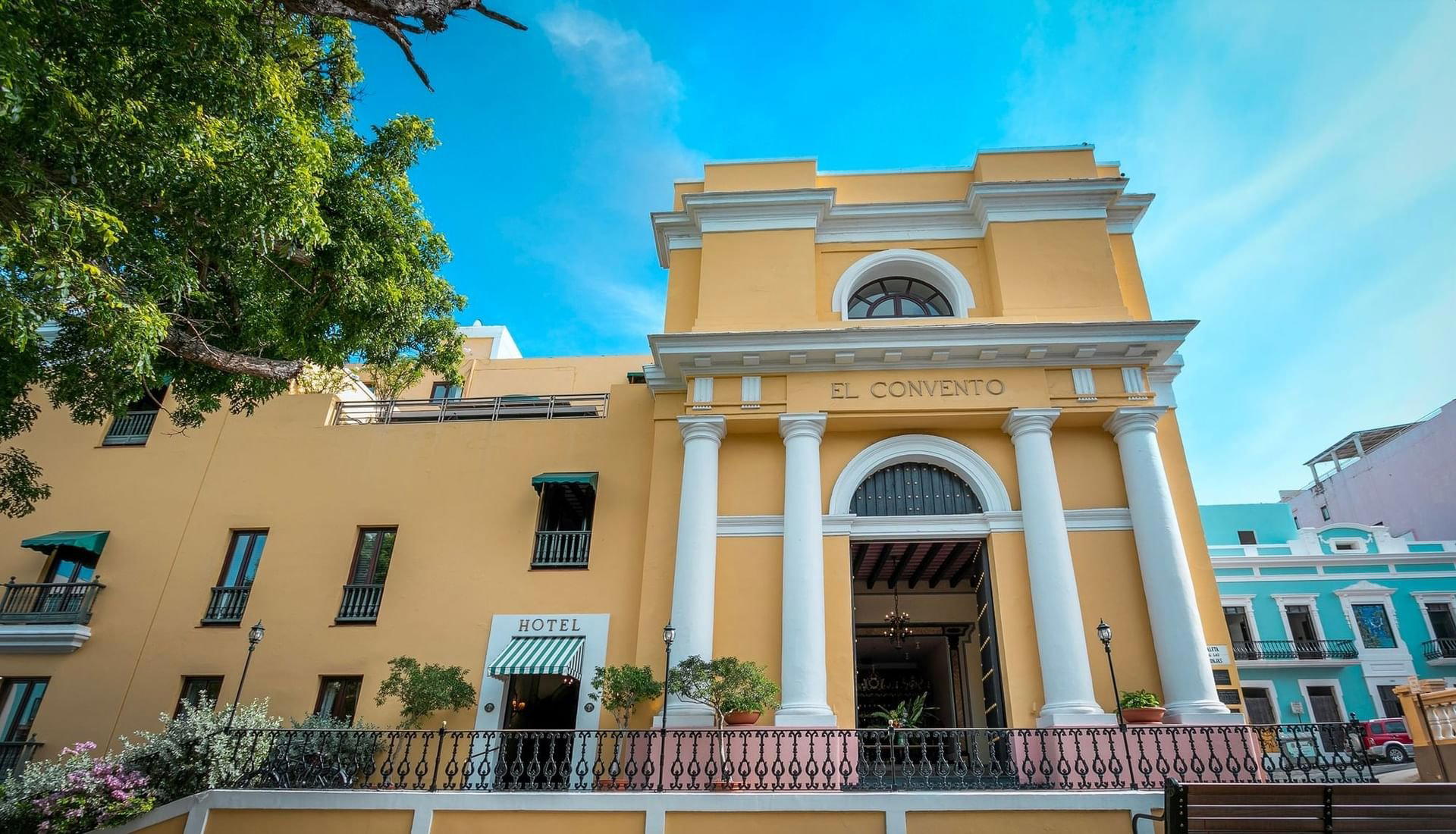
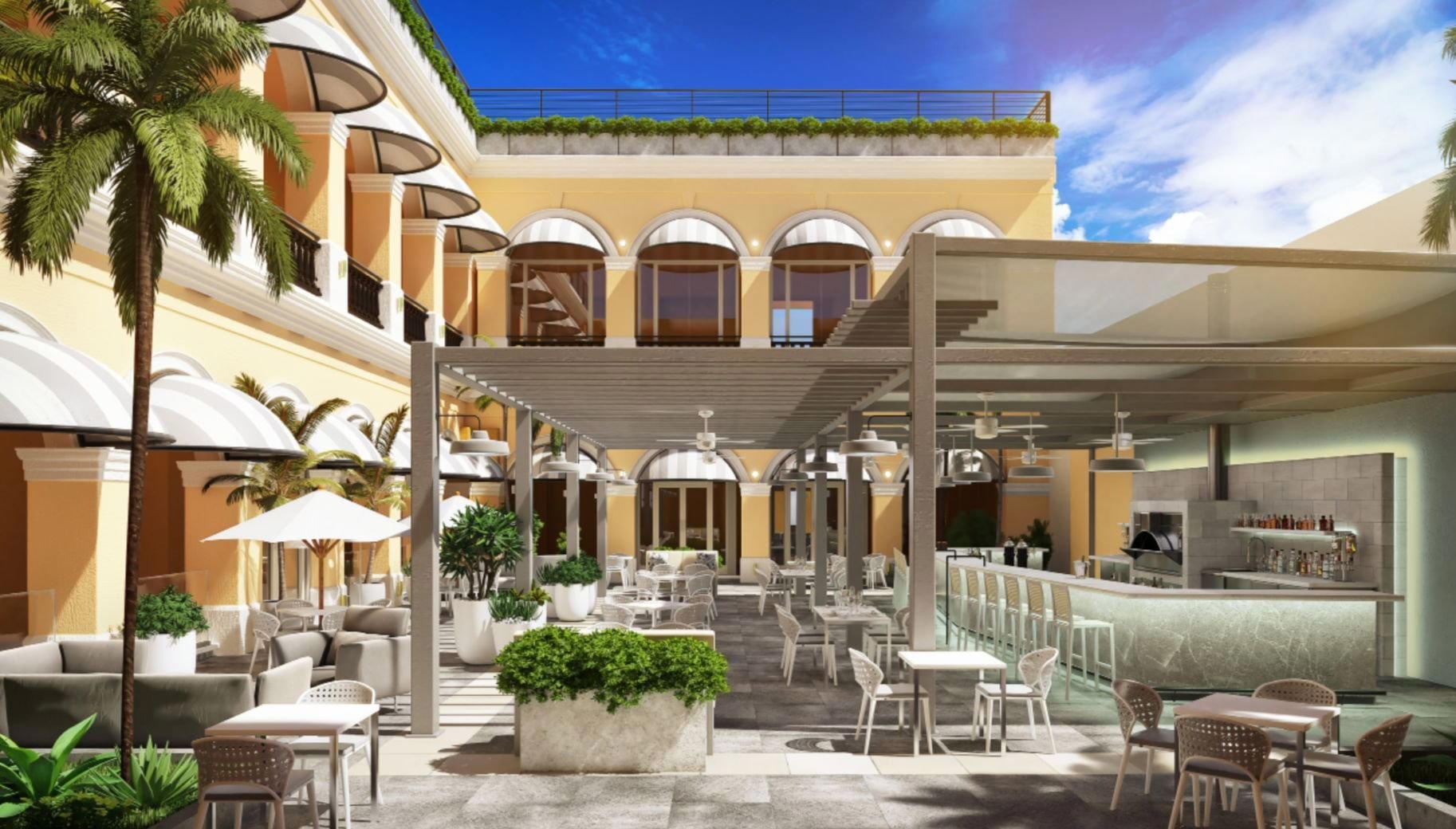
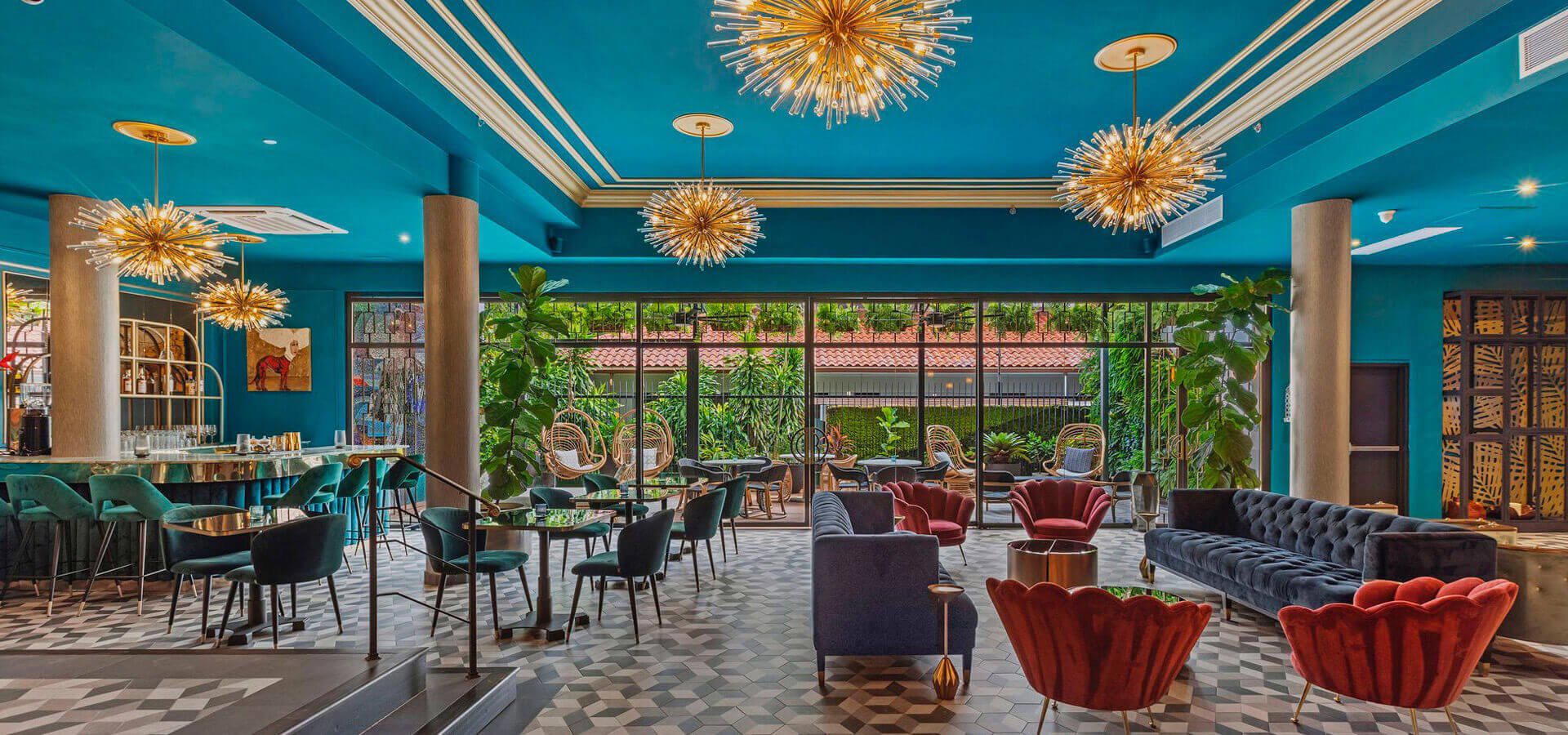
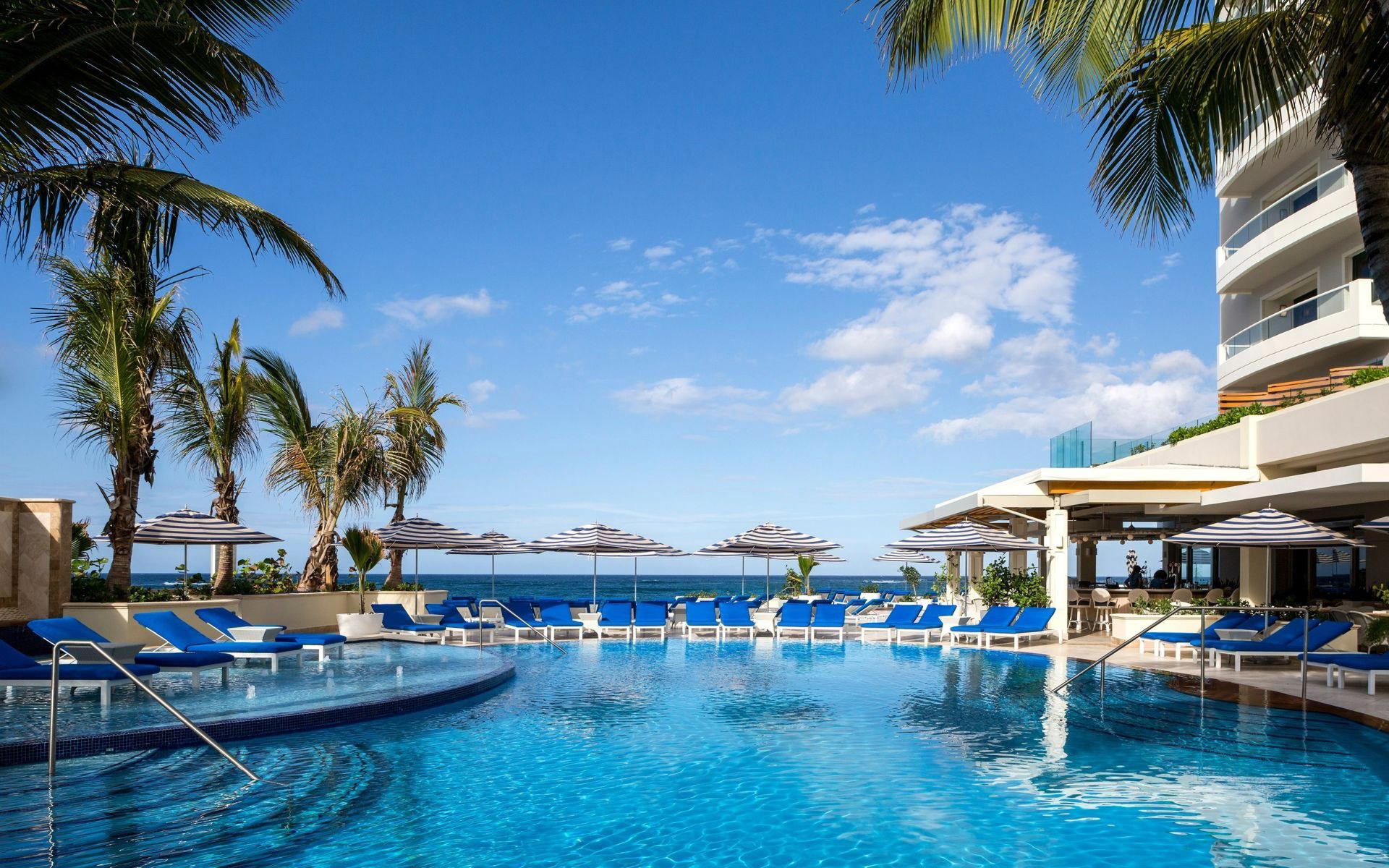
Open-air patio bar atmosphere inside a historic Old San Juan hotel, positioned as a relaxed setting for handcrafted cocktails.