Wullschleger Weine

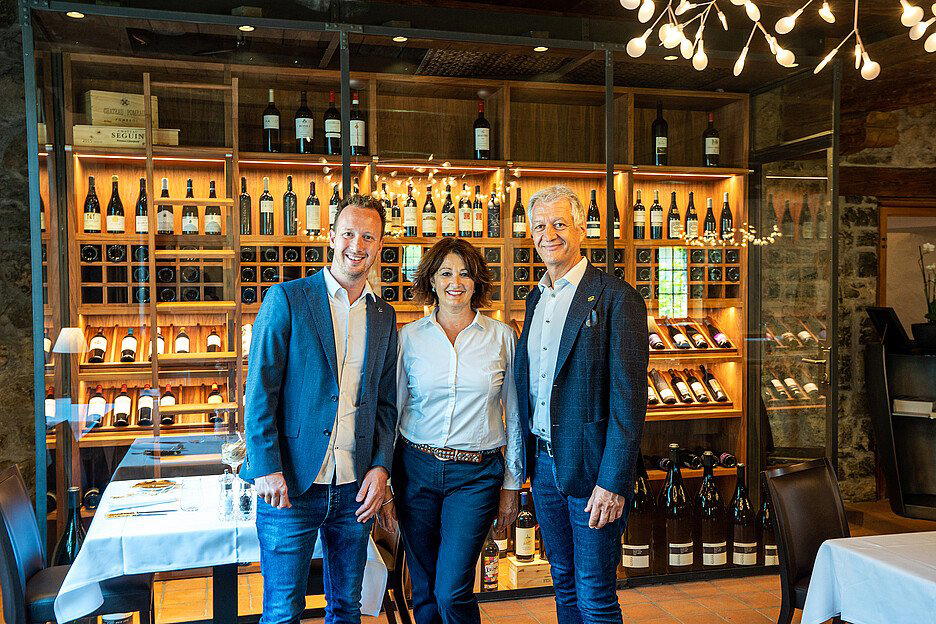
A small family winery in Maienfeld, Wullschleger Weine reads as a study in place rather than scale: 4 hectares, 12 vineyards, and 8 grape varieties within the Bündner Herrschaft. The current interest is the 2025 generational handover to Gianna Wullschleger and Jürg Ettinger, with Pinot Noir, Chardonnay, Sauvignon Blanc, and Nebbiolo anchoring a compact, character-led cellar.
Pearl is the En Primeur Club membership app — saves, bookings, and concierge access live there. Same editors, same standards.
- Address
- Maienfeld, canton of Grisons, Schweiz
 Saves & bookings on Pearl
Maienfeld’s wine culture is best approached at a human scale. For Wullschleger Weine, the picture is deliberately modest: a small Maienfeld winery with a traditional, intimate atmosphere, a quiet rustic feel, and a welcoming space for visits and tastings arranged by prior phone notice. That makes it a hidden-gem address for visitors who value calm conversation over a high-volume tasting-room experience.
A reliable way to frame Wullschleger Weine is not through claims about awards, production figures, specific grapes, vineyard counts, or cellar methods. The grounded facts point instead to setting and experience. It is in Maienfeld, it sits in the $$ price category, and its public-facing hospitality is based on advance contact rather than casual drop-in assumptions. For a venue guide, that is enough to set expectations clearly without overstating what is known.
Maienfeld identity, measured through small parcels
Wullschleger Weine’s identity is tied first to Maienfeld. The useful editorial emphasis is therefore local and atmospheric: a small winery setting, a quiet tone, and an intimate sense of place. Visitors should not expect the guide to confirm specific vineyard holdings, grape varieties, production scale, or named bottlings unless those details are checked directly with the winery. What can be stated with confidence is that the experience is rooted in a small Maienfeld context rather than a broad, spectacle-driven destination format.
That distinction matters. Some wine venues are built around architecture, large group traffic, or a formalized tasting program. The winery is better understood as a more personal stop, where the value lies in arranging a visit in advance and entering a rustic, traditional winery atmosphere. The description suggests a place suited to visitors who like smaller rooms, slower pacing, and direct context.
It does not confirm a house style, a list of grape varieties, a winemaking philosophy, a founding date, or a rating. Instead, the reliable recommendation is practical: approach the winery as a Maienfeld winery visit where the setting and prior phone arrangement are central to the experience.
Readers mapping Maienfeld can compare the stop with other dining or wine-related options in the town in a general way, but the winery should stand on its own rather than be treated as part of a ranked list. Its appeal is the small, quiet atmosphere and the chance to plan a focused visit.
The 2025 handover makes the next vintage the story
For that reason, this section should not claim a generational change, name individuals, or predict future wines. Those details may be meaningful if confirmed directly by the venue, but they are not part of the available information.
The more accurate way to discuss the winery is to keep the emphasis on what a visitor can reasonably expect now: a small Maienfeld setting, a traditional and intimate winery atmosphere, and visits or tastings arranged by prior phone notice. That is the dependable story. It may be less dramatic than a succession narrative, but it is more useful for readers planning an actual visit.
For travelers, the practical takeaway is simple. Do not build plans around hours, tasting formats, named hosts, cellar access, special releases, dietary provisions, shipping, clubs, or group capacity. Contact the winery in advance, confirm what is available, and treat any current offering as something to verify before arrival.
A quiet tasting format for drinkers who value context
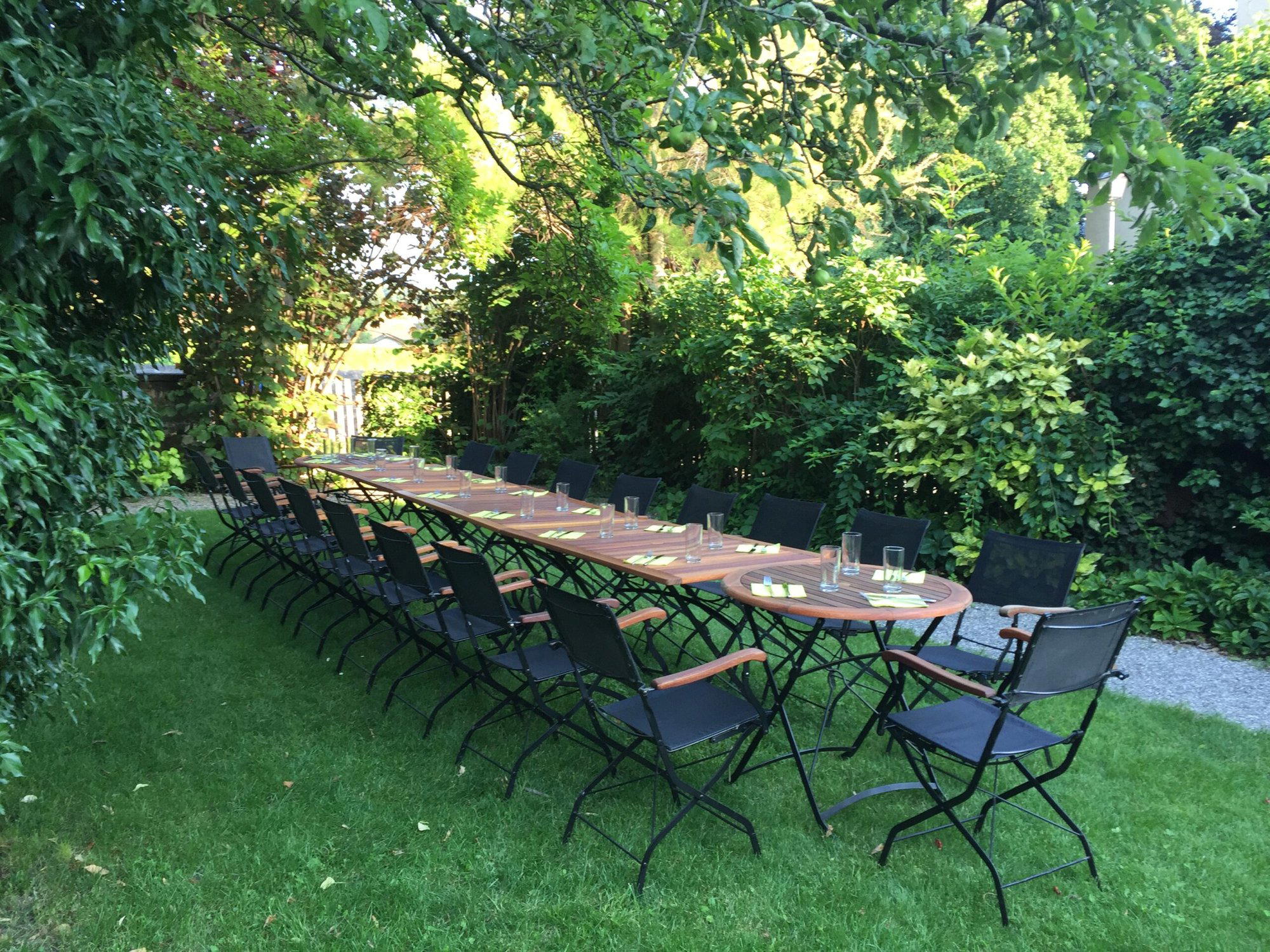
The hospitality style is intimate rather than high-volume. The winery is described as a small Maienfeld winery with a traditional, rustic atmosphere and a welcoming space for visits and tastings by prior phone notice. The right expectation is calm and close-range: a visit planned ahead, in a quieter setting, with room for a more personal experience than a busy drop-in circuit.
That makes the winery a good fit for visitors who prefer low-key discovery, a focused wine stop, or a special-occasion visit in a more intimate environment. It is not possible to verify specific tasting lengths, group limits, bottle lists, food pairings, shipping options, or membership programs from the supplied facts, so those should be checked directly with the venue.
For a wider Maienfeld itinerary, the winery can be paired with other local dining or hospitality stops in the town. Keep the planning simple: confirm the visit by phone beforehand, allow time for a quiet winery experience, and avoid assuming a walk-in tasting room or a fixed public schedule unless the winery confirms it.
Recognition history
Dated appearances from independent guides and award organizations, with the underlying list record or original source where available.
Falstaff Winery - Listed
Falstaff
Continue exploring
More in Maienfeld
Wineries in Maienfeld
Browse all →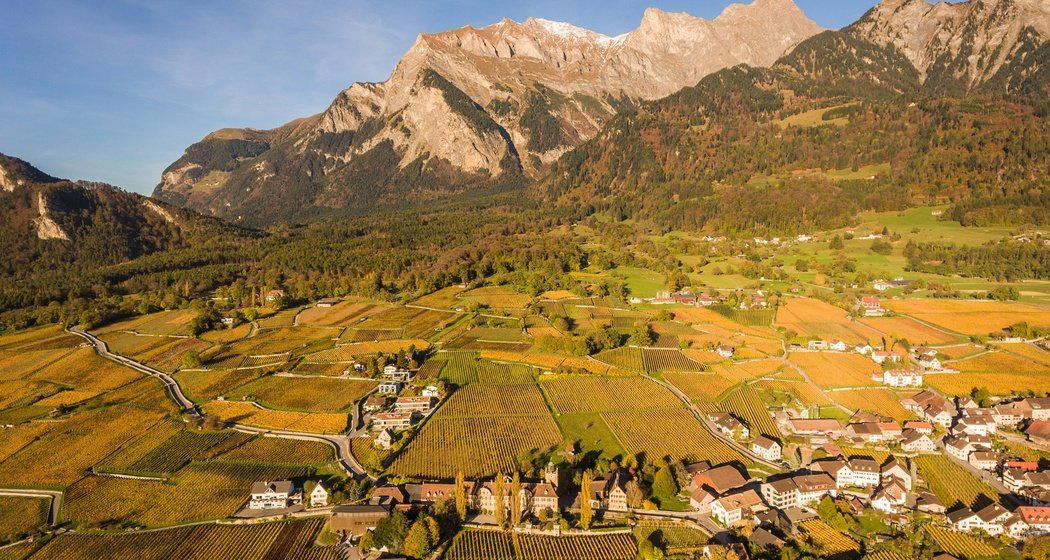
Restaurants in Maienfeld
Browse all →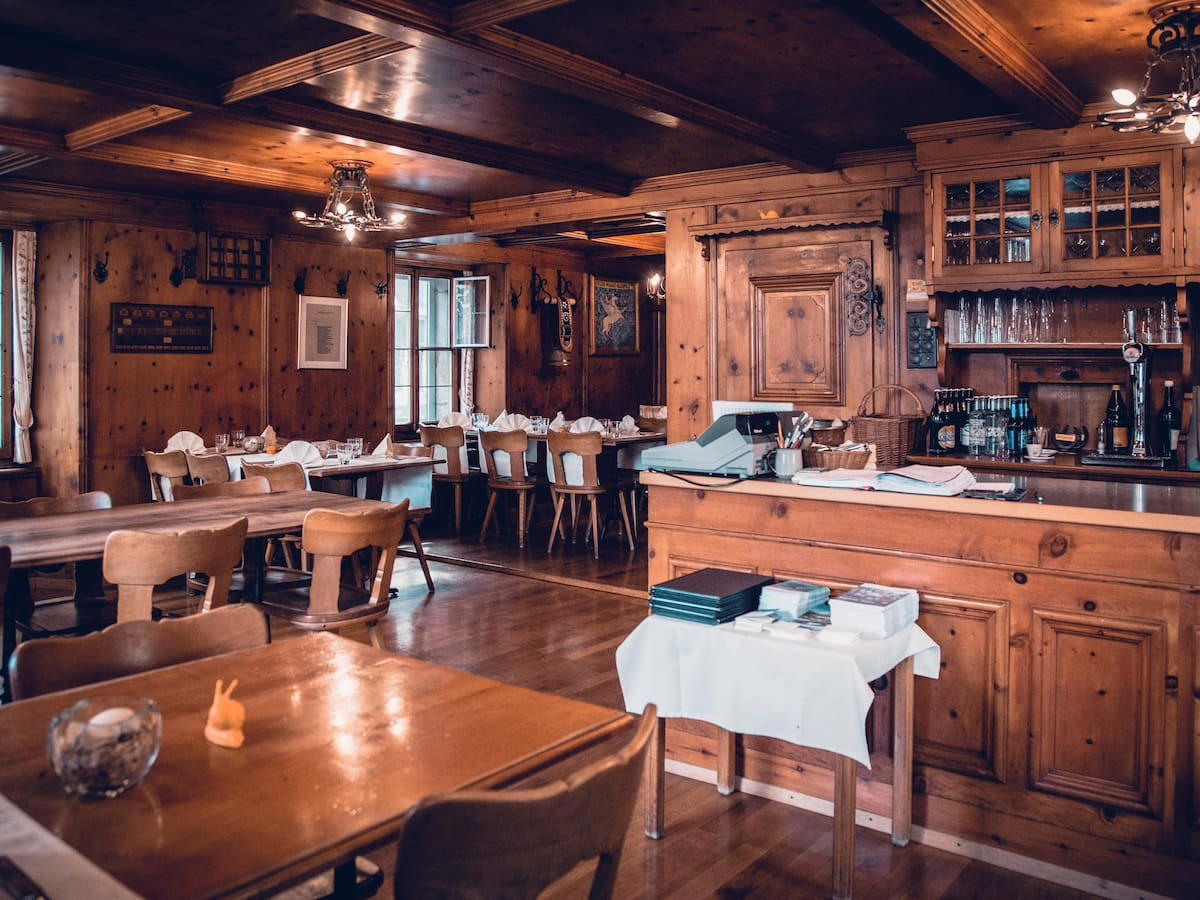
At a Glance
- Quiet
- Intimate
- Rustic
- Solo Exploration
- Wine Education
- Special Occasion
- Private Tasting
- Historic Building
- Street Scene
- Bündner Herrschaft
- Pinot Noir
- Chardonnay
- Sauvignon Blanc
- Nebbiolo
- Still Red
- Still White
- Guided Tasting
- Winery Visit
Traditional, intimate winery atmosphere in a small Maienfeld setting, with a welcoming space for visits and tastings by prior phone notice.