Weingut Vinessli

Falstaff Winery - Listed
Weingut Vinessli is a small family-run estate in Weil am Rhein-Ötlingen, built around hand-harvested fruit from the Ötlingen vineyard and a dry, compact range of seven grape varieties. Its interest lies in low-input viticulture, resistant cultivars such as Johanniter and Cabernet Cortis, and an AWC Vienna record of 2 gold and 15 silver medals from 2011 to 2022.

Pearl is the En Primeur Club membership app, where members save venues, book tables and use the concierge.

Approach Weingut Vinessli as a small, traditional winery in Weil am Rhein rather than as a polished, large-scale visitor attraction. The picture is compact and personal: a family-run place with a hands-on artisan feel, rooted in local winemaking and supported by an on-site distillery. The appeal is not built on spectacle, formal luxury, or a heavily documented hospitality program. It is quieter than that: rustic, intimate, classic, and the kind of hidden-gem address that suits visitors who prefer modest scale over show.
Because the confirmed public details are limited, it is better to frame Weingut Vinessli carefully. The essential facts are its location in Weil am Rhein, its accessible price level, its family-run winery character, and the presence of an on-site distillery. Specific claims about grape varieties, bottlings, vineyard practices, awards, hours, tasting formats, food service, reservations, or named proprietors should not be assumed unless confirmed directly with the venue. For planning, treat it as a traditional local wine stop where the setting and scale are part of the draw.
A small, traditional winery setting
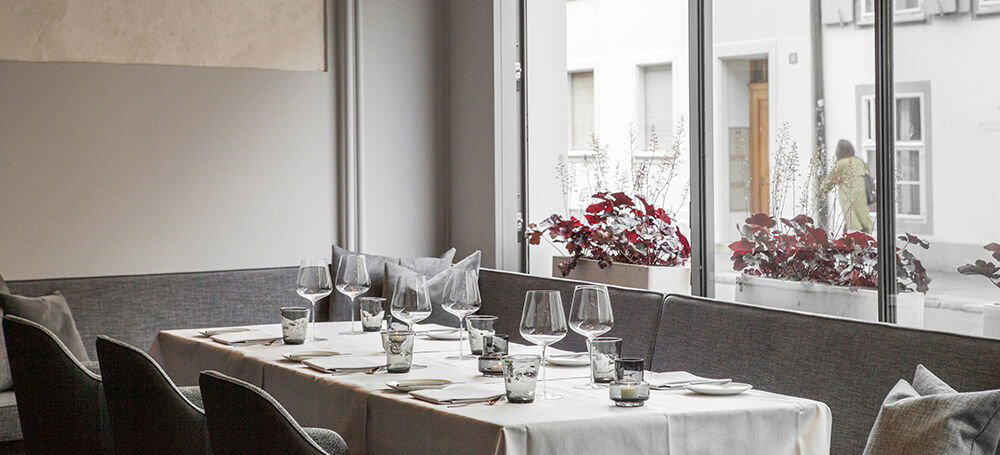
Weingut Vinessli’s strongest identity is atmospheric. It is described as small, traditional, and family-run, with a hands-on artisan feel. That combination matters because it sets expectations before a visit. This is not presented as a sleek destination with a grand tasting hall, elaborate service choreography, or a hospitality concept built around luxury cues. The better expectation is a classic, local winery environment where the appeal comes from intimacy and a sense of continuity.
The setting is also described as quiet and rustic. Those words should be taken seriously. They suggest a place for travelers who are comfortable with understatement: people who value a local wine address precisely because it does not feel overproduced. If your ideal wine visit depends on extensive published menus, highly structured tastings, or a broad list of documented amenities, verify details before building a plan around them. If, instead, you are looking for a modest winery in Weil am Rhein with a traditional, family-scale character, the description fits.
The on-site distillery adds another confirmed craft element, but it should not be overstated into a full drinks program or a guaranteed tasting format. What can be said is simpler: the venue is rooted in long-standing local winemaking and includes distilling on site. That gives the address a broader artisan frame while keeping the core identity small and local.
What, and what is not
Safest way to read Weingut Vinessli is as a thin-data but distinctive venue. The confirmed facts support a clear mood: quiet, rustic, intimate, classic, and family-run. They do not support detailed claims about specific wines, grape varieties, production methods, award histories, food pairings, seat counts, lunch service, delivery, take-out, accessibility provisions, dietary accommodations, or exact opening hours. Those details may matter to your visit, but they should be checked directly rather than inferred.
Price category is listed as $, which places Weingut Vinessli at the accessible end of the guide’s pricing scale. That is useful for planning, but it should not be turned into a promise about individual bottle prices, tasting fees, or package costs. The price marker is broad, not a menu. Visitors should treat it as a general signal that the venue is not positioned at the premium-expensive end of the spectrum.
This careful framing is especially important for small wineries. A compact family-run operation may have a different rhythm from a larger venue, and published details can be less standardized. Rather than assuming a fixed format, it is more accurate to approach Weingut Vinessli as a local, artisan wine address whose appeal lies in scale, atmosphere, and tradition. The lack of specifics is not a flaw to fill with guesses; it is a reason to keep the recommendation honest.
What the visit is for
The visit is well suited to travelers who appreciate quiet, traditional wine settings in Weil am Rhein. Weingut Vinessli reads as a place for a low-key stop, not a high-energy social venue. Its hidden-gem quality comes from being intimate and rooted rather than heavily branded. The family-run character and hands-on feel are the central reasons to pay attention.
It is also a good fit for visitors who like local places with a craft dimension. The on-site distillery gives the venue an additional artisan note, while the winery identity remains the anchor. Without details on service format, it would be inaccurate to promise a specific tasting experience, a walk-in policy, a guided tour, or a food component. The most reliable planning advice is to confirm current arrangements directly if timing, access, or a particular experience matters.
For readers comparing options, Weingut Vinessli should be understood on its own terms: small, traditional, rustic, intimate, and accessible. Other dining and drinking options in Weil am Rhein may offer different formats, but this venue’s appeal is the feeling of a family-run local winery with a hands-on artisan character. That makes it a quieter recommendation, but also a clearer one.
Recognition history
Dated appearances from independent guides and award organizations, with the underlying list record or original source where available.
Falstaff Winery - Listed
Falstaff
Continue exploring
More in Weil am Rhein
Wineries in Weil am Rhein
All wineries in Weil am Rhein →
Bars in Weil am Rhein
Browse all →

Details
- Quiet
- Rustic
- Intimate
- Classic
- Solo Exploration
- Wine Education
- Special Occasion
- Historic Building
- Estate Grounds
- Sustainable
- Vineyard
- Chasselas
- Chardonnay
- Helios
- Johanniter
- Pinot Noir
- Cabernet Cortis
- Cabernet Cantor
- Still White
- Still Red
Small, traditional, family-run winery with a hands-on artisan feel; the setting is rooted in long-standing local winemaking and an on-site distillery.