
Weingut Stern is a family-run Pfalz winery in Hochstadt, founded in 1952 and working from an 11-hectare vineyard base in the Südliche Weinstraße. The draw is a grounded regional portfolio: Riesling, Burgundy varieties, Pinot Noir, and sparkling wine shaped by Dominic Stern’s combined role as winemaker, oenologist, and manager.
Pearl is the En Primeur Club membership app — saves, bookings, and concierge access live there. Same editors, same standards.
- Address
- Hochstadt, Pfalz (Palatinate), Rhineland-Palatinate, Deutschland
- Directions
- Get directions
 Saves & bookings on Pearl
Weingut Stern in Hochstadt is best approached as a traditional, family-run winery rather than as a venue defined by spectacle or highly publicized extras. The picture is concise: a classic, rustic, quiet atmosphere; a focus on vineyard origin and craftsmanship; and a modern cellar approach. That is enough to set expectations, but not enough to support detailed claims about specific grapes, bottlings, tasting formats, opening hours, awards, founders, owners, or services. In other words, the available profile is useful for understanding the tone of the place, but it should be handled with restraint when turning that tone into practical travel plans.
For travelers researching Hochstadt, the useful way to read Weingut Stern is as a winery with a grounded, local character. Its appeal rests on the relationship between place, family continuity, and cellar work. The page should not be treated as confirmation of a particular menu, wine list, tasting duration, reservation system, food program, or visitor capacity. Those elements may matter to a visit, but they are not established here, so the responsible approach is to separate the winery’s broad identity from any logistical assumptions.
Hochstadt setting and winery character
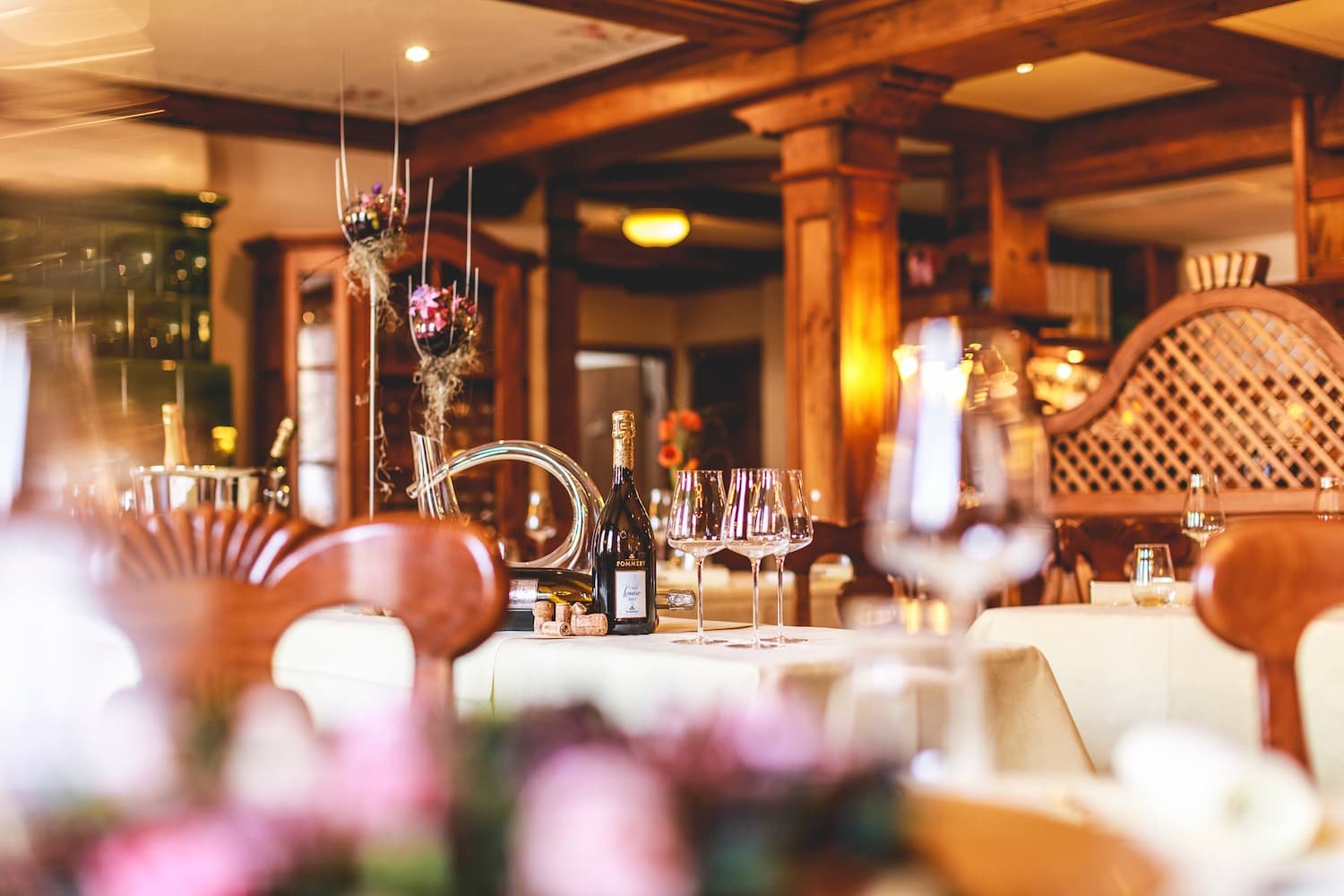
Hochstadt gives Weingut Stern its essential context. The profile points to a winery atmosphere that is classic and quiet, with rustic notes rather than a polished destination-venue feel. That makes it a better fit for visitors who value a direct producer setting and a sense of vineyard origin over elaborate hospitality claims. The emphasis is not on performance or abundance, but on a more modest idea of a winery as a place connected to its surroundings.
The family-run description is also important. It frames the winery as a place where identity is connected to continuity, craft, and cellar decisions, not simply to branding. However, no specific family members, founding year, vineyard size, grape varieties, or named parcels are here, so those details should not be presented as fact. The phrase is best understood as a signal of character and scale, not as permission to fill in a full history.
The price level is listed as $, which places the winery in an accessible cost category. Beyond that broad cost signal, no bottle prices, tasting fees, package prices, or group rates are provided. Visitors should therefore treat the $ marker as a general guide rather than a precise planning tool. It helps position the venue at a glance, but it does not replace checking current costs before making arrangements.
A focus on origin, craftsmanship, and a modern cellar approach
Strongest description of the winery is conceptual: vineyard origin, craftsmanship, and a modern cellar approach. Those terms suggest a producer identity built around where the wine comes from, how it is made, and how traditional winery culture can coexist with contemporary cellar thinking. They also keep the emphasis on process and place, which is often more useful than broad promotional language when a venue profile has limited confirmed detail.
That does not justify claiming a specific wine style, grape lineup, soil type, sparkling program, or tasting sequence. Without details, it is more accurate to say that winery’s public character centers on origin and craft rather than to assign it a detailed portfolio. A careful venue guide should leave room for the winery’s current releases and visitor options to be confirmed directly. This is especially important because wine programs can be seasonal, limited, or simply not described in the available information.
The rustic and quiet atmosphere also matters for expectations. It is described as a winery, and particularly reliable reading is accordingly simple: expect a wine-oriented setting in Hochstadt with a traditional family-run feel. That expectation is intentionally modest, but it is also useful, because it avoids turning a concise profile into a promise of amenities, formal experiences, or a particular style of service.
How to read the visit honestly
The guide can confirm the winery’s location at the city level, its $ price category, and its atmosphere. It can also point to the main ideas attached to the winery: family operation, vineyard origin, craftsmanship, and a modern cellar approach. It cannot, on the information given, settle the finer points that often determine the shape of an actual visit.
That uncertainty is not a weakness if handled clearly. A winery can still be worth considering when the appeal is modest and place-specific. The winery’s draw is the combination of Hochstadt setting, family-run atmosphere, craft orientation, and cellar-minded identity. For many wine travelers, that is exactly the kind of producer profile that rewards direct inquiry rather than assumptions based on generic regional expectations. The lack of extra claims may even make the core description clearer: a local winery, presented without unnecessary embellishment.
If you are comparing options in Hochstadt, treat the winery as one local winery reference point and compare it with other Hochstadt dining or wine stops generically. It belongs in consideration for visitors who are looking for a quieter, producer-led context, but practical choices should still be based on whatever current details can be confirmed.
One accurate summary is simple: the winery is a family-run winery in Hochstadt with a classic, rustic, quiet atmosphere, an accessible $ price level, and an emphasis on vineyard origin, craftsmanship, and a modern cellar approach. Anything more specific should be checked directly before planning around it.
Recognition history
Dated appearances from independent guides and award organizations, with the underlying list record or original source where available.
Falstaff Winery - 3 Stars
Falstaff
Continue exploring
More in Hochstadt
Wineries in Hochstadt
Browse all →
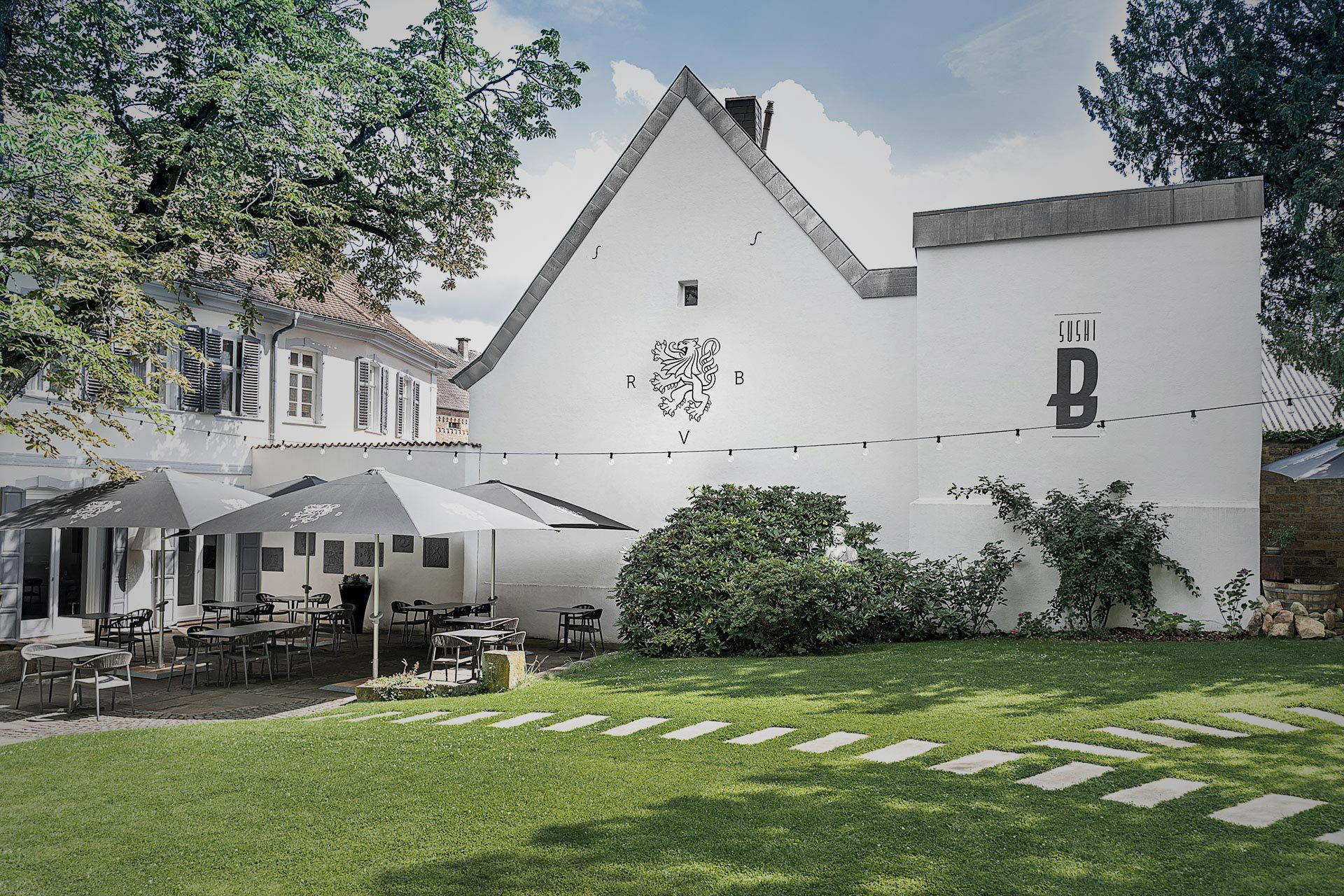
Bars in Hochstadt
Browse all →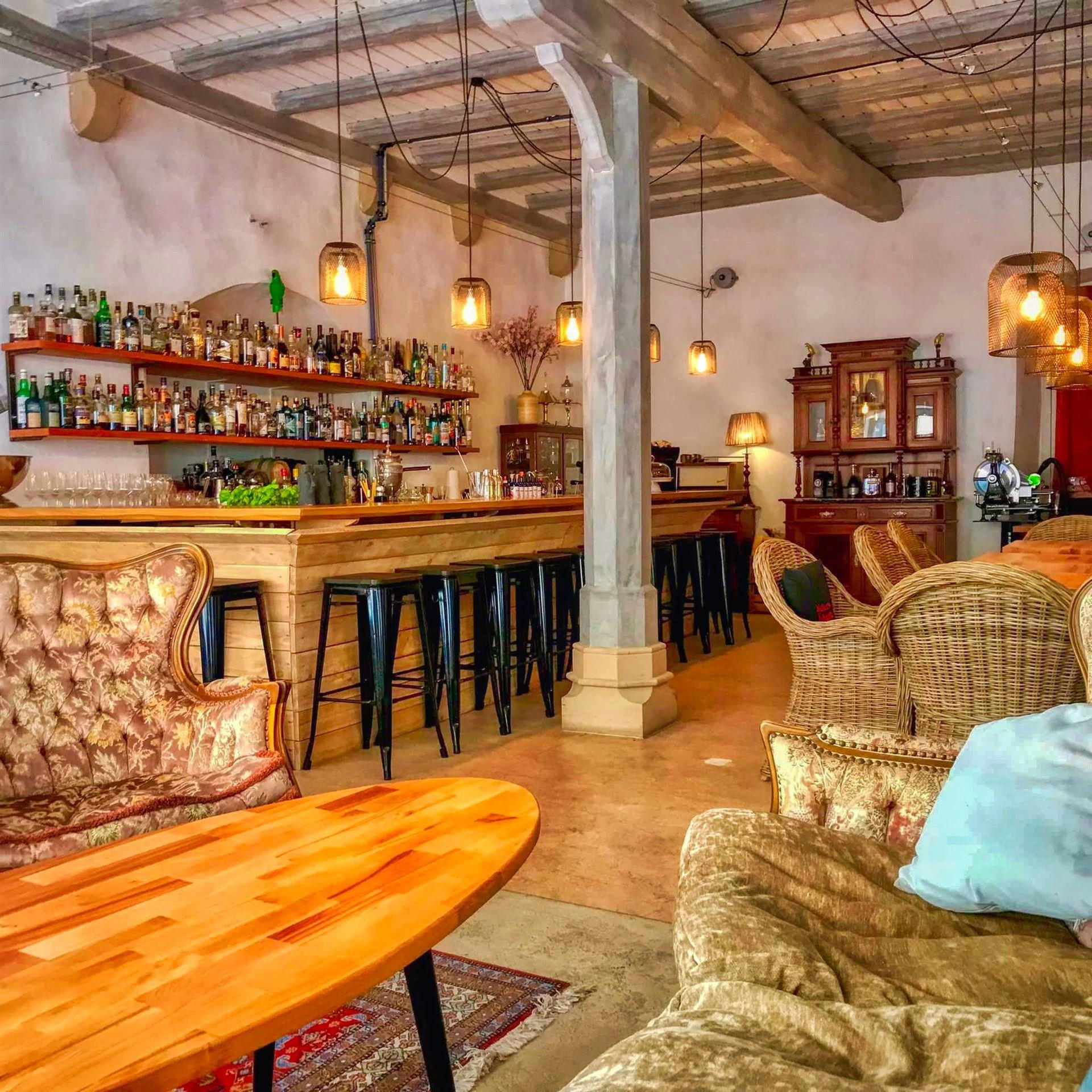
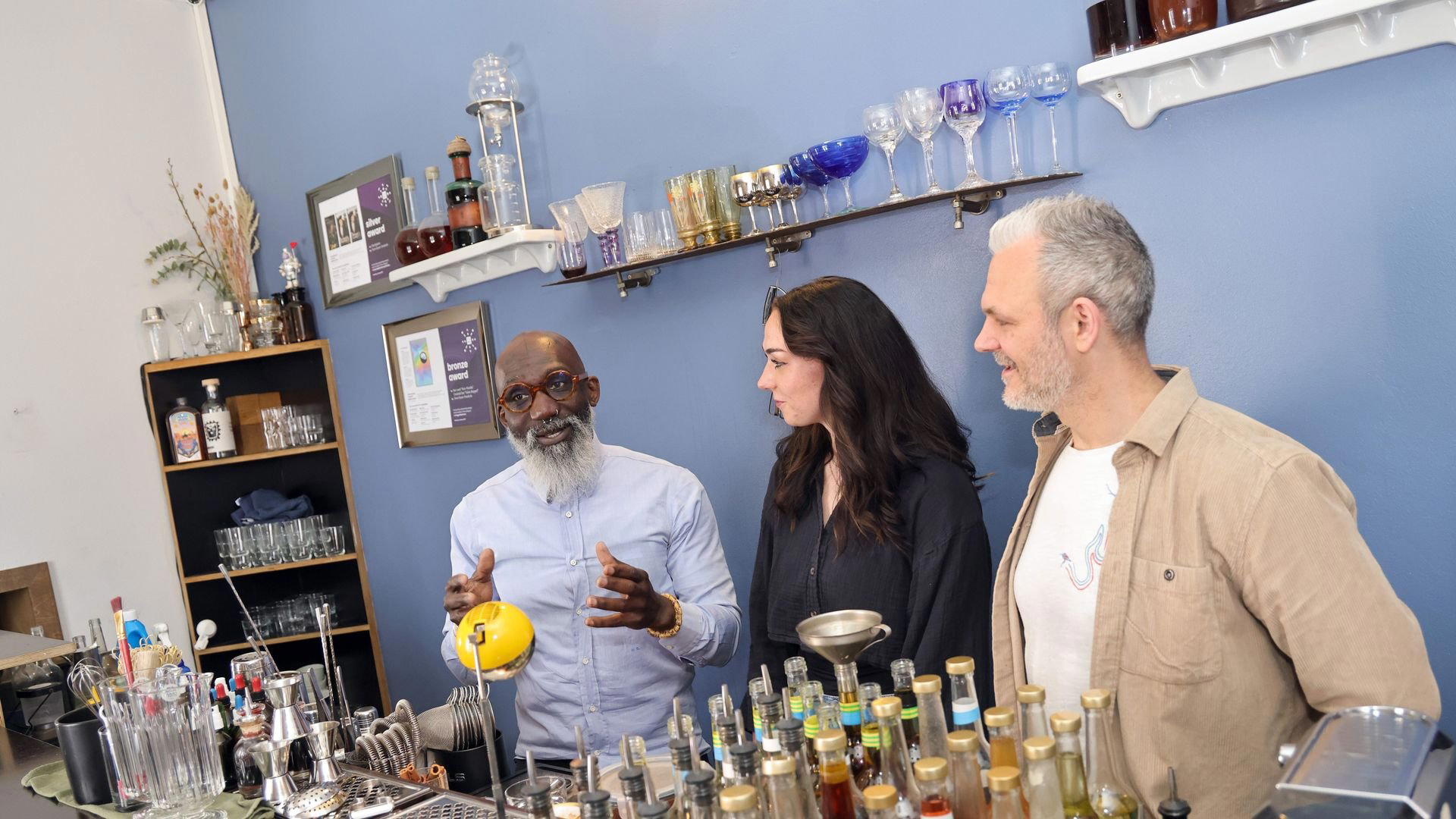

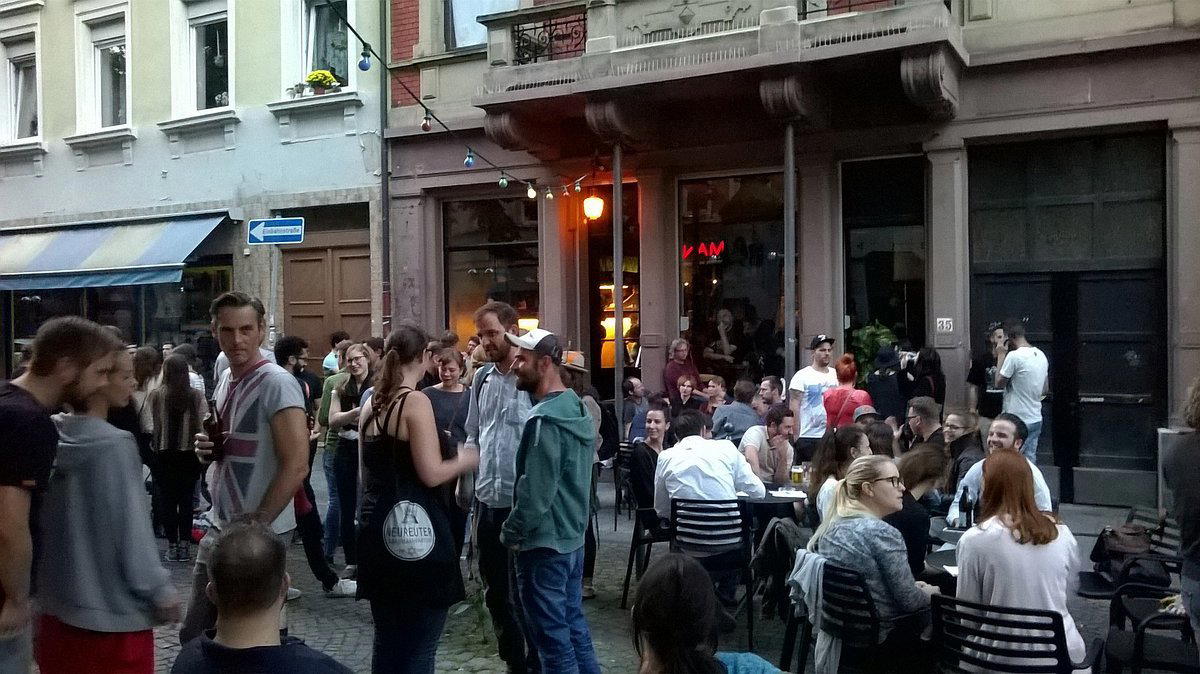

Restaurants in Hochstadt
Browse all →
At a Glance
- Classic
- Rustic
- Quiet
- Wine Education
- Group Outing
- Solo Exploration
- Estate Grounds
- Private Tasting
- Vineyard
- Südliche Weinstraße
- Pinot Blanc
- Pinot Gris
- Chardonnay
- Pinot Noir
- St. Laurent
- Riesling
- Still White
- Still Red
- Sparkling
- Wine Tasting
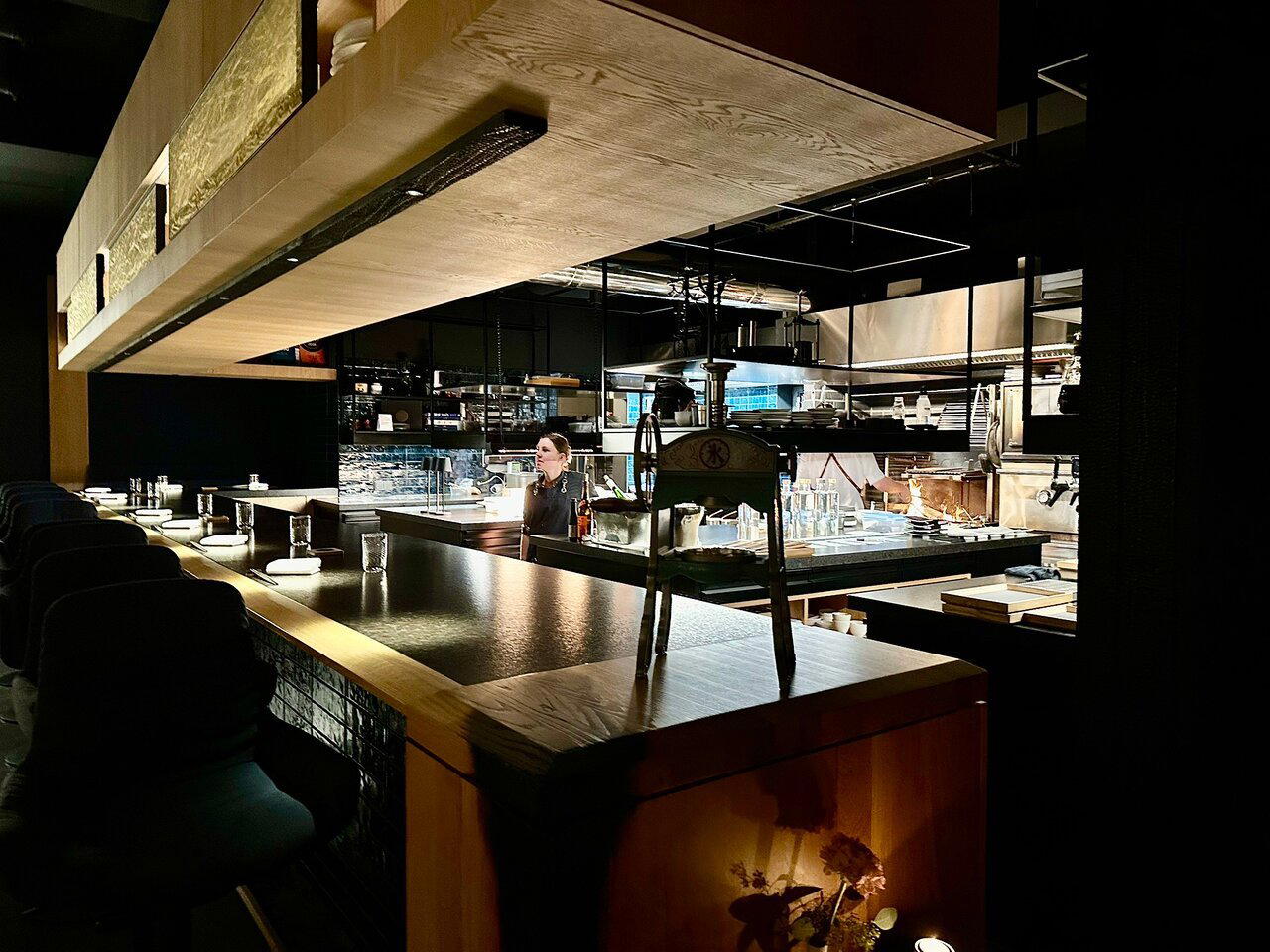
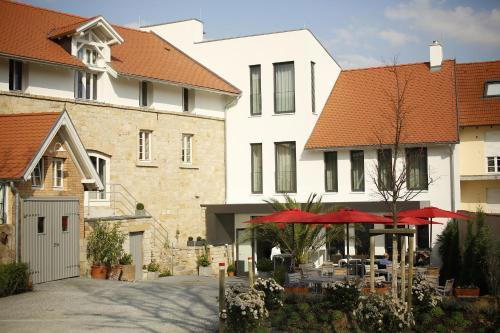
Traditional family-run winery atmosphere with a focus on vineyard origin, craftsmanship, and a modern cellar approach.