
Weingut Steinmühle is a small, family-run Rheinhessen estate in Osthofen, rooted in more than 500 years of winegrowing history and centered on organic, site-led still wines. Its strength is not spectacle but origin: Riesling, Chardonnay, Pinot noir and Sauvignon blanc shaped by Wonnegau warmth, loess, clay and limestone-marl soils, with cellar work kept deliberately restrained.
Pearl is the En Primeur Club membership app — saves, bookings, and concierge access live there. Same editors, same standards.
- Address
- Osthofen, Rhine Hesse, Rhineland-Palatinate, Deutschland
 Saves & bookings on Pearl
A reliable way to describe Weingut Steinmühle is also the simplest: it is a historic family winery in Osthofen with an atmosphere rooted in tradition, origin, and hands-on craft. The estate’s profile points to an old vaulted cellar, a quiet and rustic setting, and a sustainability-focused approach to winemaking. Rather than framing the venue around services, specific tastings, named vineyard parcels, grape varieties, awards, or production figures, the useful editorial read is that Weingut Steinmühle belongs to the classic, understated side of Osthofen wine culture.
That restraint matters. Some venue pages lean on details that sound precise but are not confirmed: founding dates, hectare counts, cellar equipment, tasting formats, grape lists, organic certifications, named sites, appointment rules, or award references. For Weingut Steinmühle, the grounded facts support a narrower but still meaningful portrait. This is a family winery with a historic feel, an authentic handcrafted atmosphere, and a clear emphasis on sustainability and minimal-intervention winemaking. The old vaulted cellar is part of that identity, giving the estate a sense of continuity rather than spectacle.
Historic cellar character and a quiet Osthofen setting
The winery’s appeal begins with mood and context. The description places the estate in Osthofen and characterizes it as classic, quiet, cozy, rustic, and somewhat hidden-gem in feel. That does not require inflated claims about service format or production scale. It is enough to say that the venue is best understood as a winery where the surroundings and winemaking philosophy carry the experience.
The old vaulted cellar is among the more concrete details available, and it should be treated carefully. It supports the sense of a historic estate, but it does not by itself verify a specific construction date, tour route, or tasting program. What can be said is that the cellar reinforces the venue’s traditional and origin-focused character. For visitors, that suggests a place where the architecture and atmosphere are part of the appeal, especially for those who prefer calm, grounded wine settings over louder hospitality concepts.
The sustainability note is also important, but it should not be expanded beyond the wording. The estate is described as sustainability-focused and associated with minimal-intervention winemaking. That supports a general reading of care, restraint, and respect for origin. It does not verify a specific certification, vineyard method, farming input, fermentation vessel, or technical cellar practice. In a premium guide, the strongest version of the claim is one disciplined one: the winery presents itself through tradition, origin, and a low-intervention sensibility.
Family winery identity without overstatement
Because the winery is as a historic family winery, family continuity is part of the story. Still, the page should not attach names, generation counts, founding years, training backgrounds, or international experience to that identity. The accurate point is broader: the estate’s character is rooted in family winery culture and in a handcrafted approach. That is enough to distinguish it from venues whose identity depends more on contemporary design, restaurant-style service, or public-facing programming.
The atmosphere also helps set expectations. “Classic,” “quiet,” “cozy,” and “rustic” are not throwaway adjectives here; they are the texture of the place. A visitor looking for a high-energy bar, a formal restaurant, or a heavily staged tasting experience should not assume those features are present. A visitor looking for a historic winery setting in Osthofen, with an emphasis on tradition and origin, will find the profile more relevant.
Pricing is listed as $$, which places the venue in a moderate price bracket for guide purposes. No specific bottle prices, tasting fees, menu prices, or package costs, so those should not be invented. The safest practical advice is to treat the $$ marker as a broad pricing signal and confirm current details directly with the winery before planning a visit.
How to place it in an Osthofen wine itinerary
Within Osthofen, the winery is best framed as a quiet, historic winery stop rather than as a restaurant, bar, or hotel. If you are comparing options in town, keep the comparison generic unless the specific venue. Other Osthofen dining rooms, wine stops, and places to stay may help shape a broader itinerary, but the winery’s own grounded profile is centered on wine, history, cellar atmosphere, and sustainability-minded production.
That makes the venue a good fit for travelers who value setting and philosophy over a checklist of amenities. The available facts do not confirm lunch service, dinner service, takeout, delivery, private events, allergy accommodations, guided tours, vineyard walks, or a particular booking format. Rather than assuming those services exist, visitors should contact the estate directly for current practical arrangements.
The editorial read is clear: the winery is a historic family winery in Osthofen with a handcrafted, sustainability-focused atmosphere and an old vaulted cellar. Its guide value comes from restraint, tradition, and a sense of origin. On the evidence available, it should be recommended honestly as a classic, quiet, rustic winery rather than embellished with unsupported claims about awards, production, grape varieties, menus, or hospitality formats.
Recognition history
Dated appearances from independent guides and award organizations, with the underlying list record or original source where available.
Falstaff Winery - Listed
Falstaff
Continue exploring
More in Osthofen
Wineries in Osthofen
Browse all →Restaurants in Osthofen
Browse all →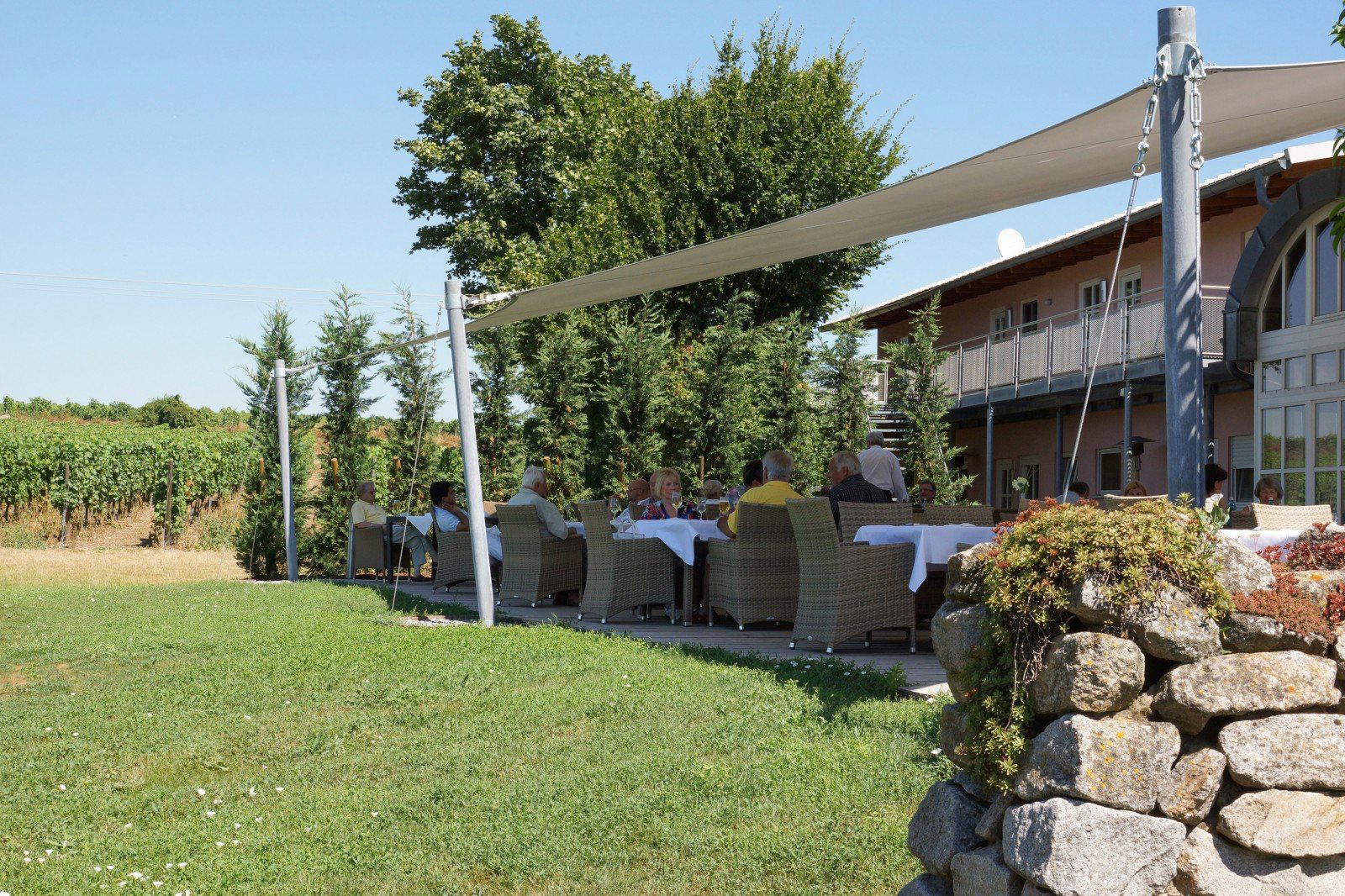
At a Glance
- Classic
- Quiet
- Cozy
- Rustic
- Wine Education
- Special Occasion
- Corporate Event
- Group Outing
- Historic Building
- Cave Tasting
- Vineyard Tour
- Private Tasting
- Organic
- Biodynamic
- Sustainable
- Vineyard
- Rheinhessen
- Riesling
- Chardonnay
- Pinot Noir
- Sauvignon Blanc
- Still White
- Still Red
- Guided Tasting
- Estate Tasting
Historic family winery with an authentic, handcrafted, sustainability-focused atmosphere; the estate emphasizes tradition, origin, and minimal-intervention winemaking in an old vaulted cellar.