
Falstaff Winery - 4 Stars
Weingut St. Antony is a Roter Hang estate in Nierstein, shaped by steep red-slate vineyards above the Rhine and a portfolio led by dry, mineral Riesling. Its story links industrial land use, a first vintage in 1920, VDP standing, biodynamic farming and site-specific parcels such as Pettenthal, Hipping, Ölberg and Orbel.

Pearl is the En Primeur Club membership app, where members save venues, book tables and use the concierge.

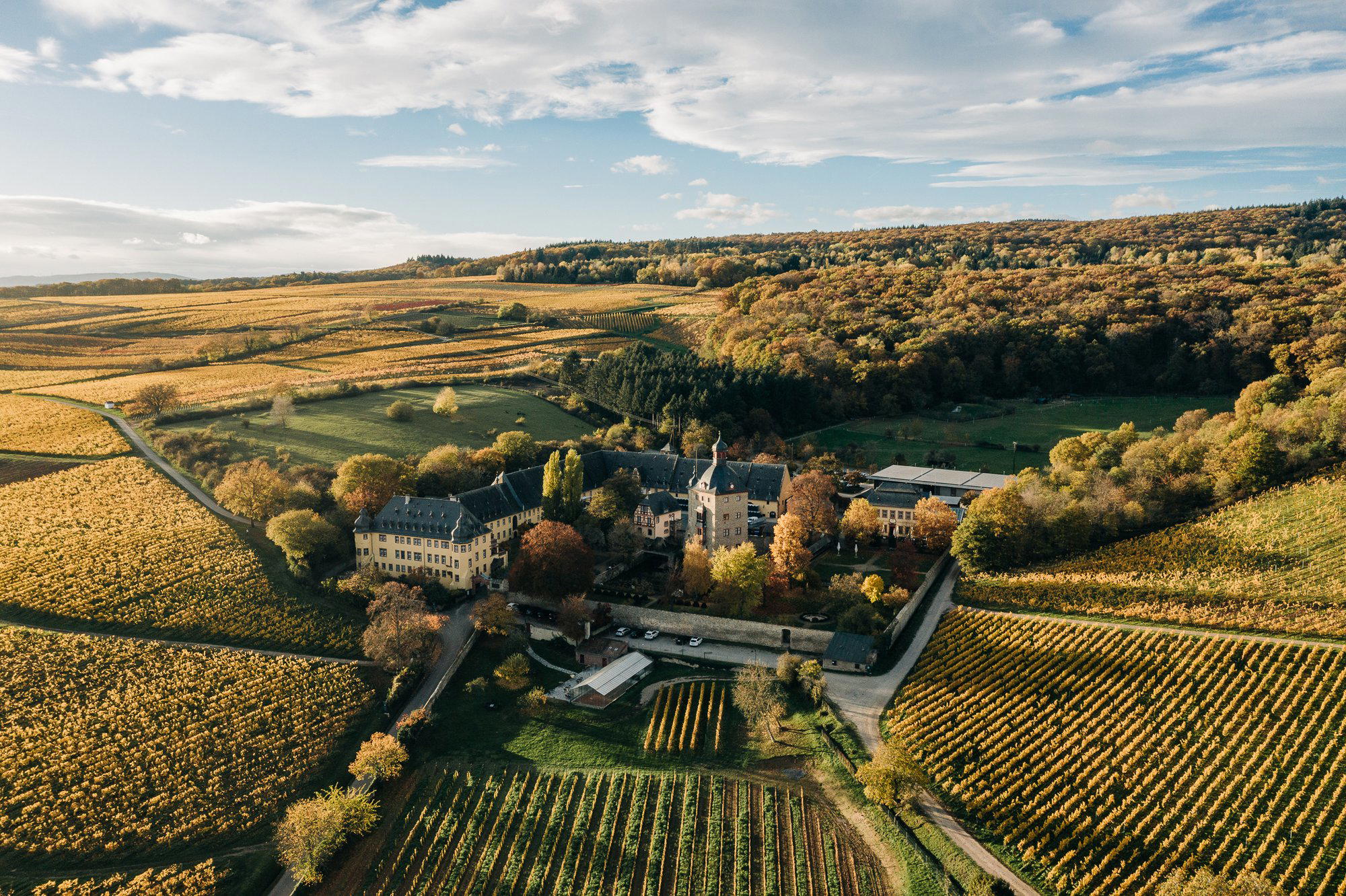
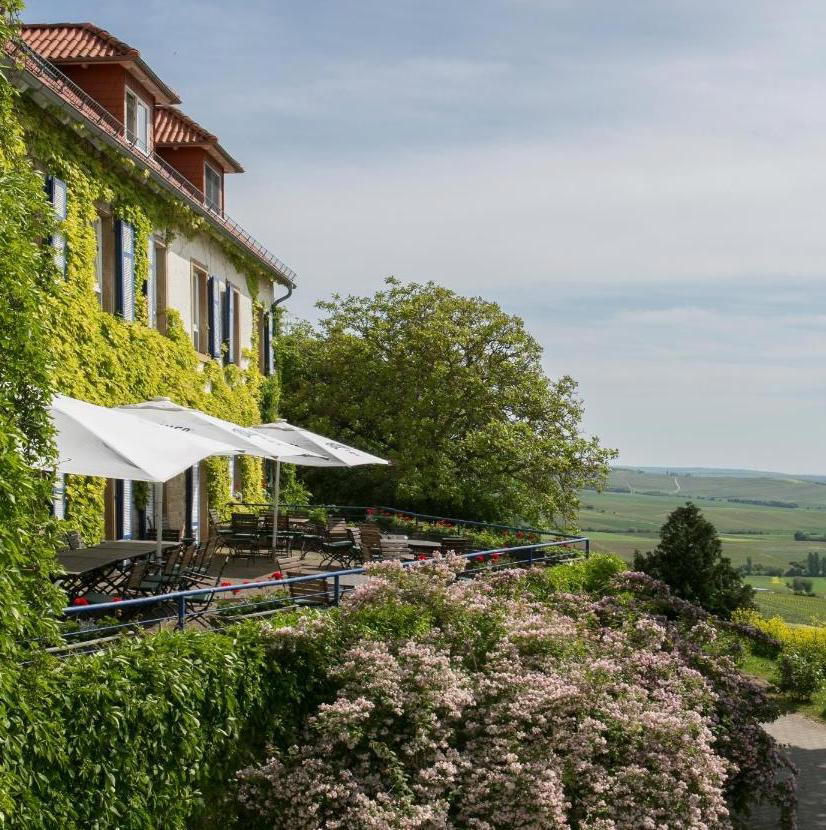
Approaching wine in Nierstein means looking first at the slope, not the cellar door. The Roter Hang rises above the Rhine in steep red-slate vineyard landscapes, giving the place its defining visual and agricultural context. Weingut St. Antony belongs to that setting: a focused, terroir-driven winery whose identity is tied to the hill, the vineyard work and the mineral precision associated with this part of Nierstein.
This is not a page to build around a broad hospitality promise or a detailed public tasting format. The profile is narrower and more useful: Weingut St. Antony is best understood as a quiet, scenic Roter Hang winery with an organic and biodynamic orientation. The emphasis is on precise, mineral wines and the landscapes above the Rhine, rather than on a public visitor experience.
Red slate, mineral precision and the Roter Hang
The estate’s clearest context is the Roter Hang itself. In Nierstein, the steep red-slate slopes above the Rhine are more than a backdrop; they shape how the winery is presented and how its wines are framed. The story is one of site, slope and restraint: a terroir-driven producer working in a landscape known for its dramatic vineyard lines and quiet concentration.
What can be stated is the broader style: organic and biodynamic in orientation, with wines described through precision and minerality rather than spectacle. For readers planning around Nierstein, that makes Weingut St. Antony a place to understand through the Roter Hang landscape and the estate’s focused vineyard identity.
The price category is listed as $$, which places the venue in a moderate guide tier without implying specific bottle prices, tasting fees or purchase options. As with the rest of the profile, the safest reading is restrained: Weingut St. Antony is notable for its setting and wine style, not for a menu, dining program, formal tour package or published hospitality format.
A winery defined by farming and place
Weingut St. Antony’s positioning centers on organic and biodynamic work. That matters because the Roter Hang is not a neutral setting. Steep red-slate vineyard landscapes require attention to land, soil and site expression, and the estate’s stated character is aligned with that kind of farming-led identity.
The result is a winery profile that feels more precise than expansive. Rather than presenting Weingut St. Antony as a general-purpose Rhine-side stop, it is more accurate to describe it as a serious Nierstein producer shaped by terroir, quiet surroundings and a mineral wine style. The guide does not verify founding dates, ownership details, awards, scores, named winemakers, vineyard names, seat counts, opening hours or visitor policies, so those specifics are intentionally left out.
This thinner, more careful description is still useful. It keeps the focus on what is confirmed: Nierstein, the Roter Hang, steep red-slate vineyards above the Rhine, organic and biodynamic orientation, precise mineral wines, a scenic and quiet character, and a $$ price category. For a wine-focused traveler, those are the reliable signals to use when deciding whether the estate fits the mood of a trip.
How to understand a visit-led region when the wine is the point
Nierstein can be tempting to treat as a scenic wine stop, and Weingut St. Antony does have that scenic context. The estate is better understood through its landscape and wine identity: Roter Hang, red slate, quiet surroundings and a focus on precise, mineral expression.
That also affects planning. Before making plans around the winery, visitors should confirm current arrangements directly rather than relying on assumptions about tours, tastings, opening times, food service or retail availability. None of those operational details are here. What the guide can say with confidence is that Weingut St. Antony is a terroir-driven Nierstein winery with an organic and biodynamic style and a setting that reflects the steep vineyard landscape above the Rhine.
For broader planning around the city, keep the comparison local and general: other Nierstein dining and wine options may suit different parts of a trip, while Weingut St. Antony’s role is the focused Roter Hang winery profile. In the EP Club guide, it stands as a quiet, scenic, site-led address rather than a page built around awards, named bottles, formal service details or a dining program.
Recognition history
Dated appearances from independent guides and award organizations, with the underlying list record or original source where available.
Falstaff Winery - 4 Stars
Falstaff
Continue exploring
More in Nierstein
Wineries in Nierstein
All wineries in Nierstein →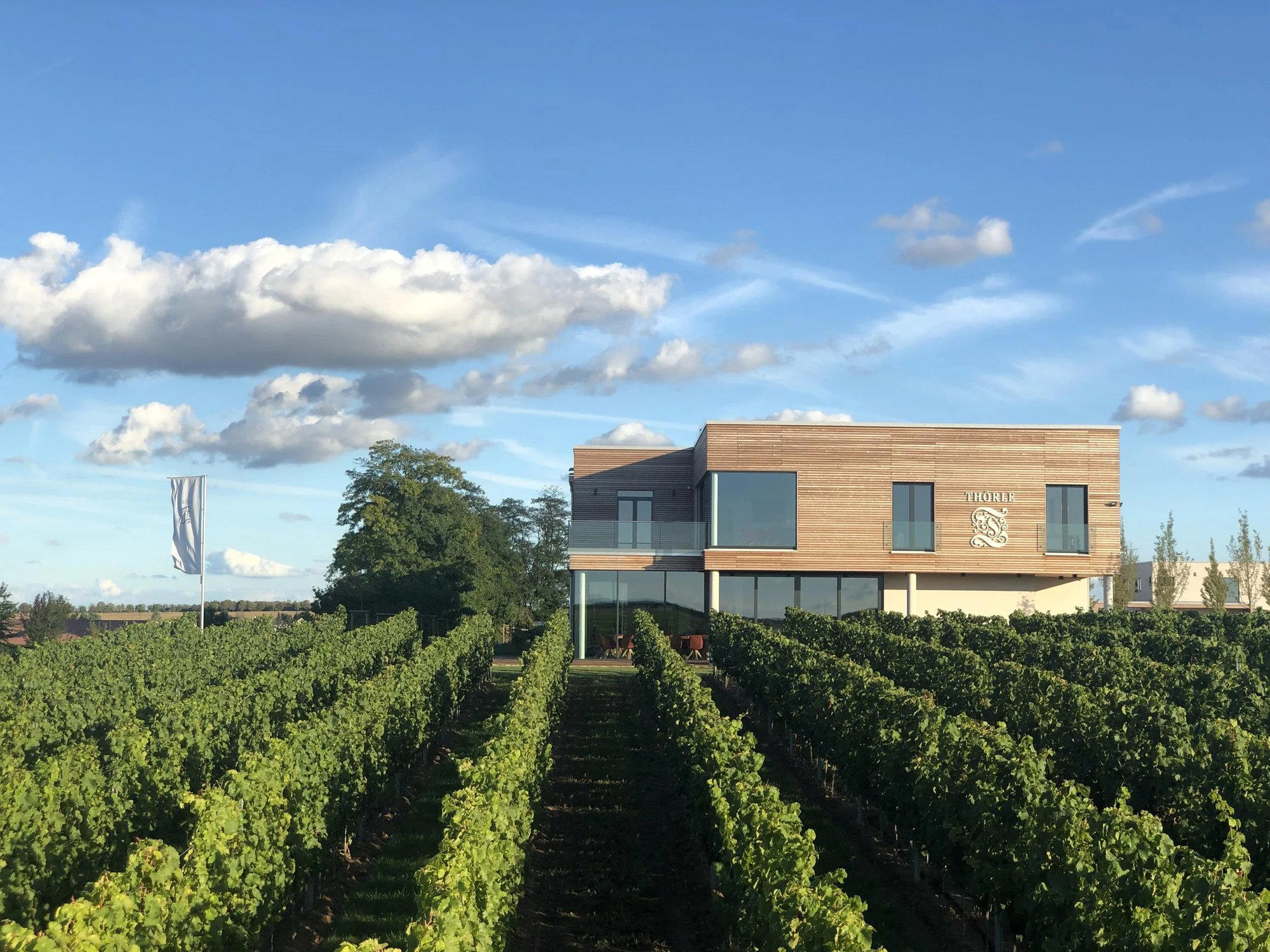
Bars in Nierstein
Browse all →
Details
- Scenic
- Quiet
- Classic
- Rustic
- Solo Exploration
- Wine Education
- Vineyard Tour
- Estate Grounds
- Biodynamic
- Organic
- Vineyard
- Riesling
- Pinot Noir
- Silvaner
- Chardonnay
- Weissburgunder
- Still White
- Still Red
- Private Tasting
A focused, terroir-driven winery on the Roter Hang with steep red-slate vineyard landscapes above the Rhine; the style is organic/biodynamic and oriented toward precise, mineral wines rather than a public visitor experience.