Weingut Schnell

Weingut Schnell is a small bio-certified winery in Maienfeld shaped by mountain freshness, organic farming and a restrained cellar-door sensibility. The draw is not spectacle but vineyard practice: Pinot Noir, Syrah and Pinot gris grown without pesticides, harvested by hand and framed through a low-intervention, vegan wine identity.
Pearl is the En Primeur Club membership app — saves, bookings, and concierge access live there. Same editors, same standards.
- Address
- Maienfeld, canton of Grisons, Schweiz
 Saves & bookings on Pearl
Weingut Schnell in Maienfeld is best understood as a quiet, nature-focused winery rather than as a venue defined by a long list of public-facing amenities. The picture is deliberately simple: an organic, hands-on producer with a low-intervention ethos, a rustic character and the feel of a. For travelers planning around wine in Maienfeld, that is enough to set the tone, but not enough to justify claims about specific grape varieties, tasting formats, opening arrangements, awards, founding dates or cellar-door services.
That distinction matters. A premium guide should be useful without pretending to know what has not been verified. With Weingut Schnell, the strongest confirmed appeal is not a named bottle, a formal tasting room or a hospitality program. It is the idea of a small, nature-led winery whose identity sit closer to the vineyard and the cellar than to staged visitor theatre. The result is a venue to approach with measured expectations: modest in price, quiet in mood and most interesting for people who care about how wine is made.
Mountain setting, organic intent and a low-intervention identity
Maienfeld gives Weingut Schnell a clear geographic frame. Those words are useful because they point to a philosophy rather than a menu of unconfirmed specifics. They suggest a producer that values restraint, agricultural attention and minimal unnecessary intervention.
Low-intervention is often used loosely in wine writing, so it is important not to overstate it here. The information supports the phrase as part of the winery’s ethos, not as proof of any particular cellar technique, certification detail, grape list or production rule. In practical terms, readers should understand the winery as a place whose appeal is rooted in natural farming sensibility and direct craft rather than in luxury polish.
The rustic, hidden-gem description also helps set expectations. This is not presented as a high-gloss destination with a clearly documented visitor circuit. The cellar-door presence is not clearly described in the available information, so travelers should avoid assuming that the estate operates like a conventional drop-in tasting venue. The safer reading is that winery is a quiet winery to research and plan around carefully.
A low-key winery culture rather than a staged tasting circuit
One grounded way to describe the winery is as low-key. Its personality is quiet and rustic, with an emphasis on organic, low-intervention work. That makes it especially appealing to visitors who prefer understatement: people who want to understand a place through its farming values and production attitude rather than through a scripted hospitality experience.
Those may or may not exist in practice, but they are not part of the confirmed record supplied. Anyone planning a visit should check directly before building an itinerary around a tasting or purchase.
The price level is listed as $$, which places the venue in a moderate bracket. That does not establish bottle prices, tasting fees or any particular paid experience; it simply gives a broad sense of positioning. The more meaningful point is qualitative: the winery reads as a modest, nature-minded winery where the draw is the ethos rather than spectacle.
How to fold it into a Maienfeld wine itinerary
For a Maienfeld itinerary, treat the winery as a quiet wine stop to verify in advance, not as a guaranteed open-door attraction. Particularly useful plan is flexible: pair the possibility of a winery visit with other dining or travel time in Maienfeld, and confirm any practical details directly with the estate before you go.
The guide can confidently say that the venue is organic in orientation, nature-focused, hands-on and low-intervention in ethos; everything beyond that should be checked before arrival.
That restraint is part of the appeal. The winery is compelling precisely because the confirmed description is not built around performance. It sounds quiet, rustic and somewhat, a place for wine travelers who are comfortable with a less packaged experience. If your ideal winery visit depends on formal hospitality, extensive visitor infrastructure or a published tasting program, confirm those details first.
The case for the winery is strongest for travelers who value agricultural intent and understated character. In Maienfeld, it is distinctive as an organic, nature-focused winery with a hands-on, low-intervention identity and a modest $$ price level. Approach it as a hidden-gem prospect: potentially rewarding, but best handled with direct planning rather than assumptions.
Recognition history
Dated appearances from independent guides and award organizations, with the underlying list record or original source where available.
Falstaff Winery - Listed
Falstaff
Continue exploring
More in Maienfeld
Wineries in Maienfeld
Browse all →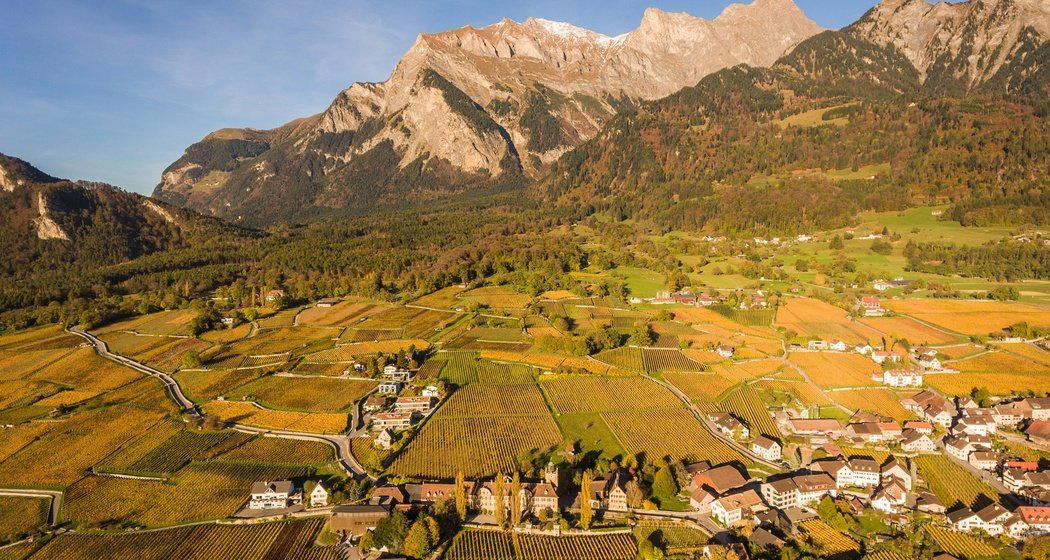
Restaurants in Maienfeld
Browse all →
At a Glance
- Quiet
- Rustic
- Solo Exploration
- Wine Education
- Organic
- Vineyard
- Mountain
- AOC Graubünden
- Pinot Noir
- Syrah
- Pinot Gris
- Still Red
- Still White