Weingut Schales

Weingut Schales is a historic Rheinhessen estate in Flörsheim-Dalsheim, founded in 1783, with a visitor format built around tasting, cellar atmosphere, and wine education. The draw is not spectacle but the older German estate model: varietal breadth, a wood barrel cellar, a rarity cabinet, and an on-site wine museum that frame Rheinhessen as a living wine culture rather than a label on a bottle.
Pearl is the En Primeur Club membership app — saves, bookings, and concierge access live there. Same editors, same standards.
- Address
- Flörsheim-Dalsheim, Rhine Hesse, Rhineland-Palatinate, Deutschland
- Directions
- Get directions
 Saves & bookings on Pearl
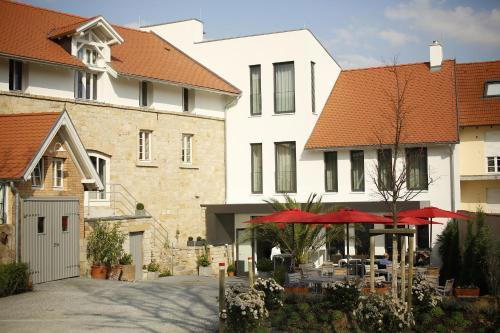
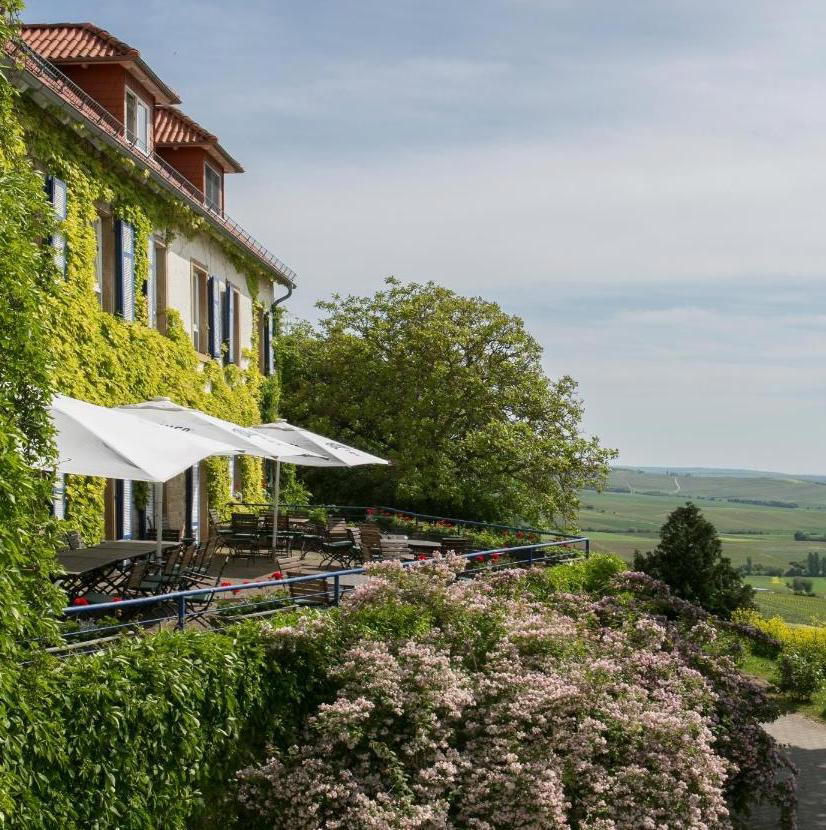
Arrival in Flörsheim-Dalsheim puts wine back in its village setting: low-rise streets, working estates, and the quiet rhythm of a place where cellar doors matter as much as restaurant tables. Weingut Schales fits Rheinhessen’s older hospitality grammar, where tasting room, barrel cellar, and museum form a compact lesson in how a region explains itself. The estate dates to 1783, a meaningful signal in German wine culture, where continuity, family ownership, and local memory shape the experience as much as the glass.
Rheinhessen is too often reduced to Riesling, but the more useful reading is broader. The region has the scale and flexibility for still whites, reds, and sparkling wines, and the Schales portfolio reflects that spread through Riesling, Sauvignon Blanc, Weissburgunder, Grauburgunder, Spätburgunder, and Chardonnay. For travellers, that range turns a tasting into a regional map rather than a narrow varietal exercise. The better question is how the line-up shows Rheinhessen’s elastic identity: white grapes with acidity and clarity, Pinot-family bottlings with local weight, and sparkling wine as part of the conversation, not an afterthought.
Rheinhessen in the glass: breadth before bravado
The useful frame is terroir expression through category, not a single-vineyard narrative. No estate-specific parcel detail is needed: southern Rheinhessen sits inside a cool-climate European tradition where ripeness, acidity, and texture are negotiated vintage by vintage. A tasting across Riesling, Sauvignon Blanc, Weissburgunder, Grauburgunder, Chardonnay, and Spätburgunder lets visitors compare how grape families carry regional character. Riesling is the benchmark for tension and structure in German wine culture; the Pinot varieties broaden the discussion toward body, phenolic feel, and red-fruited restraint; Chardonnay and Sauvignon Blanc place the estate in a more international register without leaving the local cellar-door setting.
That breadth is the point. Premium wine tourism often splits between estates that sell prestige through scarcity and those that teach through range. Weingut Schales belongs to the latter: a large-production Rheinhessen winery with open allocation and a visitor-facing format built for education, groups, and solo exploration. The price level sits in the approachable middle tier, making this a practical estate tasting, not a trophy-label stop built around chasing one bottle. It suits travellers who want to understand how a German region expresses itself across grapes, styles, and cellar traditions.
The on-site wine museum sharpens that reading. Wine museums can feel ornamental when detached from production, but on a working estate they give historical weight to a tasting appointment. Here, the historic building, wood barrel cellar, rarity cabinet, and tasting room create a layered format: material culture, cellar atmosphere, then current portfolio. The experience is traditional and quiet rather than theatrical, which suits Rheinhessen better than imported luxury cues. The region’s appeal often lies in agricultural continuity and pragmatic hospitality, not architectural drama.
A cellar-door format built for learning, not performance
German wine travel rewards attention to format. A standard tasting gives the quick regional read; a themed tasting turns the same estate into a focused lesson; a private tasting suits drinkers who want to slow down over vintage, grape, and style distinctions. Schales offers all three, so the estate works for different levels of seriousness without changing character. The same setting can accommodate a group outing, special occasion, or solitary study session, if approached as an estate encounter rather than a bar crawl.
The strongest reason to come is the combination of breadth and setting. A tasting cabinet and rarity component add context for older bottles or estate memory, while the barrel room anchors the visit in production rather than retail alone. Food pairing is part of the hospitality offer, giving the wines a practical frame: acidity, texture, and red-wine structure make more sense alongside food than in isolation. The atmosphere is casual, rustic, and quiet, exactly the register many wine travellers seek in smaller German villages after larger-destination tasting rooms begin to feel interchangeable.
There is also a useful absence of overstatement. No public star rating or major award needs to carry the argument. The trust signal is different: longevity since 1783, a named winemaker in Christian Schales, a clear Rheinhessen appellation context, and a physical visitor experience including cellar, museum, and structured tastings. Those facts place the estate inside a durable German wine tradition where credibility is cumulative, built through continuity and direct tasting rather than headline accolades.
How to place it within a Flörsheim-Dalsheim wine day
Flörsheim-Dalsheim works better as a wine itinerary than a single-stop detour. Travellers can use Our full Flörsheim-Dalsheim wineries guide to build a wider cellar-door route, then add nearby estate pages such as Sekthaus Raumland, Velis Vineyards, Weingut Beyer-Bähr, Weingut Engel, and Weingut Feth. The editorial value is contrast: sparkling wine, family estates, and regional still-wine programs show how much variation can exist within a small wine village.
For a fuller stay, the wine day needs practical scaffolding beyond tastings. Our full Flörsheim-Dalsheim restaurants guide is the natural companion for lunch or dinner around cellar visits, while Our full Flörsheim-Dalsheim hotels guide turns the route into an overnight rather than a compressed afternoon. Drinkers wanting a post-tasting change of pace can use Our full Flörsheim-Dalsheim bars guide, and travellers building a broader cultural itinerary can add Our full Flörsheim-Dalsheim experiences guide.
Beyond the village, German-speaking wine travel becomes more interesting when Rheinhessen is read against other regions and styles. For a wider cellar-door map, keep & Handwein in Mannheim, 2 Naturkinder in Kitzingen, 3 Winner in Bechtheim, »der Steiner« Hans Steiner in Podersdorf am See, and ®walzer in Gneixendorf Bei Krems on the radar. The reward is comparative literacy: after a few estate visits, differences in grape choice, cellar culture, visitor format, and regional confidence become easier to read.
Recognition history
Dated appearances from independent guides and award organizations, with the underlying list record or original source where available.
Falstaff Winery - 1 Stars
Falstaff
Continue exploring
More in Flörsheim-Dalsheim
Wineries in Flörsheim-Dalsheim
Browse all →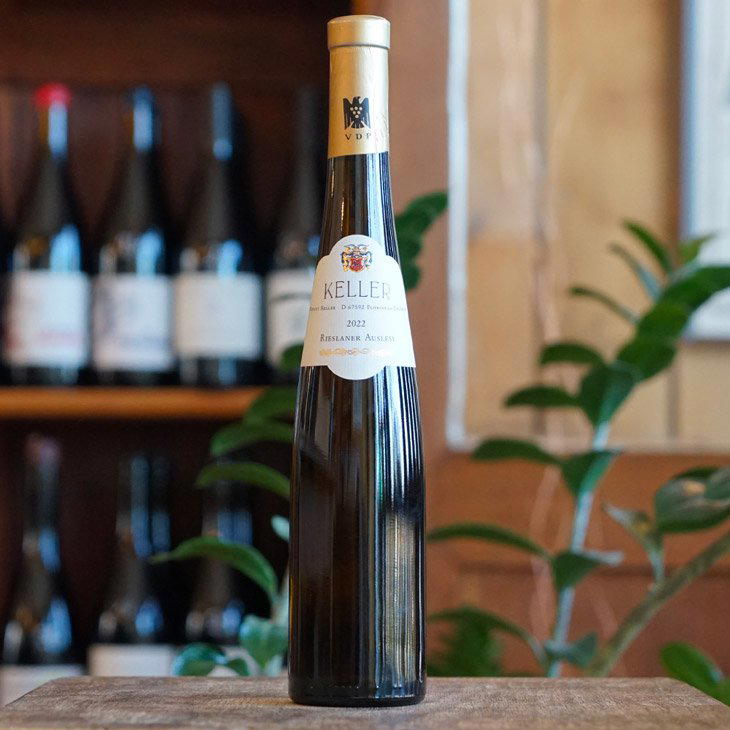
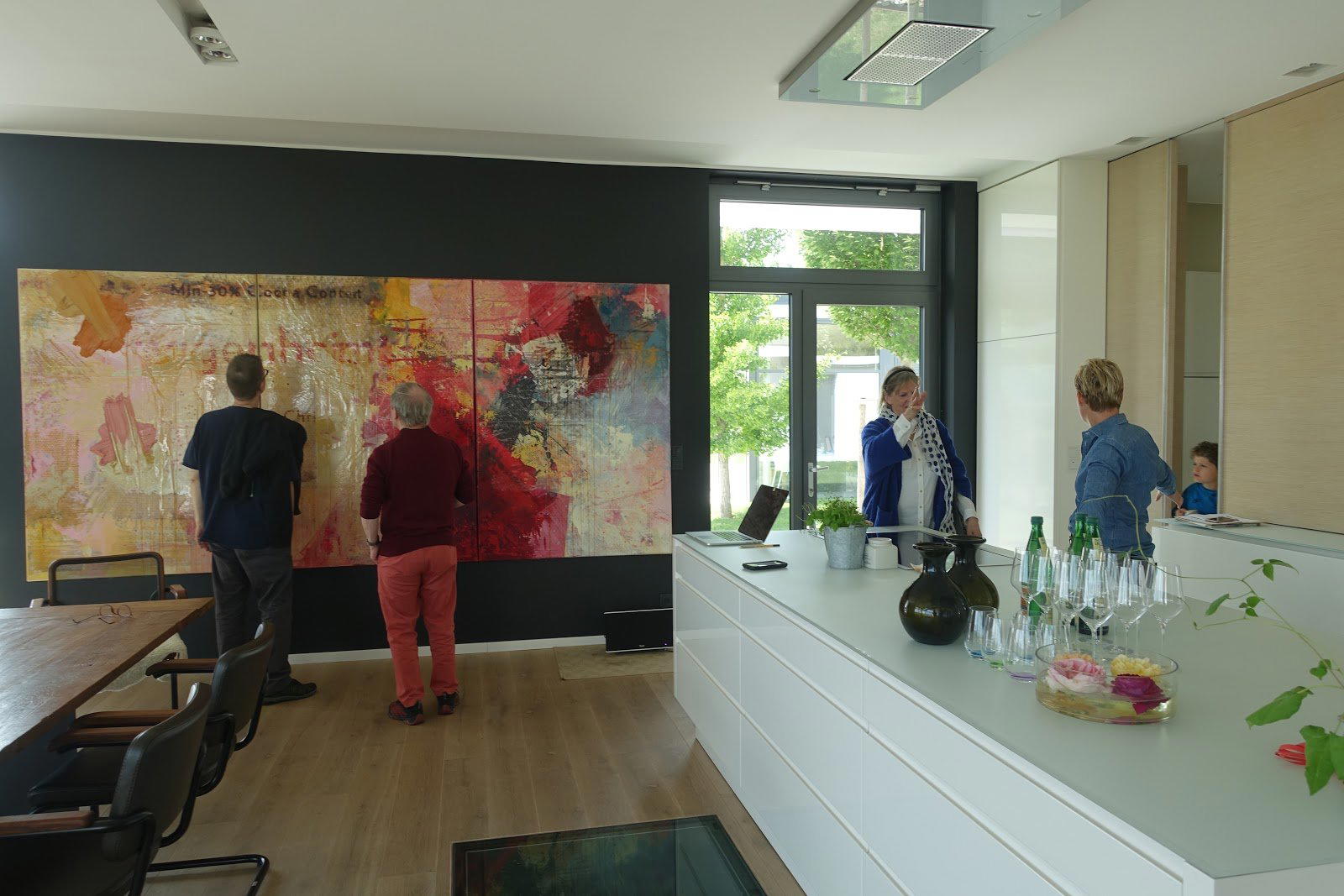
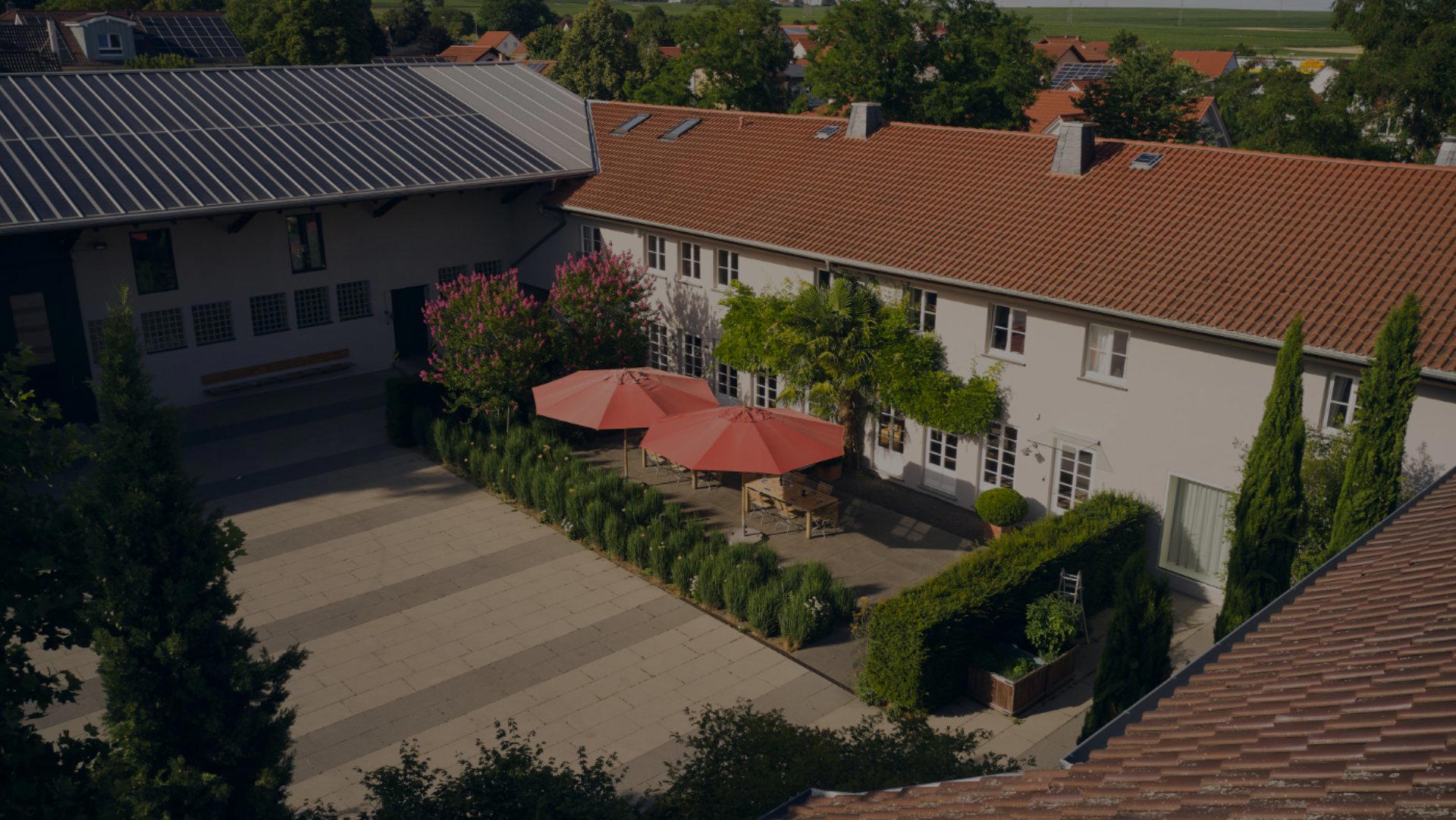
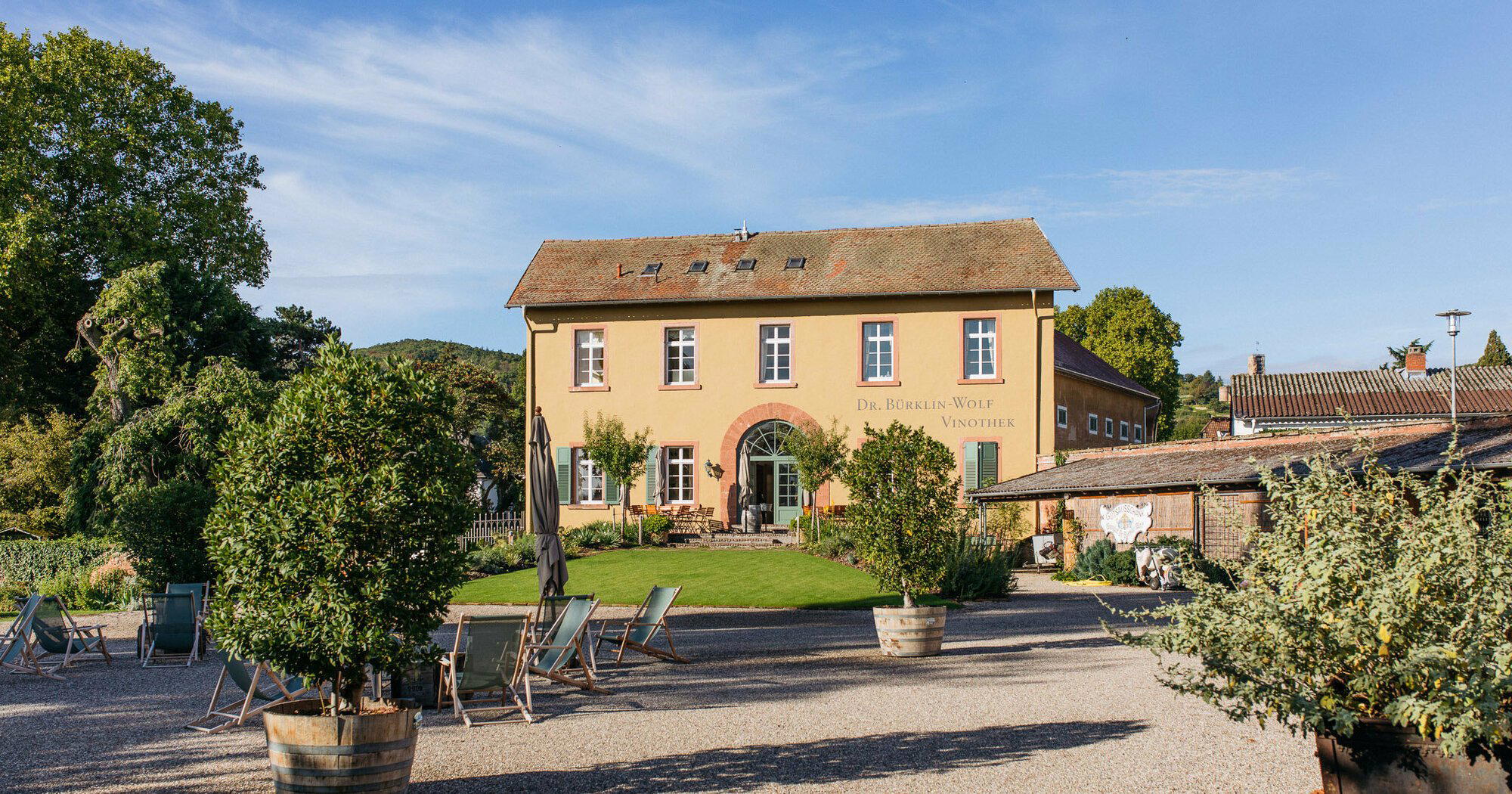
Bars in Flörsheim-Dalsheim
Browse all →
Restaurants in Flörsheim-Dalsheim
Browse all →
At a Glance
- Classic
- Rustic
- Quiet
- Wine Education
- Group Outing
- Solo Exploration
- Special Occasion
- Historic Building
- Private Tasting
- Barrel Room
- Vineyard
- Rheinhessen
- Riesling
- Sauvignon Blanc
- Weissburgunder
- Grauburgunder
- Spätburgunder
- Chardonnay
- Still White
- Still Red
- Sparkling
- Standard Tasting
- Themed Tasting
- Private Tasting
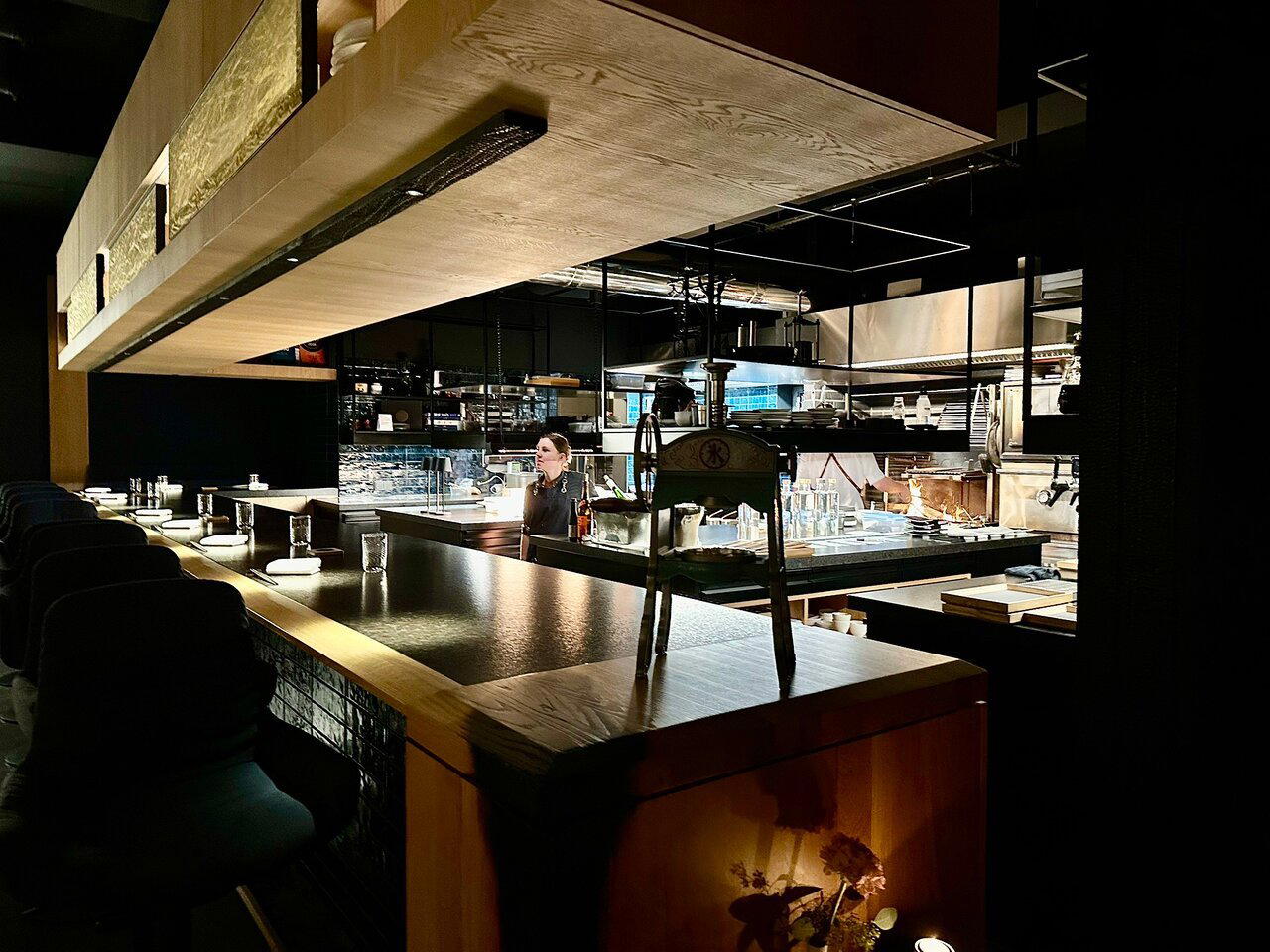
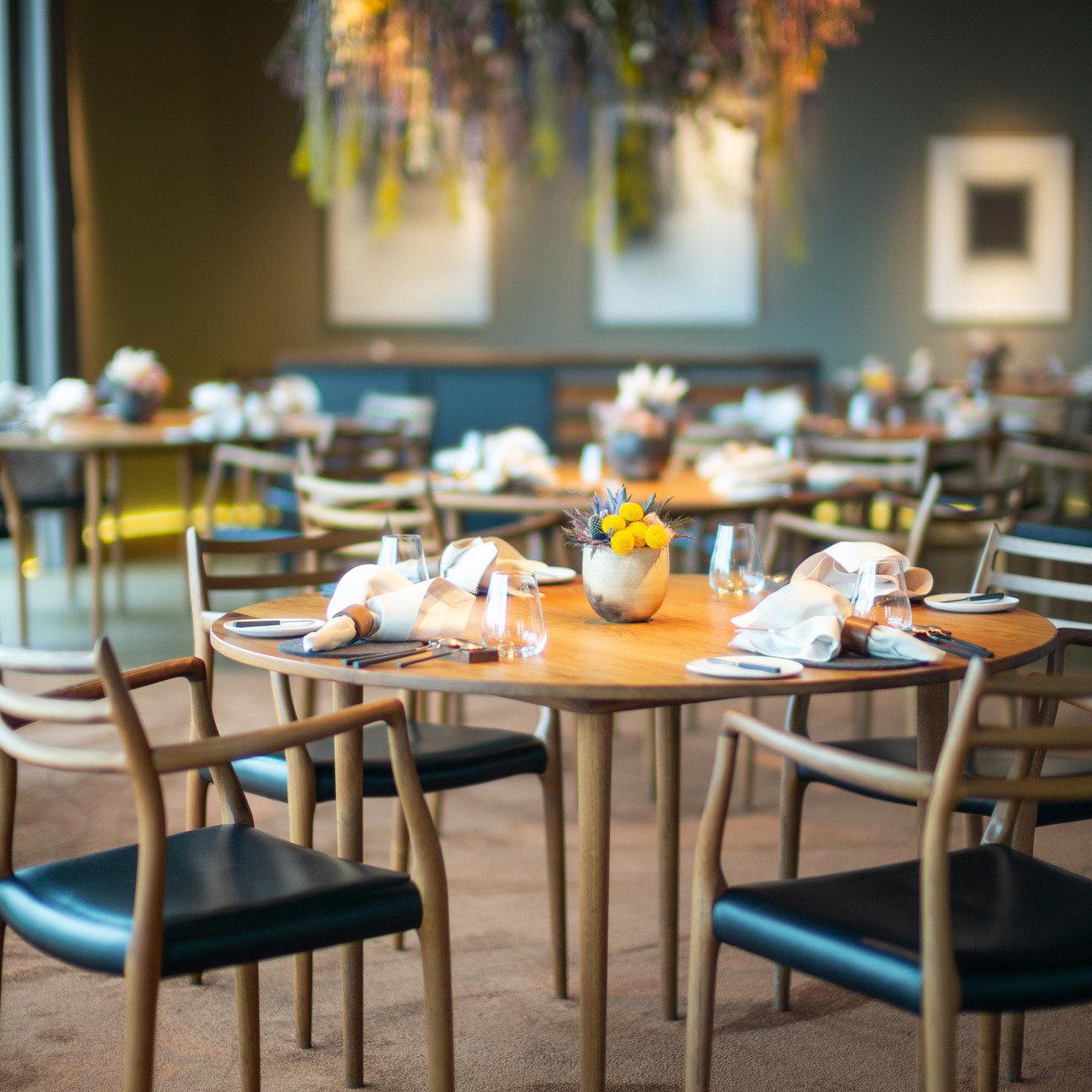
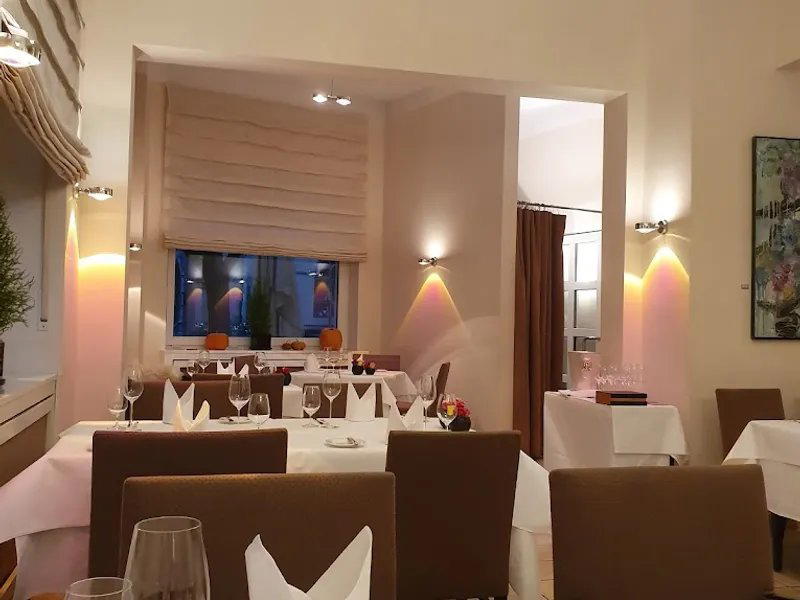
Traditional estate setting with a charming tasting room, cellar atmosphere, and a historic wine museum on site; guest-facing descriptions emphasize personal advice and a family-run feel.