Weingut Paul Basten

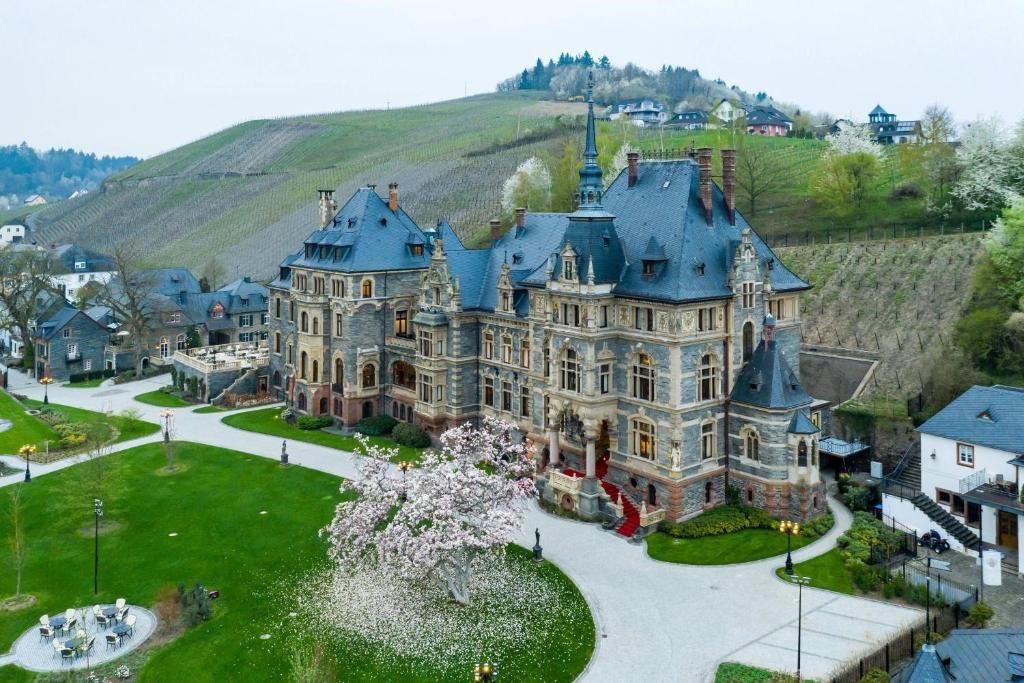
Weingut Paul Basten is a small, family-run Mosel estate in Trittenheim, opened in 1960 and now carried by a third generation. The emphasis is classic for this part of the valley: Riesling, steep-slope parcels, direct cellar-door hospitality, and a quiet private-tasting format rather than a large visitor-center model.
Pearl is the En Primeur Club membership app — saves, bookings, and concierge access live there. Same editors, same standards.
- Address
- Trittenheim, Moselle, Rhineland-Palatinate, Deutschland
- Directions
- Get directions
 Saves & bookings on Pearl
Weingut Paul Basten is a family-run Mosel winery in Trittenheim. The picture is intentionally modest: a long-standing, hands-on estate tradition, a setting centered on Riesling, and guest-oriented tastings with an at-home, cellar-door feel. That is enough to place it clearly for travelers who are looking for a quiet wine stop rather than a highly staged hospitality concept.
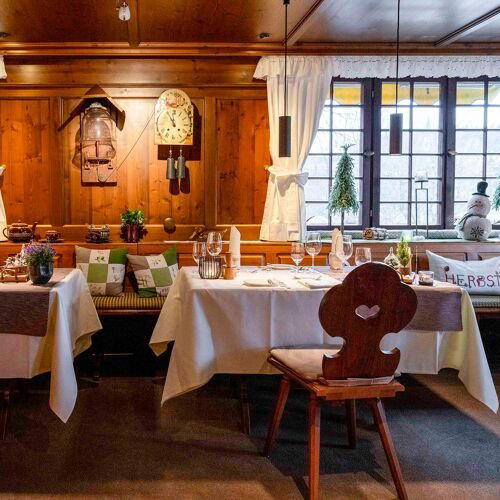
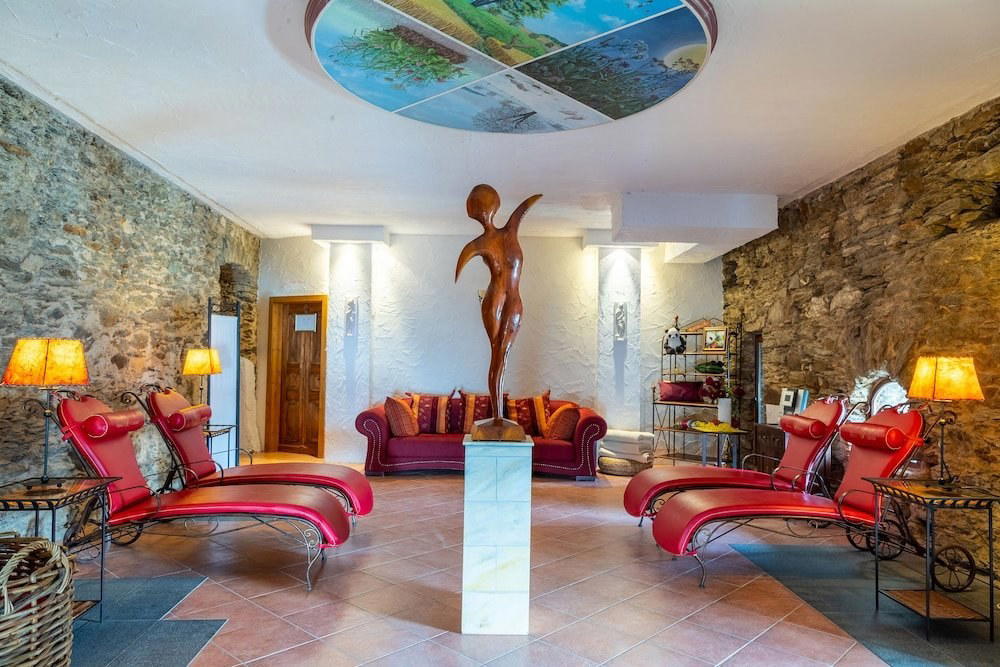
The atmosphere is best described as rustic, quiet, cozy, and classic. Those words matter because they set expectations. This is not a page to read as a promise of a large visitor center, a restaurant-style service, a fixed tour format, or a detailed public menu of experiences. The reliable information points instead to a Mosel winery where the focus remains close to the family estate, the wines, and the guest welcome.
Riesling first, with a Mosel cellar-door scale
The clearest anchor for Weingut Paul Basten is Riesling. The estate is presented around that Mosel identity, and the guest experience should be understood through that lens. For visitors, that means the main reason to consider the stop is not a broad tourism package but the chance to engage with a family-run winery in a region closely associated with Riesling.
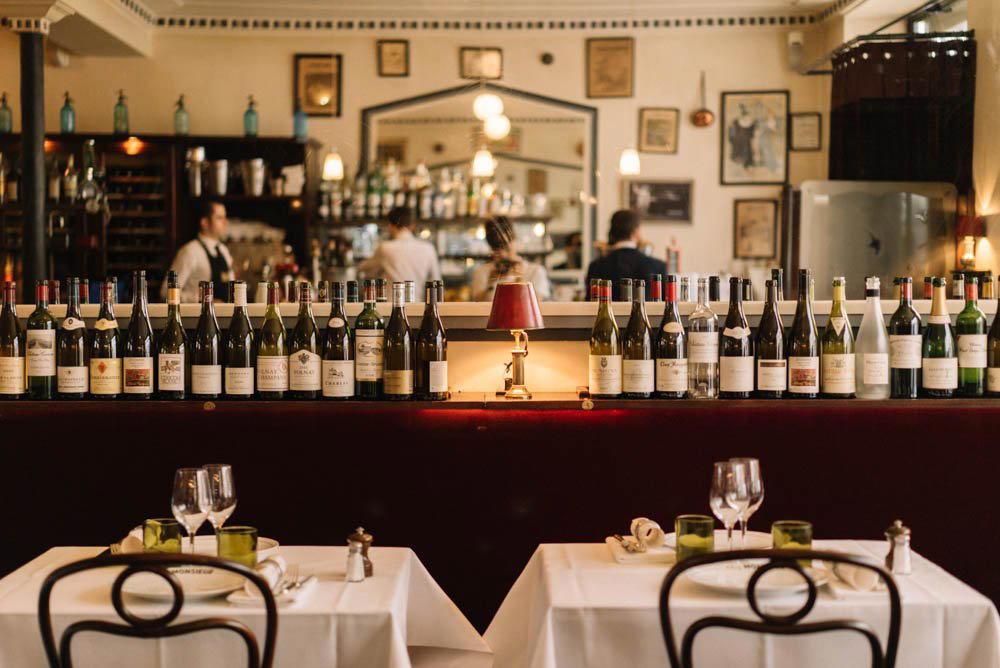
Cellar-door feel is also important. It suggests a visit shaped by direct hospitality rather than distance: a place where the tasting context is close to the people and traditions behind the estate.
For that reason, the ideal way to read Weingut Paul Basten is as a focused Mosel stop. It is suitable for travelers who value a classic winery atmosphere and who want the visit to remain centered on Riesling and conversation. The appeal is not in spectacle. It is in the quieter cellar-door register: a family-run place, a regional wine identity, and a tasting style that appears guest-oriented without being over-described.
Family continuity matters more than display
The description emphasizes a long-standing, hands-on tradition. That is a meaningful distinction, even without attaching an unsupported founding year, named winemaker, generation count, or ownership detail. In a family-run winery, continuity can be part of the experience: the sense that the estate is not simply a venue but a working wine address with its own habits, rhythms, and way of receiving guests.
Here, the confirmed tone is rustic, quiet, cozy, and classic. That combination should guide planning. Visitors looking for a polished luxury setting, a full dining program, or a highly choreographed tour should not infer those features from the listing. The safer expectation is a warm, traditional Mosel winery environment where the tasting is the central guest experience.
This also makes the winery a useful reference point for understanding wine travel in Trittenheim more generally. Its identity is narrower and more precise: family-run, Riesling-centered, hands-on, and cellar-door in spirit.
How to place it within a Trittenheim trip
For planning, keep the confirmed details simple. The winery is in Trittenheim, its price level is listed as $$, and the experience is framed around guest-oriented tastings.
The safest itinerary approach is to treat the winery as a focused tasting stop within a broader Trittenheim day. Build meals, lodging, and other local plans separately, and avoid assuming that the estate itself provides restaurant service, outdoor seating, a formal tour schedule, or take-away options. The information supports a wine-led visit, not a full-service hospitality complex.
That restraint is part of the appeal. The winery reads as a classic Mosel winery where the value is in the directness of the encounter: Riesling, family tradition, and a quiet setting that keeps attention on the glass. For travelers who prefer intimate, traditional wine experiences over elaborate tourism infrastructure, that is the essential reason to keep it on a Trittenheim shortlist.
The editorial case is therefore precise rather than inflated. The winery is a $$, family-run Mosel winery in Trittenheim with a long-standing, hands-on tradition, a Riesling-centered identity, guest-oriented tastings, and an at-home cellar-door feel. Everything beyond that should be confirmed with the estate before making plans.
Recognition history
Dated appearances from independent guides and award organizations, with the underlying list record or original source where available.
Falstaff Winery - Listed
Falstaff
Continue exploring
More in Trittenheim
Wineries in Trittenheim
Browse all →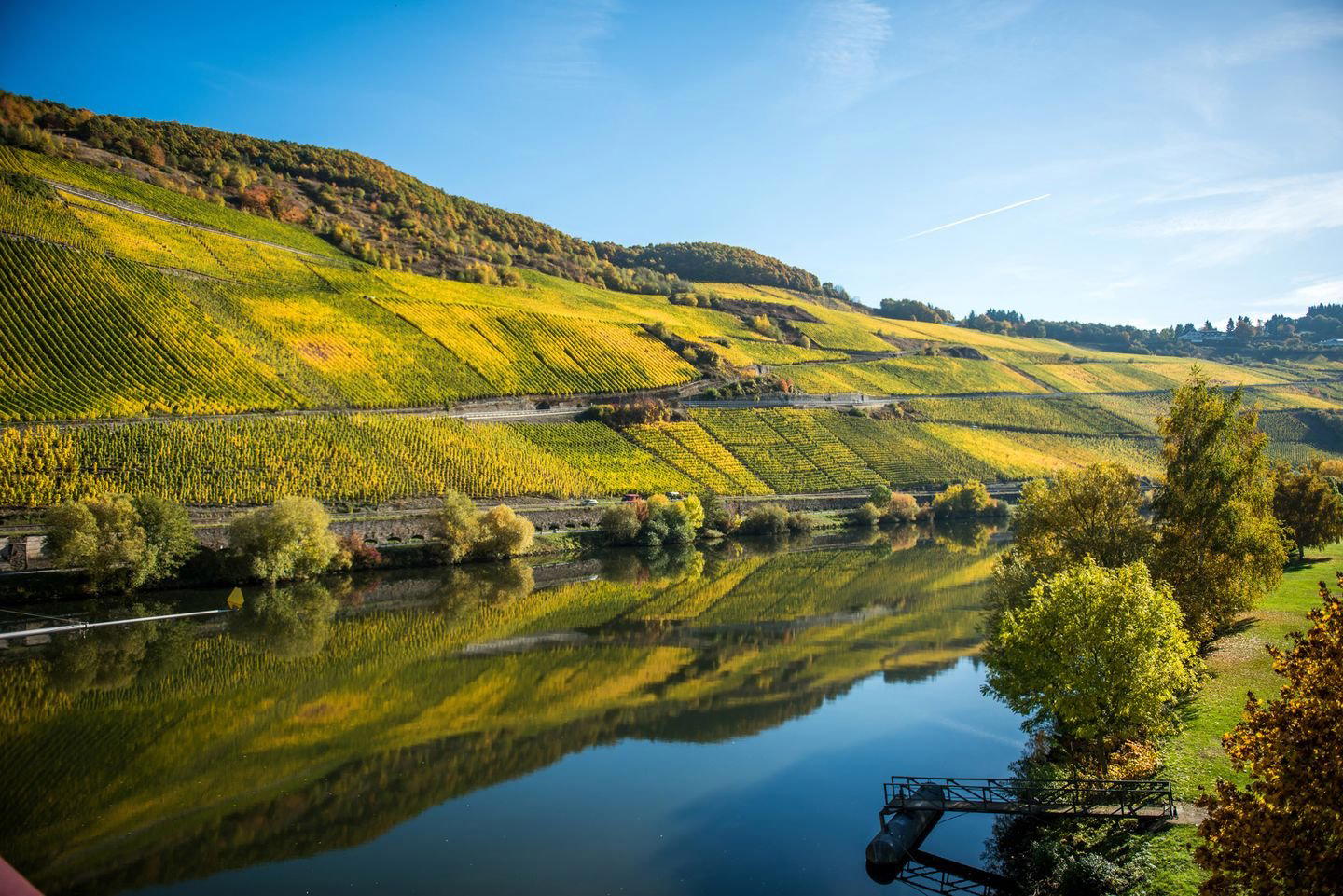
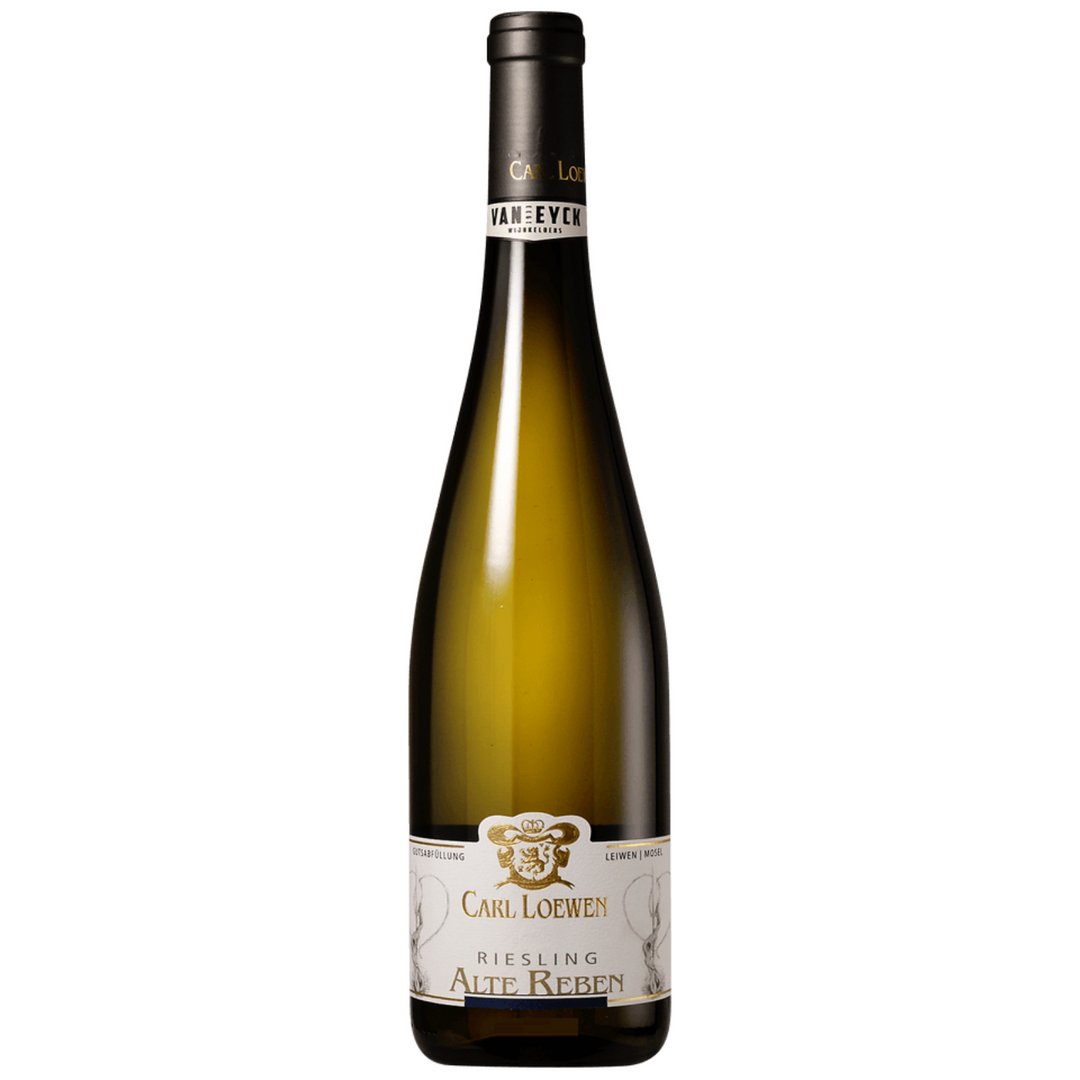
Bars in Trittenheim
Browse all →
Restaurants in Trittenheim
Browse all →
At a Glance
- Rustic
- Quiet
- Cozy
- Classic
- Group Outing
- Solo Exploration
- Special Occasion
- Wine Education
- Private Tasting
- Historic Building
- Estate Grounds
- Vineyard
- Mosel
- Riesling
- Kerner
- Rivaner
- Burgundian Varieties
- Still White
- Private Tasting
Family-run Mosel winery with a long-standing, hands-on tradition; the setting is centered on Riesling and guest-oriented tastings, with an at-home, cellar-door feel.