Weingut Michael Andres

A small biodynamic Pfalz estate in Ruppertsberg, Weingut Michael Andres is strongest when read through soil rather than scale. Its 7 hectares, wild fermentations, unfiltered “N” bottlings, Riesling parcels, and long-running Sekt focus place it in the hand-farmed, terroir-led corner of German wine.
Pearl is the En Primeur Club membership app — saves, bookings, and concierge access live there. Same editors, same standards.
- Address
- Ruppertsberg, Pfalz (Palatinate), Rhineland-Palatinate, Deutschland
 Saves & bookings on Pearl
Weingut Michael Andres in Ruppertsberg is best approached as a quiet, rustic, terroir-driven estate rather than as a venue built around spectacle. The profile is deliberately compact: a small-estate character, biodynamic thinking, living soils, hand-crafted work, and minimal intervention are the points that define the place. For visitors or readers trying to understand its appeal, the useful frame is not a long list of labels, awards, bottle names, or hospitality claims. It is the atmosphere and philosophy: intimate, artisanal, and rooted in Ruppertsberg.
What can be said with confidence is that Weingut Michael Andres belongs in the category of small, terroir-minded estates where the interest lies in farming philosophy and a restrained, hands-on identity. The setting is Ruppertsberg, and the tone is quiet rather than flashy.
Terroir, craft, and the small-estate point of view
The strongest theme is the estate’s artisanal and terroir-driven character. That phrase matters because it places the venue in a world where soil, craft, and restraint are more central than scale or showmanship. The description points toward a hand-crafted, biodynamic, small-estate identity focused on living soils and minimal intervention. In practical editorial terms, that means the guide should treat Weingut Michael Andres as a place whose appeal is philosophical and agricultural rather than as a checklist of unconfirmed amenities.
Ruppertsberg is a fitting context for that kind of profile. Rather than inventing those specifics, the more honest reading is broader: the winery is presented as a with a quiet, intimate mood and a biodynamic, soil-conscious orientation. That is enough to distinguish the estate without overstating what is known.
The price level is listed as $$, which suggests a moderate positioning within the guide’s shorthand. Anyone planning a visit should therefore treat the estate’s confirmed profile as a starting point, not as a complete operational listing. The important editorial takeaway is the combination of Ruppertsberg location, artisanal character, biodynamic language, and a restrained atmosphere.
Biodynamics here is part of the identity, not a decorative claim
The description specifically connects the winery with biodynamic, hand-crafted, small-estate character. It also emphasizes living soils and minimal intervention. Those are meaningful signals, but they should be used carefully. The accurate approach is to say that the estate is framed by biodynamic and terroir-driven values, not to add proof points.
That restraint actually suits the venue’s profile. A quiet, rustic, hidden-gem estate does not need inflated claims to be compelling. The appeal is the opposite: it is for people who respond to modest scale, craft, and a sense that the work is grounded in soil rather than branding. The language of living soils and minimal intervention gives the estate a clear place in a broader natural-leaning and artisanal wine conversation, while the Ruppertsberg setting keeps the focus local.
Those omissions are not weaknesses; they are simply the boundary of the confirmed record. For an EP Club guide, the responsible version is a leaner, more reliable profile that explains what is known and leaves out what is not.
How to place it within a Ruppertsberg wine itinerary
Within Ruppertsberg, the winery is best framed as an intimate, low-key option for travelers who care about small-estate wine culture, biodynamic values, and a terroir-led point of view. It is not possible, from the facts provided, to promise a particular visitor experience, tasting structure, food pairing, cellar tour, or opening schedule. Planning should therefore be practical: confirm arrangements directly before building an itinerary around the estate.
For travelers comparing options in Ruppertsberg, use the winery as the reference point for a quieter, more artisanal style of visit. Other dining or hospitality in Ruppertsberg can provide broader context, but no specific nearby venues are here as comparisons. The grounded reason to prioritize the winery is its combination of Ruppertsberg location, $$ price category, rustic hidden-gem mood, and biodynamic, minimal-intervention identity.
The result is a focused recommendation rather than an encyclopedic one. The winery is compelling precisely because the confirmed profile is coherent: artisanal, terroir-driven, small-estate, biodynamic, quiet, rustic, and intimate. Readers looking for a polished hospitality complex or a heavily documented awards narrative should look for confirmed details before assuming them. Readers looking for a restrained Ruppertsberg estate with a soil-conscious identity have a clear reason to keep it on the list.
Recognition history
Dated appearances from independent guides and award organizations, with the underlying list record or original source where available.
Falstaff Winery - 3 Stars
Falstaff
Continue exploring
More in Ruppertsberg
Wineries in Ruppertsberg
Browse all →Restaurants in Ruppertsberg
Browse all →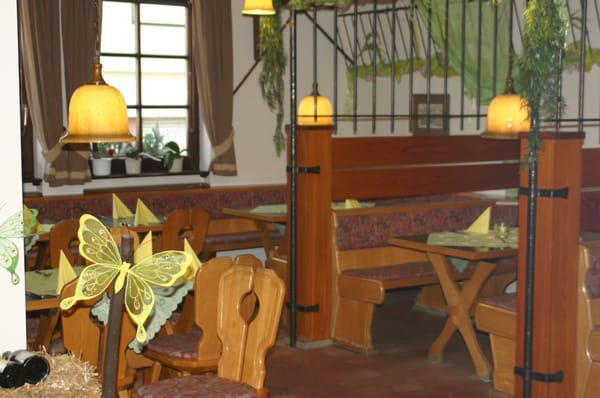
At a Glance
- Quiet
- Rustic
- Intimate
- Solo Exploration
- Wine Education
- Estate Grounds
- Historic Building
- Organic
- Biodynamic
- Vineyard
- Pfalz
- Riesling
- Chardonnay
- Spätburgunder
- Auxerrois
- Weissburgunder
- Still White
- Sparkling
- Still Red
- Estate Tasting
- Bottle Purchase
Artisanal and terroir-driven, with a hand-crafted, biodynamic, small-estate character focused on living soils and minimal intervention.