
Falstaff Winery - Listed
Family-run Nierstein winery with a Riesling-led portfolio tied to Rheinhessen and the red-slate Roter Hang. Weingut Leonhard is strongest when read through site expression: named parcels such as Pettenthal and Ölberg, a cellar-door tasting culture, and competition recognition across Riesling, Scheurebe, and Spätburgunder.

Pearl is the En Primeur Club membership app, where members save venues, book tables and use the concierge.

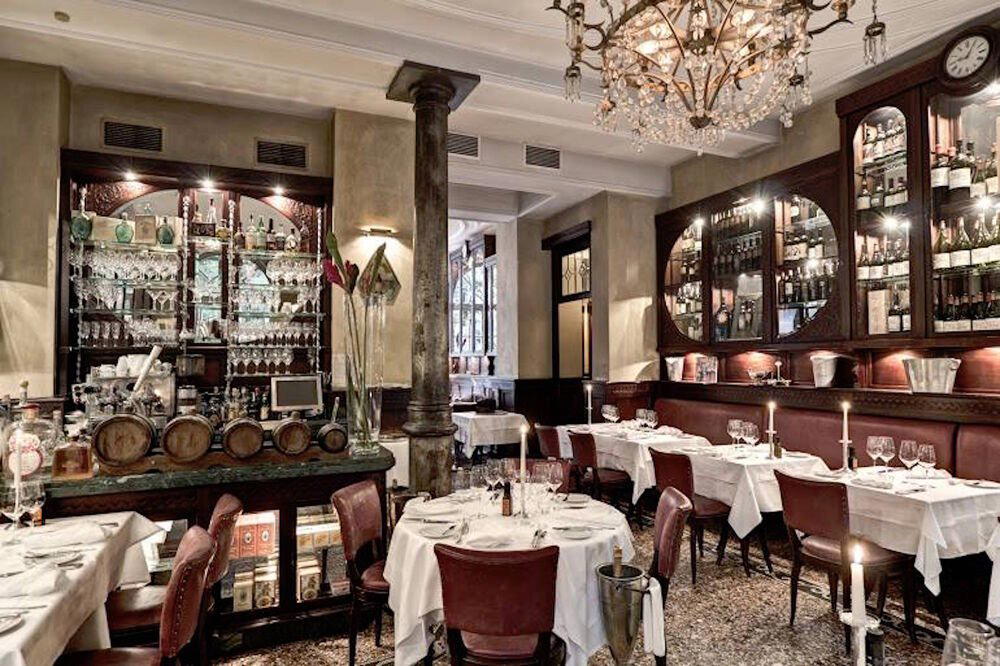
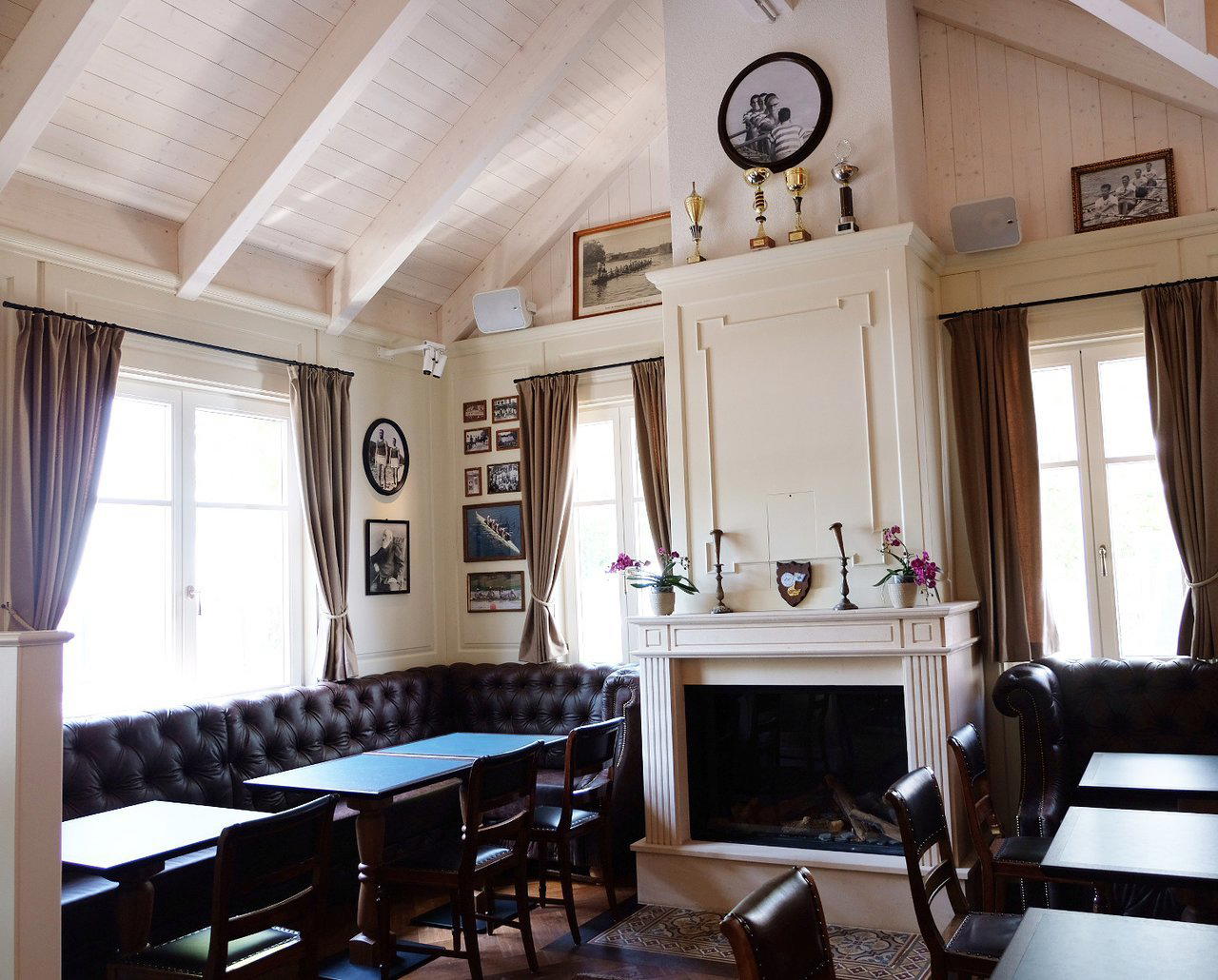
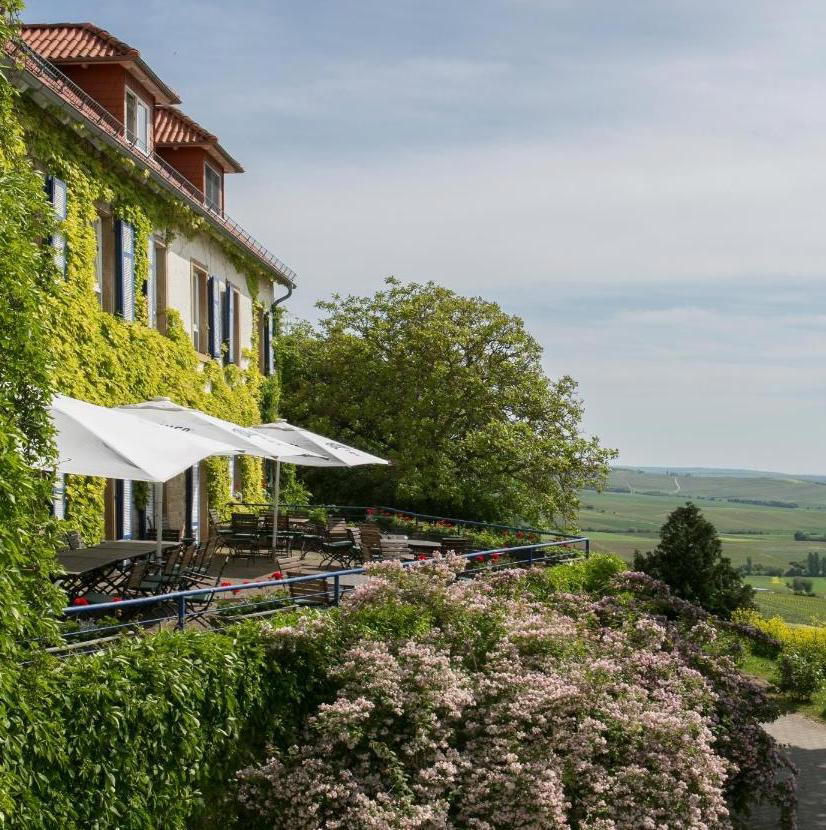
The press house sets the tone before the wines do: a working estate environment rather than a polished salon, with the tasting room built around the annual rhythm of a German family winery. In Nierstein, that matters. The town’s wine identity is inseparable from Rheinhessen’s Rhine-facing slopes and the red-slate Roter Hang, where Riesling is often discussed less as a grape than as a transmitter of site. Weingut Leonhard belongs to that tradition, with a portfolio that points toward named parcels, vintage release, and direct tasting rather than luxury theatre.
The estate was founded in 1958, and its current presentation remains family-led rather than corporate. That continuity gives the visit its shape: small-scale production, conversational service, and wines framed by origin. The cellar’s strongest signal is not a broad hospitality program or a trophy tasting room, but the way the estate ties itself to Nierstein through Riesling, Spätburgunder, Silvaner, Scheurebe, Weißburgunder, and Grauburgunder. For a visitor trying to understand Rheinhessen beyond the shorthand, this is the useful level of detail: grape variety, site name, vintage, and family cellar.
Roter Hang identity, read through Riesling and named parcels
Nierstein’s reputation rests heavily on the Roter Hang, the steep red-slate zone that has made the town a reference point for site-conscious Riesling. Weingut Leonhard’s own identity is tied to that frame, particularly through named parcels including Pettenthal and Ölberg. Pettenthal carries weight in German Riesling culture because the name signals more than a village wine; it places the bottle inside a narrower conversation about slope, soil, ripeness, and dry balance.
The clearest example is the Niersteiner Pettenthal Riesling Spätlese Trocken. The label language is doing real work: Niersteiner fixes the village, Pettenthal narrows the origin, Riesling supplies the variety, Spätlese indicates later-harvest fruit, and Trocken places the wine in a dry register. That combination is a concise lesson in how German wine labels can compress geography, ripeness category, and style into a single phrase. It also explains why the estate is more compelling as a terroir address than as a generic tasting stop.
The portfolio is not Riesling-only. Competition references across Scheurebe and Spätburgunder show a cellar that works across aromatic whites and red Pinot-family territory as well as the region’s signature grape. That breadth is typical of many Rheinhessen family estates, where the public face may be Riesling, but the cellar often carries a more complete local repertoire. The difference here is that the Roter Hang connection gives the Riesling program a sharper editorial center.
A classic cellar-door format rather than staged wine tourism
Hospitality format sits closer to a German open-house estate model than to a high-design tasting appointment built around scarcity. The annual year-class presentation takes place in a decorated Kelterhaus, with the full range available to taste across a three-day April 2026 schedule. That matters because it reflects the way many serious regional wineries sell and explain wine: release the new vintage, pour broadly, let regular customers compare across grapes and parcels, and make the cellar itself part of the encounter.
For visitors, the practical distinction is between spectacle and access. This is a casual, rustic, small-capacity estate setting with private and estate tastings, not a restaurant-style wine pairing room. Food pairing is not part of the listed format, outdoor seating is not part of the setup, and the atmosphere is conversational rather than ceremonial. The dress code follows the same logic: casual clothing fits the room better than formal winery attire.
The estate’s price level sits in the moderate range, which aligns with the appeal: Rheinhessen wines with site language, medal recognition, and family hospitality without the cost structure of a luxury tasting estate. Allocation is open, wine club membership is not part of the model, and shipping is not listed as available. That makes the visit more about tasting and choosing at the estate than entering a remote allocation system.
Recognition across Riesling, Scheurebe, and Spätburgunder
The awards record gives useful evidence of cellar range. The 2019 vintage received eight gold and silver medals at the Landesweinprämierung, while Austrian Wine Challenge results included two gold medals and one silver. A Spätburgunder Premium trocken from the 2018 vintage placed in the leading ten out of 370 submitted Spätburgunders, with 91.8 points out of 100. Those figures matter because they show the estate’s credibility is not confined to one grape or one domestic judging context.
Further recognition in Best of Riesling, the Internationaler Scheurebe-Preis, and Selection competitions reinforces the same point: this is a Nierstein producer with competitive validation across both expected and less obvious Rheinhessen categories. Two wines from the 2019 vintage were also listed by Bremer Ratskeller, a significant German wine merchant, giving the cellar a trade-recognition layer beyond medals. Consumer visibility adds another signal: 44 wines are listed on Vivino, with a 3.8 rating across 654 total ratings.
The editorial case for Weingut Leonhard is strongest for travelers who want to understand Nierstein from the cellar outward. The estate makes sense as a study in how a family producer uses named Roter Hang parcels, dry Riesling language, and a modest tasting format to connect visitors with place. It is not a luxury-production narrative or a chef-driven hospitality concept. It is a working Rheinhessen winery where the useful questions are parcel, vintage, grape, and how the dry wines express Nierstein.
For broader planning around the city, continue with Our full Nierstein wineries guide, plus Our full Nierstein restaurants guide, Our full Nierstein hotels guide, Our full Nierstein bars guide, and Our full Nierstein experiences guide. Nearby winery research can also include Franz Friedrich Prinz von Preussen, Strub, Turmglück, W. E. Frank Wines, and Wein- und Sektkellerei Jakob Gerhardt.
For a wider German and Austrian wine itinerary, compare the regional contrasts through & Handwein in Mannheim, 2 Naturkinder in Kitzingen, 3 Winner in Bechtheim, »der Steiner« Hans Steiner in Podersdorf am See, and ®walzer in Gneixendorf Bei Krems.
Recognition history
Dated appearances from independent guides and award organizations, with the underlying list record or original source where available.
Falstaff Winery - Listed
Falstaff
Continue exploring
More in Nierstein
Wineries in Nierstein
All wineries in Nierstein →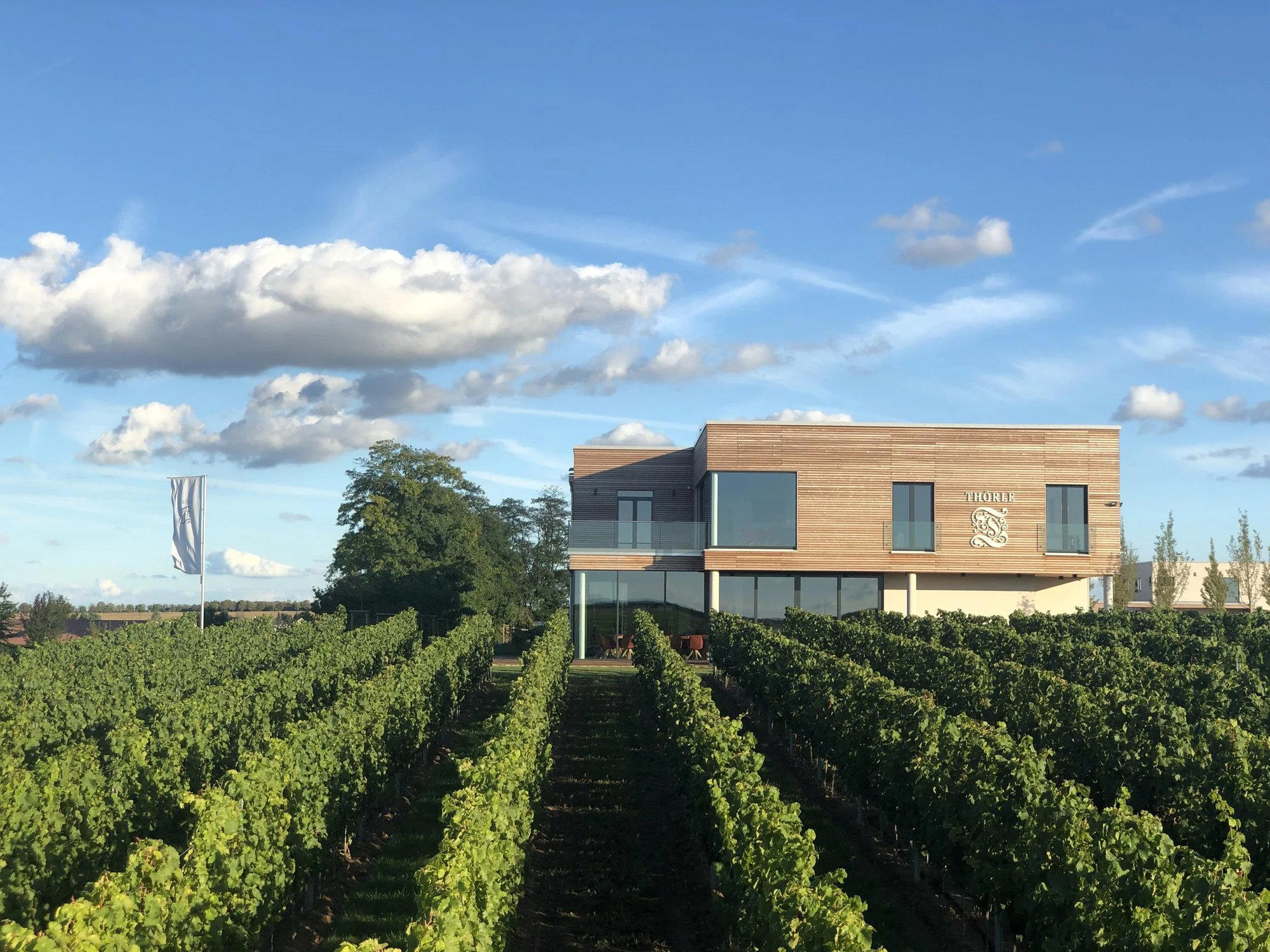
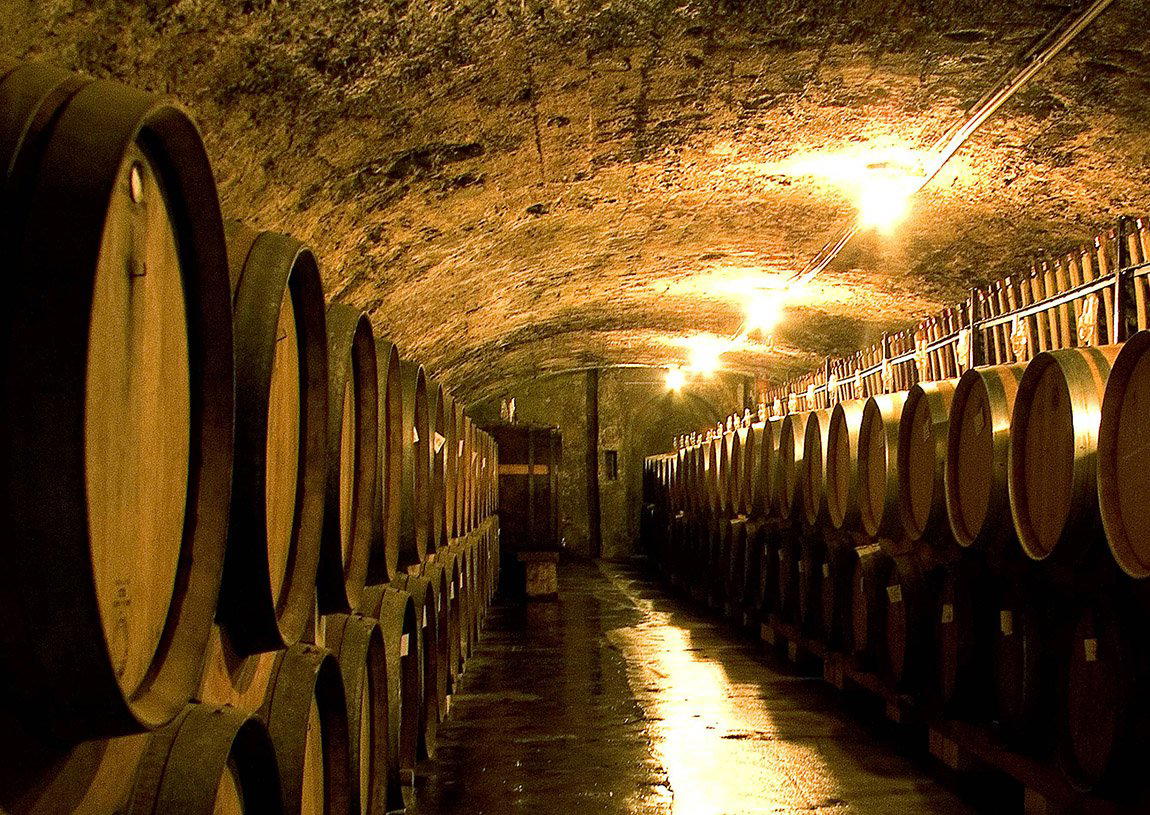
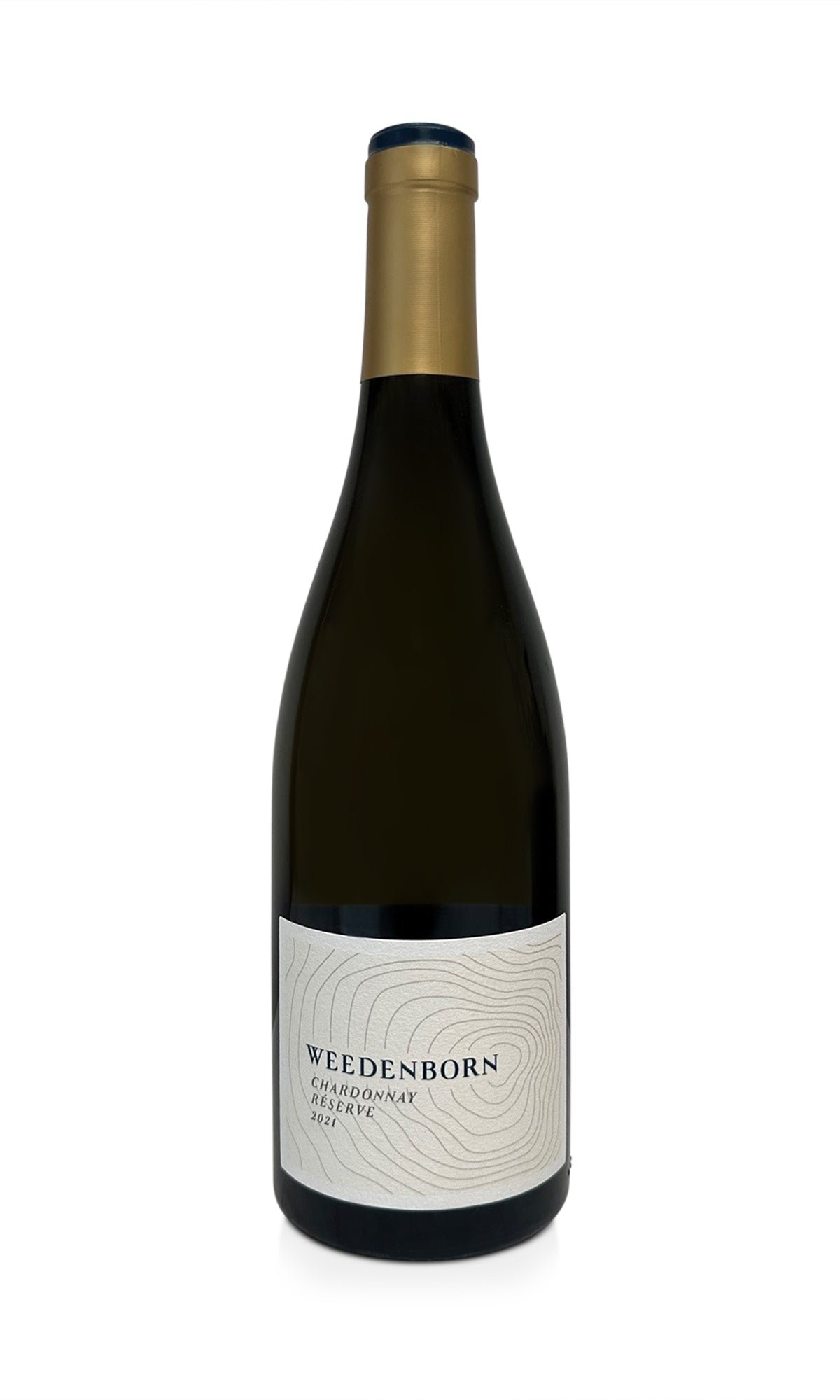
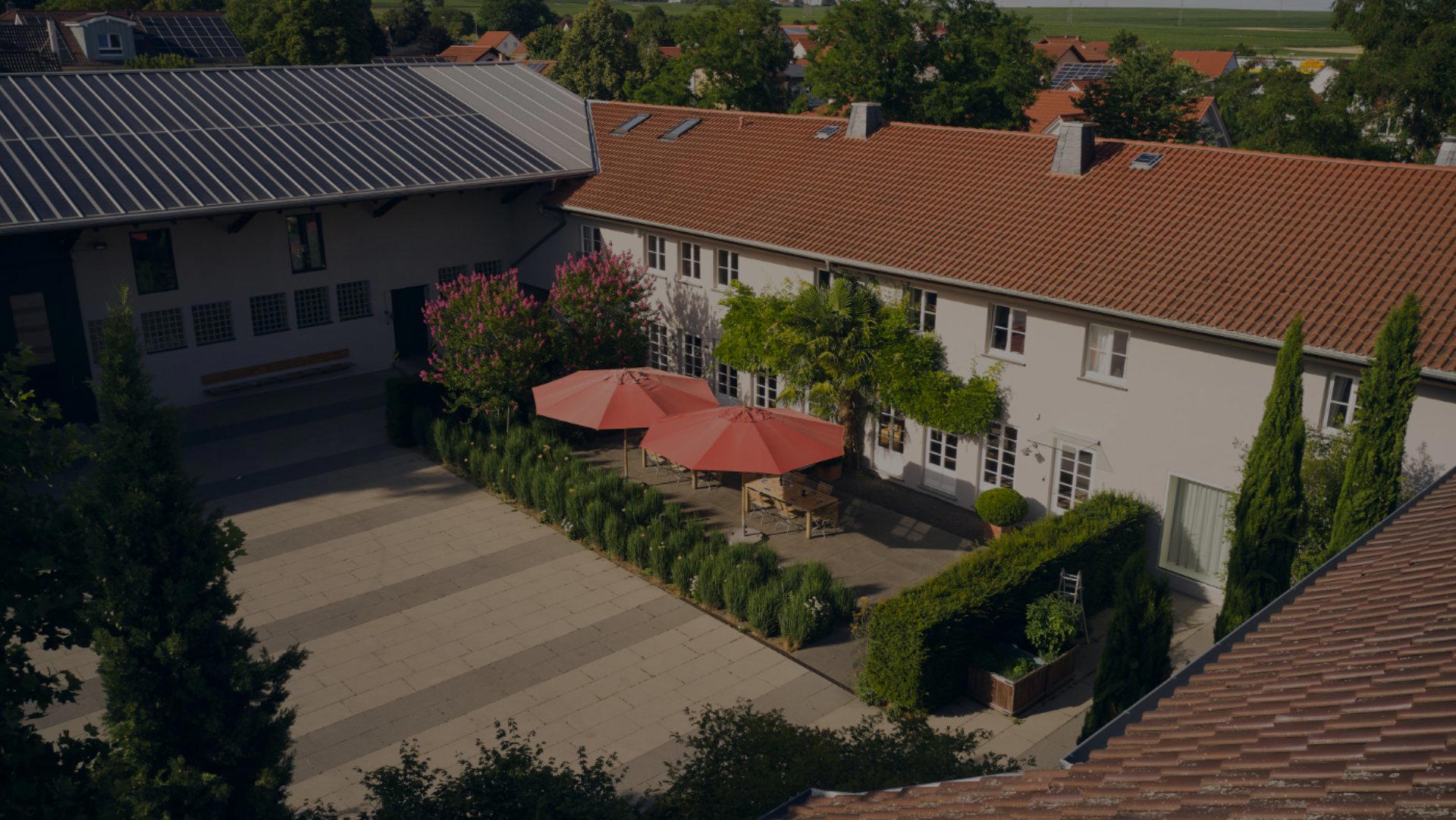
Bars in Nierstein
Browse all →


Details
- Classic
- Cozy
- Rustic
- Wine Education
- Special Occasion
- Group Outing
- Historic Building
- Private Tasting
- Vineyard
- Riesling
- Spätburgunder
- Silvaner
- Scheurebe
- Weißburgunder
- Grauburgunder
- Still White
- Still Red
- Estate Tasting
- Private Tasting
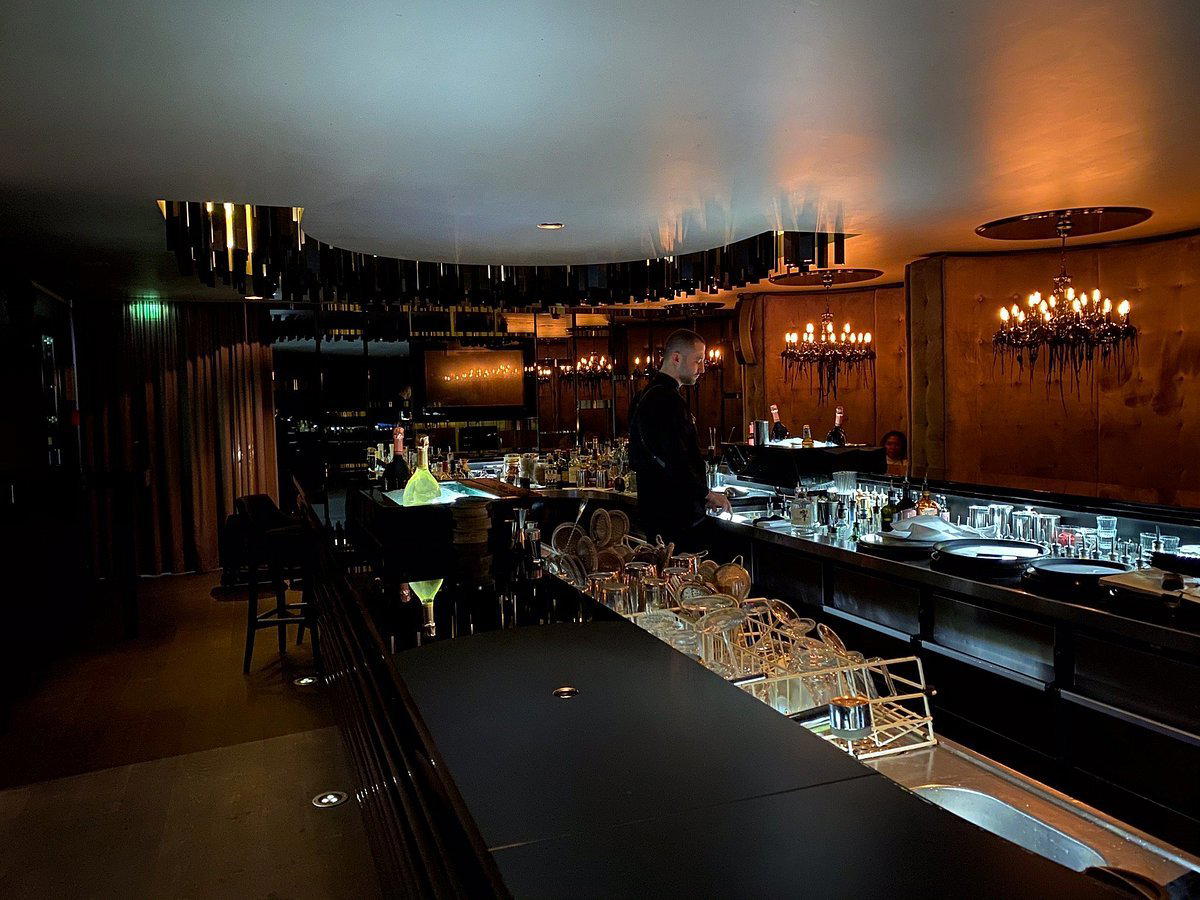
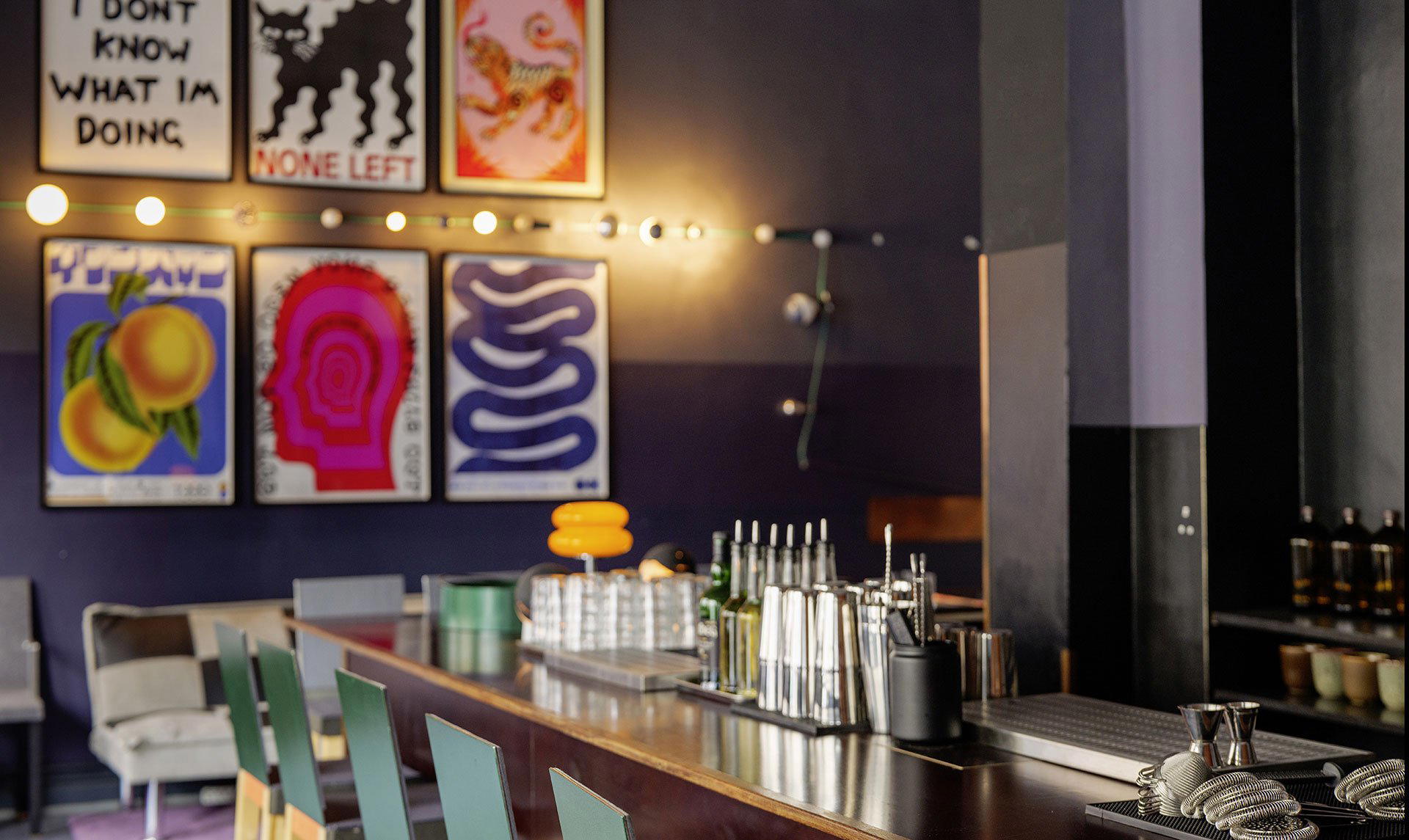
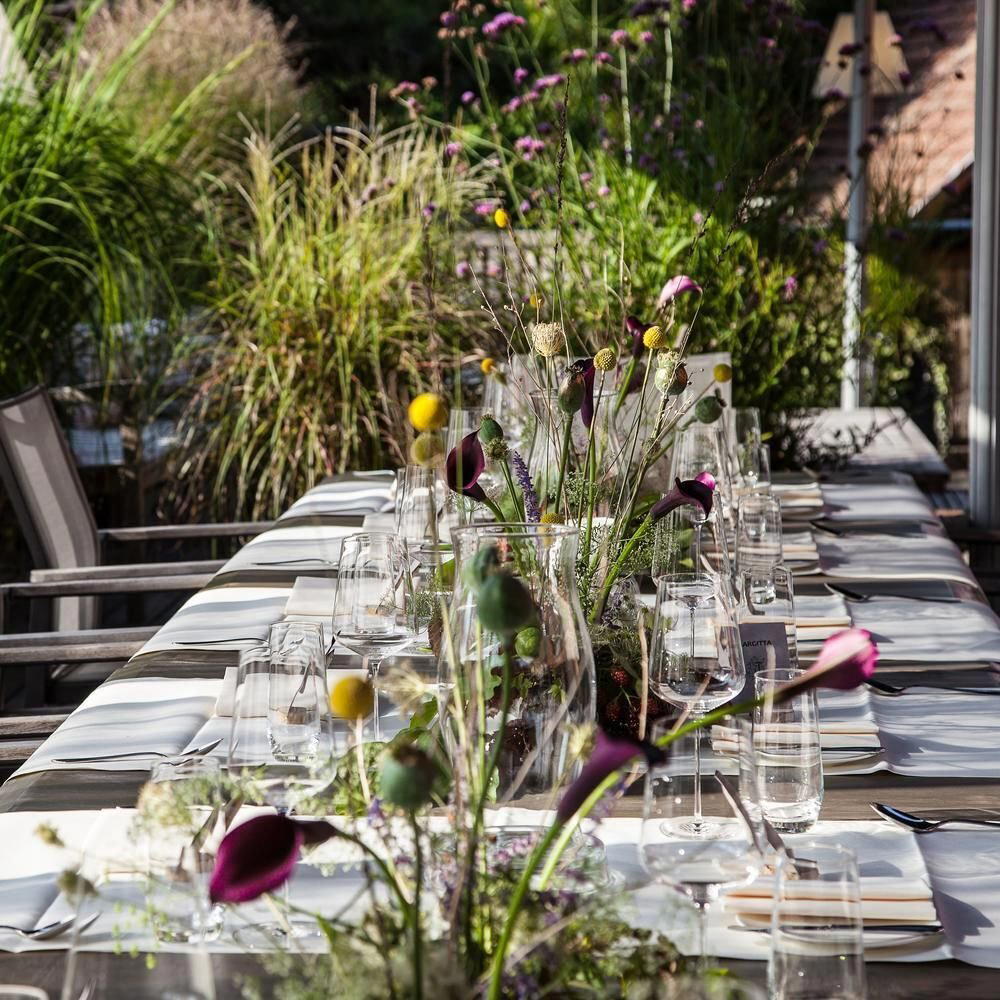
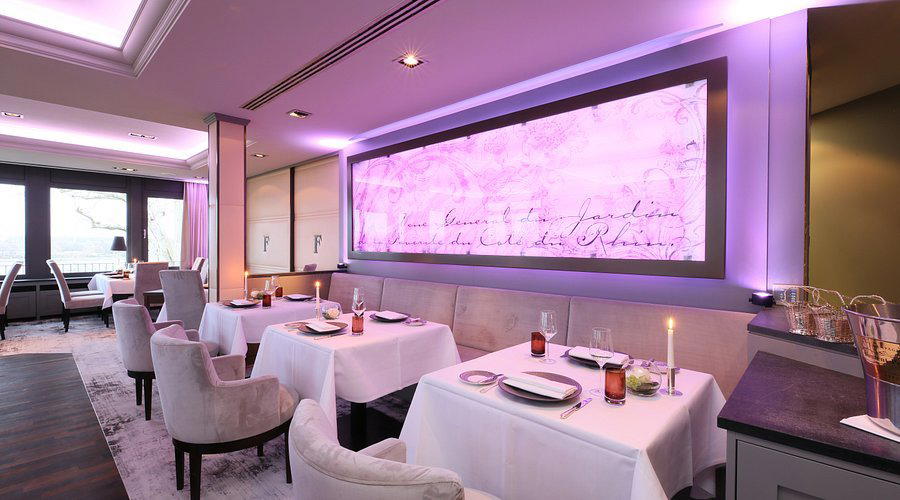
Classic, informal wine-estate atmosphere centered on a decorated tasting hall/press house for tasting all wines during the estate’s year-class presentation.