
Falstaff Winery - Listed
A small Saar winery in Kanzem, Weingut Johann Peter Reinert works from 4.2 hectares and reads through Riesling rather than scale. The interest here is site expression: Kanzem Sonnenberg, Wawern Ritterpfad, and Ayl Kupp appear across Kabinett, Spätlese, Auslese, feinherb, old-vine, and auction-linked bottlings, giving the range a clear Mosel-Saar grammar.

Pearl is the En Primeur Club membership app, where members save venues, book tables and use the concierge.

Weingut Johann Peter Reinert is a venue in Kanzem with a simple, traditional profile. The result is a deliberately restrained entry: useful for orientation, but careful not to turn a sparse listing into a fuller story than the available information supports.
For planning, the most useful reading is practical. This is not a page with claims about a specific menu, tasting format, vineyard holdings, awards, opening hours, ownership, or service model. If those details matter to a visit, they should be confirmed directly before making plans, especially if the stop is intended to anchor a day in the area rather than serve as a casual possibility. What can be said is that Weingut Johann Peter Reinert is presented as a low-price Kanzem option with a calm, rustic tone.
Riesling as a site-by-site reading of the Saar
The reliable point is narrower: the venue is a Kanzem winery listing with a classic and quiet character. In a wine-region context, that kind of description can be meaningful even when the technical detail is limited, because it helps set expectations around mood and scale rather than promising a specific experience. Here, the emphasis remains on place, restraint, and a traditional feel.
Visitors interested in wine should treat the listing as a starting point rather than a complete technical profile. Before relying on any specific wine expectation, confirm current offerings with the venue. That is especially important for small producers and local venues, where availability, visitor arrangements, and the nature of tastings can change.
It is the combination of Kanzem location, modest price level, and understated atmosphere that gives the listing its appeal. None of those elements needs to be inflated to be useful. For some travelers, a calm, rustic place in a quiet setting is more attractive than a polished destination built around performance. For others, the lack of confirmed operational detail will be a reason to call ahead or look for more current information before committing time. For some travelers, that is enough to make it worth checking directly when planning time in the area.
A small estate format, not a luxury tasting-room performance
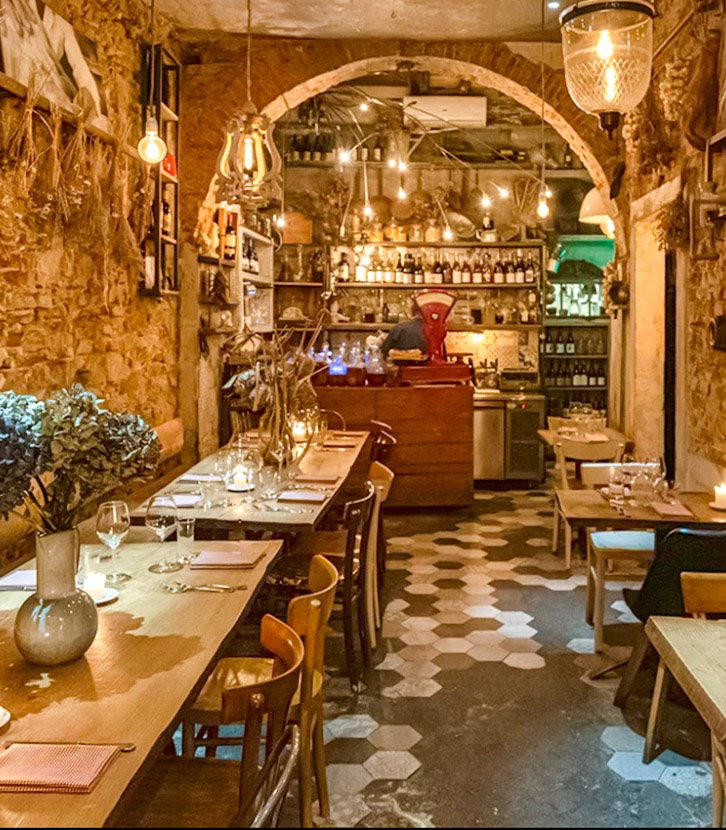
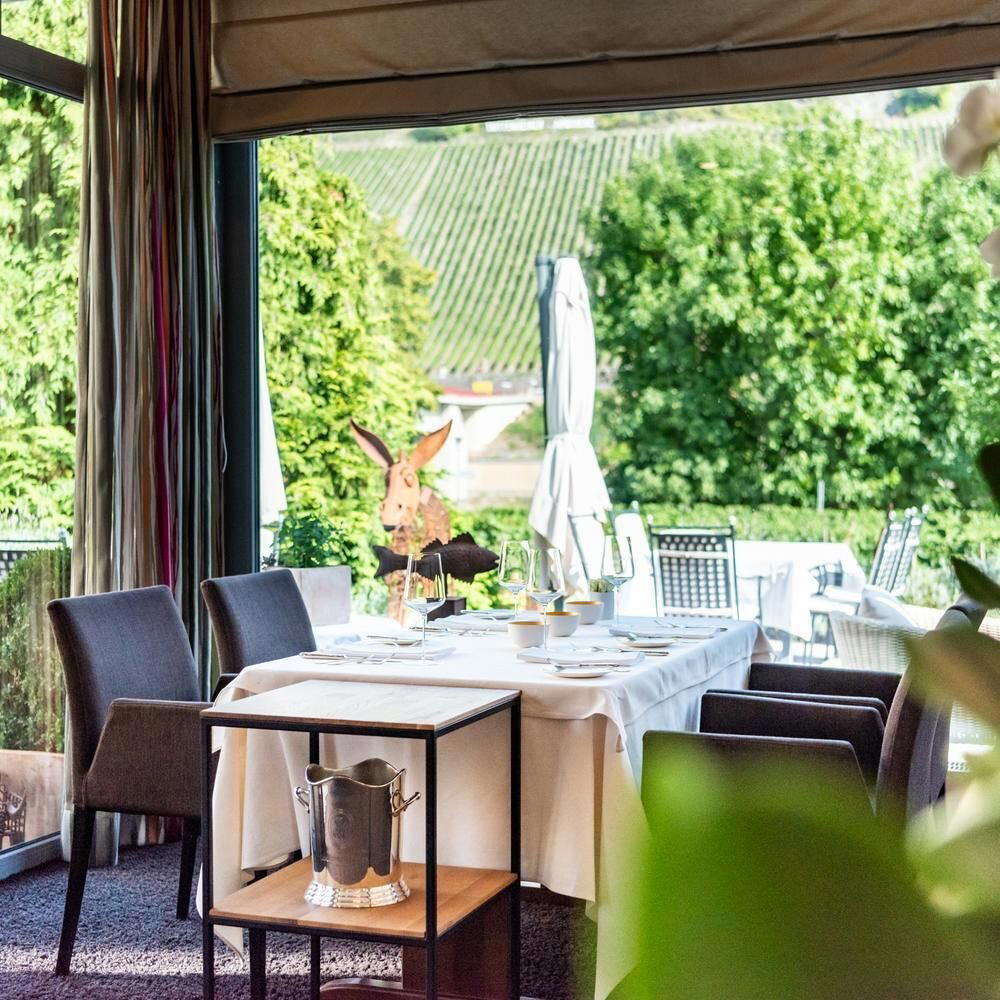
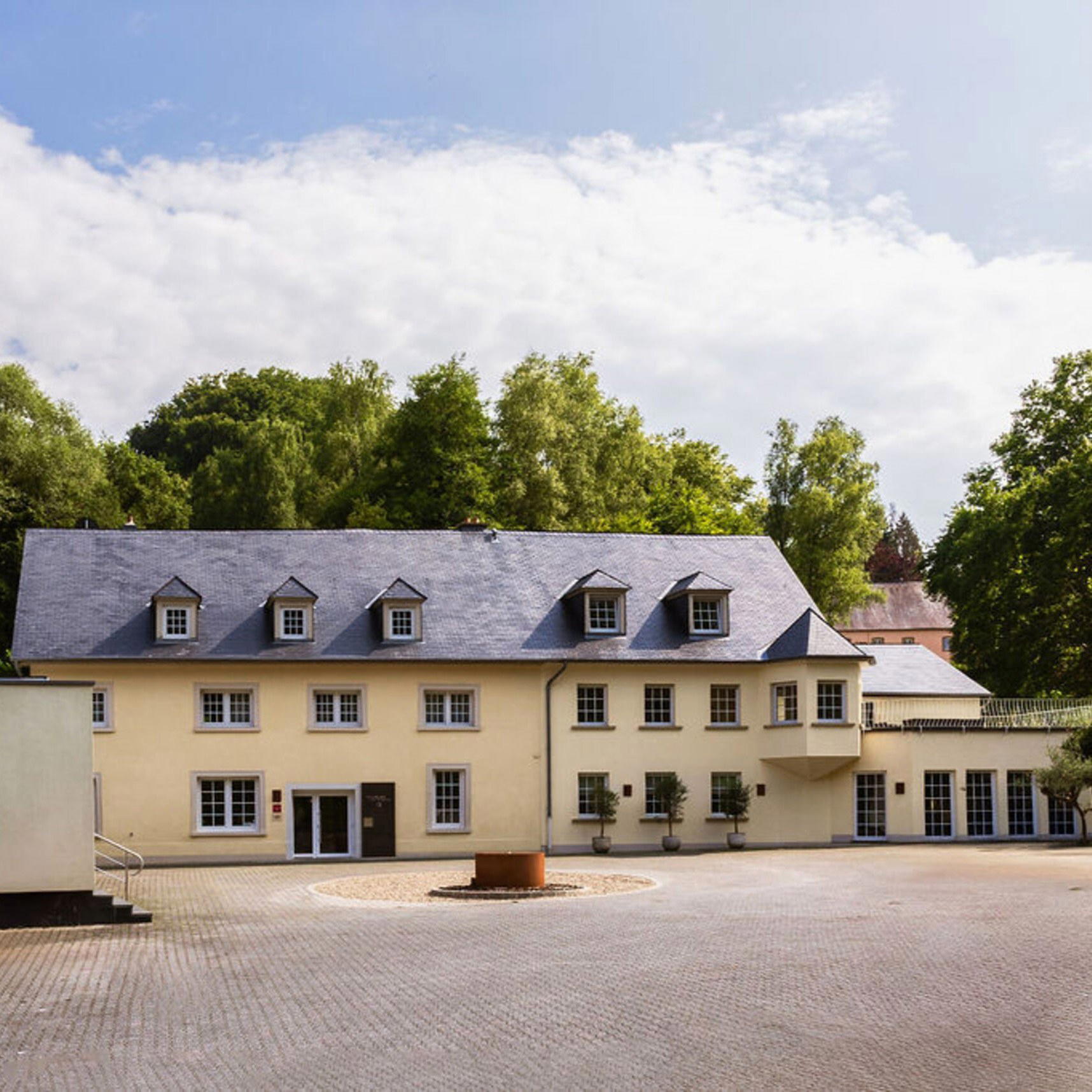
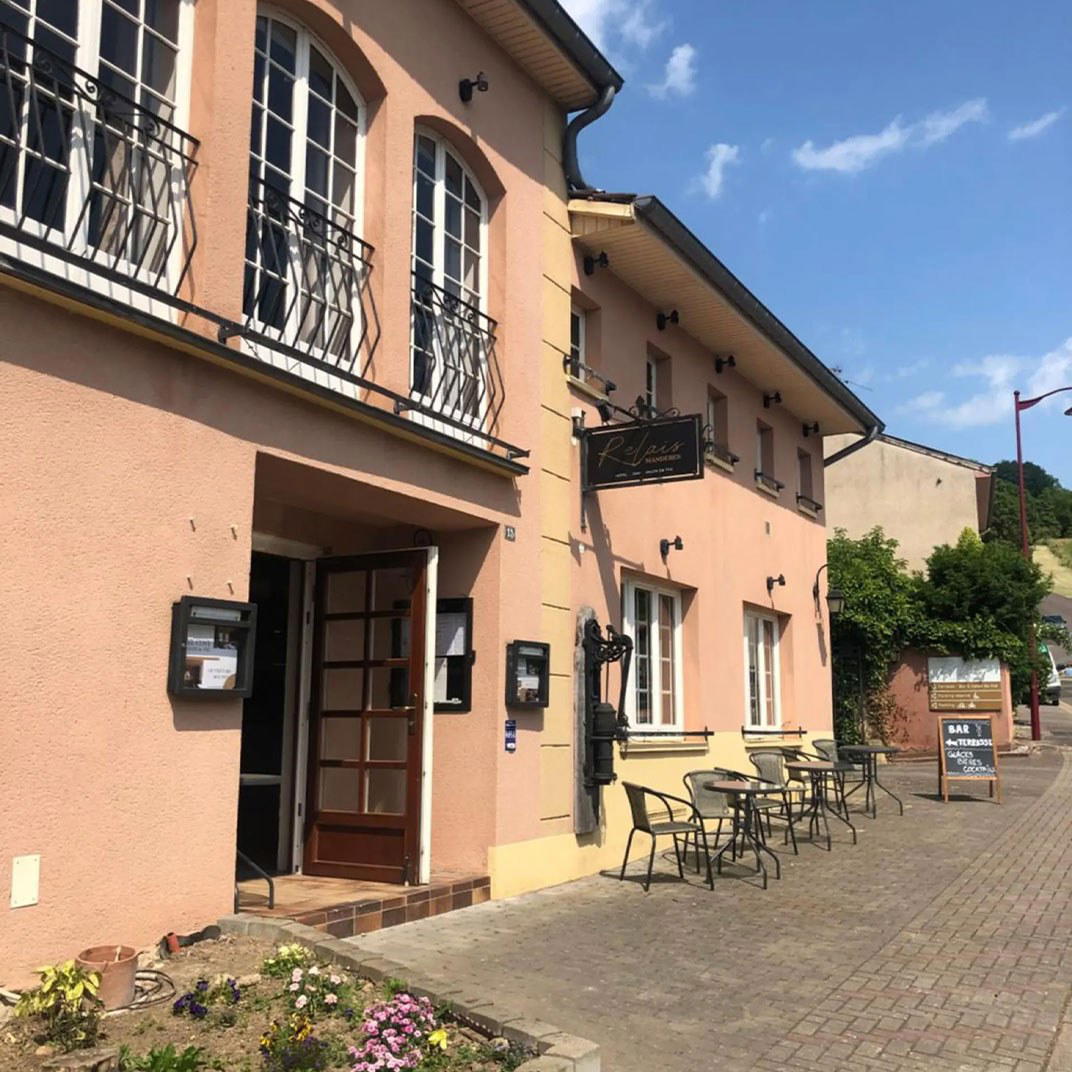
The description points toward a classic, rustic, quiet setting. It also supports the idea of a hidden-gem feel. Those words suggest an understated place rather than a venue defined by spectacle, but they do not verify a particular room layout, reservation policy, capacity, tour format, or hospitality routine. They are best read as atmosphere markers: a hint that the experience, if available, is likely to feel modest and traditional rather than glossy or elaborate.
A cautious approach is best: contact the venue or check current local information before assuming what kind of visit is possible. That advice is not a warning so much as a practical planning habit. With a listing this lean, the essential questions are simple: whether visitors are being received, what is currently available, and whether any arrangement needs to be made in advance. Those answers can only come from current information, not from the broad tone of the listing.
The confirmed price marker is $. The symbol should be read as a general price signal, not as a promise of a particular bottle cost, tasting fee, or menu price. It is useful because it places the venue toward the accessible end of the guide’s spectrum, but it remains a category marker rather than a detailed price list. Anyone planning around a budget should still confirm actual costs directly.
How to read the wider Kanzem context
Kanzem can be approached as a quiet destination where a low-key venue may be more appealing than a highly staged stop. For Weingut Johann Peter Reinert, the most grounded planning frame is simple: it is in Kanzem, it is listed at $, and its atmosphere is described as classic, rustic, quiet, and hidden-gem in character. That frame does not attempt to make the venue more than it is; it simply identifies why it may be relevant to visitors looking for something restrained and local in tone.
If building a local itinerary, compare practical details such as current hours, booking requirements, and available services directly with each venue rather than relying on assumptions. This is especially important when a plan depends on timing, transport, or the availability of a particular kind of hospitality.
The reason to pay attention to Weingut Johann Peter Reinert is its restrained, traditional profile in Kanzem. It is not presented here as a luxury experience, a comprehensive wine destination, or a venue with documented special features. Its appeal is quieter: a modestly priced listing with a classic, rustic mood, best approached with direct confirmation and realistic expectations.
Recognition history
Dated appearances from independent guides and award organizations, with the underlying list record or original source where available.
Falstaff Winery - Listed
Falstaff
Continue exploring
More in Kanzem
Wineries in Kanzem
All wineries in Kanzem →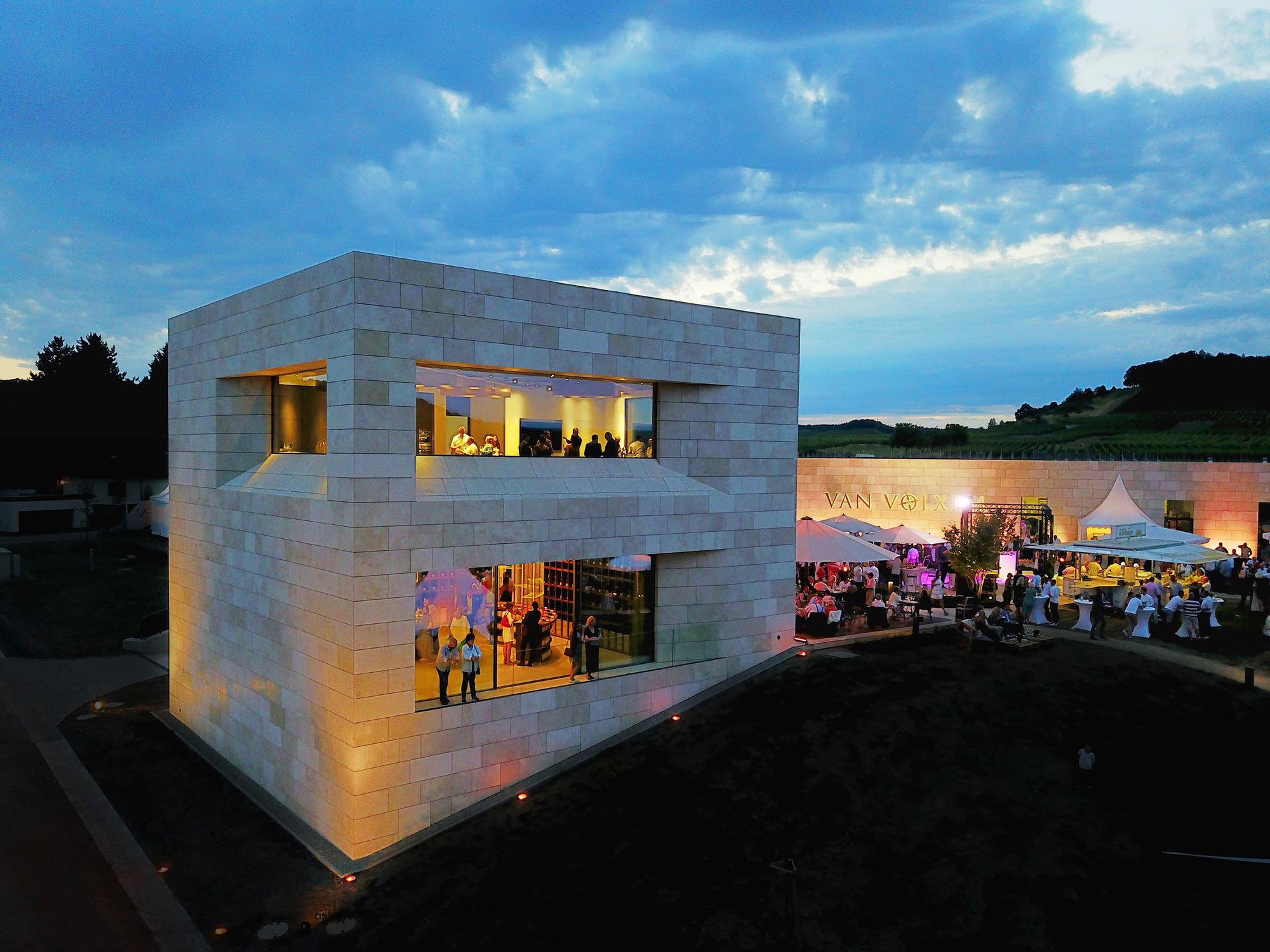
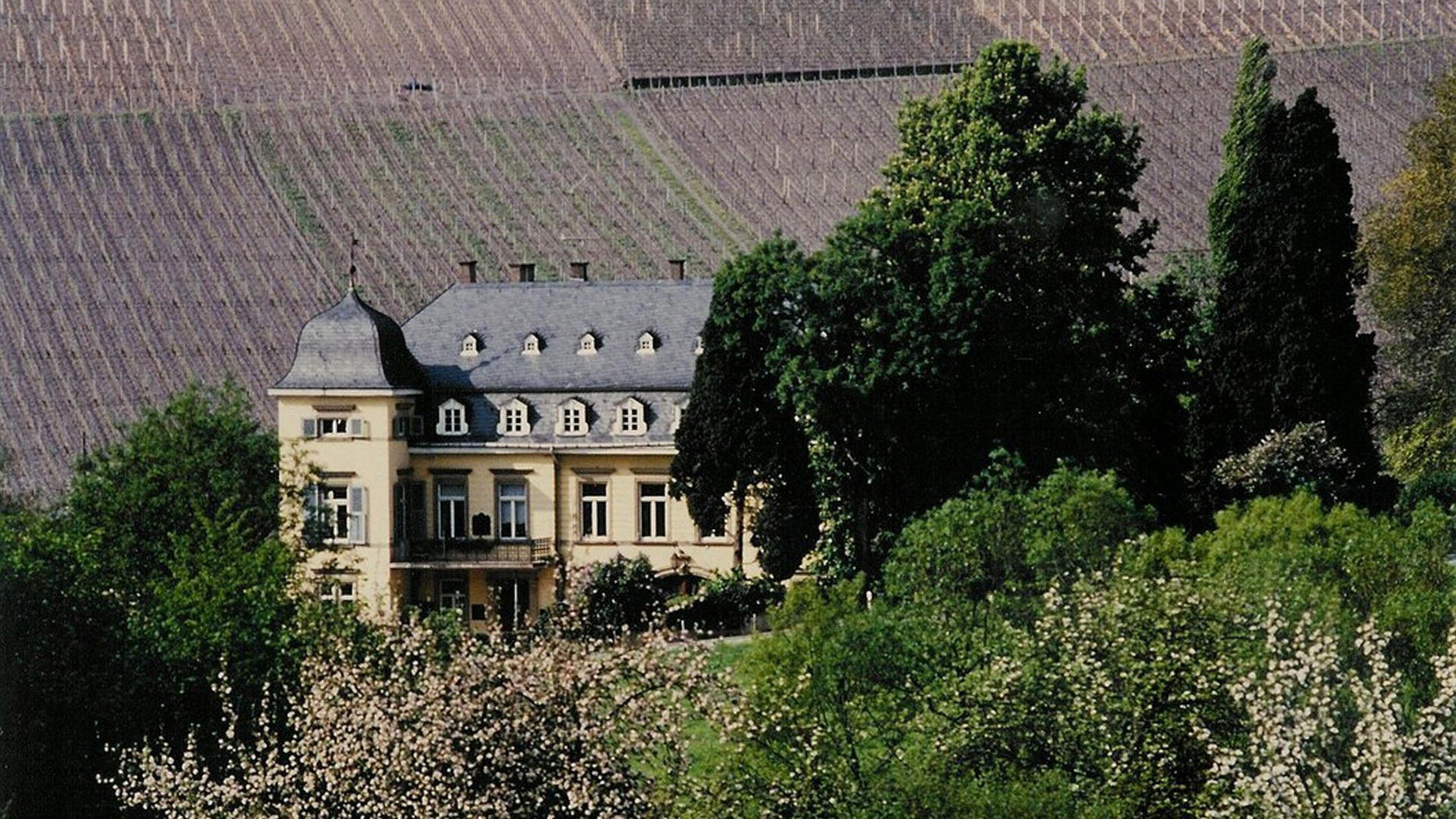
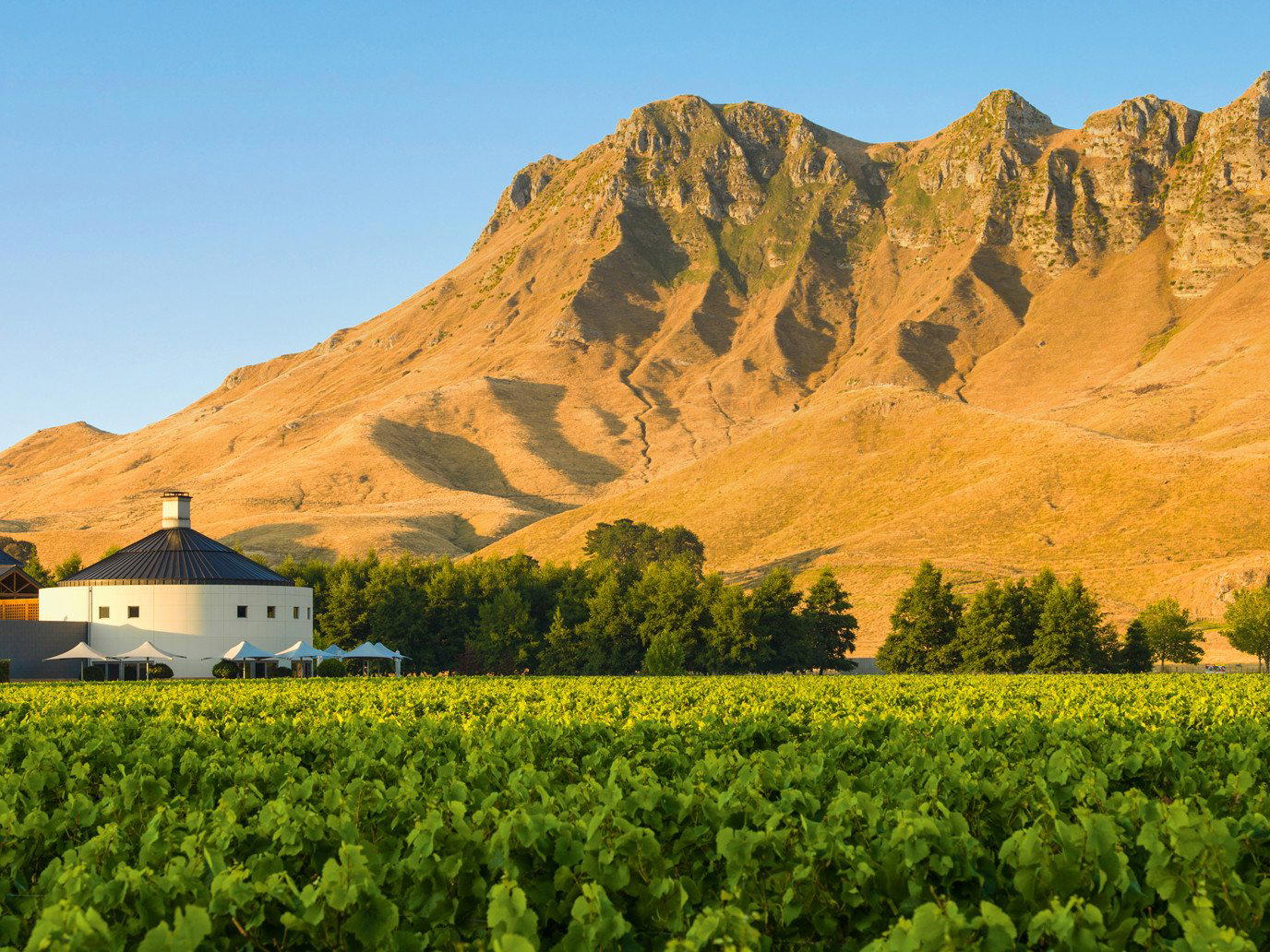
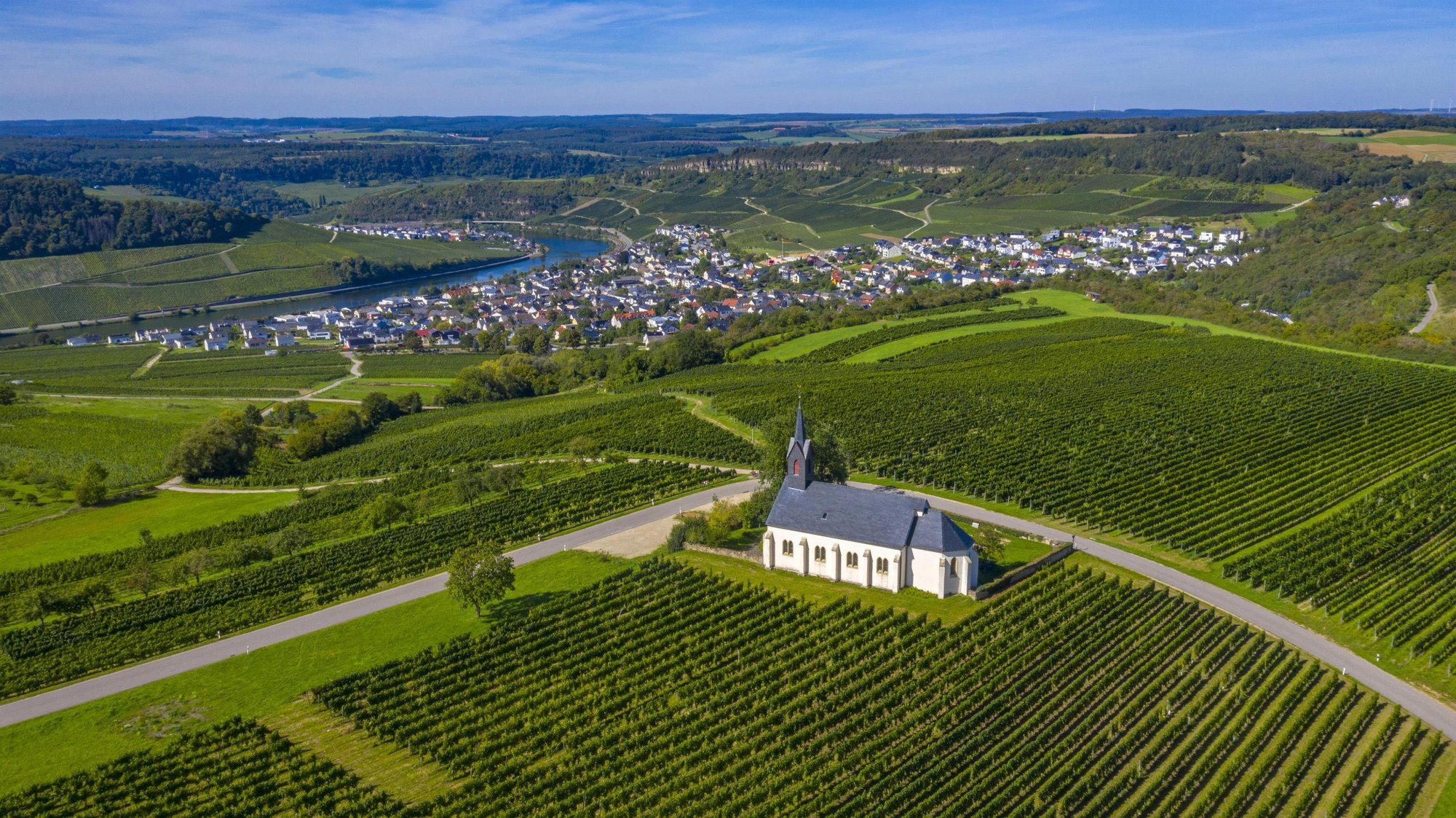
Bars in Kanzem
Browse all →
Details
- Classic
- Rustic
- Quiet
- Solo Exploration
- Special Occasion
- Wine Education
- Vineyard
- Riesling
- Pinot Blanc
- Rivaner
- Still White
classic, rustic, quiet