
Falstaff Winery - Listed
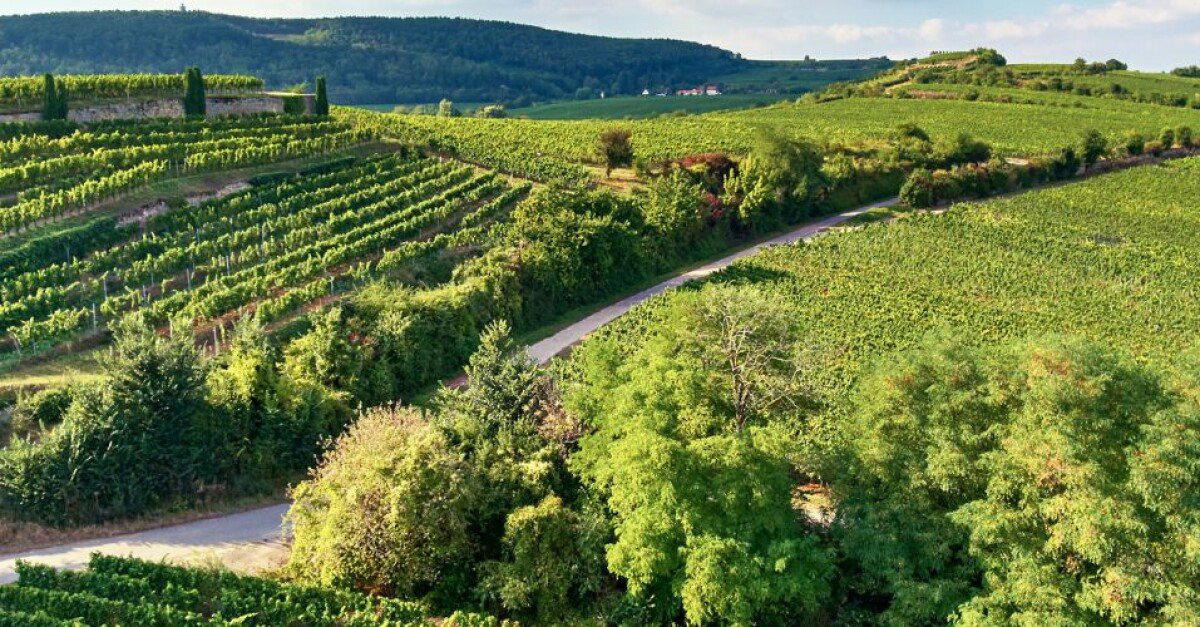
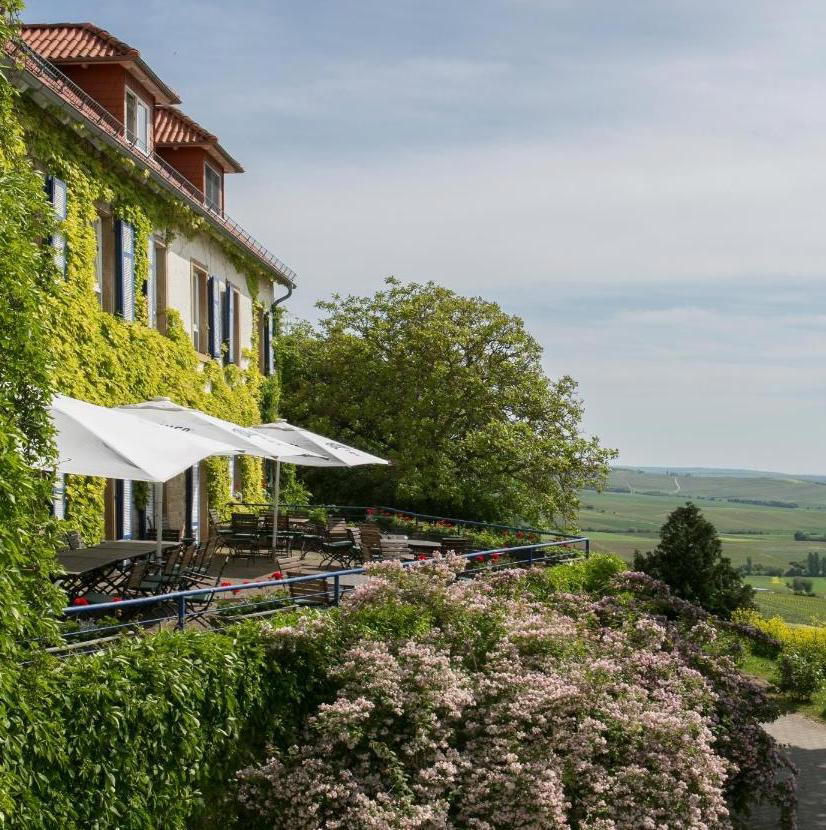
Weingut Jean Buscher is a small-production Rheinhessen estate in Bechtheim with an unusually story-led portfolio: Rosenmuskateller appears across red wine, pulp brandy, and Trockenbeerenauslese, while branded cuvées draw on art, folklore, and local cultural references. The atmosphere is quiet, rustic, and family-run, with vineyard views, a terrace, and a historic setting shaping the visit.

Pearl is the En Primeur Club membership app, where members save venues, book tables and use the concierge.

In Bechtheim, the winery experience begins less with spectacle than with the slower grammar of Rheinhessen: vineyard edges, village scale, and a cellar-door culture where families turn regional fruit into both everyday bottles and more idiosyncratic releases. Weingut Jean Buscher fits that register, but with a more theatrical streak than the usual varietal-first German estate. The mood is quiet and rustic, the setting historic, and the house language folds nature, craft, and art into a portfolio that gives place a narrative frame rather than relying only on vineyard names.
Rheinhessen rewards producers who can make clarity out of breadth. The region is Germany’s largest wine area, and its strength is not a single narrow style but a flexible mix of white, red, sparkling, sweet, and experimental bottlings. Here, the estate’s 16 hectares matter: that scale is small enough to read as a family-run operation, yet large enough to support a broad range that includes Riesling, Spätburgunder, Schwarzriesling, Rosenmuskateller, and Herold. The result is not a purist single-variety proposition. It is a Bechtheim winery using Rheinhessen’s range as raw material for a more personal house identity.
Rosenmuskateller gives the Rheinhessen portfolio its clearest through-line
The sharpest editorial reason to pay attention is Rosenmuskateller. Many German estates build recognition through Riesling, Pinot, or site hierarchy; this one gives an aromatic specialty grape a starring role across red wine, pulp brandy, and Trockenbeerenauslese. That is a meaningful signal because it shows the same grape moving through table wine, distillation, and rare dessert-wine territory. In a region where breadth can blur identity, that repeated focus creates a recognizable house marker.
The four-tier quality pyramid adds a second layer of organization. German wine culture already has a long habit of sorting quality through ripeness, origin, and producer classification, but estate-level pyramids can make a portfolio easier to read for visitors who are not fluent in every local term. At Weingut Jean Buscher, that structure sits beside a more playful naming system: Sleeping Beauty®, Nibelungencuvée®, Kometenwein®, St. Jakobus Pilgerwein®, and PANIKSYLVANER, introduced in 2014 with Udo Lindenberg. The names are not decorative afterthoughts; they position the wines in a market where gifting, collectability, and cultural reference can carry as much weight as a back-label variety list.
That balance between classification and story is the estate’s central tension. One side speaks the language of German order: tiers, vineyards, production discipline, and a named winemaking lead in Jean Raphael Buscher. The other side borrows from folklore, pilgrimage, art, and popular culture. For travelers who use wine visits to understand how a region sells itself, that combination is useful. It shows Rheinhessen not as a static rural postcard, but as a place where traditional family wineries can modernize through brand architecture without abandoning local scale.
Art, terrace culture, and a cellar-door format built for slower visits
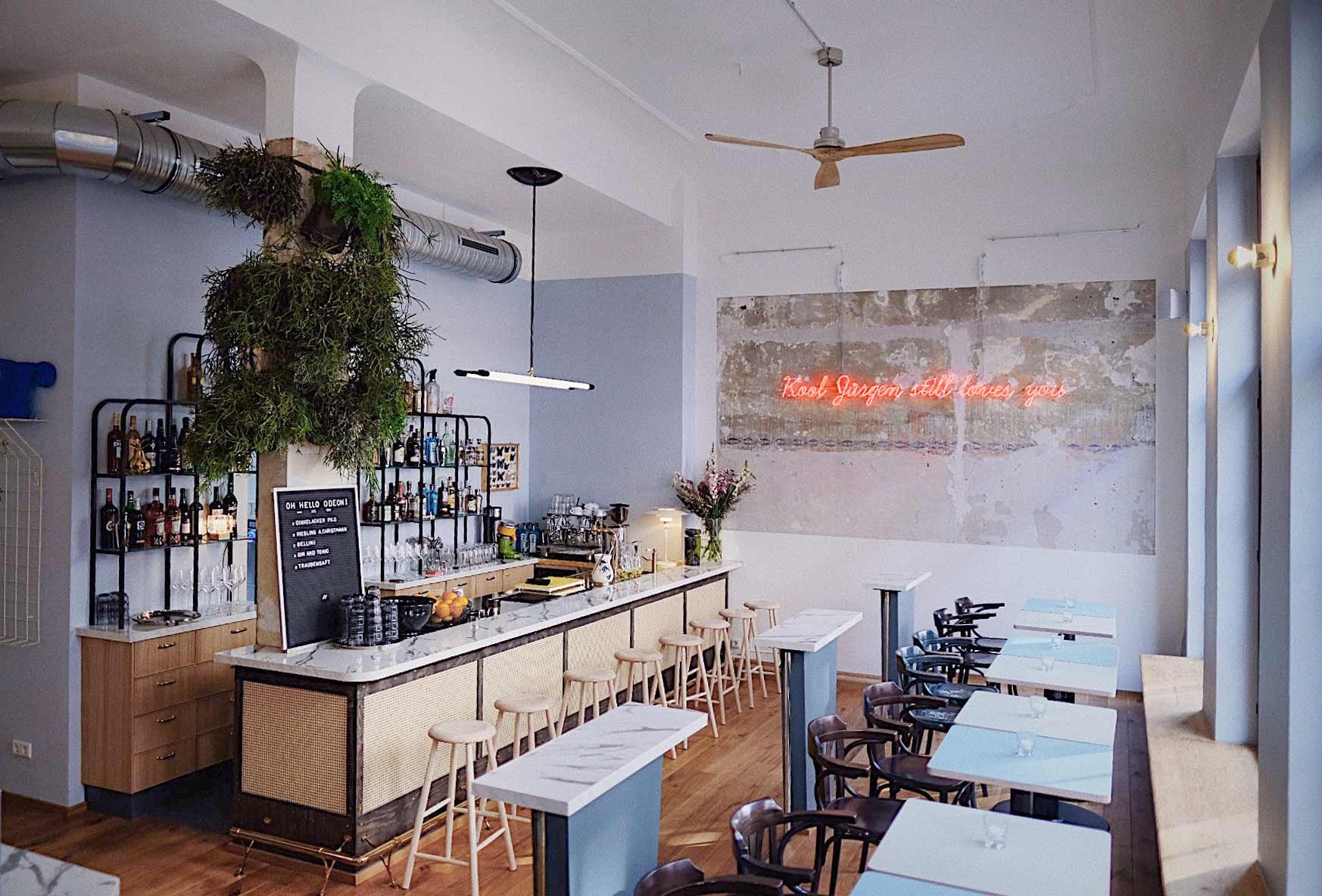
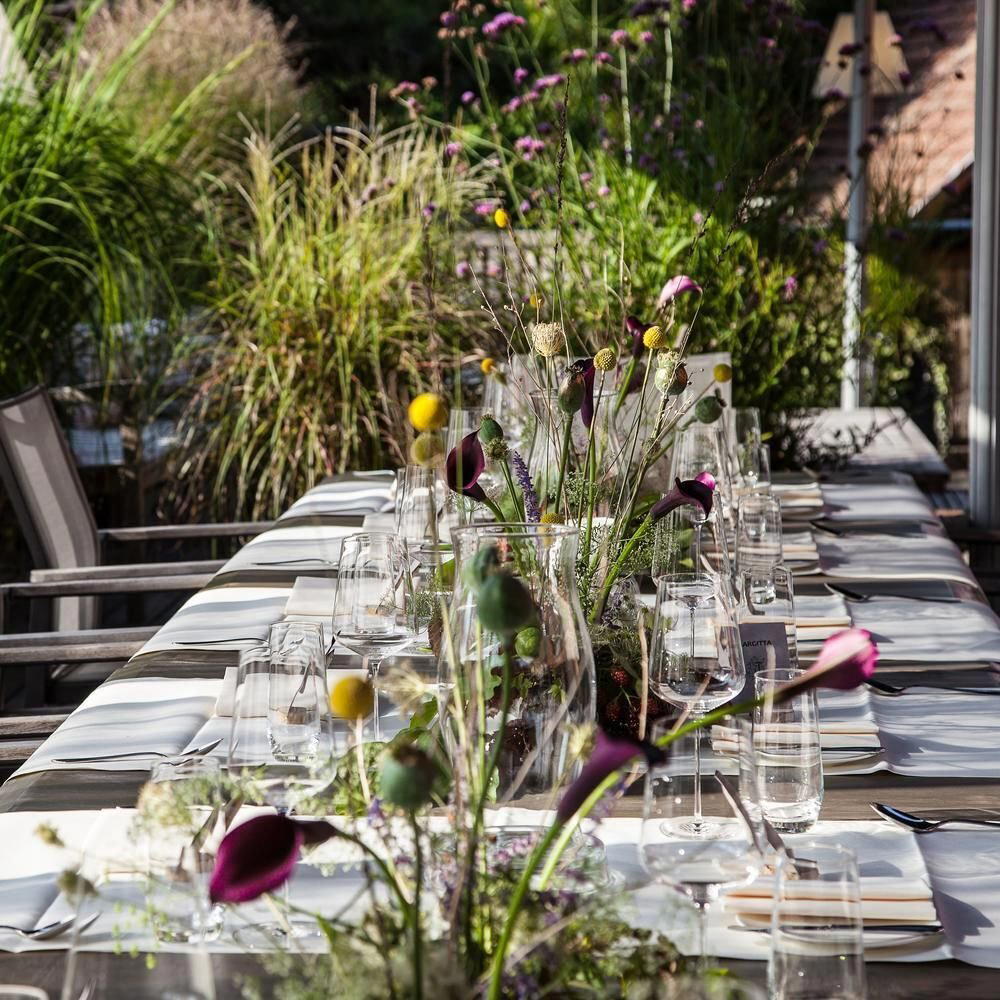
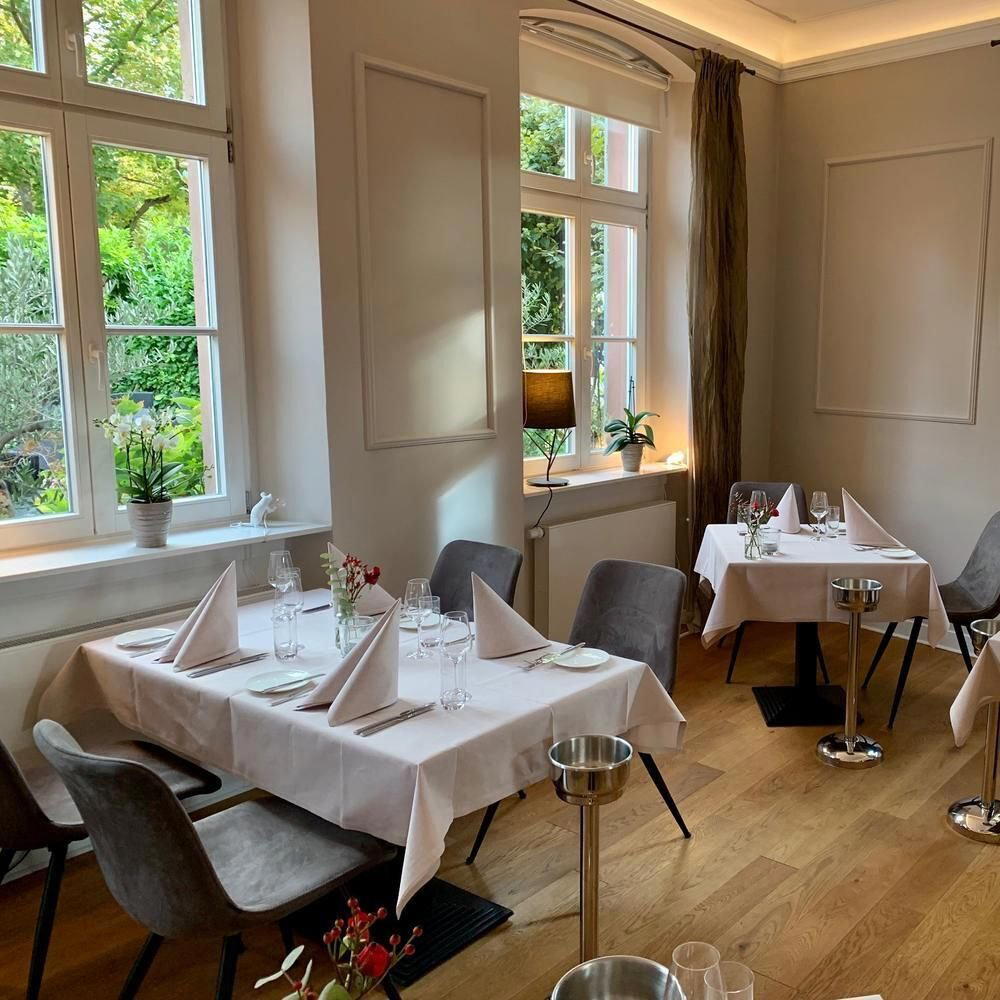
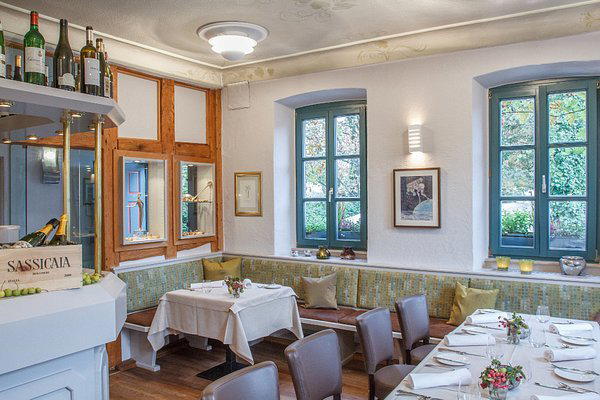
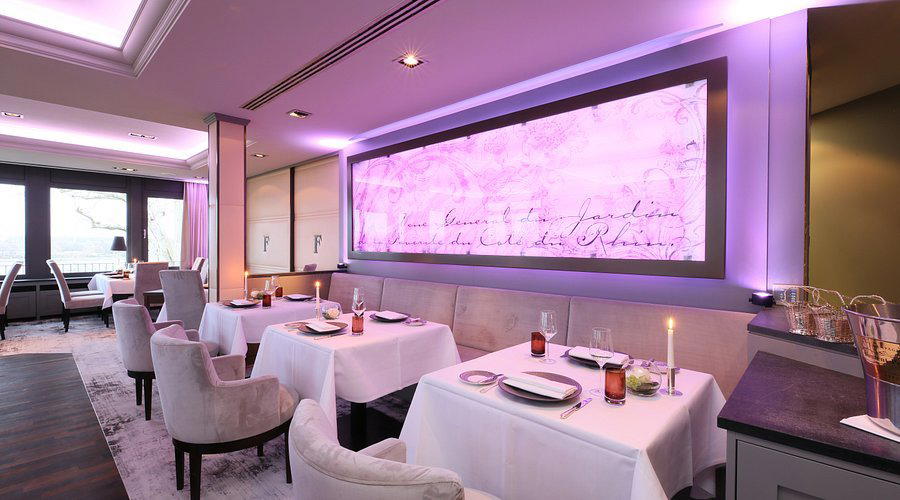
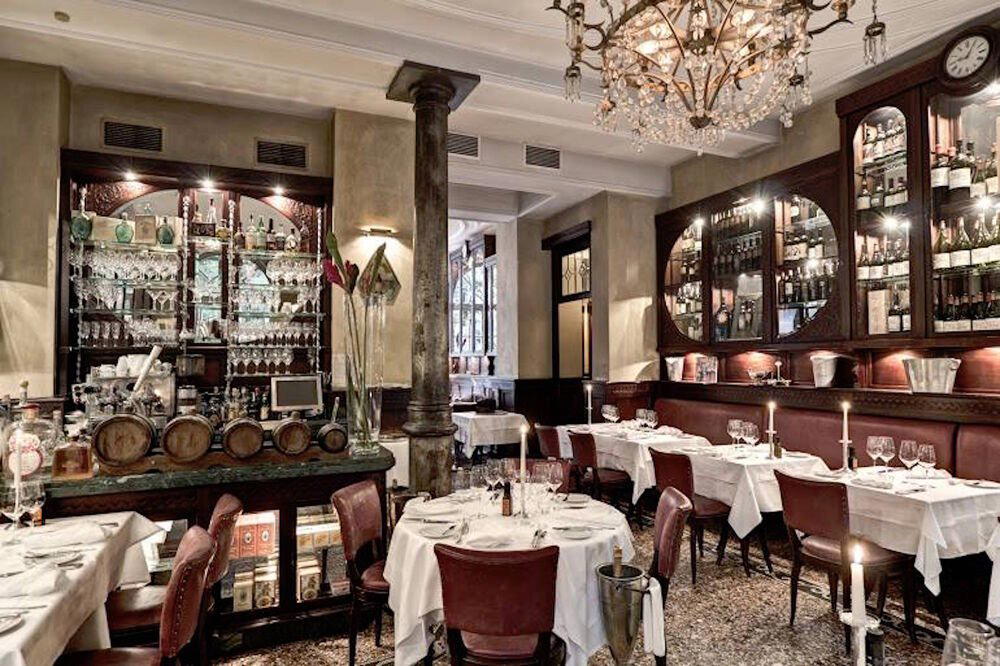
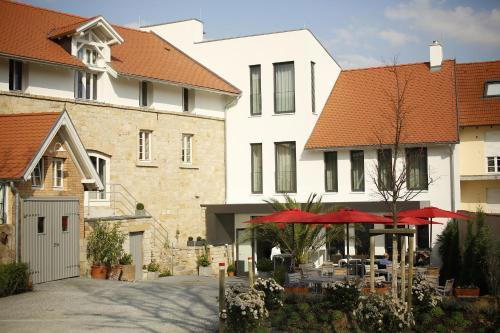
The hospitality format is designed around a low-key estate visit rather than a high-volume tasting circuit. The winery’s atmosphere is described through quiet, rustic, classic, scenic, and artistic cues, with vineyard views, outdoor seating, a terrace, and an event room. Those details matter because cellar-door culture in Rheinhessen often depends on pace: visitors come for conversation, education, and a sense of how the bottles sit inside family, village, and season. This is not a nightlife proposition. It belongs to the quieter side of wine tourism, where the point is to understand the portfolio rather than chase noise.
The tasting emphasis includes private tasting and wine education, which suits the estate’s range. Rosenmuskateller alone needs explanation when it appears in several forms, and branded cuvées need context if they are to read as more than novelty labels. That is where a smaller family-run property can be more effective than a larger hospitality operation. The visit can connect grape, category, and story without forcing everything into a rigid tasting-room script.
Winery’s art-and-wine positioning also changes the lens through which the bottles should be read. In many regions, a producer’s identity is built almost entirely on soil, slope, and cellar technique. Here, the more obvious signal is cultural terroir: Bechtheim and Rheinhessen appear through names, symbols, special creations, and a historic estate setting as much as through technical vineyard language. That does not replace terroir, but it broadens the way place is communicated. The estate’s sustainable production philosophy adds a stewardship note, while the small production scale keeps the focus closer to craft than mass-market volume.
How to read this Bechtheim stop within a wider wine itinerary
For a Bechtheim itinerary, Weingut Jean Buscher makes the strongest case for travelers who want a producer with a defined personality rather than a neutral tasting-room sequence. The price level sits in the approachable middle tier, the dress code is casual, and the atmosphere is better suited to groups, special occasions, and wine education than to children or high-energy social drinking. Street parking and shipping availability add practical convenience, but the editorial draw is the combination of vineyard setting, historic fabric, and a portfolio built around named creations.
Bechtheim has enough wine density to reward comparison across styles, even without turning the day into a race. Readers mapping the village can also look at 3 Winner, Groh Wein GbR, Sebastian Erbeldinger, Weingut Brüssel, and Weingut Dr. Koehler. For planning beyond wine, use Our full Bechtheim restaurants guide, Our full Bechtheim hotels guide, Our full Bechtheim bars guide, Our full Bechtheim wineries guide, and Our full Bechtheim experiences guide.
Travelers building a broader German-speaking wine route can widen the map with & Handwein in Mannheim, 2 Naturkinder in Kitzingen, 49Point9 in Geisenheim, »der Steiner« Hans Steiner in Podersdorf am See, and ®walzer in Gneixendorf Bei Krems. In that wider context, the Bechtheim estate is not chasing grand critical mythology. Its argument is more specific: a Rheinhessen family winery, open in outlook since 1844, using Rosenmuskateller, art, and named cuvées to make regional breadth feel legible.
Recognition history
Dated appearances from independent guides and award organizations, with the underlying list record or original source where available.
Falstaff Winery - Listed
Falstaff
Continue exploring
More in Bechtheim
Wineries in Bechtheim
All wineries in Bechtheim →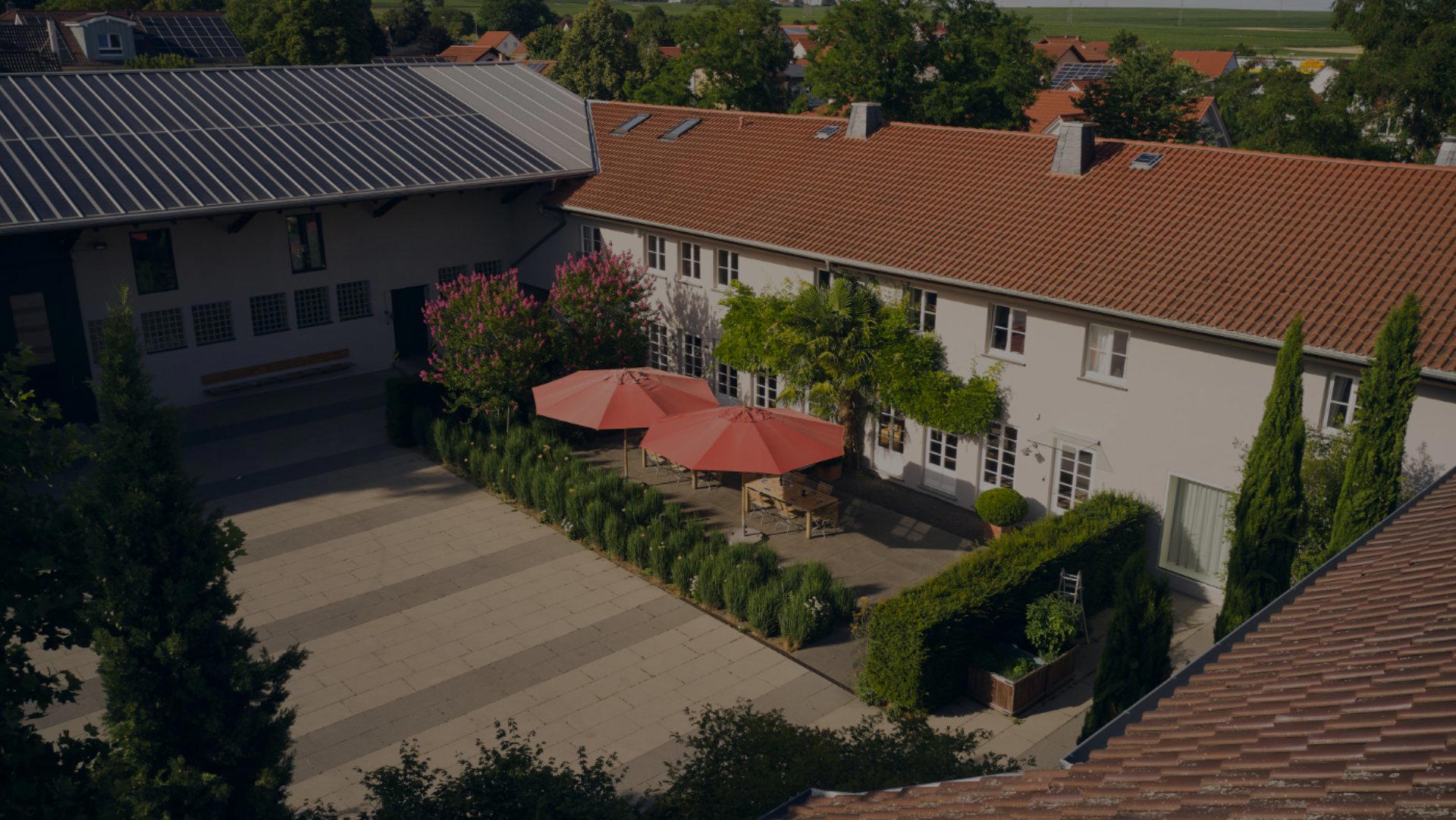
Bars in Bechtheim
Browse all →
Details
- Quiet
- Rustic
- Classic
- Scenic
- Group Outing
- Special Occasion
- Wine Education
- Estate Grounds
- Historic Building
- Design Destination
- Terrace
- Sustainable
- Vineyard
- Riesling
- Spätburgunder
- Schwarzriesling
- Rosenmuskateller
- Herold
- Still Red
- Still White
- Dessert
- Fortified
- Private Tasting
- Wine Education
A traditional family-run winery atmosphere with a strong emphasis on nature, craftsmanship, and art, set in historic vineyard surroundings.