Weingut J.L. Wolf

Falstaff Winery - Listed
Weingut J.L. Wolf is a heritage Pfalz estate in Wachenheim, shaped by Mittelhaardt climate, old vineyard holdings, and an Italian-style villa completed in 1843. Founded in 1756 and revived under Ernst Loosen in 1996, it suits travelers who want wine, architecture, and place to read as one story rather than a cellar-door checklist.

Pearl is the En Primeur Club membership app, where members save venues, book tables and use the concierge.

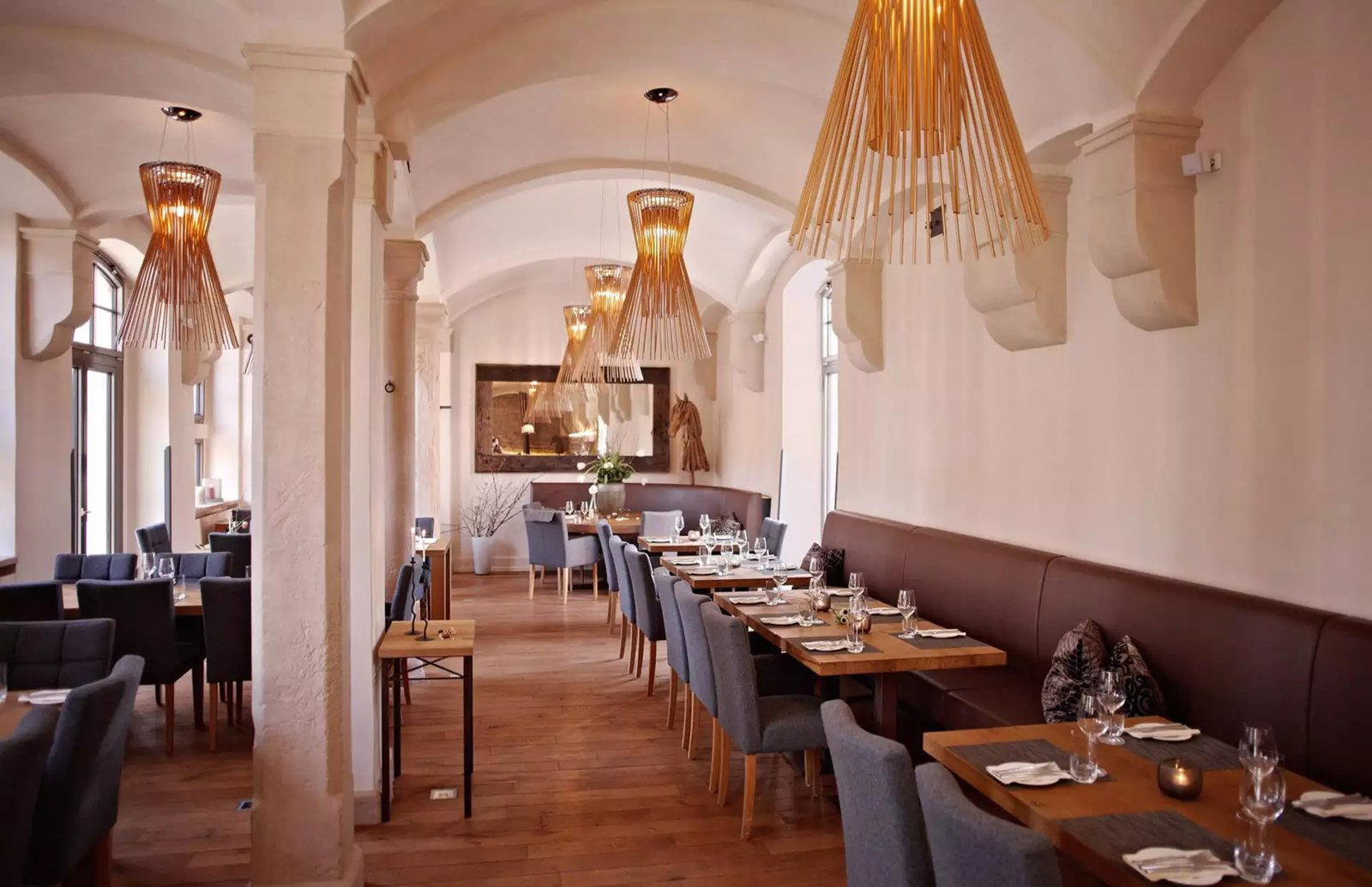
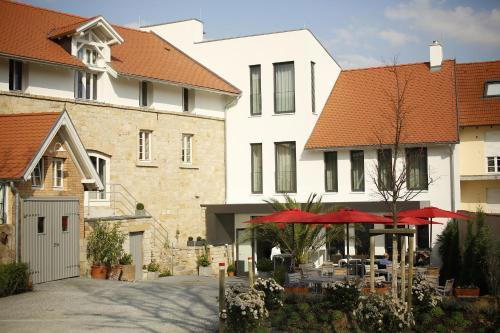
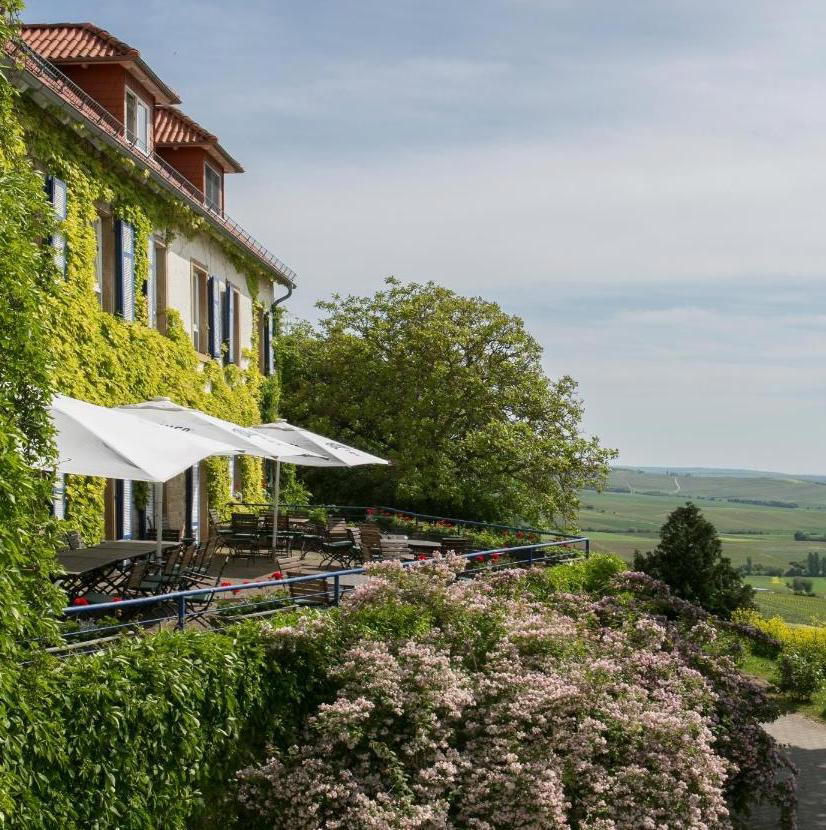
Approaching Weingut J.L. Wolf in Wachenheim is less about spectacle than atmosphere: a historic Italian-style villa setting, quiet scenery, and the composed feel of a Pfalz/Mittelhaardt wine estate. The draw is not a detailed public checklist of services, grapes, vintages, or tasting formats. It is the sense of place: a classic estate environment where heritage, architecture, landscape, and microclimate shape the way visitors understand the property.
For EP Club readers, that distinction matters. Some venues can be described through menus, opening hours, seat counts, or named accolades. For Weingut J.L. Wolf, the grounded information is narrower, and the safest reading is a place-led one. It is a Wachenheim wine estate with a historic, quiet, scenic character and a strong association with the Pfalz/Mittelhaardt setting. The estate should be considered through that lens rather than through claims about specific wines, services, or visit structure.
Mittelhaardt climate is the real frame for the glass
The most useful confirmed frame for Weingut J.L. Wolf is the Pfalz/Mittelhaardt context. This part of wine country is not simply a scenic background; it is central to the estate atmosphere. The ground truth for the venue specifically emphasizes a microclimate-driven wine estate environment, which means the experience is best understood as one shaped by climate, landscape, and regional heritage rather than by a generic tasting-room formula.
That does not mean every detail of production can be safely asserted. Without information on grape varieties, cuvées, cellar practices, opening model, or tasting format, the responsible guide should avoid pretending to know more than is confirmed. What can be said is that Weingut J.L. Wolf presents itself, in the available profile, as a classic Wachenheim estate where the setting carries much of the appeal.
For travelers, this makes the venue a different kind of entry in a premium guide. It is not a page to use for specific menu planning, service assumptions, or detailed wine-style predictions. It is a marker of place: Wachenheim, Pfalz/Mittelhaardt, historic villa atmosphere, quiet scenic character, and a heritage-led estate mood. Those are the grounded reasons to keep it on a wine-country itinerary.
A villa estate where heritage sets the pace
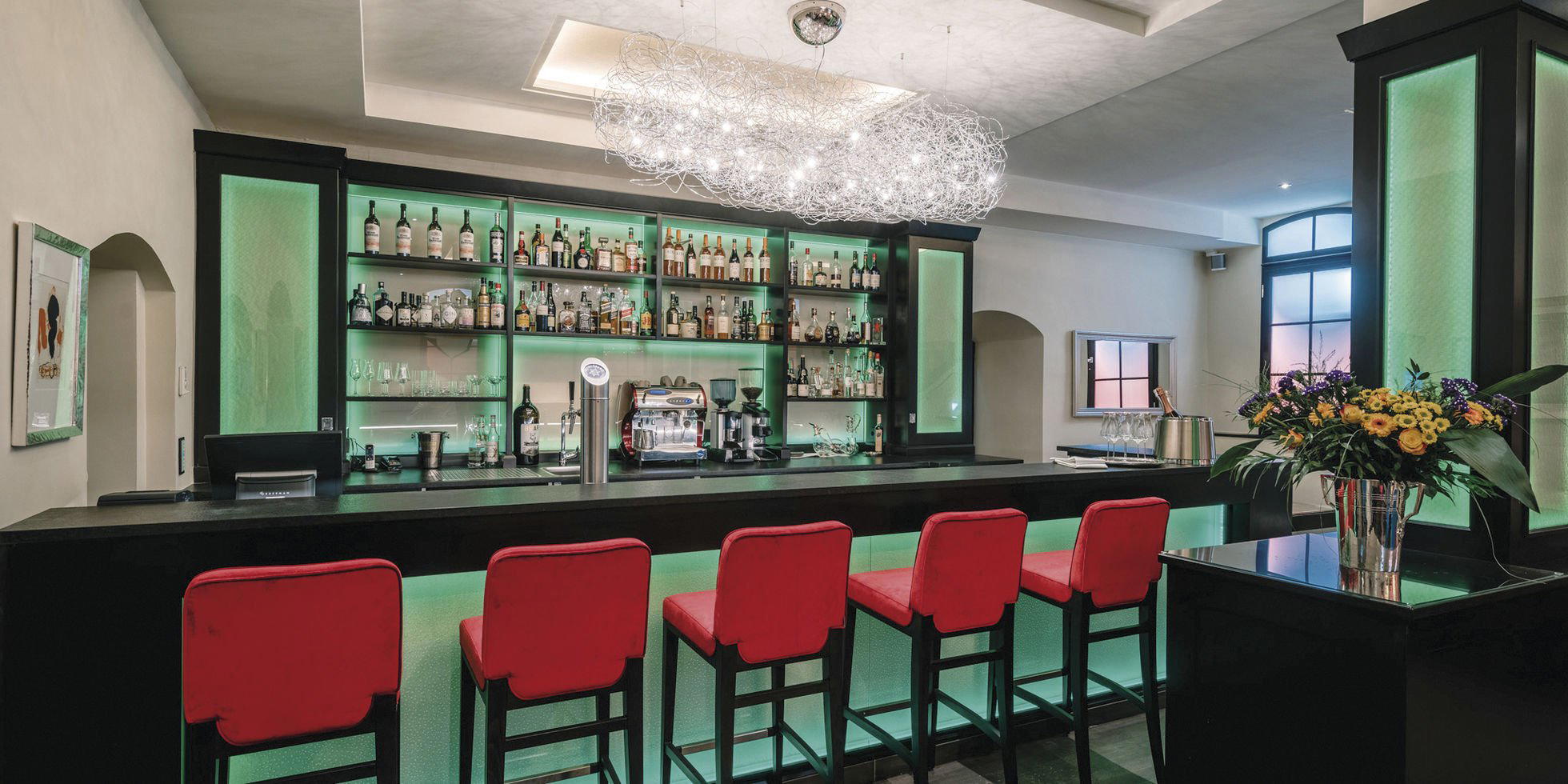
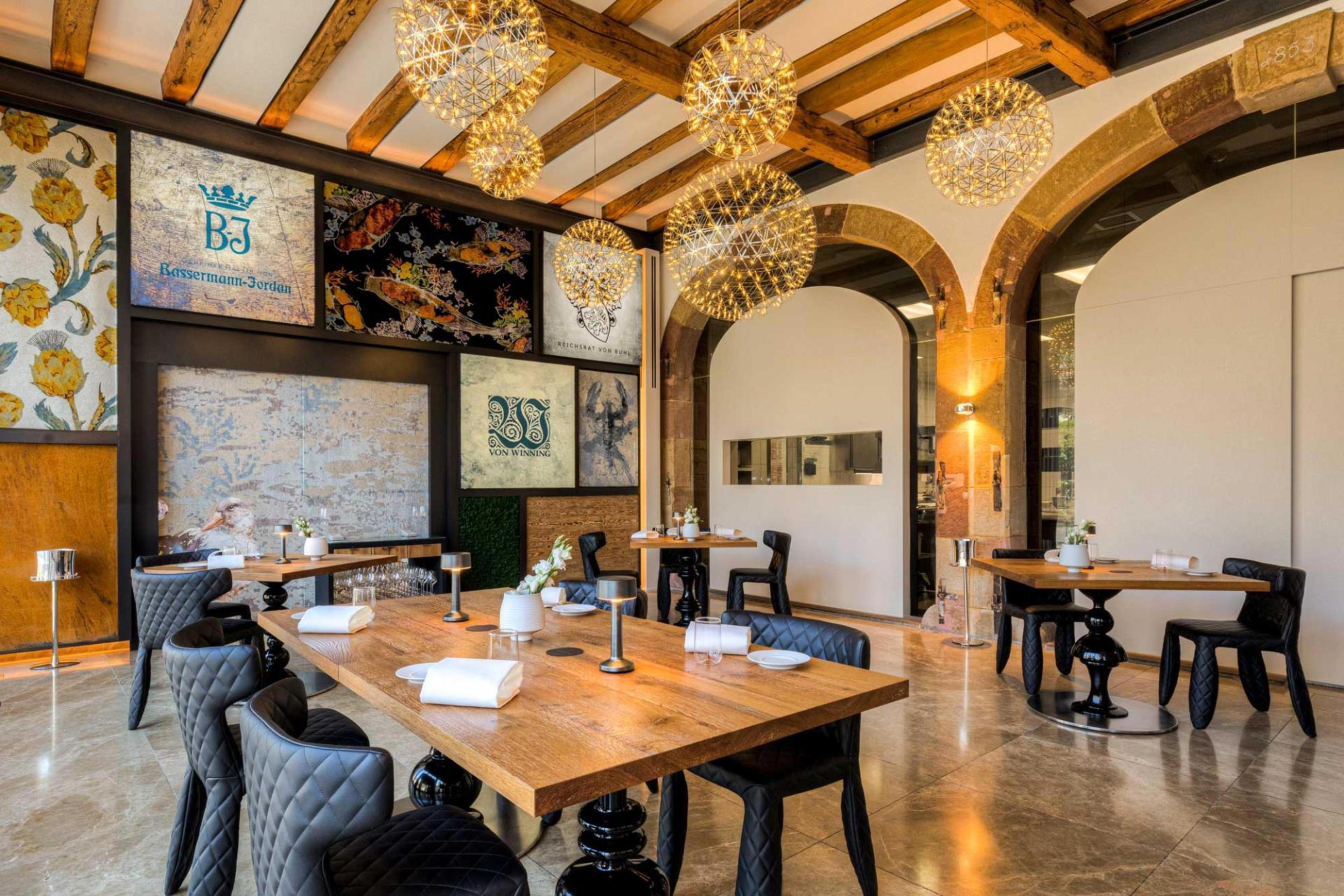
The setting is central: Weingut J.L. Wolf is associated with a historic Italian-style villa in Wachenheim. That architectural identity gives the estate a classic tone, and it is the clearest confirmed hook for visitors deciding whether the venue fits their trip. Rather than a high-energy social stop, the available description points toward a quieter and more scenic estate experience.
This is also why the venue should not be over-written with unsupported detail. A heritage estate can be compelling without invented dates, named designers, ownership timelines, seat counts, appointment rules, or production claims. The core impression is already strong: a Pfalz/Mittelhaardt wine estate with a sense of history, calm, and landscape. For many travelers, that is exactly the reason to visit Wachenheim in the first place.
The price indicator is listed as $$, which gives a broad expectation without creating a false promise about bottle prices, tasting fees, or packages. Beyond that, practical planning should be handled directly with the venue or through current local information, because the record supplied here does not confirm hours, reservations, private tastings, lunch service, dietary information, delivery, or other operational details.
How to fold it into a Wachenheim wine trip
For a Wachenheim itinerary, Weingut J.L. Wolf works well as a heritage-and-setting reference point. The confirmed appeal is the combination of a historic Italian-style villa atmosphere, a quiet scenic mood, and the broader Pfalz/Mittelhaardt wine-estate context. Travelers who value architecture, calm surroundings, and regional atmosphere may find that more relevant than a long list of services.
The estate is better read as part of a broader Wachenheim stay than as an isolated claim-heavy destination. Build the day around what: Wachenheim, a classic estate setting, and a microclimate-driven Pfalz/Mittelhaardt atmosphere. Other dining, lodging, bar, and experience choices in Wachenheim should be checked separately against current information, especially where hours, reservations, prices, and service formats matter.
Wolf with other Wachenheim options generically. Use it as the quiet, historic, scenic wine-estate anchor in the plan, then confirm the rest of the itinerary according to the day’s practical needs.
Recognition history
Dated appearances from independent guides and award organizations, with the underlying list record or original source where available.
Falstaff Winery - Listed
Falstaff
Continue exploring
More in Wachenheim an der Weinstraße
Wineries in Wachenheim an der Weinstraße
All wineries in Wachenheim an der Weinstraße →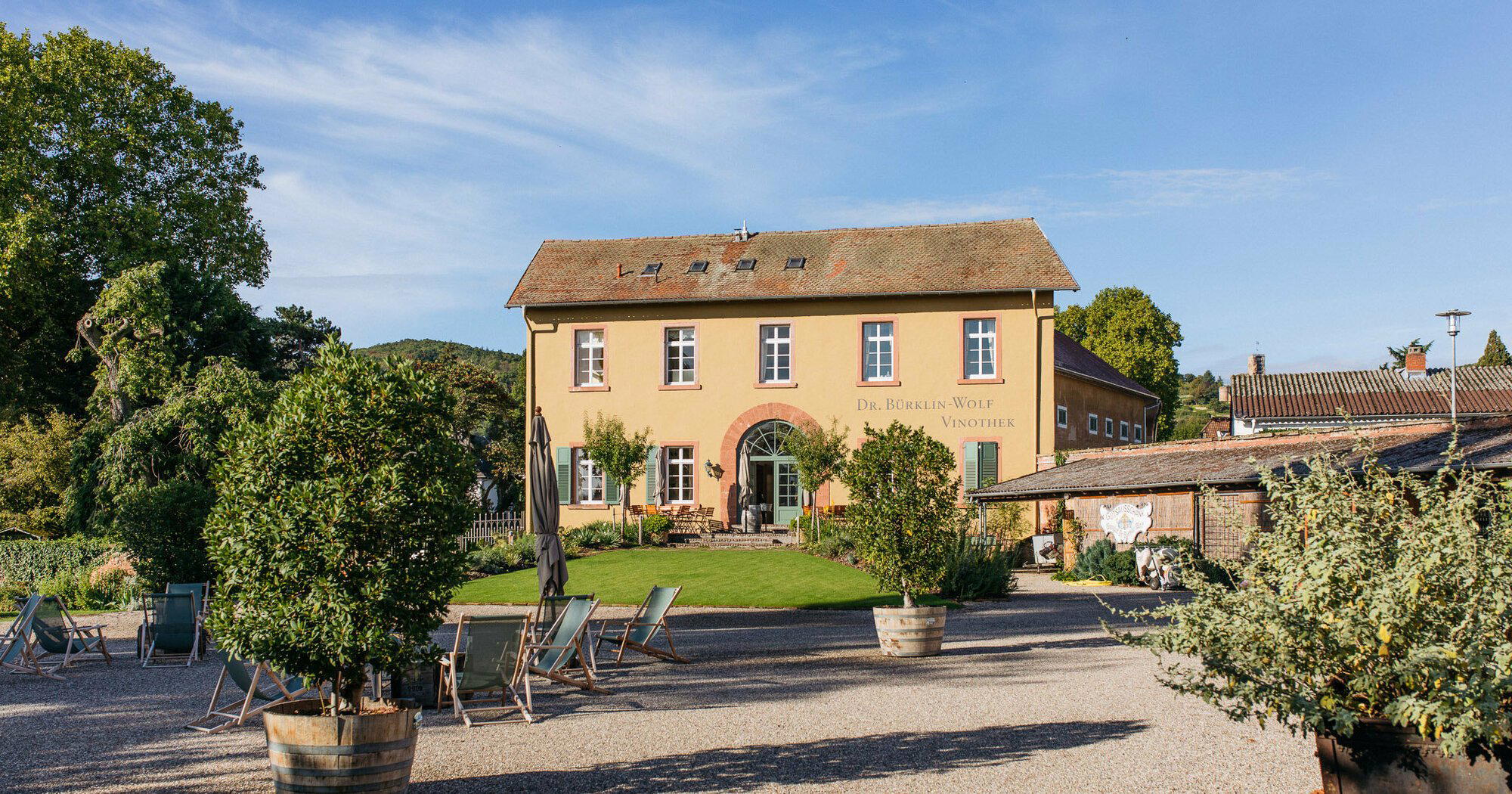
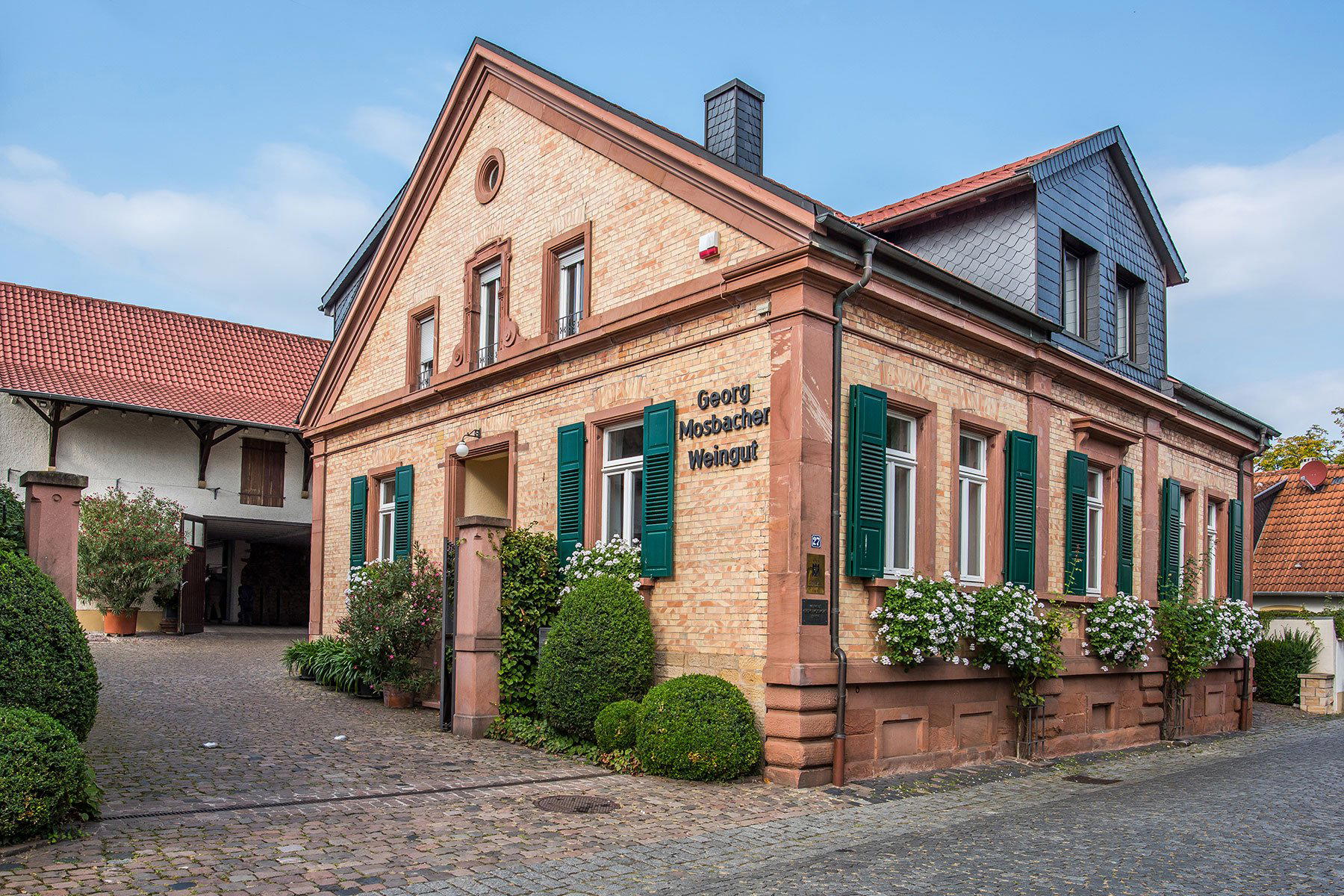
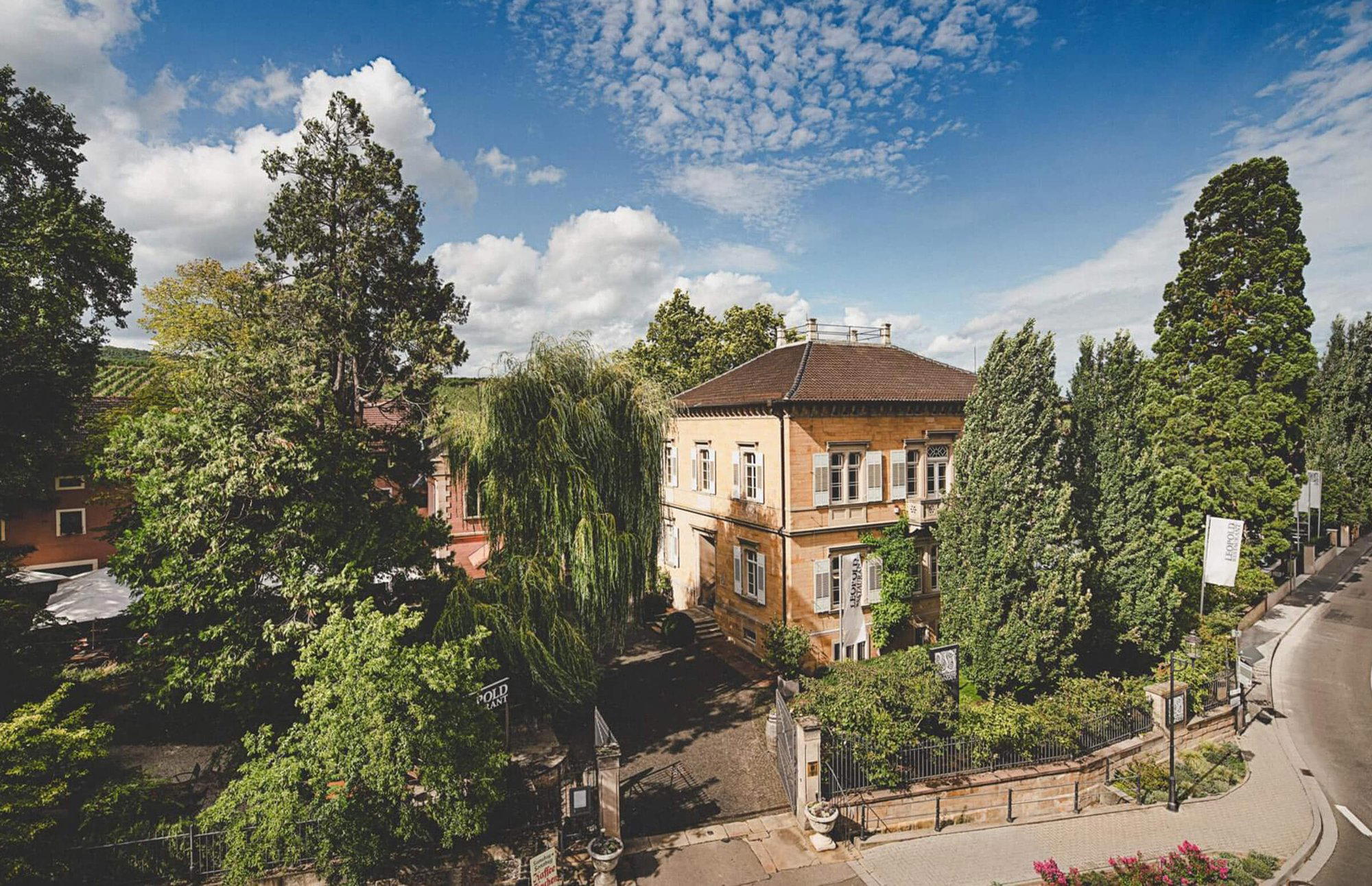
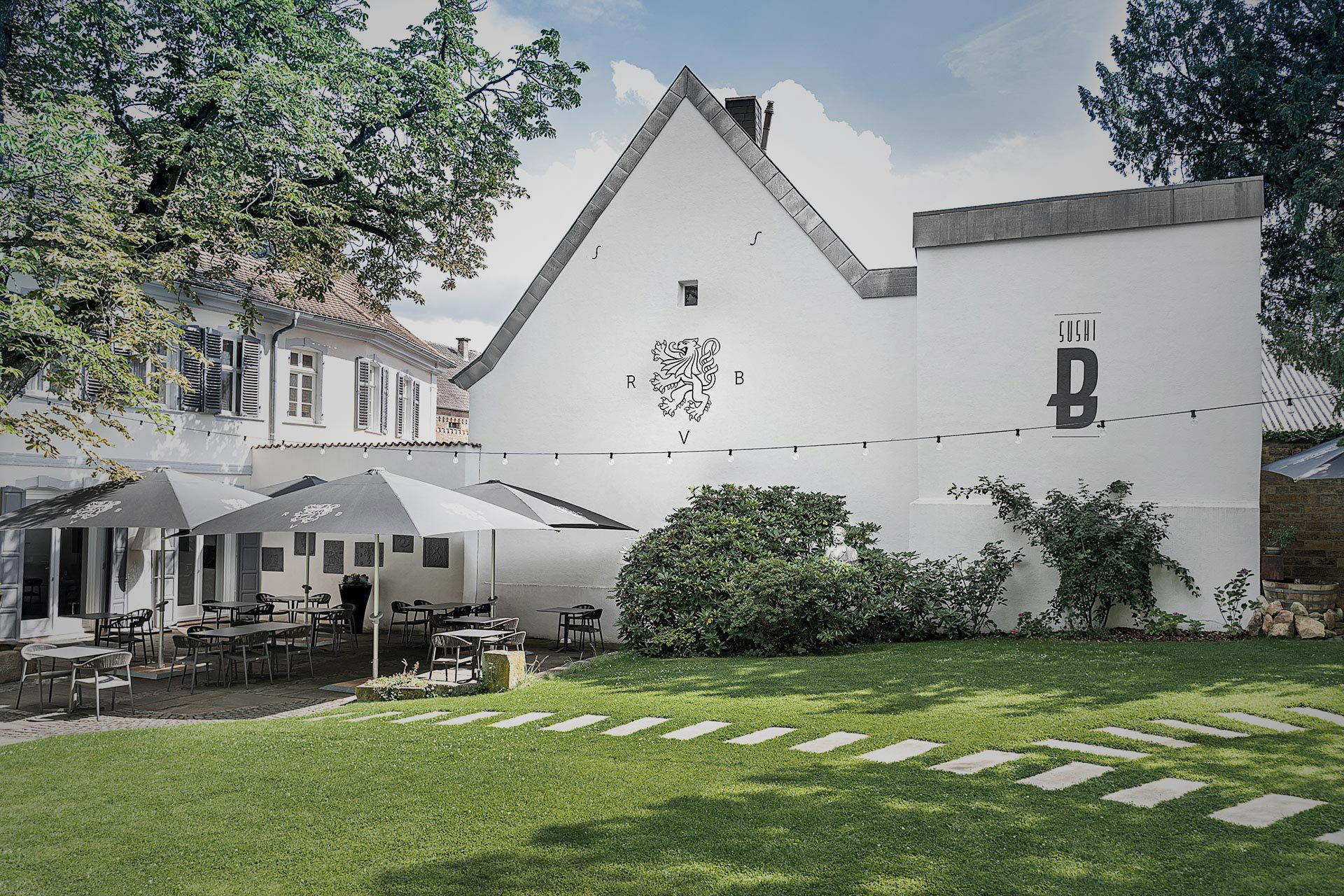
Bars in Wachenheim an der Weinstraße
Browse all →

Details
- Historic
- Quiet
- Scenic
- Classic
- Solo Exploration
- Special Occasion
- Corporate Event
- Historic Building
- Estate Grounds
- Private Tasting
- Sustainable
- Vineyard
- Riesling
- Pinot Noir
- Pinot Gris
- Pinot Blanc
- Gewürztraminer
- Still White
- Still Red
- Still Rosé
- Private Tasting
- Appointment Tasting
Historic Italian-style villa setting in the Pfalz/Mittelhaardt with a strong sense of heritage and a microclimate-driven wine estate atmosphere.