Weingut Huck-Wagner

Weingut Huck-Wagner is a family-run Baden winery in Efringen-Kirchen, shaped by Jurassic limestone soils, named vineyard parcels, and a portfolio that moves from stainless-steel estate wines to barrique- and tonneaux-influenced single-vineyard bottlings. The draw is not spectacle but regional definition: Gutedel, Chardonnay, Spätburgunder, traditional-method sparkling wine, and an old-vine Silvaner thread through a quiet, craft-led Markgräflerland setting.
Pearl is the En Primeur Club membership app — saves, bookings, and concierge access live there. Same editors, same standards.
- Address
- Efringen-Kirchen, Baden, Baden-Wuerttemberg, Deutschland
- Directions
- Get directions
 Saves & bookings on Pearl
Approaching wine country in Efringen-Kirchen, the mood shifts from Black Forest postcard to southern Baden borderland: open vineyard slopes, calcareous ground, and a quieter register than the grander German regions that dominate export lists. Weingut Huck-Wagner belongs to that smaller Markgräflerland story, where limestone is not decorative language but the core argument. The estate’s wines are tied to Jurassic limestone soils around Efringen-Kirchen, with a production model that prizes named sites, family continuity, and cellar choices that separate fresh estate bottlings from more serious single-vineyard work.
The regional context matters. Baden is Germany’s warmest major wine region, and Markgräflerland has long carried a different rhythm from the Mosel or Rheingau: less theatre, more local drinking culture, a strong white-wine identity, and vineyard holdings that often remain family-scaled rather than corporate. In that setting, Weingut Huck-Wagner reads as a precise example of the place rather than an outlier trying to imitate a grander template. The estate works with Gutedel, Chardonnay and Spätburgunder, and its portfolio also includes sparkling wine made by the classic bottle-fermentation method.
Limestone, named sites, and the Markgräflerland argument
The strongest case for the estate is geological. Jurassic limestone soils and calcareous vineyard sites give the winery a clear place-based identity, especially in a region where local origin can be more persuasive than trophy language. The estate’s internal structure reinforces that point: Heimat wines sit in the approachable estate tier, while Wurzel wines draw from Efringer Ölberg, the named single-vineyard source used for more site-specific bottlings. That split is useful for drinkers because it clarifies intent before the glass is poured: one line is built for freshness and regional ease, the other for a more gastronomic reading of site.
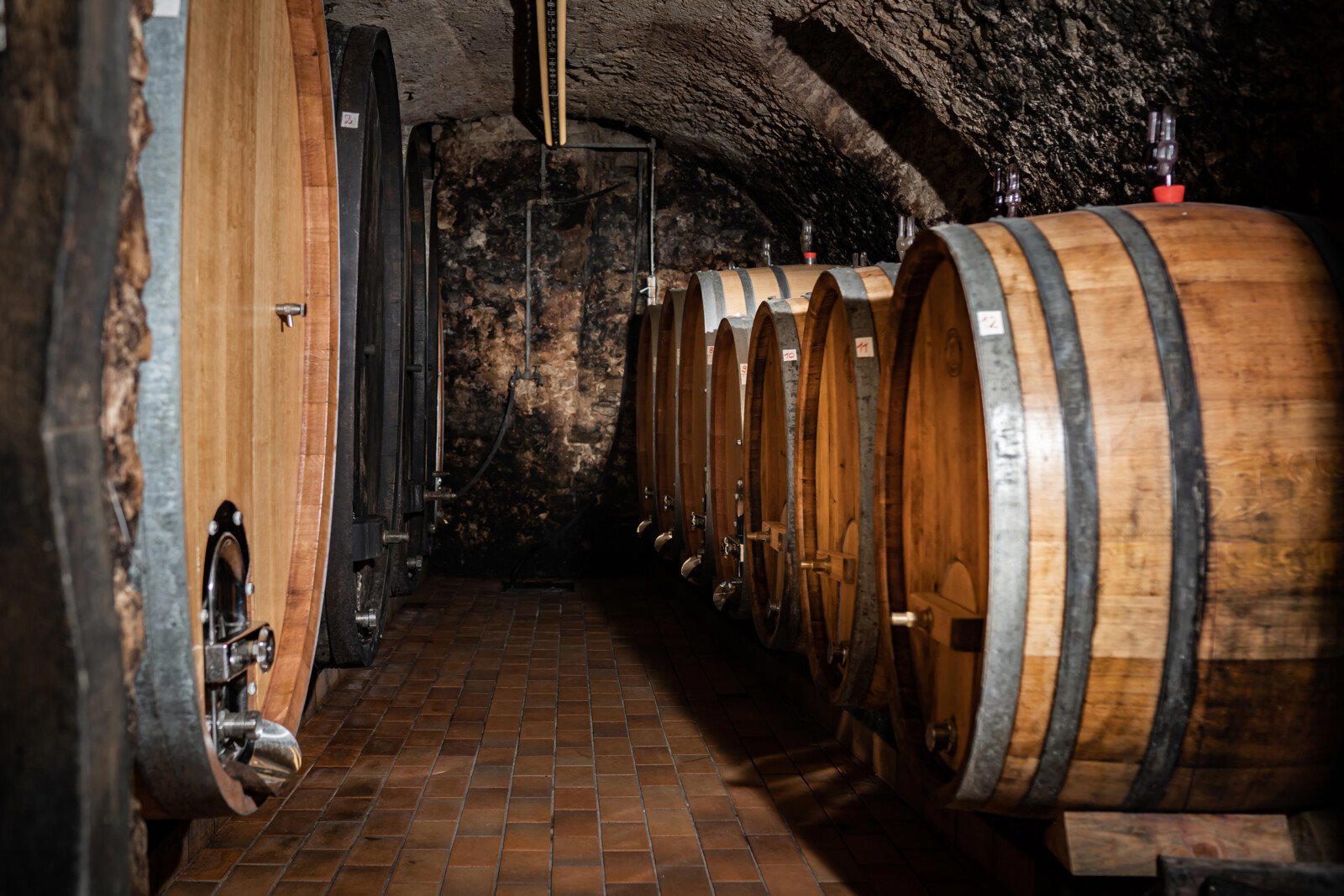
Cellar work follows the same hierarchy. Estate wines are associated with stainless steel, a sensible choice when the goal is clarity and directness. Red wines see large wooden barrels, while Wurzel single-vineyard wines are matured wholly or partly in barriques and tonneaux. That is a disciplined set of vessels rather than a blanket oak program. The estate’s sparkling wine belongs to the traditional-method category, which places it closer to bottle-fermented regional craft than simple tank-made fizz.
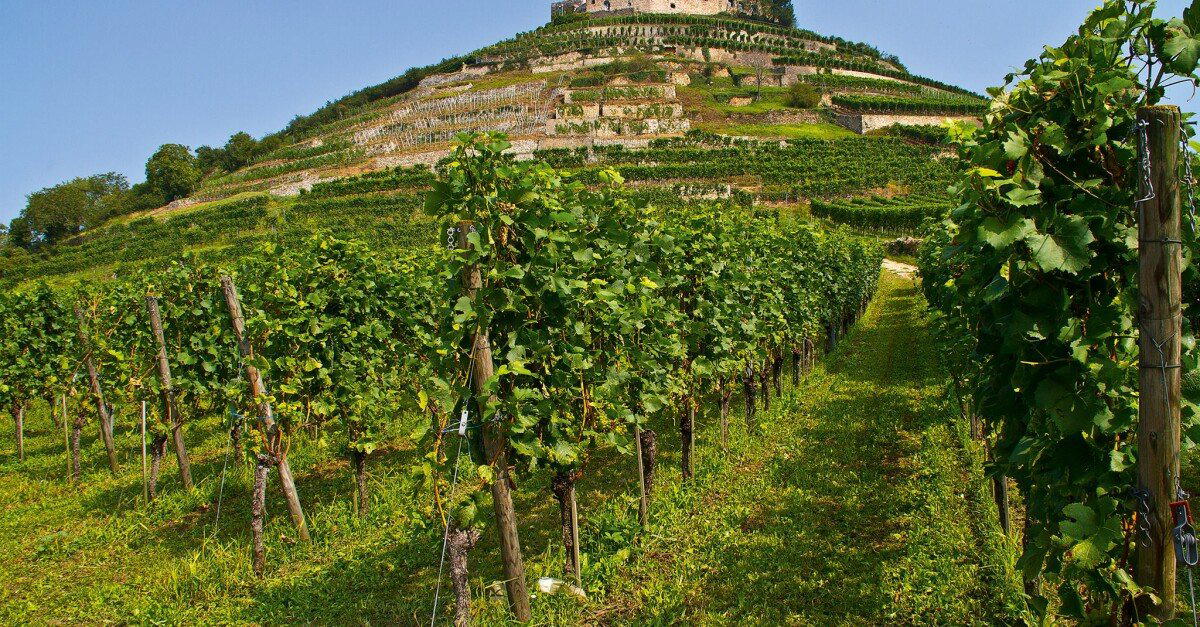
Katzenrain adds a sharper detail to the estate’s identity. The Silvaner vom Katzenrain comes from a monopollage of terraced vines around 50 years old, a combination that gives the bottle a stronger claim to site continuity than a generic varietal release. No tasting note is needed to understand why that matters: older vines, terracing, and single ownership create a more legible relationship between farming and finished wine. In a region where many visitors still arrive with broad assumptions about German whites, this kind of bottling explains Markgräflerland more efficiently than a lecture.
A family estate with craft signals rather than trophy signals
Family ownership is often overused in winery writing, but here it has concrete weight. Weingut Huck-Wagner is a third-generation family business, led by Christiane Huck-Wagner and Roland Wagner since the early 1990s, with the current generational transition established in the mid-2000s. Christiane Huck-Wagner is identified with the cellar role, and the estate’s production is described at a medium scale, with vineyard holdings around Efringen-Kirchen and an annual output cited at about 80,000 bottles in one public listing. Those figures put the winery in a practical middle ground: large enough to sustain a structured portfolio, small enough for the vineyard and cellar decisions to remain visible.
The craft signals are not awards-led. The estate has regional recognition through Black Forest and wine-tourism channels, and its wines have been described as having received multiple prizes, but the public-facing strength lies more in vineyard husbandry than medals. Gentle soil cultivation, canopy management, and yield regulation are the concrete stewardship details that matter here. The sustainability language should be read through practice rather than certification: careful farming, old-vine preservation at Katzenrain, and production choices that avoid turning every wine into the same oak-polished style.
Hospitality follows the same low-key register. The setting is quiet, rustic, and vineyard-facing rather than restaurant-led, with private tasting listed as part of the visit format and group outings fitting the estate’s educational tone. Food pairing is part of the stated use case for the Wurzel wines, which makes sense: single-vineyard bottlings with partial barrique or tonneaux maturation are built to hold the table, not just the tasting counter. Dress expectations remain casual, and the estate is walk-in friendly, a useful distinction in a German wine region where some family wineries operate with more variable visitor rhythms.
How to read this estate in Efringen-Kirchen
For travellers mapping Efringen-Kirchen through wine rather than only scenery, the winery offers a compact lesson in southern Baden priorities: limestone, family stewardship, Gutedel alongside Chardonnay and Spätburgunder, and a tiered portfolio that separates everyday regional drinking from site-specific bottles. The price level sits in the accessible middle range, but the more meaningful value is interpretive. A visit works especially well for drinkers who want to understand why Markgräflerland has its own cadence inside Baden, and why a bottle from Efringer Ölberg or Katzenrain communicates more than a varietal label alone.
Use it as part of a wider Efringen-Kirchen wine circuit rather than as a stand-alone pilgrimage. Nearby planning can include Markgräfler Winzer eG, Weingut am Klotz, Weingut Hanspeter Ziereisen, and Weingut Ziereisen, while broader city planning sits in Our full Efringen-Kirchen wineries guide, Our full Efringen-Kirchen restaurants guide, Our full Efringen-Kirchen hotels guide, Our full Efringen-Kirchen bars guide, and Our full Efringen-Kirchen experiences guide. For readers comparing German and Central European small-estate styles beyond Baden, the wider winery index also includes & Handwein in Mannheim, 2 Naturkinder in Kitzingen, 3 Winner in Bechtheim, 49Point9 in Geisenheim, »der Steiner« Hans Steiner in Podersdorf am See, and ®walzer in Gneixendorf Bei Krems.
Recognition history
Dated appearances from independent guides and award organizations, with the underlying list record or original source where available.
Falstaff Winery - Listed
Falstaff
Continue exploring
More in Efringen-Kirchen
Wineries in Efringen-Kirchen
Browse all →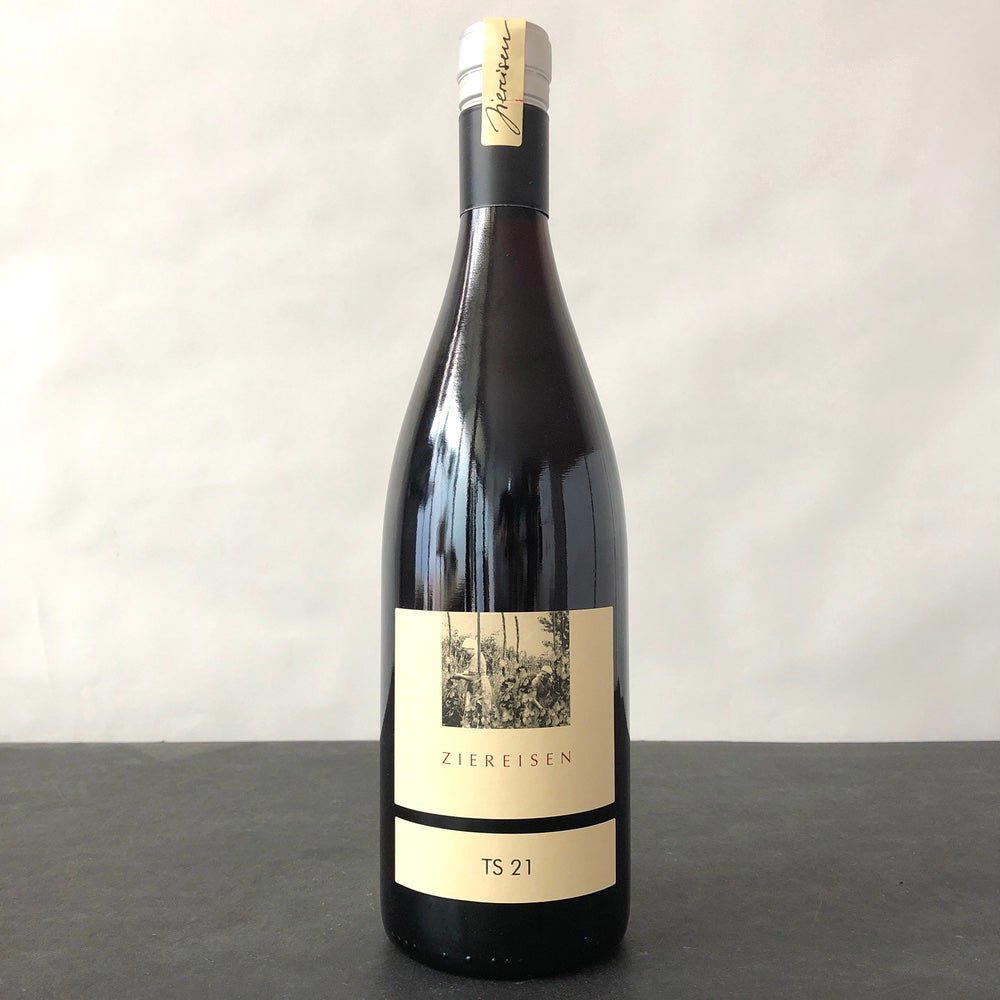
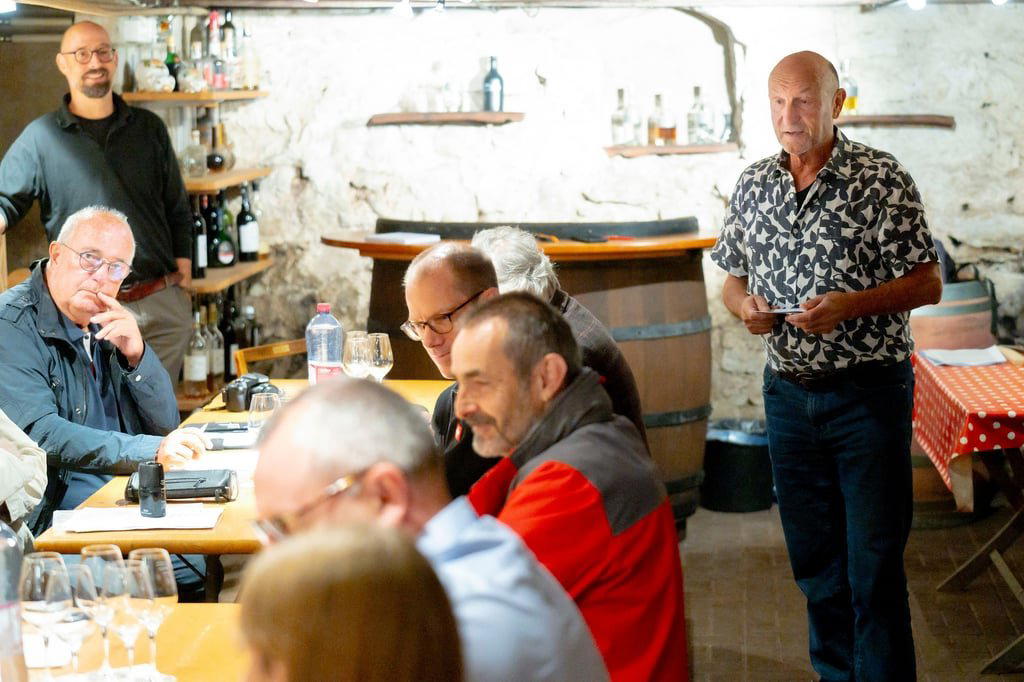
Bars in Efringen-Kirchen
Browse all →
Restaurants in Efringen-Kirchen
Browse all →
At a Glance
- Scenic
- Rustic
- Quiet
- Classic
- Wine Education
- Special Occasion
- Group Outing
- Estate Grounds
- Vineyard Tour
- Private Tasting
- Sustainable
- Vineyard
- Baden
- Gutedel
- Chardonnay
- Spätburgunder
- Still White
- Still Red
- Sparkling
- Private Tasting
A family-run winery with a precise, handcrafted feel, set in sun-drenched vineyard surroundings on calcareous soils in the southern Markgräflerland.