
Falstaff Winery - Listed
Weingut Hirschmann is a small family winery in Höflein, in Austria’s Carnuntum appellation, built around 260 years of winegrowing continuity rather than spectacle. The draw is its traditional cellar-and-vineyard identity, private-tasting format, and clear emphasis on varietal character, with online wine-shop fulfillment extending the estate’s direct relationship with drinkers beyond the visit itself.

Pearl is the En Primeur Club membership app — saves, bookings, and concierge access live there. Same editors, same standards.

Weingut Hirschmann in Hoflein is best understood as a quiet, tradition-focused winery rather than a venue built around spectacle. The picture is simple but useful: it is a family-run estate with a long-standing atmosphere centered on viticulture, cellar work, and close access to the winemaking process. For travelers building a Hoflein stop around wine, that is the strongest reason to pay attention.
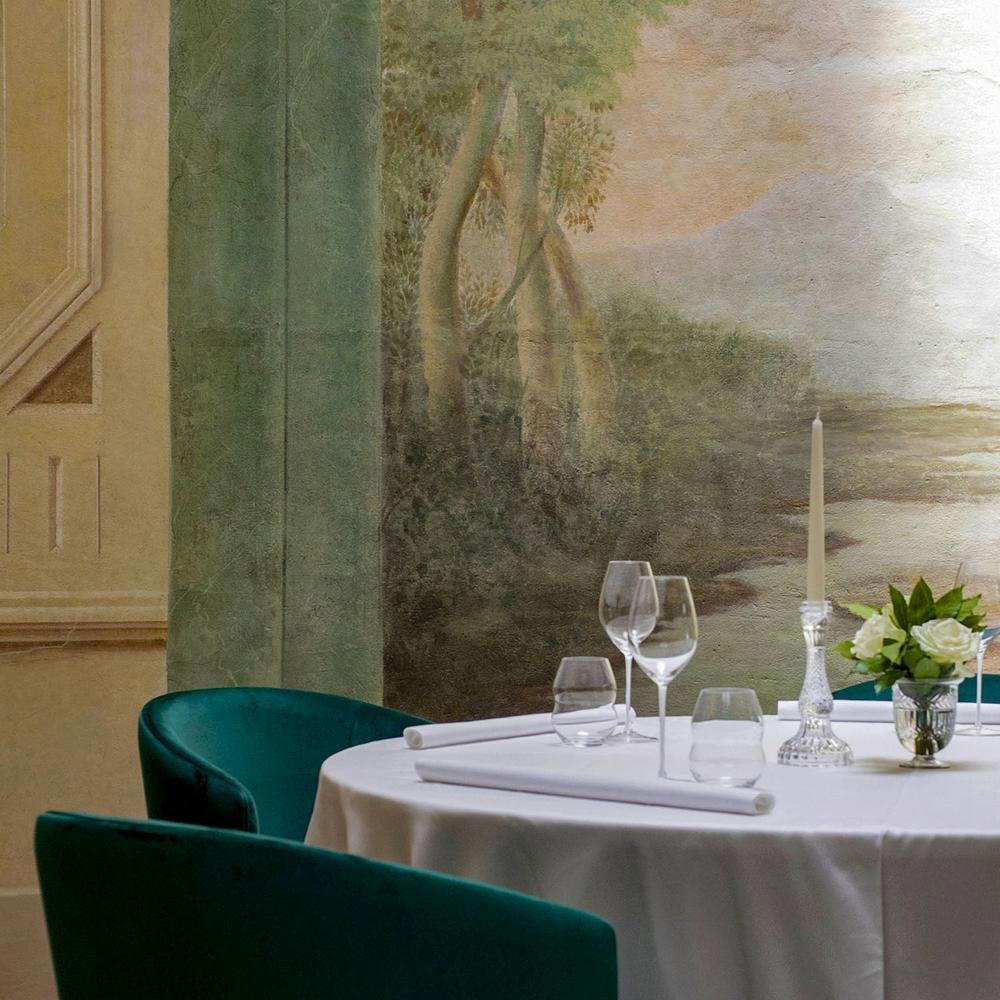
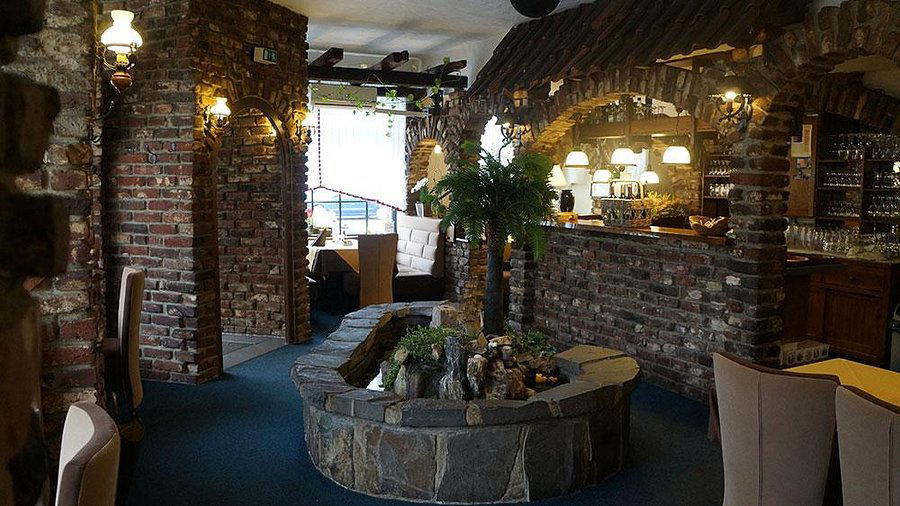
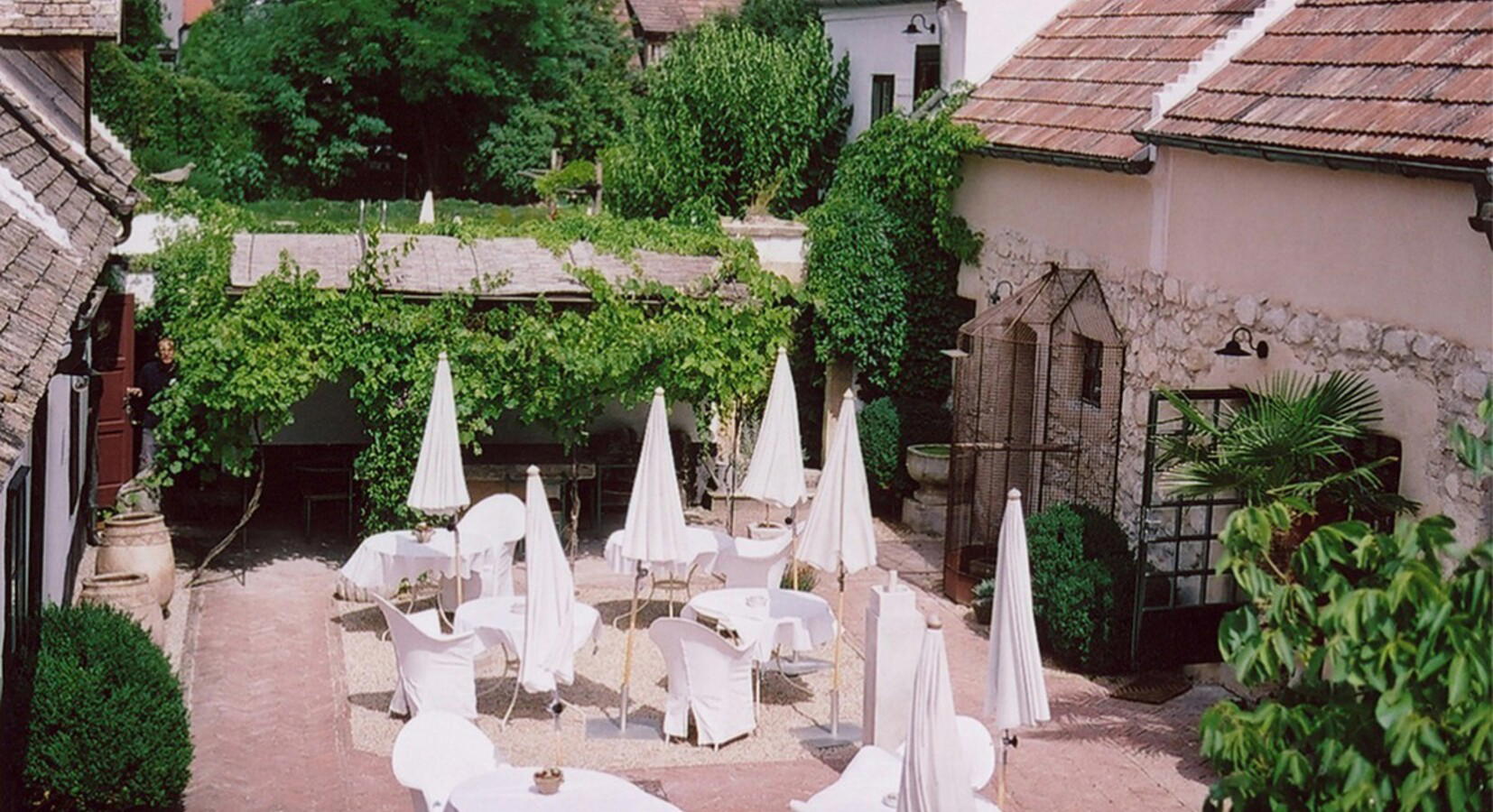
The tone is classic, rustic, and low-key. Nothing suggests a flashy hospitality format, a chef-led restaurant experience, a named tasting menu, or a highly staged visitor program. Instead, the appeal sits in the continuity of a family winery and the way its public presence points back to the working rhythm of the vineyard and cellar. That makes Weingut Hirschmann feel more like a for visitors interested in process than a broad entertainment venue.
Tradition and cellar work define the visit
The most grounded editorial hook for Weingut Hirschmann is its family-run character. In a winery context, that matters because the experience is not only about what is poured or purchased; it is also about the agricultural and cellar work behind it. The estate’s atmosphere is described through tradition, viticulture, and cellar practice, which gives the venue a clear identity even without details about individual wines, guided formats, opening hours, or visitor capacity.
Its online diary is another important signal. Rather than presenting the winery only as a finished-product storefront, the diary emphasizes close access to the winemaking process. That kind of process visibility helps frame the estate as a working winery: the vineyard, the cellar, and the seasonal routine are part of the story. For readers, the right expectation is therefore not a luxury performance or a list of awards, but a closer view of how a family winery communicates its work.
The reliable way to describe the venue is broader and more restrained: Weingut Hirschmann is a modestly priced, family-run winery in Hoflein with a quiet, classic, rustic character and a tradition-led focus on winemaking.
A quiet Hoflein winery rather than a staged attraction
Weingut Hirschmann’s strongest fit is for visitors who prefer understatement. The mood words point toward a calm, traditional setting: quiet, classic, rustic, and somewhat. That is a different proposition from a venue whose appeal depends on dramatic architecture, a big hospitality team, or a tightly scripted visitor circuit. Here, the interest is the sense of proximity to viticulture and cellar work.
The $ price marker also helps set expectations. It places the venue at the modest end of the guide’s pricing language, though it should not be read as a promise about any specific bottle, tasting, or purchase price. The safer interpretation is that Weingut Hirschmann is positioned as an accessible winery option in Hoflein, especially for travelers who value a direct, traditional atmosphere over elaborate extras.
Before making a special trip, visitors should confirm practical details through the winery’s own channels. That is especially important for small, family-run wineries, where cellar work and seasonal demands can shape availability.
How to place it in a Hoflein wine itinerary
Use Weingut Hirschmann as a focused wine stop within Hoflein rather than as a full-day dining or nightlife plan. Its identity is not a restaurant, bar, or hotel; it is a family-run winery with a traditional atmosphere. If the goal is to understand local wine culture through a quieter lens, it fits naturally into an itinerary that gives time to the vineyard-and-cellar side of the destination.
It is also worth separating the winery visit from other trip needs. For meals, lodging, or evening plans, look at other dining, hotel, and bar options in Hoflein generically rather than expecting Weingut Hirschmann to cover every part of the day. The venue’s appeal is narrower and clearer: a rustic, classic winery setting with a process-oriented identity.
Within the local planning layer, the most relevant comparison is simply Weingut Hirschmann itself: a Hoflein winery for travelers who want a grounded, family-run atmosphere. Other Hoflein dining and travel choices can be considered around it, but they should not distract from the main reason to come here, which is the estate’s tradition-focused relationship to viticulture and cellar work.
The editorial verdict is intentionally measured. Weingut Hirschmann is not being presented here as an award-led destination, a formal restaurant, or a venue with luxury services. It is a quiet, classic, rustic, family-run winery in Hoflein, priced at $, with an online diary that brings visitors closer to the winemaking process. For the right traveler, that restraint is the point.
Recognition history
Dated appearances from independent guides and award organizations, with the underlying list record or original source where available.
Falstaff Winery - Listed
Falstaff
Continue exploring
More in Hoflein
Wineries in Hoflein
All wineries in Hoflein →
Bars in Hoflein
Browse all →

Details
- Quiet
- Classic
- Rustic
- Solo Exploration
- Wine Education
- Special Occasion
- Historic Building
- Private Tasting
- Vineyard
- Still White
- Still Red
- Private Tasting
A family-run winery with a long-standing, tradition-focused atmosphere centered on viticulture and cellar work, with an online diary that emphasizes close access to the winemaking process.