
Falstaff Winery - 2 Stars
Weingut Frank J Haller is a small Stuttgart winery rooted in Württemberg’s urban wine culture, with Frank J. Haller associated as winemaker and a portfolio that spans local red, white, rosé and sparkling styles. The draw is less hospitality theatre than city-grown wine, Steillagen-Terrassenweinberge context, and a compact tasting-room rhythm in Bad Cannstatt.

Pearl is the En Primeur Club membership app, where members save venues, book tables and use the concierge.

Weingut Frank J Haller is best understood as a small, local Stuttgart winery rather than a hospitality-heavy destination. The picture is deliberately modest: a quiet, rustic, hidden-gem address with a shop or onsite sales room, an online shop, and a focus on direct tasting and sales. For visitors, that means the core appeal is not a broad leisure program or a highly staged winery visit. It is the simpler proposition of encountering a local Stuttgart wine producer in a setting built around tasting, buying and direct contact.
Because the confirmed information is limited, the most honest way to frame the venue is also the most useful. This is not a page to lean on for detailed claims about grape varieties, vineyard sites, opening hours, appointment policies, seating, food service, parking, awards or a formal tasting format. What is is the overall character: small-scale, local, rustic and sales-oriented, with both an onsite shop and an online shop supporting direct purchase.
City winery character without overstatement
Stuttgart has a strong association with wine, but for Weingut Frank J Haller the confirmed venue-level facts should stay focused. The winery is in Stuttgart, and its public-facing identity is that of a small local operation. It is better described as a place centered on direct tasting and sales than as a full-service hospitality venue. That distinction matters when setting expectations: the draw is the winery itself, not an invented restaurant-style experience around it.
The price indicator is $, which places the listing at the accessible end of the guide’s scale. That does not verify any bottle price, tasting fee or menu structure, so it should not be read as a promise about a specific spend. It is simply the confirmed price category available for the venue.
The most grounded description is also the clearest one: Weingut Frank J Haller is a quiet, rustic Stuttgart winery with a local feel. The onsite sales room gives visitors a direct point of contact, while the online shop extends that sales focus beyond an in-person visit. Those are the central facts to plan around.
A direct tasting and sales focus
For travellers, the key expectation is compactness. It is described instead as a small winery with an onsite sales room and a direct tasting-and-sales orientation. That makes it well suited to visitors who want a direct winery encounter in Stuttgart rather than a long hospitality program.
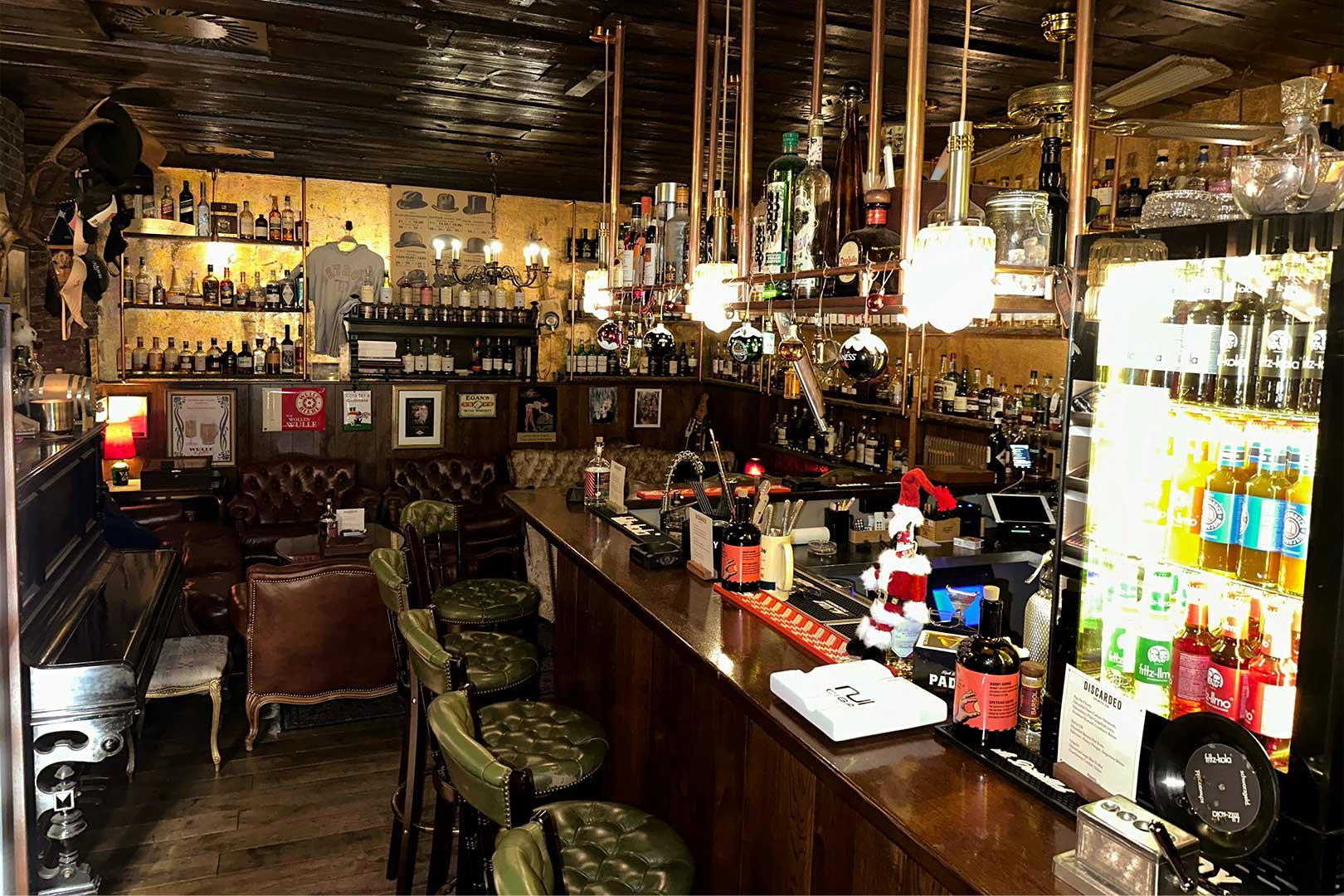
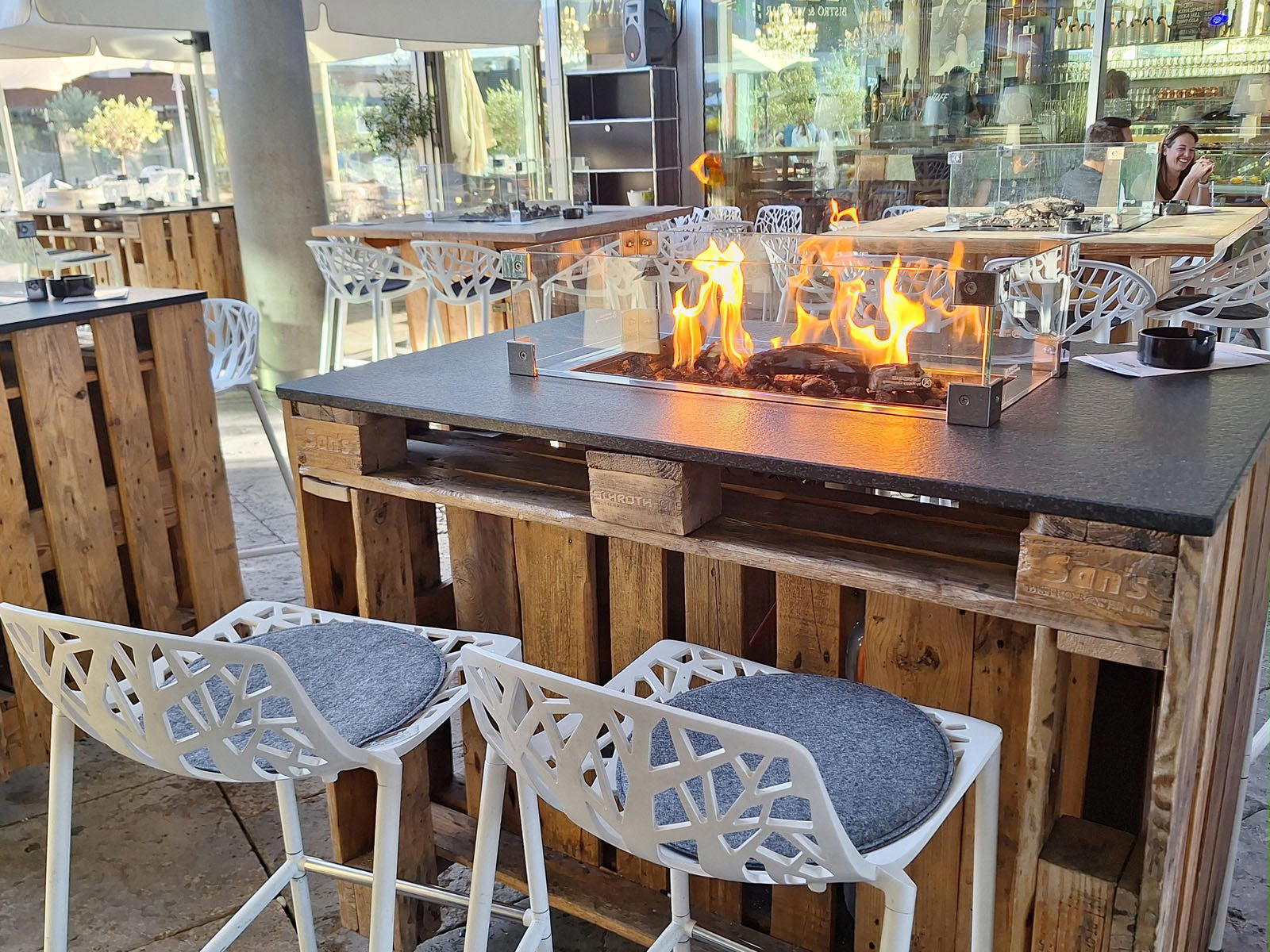
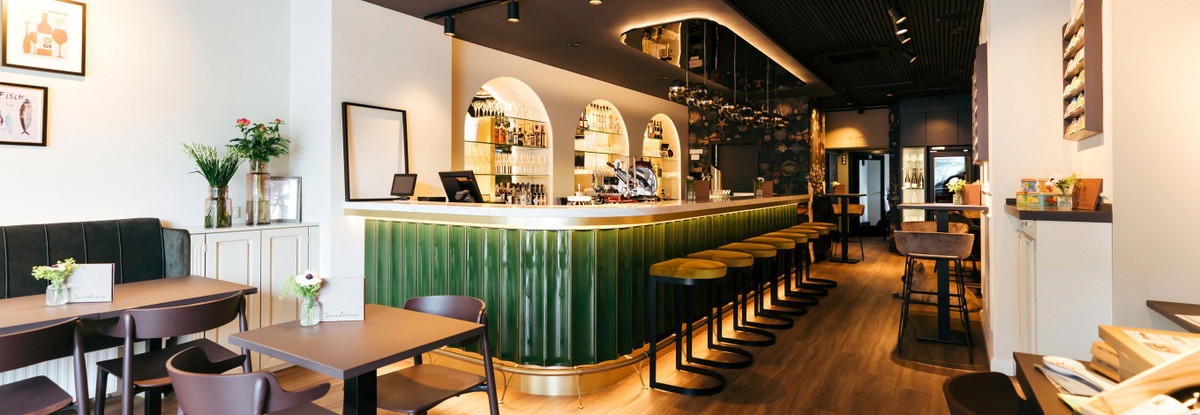
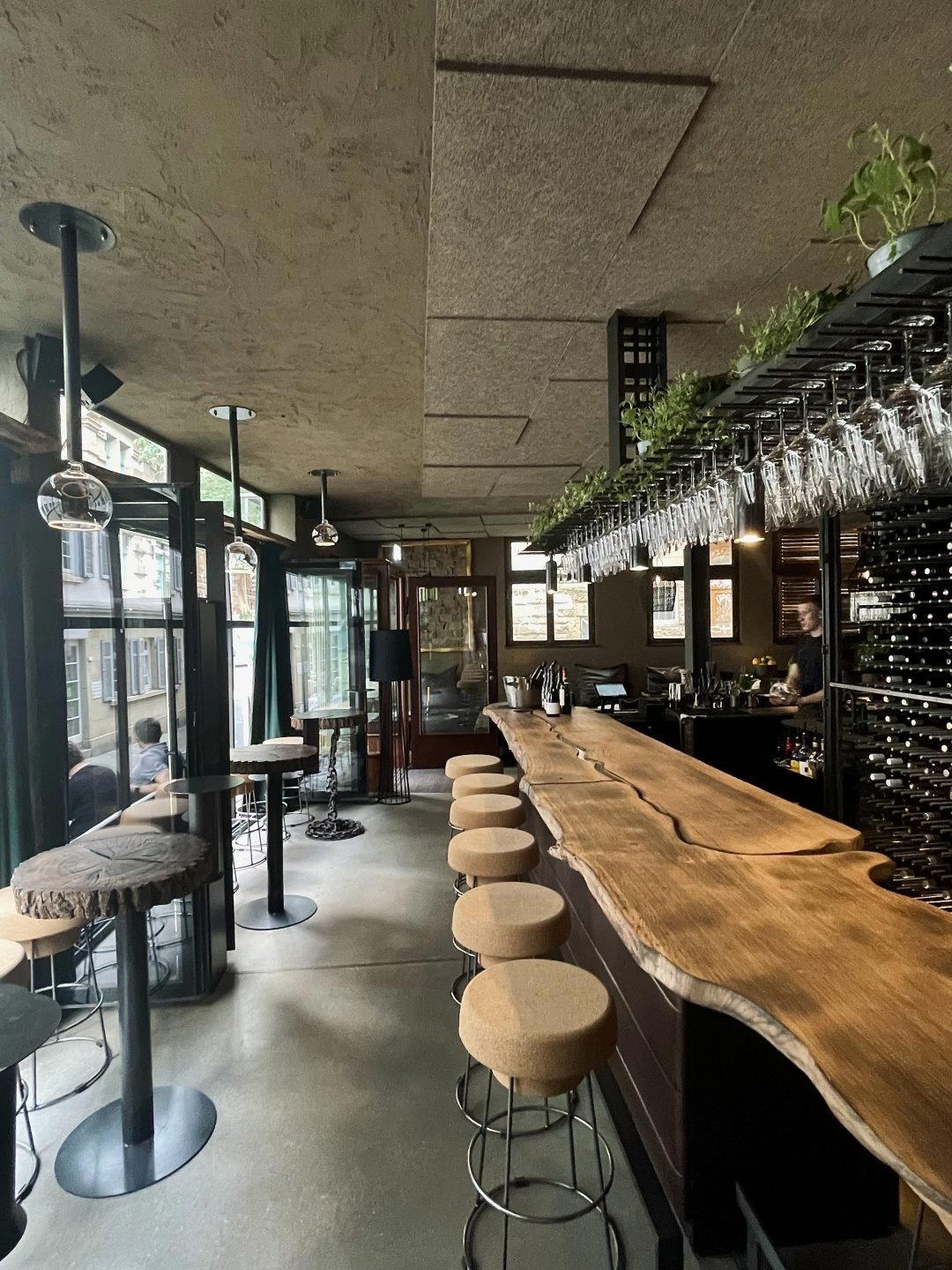
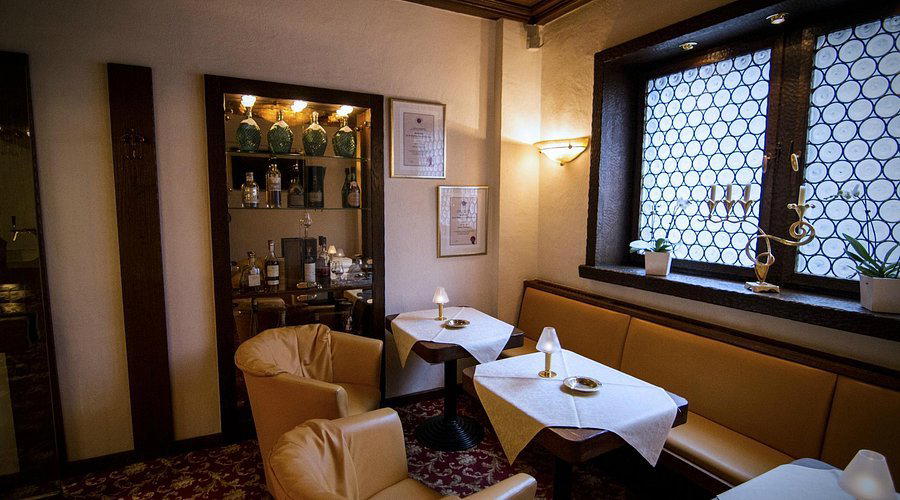
The atmosphere should be read in the same restrained way. “Quiet,” “rustic” and “” are the confirmed style cues. They suggest a low-key local address rather than a polished luxury venue, but they do not verify details such as seating count, outdoor areas, group policies, children’s suitability, pet rules, music level or views. If those points are important, they should be checked directly with the winery before visiting.
The same caution applies to wine specifics. A good visit, therefore, starts with an open question: what is available from the winery at the time, either onsite or through the online shop?
Where it fits in a Stuttgart wine day
Within a Stuttgart itinerary, Weingut Frank J Haller fits as a focused local wine stop. It is not positioned here as a replacement for a full restaurant meal, a scheduled tour circuit or a detailed educational tasting program. Its strengths are narrower and more practical: a small local winery, a shop or onsite sales room, online sales, and a quiet rustic atmosphere.
That narrower profile can be a strength. Some wine addresses are built around spectacle; this one is best approached as a direct-sales winery with a hidden-gem feel. Visitors who value small local places may find that more appealing than a venue with a heavier hospitality layer. The lack of detail also means planning should be conservative: confirm current access, purchasing options and tasting possibilities directly before making a special trip.
The editorial verdict is simple. Weingut Frank J Haller belongs in the guide as a modest Stuttgart winery with a direct connection between producer and buyer. Come for a quiet, rustic local wine stop and the possibility of direct tasting and purchase. Do not rely on assumptions about food, hours, awards, specific wines or expanded visitor services. On the facts available, its appeal lies in being small, local and direct.
Recognition history
Dated appearances from independent guides and award organizations, with the underlying list record or original source where available.
Falstaff Winery - 2 Stars
Falstaff
Continue exploring
More in Stuttgart
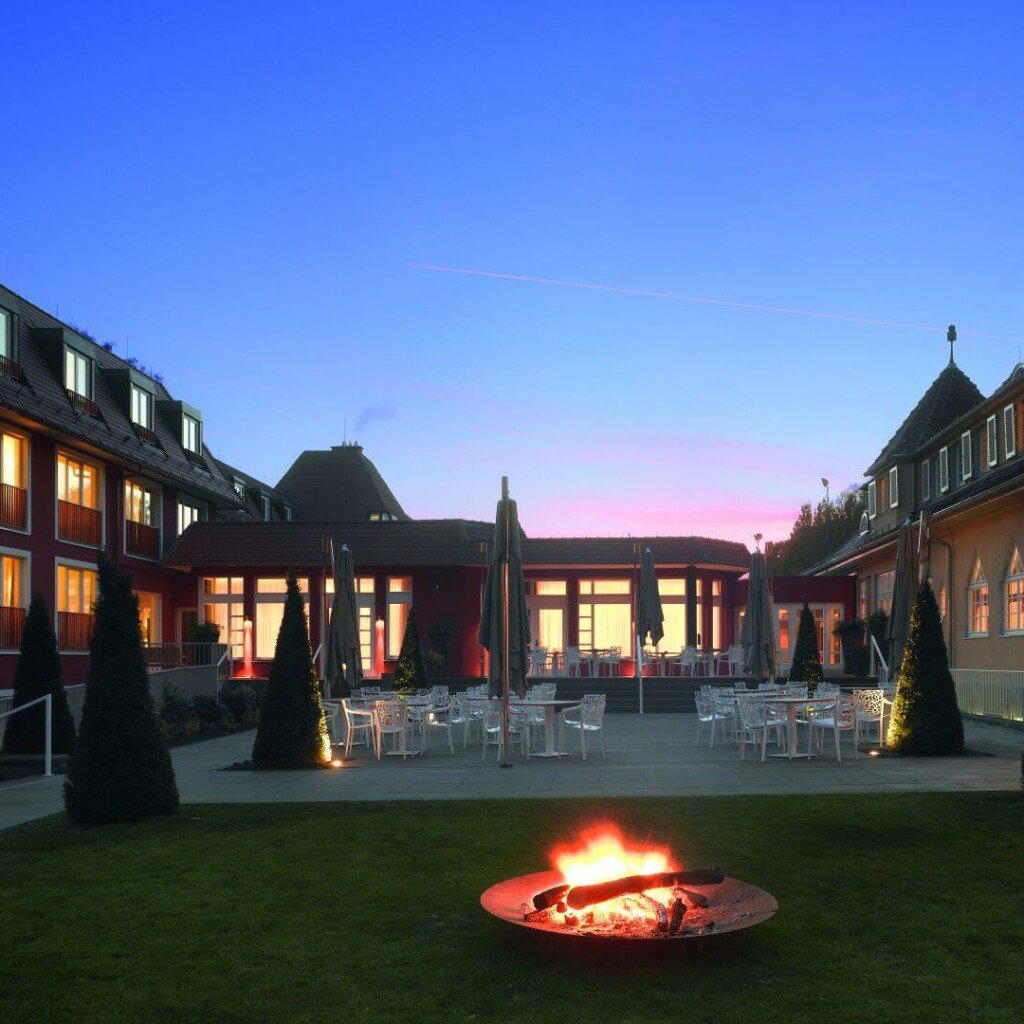
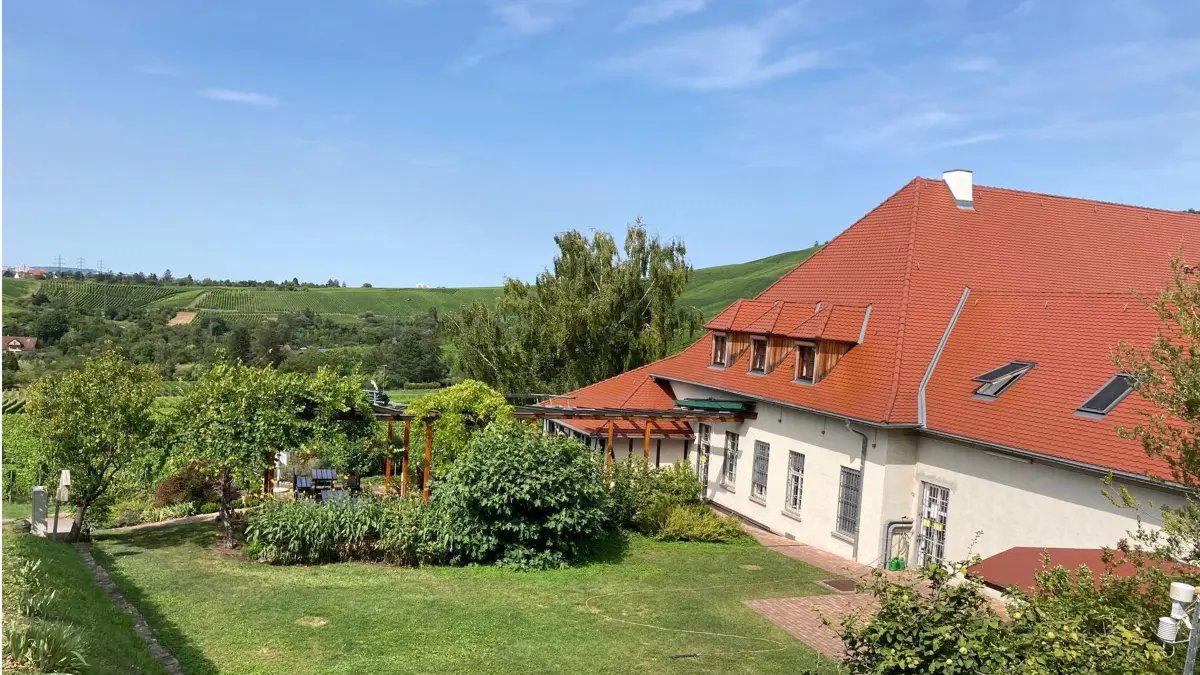
Wineries in Stuttgart
All wineries in Stuttgart →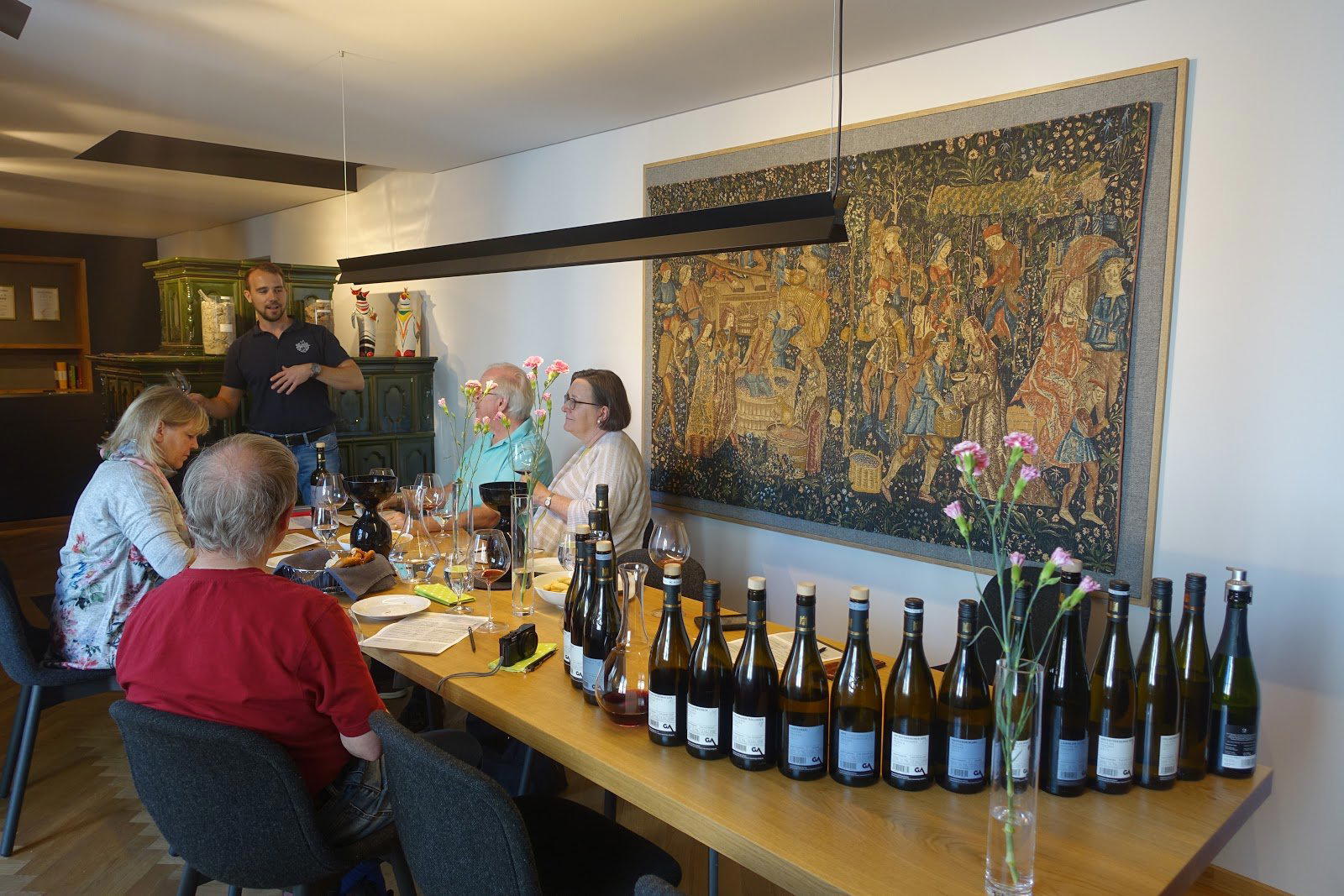
Bars in Stuttgart
All bars in Stuttgart →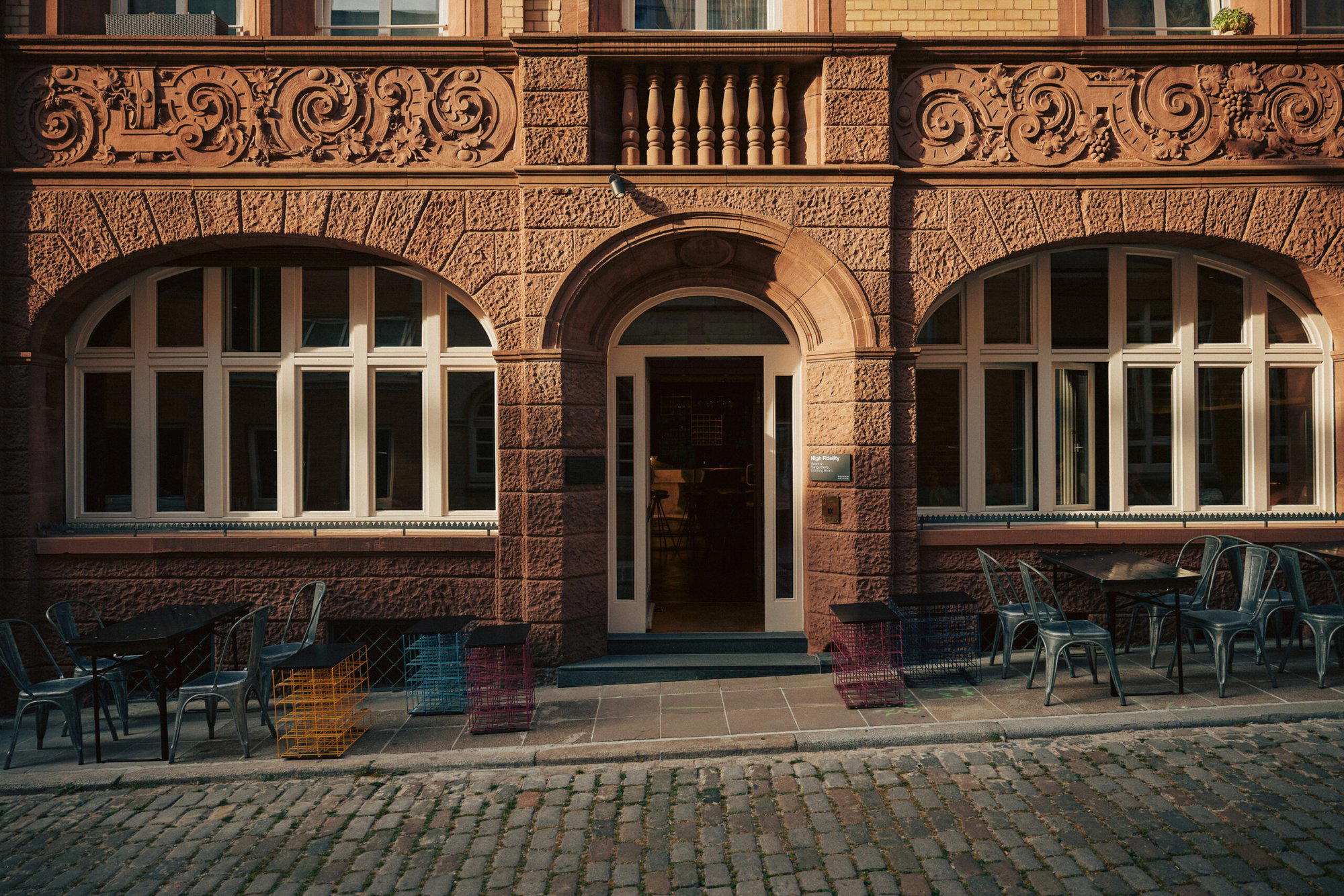
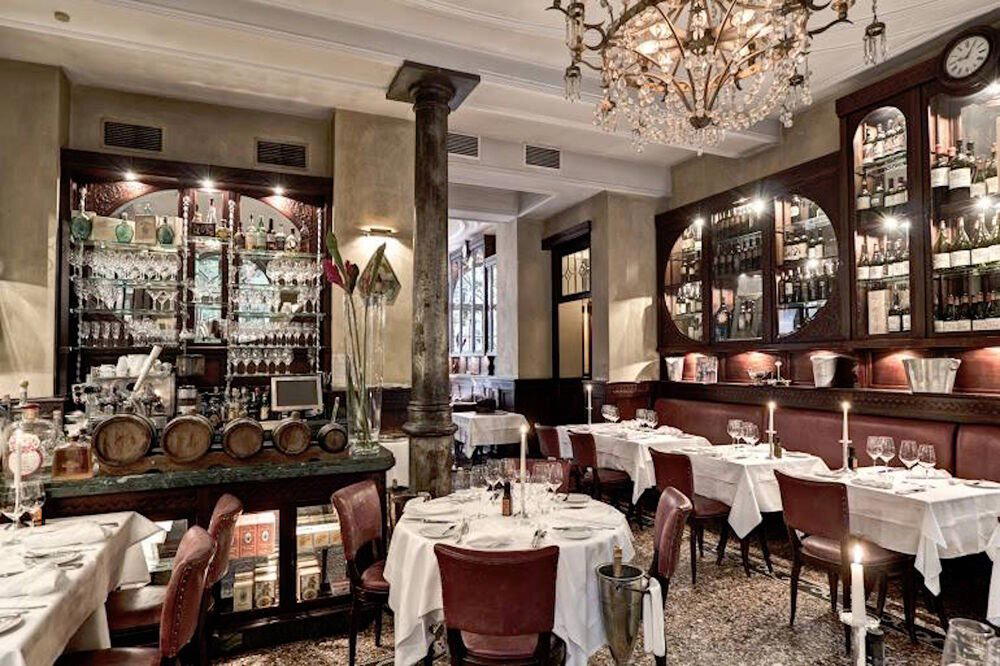
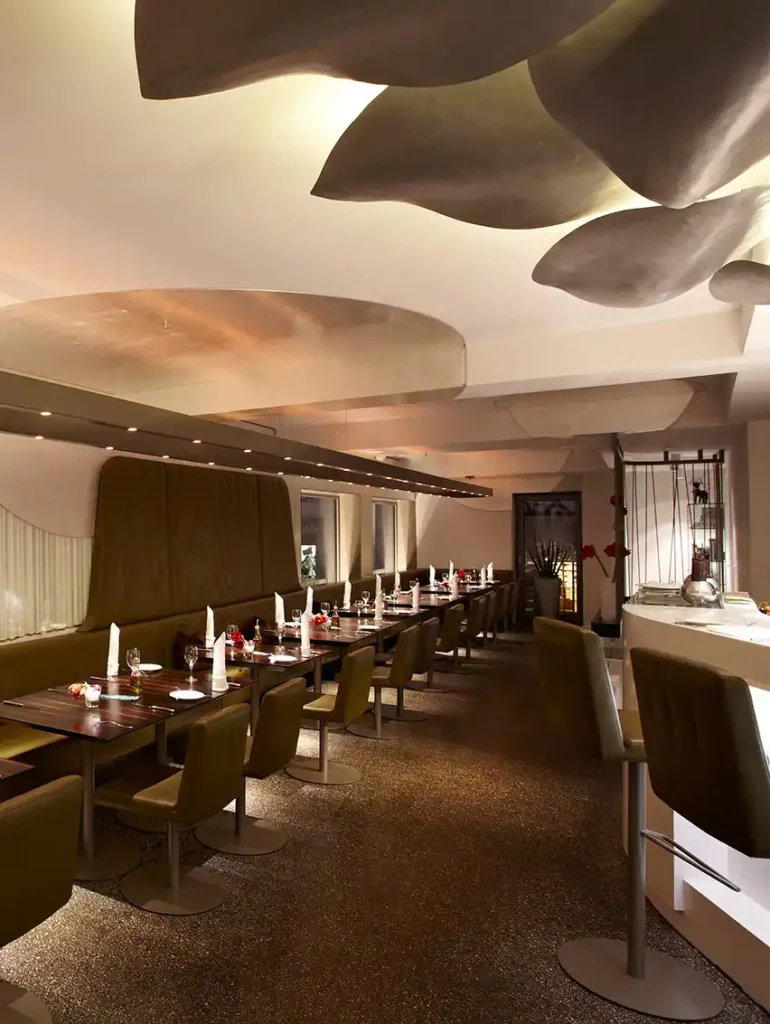
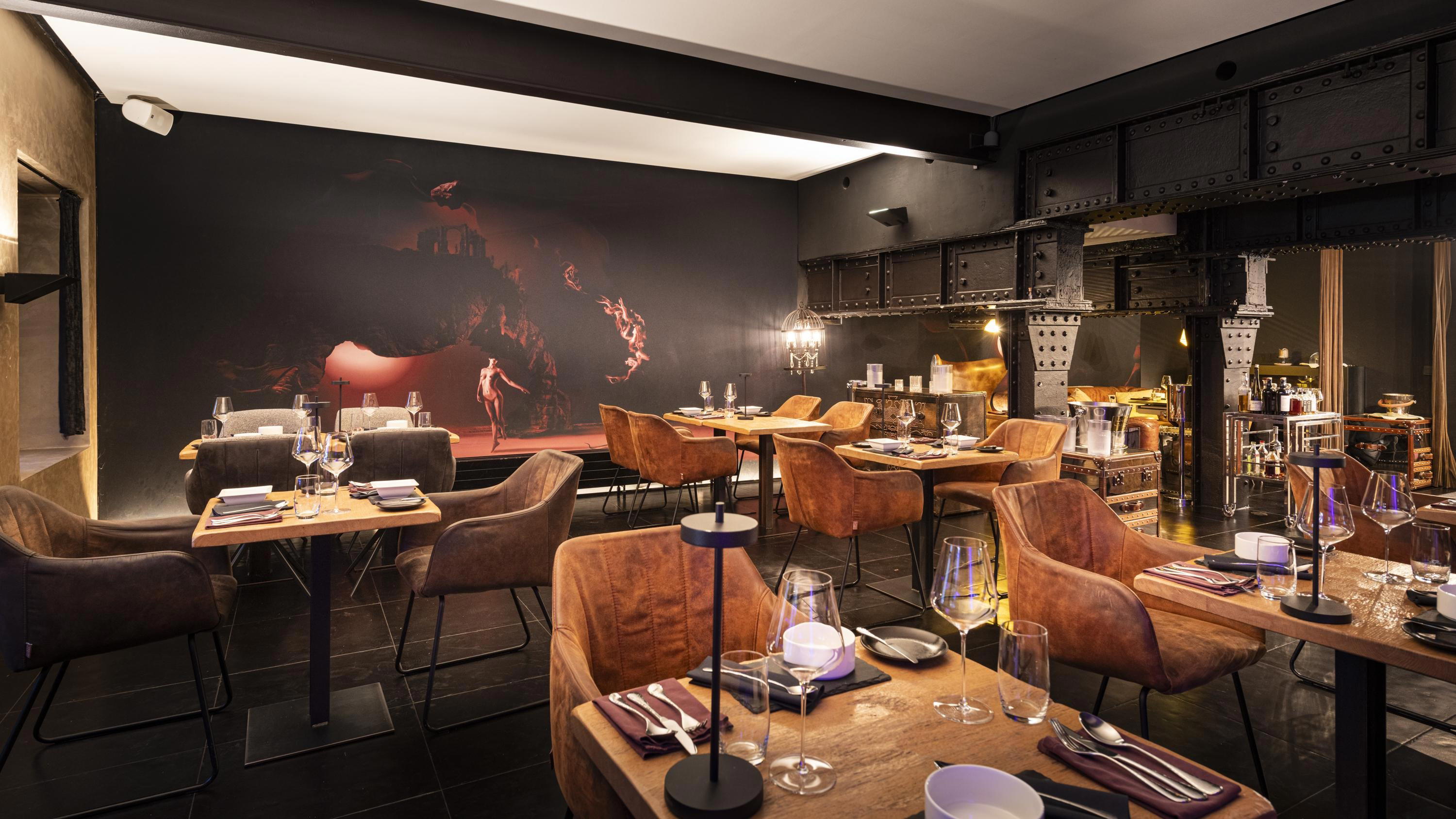
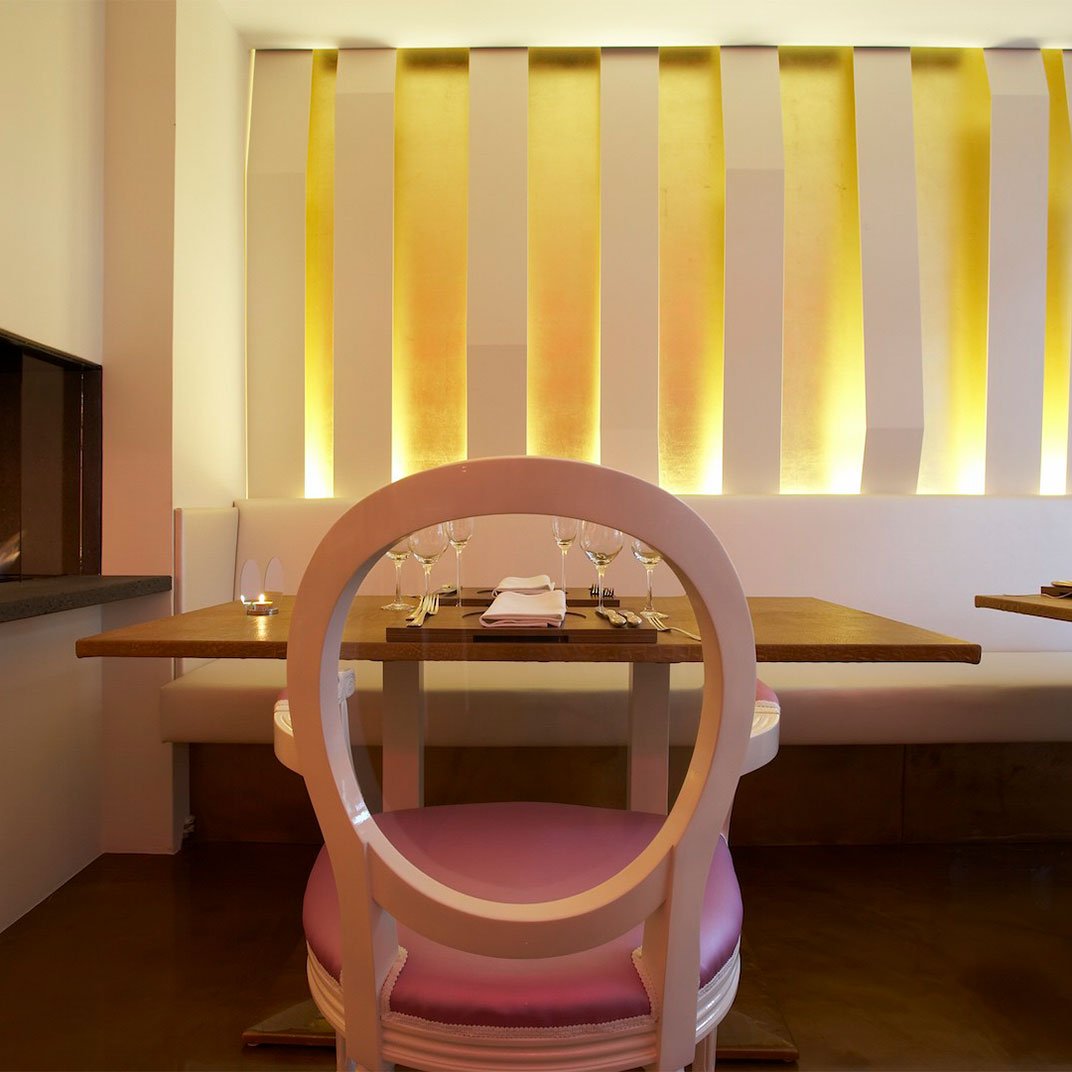
Details
- Quiet
- Rustic
- Solo Exploration
- Street Scene
- Trollinger
- Lemberger
- Riesling
- Müller Thurgau
- Kerner
- Silvaner
- Spätburgunder
- Zweigelt
- Muskateller
- Cabernet Franc
- Chardonnay
- Weißburgunder
- Still Red
- Still White
- Still Rosé
- Sparkling
- Tasting Room
A small, local Stuttgart winery with a shop/onsite sales room and an online shop, centered on direct tasting and sales rather than a hospitality-heavy venue.