Weingut Hallenbach

Falstaff Winery - Listed
Weingut Hallenbach is a small Mosel wine address in Zell an der Mosel, with a Riesling-led identity shaped by steep slate vineyards and a quiet, cellar-focused atmosphere. The appeal is less glossy tasting-room theatre than regional context: a historic family winery format, still and red wine production, and a guest-house setting suited to slower wine travel.

Pearl is the En Primeur Club membership app, where members save venues, book tables and use the concierge.

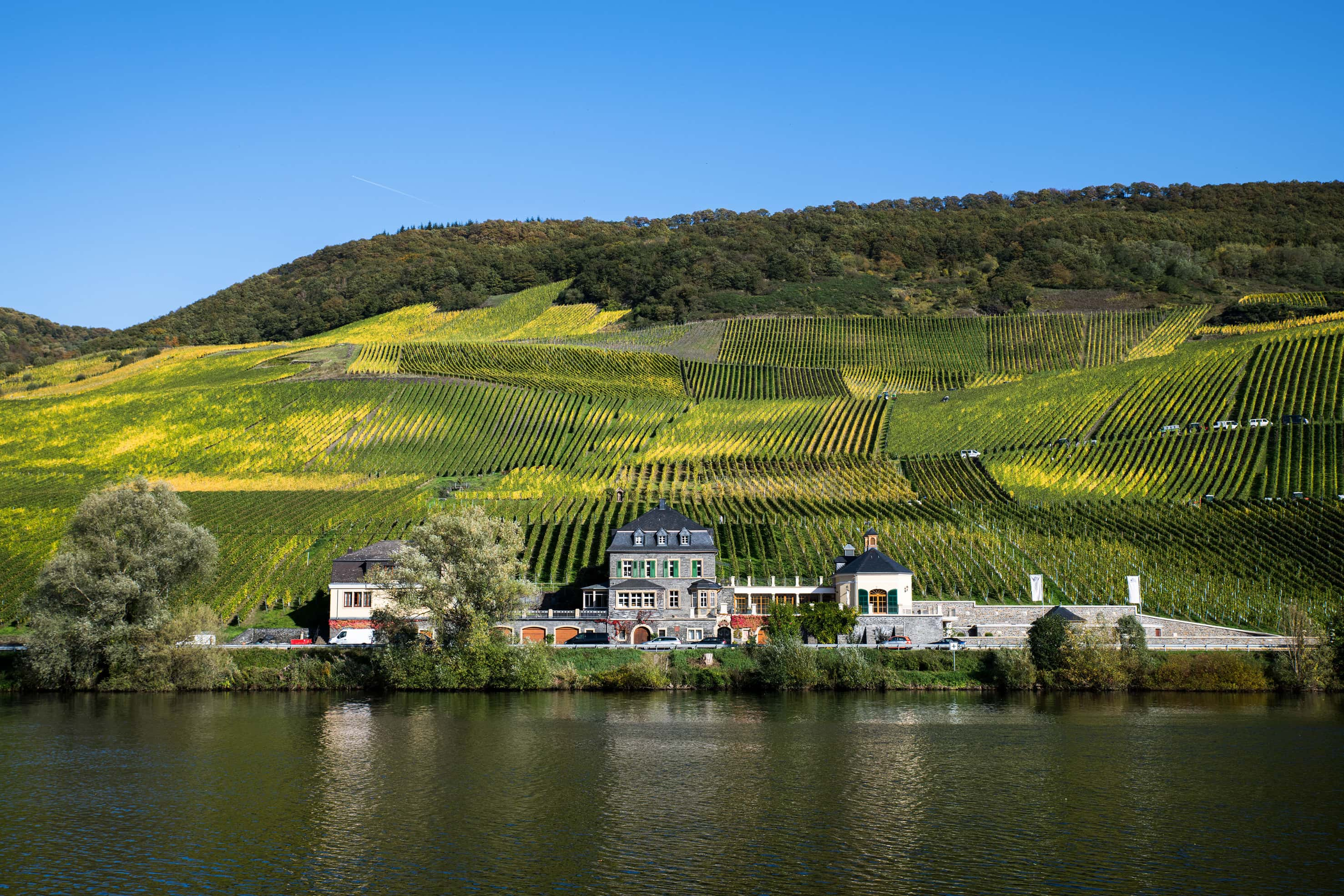
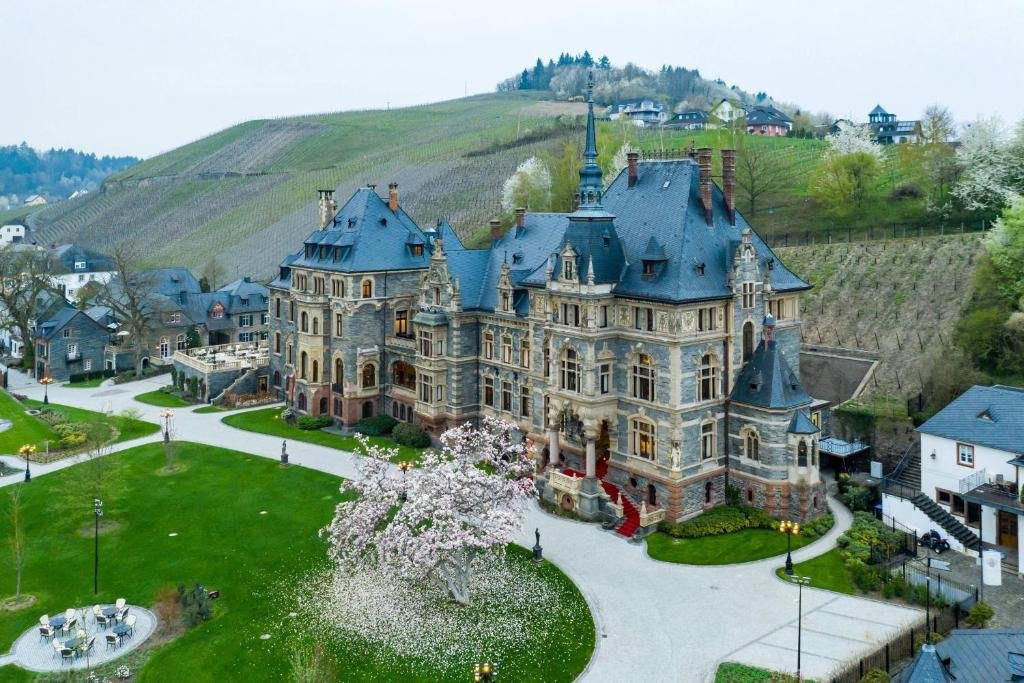
Approaching wine country in Zell An Der Mosel means reading the valley before reading a label: river bends, steep vineyard faces, slate underfoot, and villages shaped by cellar work. Weingut Hallenbach belongs to that quieter Mosel register, where the picture is deliberately modest: a rustic, family-run winery atmosphere centered on steep slate vineyards and traditional cellar work. It is best understood as a scenic, cozy, quiet address rather than a venue defined by luxury claims, awards, or a heavily documented public program.
The available facts support a simple but useful frame. Weingut Hallenbach is in Zell An Der Mosel, carries a $$ price indicator, and is described through a rustic Mosel-winery mood: family-run, quiet, scenic, and somewhat hidden-gem in feeling. For a premium guide, that distinction matters. The strongest reason to include the venue is not a fabricated list of features, but the grounded character of the setting: steep slate vineyards, traditional cellar work, and a restrained Mosel atmosphere.
Slate, slope, and a traditional Mosel setting
Terroir is not a decorative word in the Mosel. The valley’s steep slate vineyards help define the visual and agricultural identity of the region, and the description of Weingut Hallenbach places it squarely in that context. The guide can confidently describe the venue as tied to steep slate vineyards and traditional cellar work in Zell An Der Mosel. It should not, however, overstate what is known by naming specific grapes, cellar techniques, vintages, or production philosophy unless those details are separately verified.
That narrower description still gives travelers meaningful information. A rustic, family-run winery atmosphere signals a different expectation from a polished urban tasting room or a large, high-volume visitor center. The appeal is quiet, local, scenic, and intimate in tone. Visitors interested in the Mosel as a working wine landscape may find that kind of atmosphere more useful than a scripted luxury experience, especially when the purpose is to understand the relationship between town, vineyard slopes, and cellar tradition.
There is no confirmed basis here for specific claims about Riesling focus, a private tasting format, group capacity, outdoor seating, food pairings, sustainability programs, or a founding year. Those details may matter to travelers, but they should be checked directly with the venue before a visit.
A quiet winery atmosphere rather than a high-claim listing
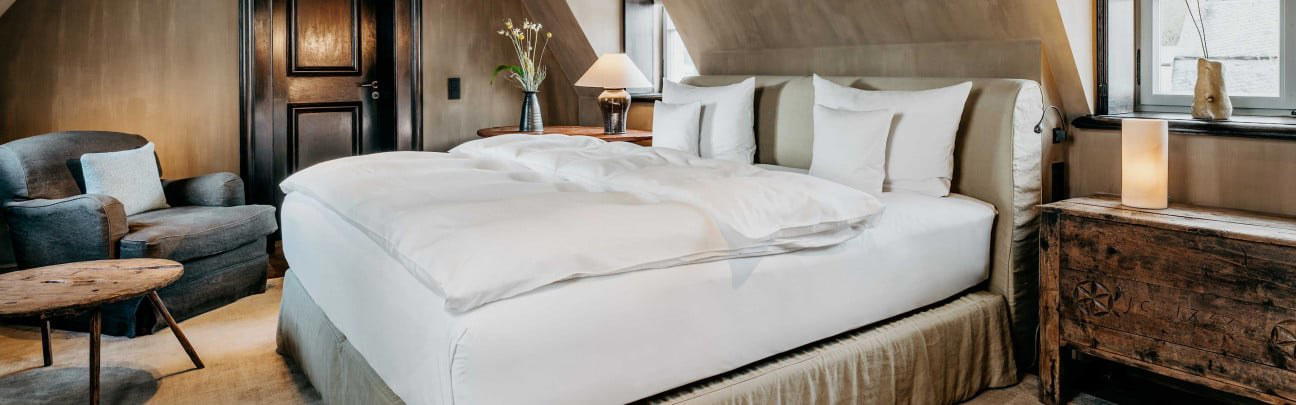
The most reliable way to describe Weingut Hallenbach is through mood and setting: rustic, quiet, cozy, scenic, and family-run, with a Mosel winery identity centered on steep slate vineyards and traditional cellar work. That is enough to distinguish it from more generic hospitality stops in the area without inventing a service model. The guide should avoid promising a particular tasting length, reservation policy, menu, cellar tour, lunch service, or bottle range, because those specifics are not part of the record provided here.
The $$ price marker gives a broad expectation of affordability level, but it does not confirm exact tasting fees, bottle prices, packages, or minimum spends. Travelers should therefore treat price as a general guide rather than a quote. In the same way, the rustic dress-code description should be read as atmosphere, not as a formal clothing requirement. The setting suggests casual comfort suited to a quiet Mosel winery environment.
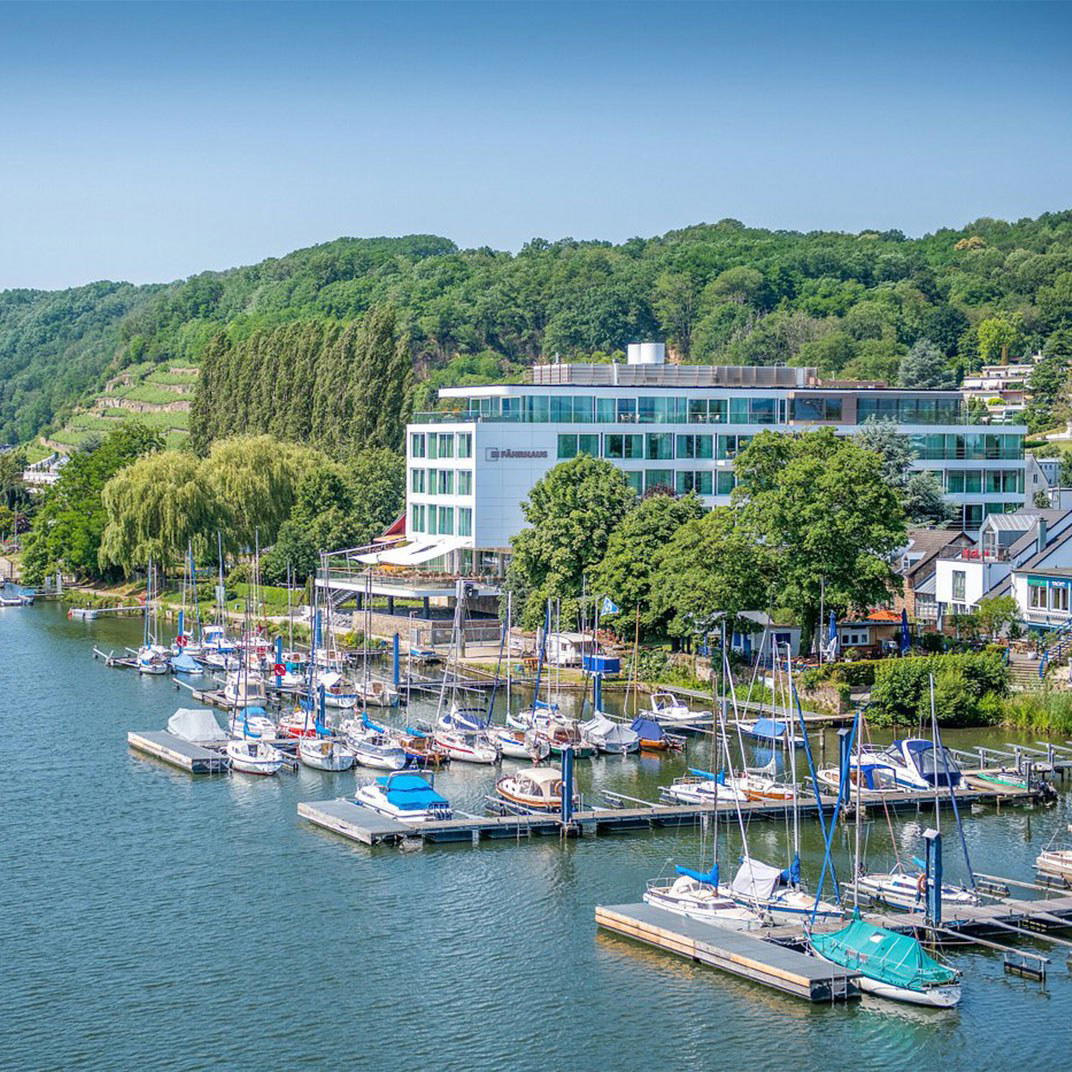
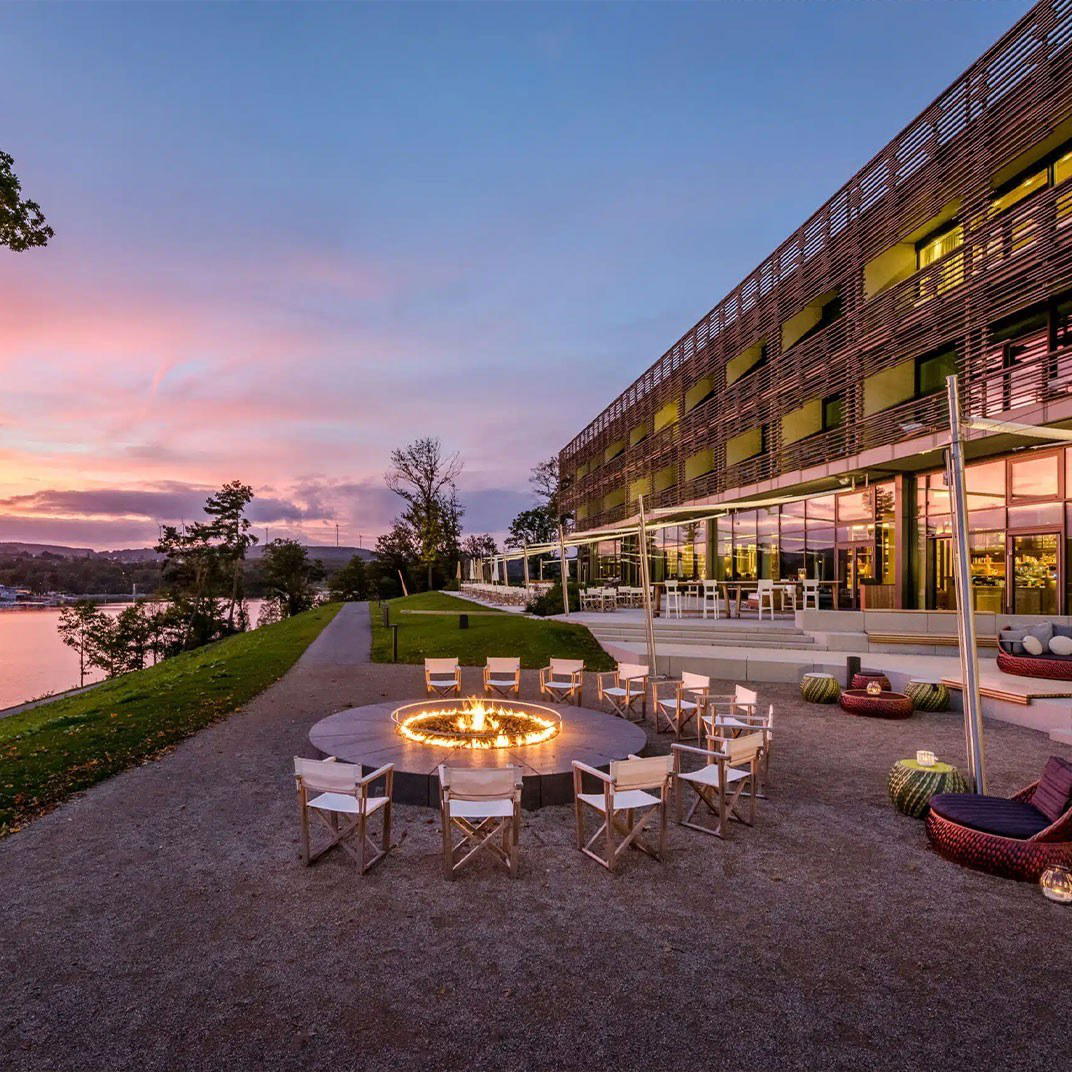
Travelers building a broader Zell An Der Mosel itinerary can position Weingut Hallenbach as one local wine-country stop among other dining, drinking, lodging, and experience options in the town. Since no other specific peer venue is for comparison here, it is better to refer to the surrounding scene generically. A sensible plan might pair a winery visit with time in Zell An Der Mosel and other local hospitality choices, while confirming practical details directly before arrival.
Where Hallenbach fits in a Zell An Der Mosel itinerary
Weingut Hallenbach’s strongest case is specificity of place: Zell An Der Mosel, steep slate vineyards, a rustic family-run Mosel winery atmosphere, and traditional cellar work. It is not an address to frame through unconfirmed awards, invented tasting menus, exact historical claims, or detailed varietal lists. Its appeal is quieter and more elemental: a scenic, cozy, hidden-gem style winery setting in a town closely associated with the Mosel landscape.
That makes the venue useful for travelers who prefer grounded regional atmosphere over spectacle. The page should not promise more than the facts support, but those facts do point to a clear identity. Weingut Hallenbach is a $$ winery in Zell An Der Mosel with a rustic, quiet, family-run feel and a setting connected to steep slate vineyards. For visitors planning around the Mosel’s landscape and traditional cellar culture, that is the honest reason to keep it on the shortlist.
Recognition history
Dated appearances from independent guides and award organizations, with the underlying list record or original source where available.
Falstaff Winery - Listed
Falstaff
Continue exploring
More in Zell An Der Mosel
Wineries in Zell An Der Mosel
All wineries in Zell An Der Mosel →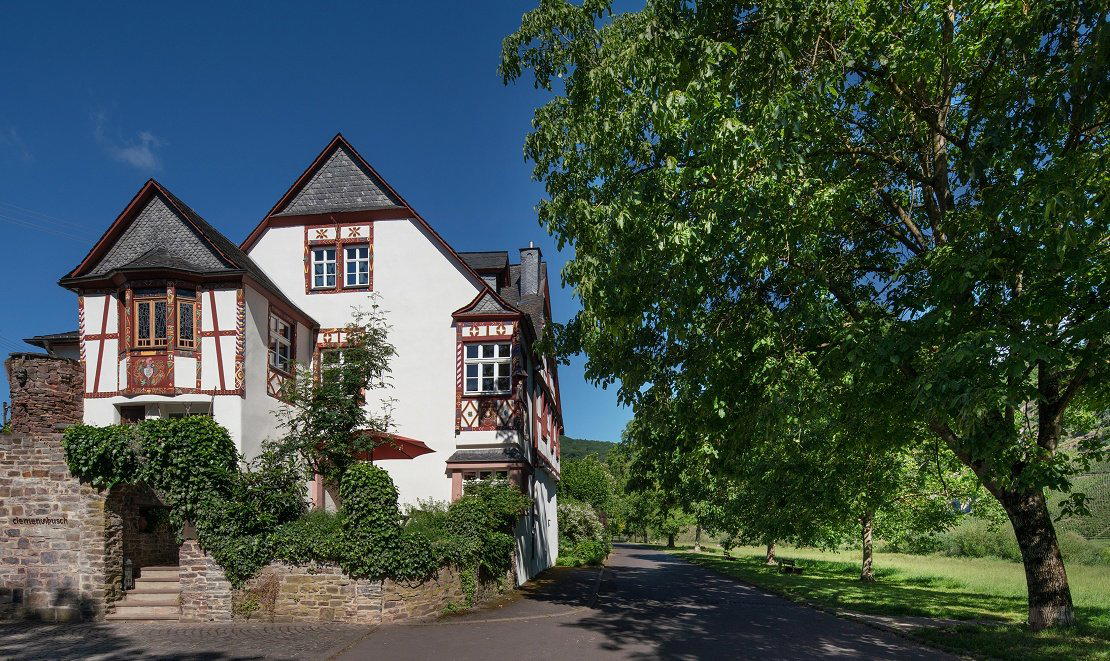
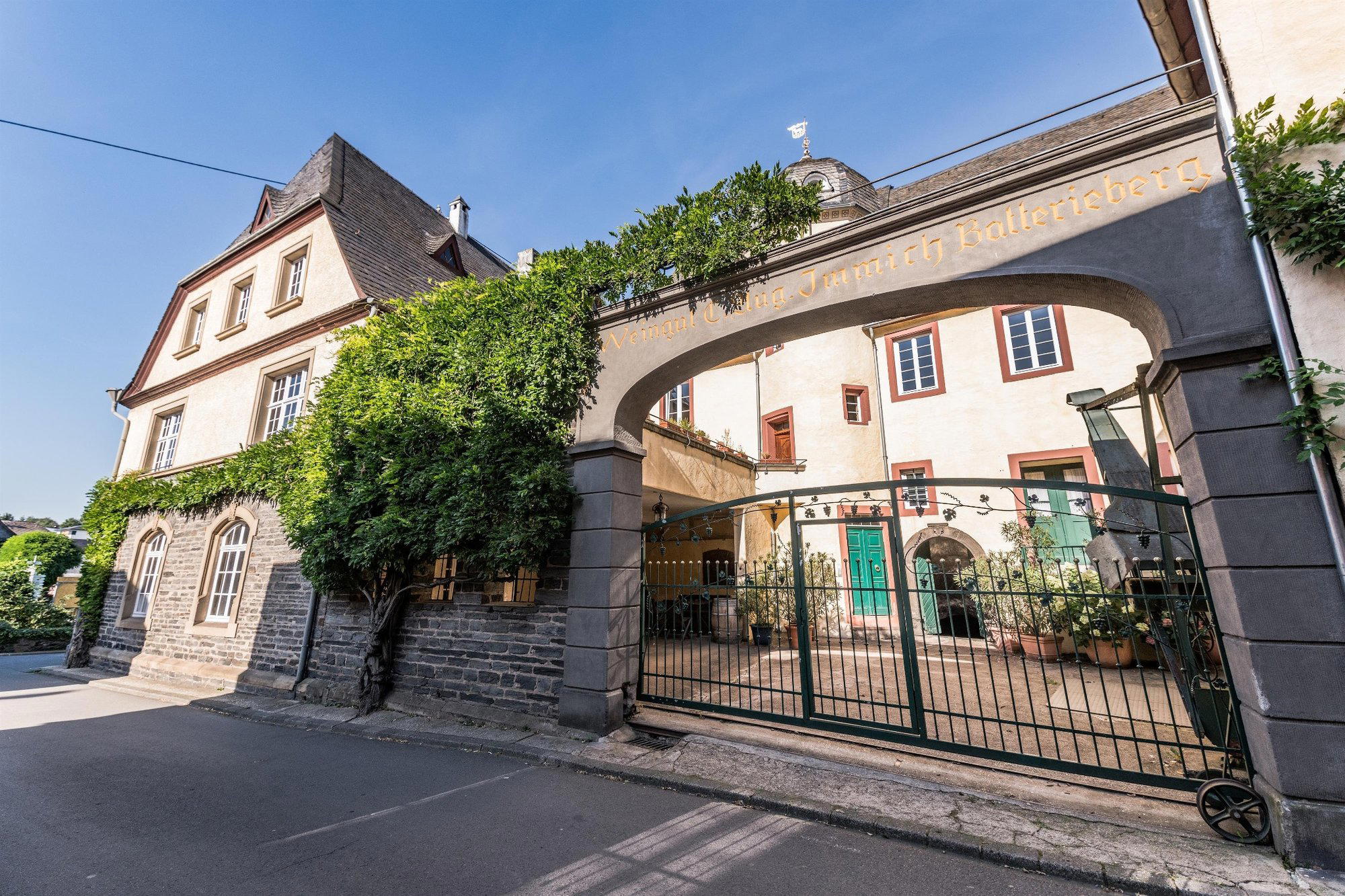
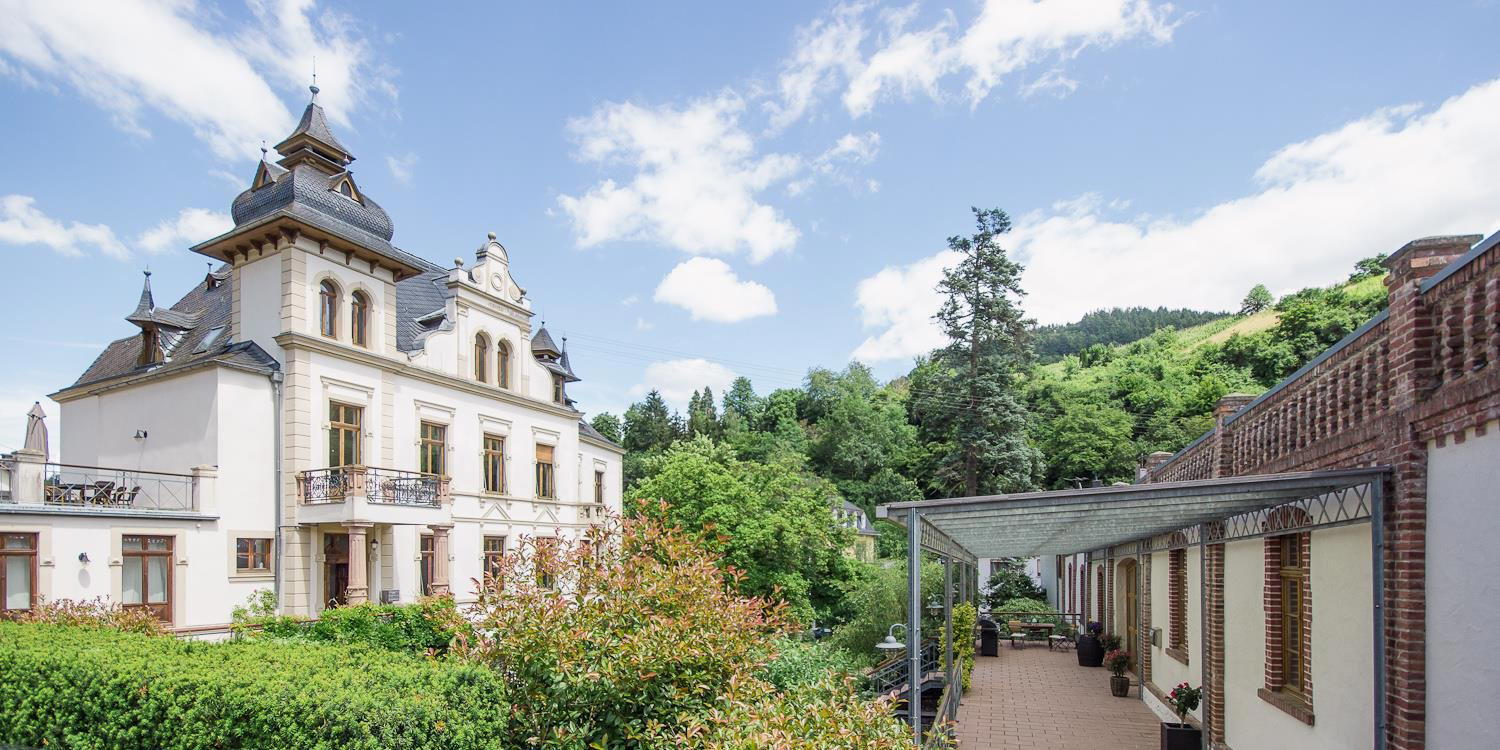
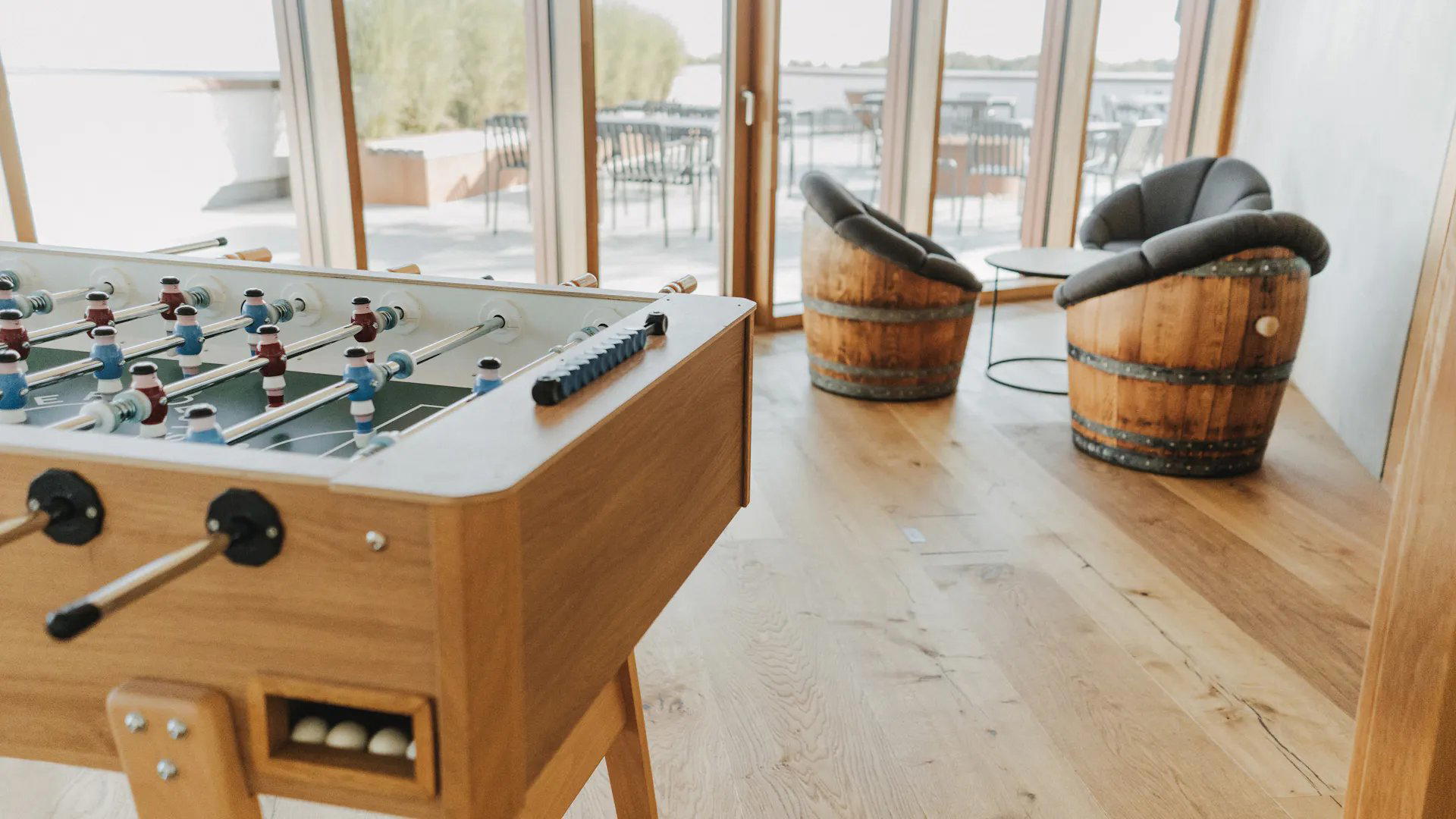
Bars in Zell An Der Mosel
Browse all →
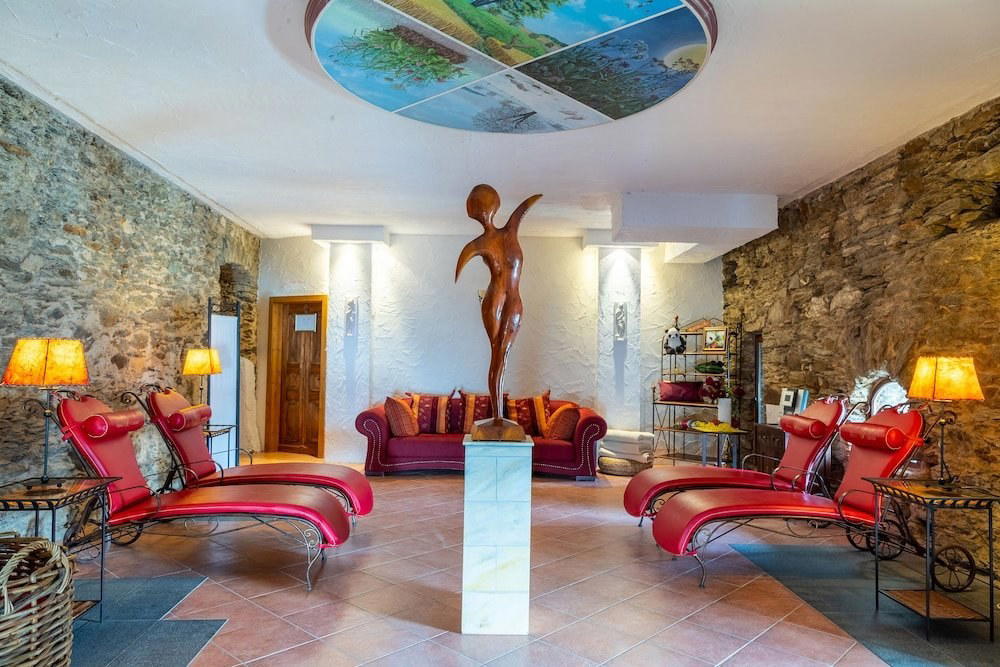
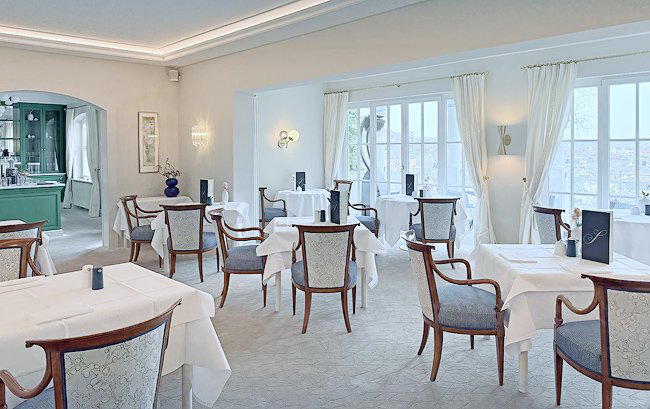
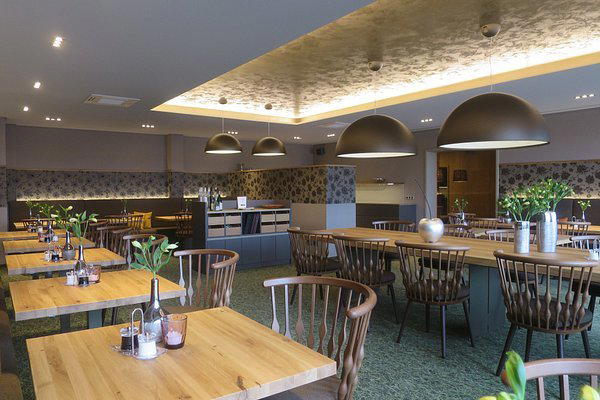
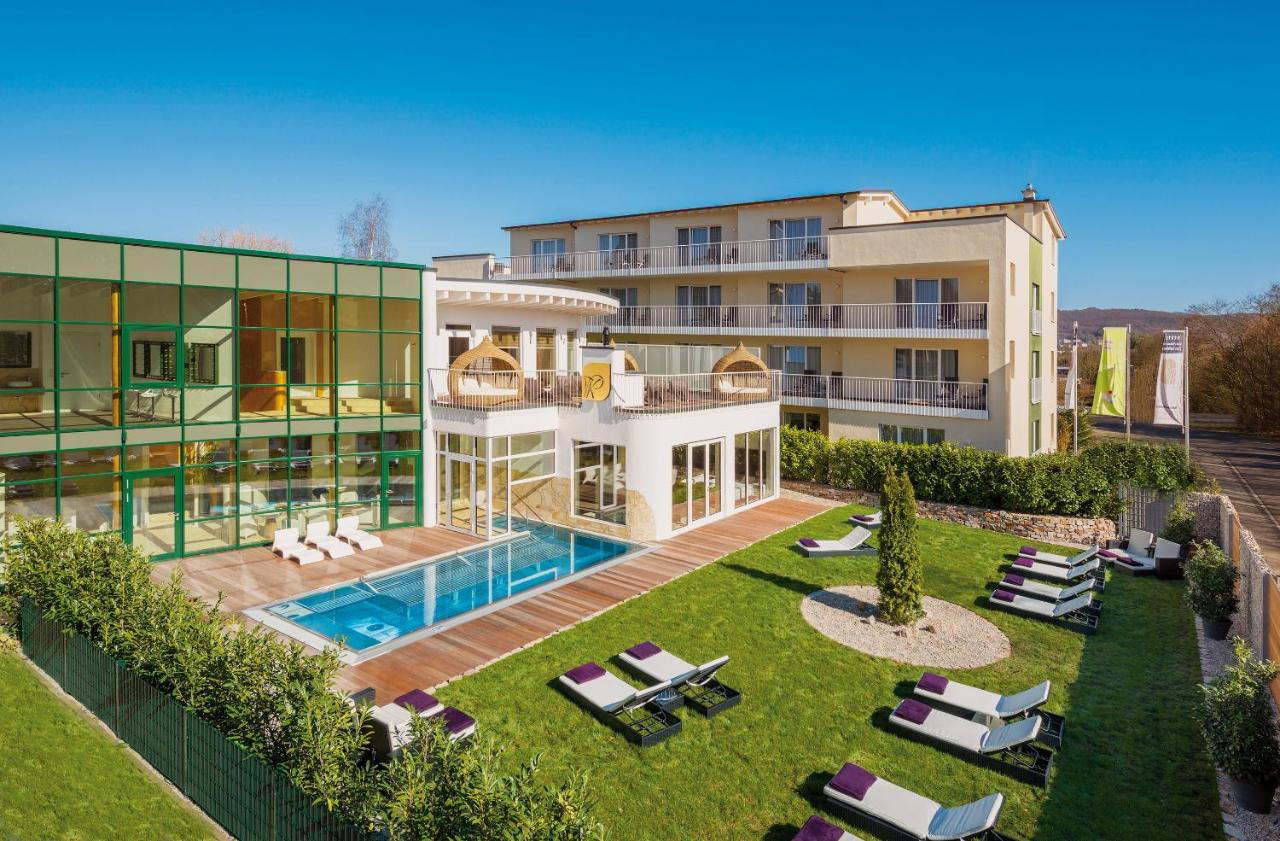
Details
- Rustic
- Quiet
- Cozy
- Scenic
- Solo Exploration
- Group Outing
- Wine Education
- Historic Building
- Estate Grounds
- Private Tasting
- Sustainable
- Vineyard
- Riesling
- Spätburgunder
- Dornfelder
- Weißburgunder
- Grauburgunder
- Still White
- Still Red
- Wine Tasting
- Wine Sales
Rustic, family-run Mosel winery atmosphere centered on steep slate vineyards and traditional cellar work.