
Weingut Glaser-Himmelstoss is a family-run VDP estate in Nordheim, framed by Franken’s shell-limestone soils and a quiet, craft-led approach to wine. The estate’s identity is strongest where land and cellar discipline meet: hand-made production, a small-scale atmosphere, and a portfolio shaped around Silvaner, Müller-Thurgau, Riesling, Spätburgunder, still wines and sparkling wine.
Pearl is the En Primeur Club membership app — saves, bookings, and concierge access live there. Same editors, same standards.
- Address
- Nordheim, Franconia, Bavaria, Deutschland
- Directions
- Get directions
 Saves & bookings on Pearl
Nordheim’s wine culture does not need to be described through spectacle to be compelling. The picture of Weingut Glaser-Himmelstoss is narrower and more useful: a family-run winery in Nordheim with a grounded, nature-centered ethos, a focus on hand-crafted wines, and an identity tied to limestone terroir and its home region. In editorial terms, that narrower picture is a strength, because it keeps attention on the qualities that are actually supported rather than turning the estate into a generic fantasy of wine-country hospitality.
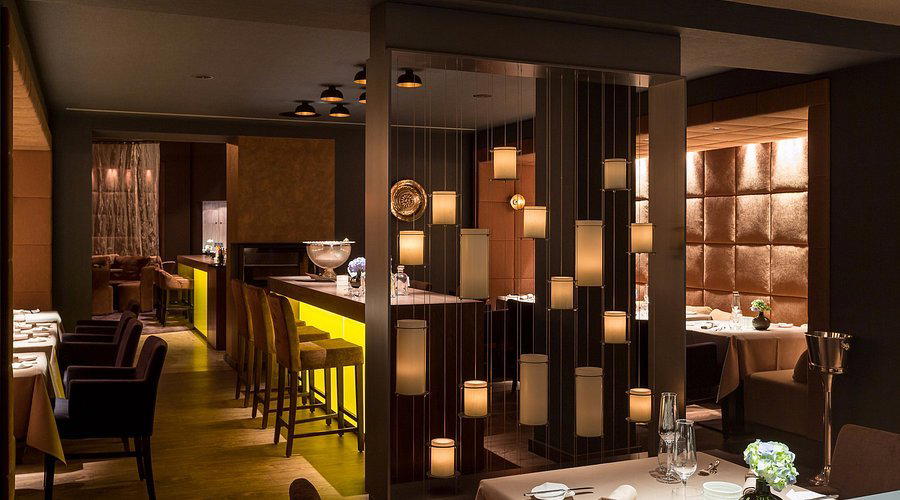
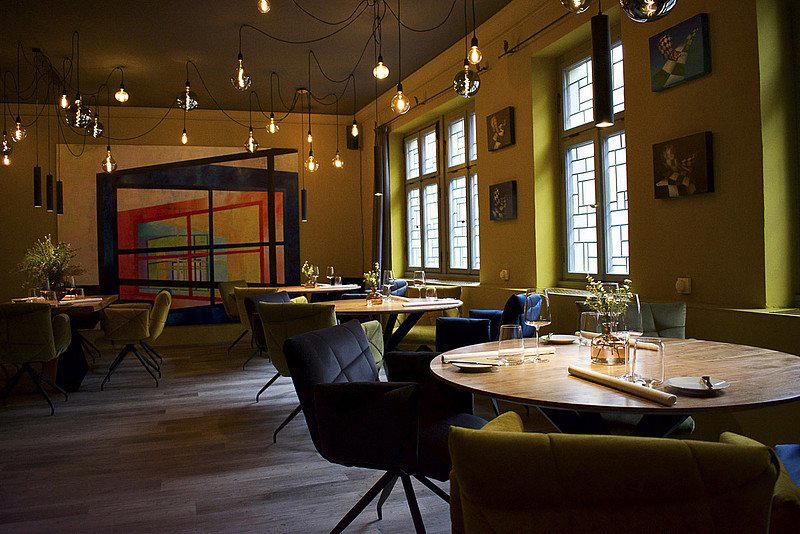
That gives the estate a clear editorial frame without requiring invented detail. The confirmed atmosphere is classic, quiet, rustic, and somewhat hidden-gem in character. Those words are enough to suggest a modest, place-aware visit, but they should not be stretched into claims about exclusivity, elaborate service, or a particular kind of tasting program. One accurate approach is to let the winery remain small in description and specific in mood.
Shell limestone, family work, and the Franconian argument for place
The strongest point is the connection between the estate and limestone terroir. Rather than treating soil as a decorative phrase, Weingut Glaser-Himmelstoss can be understood through a place-first lens: the wines are presented as hand-crafted and rooted in the character of their home region. That is enough to distinguish the venue from a generic stop, while still staying within what is confirmed. The limestone reference matters because it gives the listing a geographic and sensory anchor without requiring any technical language.
The family-run character also matters. It suggests a winery identity built around continuity, craft, and direct connection to place, not around resort-style spectacle or luxury staging. The available facts support a picture of a grounded producer with a quiet, rustic atmosphere. They do not support claims about specific classifications, award histories, founding dates, vineyard holdings, cellar techniques, grape lists, or bottle styles. Keeping that boundary clear protects the usefulness of the page: the estate can be appreciated for what is known, not inflated by what is merely plausible.
For visitors comparing wine options in Nordheim, the safest way to frame Weingut Glaser-Himmelstoss is as a nature-centered, limestone-linked family winery. The estate’s appeal is therefore not presented as a claim to be the biggest, most famous, or most elaborate option; it is presented as a quieter expression of place.
A small estate experience, not a resort-style tasting room
The atmosphere points toward quiet and rustic rather than showy or highly produced. “” is part of the confirmed descriptive frame, but it should be read as a tone, not as proof of exclusivity, limited seating, reservation rules, or a special visitor program. No confirmed details are available here for tasting-room size, service format, private events, food pairings, children’s amenities, take-out, delivery, or accessibility. In practice, that means the page should avoid converting a general mood into operational promises.
That makes the page more modest, but also more accurate. The winery is best described as a family-run Nordheim winery where the appeal rests on hand-crafted wines, limestone terroir, and a grounded sense of place. The editorial value here comes from setting the right expectation before those practical questions are answered.
The guide should therefore avoid suggesting specific value judgments beyond the listed price tier. Moderate in this context is a categorization, not a full review of cost, generosity, or comparative value.
How to place the estate in a German wine itinerary
Within a wine-focused visit to Nordheim, the winery is most clearly positioned as a quiet, rustic, family-run winery shaped by limestone and regional identity. That is the reliable core. It is not necessary to add awards, varietal lists, reservation policies, ownership names, or hospitality features to make the venue meaningful. For itinerary planning, its role is best understood as a grounded stop whose significance comes from craft and place rather than from a long list of visitor amenities.
Travelers who appreciate low-key places may find this kind of winery more appealing than a heavily staged destination. The confirmed language suggests an atmosphere that is classic and grounded, with the wine story tied to nature and home-region character. The right expectation is not grandeur, but a restrained sense of place. That restraint is part of the attraction: the estate reads as a venue where the central subject remains the wine, the family setting, and the limestone-linked regional context.
The verdict is simple: the winery is a Nordheim winery to consider for its family-run character, hand-crafted wines, limestone terroir, and quiet rustic atmosphere. The guide can recommend it on those terms while leaving operational details open. Presented this way, the listing stays useful for travelers without overstating what is known.
Recognition history
Dated appearances from independent guides and award organizations, with the underlying list record or original source where available.
Falstaff Winery - Listed
Falstaff
Continue exploring
More in Nordheim
Wineries in Nordheim
Browse all →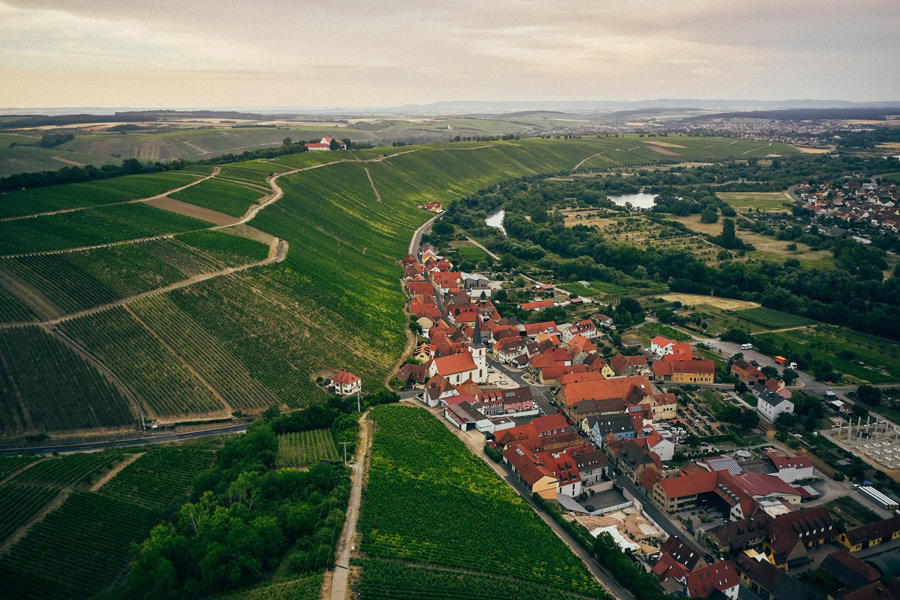
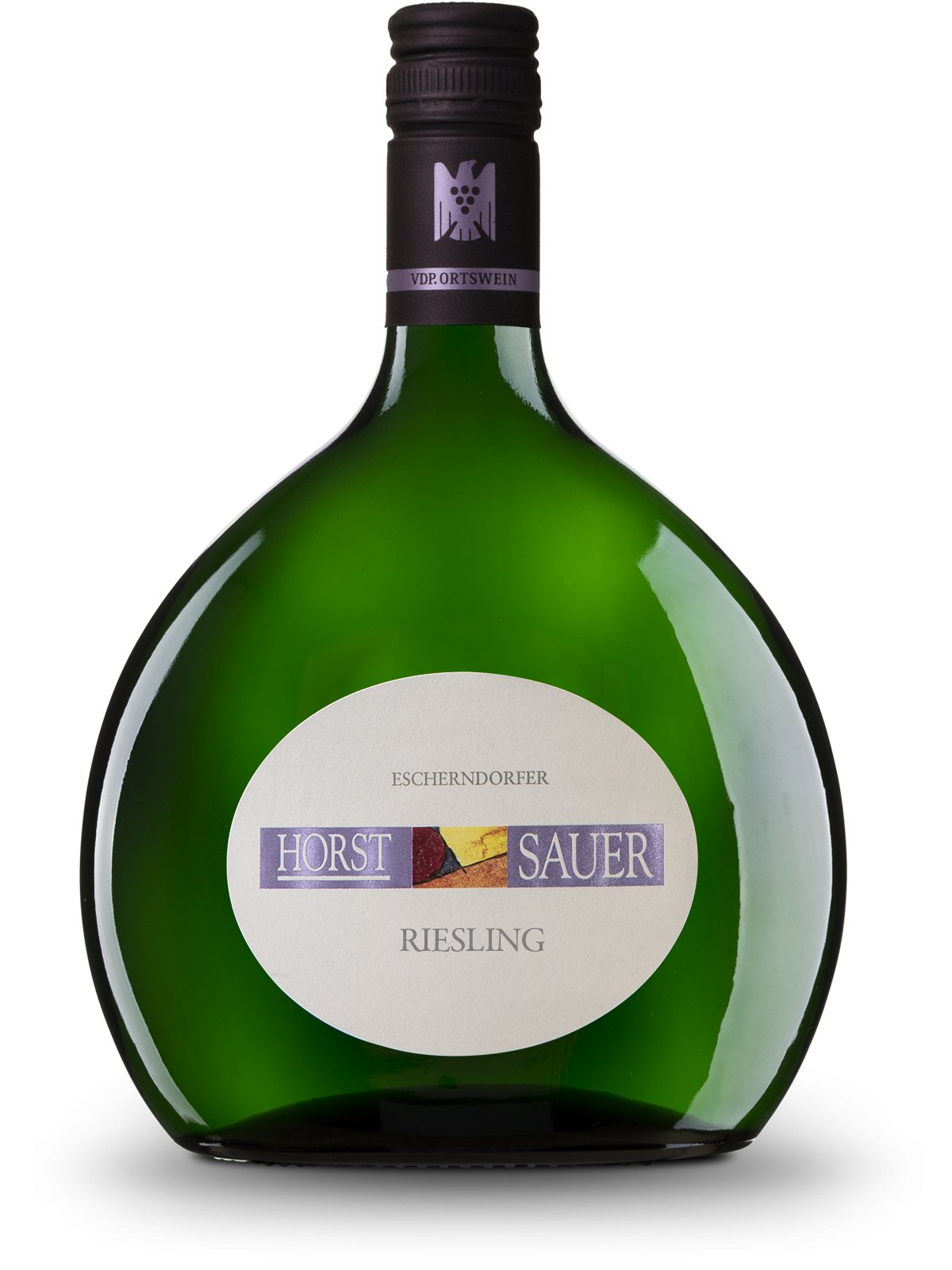
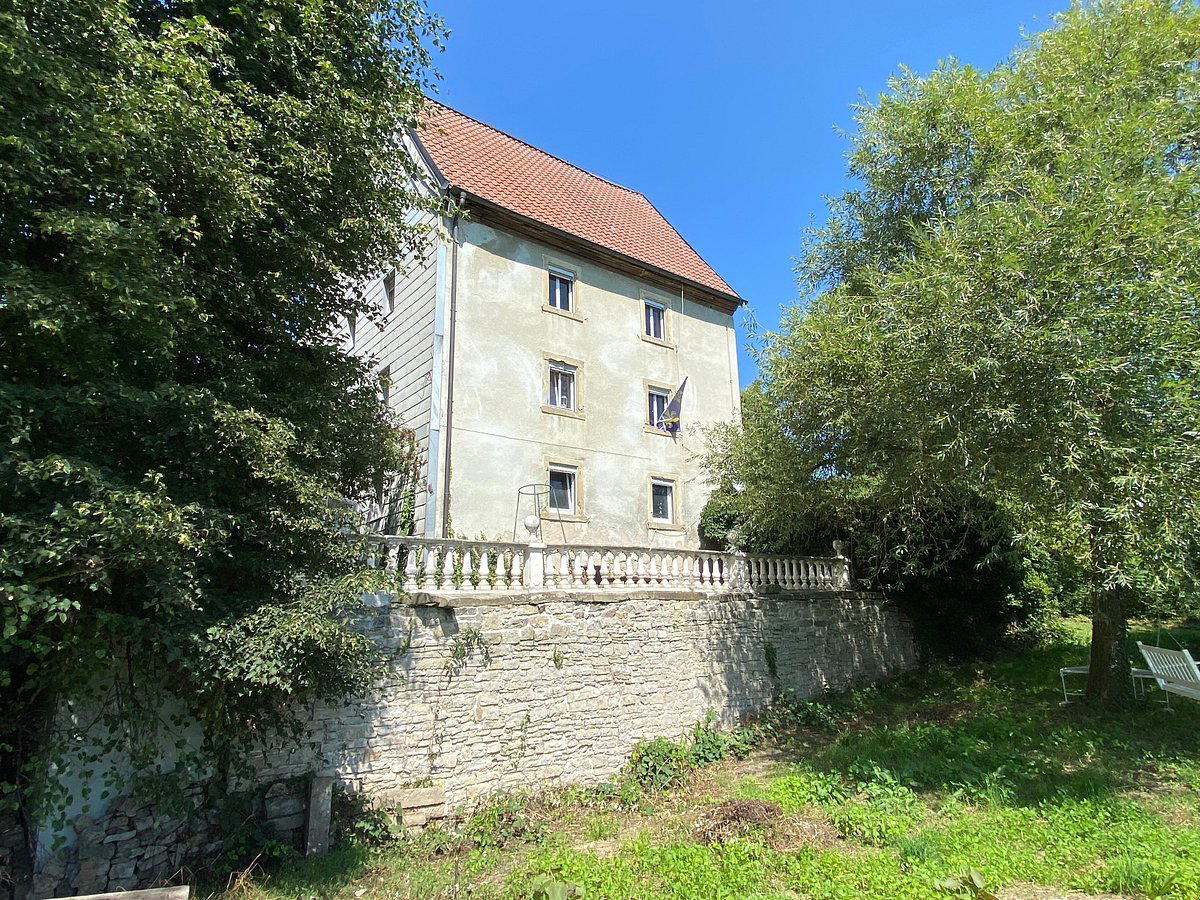
Bars in Nordheim
Browse all →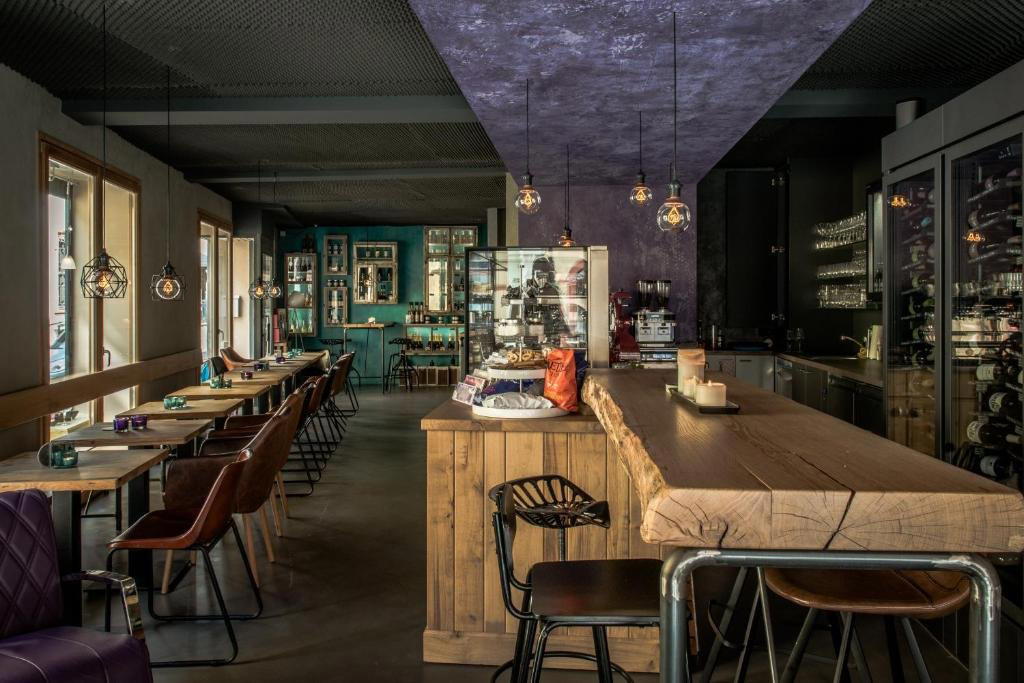
Restaurants in Nordheim
Browse all →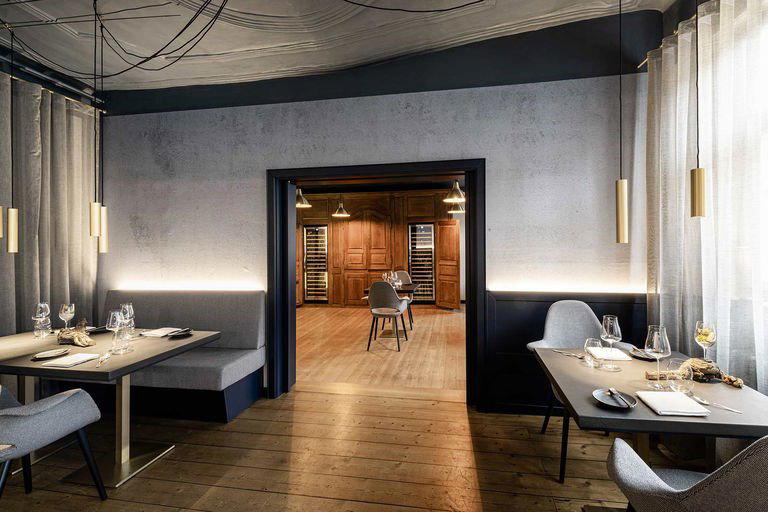
At a Glance
- Classic
- Quiet
- Rustic
- Solo Exploration
- Group Outing
- Wine Education
- Estate Grounds
- Historic Building
- Private Tasting
- Vineyard
- Franken
- Silvaner
- Müller Thurgau
- Riesling
- Spätburgunder
- Still White
- Still Red
- Sparkling
- Wine Tasting
- Private Tasting
Family-run winery atmosphere with a grounded, nature-centered ethos and a focus on hand-crafted wines; the setting is tied to limestone terroir and a home-region identity.