
A historic Pfalz estate in Herxheim am Berg, Weingut Gabel is strongest when read through limestone, Burgundian varieties, and quiet cellar culture rather than spectacle. The family line dates to 1655, while the current identity points toward Pinot, Riesling, biodynamic cultivation, and site-specific wines from the Mittelhaardt/Deutsche Weinstraße.
Pearl is the En Primeur Club membership app — saves, bookings, and concierge access live there. Same editors, same standards.
- Address
- Herxheim, Pfalz (Palatinate), Rhineland-Palatinate, Deutschland
- Directions
- Get directions
 Saves & bookings on Pearl
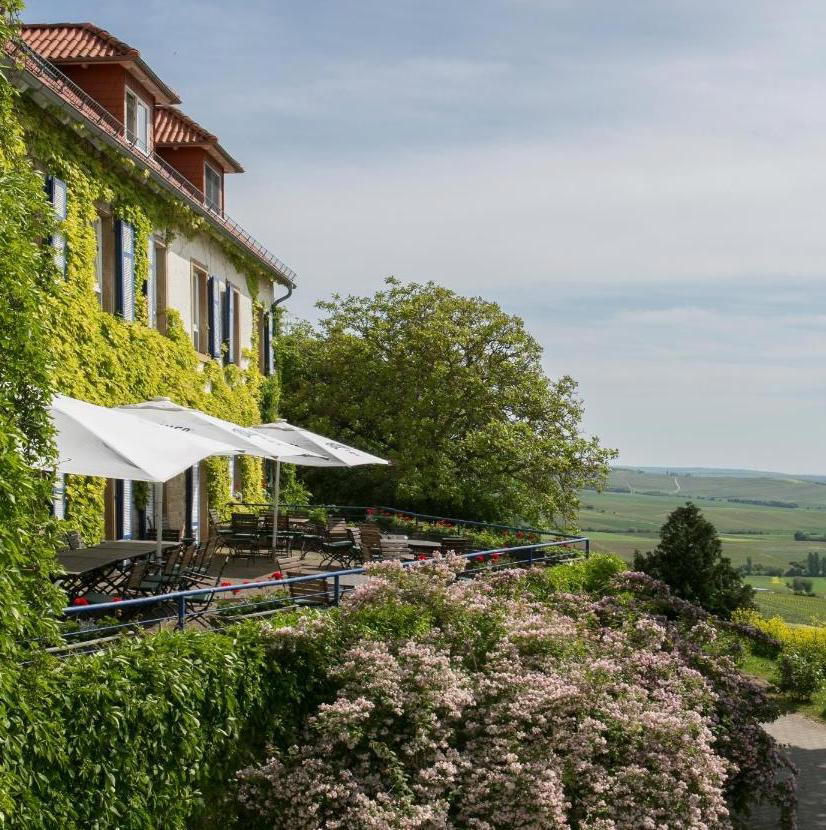
Weingut Gabel in Herxheim is best presented as a winery with a traditional, quiet and rustic atmosphere rather than as a venue defined by claims about service formats, specific bottles, awards, opening arrangements or food. The picture is concise: the setting is described as a calm, heritage-rich estate environment with a biodynamic, terroir-driven identity, a vaulted cellar with old wooden casks, and a Mediterranean courtyard. For EP Club readers, that is enough to frame the visit honestly without overstating what has been confirmed.
A reliable way to understand the venue is through atmosphere and context. It should therefore be read as a wine-focused Herxheim address whose appeal rests on a classic winery setting, a sense of local heritage and a calm environment. The price level is listed as $$, which places it in an accessible middle range rather than a luxury-only category.
Limestone, Pinot, and the Pfalz argument for restraint
What can be stated is more general but still useful: Weingut Gabel presents itself through a biodynamic, terroir-driven identity. That framing matters because it points readers toward the relationship between farming, place and wine, without requiring claims about particular sites, scores or bottlings.
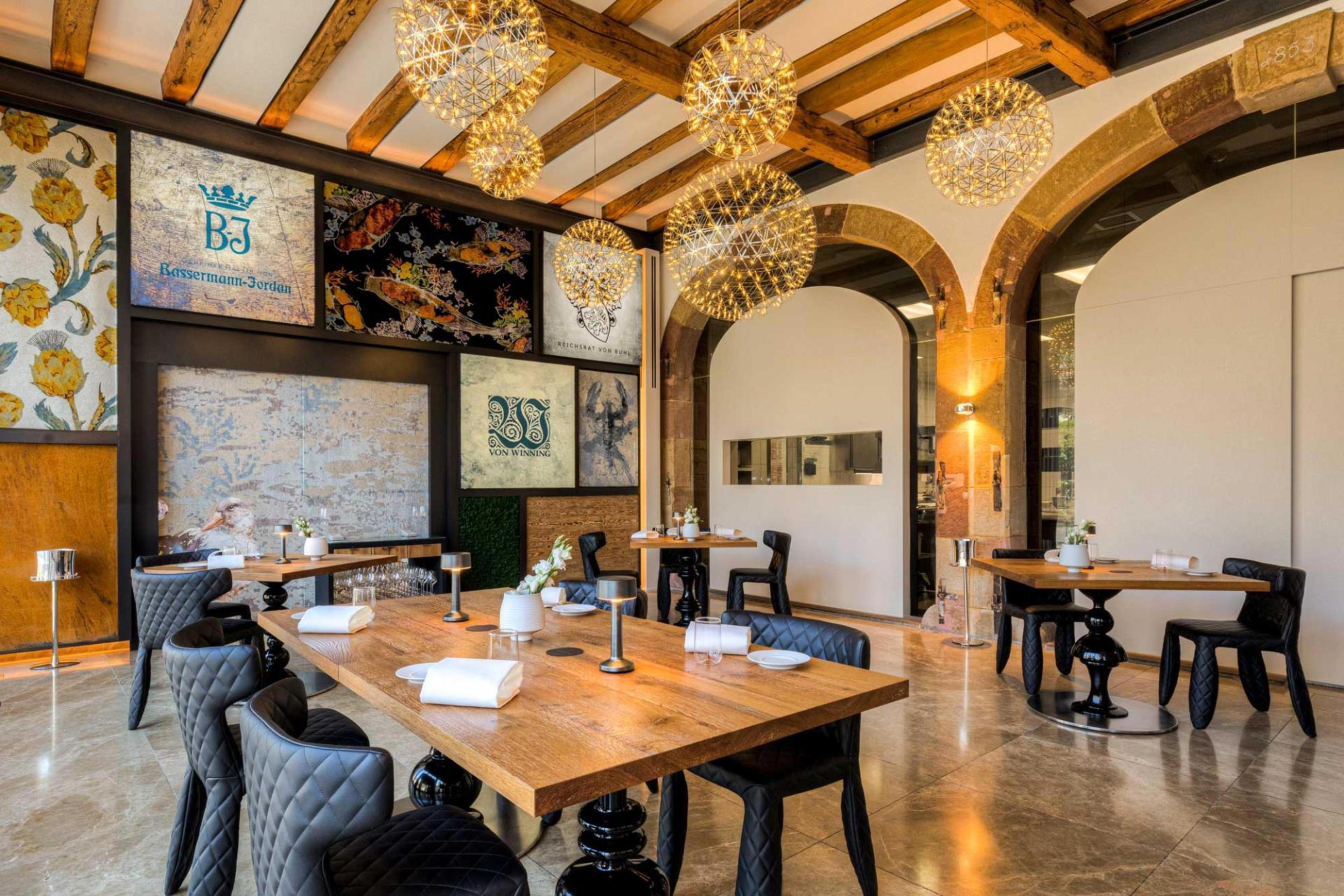
The atmosphere also supports that reading. A vaulted cellar with old wooden casks gives the venue a traditional winery character, while the Mediterranean courtyard adds a warmer, more relaxed note. The result is a setting that appears classic, quiet, cozy and rustic rather than highly polished or theatrical. Readers looking for a grounded description should focus on those confirmed qualities rather than on unsupported specifics about winemaking personnel, portfolio breadth or cellar technique.
Weingut Gabel can be framed as a Herxheim winery with a heritage-rich environment and a terroir-led point of view. Claims about particular wines, grape varieties, production methods beyond the biodynamic identity, exact tasting formats or critical scores should be confirmed directly before being used to plan a visit or make comparisons.
A cellar experience for drinkers who compare, not collect scenery
The clearest confirmed draw is the setting itself. A vaulted cellar, old wooden casks and a Mediterranean courtyard create the kind of environment that rewards unhurried attention. The venue’s traditional winery atmosphere suggests a quieter experience than a busy hospitality venue, and its rustic, cozy character will appeal most to visitors who value calm surroundings and a sense of continuity.
It is also important not to overstate the offer. Those details should not be assumed. Anyone planning around a precise schedule, a meal, accessibility needs or a formal tasting appointment should check directly with the winery before travelling.
Within Herxheim, the winery is most usefully understood as a wine-country stop with a traditional estate feel. Its confirmed identity is narrower and clearer: a calm winery setting with biodynamic, terroir-driven positioning.
How to read Gabel within a wider German wine itinerary
For a broader itinerary, the winery works well as a Herxheim reference point for travellers interested in winery atmosphere, heritage and place. The price level of $$ makes it approachable in positioning, while the setting gives it a classic, quiet and rustic tone. Those are practical signals for readers deciding whether the venue matches the mood of a trip.
The more accurate case is simpler: the winery offers a heritage-rich winery atmosphere in Herxheim, with a biodynamic, terroir-driven identity and a setting defined by a vaulted cellar, old wooden casks and a Mediterranean courtyard.
The case for Gabel is therefore not celebrity, scale or a list of technical details. It is the atmosphere of a traditional Herxheim winery and the appeal of a calm, rustic, terroir-minded setting. For travellers who care about the feel of a place as much as the bottle in the glass, that is grounded reason to pay attention.
Recognition history
Dated appearances from independent guides and award organizations, with the underlying list record or original source where available.
Falstaff Winery - 3 Stars
Falstaff
Continue exploring
More in Herxheim
Wineries in Herxheim
Browse all →
Bars in Herxheim
Browse all →
Restaurants in Herxheim
Browse all →
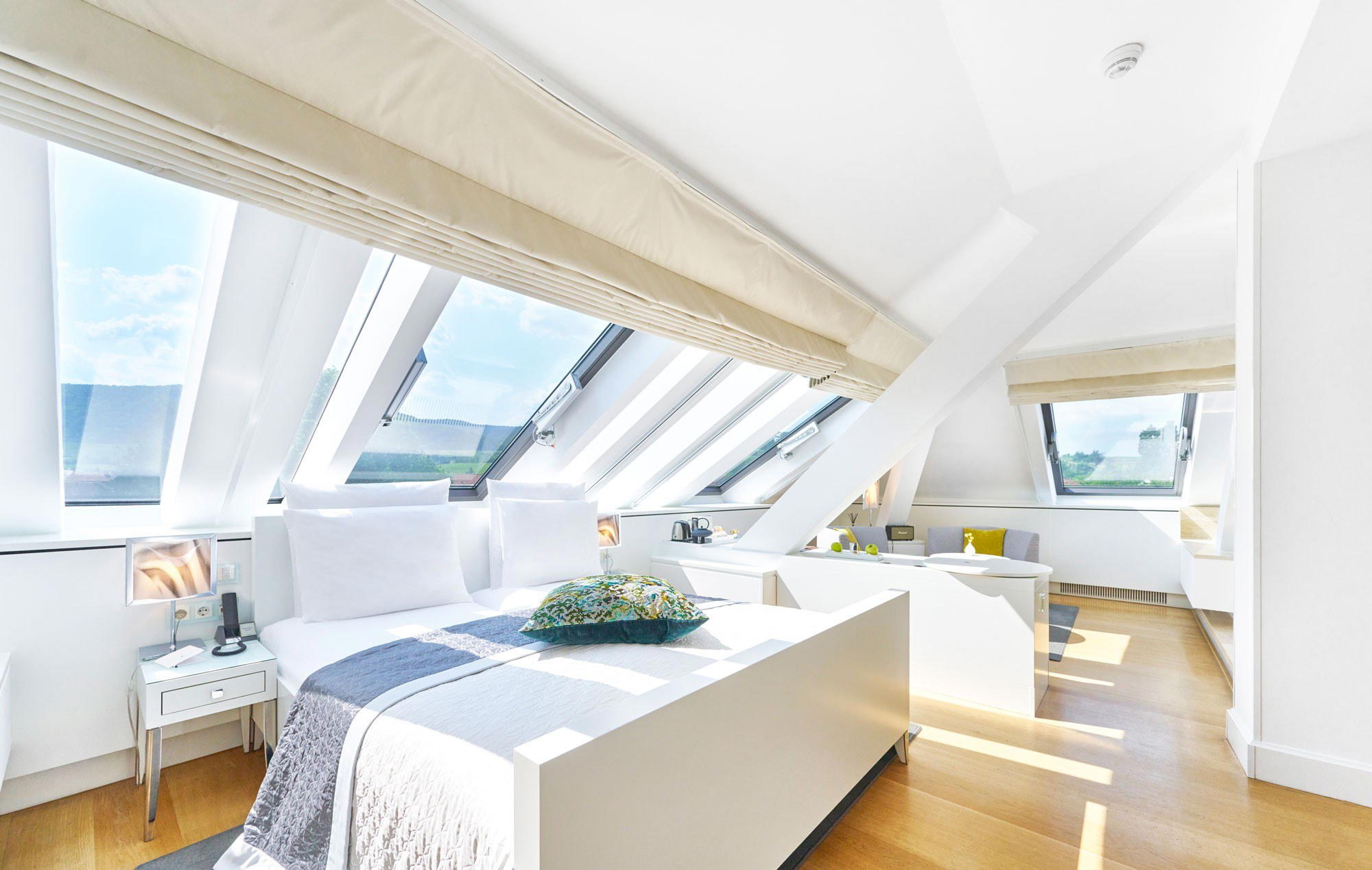
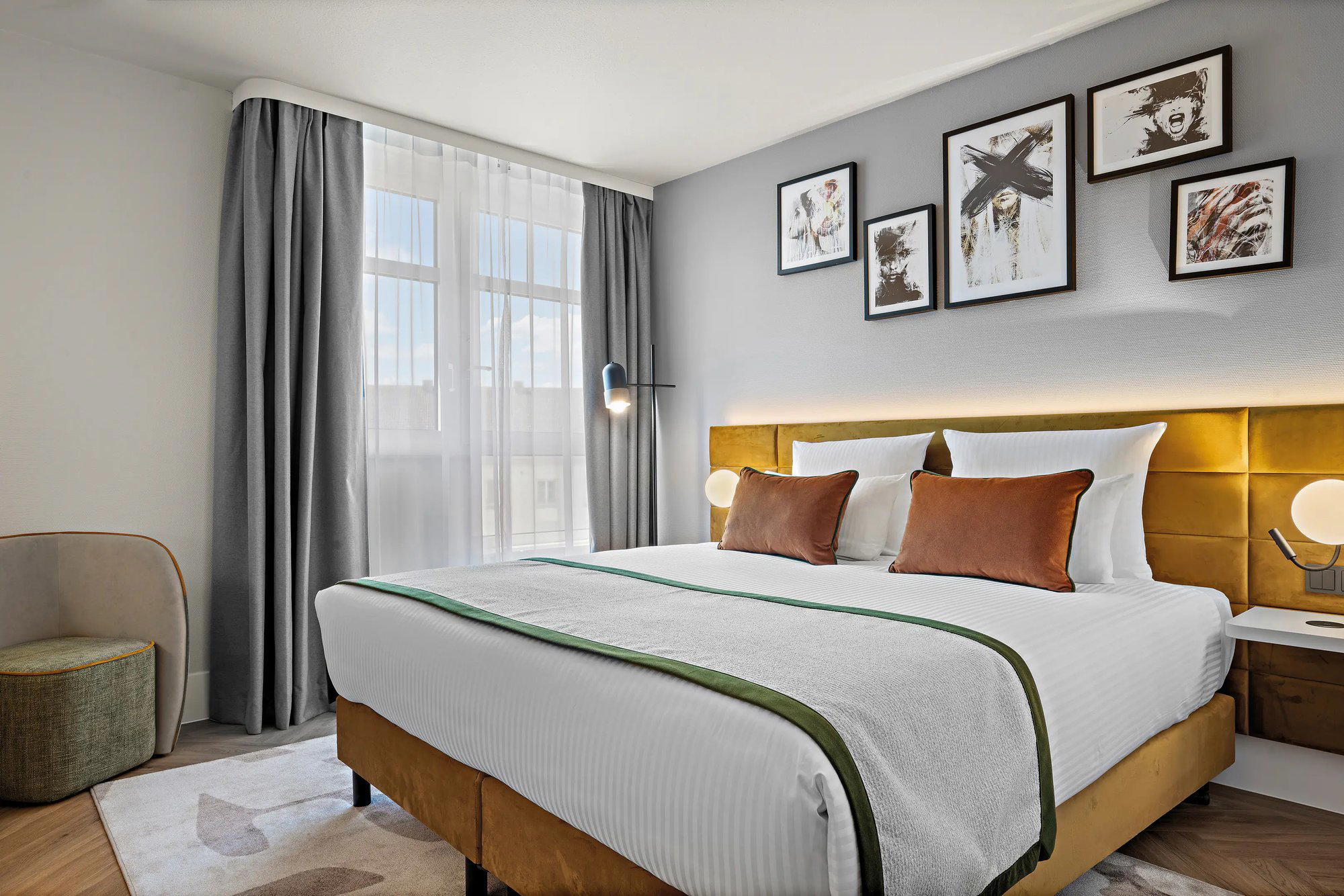
At a Glance
- Classic
- Quiet
- Cozy
- Rustic
- Wine Education
- Group Outing
- Solo Exploration
- Special Occasion
- Historic Building
- Estate Grounds
- Private Tasting
- Organic
- Vineyard
- Mittelhaardt/deutsche Weinstraße
- Pinot Noir
- Pinot Blanc
- Riesling
- Sauvignon Blanc
- Scheurebe
- Still White
- Still Red
- Sparkling
- Guided Tasting
- Estate Tasting
Traditional winery atmosphere with a biodynamic, terroir-driven identity; described as having a vaulted cellar with old wooden casks and a Mediterranean courtyard, emphasizing a calm, heritage-rich setting.