
Falstaff Winery - 1 Stars
Weingut Dahms is a third-generation Franconian family winery in Sennfeld, framed by Maindreieck white-wine tradition rather than spectacle. Its 10 hectares, named sites, and Silvaner-led range make it a useful stop for drinkers interested in dry, regional whites with measured structure and external review traction from wein.plus.

Pearl is the En Primeur Club membership app, where members save venues, book tables and use the concierge.

Weingut Dahms is a winery in Sennfeld with a family-run atmosphere and a practical, local character. The picture is deliberately direct: this is described as a traditional Franconian producer, with direct on-site enjoyment and event spaces forming part of the visit. For EP Club readers, the useful frame is not a long list of claims about specific bottles, vineyards, founders, or tasting formats, but a clear sense of what can be said with confidence: Weingut Dahms is a Sennfeld winery with a classic, cozy, rustic feel and a premium-oriented local identity.
That makes it a sensible listing for travellers who want a grounded winery stop in Sennfeld rather than a restaurant-style destination built around a detailed menu or formal service format. The available information supports a modest, practical expectation: a family-run winery atmosphere, direct enjoyment on site, and event spaces, rather than an elaborately documented hospitality program. It should be approached as a local Franconian wine address where the setting and sense of place matter.
Family-run atmosphere and local winery character
The strongest point about Weingut Dahms is its character. It is best understood as a traditional Franconian producer in Sennfeld, with a family-run winery atmosphere and a practical, local feel. That description matters because it sets the tone for the visit: classic rather than flashy, rustic rather than polished into a luxury-hotel experience, and premium-oriented without needing to be presented as formal or exclusive.
It is a winery, not a fully documented restaurant listing; the appeal is tied to wine-country context, local hospitality, and direct on-site enjoyment. The setting is described in sources as traditional and grounded, which helps explain why it reads as a hidden-gem style address rather than a high-visibility destination built around spectacle.
The reliable takeaway is simpler: Weingut Dahms belongs in a Sennfeld itinerary for visitors looking for a cozy, local, family-run winery environment with event-space capacity and a traditional Franconian identity.
Classic, cozy, rustic rather than overproduced
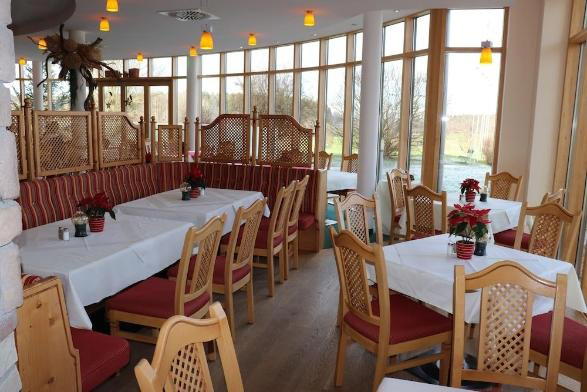
The atmosphere is one of the most useful planning clues. “Classic,” “cozy,” and “rustic” are not empty labels here; they describe the type of experience a visitor should expect. Weingut Dahms is positioned as a practical local winery with a premium-oriented feel, not as a venue defined by theatrical service, a chef-led menu, or a published fine-dining format. That distinction helps avoid the common mistake of reading every wine destination as though it were a restaurant.
Direct on-site enjoyment is part of the description, so visitors can reasonably understand the venue as more than a purely production-facing winery. Those specifics should be checked directly with the venue before planning around them.
The price marker is $$, which places Weingut Dahms in a moderate bracket for EP Club purposes. That price signal should be read broadly, not as a promise of a particular bottle price, tasting fee, event cost, or menu spend. In a thin-data listing, the safest interpretation is that the venue is not positioned at the most expensive end of the guide, while still carrying a premium-oriented local feel.
How to place it in a Sennfeld itinerary
In Sennfeld, Weingut Dahms is best used as a wine-focused anchor rather than as a catch-all dining recommendation. The information supports a visit centered on a family-run winery atmosphere, traditional Franconian producer identity, and direct enjoyment on site. If the rest of the day includes other dining in Sennfeld, keep those plans separate: Weingut Dahms should be understood first as a winery address.
That is especially useful for travellers who prefer venues with a local texture. The language around Weingut Dahms points to a practical, grounded place rather than a high-design destination. The rustic and cozy atmosphere suggests an experience shaped by regional character and winery use, while the event-space note means the property may also be relevant for gatherings.
For EP Club readers, the honest recommendation is concise: choose Weingut Dahms if you want a classic Sennfeld winery with a family-run feel, local Franconian identity, and a moderate $$ price marker. Do not rely on assumptions about particular grape varieties, bottle lists, tasting structures, awards, scores, or restaurant-style offerings. Its appeal is the combination of traditional winery character, direct on-site enjoyment, event-space potential, and a hidden-gem atmosphere in Sennfeld.
Recognition history
Dated appearances from independent guides and award organizations, with the underlying list record or original source where available.
Falstaff Winery - 1 Stars
Falstaff
Continue exploring
More in Sennfeld
Wineries in Sennfeld
All wineries in Sennfeld →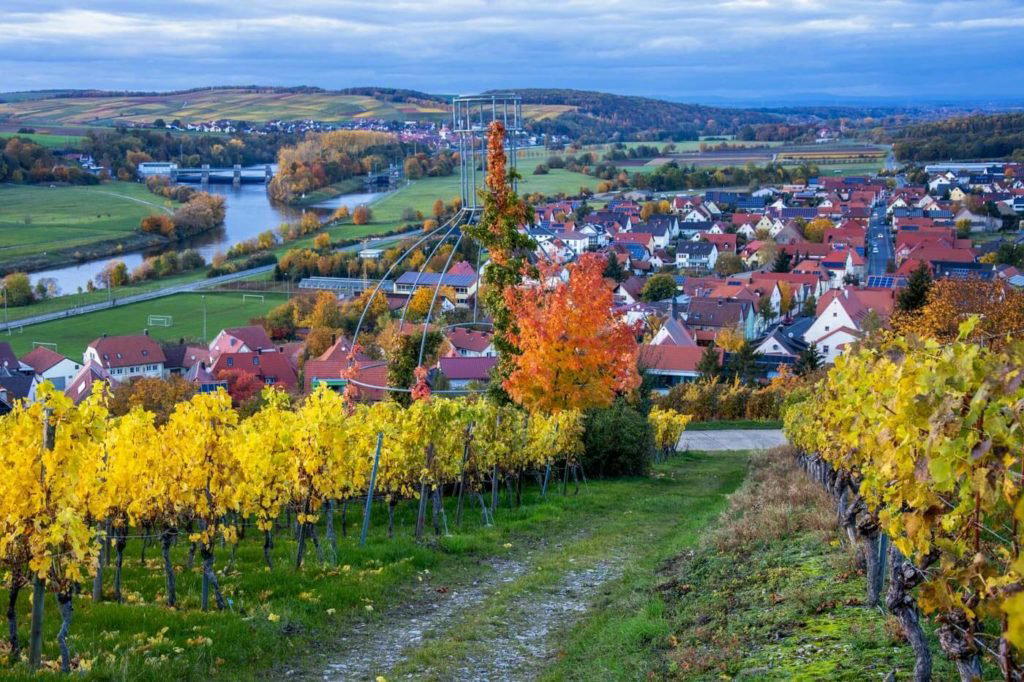
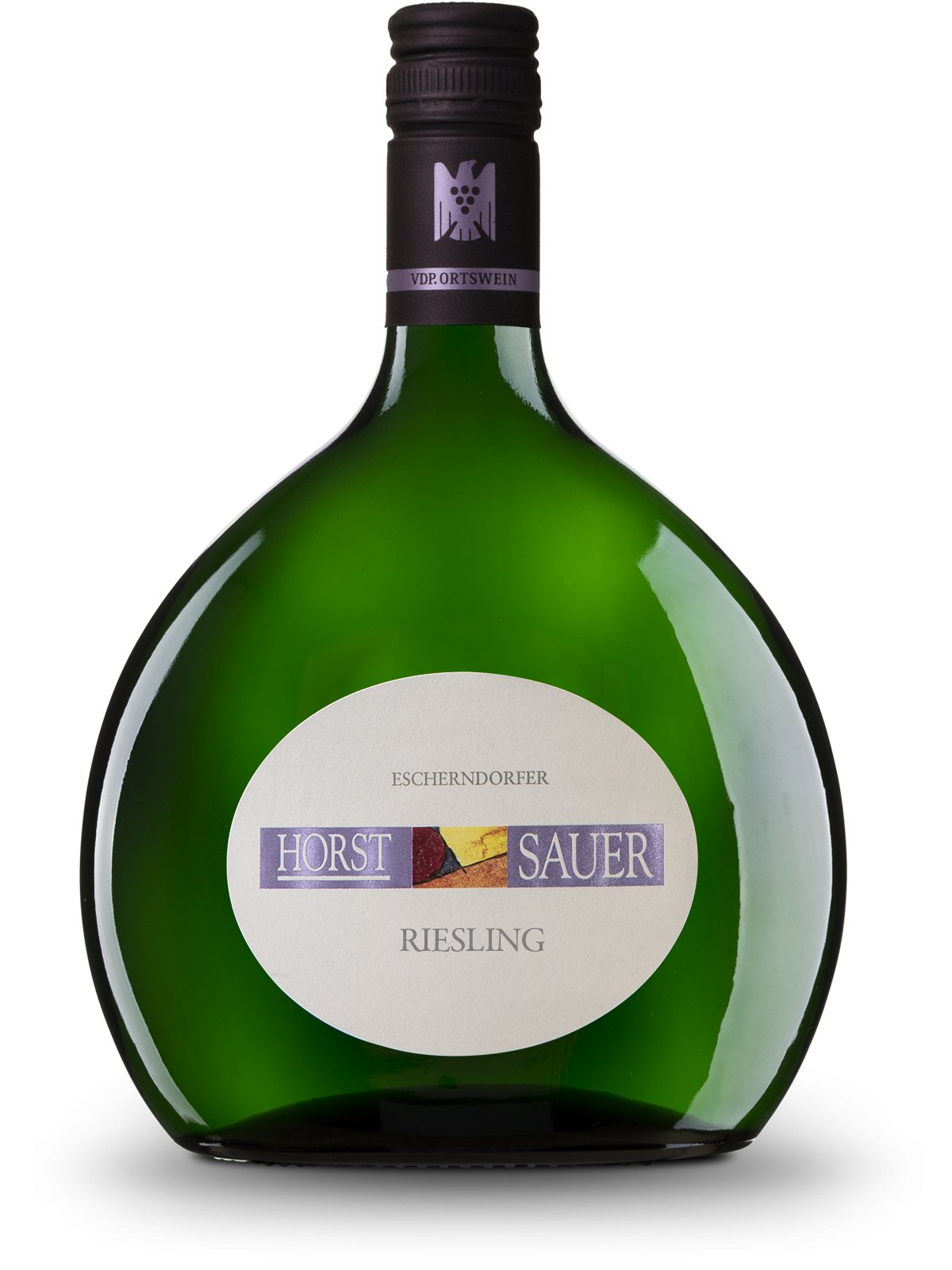
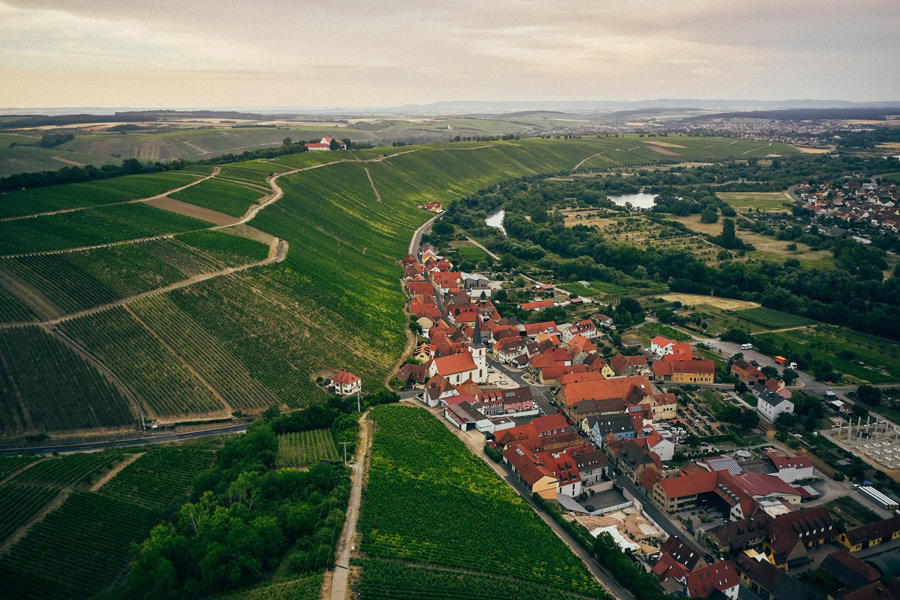
Bars in Sennfeld
Browse all →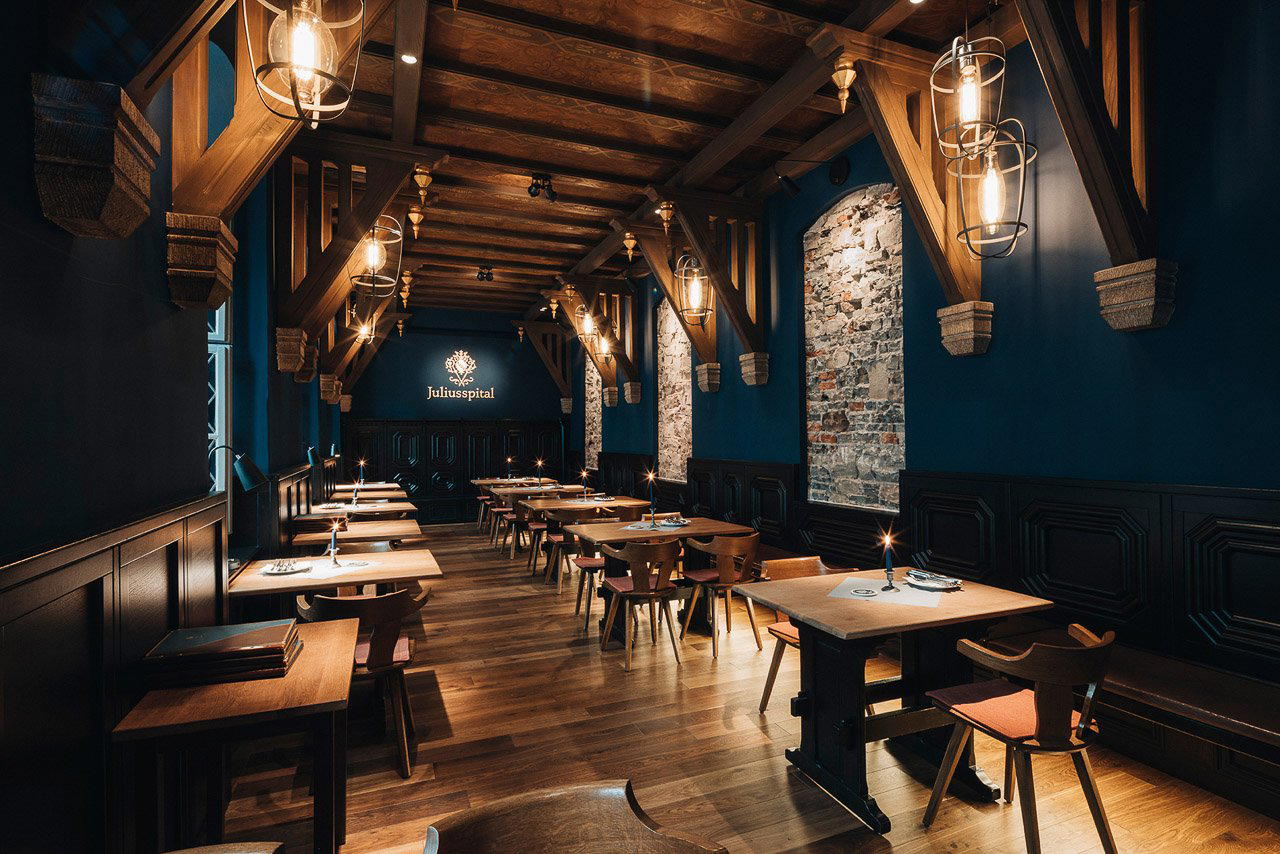
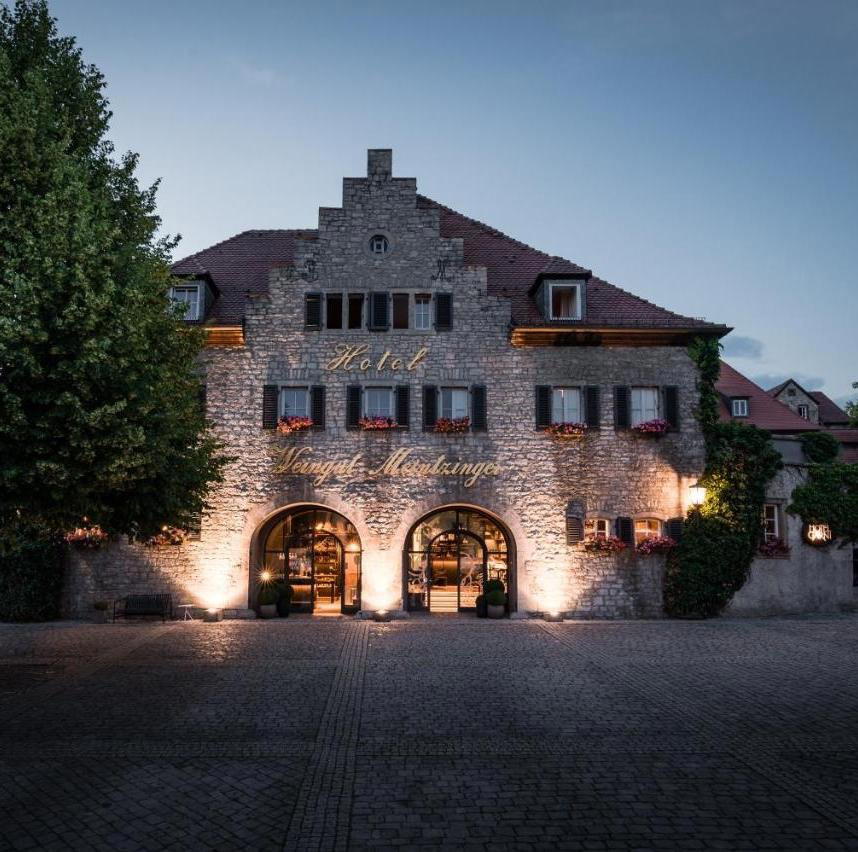
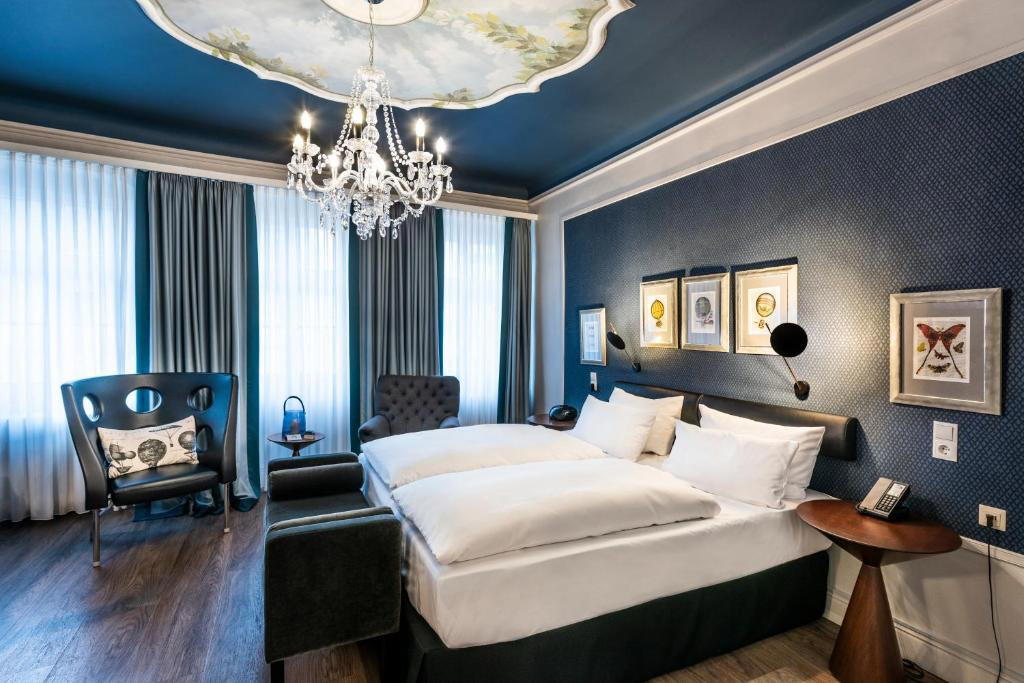
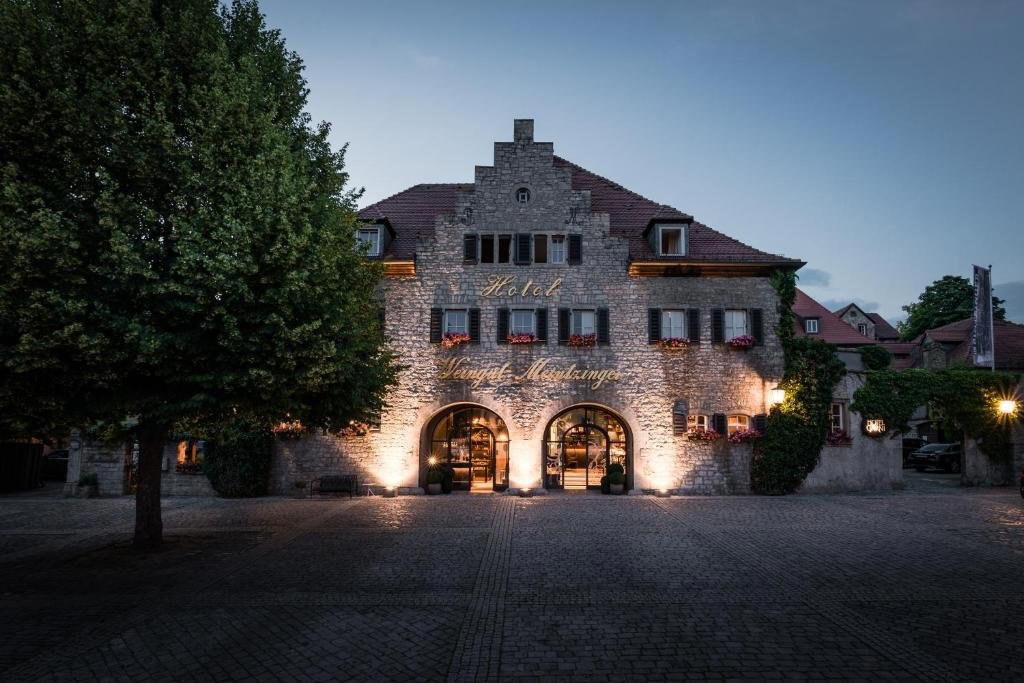
Details
- Classic
- Cozy
- Rustic
- Solo Exploration
- Group Outing
- Wine Education
- Special Occasion
- Historic Building
- Estate Grounds
- Private Tasting
- Silvaner
- Müller Thurgau
- Riesling
- Traminer
- Scheurebe
- Still White
- Still Red
- Private Tasting
Family-run winery atmosphere with a practical, local, and premium-oriented feel; press and guide sources describe it as a traditional Franconian producer with direct on-site enjoyment and event spaces.