Weingut Collective Z

Weingut Collective Z is a small Pfalz winery in Bad Dürkheim with a limestone-led, natural-wine vocabulary rather than a prestige-cellar posture. The draw is the way regional grapes such as Riesling, Sylvaner, Dornfelder, Portugieser and Gewürztraminer are framed through old-vine parcels, unfiltered bottlings and a lighter, fresher idea of Palatinate wine.
Pearl is the En Primeur Club membership app — saves, bookings, and concierge access live there. Same editors, same standards.
- Address
- Bad Dürkheim, Pfalz (Palatinate), Rhineland-Palatinate, Deutschland
- Directions
- Get directions
 Saves & bookings on Pearl
Weingut Collective Z is a Bad Dürkheim wine address best understood through a focused, small-producer lens. The profile is concise: a $$ venue with a fresh, lively and terroir-focused character, a natural-wine ethos, and a small-producer feel rooted in limestone sites around Leistadt. That is enough to place it within the Pfalz conversation without overstating what is publicly confirmed.
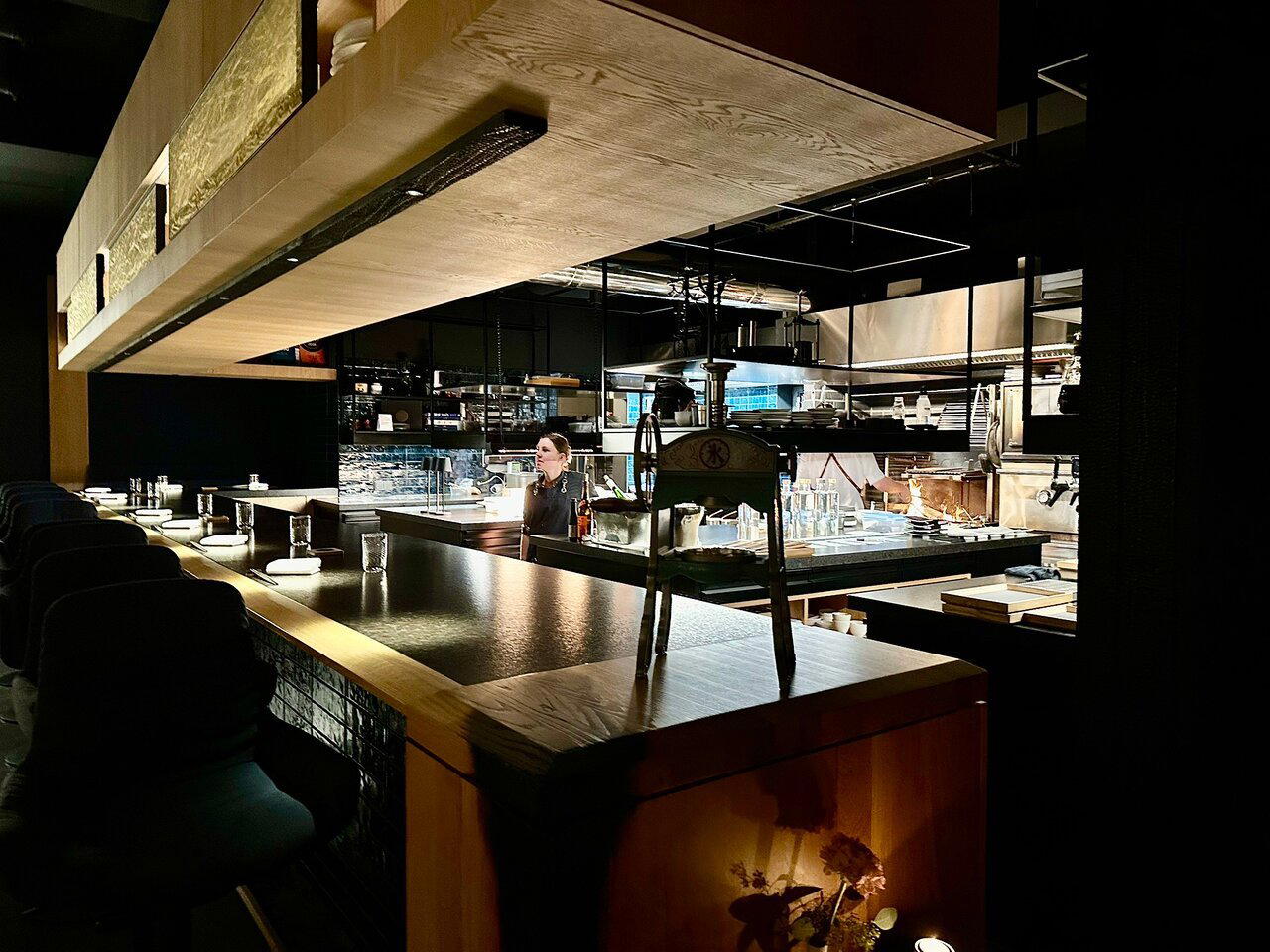
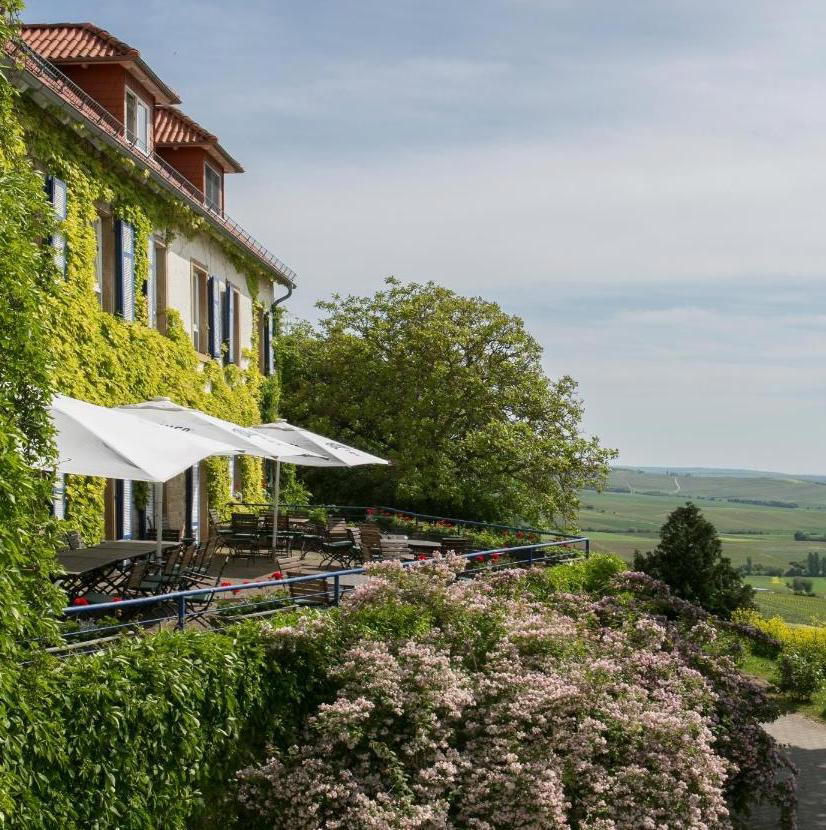
The useful way to approach Weingut Collective Z is not through an invented checklist of formats, bottle names, service rituals or cellar specifications. Its appeal rests on a more grounded idea: a rustic, intimate and cozy setting where the emphasis is on site, liveliness and a less formal natural-wine sensibility. For visitors comparing wine experiences in Bad Dürkheim, it reads as a rather than a grand or highly polished destination.
Limestone, freshness and a small-producer point of view
One reliable frame for Weingut Collective Z is limestone. The description ties the producer’s identity to limestone sites around Leistadt, and that matters because limestone is often associated with wines that feel shaped by tension, texture and site expression. Without claiming grape varieties, cuvées, vineyard ages or cellar methods, it is fair to say that the venue’s stated personality is terroir-focused rather than generic.
That terroir emphasis is also what separates this kind of stop from a purely casual wine-bar visit. The attraction is not simply that the mood is informal, but that the informality appears connected to a sense of place. “Fresh” and “lively” are the key cues. They suggest a venue for drinkers who want energy and clarity, not a heavy or ceremonial wine experience.
The small-producer feel is important too. In a region with many different styles of hospitality, from traditional estate tastings to more contemporary wine experiences, the winery sits on the intimate end of the spectrum. The confirmed descriptors, rustic, intimate and cozy, point toward a more personal atmosphere. That does not verify a specific seating count, tasting format or booking policy, but it does help set expectations: this is a place to consider when scale and character matter more than spectacle.
Natural-wine informality without overclaiming the details
The winery is described with a natural-wine ethos. That phrase should be handled carefully. It supports a reading of the venue as contemporary, lower-key and less conventional in tone, but it does not by itself verify farming certifications, cellar techniques, filtration choices, grape varieties, bottle names or production volumes. Those details should not be assumed.
What can be said is that the natural-wine ethos works alongside the limestone and small-producer identity. Together, those points give the venue its basic shape: fresh, lively, terroir-focused, and rooted in a sense of Pfalz place rather than in a broad commercial wine experience. For guests who enjoy smaller, character-led producers, that is the core reason to pay attention.
This also makes the winery a useful counterpoint within Bad Dürkheim. The city sits in a wine region where visitors can encounter many kinds of tasting experiences, but this venue’s profile leans toward intimacy and a hidden-gem mood. It is not necessary to attach unconfirmed awards, founding dates, named winemakers, exact wines or detailed service promises to make the case. The grounded case is simpler: a cozy Bad Dürkheim producer with a limestone-linked, natural-leaning identity.
How to place it within a Bad Dürkheim wine day
For planning, keep expectations flexible and fact-based. The winery is listed at $$, and its atmosphere is described as rustic, intimate and cozy. That makes it a good candidate for visitors seeking a less showy wine stop in Bad Dürkheim, especially those who prioritize terroir language, small-producer character and a natural-wine sensibility.
The same caution applies to any specific bottle list, grape lineup or cellar practice: unless confirmed by the venue, treat those details as subject to change or not established.
Within a broader Bad Dürkheim itinerary, the winery is best framed as one intimate, terroir-focused option among other local wine and dining possibilities. The draw is not a long list of confirmed amenities; it is the combination of natural-wine ethos, limestone roots, cozy atmosphere and small-producer feel. For the right visitor, that restraint is part of the charm.
Recognition history
Dated appearances from independent guides and award organizations, with the underlying list record or original source where available.
Falstaff Winery - Listed
Falstaff
Continue exploring
More in Bad Dürkheim
Wineries in Bad Dürkheim
Browse all →
Bars in Bad Dürkheim
Browse all →
Restaurants in Bad Dürkheim
Browse all →
At a Glance
- Rustic
- Intimate
- Cozy
- Solo Exploration
- Wine Education
- Special Occasion
- Private Tasting
- Sustainable
- Vineyard
- Pfalz
- Riesling
- Sylvaner
- Dornfelder
- Portugieser
- Gewürztraminer
- Still Red
- Still White
- Still Rosé
- Wine Tasting
- Private Tasting
Fresh, lively, and terroir-focused, with a natural-wine ethos and a small-producer feel rooted in limestone sites around Leistadt.