Warre’s

Warre’s belongs to the old Gaia logic of Port: Douro fruit, urban lodges, and cellar time doing work that ordinary tasting rooms can only describe. Founded in 1670 and now part of Symington Family Estates, it is strongest for drinkers who want the fortified-wine tradition explained through vineyard sources, age statements, and the slow architecture of tawny, LBV, and vintage Port.

Pearl is the En Primeur Club membership app — saves, bookings, and concierge access live there. Same editors, same standards.

Gaia’s Port lodges work by temperature before theatre. Their appeal is not vineyard panorama or designer cellar door, but the cool, quiet discipline of aging wine away from the Douro’s heat, across the river from Porto in a district built around barrels, export houses, and fortified-wine commerce. Warre’s fits that older grammar: a British-founded Port house defined by separating mountain vineyards from urban maturation.
Port is logistical tradition as much as sweet-wine category. Douro grapes are fortified, transported, aged, blended, bottled, and explained through houses whose lodges became part of the product’s cultural meaning. In Vila Nova de Gaia, cellar atmosphere helps shape the wine. Warre’s, founded in 1670 and tied to the Warre name from the 18th century, gives that history depth without costume drama.
Douro vineyards, Gaia cellars, and the two-place logic of Port
Read this house through place. Premium and Vintage Port production is linked to named Douro estates: Quinta da Cavadinha, Quinta do Retiro Antigo, and Quinta da Telhada. That estate base gives the wines agricultural footing beyond a generic blended-brand story: fruit comes from specific holdings, while finished wines take shape in Gaia’s aging environment.
Quinta da Cavadinha is especially useful for understanding the style. The estate has Grade A classification and mature vines of at least 25 years, raw material that matters because structure, concentration, and phenolic depth must survive fortification and long aging. Quinta do Retiro Antigo and Quinta da Telhada widen the base, with Telhada’s river-side vineyard contributing to the premium range after its 2006 acquisition. The result is not a single-site Burgundy argument, but a classic Port-house one: Douro character interpreted through blending and maturation.
The grape palette is traditional. Touriga Nacional, Touriga Franca, Tinta Barroca, Tinta Roriz, and Tinta Cão form the red-Port backbone; Arinto, Códega, Malvasia Fina, Rabigato, and Viosinho appear in white Port. These varieties suit steep terraces, stone walls, and shifting elevations, where farming is viticulture and engineering. The Douro’s UNESCO-listed landscape is often sold as scenery, but in the glass its practical consequences matter more: slope exposure, heat retention, access, and limits of mechanization shape fruit economics and concentration.
Winemaking sits between old method and modern scale. Port fermentation is short because grape spirit stops the process before all sugars become alcohol, creating fortified wine with residual sweetness and preserved fruit mass. Most production now uses contemporary vinification, though a small proportion continues with treading, the traditional extraction method associated with classic Douro Port. At Warre’s, Peter and Charles Symington are named as winemakers, and production is around 150,000 cases, placing the house in a serious commercial register rather than a boutique cellar-door niche.
The range explains the category better than a single bottle can
Warre’s explains Port because the portfolio spans major styles: Ruby, tawny, white, LBV, age-statement tawny, single-quinta, and Vintage Port. For visitors or collectors, that breadth is the point: fruit-led youth, oxidative wood aging, filtered commercial polish, and bottle-matured depth become clearer side by side.
The entry and mid-tier wines carry practical lessons. Heritage Ruby Port is built from traditional Douro red varieties and aged three years in oak cask. Fine White follows a white-Port model from Portuguese white grapes, also with three years in oak. Warrior Port is aged four to five years in Vila Nova de Gaia before bottling, while Otima and Sir William 10 Year Old Tawny sit in the decade-aged tawny lane. These are not just price points; they are a taxonomy of time.
The longer-aging wines make the cellar identity explicit. Traditional LBV spends four years in seasoned oak casks, is bottled unfined and unfiltered, then rests further in bottle before release. The 20 Year Old Tawny occupies the older blended-tawny register, where skill depends on cask selection and consistency rather than vintage declaration. Vintage Port and Quinta da Cavadinha Vintage Port return the conversation to fruit source and declared-year structure. Tastingbook gives the winery a wine-average score of 94 Tb and records highly rated vintages across historic and recent years, including 1896, 1937, 1851, and 2017. That reputation depth is stronger here than a medal list.
Heritage is also a competitive credential, because British Port firms helped define the export trade that made the wine internationally legible. The winery is described as the oldest British Port house, with records dating to the 1670s, and the Warre family name entered the firm’s identity after William Warre arrived in Portugal in 1729. The 1703 Methuen Treaty, which favored Portuguese wines in the British market relative to French wines, belongs to the broader commercial background. Later, the company became part of Symington Family Estates, one of Port’s central family-owned groups.
How to approach the visit in Gaia
Approach the experience as wine education rather than a bar crawl. The setting is a historic Port lodge in Vila Nova de Gaia, with a quiet cellar atmosphere and guided or private tasting format. The listed tour duration runs 40 to 60 minutes, enough to cover fortified-wine mechanics without becoming a full Douro seminar. English-language touring is listed, and the format suits groups, corporate occasions, and drinkers seeking more structure than a casual pour.
Because food pairing is not part of the listed offer, the focus stays on wine, cellar context, and the relation between Douro vineyards and Gaia aging. That is the right emphasis. Port houses can be weakened by hospitality additions that blur the category; here the stronger reading is classical, cellar-led, and tied to the fortified-wine canon. Smart casual dress fits the tone: polished enough for a heritage lodge, not ceremonial.
Planning in Gaia rewards a wider category view. Nearby research can begin with our full Vila Nova de Gaia wineries guide, while dining, drinking, hotels, and cultural planning sit in our full Vila Nova de Gaia restaurants guide, our full Vila Nova de Gaia bars guide, our full Vila Nova de Gaia hotels guide, and our full Vila Nova de Gaia experiences guide. For broader wine-route context beyond this lodge, readers can also look at Altano, Barros Almeida & Cia - Vinhos SA, Burmester, Casa Ferreirinha, and Caves Messias. Portugal-wide and European comparisons can continue through 1912Winemakers LDA in Porto, Adega Cartuxa (Fundação Eugénio de Almeida) in Évora, Adega Cooperativa de Borba in Borba, »der Steiner« Hans Steiner in Podersdorf am See, and & Handwein in Mannheim.
The winery is strongest for visitors who want Port explained through its real machinery: Douro estates, fortified fermentation, oak and bottle aging, British export history, and Gaia’s cellar culture. It is less suited to anyone seeking a vineyard-estate day in the countryside or a food-led tasting. In Vila Nova de Gaia, that restraint is a virtue. The house gives Port its proper frame: not just a drink after dinner, but a wine system built from geography, trade, and time.
Recognition history
Dated appearances from independent guides and award organizations, with the underlying list record or original source where available.
Falstaff Winery - Listed
Falstaff
Continue exploring
More in Vila Nova de Gaia
Wineries in Vila Nova de Gaia
Browse all →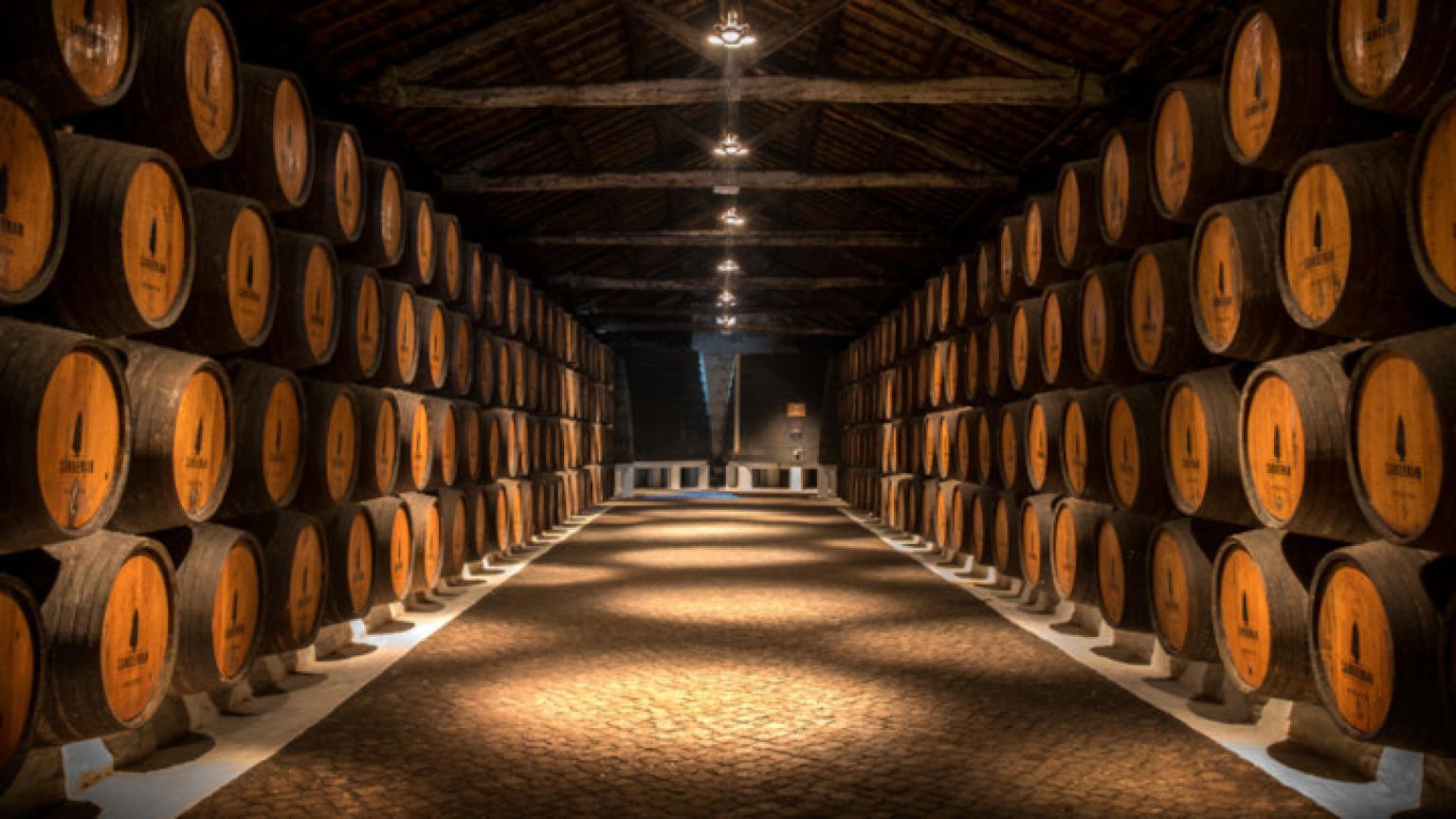
Bars in Vila Nova de Gaia
Browse all →
Restaurants in Vila Nova de Gaia
Browse all →
At a Glance
- Classic
- Scenic
- Elegant
- Sophisticated
- Well Known
- Special Occasion
- Corporate Event
- Wine Education
- Group Outing
- Historic Building
- Design Destination
- Private Tasting
- Waterfront
- Port
- Touriga Nacional
- Touriga Franca
- Tinta Barroca
- Tinta Roriz
- Tinta Cão
- Arinto
- Códega
- Malvasia Fina
- Rabigato
- Viosinho
- Fortified
- Guided Tasting
- Private Tasting
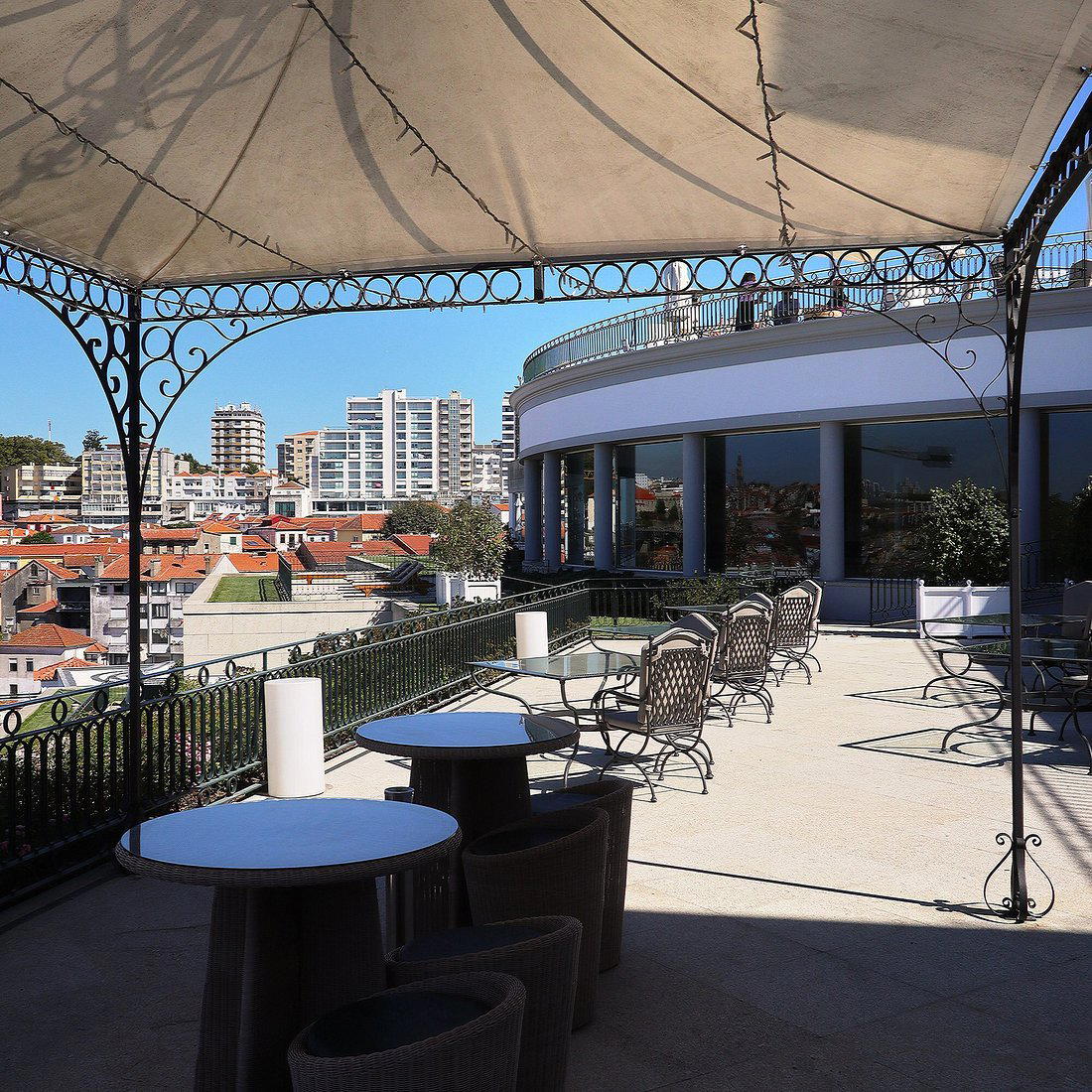
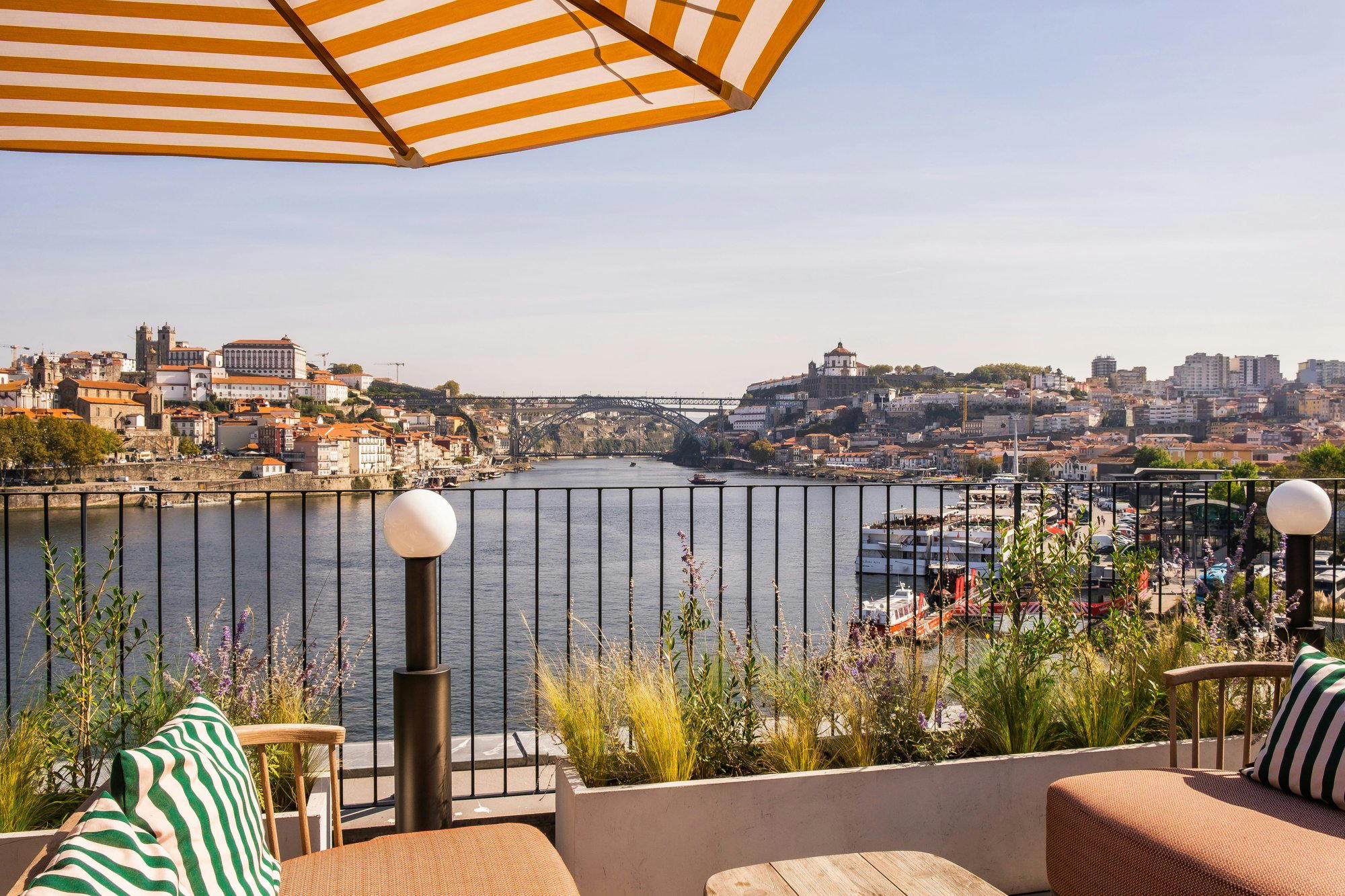
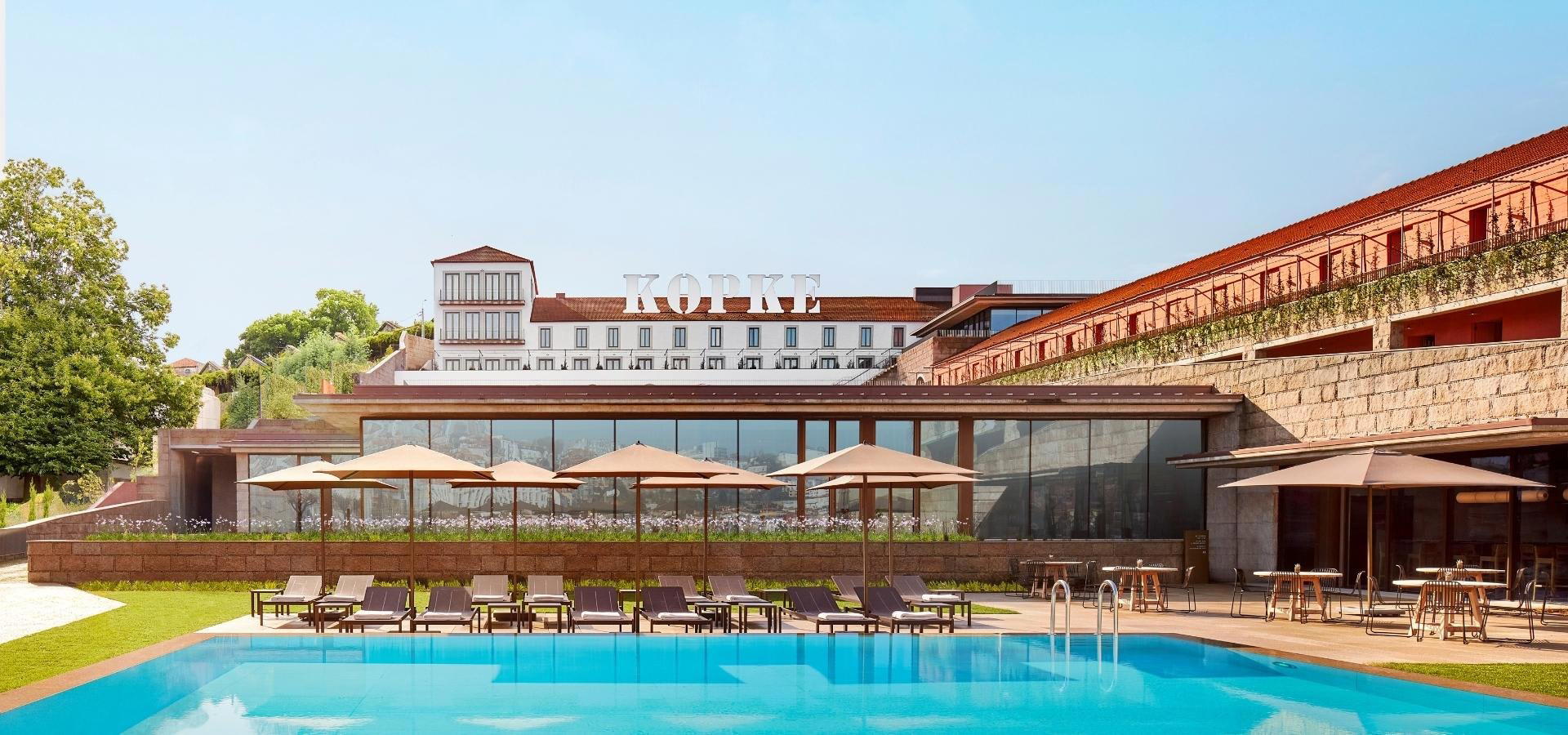
Historic port lodge atmosphere in Vila Nova de Gaia, with a cool cellar environment suited to long-term aging and a heritage-driven, classic wine-house setting.