
Falstaff Winery - 4 Stars
Victoria Ordóñez gives Málaga wine a serious mountain frame: dry Pedro Ximénez, Moscatel, and small-production reds tied to Montes de Málaga and Axarquía rather than beach-resort shorthand. The project is strongest for travelers who want wine education, terroir context, and a quieter urban-winery format built around historic vineyards, sustainable practice, and guided tasting by appointment.

Pearl is the En Primeur Club membership app — saves, bookings, and concierge access live there. Same editors, same standards.
- Address
- Malaga, Málaga, Andalucía, Spanien
- Directions
- Get directions

Approaching Victoria Ordóñez shifts Andalusian wine tourism from postcard scenery to Málaga wine as working, mountain-sourced craft. This urban Málaga winery centers production, not theatre, while its wines point beyond the city floor to steep vineyards, old varieties, and regional memory older than the modern Costa del Sol. Quiet, practical, small-production, and appointment-led, it suits travelers seeking dry Pedro Ximénez context more than casual drop-in tasting.
Málaga’s wine identity is often reduced to sweet, dark, concentrated Pedro Ximénez, though historic mountain wines included dry expressions exported through the port before phylloxera broke that economy. Victoria Ordóñez works inside that correction. Its recovery effort began in 2015, focusing on Pedro Ximénez from the Natural Park of the Mountains of Málaga, with sustainability as production premise rather than decorative claim.
The tasting has useful tension: this Málaga address interprets vineyards elsewhere, especially Montes de Málaga and Alta Axarquía, without pretending to be rural or ignoring the city. For broader planning, use the wider EP Club Málaga edits: Our full Málaga restaurants guide, Our full Málaga hotels guide, Our full Málaga bars guide, Our full Málaga wineries guide, and Our full Málaga experiences guide.
Dry Pedro Ximénez gives Málaga's mountain tradition a sharper modern reading
Read this cellar through terroir, not romance. Montes de Málaga is defined by small, head-pruned plots on steep slopes at 800 to 1,000 meters. Axarquía brings schist-dominant soils; Montes de Málaga adds schist, limestone, sandstone, silt, and magma intrusions. These specifics explain why the project separates source areas and grape varieties instead of blending them into a generic southern Spanish white.
The estate model avoids the self-contained château fantasy. Victoria Ordóñez owns seven hectares planted with Pedro Ximénez and some red varieties, buys from 30 growers, and links the project to roughly 40 hectares under vine. In fragmented Mediterranean mountain regions, sustaining old parcels and small holdings can matter as much as owning polished estate blocks. The winery handles around 60,000 kilograms of grapes: beyond hobby scale, still small enough for site identity to stay legible.
The wines follow the terrain. La Ola del Melillero is dry Pedro Ximénez from Montes de Málaga with a small addition of Moscatel from Axarquía, a regionally logical blend. Monticara uses Moscatel from Axarquía, whole-bunch maceration, free-run juice, and 10 months in new oak. Voladeros, its Pedro Ximénez counterpart, uses seasoned wood, a restrained choice for a historically central grape. Later bottles extend into sparkling rosé, red blends, and Verdejo, but dry mountain whites remain the intellectual core.
Victoria Ordóñez separates itself from much of Spain’s export-friendly narrative by selling altitude, old vineyard structures, indigenous grapes, careful aging, and tightly defined source areas, not sunshine in a glass. The wines have strong visual identity, with labels drawing on 19th-century imagery, ferry folklore, ravines, mountain ridges, and Málaga Bay. The packaging reinforces the thesis that place, history, and grape variety should be read together.
A small-production visit built for context, not spectacle
The hospitality format is wine education, not estate leisure. Visits are by reservation; formats include guided tasting, paired tasting, and winery tour, with a listed duration of three to four hours. Spanish and English are available, giving international travelers technical and historical context rather than a quick bar pour. Dress is casual, noise level quiet, and the setting suits groups, solo exploration, wine education, and special-occasion planning when the group wants to discuss the glass.
The $33-per-person reference places it in an accessible educational tier, not the luxury-tasting bracket of better-known regions. The atmosphere is artisan and small-production, with garage-style urban winery character and a 600-square-metre production space. Food pairing is offered, but the main draw is the bottle-vineyard relationship: Pedro Ximénez, Moscatel, Petit Verdot, Syrah, Tempranillo, and Verdejo appear across still white, red, rosé, and sparkling styles.
Victoria Ordóñez adds credibility without needing to become the whole story. Her father, José María Ordóñez, helped shape Málaga’s wine trade from the 1950s. Her turn into winemaking followed work in medicine and health administration; she focused more fully on viticulture and winemaking in 2004. Her collaboration with Austrian oenologist Alois Kracher links the project to a technical European conversation about sweet and dry wine craft, while her son Guillermo Martín Ordóñez, an agronomist, adds an agricultural layer to the family operation.
For broader itineraries, this address is the Málaga mountain-wine counterpoint to Spain’s famous appellation routes. Nearby city research can start with Bramley Vintners and Samsara Wine Experience. A wider Spanish cellar map might include 3 Ases Bodegas y Viñedos in Quintanilla De Arriba, 4Kilos Vinícola in Felanitx, Aalto Bodegas y Vinedos in Quintanilla De Onesimo Valladolid, Abadia de Aribayos in Moraleja Del Vino, Abadía Retuerta in Sardón de Duero, and Abel Mendoza Monge in San Vicente de la Sonsierra. For a broader European lens, »der Steiner« Hans Steiner in Podersdorf am See and & Handwein in Mannheim extend the conversation beyond Spain.
Who should put it on a Málaga wine itinerary
This fits travelers who prefer producer-led explanation of land, grape, and cellar choices over scenic tasting-room circuits. The case rests on clear signals: a 2015 recovery project, sustainable production philosophy, focus on D.O. Málaga and D.O. Sierras de Málaga, mountain vineyards at 800 to 1,000 meters, a grower network of 30 suppliers, and a portfolio treating Pedro Ximénez as a dry-wine grape with historical authority. Specialist wine media attention has placed the project in a revival context, a stronger trust signal here than medals or score-chasing.
The rhythm is simple: plan ahead, allow three to four hours, and arrive ready for explanation rather than speed. Children and dogs are not part of the setup, outdoor seating is not the point, and shipping is not listed as available. The value is leaving with a clearer reading of Málaga’s mountain wine tradition: why altitude matters, why Moscatel and Pedro Ximénez should not be reduced to stereotypes, and why an urban winery can sometimes explain a region better than a manicured rural estate.
Recognition history
Dated appearances from independent guides and award organizations, with the underlying list record or original source where available.
Falstaff Winery - 4 Stars
Falstaff
Continue exploring
More in Málaga
Wineries in Málaga
Browse all →
Bars in Málaga
Browse all →
Restaurants in Málaga
Browse all →
Details
- Scenic
- Rustic
- Sophisticated
- Group Outing
- Wine Education
- Special Occasion
- Solo Exploration
- Design Destination
- Historic Building
- Private Tasting
- Sustainable
- Mountain
- Vineyard
- Pedro Ximénez
- Moscatel
- Petit Verdot
- Syrah
- Tempranillo
- Verdejo
- Still White
- Still Red
- Still Rosé
- Sparkling
- Guided Tasting
- Paired Tasting
- Winery Tour
- Spanish
- English
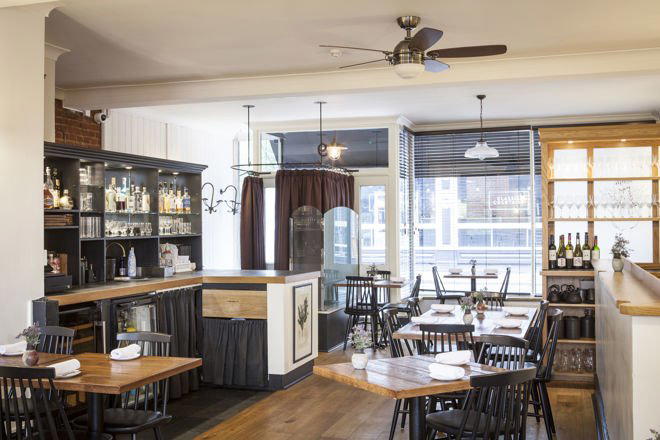
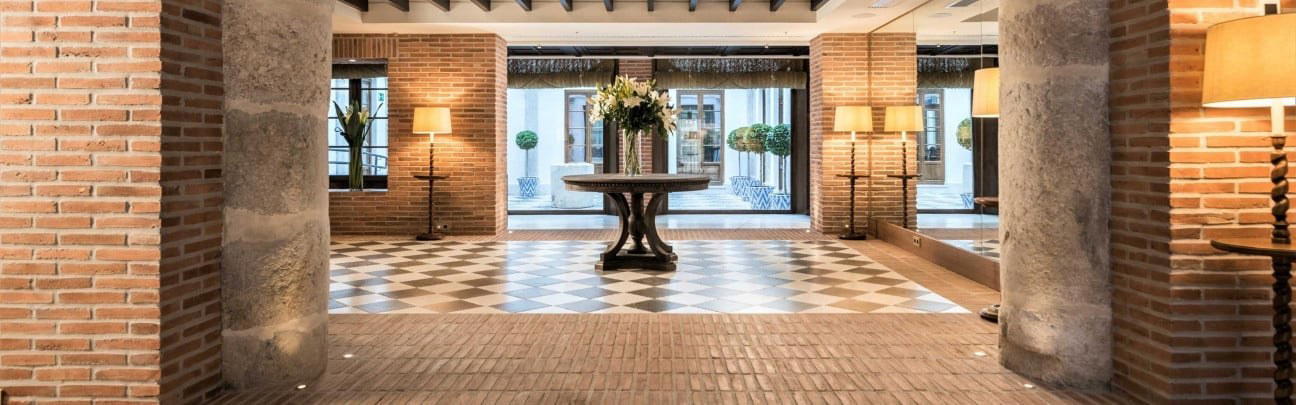
Artisan, small-production winery atmosphere focused on heritage wines, sustainability, and the revival of Málaga’s historic mountain-wine tradition.