Ulysses Vineyard

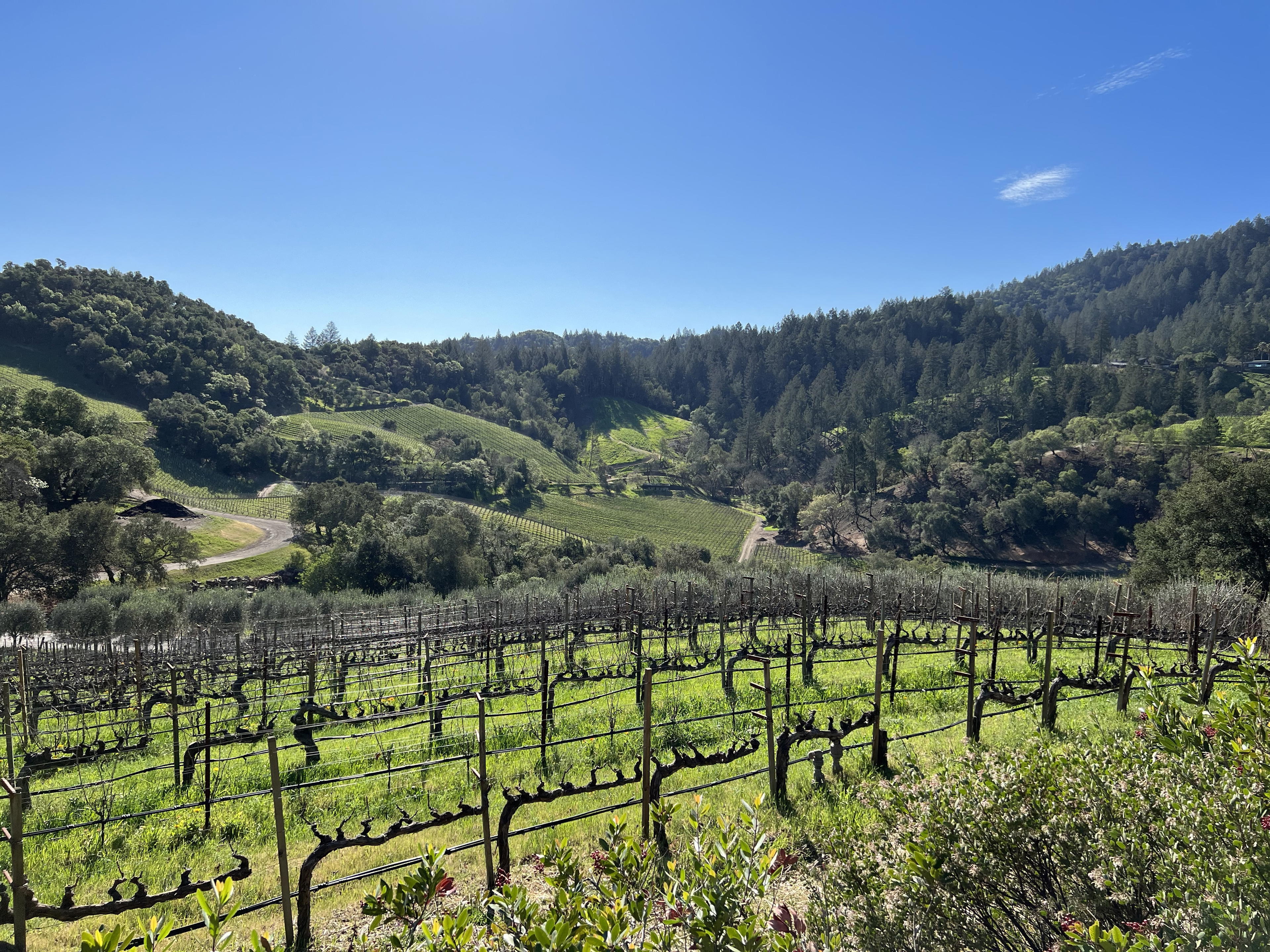
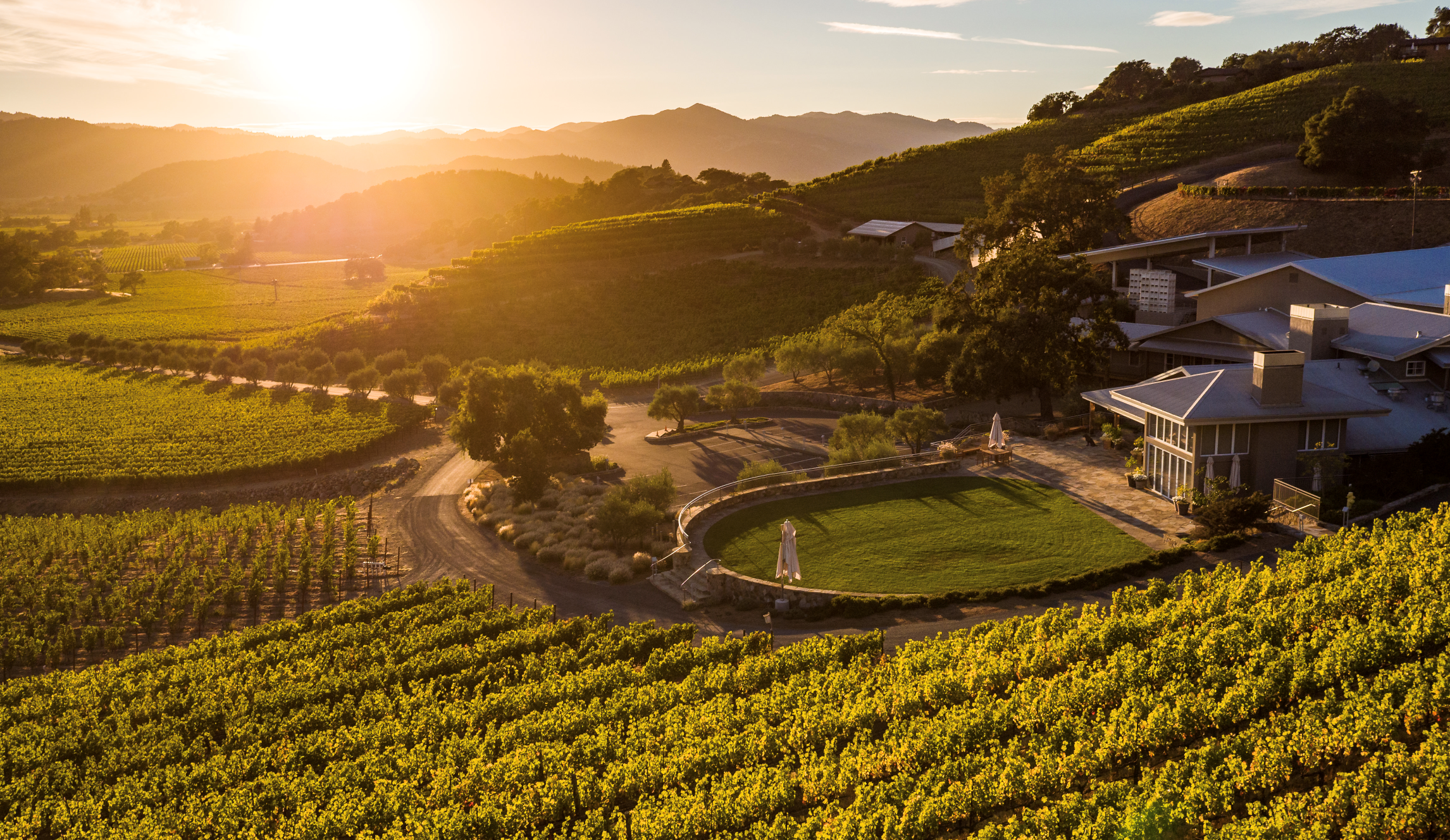
Ulysses Vineyard belongs to Napa’s Cabernet conversation through land rather than breadth: a 31.5-acre Oakville estate on an alluvial fan below the Mayacamas Range, focused on Cabernet Sauvignon with small portions of Cabernet Franc and Petit Verdot. Christian Moueix acquired the historic property in 2008, and the wines now read as a tightly disciplined, Bordeaux-informed expression of Oakville structure.
Pearl is the En Primeur Club membership app — saves, bookings, and concierge access live there. Same editors, same standards.
- Address
- Napa, Napa Valley, California, Vereinigte Staaten
- Directions
- Get directions
 Saves & bookings on Pearl
Ulysses Vineyard in Napa is best presented with a narrow, careful brief: a refined wine venue whose public profile centers on a minimalist winemaking philosophy, purity, freshness, and restrained intervention. The available confirmed information does not support a more detailed story about a specific sub-appellation, acreage, grape mix, production volume, ownership history, winemaker biography, tasting format, awards, or visitor infrastructure. For an EP Club guide, that restraint matters. One accurate way to frame Ulysses Vineyard is as a quiet, classic, elegant, sophisticated, and well-known Napa address, with pricing listed at $180 per person.
Readers should not assume a particular menu, food pairing, seating format, private tasting structure, vineyard tour, bottle list, allocation policy, or hospitality schedule unless they confirm those details directly with the venue. What can be said with confidence is simpler: Ulysses Vineyard belongs in a Napa itinerary for guests seeking a polished, terroir-driven wine experience rather than a casual or highly theatrical stop.
A refined Napa profile built around restraint
The strongest language around the winery is stylistic. Its identity is described as refined, structured, and terroir-driven, with a minimalist winemaking philosophy that emphasizes purity, freshness, and restrained intervention. Those terms give the page a reliable editorial foundation without needing to invent details about varietals, vineyard blocks, cellar methods, or critics’ scores.
For travelers, that profile suggests a serious and composed setting. “Minimalist” here should be read as an aesthetic and philosophical cue: the emphasis is on clarity rather than spectacle, and on a measured expression of place rather than a heavily embellished hospitality narrative. The guide should therefore avoid promising features that are not confirmed, such as a specific tasting sequence, lunch service, food program, or tour route.
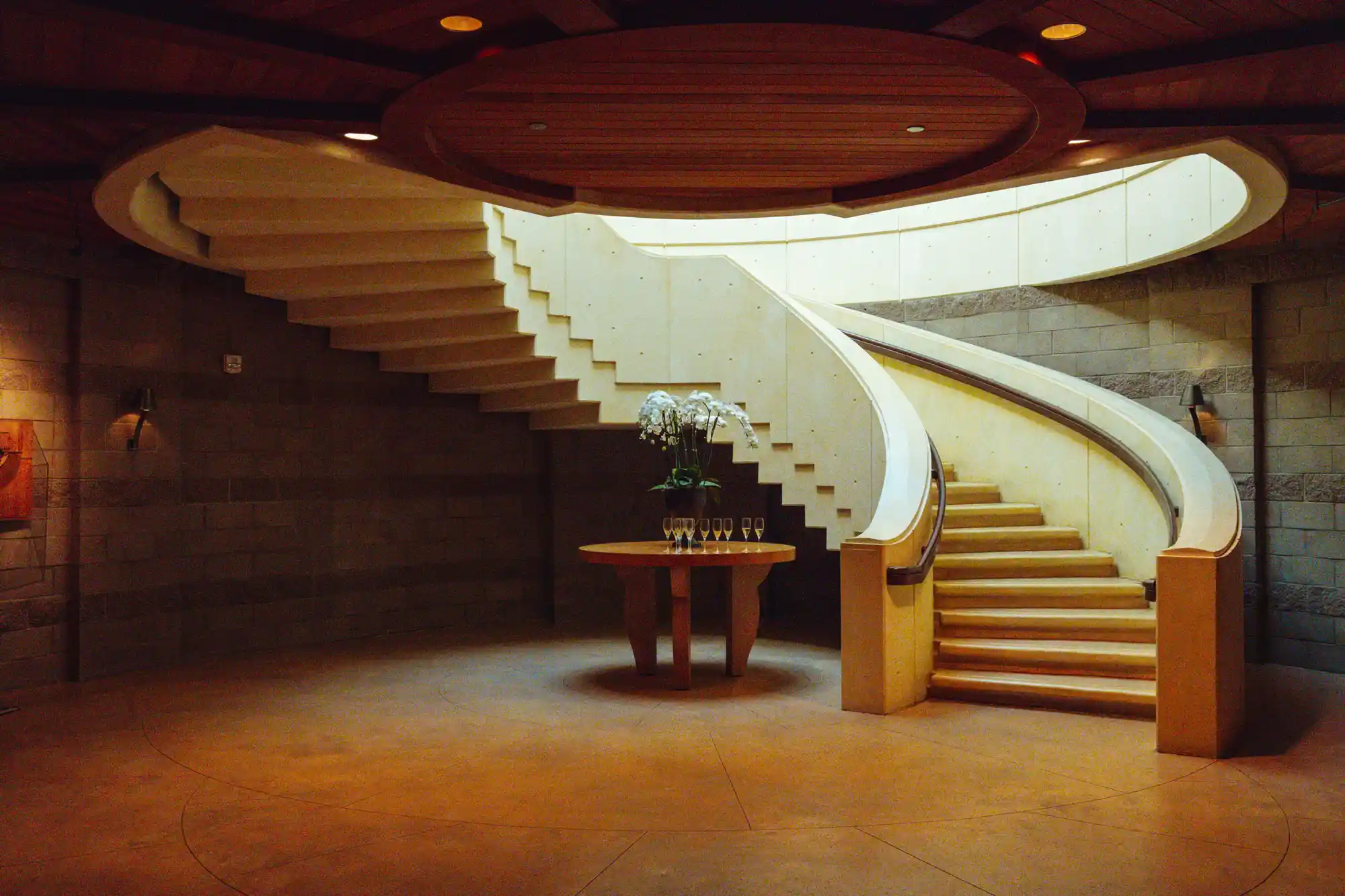
The atmosphere is also in broad terms: quiet, classic, elegant, sophisticated, and well-known. Those descriptors are useful because they help set expectations without overreaching. The winery is not best described as rowdy, casual, experimental, or nightlife-driven. It is better positioned for visitors who value calm pacing, polished surroundings, and a focused wine-country mood.
What is confirmed, and what should be checked
The confirmed price is $180 per person. Beyond that, practical details should be directly before planning a visit. Because those details can materially affect a Napa itinerary, they should not be inferred from the venue’s reputation or from broader wine-country habits.
This is especially important for premium Napa venues, where the difference between a casual drop-in, a scheduled tasting, a collector-focused appointment, and a hospitality experience with food can be significant. In the absence of confirmed operational information, the safest recommendation is to treat the winery as a high-end Napa stop and confirm all logistics in advance.
The same principle applies to accolades and rankings. The winery may be discussed in terms of its refined and terroir-driven positioning, but the page should not claim exact scores, named critics, award years, or comparative rankings without confirmed sourcing.
How to place it within a Napa itinerary
The winery fits a Napa itinerary when the goal is a composed, premium wine experience with a serious tone. The $180 per person price places it in a considered category: not an incidental add-on, but a planned stop for guests who want the visit to feel deliberate. Visitors building a full day in Napa can pair it with other dining, lodging, bar, or experience options in the city and wider region, while keeping the winery slot reserved for a quieter, more focused mood.
Do not plan around an unconfirmed meal, extended tour, rare-library pour, or particular service style unless those details are confirmed directly. Instead, use the winery as the refined anchor of the itinerary and build the rest of the day with flexibility.
The editorial case is therefore intentionally concise. The winery in Napa is a premium, refined, structured, and terroir-driven venue with a minimalist winemaking philosophy and pricing listed at $180 per person. Its appeal rests on quiet sophistication and a restrained sense of place. Anything more specific should be confirmed before it becomes part of a guest’s plan.
Recognition history
Dated appearances from independent guides and award organizations, with the underlying list record or original source where available.
Falstaff Winery - Listed
Falstaff
Continue exploring
More in Napa
Wineries in Napa
Browse all →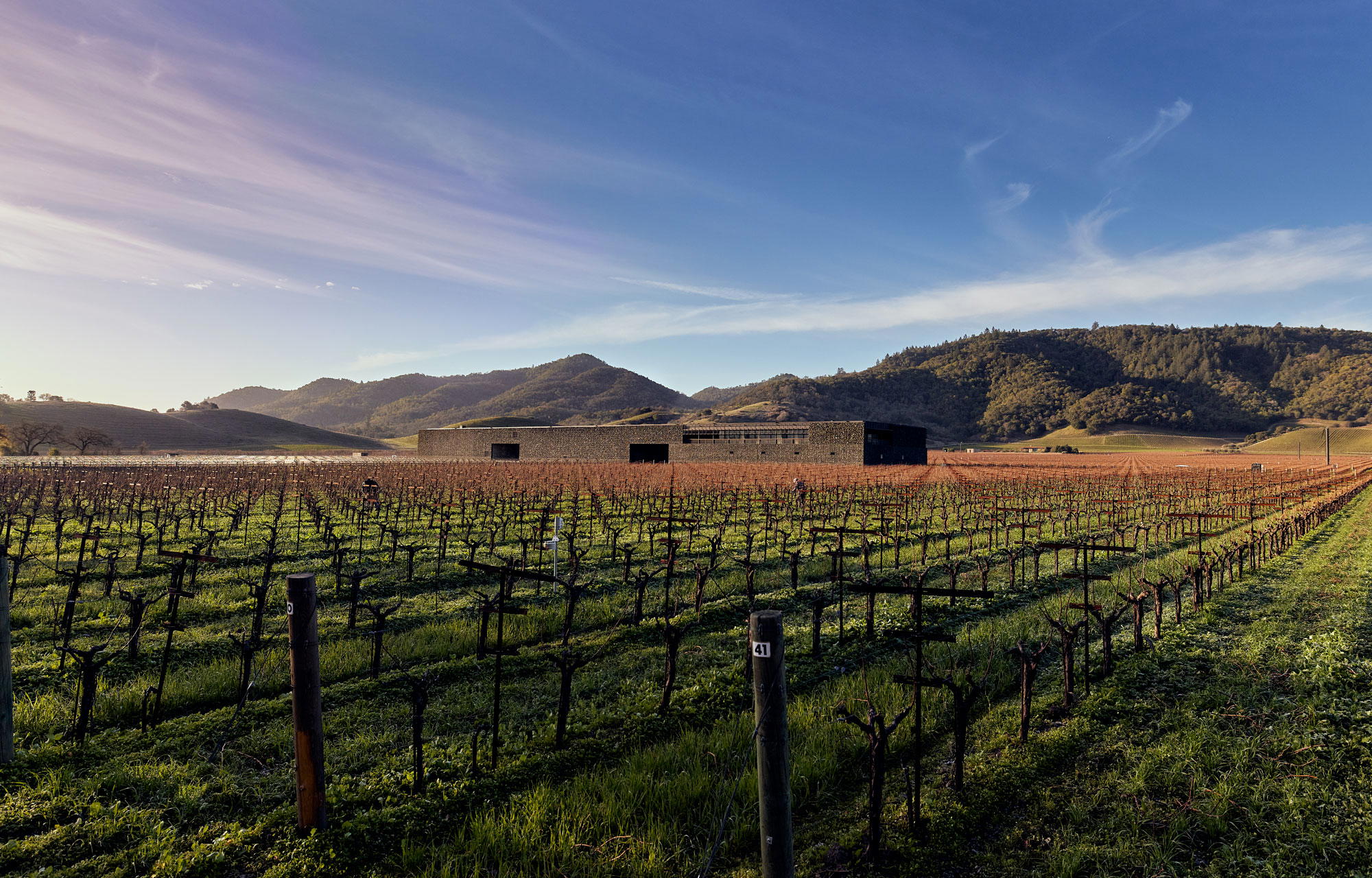
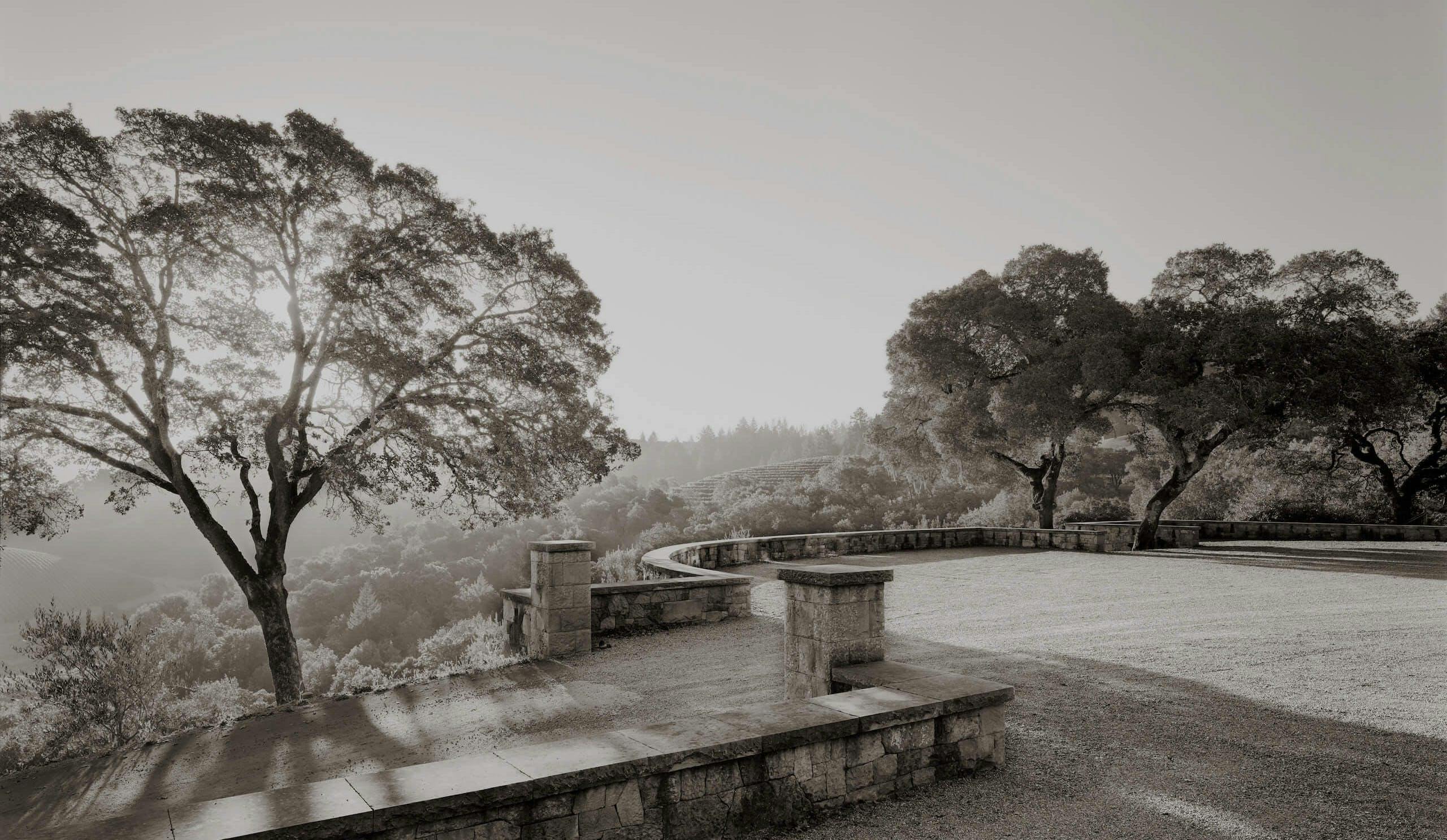
Bars in Napa
Browse all →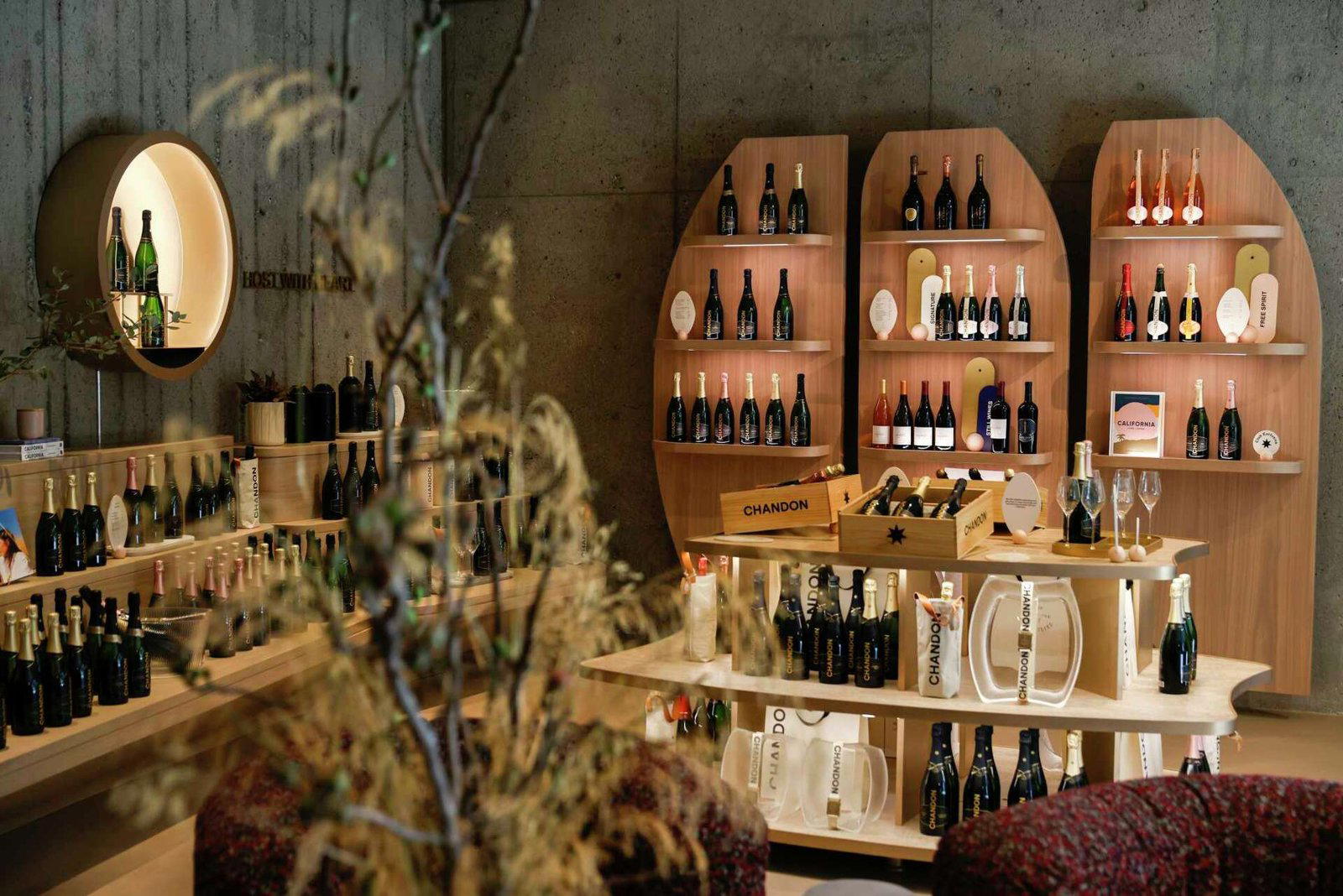
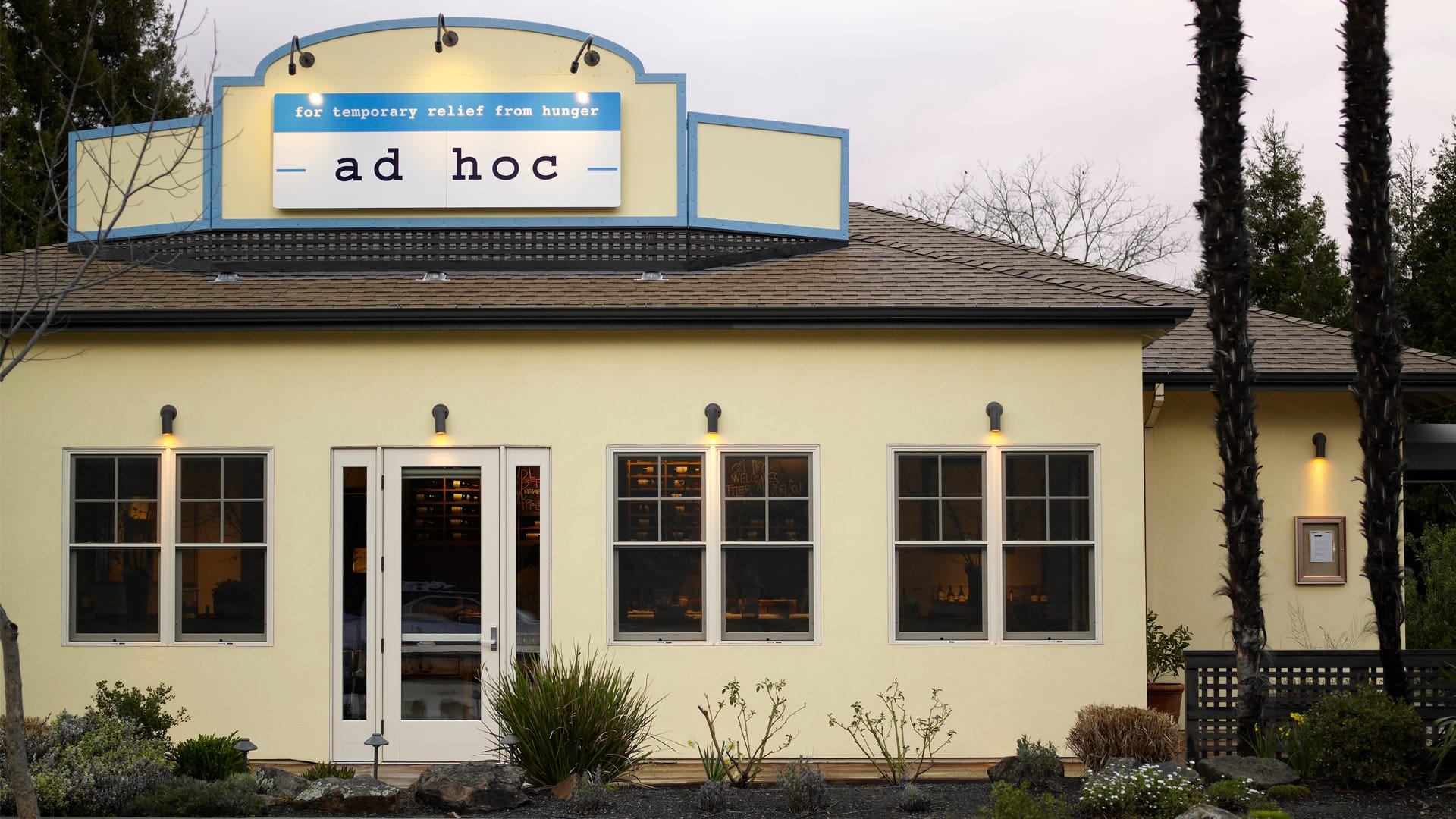
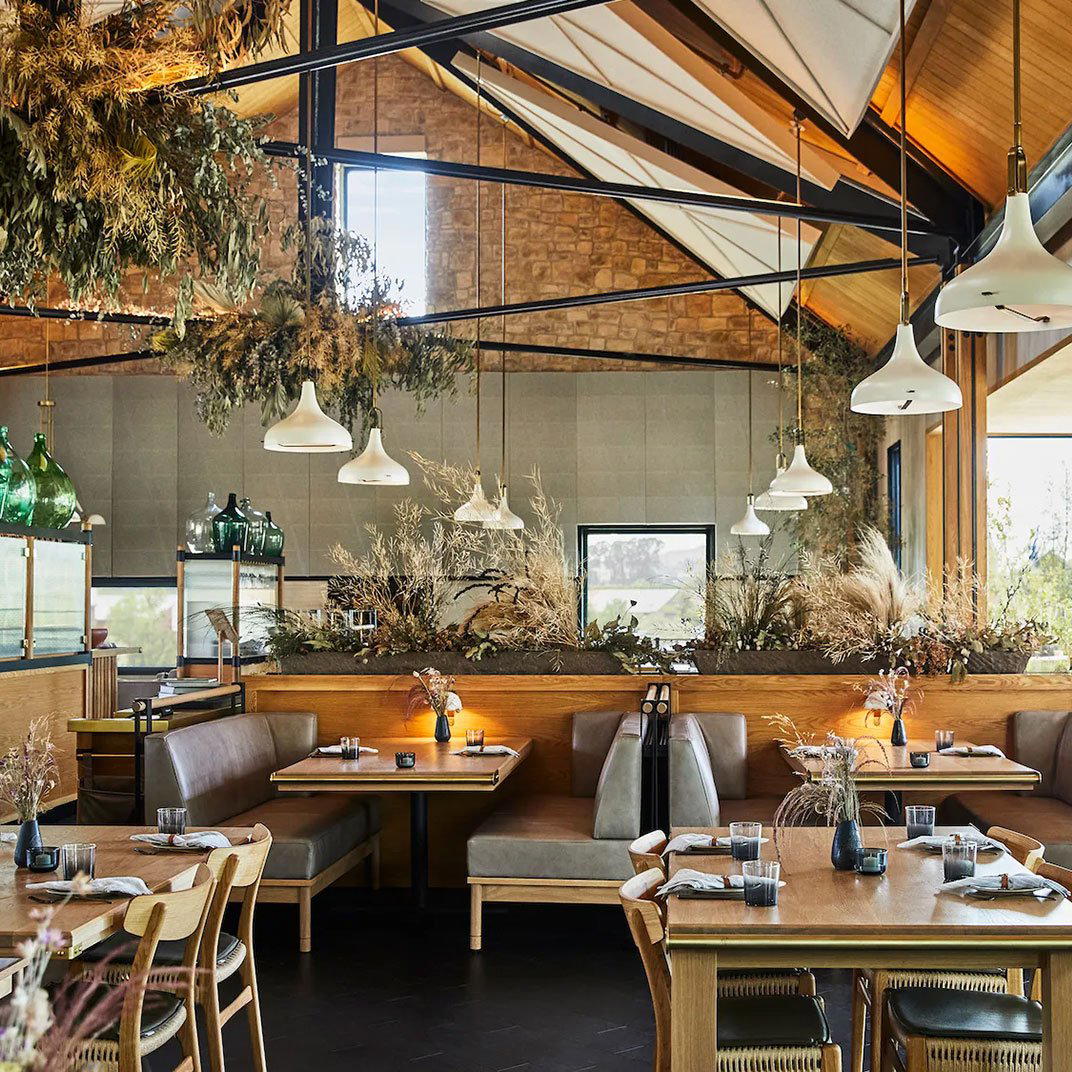
Restaurants in Napa
Browse all →
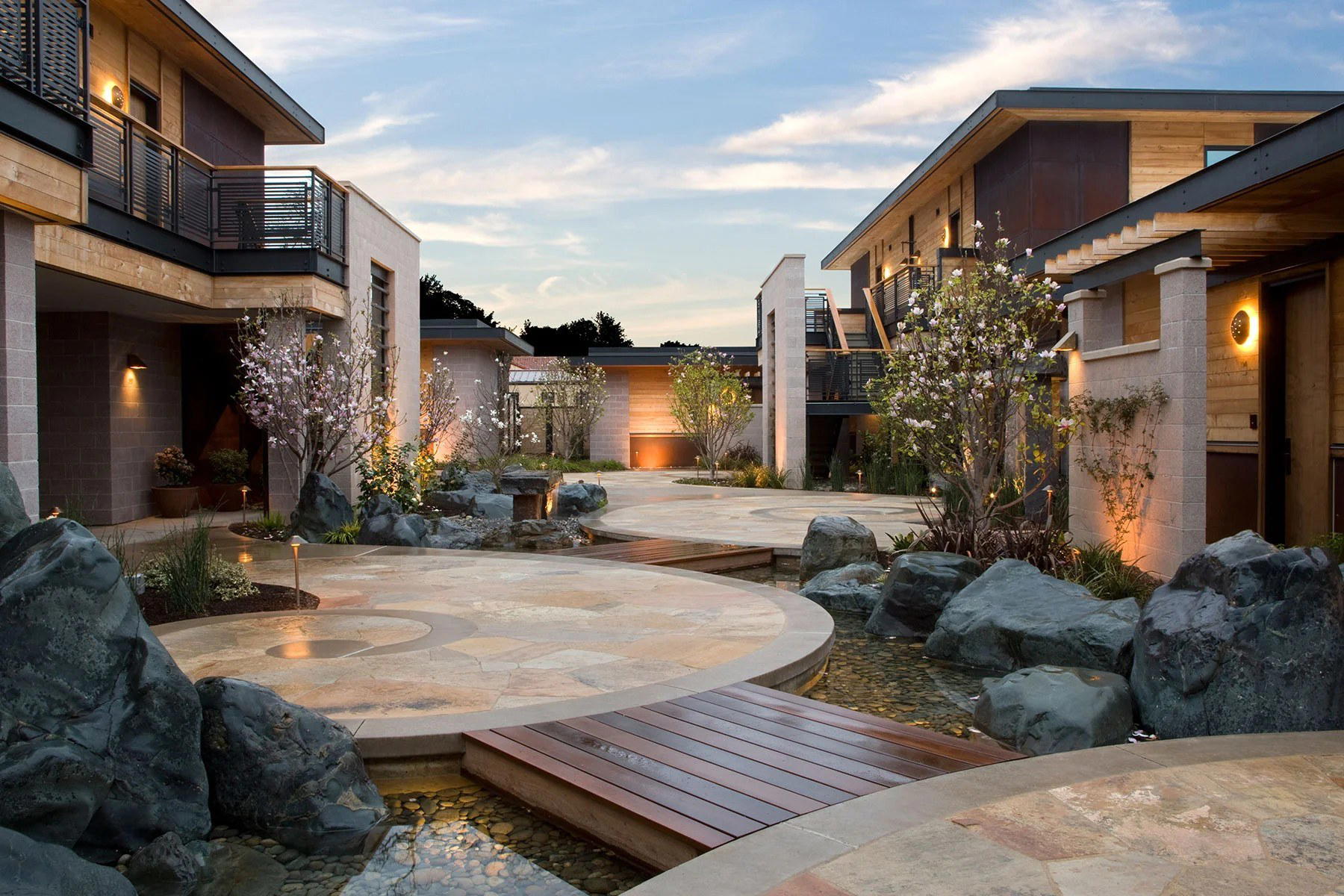
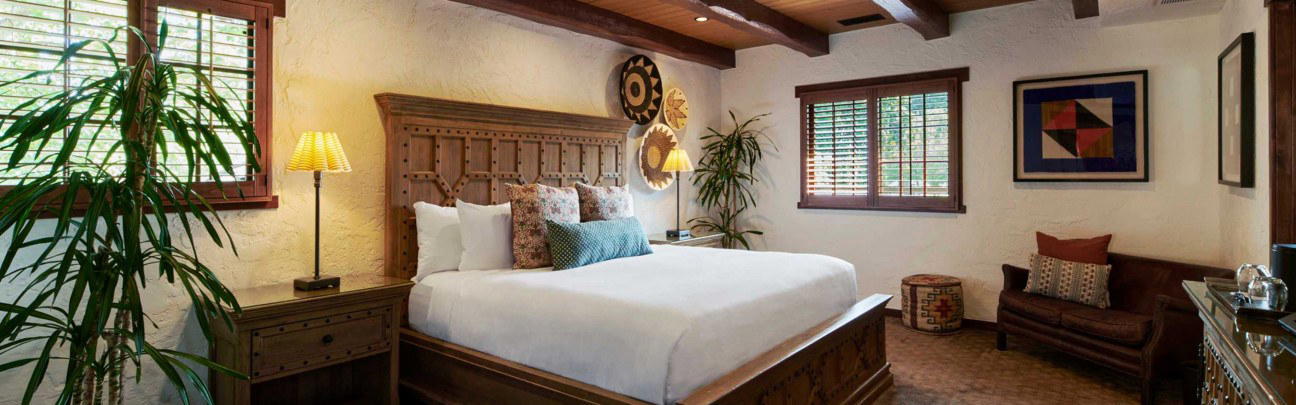
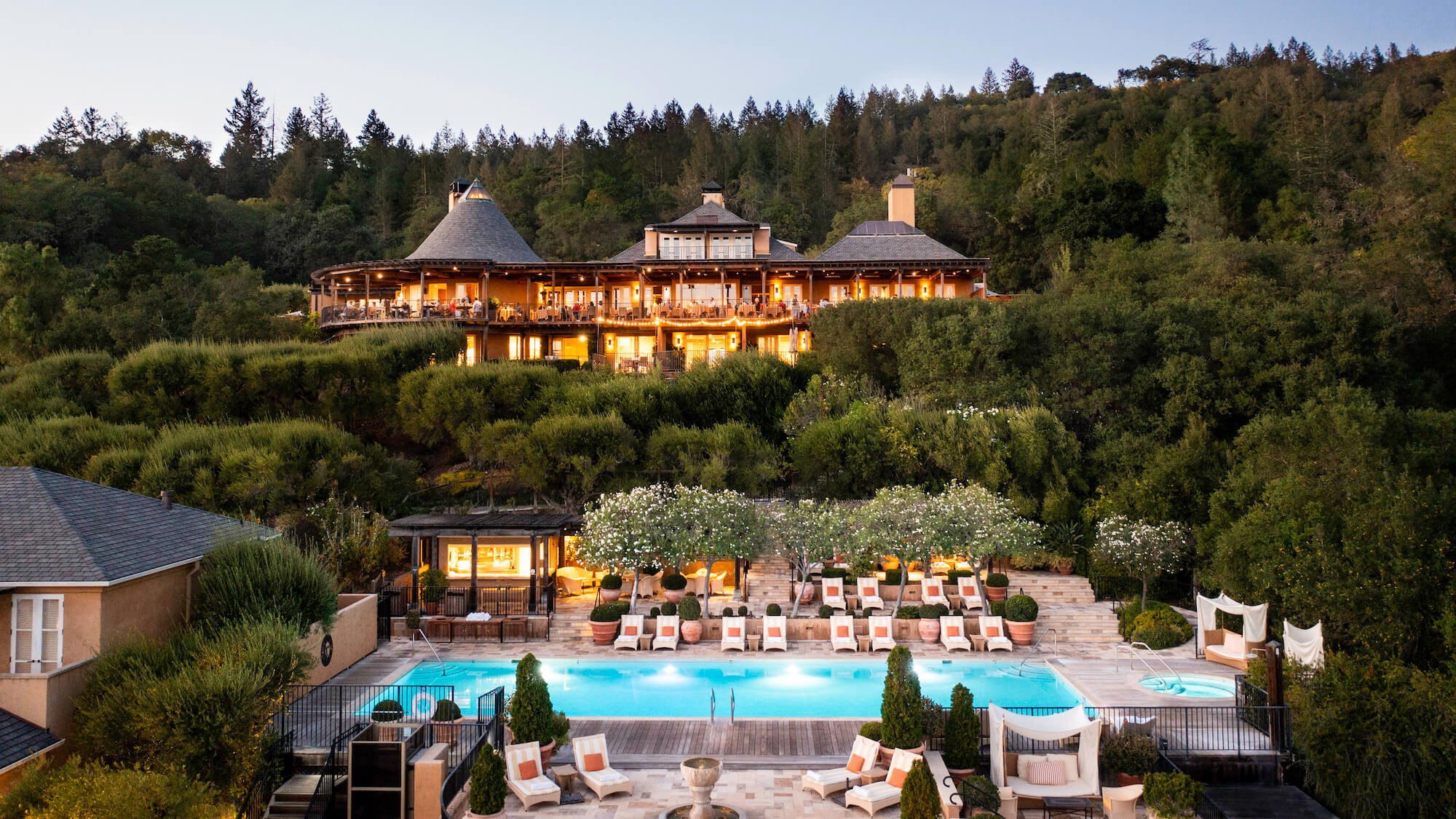
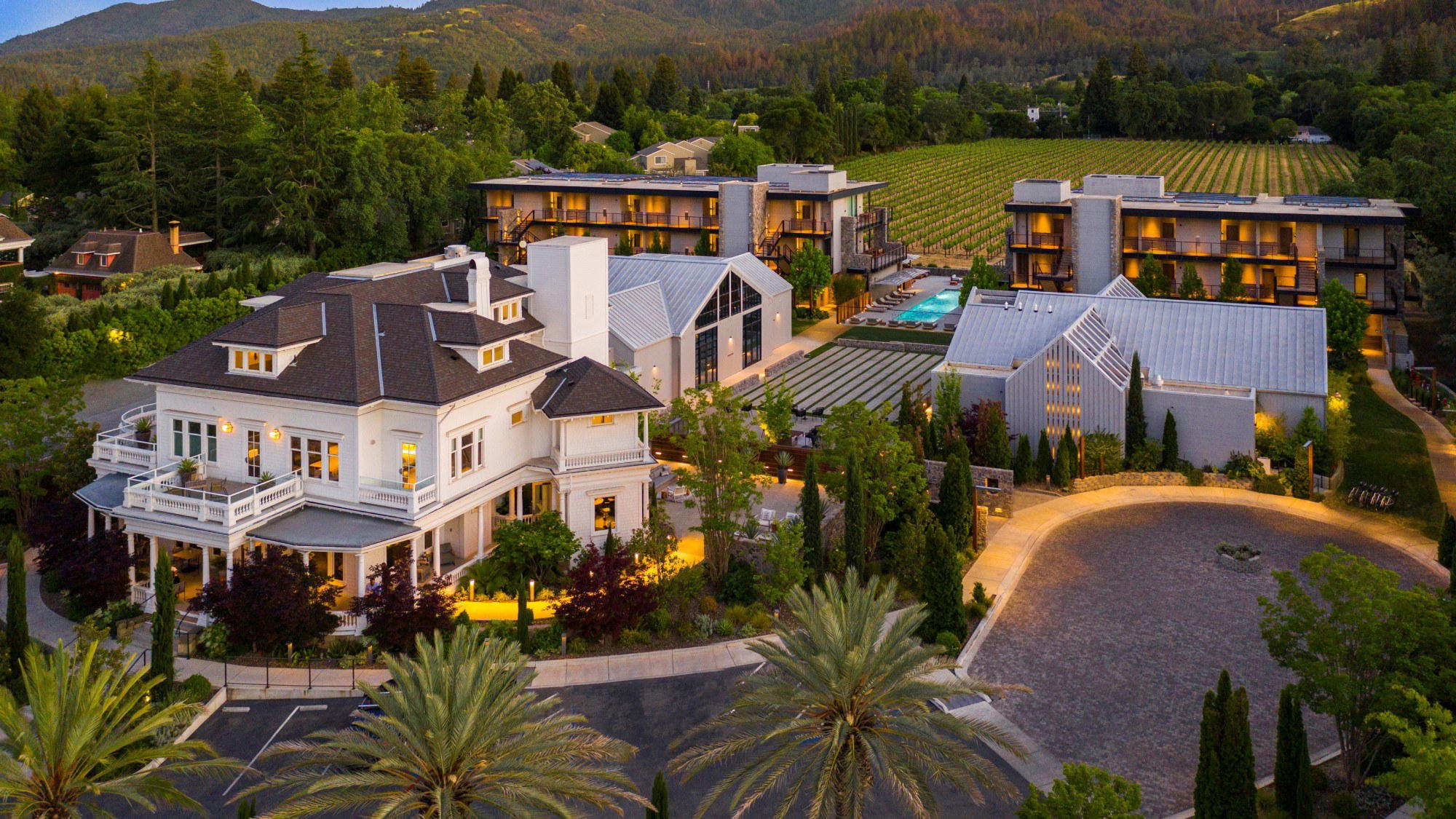
At a Glance
- Quiet
- Classic
- Elegant
- Sophisticated
- Well Known
- Special Occasion
- Wine Education
- Solo Exploration
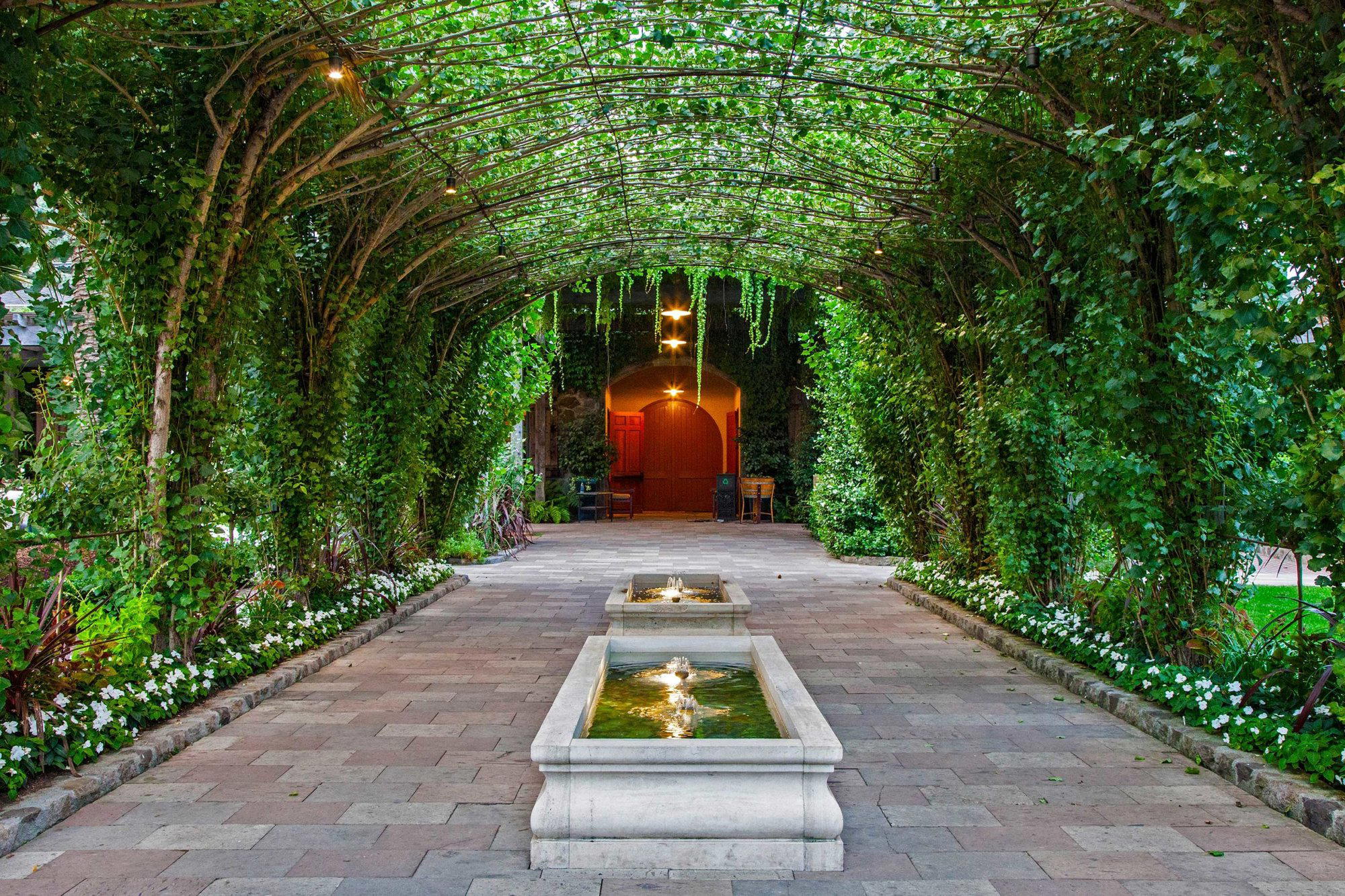
- Estate Grounds
- Historic Building
- Private Tasting
- Sustainable
- Mountain
- Vineyard
- Napa Valley AVA
- Cabernet Sauvignon
- Cabernet Franc
- Petit Verdot
- Still Red
- Private Tasting
Refined, structured, and terroir-driven, with a minimalist winemaking philosophy that emphasizes purity, freshness, and restrained intervention.