Thomas T. Thomas Vineyards
Thomas T. The property occupies a tier of Anderson Valley producers that prioritise precision over volume, making it a reference point for visitors tracing the valley's cooler-climate winemaking tradition.

Pearl is the En Primeur Club membership app — saves, bookings, and concierge access live there. Same editors, same standards.
- Address
- 7581 CA-128, Philo, CA 95466
- Phone
- (510) 375-8411
- Website
- thomastthomasvineyard.com
- Directions
- Get directions
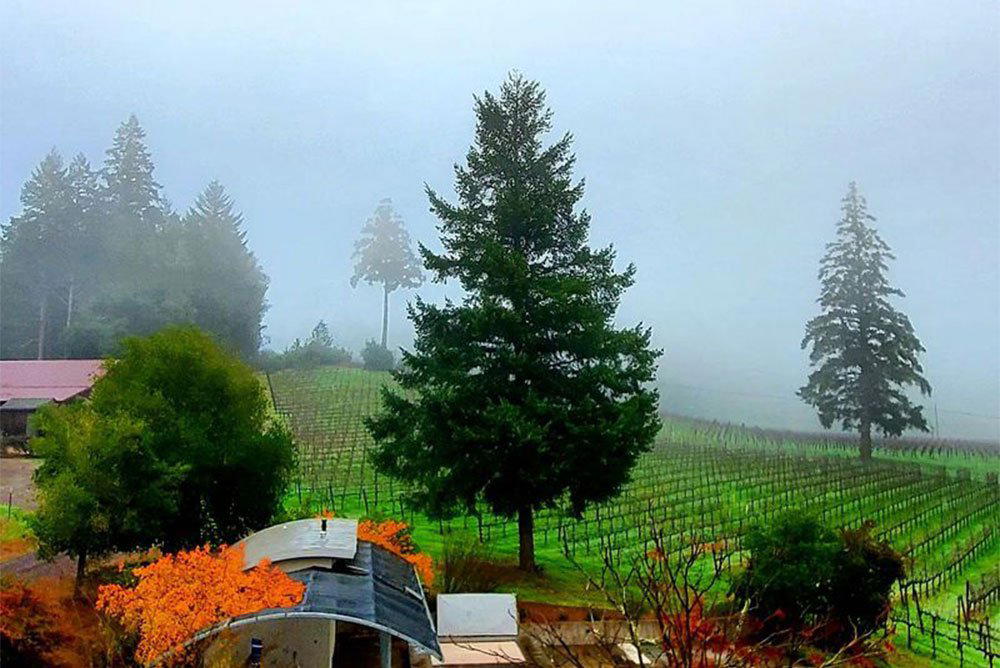
Anderson Valley's Quiet Ambition
The drive along CA-128 through Philo sets expectations before you arrive anywhere. The road narrows through second-growth redwood corridors, opens onto sheep pastures, and deposits you, unhurried, into one of California's most climatically argued wine corridors. Anderson Valley earns its reputation not through scale but through temperature differential: marine air funnels in from the Navarro River gap each afternoon, dropping summer highs well below what Napa or Sonoma floor vineyards experience. That thermal pattern is the single fact that explains why producers here have long positioned themselves in a different competitive conversation than the broader California mainstream. Thomas T. Thomas Vineyards, addressed at 7581 CA-128, sits directly inside that corridor, on the route that connects the valley's benchmark estates.
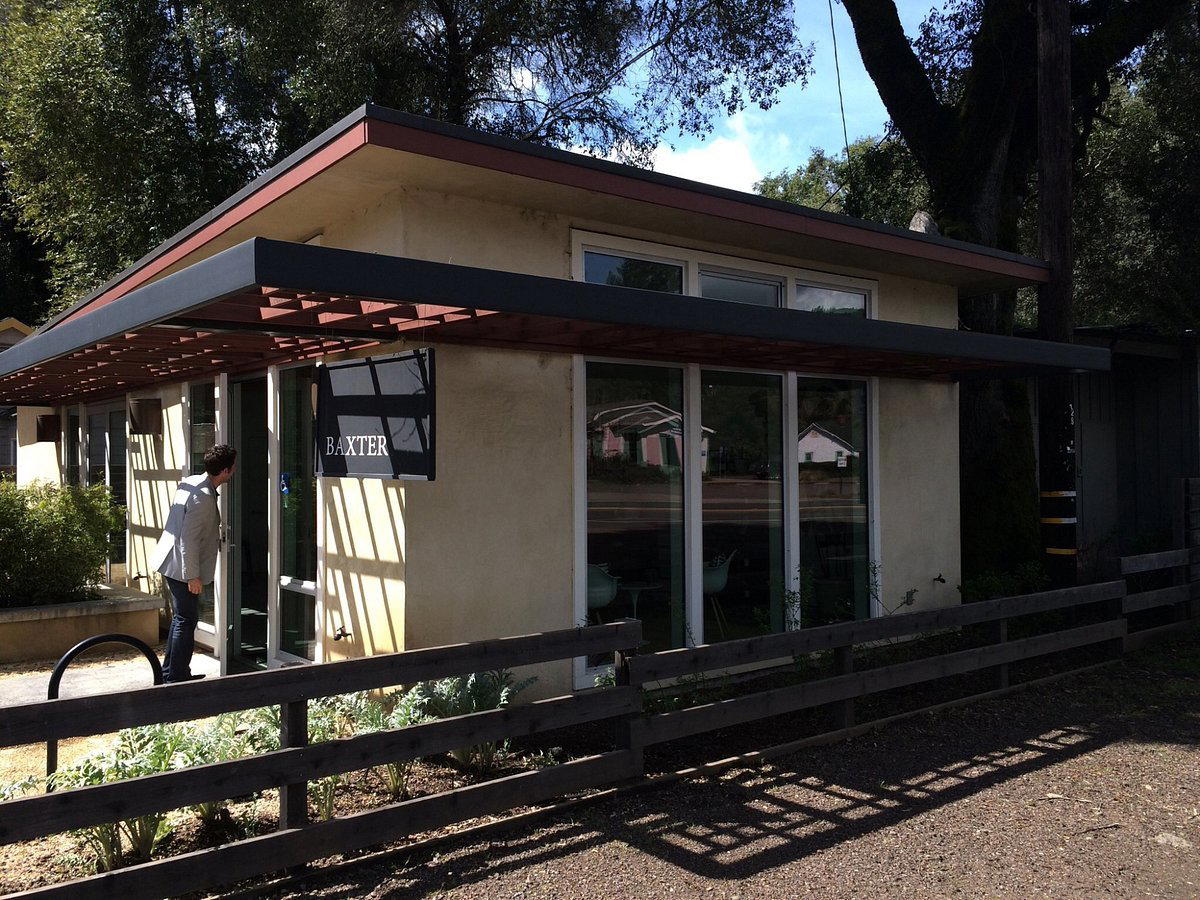
Philo itself clusters several of Anderson Valley's most closely watched addresses. Lazy Creek Vineyards, Baxter Winery, Brashley Vineyards, and Edmeades Winery all operate within the same stretch of highway, creating a tasting density unusual for a valley this size and this sparsely populated. The peer pressure is real: producers in this corridor are read against each other by the same critics and collectors who treat Anderson Valley as a single, coherent argument about what California can do outside its warmer appellations.
Thomas T. The Pearl tier, at two stars, functions as a marker of purposeful winemaking that has earned third-party recognition — it positions Thomas T. Thomas above entry-level discovery estates and inside the set of producers where a visiting collector would allocate meaningful time.
For Anderson Valley specifically, that tier matters because the valley's reputation has been built incrementally, estate by estate, rather than through a single flagship producer capable of carrying the appellation's name alone. Roederer Estate, one of the valley's most recognised addresses, occupies a different category as a sparkling wine house with international backing. The still-wine producers on CA-128, including Thomas T. Thomas, make the case for Anderson Valley on cooler-climate varietal terms rather than prestige branding.
Reading the Progression: How Anderson Valley Wines Build
The editorial angle that makes sense for a valley like this is sequencing rather than snapshot. Anderson Valley wines, at their leading, are structured around a longer arc than their counterparts from warmer California appellations. The cooler growing season extends hang time, which translates in the glass to wines that don't front-load fruit at the expense of everything else. Tasting through the valley's output in order of producer and vintage, rather than grape variety alone, reveals how the region's identity has sharpened over two decades.
Producers at the Thomas T. Thomas tier of recognition tend to sit in the middle of that arc: past the experimental phase that characterises newer Anderson Valley entrants, and still operating at a scale where individual vintage decisions carry weight. That's the structural position where careful tasters pay closest attention, because it's where site expression and winemaking philosophy are most legibly in conversation. Comparing the valley's approach to cooler-climate Pinot production against Adelsheim Vineyard in Newberg or the Rhône-inflected work at Alban Vineyards in Arroyo Grande demonstrates how much regional identity shapes the flavour proposition even before winemaking intervention enters the picture.
California's premium still-wine map has diversified considerably. Cabernet-focused houses in Napa, represented by addresses like Accendo Cellars in St. Helena or Alpha Omega Winery in Rutherford, operate in a gravity-heavy prestige market where scores and auction performance set the price ceiling. Anderson Valley producers work a different calculation, where cooler-climate credibility and limited production volumes create scarcity signals of a different kind. Further south, Adelaida Vineyards in Paso Robles and Andrew Murray Vineyards in Los Olivos demonstrate that California's coastal range supports multiple serious production philosophies. The Anderson Valley case, which Thomas T. Thomas represents, rests specifically on elevation, fog, and the thermal discipline that neither Paso nor the Sonoma coast fully replicates.
Placing Philo on a Broader Map
Visitors who approach Anderson Valley through a comparative framework — rather than treating it as a side trip from Napa or a single-afternoon stop, get more from the experience. The valley's logic becomes clearer when set against the Willamette Valley in Oregon, where Adelsheim and peers have made a comparable case for maritime-influenced Pinot over decades. It also sharpens when considered against international cooler-climate benchmarks: estates like Aberlour in Aberlour or Achaia Clauss in Patras operate in entirely different categories but illustrate how regional climatic identity, accumulated over generations, shapes what a place can credibly produce.
Within California, Alexander Valley Vineyards in Geyserville represents the warmer end of the Northern California spectrum, producing Cabernet and Zinfandel with the ripe weight that Anderson Valley deliberately avoids. That contrast is the cleanest way to explain what the Philo corridor is arguing for and why properties at the Thomas T. Thomas level of recognition represent a particular thesis about what California wine can be at its restraint-led margin.
Planning a Visit to Thomas T. Thomas Vineyards
Thomas T. Thomas Vineyards sits at 7581 CA-128 in Philo, California 95466. The property is part of the CA-128 wine corridor that runs through the Anderson Valley appellation, making it logistically sensible to sequence visits with neighbouring estates during the same day. Our full Philo restaurants and winery guide covers the broader valley in detail, including how to structure a multi-stop itinerary along the highway. The valley's tasting rooms tend to be most accessible in late spring and through harvest, with the quieter off-season months offering a different, less curated experience of the working property.
Cost Snapshot
Comparable venues nearby, for context on price, style, and recognition.
| Venue | Cuisine | Price | Awards |
|---|---|---|---|
| Thomas T. Thomas VineyardsThis venue — the venue you are viewing | Philo, Pinot Noir, Chardonnay | $30–50 | Not listed |
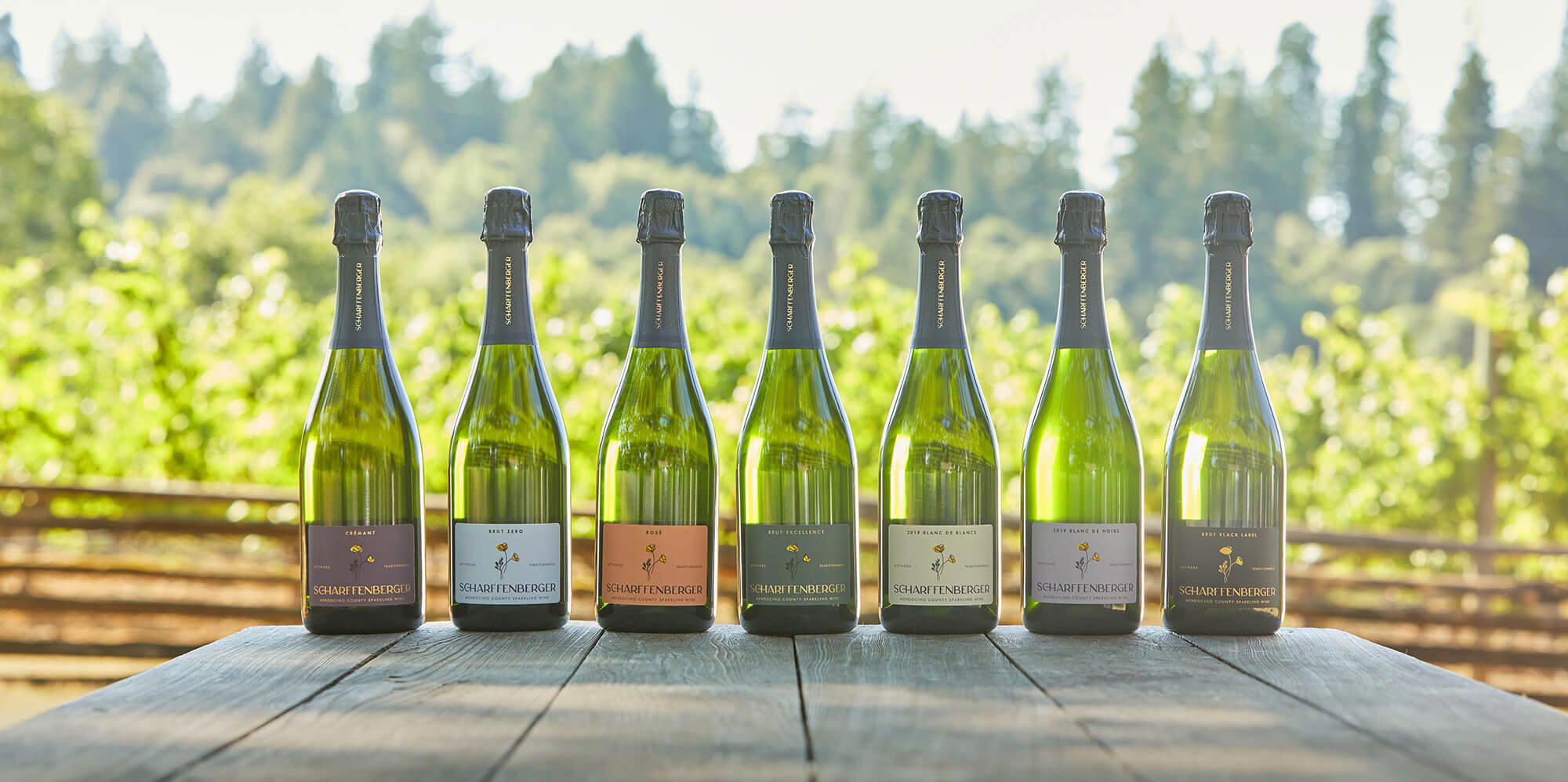
| Scharffenberger Cellars | Anderson Valley, Chardonnay, Pinot Noir | $20–30 | Falstaff Winery - Listed |
| Lula Cellars | Philo, Pinot Noir, Chardonnay | Not listed | Not listed |
| Claudia Springs Winery | Winery | Not listed | Not listed |
| Londer Vineyards | Winery | Not listed | Not listed |
| Goldeneye Winery | Philo, Pinot Noir | $20–30 | Falstaff Winery - Listed |

Details
- Intimate
- Rustic
- Quiet
- Solo Exploration
- Special Occasion
- Romantic Getaway
- Private Tasting
- Vineyard Tour
- Design Destination
- Sustainable
- Vineyard
- Pinot Noir
- Chardonnay
- Alsatian Varieties
- Still Red
- Still White
- Appointment Tasting
- Winemaker Tasting
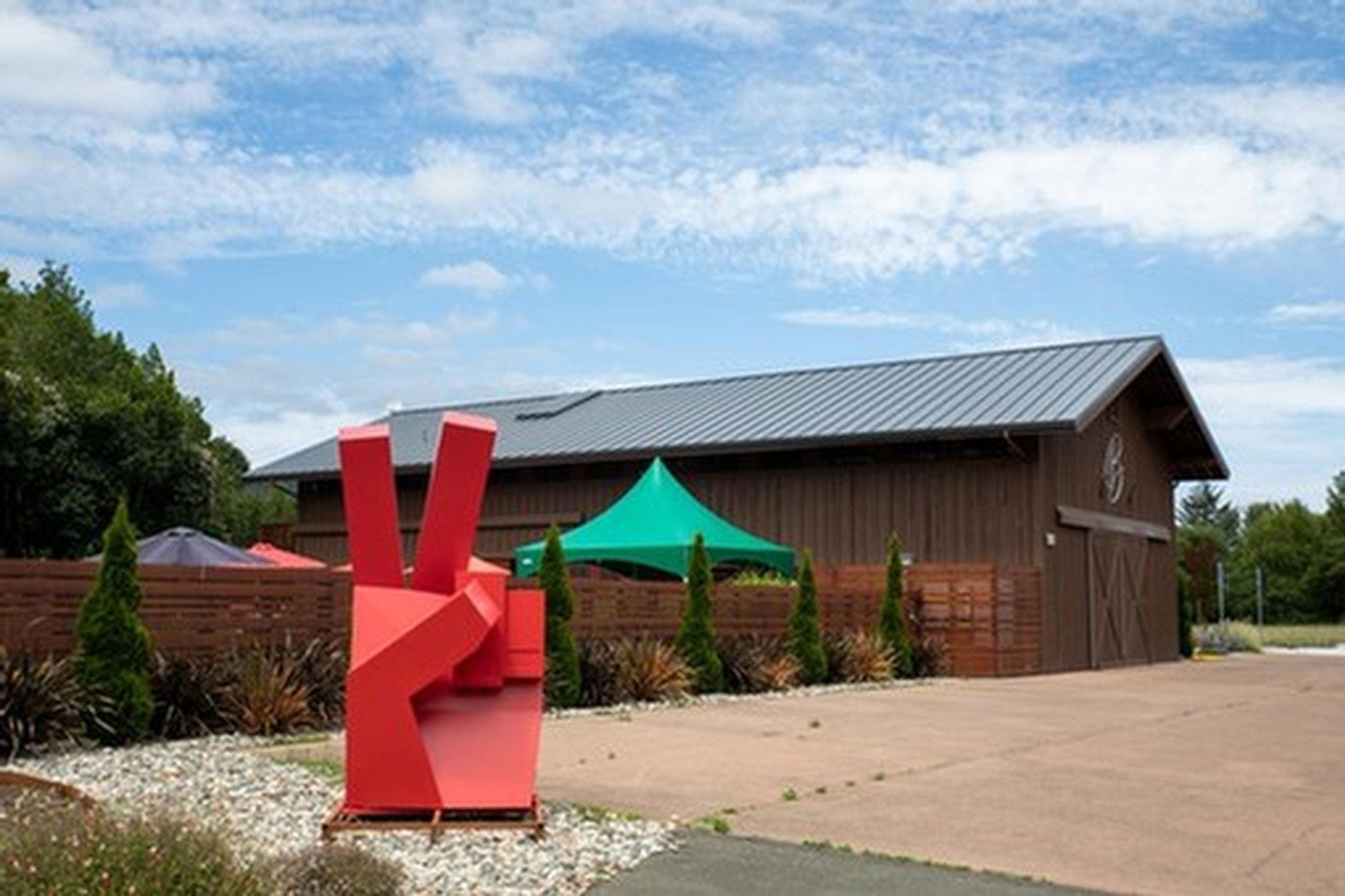
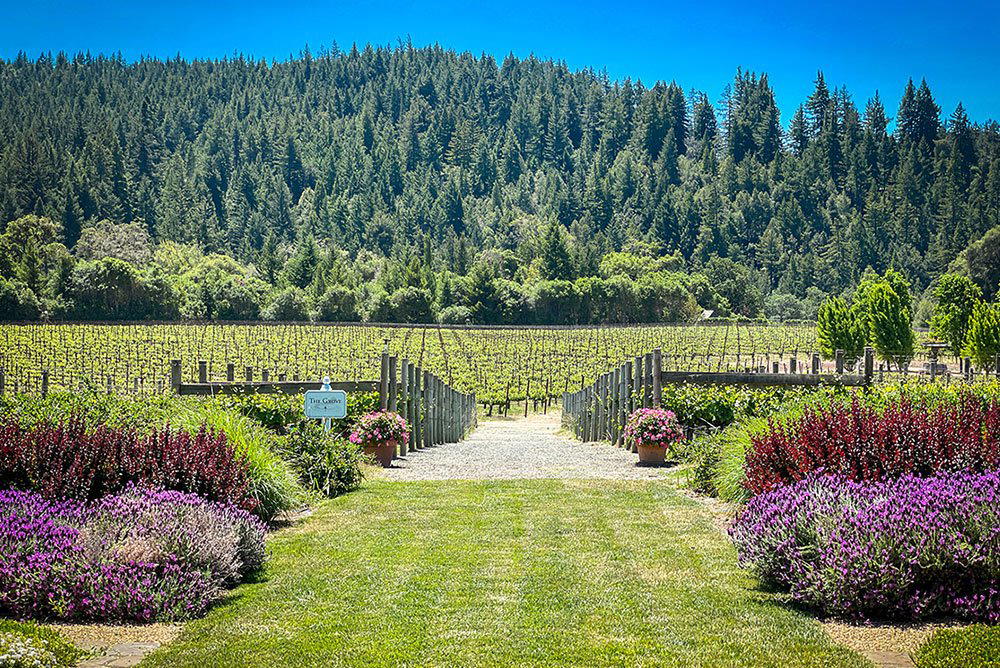
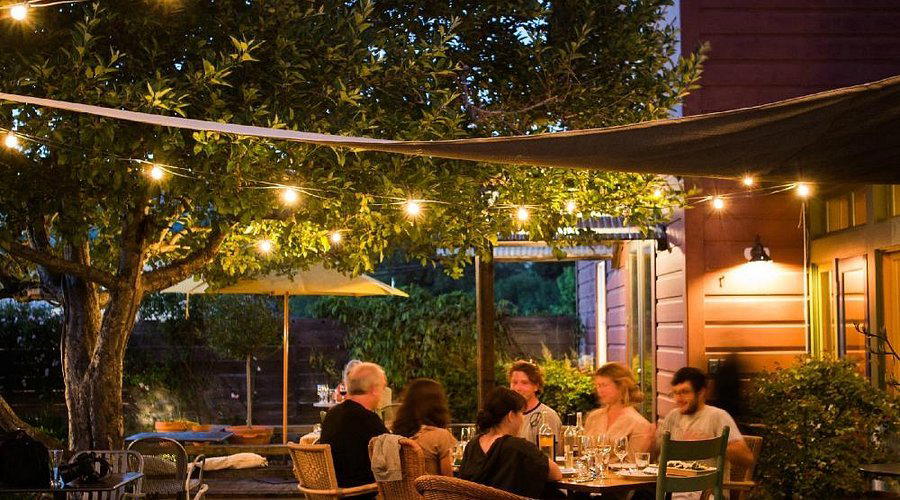
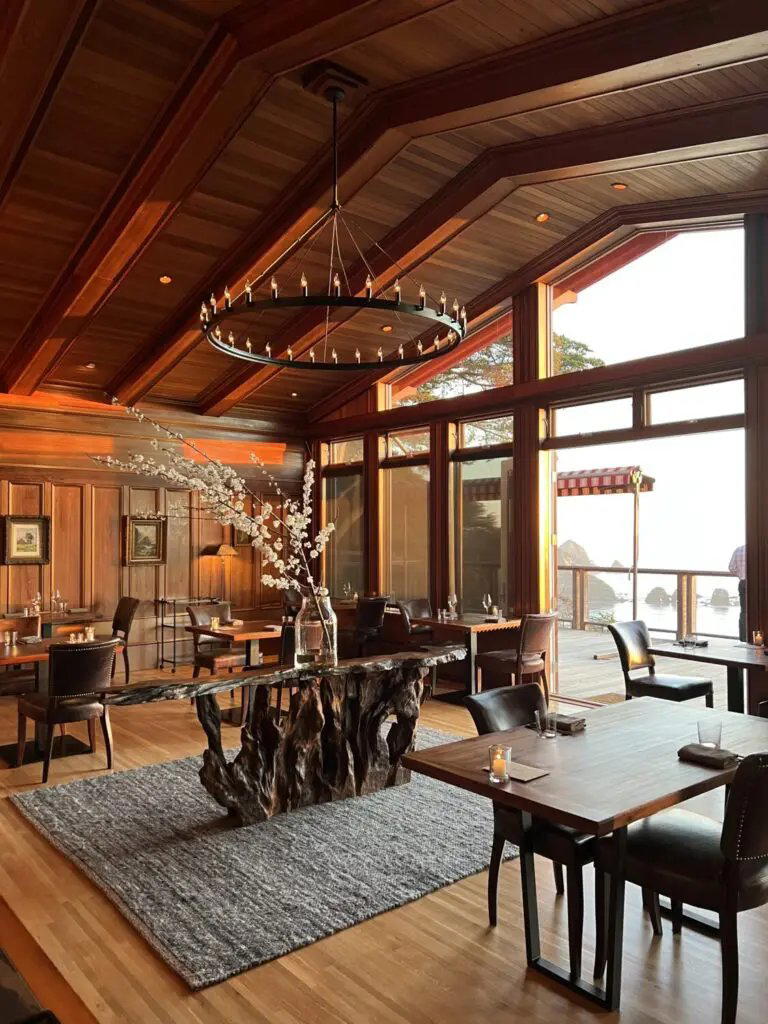
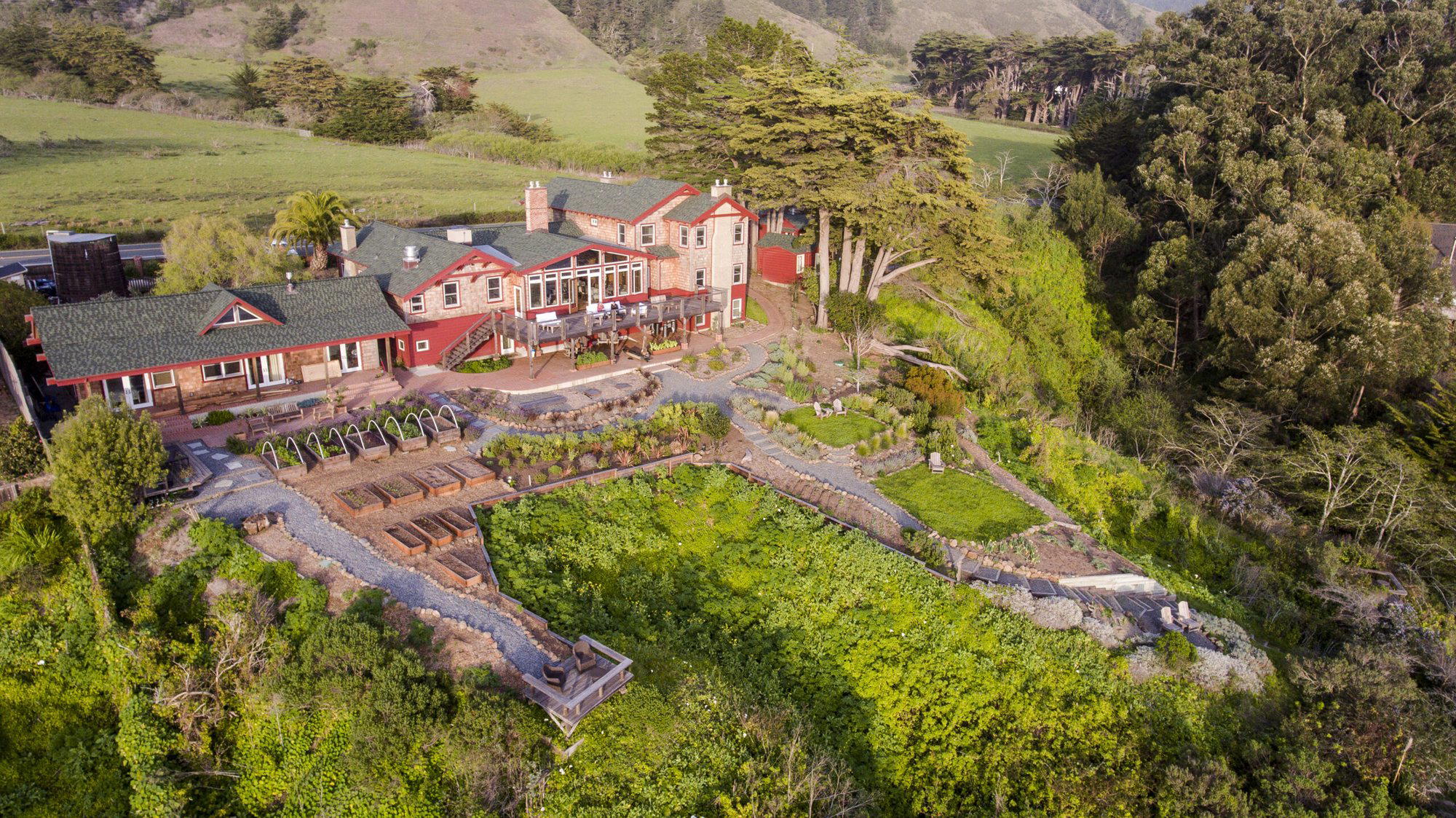
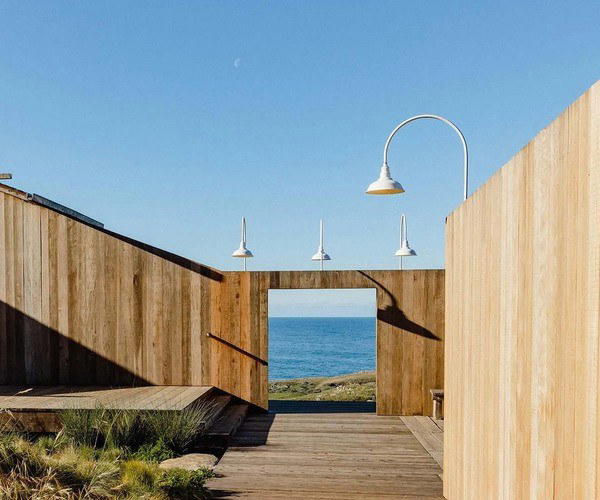
Art-filled, intimate tasting-room atmosphere with a boutique, family-run feel and a strong connection to the surrounding estate vineyards.