Theos Wein und Gut

Theos Wein und Gut reads as a young Rheinhessen estate shaped by ecological conversion, PIWI grapes, and a hillside Wintersheim setting rather than inherited prestige. Its interest lies in how Calardis Blanc, Muscaris, Sauvignier Gris, Sauvignac, and classic regional varieties translate red slate, loess loam, and calcareous marl into a broad still and sparkling range.
Pearl is the En Primeur Club membership app — saves, bookings, and concierge access live there. Same editors, same standards.
- Address
- Wintersheim, Rhine Hesse, Rhineland-Palatinate, Deutschland
- Directions
- Get directions
 Saves & bookings on Pearl
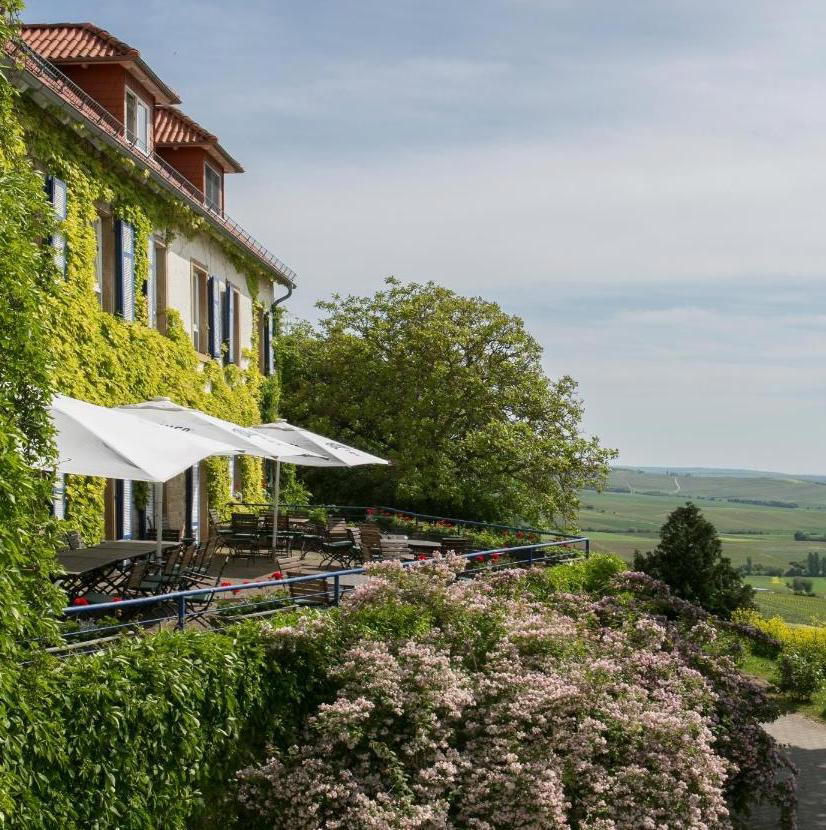
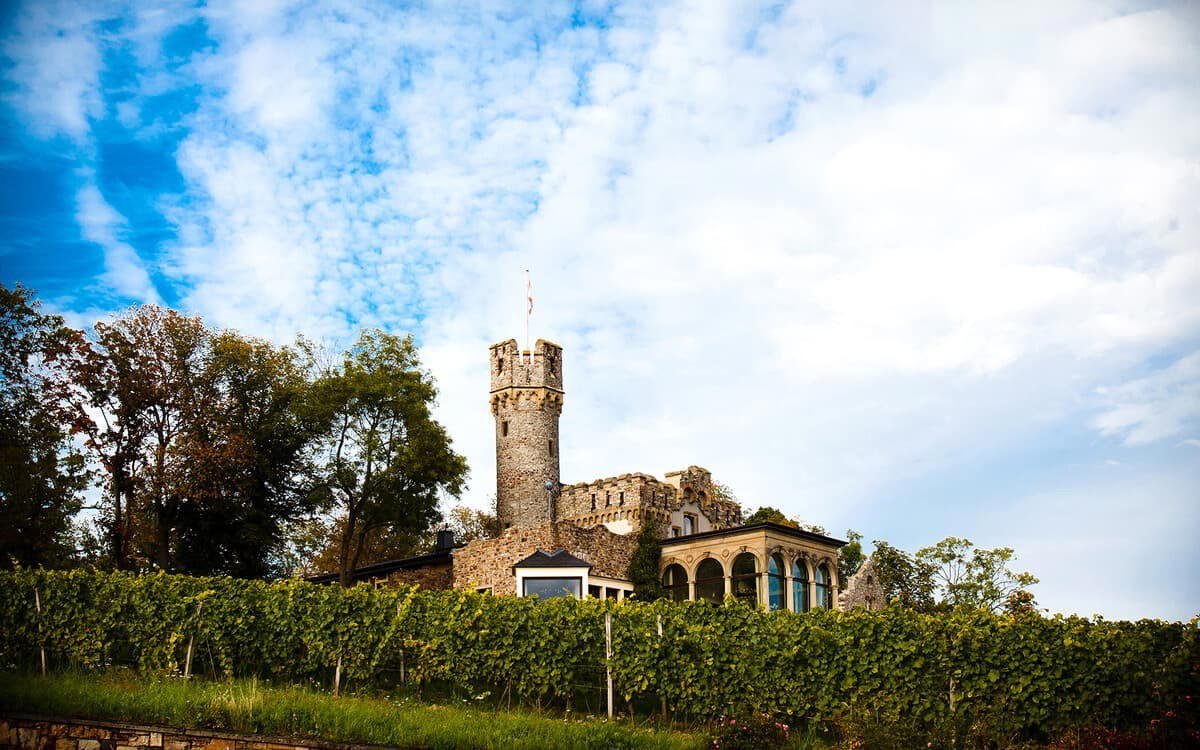
Approaching Wintersheim, the frame is agricultural before polished: low hills, vineyard rows, small-village rhythm, and the practical quiet of Rheinhessen farming. That setting matters for Theos Wein und Gut because the picture is not one of luxury theatre or a heavily documented restaurant-style operation. It is a young, modern Rheinhessen winery in an estate setting in the hills around Wintersheim, with a quiet, rustic, scenic character that reads more like a than a large hospitality production.
The key point is the estate’s focus on resilient PIWI grape varieties and its ecological transition. That is enough to place Theos Wein und Gut within one of the more contemporary conversations in German wine: how producers in established regions respond to changing vineyard pressures while still presenting a local, agricultural identity. Rather than building the page around bottle lists, founders, scores, awards, or service formats, the safer reading is simpler and more useful: this is a Wintersheim winery whose public identity is tied to PIWI varieties, ecological change, and a rural estate atmosphere.
PIWI focus gives the estate a contemporary Rheinhessen argument
PIWI varieties are best understood here as the center of the story, not as a decorative detail. The ground truth supports a focus on resilient PIWI grape varieties, so a reliable way to read Theos Wein und Gut is through the lens of adaptation. In wine tourism, PIWI grapes can sometimes be treated as a novelty category. At this estate, the emphasis suggests something more structural: a young winery using resilient varieties as part of its ecological transition.
That makes the Wintersheim setting important. Rheinhessen is a broad, agriculturally active wine region, and the hills around Wintersheim give the estate a scenic rural context. The grounded appeal is the combination of place and direction: a modern winery, in a quiet village setting, working with PIWI resilience and ecological change.
The language around “ecological transition” should also be kept precise. It does not, on the record supplied here, authorize claims about certification status, exact farming protocols, or particular production methods. What it does support is a careful description of the estate as moving through an ecological transition and placing resilient grape varieties at the center of its identity. For readers who care about sustainability but also care about accuracy, that distinction matters.
A winery profile defined by setting rather than prestige claims
The strongest confirmed qualities of the winery are atmospheric and agricultural. It is young, modern, quiet, rustic, scenic, and set in the hills around Wintersheim. Those are not minor details; for many wine travelers, they are the reason to seek out a rural producer rather than a more polished urban tasting room. The pleasure is in the sense of being close to the place where the wine is made, with the surrounding landscape doing part of the interpretive work.
What should be avoided is overstating the public record. It also does not verify lunch service, dinner service, food menus, allergy accommodations, delivery, take-out, or a full drinks program beyond the winery identity itself. A responsible guide should therefore keep the emphasis on what is known: the winery is a low-key Rheinhessen winery in Wintersheim with an ecological direction and a PIWI focus.
Price is listed as $, which positions the venue on the accessible end of the guide’s price scale. The cleanest practical expectation is that winery is presented as a modestly priced winery entry rather than a luxury destination.
The rustic, hidden-gem character is also important to frame honestly. “” does not mean secret, exclusive, appointment-only, or hard to access unless those details. Here it should be read as a tone marker: quiet, scenic, and less showy than larger or more commercialized wine destinations. That is a compelling hook on its own, and it does not require unsupported embellishment.
How to read Wintersheim through this estate
Wintersheim is not best understood here as a city tasting-room proposition. The winery’s appeal is rural and estate-based: a young winery in the hills, connected to ecological transition and resilient PIWI varieties. For travelers, that makes it a useful stop for understanding a quieter side of Rheinhessen, where the landscape and agricultural choices matter as much as hospitality gloss.
Because the comparison set does not support naming other specific venues, the local context is best described generally. Visitors can treat the winery as one Wintersheim winery to consider alongside other dining or wine-related options in the area, while keeping expectations grounded. The confirmed story is not about a broad local scene, a ranked list, or a mapped itinerary of named peers. It is about one young, modern estate and the way its PIWI focus reflects a contemporary direction in Rheinhessen wine.
For EP Club readers, the reason to keep the winery on the radar is precisely that it does not need a manufactured prestige narrative. Its identity is coherent: low-priced, quiet, rustic, scenic, set in the hills around Wintersheim, and oriented toward ecological transition through resilient PIWI grape varieties. That is a concise but meaningful profile, especially for travelers who prefer agricultural atmosphere and emerging wine questions to heavily staged hospitality.
Recognition history
Dated appearances from independent guides and award organizations, with the underlying list record or original source where available.
Falstaff Winery - Listed
Falstaff
Continue exploring
More in Wintersheim
Wineries in Wintersheim
Browse all →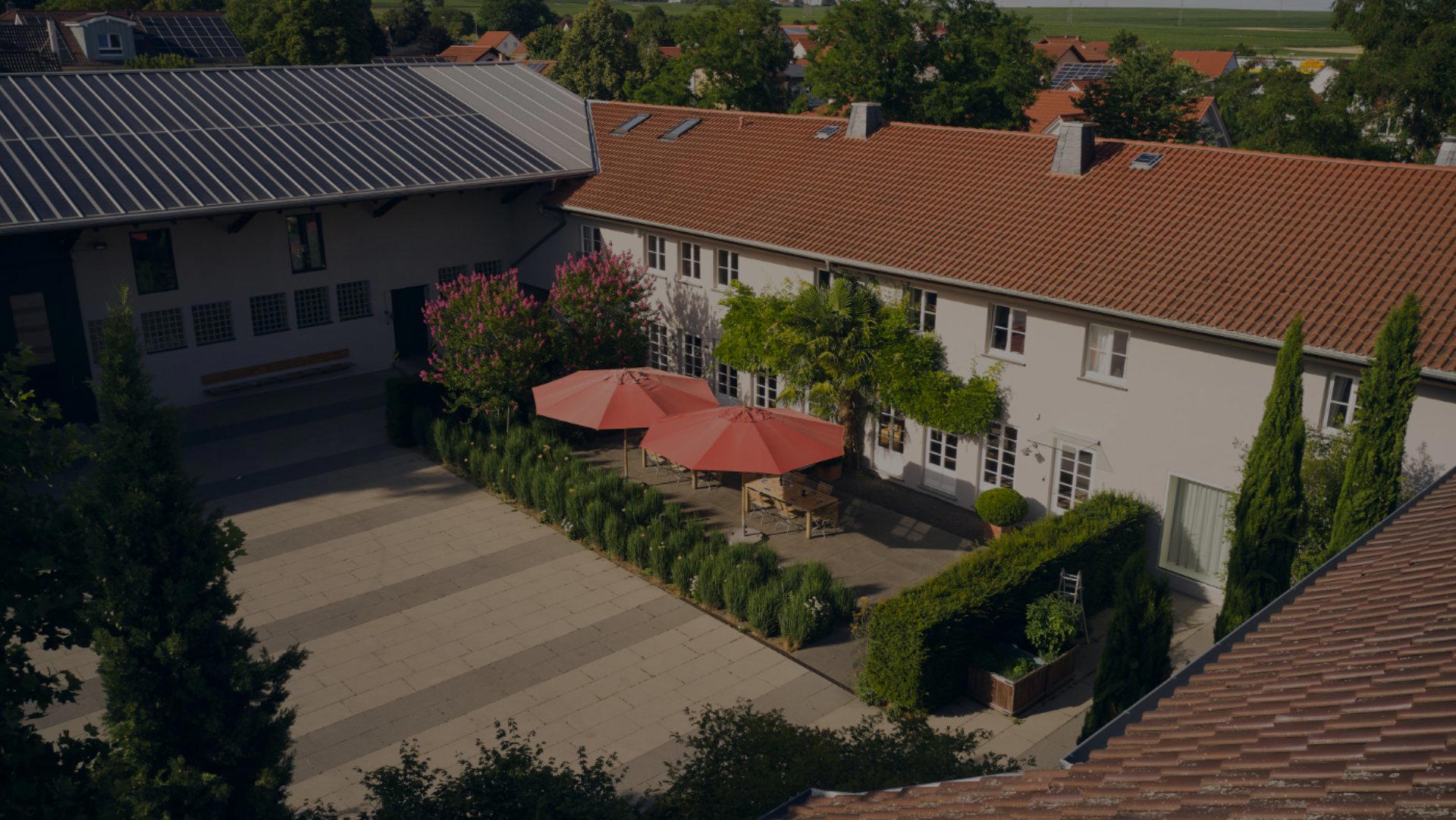
Bars in Wintersheim
Browse all →
Restaurants in Wintersheim
Browse all →


At a Glance
- Quiet
- Rustic
- Scenic
- Solo Exploration
- Wine Education
- Special Occasion
- Estate Grounds
- Private Tasting
- Organic
- Sustainable
- Vineyard
- Nierstein
- Calardis Blanc
- Muscaris
- Sauvignac
- Riesling
- Grauburgunder
- Chardonnay
- Still White
- Still Red
- Sparkling
- Tasting
A young, modern Rheinhessen winery with an ecological transition, a focus on resilient PIWI grape varieties, and an estate setting in the hills around Wintersheim.