
Falstaff Winery - Listed
Schodl Weine is a fifth-generation family winery in Poysdorf, working firmly in the Weinviertel register: Grüner Veltliner, Welschriesling, Zweigelt and frizzante rather than prestige theatre. The interest is in how a small cellar-door address uses regional typicity, family continuity and playful bottlings to make Lower Austrian wine feel direct, local and unfussy.

Pearl is the En Primeur Club membership app — saves, bookings, and concierge access live there. Same editors, same standards.
- Address
- Poysdorf, Weinviertel, Lower Austria, Österreich

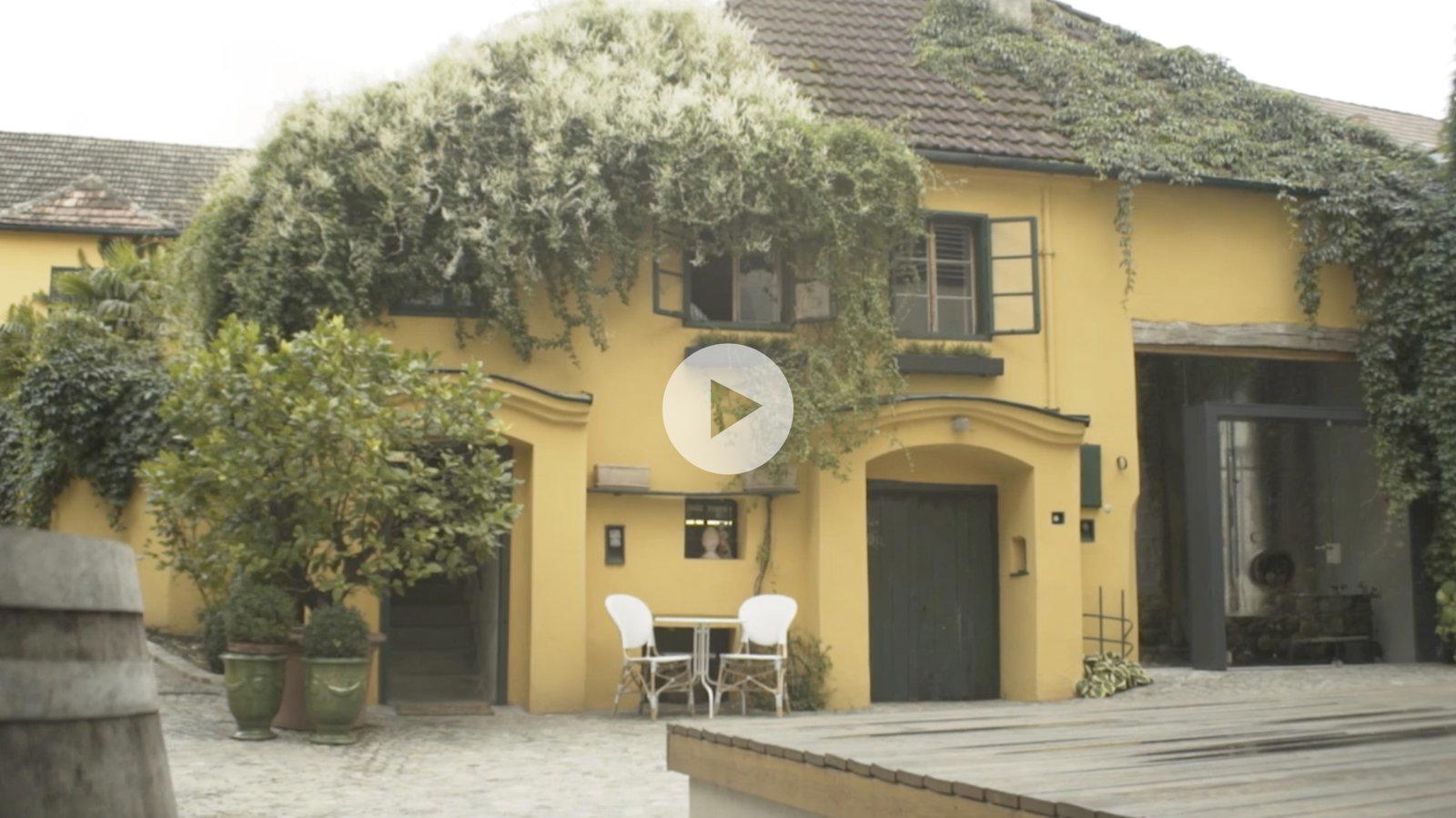
Schodl Weine in Poysdorf is best approached through the few details that are actually available: a traditional family-winery atmosphere, a classic and rustic feel, hidden-gem character, and a strong emphasis on heritage, craftsmanship, and wines that can move between classic and more experimental expressions. For readers planning around Poysdorf, that is the safest frame: a heritage-minded wine stop whose appeal rests on atmosphere and craft rather than on claims about awards, service formats, or a detailed bottle list. In practical terms, the venue is best understood less as a fully mapped destination with every detail confirmed, and more as a character-led stop where the setting, the sense of continuity, and the winemaking identity do most of the work.
A classic, rustic Poysdorf wine address
The most grounded way to describe Schodl Weine is as a Poysdorf venue with a traditional family-winery feel. Its character is not presented through confirmed rankings, named dishes, a specific menu format, or a documented hospitality setup. Instead, the useful facts are atmospheric: classic, rustic, and somewhat hidden-gem in tone, with heritage and craftsmanship at the centre of the experience. That makes the address easier to place for travellers who are looking for a wine stop with local texture rather than a venue defined by formal accolades or highly specific promises.
The information supports a simple expectation: a place shaped by family-winery atmosphere and by a mix of classic and experimental wines. That combination gives the venue a clear editorial outline without requiring more detail than is confirmed. It suggests a wine identity with roots in tradition, but not one described as static or narrowly conventional.
The reliable editorial reading is narrower but cleaner: Schodl Weine is a rustic Poysdorf wine venue where heritage and craft are the main reasons to pay attention. Readers should therefore use the page as a guide to the venue’s broad character, not as a substitute for a full technical wine profile or a confirmed visitor-service brief.
Heritage, craftsmanship, and a classic-meets-experimental wine identity
The strongest theme is the venue’s emphasis on heritage and craftsmanship. Its identity is grounded in continuity of feel: traditional, family-winery atmosphere, rustic presentation, and a sense that the wines sit between familiar classic styles and more experimental work. Those elements matter because they point to a venue where the story is not only about what is poured, but also about the manner in which the place presents itself: rooted, hands-on, and connected to a local wine context.
That balance is important. “Classic” suggests a venue comfortable with established wine traditions, while “experimental” suggests some room for variation and curiosity. Without details on specific varieties, labels, vintages, awards, or cellar practices, the page should not turn that into a technical profile. The confirmed point is broader: Schodl Weine is a Poysdorf address where craft and heritage are part of the appeal, and where the wine identity is not limited to a single conservative lane. For many visitors, that is enough to shape expectations: the draw is the possibility of encountering both recognisable wine-world comfort and a more exploratory edge, while still staying within the modest claims supported by the available information.
Pricing is listed as $, which is one of the few concrete planning details confirmed for the venue. Beyond that, visitors should treat the experience as a low-key Poysdorf wine stop rather than rely on assumptions about reservations, tasting structure, lunch service, food, delivery, or other hospitality details. The price marker helps set a general tone, but it should not be read as a guarantee of any particular format, offering, or level of service.
How to place it in a Poysdorf wine day
Schodl Weine makes the most sense as part of a Poysdorf plan built around local wine atmosphere and a preference for classic, rustic venues. It is not necessary to frame the visit through rankings or invented specialities. The useful expectation is simpler: a hidden-gem-feeling winery address with a heritage-minded character and a mix of classic and experimental wines. In that context, it can sit comfortably in an itinerary focused on mood, place, and craft, rather than one built only around highly documented restaurant-style details.
If comparing options in Poysdorf, keep the comparison general unless another venue has separately confirmed details. Schodl Weine’s clearest role is as a traditional, craft-oriented wine stop in the city, especially for travellers who value atmosphere and local character over hospitality claims. The venue’s appeal is best described through the language already supported: family-winery feel, rustic charm, hidden-gem quality, and a wine identity that leaves room for both classic and experimental expressions.
For wider planning, Schodl Weine should be understood on its own terms: a Poysdorf venue with rustic charm, $ pricing, and a family-winery atmosphere. That framing keeps the recommendation useful and accurate, while still recognising why the address may stand out to readers seeking a quieter, heritage-led wine experience.
Recognition history
Dated appearances from independent guides and award organizations, with the underlying list record or original source where available.
Falstaff Winery - Listed
Falstaff
Continue exploring
More in Poysdorf
Details
- Classic
- Rustic
- Wine Education
- Group Outing
- Solo Exploration
- Street Scene
- Grüner Veltliner
- Welschriesling
- Zweigelt
- Riesling
- Gelber Muskateller
- Still White
- Still Rosé
- Still Red
- Sparkling
- Wine Tasting
- Bottle Sales
Traditional family winery atmosphere with a strong emphasis on heritage, craftsmanship, and a mix of classic and experimental wines.