
Falstaff Winery - Listed
Sandro Fay is a family-run Valtellina estate in Teglio, built around terraced mountain viticulture rather than polished cellar-door theatre. Its 15 hectares sit between roughly 350 and 900 meters, with Chiavennasca, the local name for Nebbiolo, carrying the estate’s clearest argument for Valgella as a serious high-altitude wine zone.

Pearl is the En Primeur Club membership app — saves, bookings, and concierge access live there. Same editors, same standards.
- Address
- Teglio, Lombardia, Italien
- Directions
- Get directions

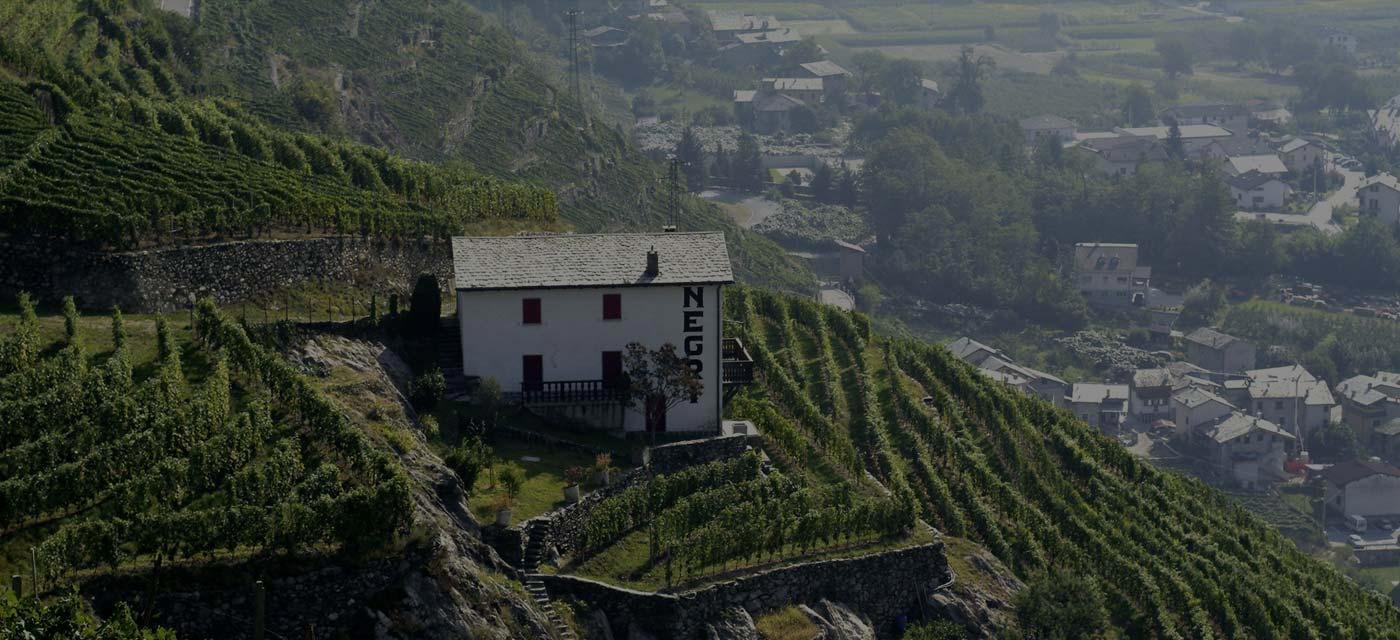
Approaching Sandro Fay through Teglio means paying attention to the landscape first. Before any judgment about service style or visitor format, the defining impression is the terrain around it. The picture is of a rustic mountain-winery setting: steep terraced slopes, stone-and-soil terrain, and the atmosphere of a working family estate rather than a polished hospitality venue. In that sense, the place is best understood visually and geographically, with the surrounding mountain agriculture doing much of the work of explanation.
For readers mapping the broader town, use Sandro Fay as a quiet, scenic reference point within Teglio and compare it with other local dining and travel options generically. The main confirmed reason to pay attention here is the setting: a hidden-feeling estate shaped by slope, terrace, and mountain agriculture. It reads less like a venue that needs to announce itself and more like a place whose appeal comes from being embedded in the landscape. That makes it useful for travelers trying to understand the slower, more rural side of Teglio.
Terraced slopes make the setting the central argument
Sandro Fay is best described through its terrain. The details point to a rustic, terraced mountain-winery atmosphere centered on steep slopes, stone-and-soil terroir, and a working family estate. That makes the place feel classic and quiet rather than showy. The terraces matter because they give the setting its structure: the estate is not simply located near mountain scenery, but be shaped by it, with the slope and the cultivated ground forming the strongest part of the experience.
What can be said with confidence is that the estate’s identity is closely tied to Teglio’s mountain landscape and the visual drama of terraced ground. The emphasis should stay there. Stone, soil, incline, and the sense of careful use of the land are the dependable cues. Together, they create a setting that feels grounded and unforced, with a kind of understated drama that comes from the site rather than from decoration or spectacle.
That makes Sandro Fay a useful stop for visitors who value atmosphere and setting as much as formal hospitality. The appeal is not framed around luxury service or a trophy list, but around the sense of a working estate embedded in steep mountain terrain. Visitors who enjoy reading a place through its surroundings may find that the approach, the slopes, and the quiet agricultural character are the most memorable parts of the visit. The point is not breadth or polish; it is the strength of a clearly defined mountain-winery mood.
A winery profile defined by place rather than breadth
Instead, Sandro Fay should be presented more simply: a Teglio mountain-winery experience with a rustic, scenic, and classic feel. That description is narrow, but it is also the safest and most useful one. It avoids overstating what is not confirmed while still giving readers a practical sense of why the venue belongs on a Teglio map. The character comes from place, and that place is defined by terraces, slopes, and a family-estate atmosphere.
Visitors should avoid assuming a particular tasting format, menu structure, appointment policy, or drinks program unless they confirm it directly with the venue. The grounded information supports the mood and price level, not a detailed service blueprint. In editorial terms, that means Sandro Fay should not be treated as if every operational detail is already clear. The better approach is to set expectations around the environment: rustic, quiet, scenic, and connected to mountain agriculture.
The price level is listed as $$, which gives a broad sense of positioning. Beyond that, the most reliable guide is the venue’s setting: quiet, terraced, and shaped by a family-estate atmosphere rather than a polished destination format. The $$ marker helps readers place it generally, but it should not be used to imply specifics about what is included or how a visit unfolds. The more dependable takeaway is that Sandro Fay offers a classic Teglio context, where the landscape remains the central feature.
Who should make the detour
Sandro Fay is well suited to visitors who want a rustic and scenic Teglio stop with a strong sense of mountain-winery atmosphere. It is a good fit for travelers drawn to hidden-feeling places, terraced slopes, and a quieter estate mood. Those looking for the most vivid version of Teglio as a mountain landscape, rather than a highly polished hospitality experience, will understand the appeal most quickly.
The trustworthy hook is simpler: Sandro Fay is a $$ Teglio venue with a rustic, terraced, working-estate character. That summary keeps the focus where the confirmed information is strongest. It also makes the venue easier to position for readers who are choosing between stops: come for the setting, the sense of slope and stone, and the classic quietness of an estate rooted in its terrain.
For broader context, compare Sandro Fay with other Teglio dining and travel options in general terms rather than relying on named peers. The clearest distinction is its mountain-winery atmosphere: steep slopes, stone-and-soil terrain, and a classic, quiet setting. In a town itinerary, it works as a scenic counterpoint to more conventional stops, especially for visitors who want their sense of place to come from the land itself. Keep expectations modest and landscape-focused, and Sandro Fay’s role becomes clear: a hidden-feeling, terraced estate that expresses Teglio through its mountain setting.
Recognition history
Dated appearances from independent guides and award organizations, with the underlying list record or original source where available.
Falstaff Winery - Listed
Falstaff
Continue exploring
More in Teglio
Wineries in Teglio
Browse all →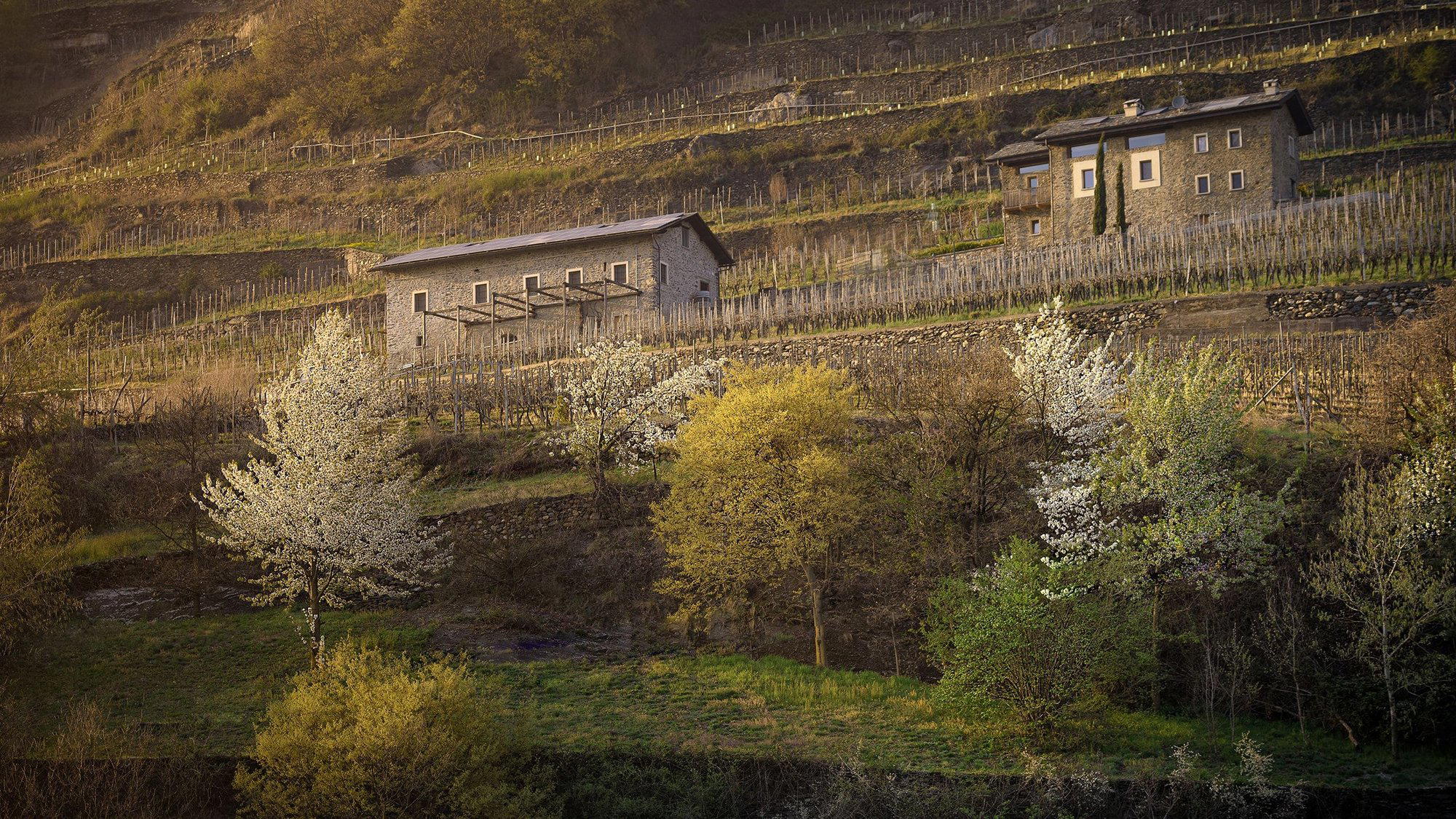
Bars in Teglio
Browse all →
Restaurants in Teglio
Browse all →
Details
- Rustic
- Quiet
- Scenic
- Classic
- Solo Exploration
- Wine Education
- Historic Building
- Vineyard Tour
- Sustainable
- Mountain
- Vineyard
- Nebbiolo
- Chardonnay
- Merlot
- Syrah
- Still Red
- Still White
- Trade Tastings
- Estate Visit
A rustic, terraced mountain-winery atmosphere centered on steep slopes, stone-and-soil terroir, and a working family estate rather than a polished hospitality venue.