San Rustico dal 1870

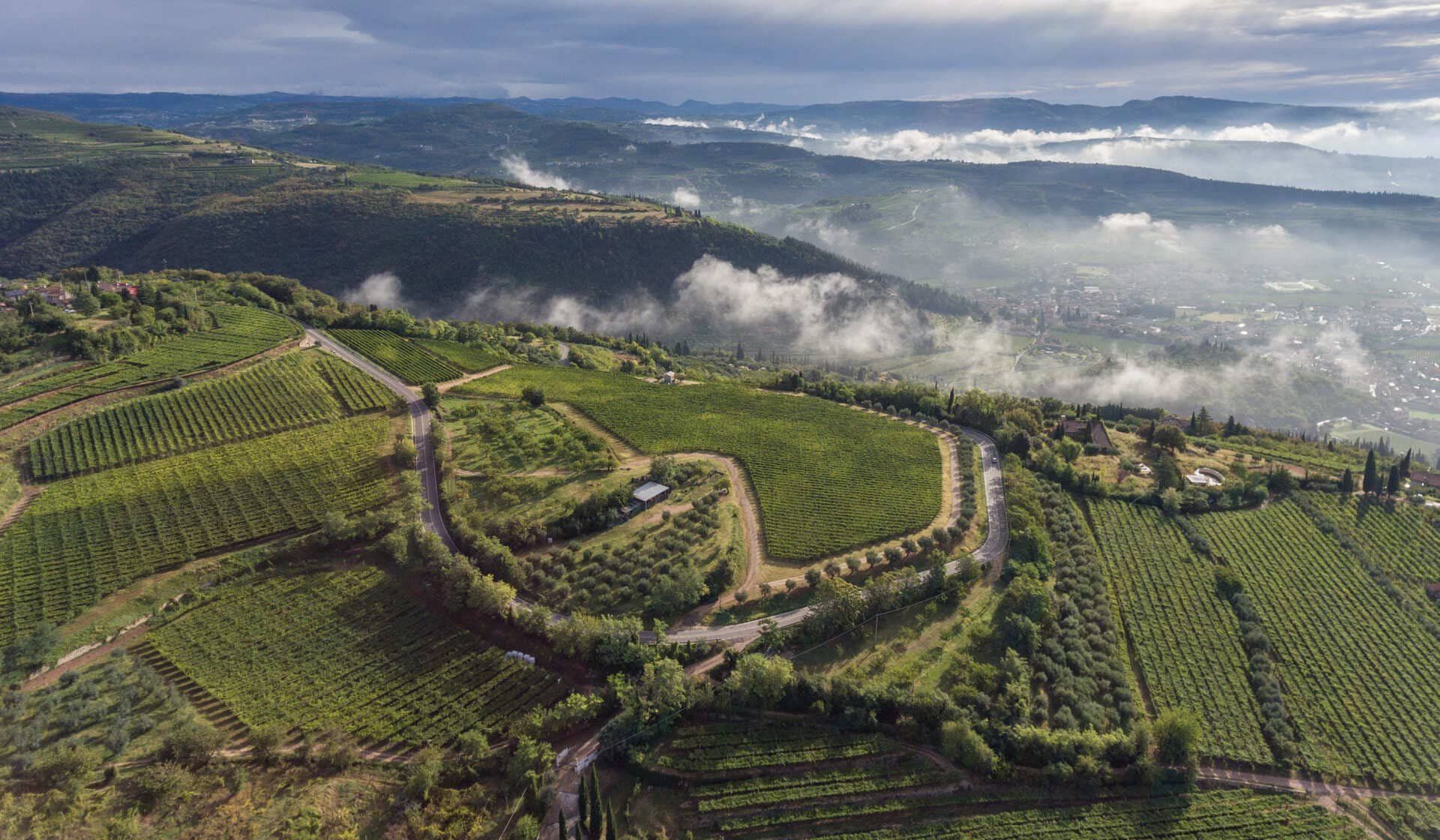
San Rustico dal 1870 belongs to the Valpolicella Classico tradition rather than the polished tasting-room circuit. The draw is a historic, family-run winery setting in Marano di Valpolicella, with vineyards in Marano and Valgatara, a focus on classic red styles, and Recioto della Valpolicella DOCG anchoring its old-zone identity.
Pearl is the En Primeur Club membership app — saves, bookings, and concierge access live there. Same editors, same standards.
- Address
- Marano di Valpolicella, Veneto, Italien
- Directions
- Get directions
 Saves & bookings on Pearl
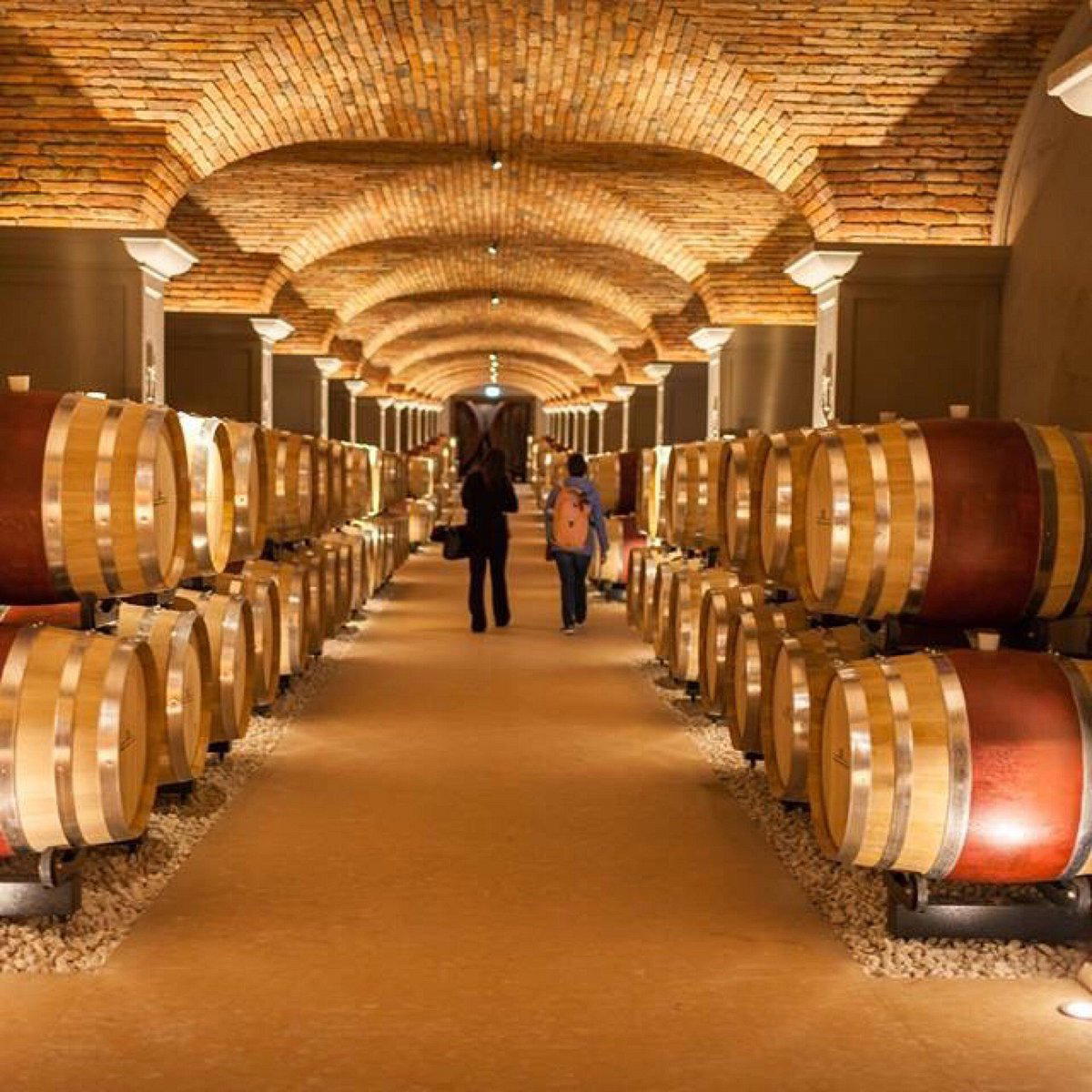
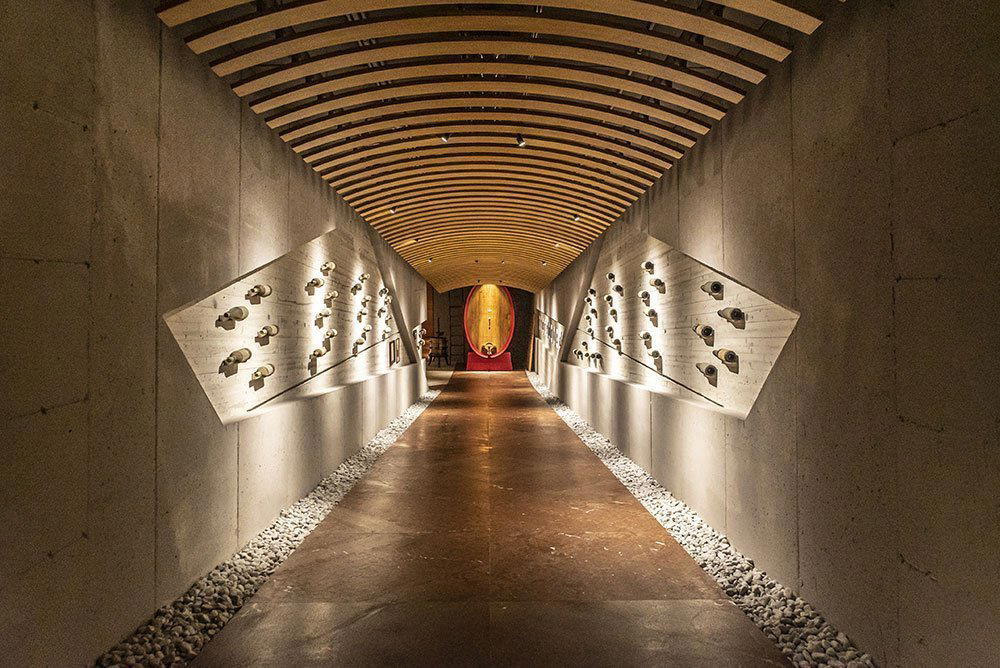
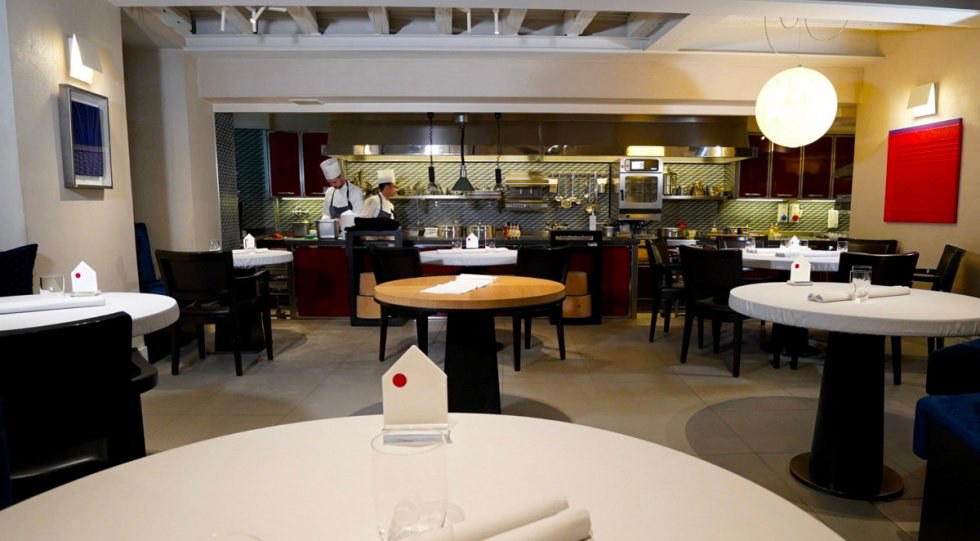
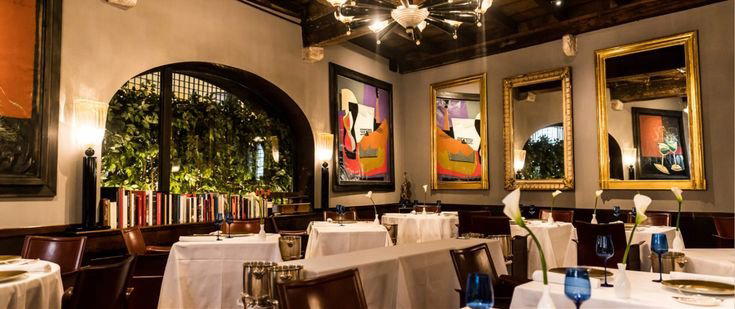
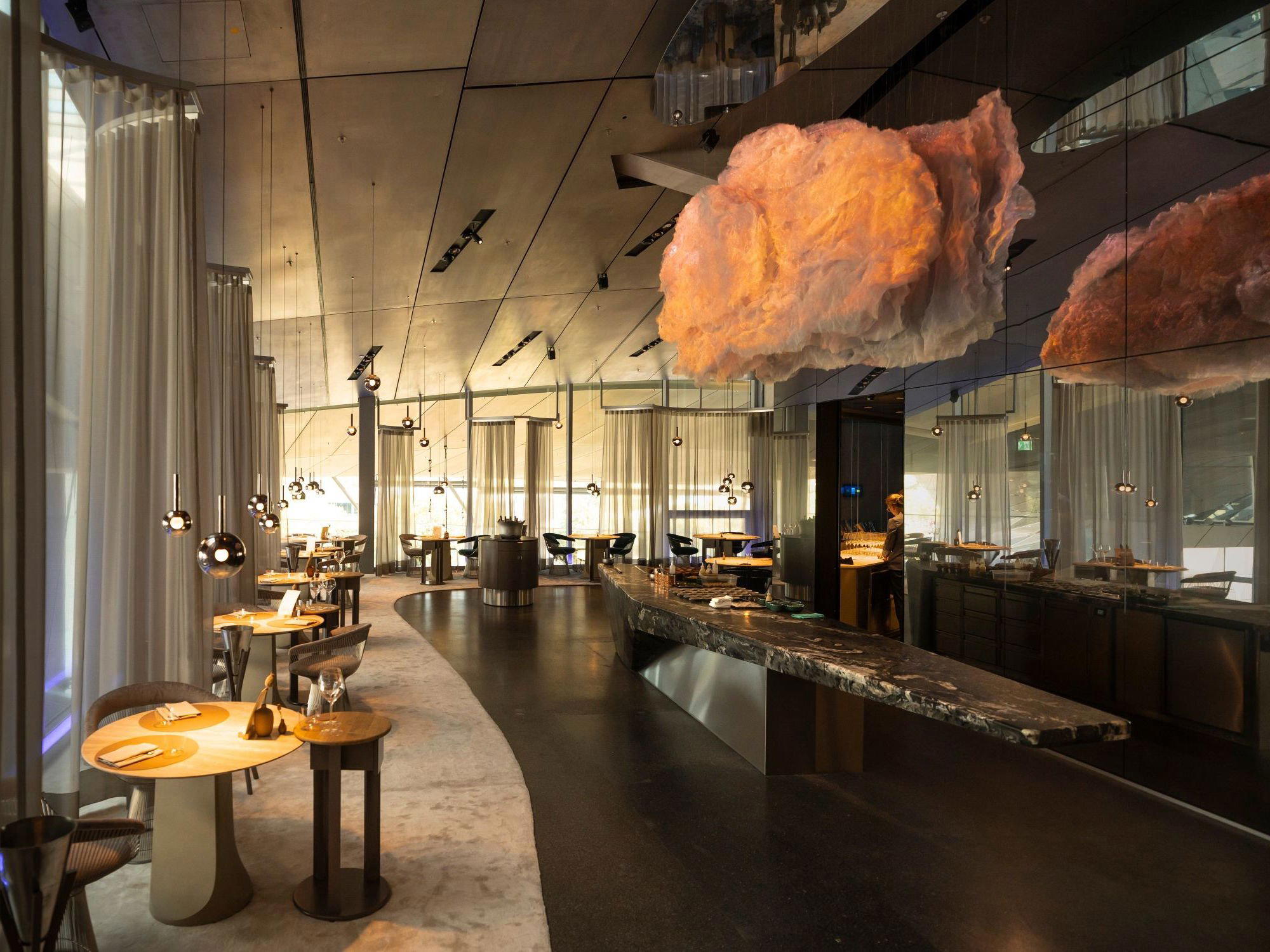
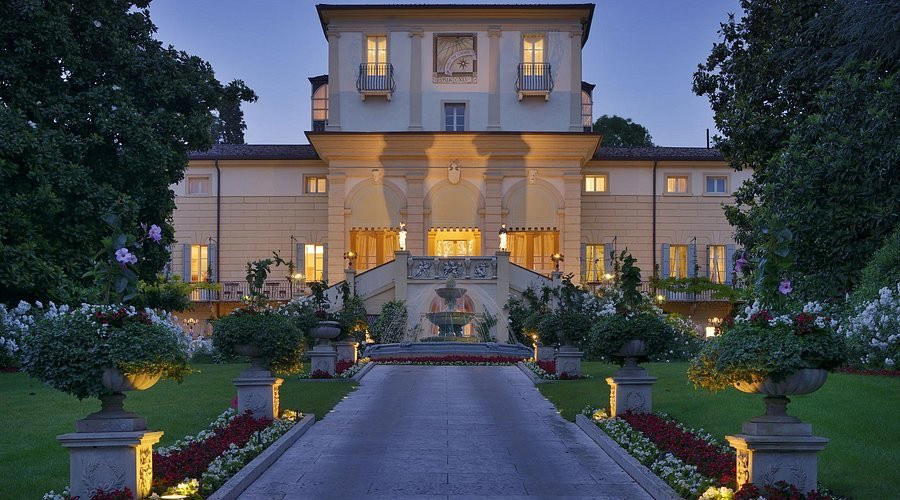
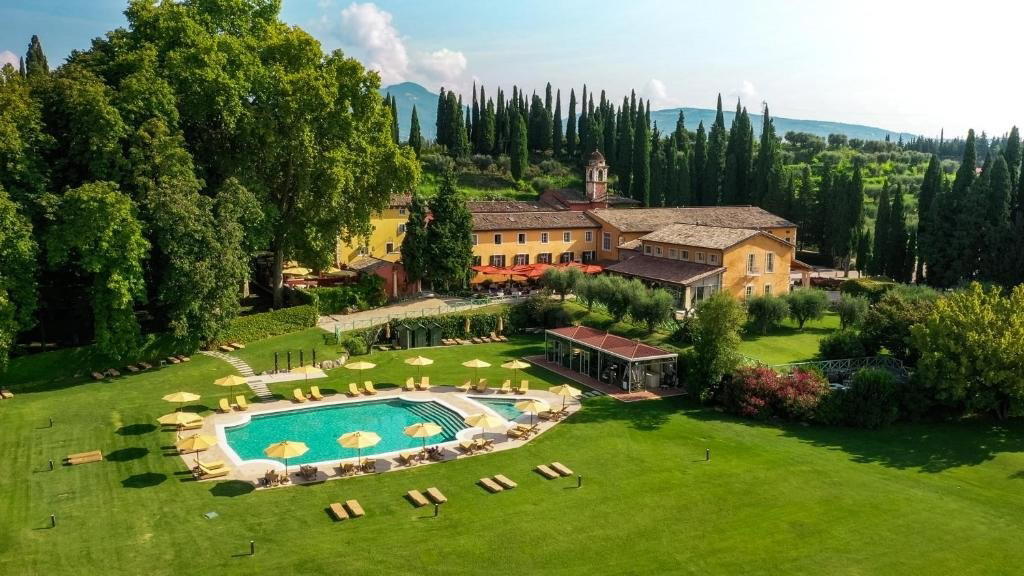
San Rustico dal 1870 is a family-run winery in Marano di Valpolicella, with its identity tied to heritage, manual harvest, and classic Valpolicella production. The setting is best understood through a traditional winery atmosphere: rustic, cozy, and closely connected to its historic cellar character. Rather than presenting itself as a polished destination built around spectacle, the venue reads as a place where the main attraction is continuity: the sense of a winery rooted in its area, its family structure, and the established rhythms of Valpolicella wine culture.
Marano di Valpolicella through classic Valpolicella production
For travellers looking at Marano di Valpolicella through wine, San Rustico dal 1870 offers a grounded point of reference. The picture is not a long list of amenities or a detailed technical profile, but a simpler one: a historic-feeling, family-run winery with a focus on classic Valpolicella production. That simplicity is part of the usefulness of the address. It gives visitors a way to understand the area through a more traditional lens, where the name, the cellar atmosphere, and the work of wine production matter more than a highly packaged experience.
That makes the estate useful for visitors who want a quieter, more traditional stop in the area. The emphasis is on heritage, manual harvest, and a cellar identity shaped by continuity rather than spectacle. Those points create an expectation of a visit that is more about place and context than about ticking off technical details. Specific vineyard measurements, grape lists, individual labels, and tasting formats should be checked directly with the winery before planning around them, especially if those details are essential to the purpose of the visit.
The appeal here is the atmosphere as much as the wine context. San Rustico dal 1870 reads as rustic and cozy, with the feel of a traditional cellar in Marano di Valpolicella. For many travellers, that kind of setting is exactly what makes a winery stop memorable: not because it tries to be expansive, but because it feels tied to the landscape and to the long-established culture of the region. In practical terms, it is best approached as a classic Valpolicella reference point rather than as a venue defined by a broad list of extras.
A family winery atmosphere, not a production-line tasting stop
The hospitality tone associated with the winery is traditional and family-run, with a historic cellar identity. Travellers should expect a setting that keeps attention on place, heritage, and classic Valpolicella production. This is the kind of profile that suits visitors who value a slower, more grounded encounter with a winery, where the surroundings and the sense of continuity are part of the experience. The family-run character is important because it frames the venue less as a standardized stop and more as a winery whose personality comes through its traditional atmosphere.
Safest way to plan is to treat the winery as a traditional winery visit in Marano di Valpolicella and confirm current tasting details directly with the venue. Planning with that caution avoids turning a general sense of the place into assumptions. It also lets the winery itself provide accurate current information, while the role of this description remains focused on the broader character: heritage, manual harvest, classic Valpolicella production, and a rustic cellar feel.
Price positioning is listed as $$, giving the venue an accessible middle-tier profile. In itinerary terms, that suggests a winery that can sit comfortably within a broader day in Marano di Valpolicella without needing to be framed as either a budget-only stop or a high-end splurge. The value of the visit, however, should be understood in relation to its traditional identity as much as its price category. Its appeal rests on the combination of family-run atmosphere, historic-cellar character, and a focus on classic Valpolicella rather than on elaborate add-ons.
How to place it in a Marano di Valpolicella wine itinerary
Marano di Valpolicella rewards travellers who build an itinerary around pacing and place. The winery can sit naturally within a wine-led day focused on traditional cellars, classic Valpolicella production, and the quieter character of the area. It is a good fit for an itinerary that does not rush from one appointment to another, but instead leaves room to appreciate the setting and the continuity suggested by a family-run winery with a historic identity. The visit makes most sense when treated as part of a broader encounter with Marano di Valpolicella rather than as a standalone checklist item.
If the winery is a priority, confirm the current details with the winery before you go. That confirmation is the ideal way to align expectations with what is available at the time, while still letting the venue’s established character guide your planning: traditional, family-run, rustic, cozy, and closely connected to classic Valpolicella production.
Recognition history
Dated appearances from independent guides and award organizations, with the underlying list record or original source where available.
Falstaff Winery - Listed
Falstaff
Continue exploring
More in Marano di Valpolicella
Wineries in Marano di Valpolicella
Browse all →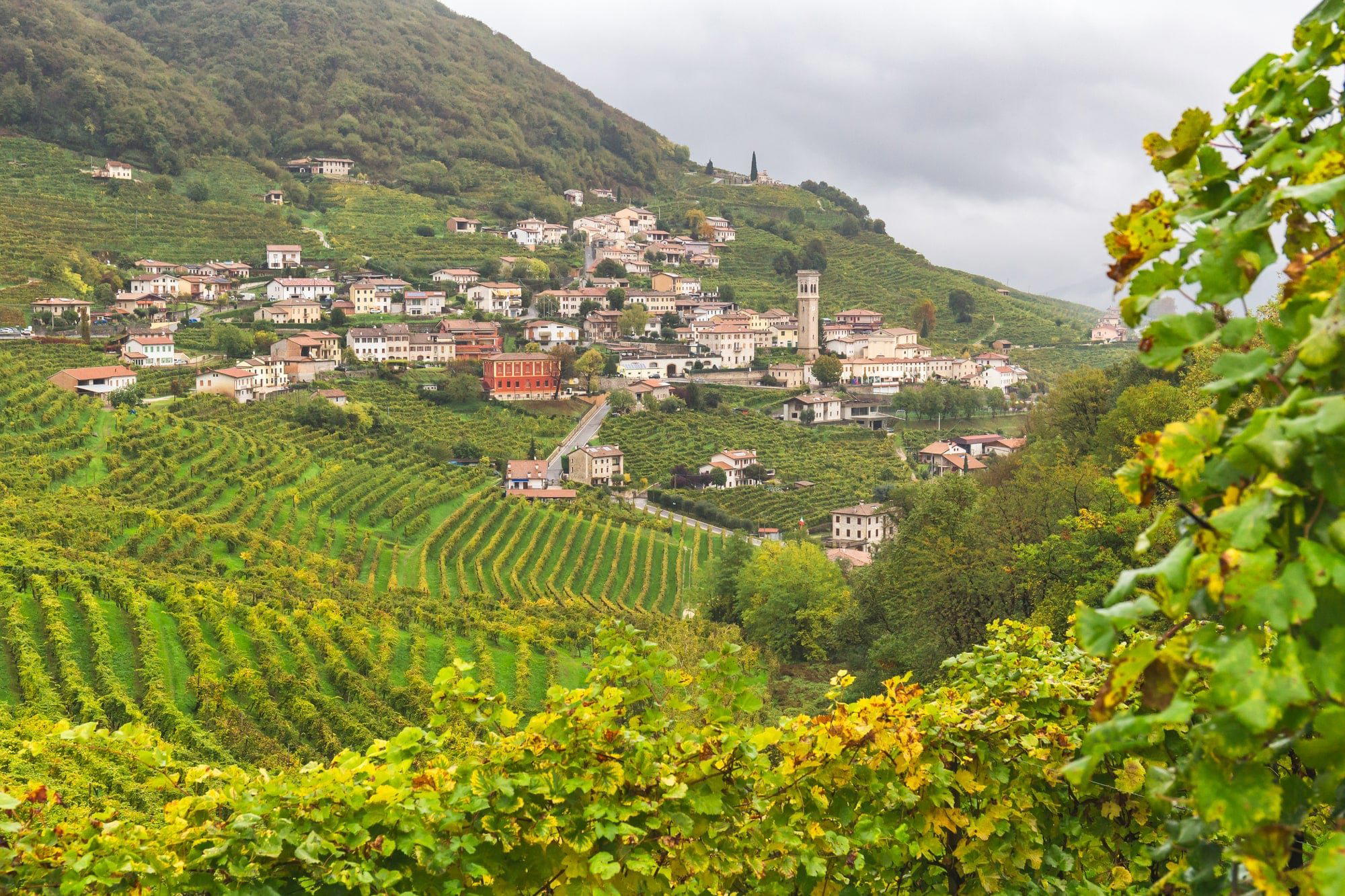
Bars in Marano di Valpolicella
Browse all →
Restaurants in Marano di Valpolicella
Browse all →
At a Glance
- Classic
- Rustic
- Cozy
- Solo Exploration
- Special Occasion
- Wine Education
- Historic Building
- Private Tasting
- Design Destination
- Vineyard
Traditional, family-run winery atmosphere with a historic cellar identity and a tasting room in Valgatara; the setting emphasizes heritage, manual harvest, and classic Valpolicella production.